
1. A Journey Through Giza’s Most Striking and Harmonious Monument
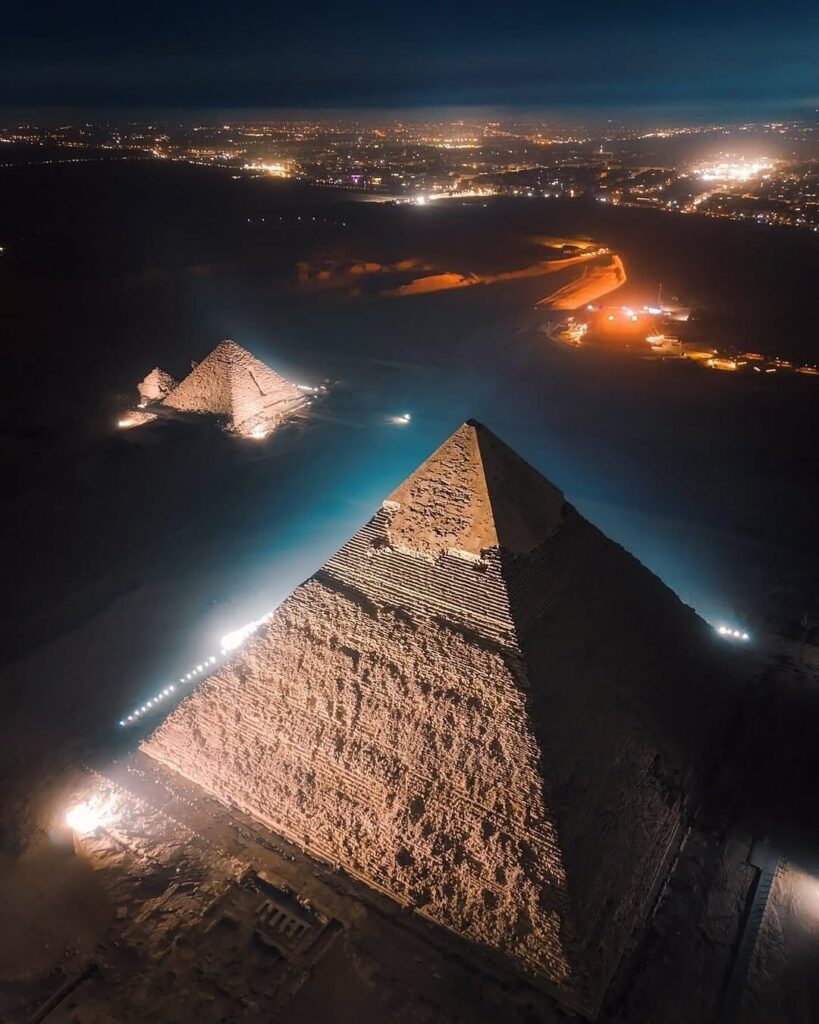
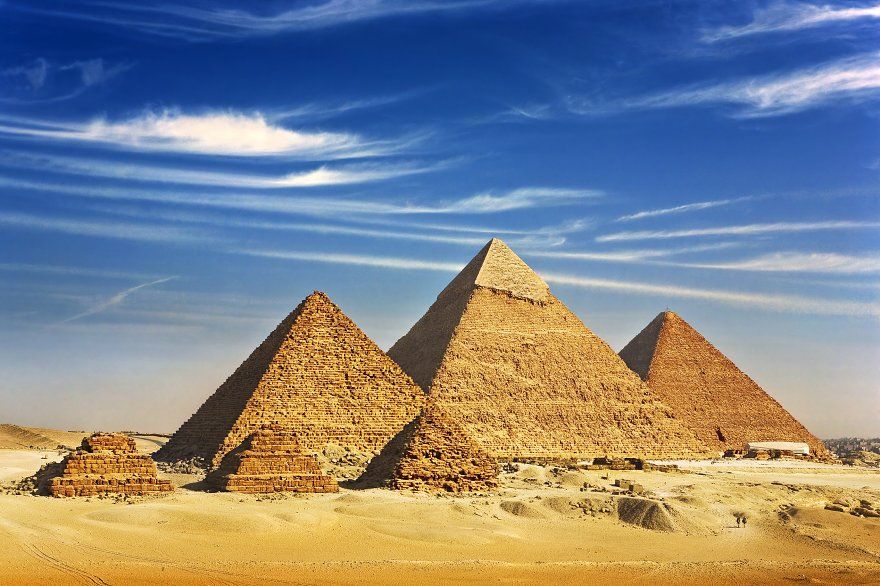
The Pyramid of Khafre is one of Egypt’s most visually commanding and historically significant destinations, offering travelers an unforgettable journey into the heart of Old Kingdom majesty, royal devotion, and timeless architectural proportion. Established in the 26th century BC during the Fourth Dynasty, this legendary monument was built as the eternal resting place for Pharaoh Khafre, the son of Khufu. Situated prominently in the center of the Giza Plateau, the pyramid is far more than an ancient tomb—it is the focal point of a vast, interconnected sacred complex that represents the absolute peak of Egypt’s golden age. For travelers seeking authentic cultural exploration in Cairo, the Pyramid of Khafre provides a deeply immersive adventure that showcases the true grandeur of pharaonic engineering.
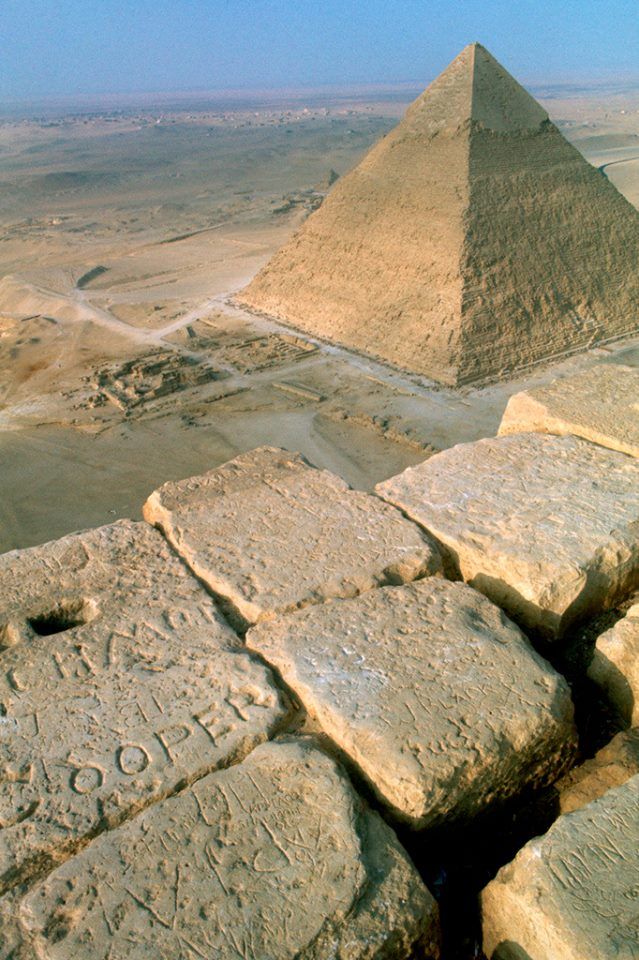
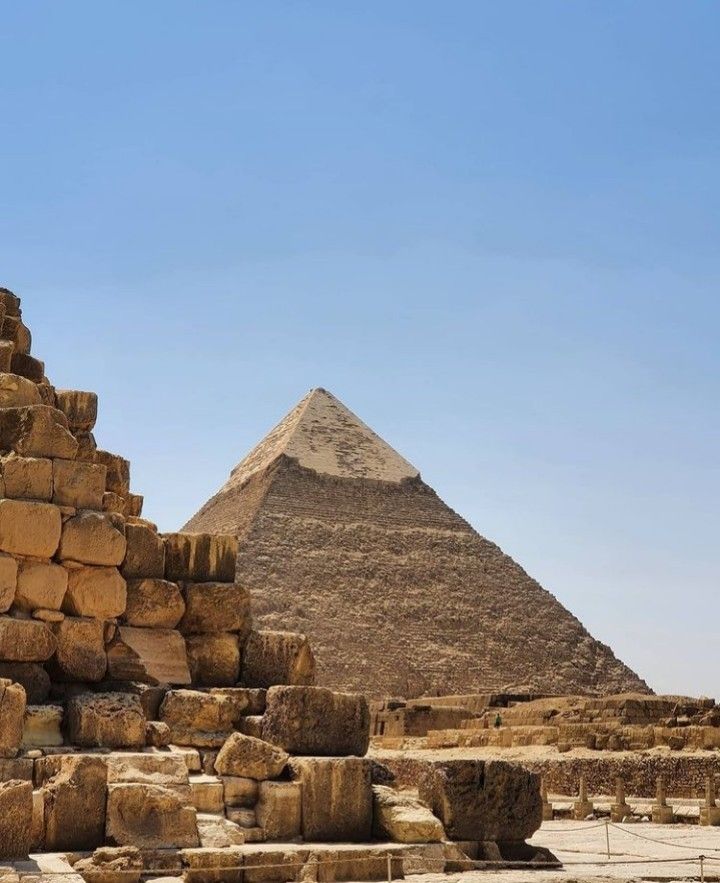
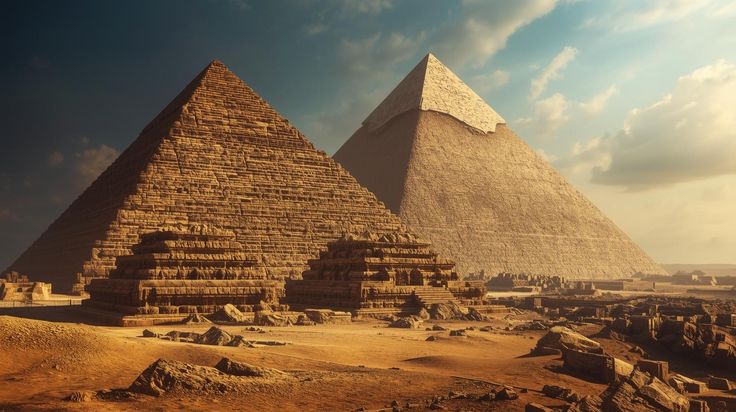
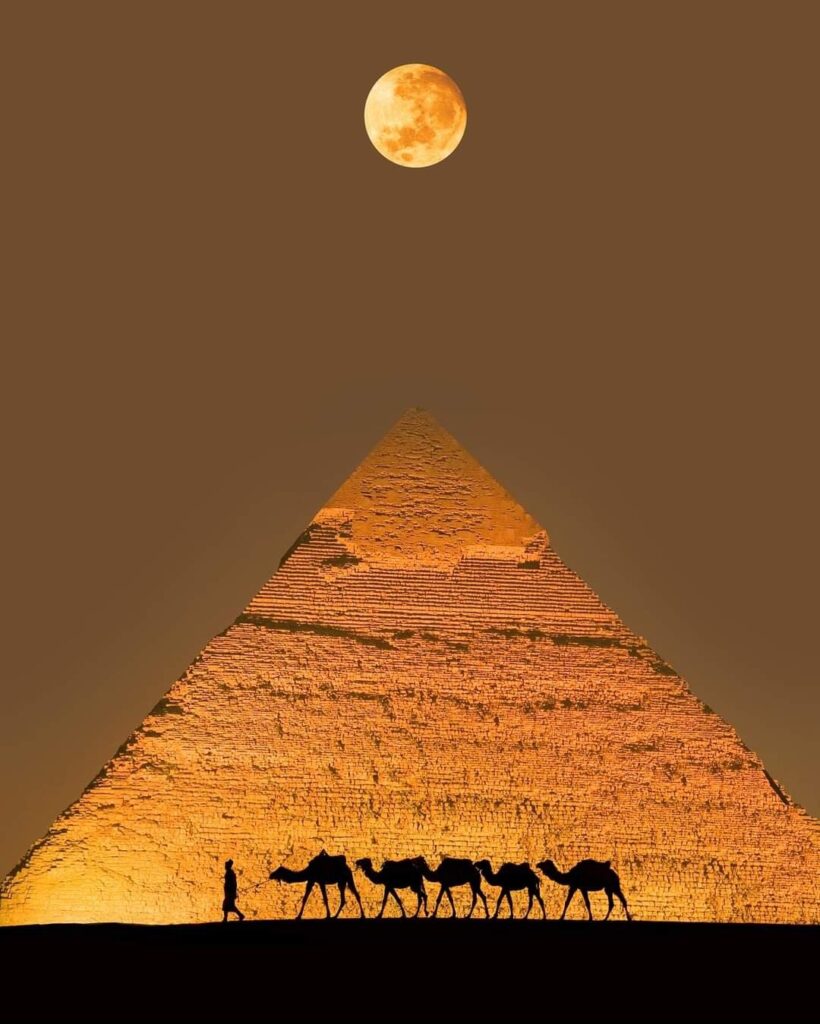
Walking up to the Pyramid of Khafre feels like stepping directly into a masterpiece of ancient design. Rising to an immense height, it is the only monument on the plateau that still proudly retains its original casing stones at the very top, giving visitors a rare, authentic glimpse of how these smooth structures looked thousands of years ago. The market of time has weathered the lower levels, but the apex stands as a majestic crown against the blue sky, creating a dramatic visual impact unlike any other site in Egypt. Every turn around its massive base reveals a stunning perspective, where the sharp lines of the stone meet the endless horizons of the golden Sahara desert.
What makes Khafre’s pyramid truly extraordinary is its incredible sense of proportion and optical dominance. Because it was constructed on a slightly higher bedrock foundation than the neighboring Great Pyramid, it creates a brilliant illusion of being the largest structure on the plateau, commanding the landscape with effortless royal authority. It stands as a living monument to the enduring spirit of ancient Cairo—a place where cosmic alignment and natural topography were blended seamlessly by master builders. Whether you are passionate about history, classical architecture, photography, or simply soaking in the timeless atmosphere of Egypt, the Pyramid of Khafre offers a remarkable introduction to the city’s historic soul.
2. Exploring the Subterranean Chambers and Sacred Architecture
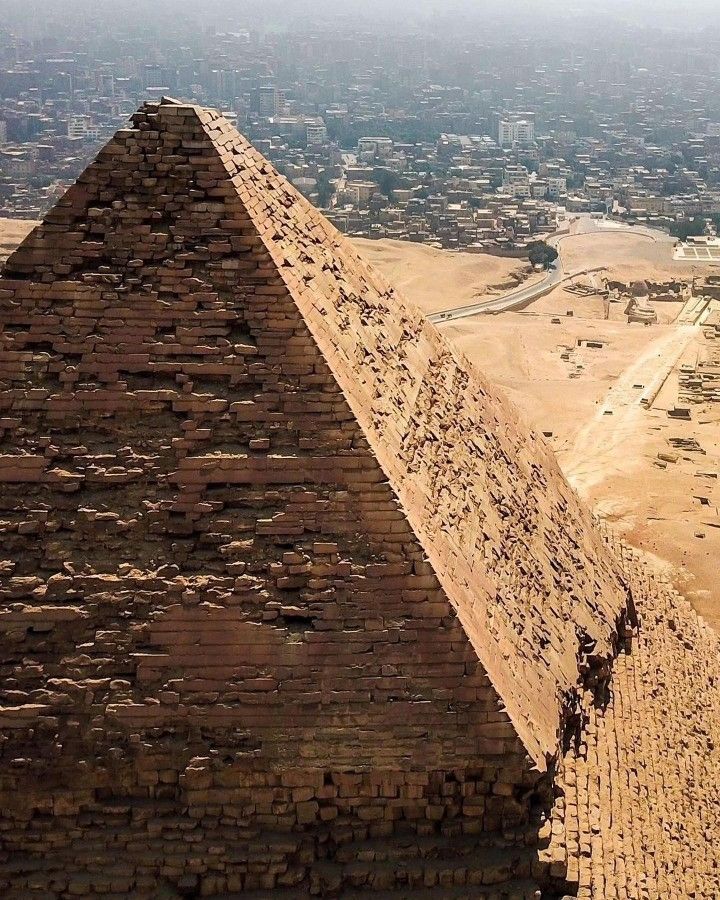
Venturing into the inner world of the Pyramid of Khafre is one of the most exciting and intimate experiences visitors can enjoy on the Giza Plateau, offering a unique contrast to the complex pathways of its larger neighbor. Unlike Khufu’s monument, which features galleries built high into the stone core, Khafre’s pyramid utilizes a more traditional, subterranean design with passages carved deeply into the solid bedrock beneath the structure. From the moment you descend into its quiet, stone-lined corridors, you are surrounded by the raw power of ancient masonry, tight pathways, and a silent, atmospheric energy that has guarded the pharaoh’s memory for over four millennia. For travelers seeking an authentic encounter with the mysteries of the afterlife, this journey provides an unforgettable thrill.
What makes exploring the interior of this legendary pyramid especially memorable is the rewarding sense of discovery at the end of the descent. The lower sloping passage flattens out, leading visitors directly into the main burial chamber, a vast and solemn hall cut out of the living rock and roofed with massive, pointed limestone beams designed to lift the weight of the structure above. Resting against the far wall sits the magnificent, dark granite sarcophagus of Khafre himself, set slightly into the floor just as it was left during the Old Kingdom. The absolute stillness of the room and the smooth, monumental scale of the walls create a deeply humbling atmosphere that connects visitors directly to the religious devotion of the ancient world.
The architectural journey extends beyond the stone blocks of the pyramid itself to the magnificent mortuary ruins located just outside its eastern base. Here, the remains of Khafre’s upper temple reveal a complex grid of grand courtyards, statue niches, and massive stone pillars where priests once performed daily rituals to sustain the king’s spirit in the heavens. Beyond the sheer size of the stones, exploring this sacred layout allows travelers to engage directly with the complex funerary traditions that defined Egypt’s dynastic eras. The Pyramid of Khafre is not merely a geometric landmark to be viewed from afar—it is a beautifully engineered spiritual landscape where every corridor and courtyard becomes part of an eternal adventure.
3. The Grand Causeway: Walking the Path of the Sun Kings
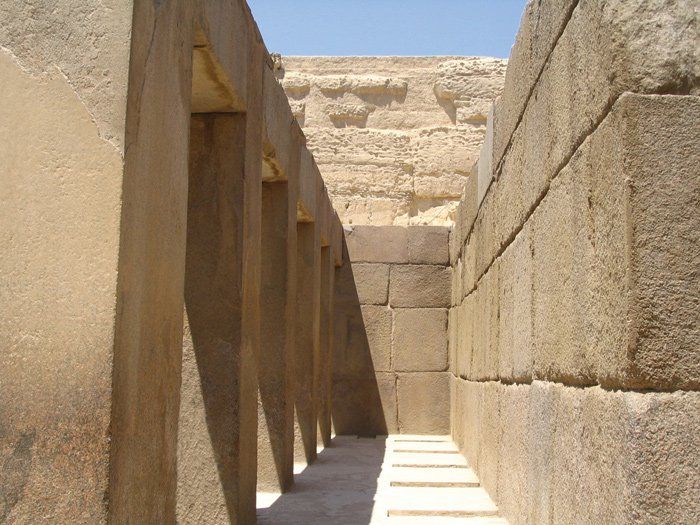
No visit to the Pyramid of Khafre feels complete without walking along the legendary Grand Causeway, the historic stone pathway that connects the upper pyramid complex to the lower valley below. Stretching for nearly half a kilometer across the desert floor, this ancient ceremonial road was once a fully enclosed, covered corridor lined with beautifully carved limestone walls and illuminated by narrow slits in the roof. Established as a symbolic bridge between the land of the living and the realm of the dead, the causeway is far more than a simple walkway—it is a strategic architectural link that guides visitors through the true ritual layout of the pharaoh’s court. For travelers seeking a powerful visual understanding of Giza’s sacred geometry, this historic path remains an essential stop.
Stepping onto the path of the Grand Causeway feels like following the exact footsteps of ancient royal processions. Walking downhill from the towering base of Khafre’s pyramid, the pathway offers an extraordinary, changing perspective of the landscape, framing the monument behind you while slowly revealing the majestic silhouette of the Great Sphinx ahead. Unlike exploring the crowded areas directly around the pyramid bases, walking the causeway offers an experience built around movement, symmetry, and historical context. Pausing along this elevated stone ridge allows visitors to absorb the grand, unified vision of the ancient designers who transformed the entire plateau into a harmonious celestial stage.
Beyond its immediate visual charm, the causeway holds a vital place in understanding the relationship between the monuments of Giza, acting as the physical thread that ties the pyramid, the temples, and the Sphinx into a single, massive composition. Taking the time to walk this path allows travelers to slow down, escape the immediate tourist crowds, and experience the scale of the plateau just as the ancients did during royal funerals. Whether you stop to photograph the alignment of the stones against the horizon or simply enjoy the desert breeze as it moves across the ancient valley, the Grand Causeway offers one of the most atmospheric experiences in Cairo. It is not just a walkway—it is part of Egypt’s living story, where history and spatial harmony continue to thrive.