
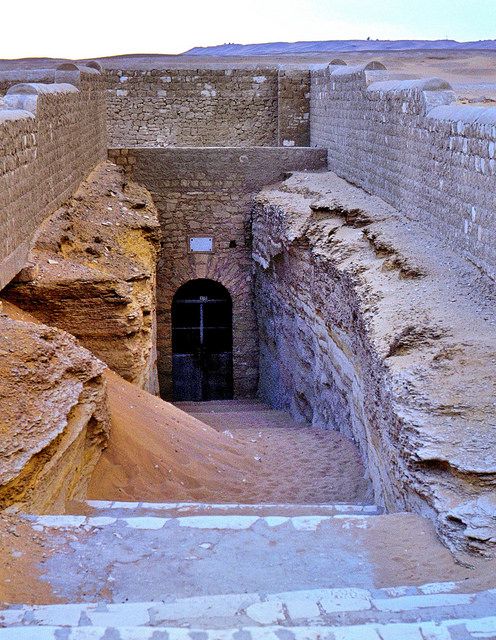
Welcome to

The Serapeum of Saqqara: Egypt’s Underground Labyrinth of Mystery and Ancient Wonders

The Serapeum of Saqqara stands as one of Egypt’s most extraordinary archaeological treasures, offering travelers a fascinating journey into the origins of pyramid construction, royal burial traditions, and the earliest achievements of ancient Egyptian civilization. Located just south of Cairo near the ancient capital of Memphis, this vast necropolis served as the sacred burial ground for the ancient city for thousands of years, preserving an incredible concentration of tombs, temples, pyramids, and archaeological wonders. Most famously, Saqqara is home to the Step Pyramid of Djoser, the world’s oldest large-scale stone structure and one of the most important milestones in architectural history. For travelers seeking a deeper connection with ancient Egypt beyond the more famous sites of Giza, Saqqara offers far more than a simple archaeological visit—it provides an immersive experience into the innovation, artistry, and spiritual beliefs that shaped one of the world’s greatest civilizations. From beautifully decorated tombs and sacred burial chambers to remarkable pyramids and vast desert landscapes, every corner of Saqqara tells a story of royal ambition, engineering brilliance, and timeless legacy. Whether you are passionate about archaeology, ancient history, photography, or cultural exploration, Saqqara promises one of the most rewarding and unforgettable historical experiences near Cairo. Stepping onto this hallowed plateau allows visitors to walk in the footsteps of ancient visionary architects and high priests who redefined monumental stone building. Today, new discoveries continue to emerge from the desert sands, keeping Saqqara at the center of global archaeological excitement. It remains a premier destination for those who want to witness the actual birthplace of the pharaonic empire’s grandeur.

1. Unveiling the Sacred Enigma of the Apis Bulls

The Serapeum of Saqqara is not just an ordinary archaeological site; it is a profound testament to one of ancient Egypt’s most deeply revered and fascinating religious practices: the cult of the sacred Apis Bull. To fully appreciate the majesty of this subterranean marvel, travelers must first understand the spiritual significance of these magnificent creatures. In ancient Egyptian cosmology, the Apis Bull was not merely viewed as a simple animal, but rather as the living, breathing earthly manifestation of Ptah, the magnificent god of creation and master craftsman of the universe. Later in Egyptian history, upon its physical death, the sacred bull became beautifully assimilated with Osiris, the benevolent ruler of the underworld, transforming into the powerful compound deity known to generations as Serapis. Throughout their earthly lives, these carefully selected bulls were treated with the utmost luxury, pampered in grand temples, and pampered by high priests who looked for specific divine markings on their coats. When an Apis Bull passed away, the entire nation entered a period of deep, collective mourning, treating the loss with the same gravity as the death of a pharaoh. The physical body of the bull was meticulously mummified using complex, expensive techniques, wrapped in fine linen, and adorned with priceless jewelry. This rich spiritual backdrop sets the stage for the creation of the Serapeum itself, a monumental undertaking designed to provide a grand, eternal resting place for these divine intermediaries. Visiting this site allows modern travelers to connect directly with the profound spiritual devotion that drove ancient artisans to carve a massive, enduring sanctuary out of solid bedrock, ensuring the eternal legacy of the sacred Apis Bulls remains preserved forever beneath the desert sands.
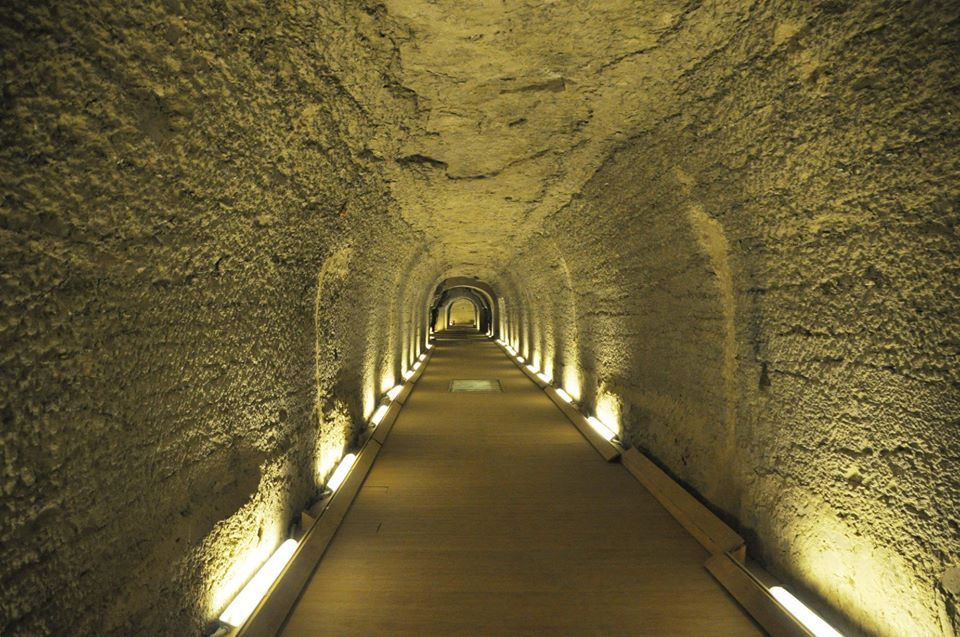
2. Journeying into the Heart of the Subterranean Labyrinth

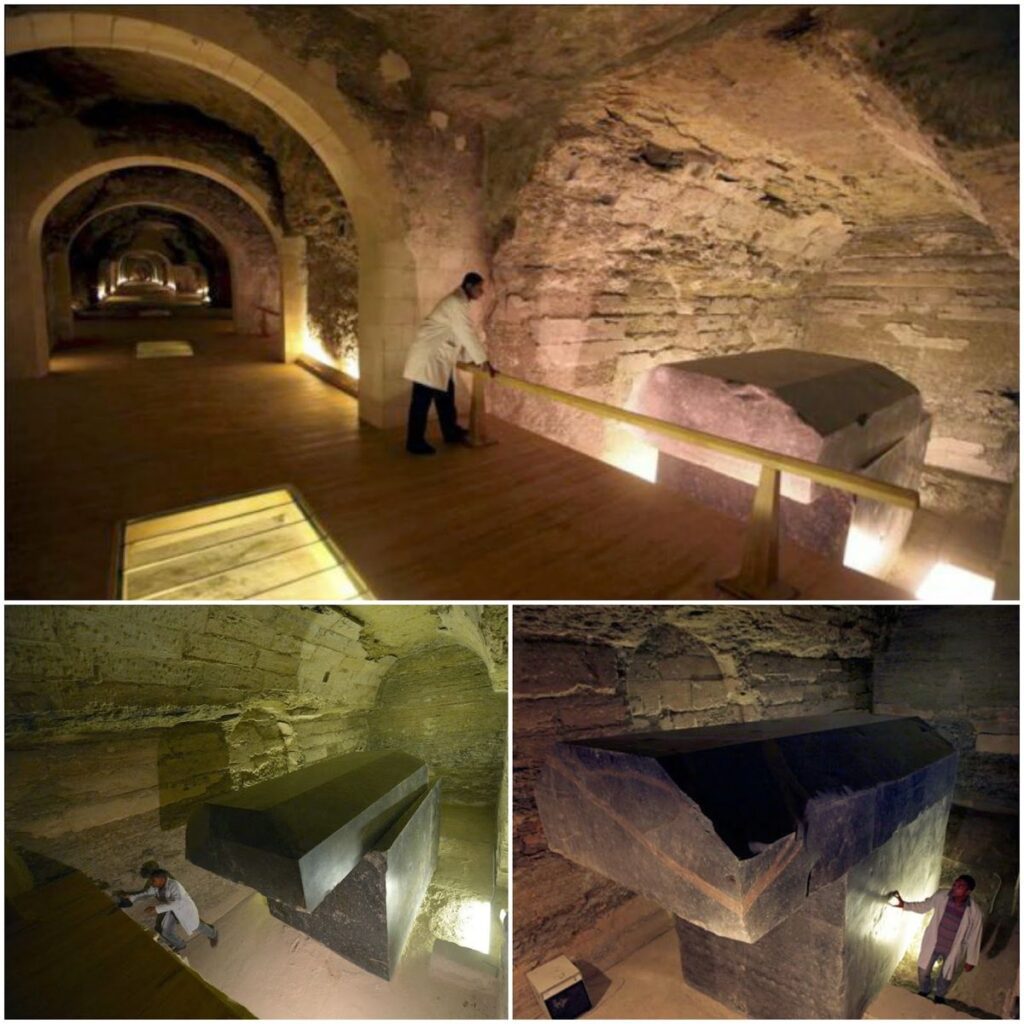
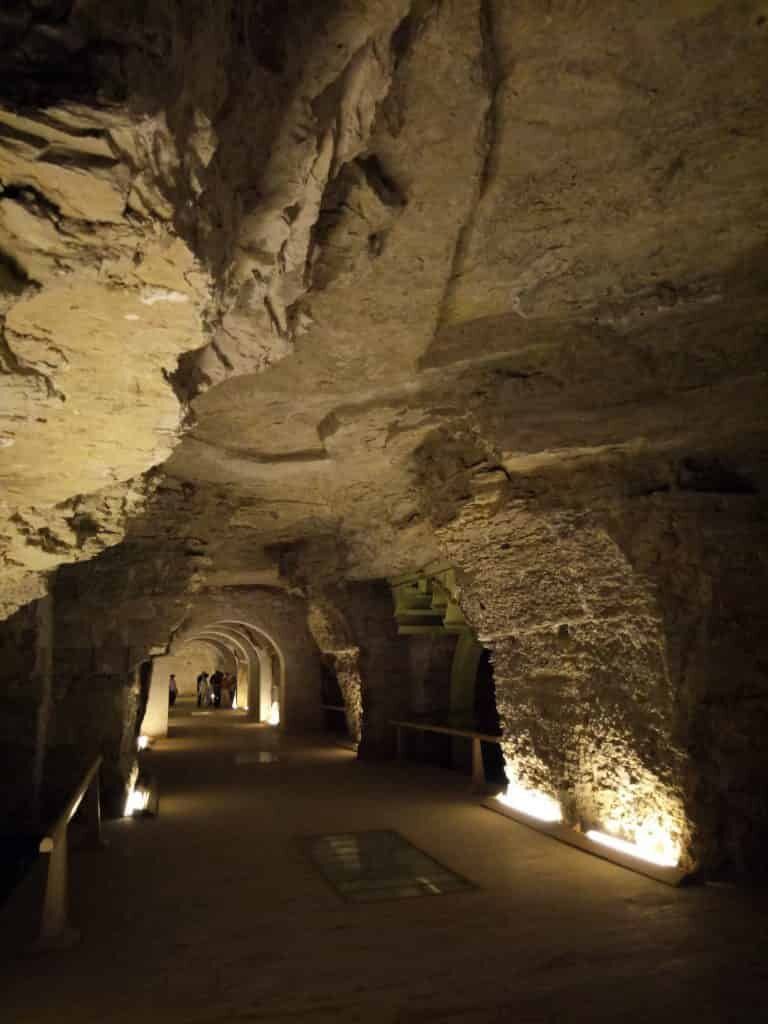
Stepping into the entrance of the Serapeum of Saqqara feels like crossing a threshold into another dimension entirely, leaving the blinding desert sun behind to enter a massive, cool underground world. Visitors are immediately greeted by an expansive network of subterranean tunnels and rock-cut galleries that stretch deep into the earth, reflecting an extraordinary level of engineering skill and architectural ambition. As you walk along the dim pathways, the vast scale of the complex quickly becomes overwhelmingly apparent. The primary gallery features dark, deep recesses cut into the limestone walls at regular intervals, each designed to house a massive, mind-boggling sarcophagus. The atmosphere inside the tunnels is thick with historical mystery, as the shadows dance across the rough-hewn stone, evoking a sense of ancient rituals and secret priestly processions that took place thousands of years ago. Walking through these long, echoes-filled corridors offers travelers a rare opportunity to appreciate the sheer determination required to construct such a sanctuary. Ancient workers had to excavate thousands of tons of solid rock by hand, using primitive copper tools and torches, all while ensuring the structural integrity of the ceiling above remained perfectly secure. For photography enthusiasts and history buffs alike, the dramatic lighting and immense scale of the underground labyrinth provide a visually stunning experience unlike anything else in Egypt. It is a place where the physical boundaries of the ancient world fade away, allowing modern explorers to experience the exact same awe and reverence that visitors felt during the heights of the New Kingdom and Ptolemaic eras.
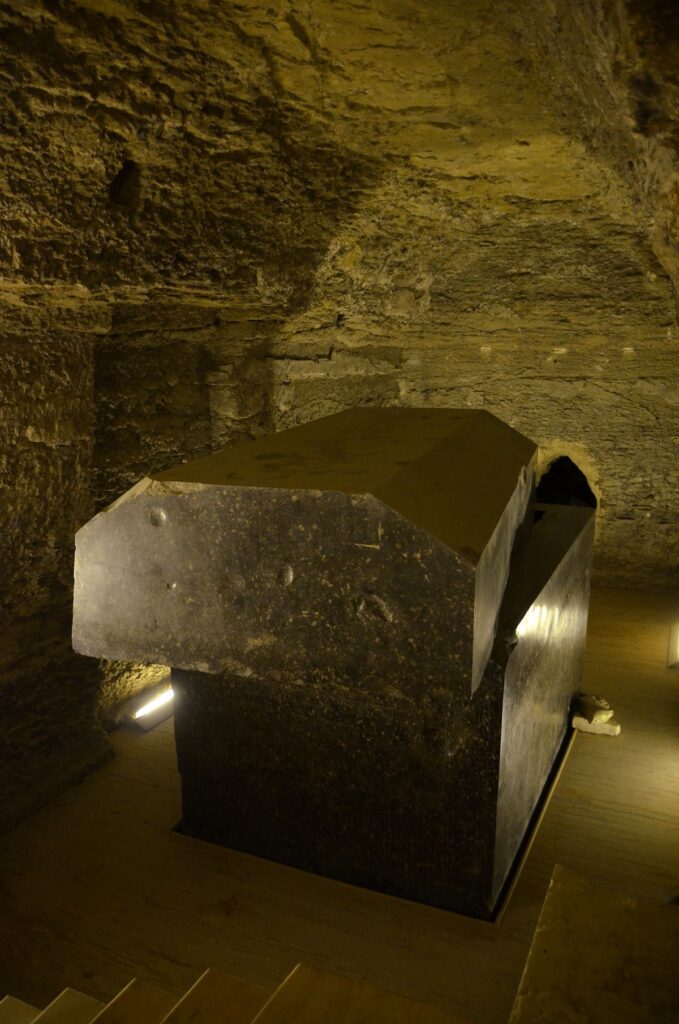
3. The Astonishing Engineering Feat of the Granite Sarcophagi

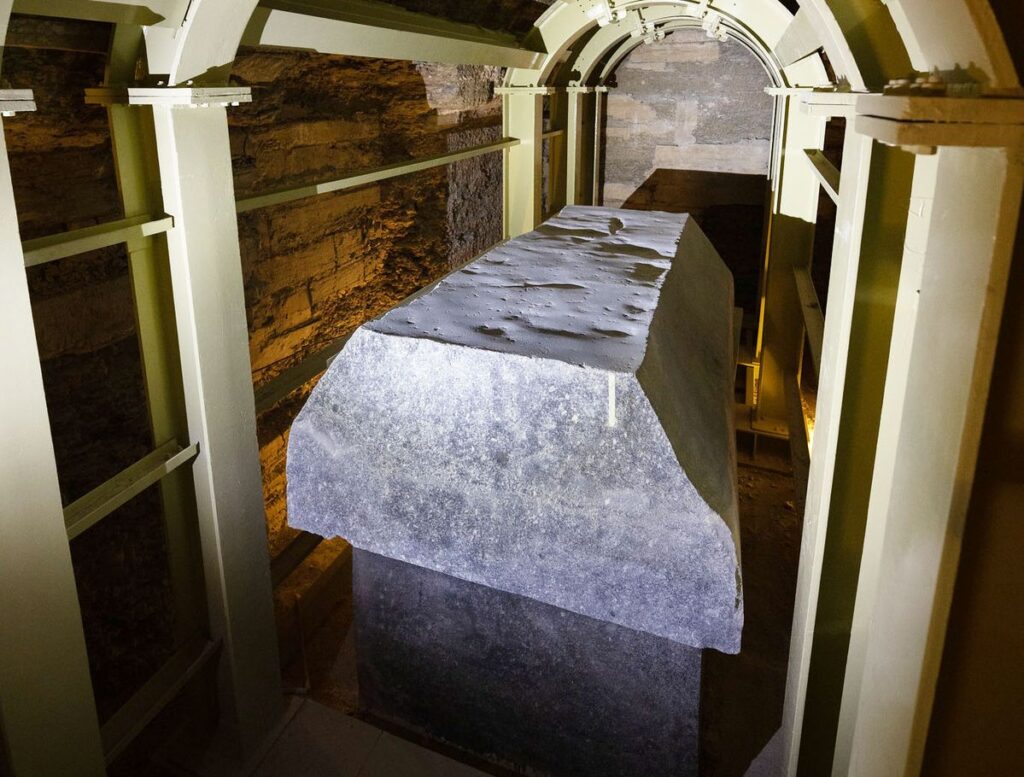
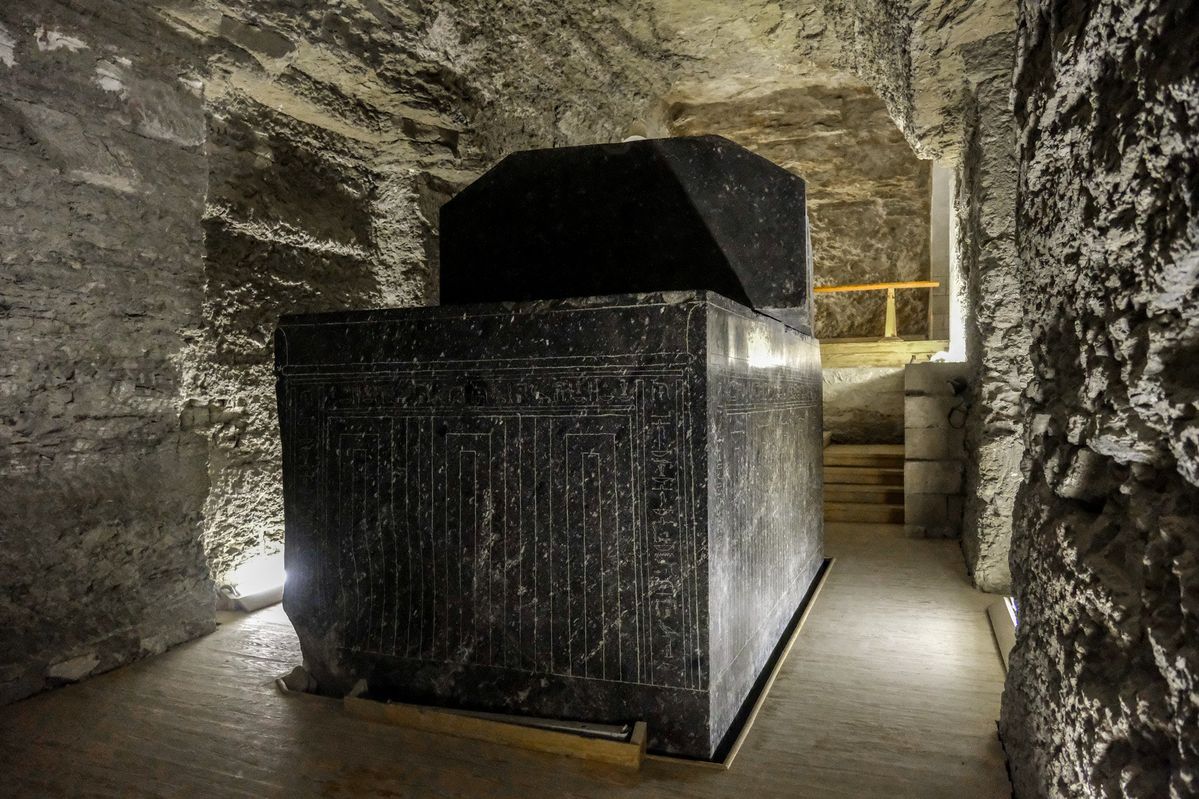
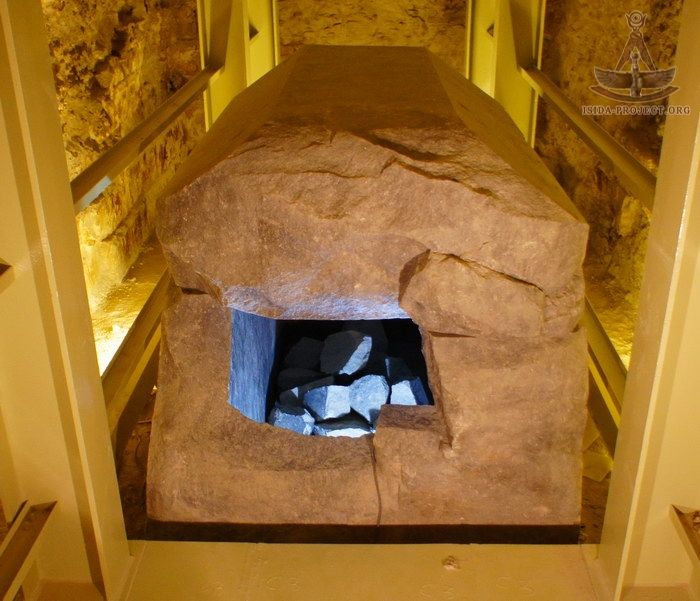
The absolute highlight of any luxury visit to the Serapeum of Saqqara is the up-close encounter with the twenty-four colossal granite sarcophagi that sit inside the underground chambers. These massive stone boxes are true marvels of ancient engineering, leaving modern engineers, architects, and travelers utterly speechless. Each individual sarcophagus is meticulously carved from a single, solid block of incredibly hard stone, such as black basalt, diorite, or rose granite, sourced from quarries located hundreds of miles away in Aswan. Weighing up to seventy tons each, with lids that weigh an additional thirty tons, the sheer physical logistics of transporting these massive objects across the Nile and lowering them into deep, narrow underground chambers remains one of Egypt’s greatest unsolved mysteries. Beyond their mind-boggling size, the flawless precision of the craftsmanship is absolutely astonishing. The surfaces of many sarcophagi are polished to a mirror-like finish, featuring perfectly straight lines, precise ninety-degree angles, and incredibly sharp edges that seem almost impossible to achieve without modern machinery. Some of these colossal boxes are beautifully inscribed with deeply etched hieroglyphs, providing crucial historical clues about the specific periods they were created and the pharaohs who funded their construction. Standing next to these giant monuments, visitors cannot help but feel a deep sense of humility and admiration for the incredible intellectual capacity and physical strength of the ancient Egyptian craftsmen, who pushed the absolute limits of human capability to create an eternal sanctuary that has easily withstood the test of thousands of years.
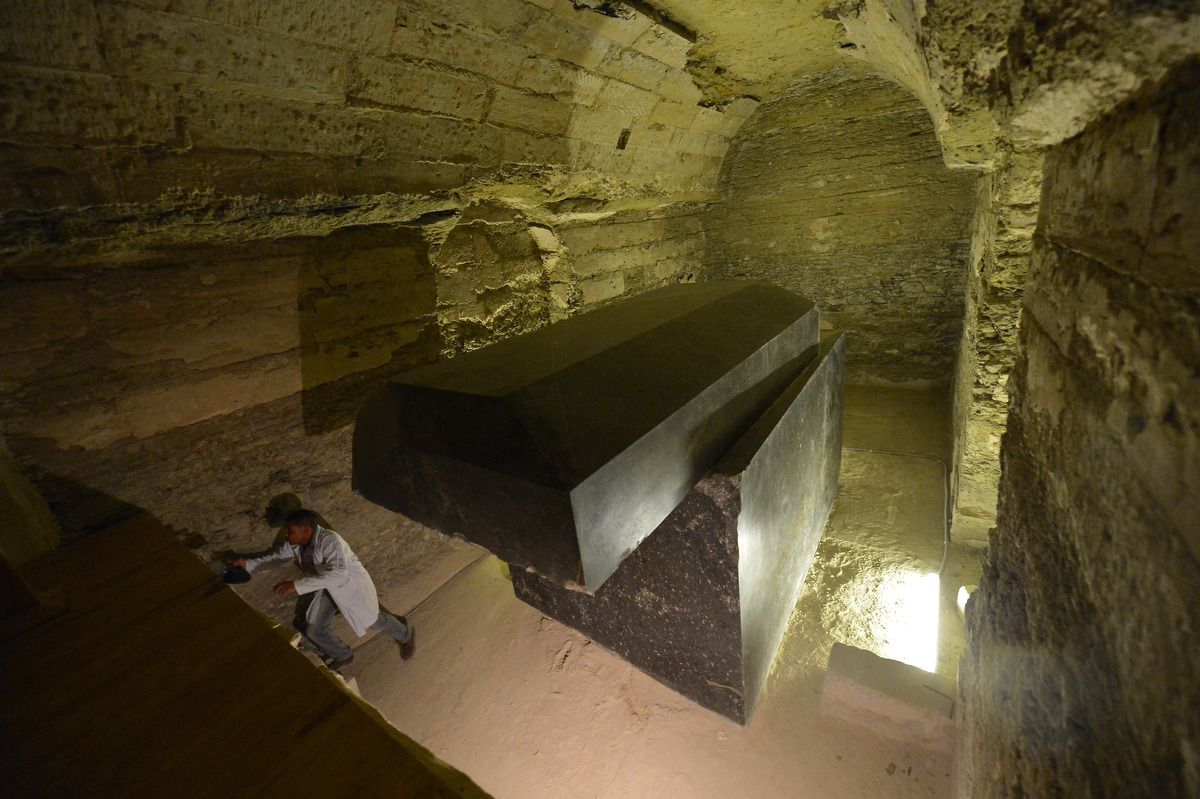
4. Deciphering the Sacred Inscriptions and Hieroglyphic Clues

While the sheer scale of the Serapeum of Saqqara captures the immediate attention of every visitor, a closer look at the intricate inscriptions reveals a treasure trove of historical knowledge. Several of the massive granite sarcophagi and the surrounding stone walls feature carefully carved hieroglyphs that act as a permanent historical record for Egyptologists and curious travelers alike. These sacred texts are not merely decorative elements; they provide vital contextual clues about the specific pharaohs who dedicated resources to the expansion of this subterranean sanctuary, including famous rulers from the New Kingdom to the Ptolemaic period. The inscriptions detail the elaborate ceremonies that took place during the burial of an Apis Bull, including the precise dates of the bull’s birth, its installation in the temple of Memphis, and its ultimate journey into the underworld. For modern visitors, studying these ancient symbols offers an intimate connection to the thoughts and motivations of the high priests who walked these exact corridors thousands of years ago. The walls also held numerous commemorative stelae left behind by ancient pilgrims and officials, which have allowed researchers to piece together a detailed chronological timeline of Egyptian history. Walking past these beautifully preserved writings allows travelers to appreciate that the Serapeum was not just a static tomb, but an evolving library of religious devotion and royal legacy. It is a compelling reminder of how the ancient Egyptians used the power of written language to bridge the gap between the mortal world and the eternal realm of the gods, ensuring their sacred traditions would never be forgotten.

5. Auguste Mariette and the Thrilling Era of Discovery

The modern rediscovery of the Serapeum of Saqqara is a thrilling tale of dedication, intuition, and archaeological triumph that equals the mystery of the site itself. In the mid-nineteenth century, a brilliant French archaeologist named Auguste Mariette arrived in Egypt with a mission to collect ancient manuscripts, but his attention was quickly captured by the shifting desert sands of Saqqara. While exploring the vast plateau, Mariette noticed a lone limestone sphinx partially buried in the sand, which instantly reminded him of an ancient description by the Greek geographer Strabo regarding an avenue of sphinxes leading to the burial place of the Apis Bulls. Driven by this historic clue, Mariette launched an ambitious excavation campaign, clearing away massive sand dunes to uncover a spectacular, long avenue lined with over one hundred beautifully carved sphinxes. Following this majestic pathway deeper into the desert, he eventually discovered the hidden entrance to the subterranean world of the Serapeum in November 1851. When Mariette stepped inside the long-lost galleries, he found himself walking through a time capsule that had remained completely undisturbed for millennia. His historic breakthrough sent shockwaves through the global scientific community and forever changed the course of modern Egyptology. Today, learning about Mariette’s incredible journey adds an extra layer of adventure for travelers, transforming a simple visit into a walk through the golden age of archaeological exploration, where passion and perseverance unlocked one of the greatest hidden secrets of human history.

6. The Heartbreaking Mystery of the Empty Sarcophagi

One of the most profound and lingering mysteries that captivates every traveler who enters the Serapeum of Saqqara is the baffling status of its monumental contents. When Auguste Mariette successfully breached the sealed entrance of the subterranean galleries, he and his team expected to find the lavishly adorned mummies of the sacred Apis Bulls resting peacefully inside their colossal granite vaults. However, to their utter astonishment, nearly every single one of the twenty-four giant sarcophagi was found to be completely empty, with their massive thirty-ton lids slightly pushed aside or permanently cracked open. This shocking discovery instantly triggered a wave of complex theories, academic debates, and intense speculation that continues to fascinate experts and visitors to this very day. Were these magnificent stone boxes thoroughly plundered by highly organized ancient tomb raiders who managed to navigate the dark, tight labyrinth despite the heavy security? Or did the high priests deliberately remove the sacred bull mummies to protect them from political instability and foreign invasions during the later periods of Egyptian history? Some alternative theories even suggest that many of these monumental boxes were never filled in the first place, serving instead as symbolic, eternal cenotaphs designed to project divine energy across the sacred landscape. Standing before these open, empty monuments creates an undeniably powerful atmosphere of intrigue, encouraging modern explorers to ponder the deep secrets that the ancient craftsmen took with them to their graves.

7. Unearthing the Untouched Treasure of Vault Number Twenty-Four

While many of Egypt’s most famous attractions are known for dramatic crowds and bustling visitor activity, Saqqara offers a more peaceful and immersive archaeological experience. The vast desert setting, open historical spaces, and quieter atmosphere allow travelers to explore one of Egypt’s greatest ancient treasures at a slower and more reflective pace. This calm environment makes Saqqara especially appealing for visitors seeking a deeper connection with history away from the busier tourist centers.

Walking through Saqqara creates a unique sense of stepping back in time. Surrounded by ancient pyramids, tombs, and desert silence, visitors can appreciate the scale, artistry, and historical significance of the site without the overwhelming energy often found at larger attractions. This slower rhythm allows for a more personal and meaningful encounter with ancient Egypt’s remarkable legacy.

For history lovers, photographers, and thoughtful cultural travelers, Saqqara offers something truly special—a chance to experience one of the world’s most important archaeological landscapes in a quieter, more contemplative setting. Rather than simply visiting another famous monument, travelers often leave feeling they have discovered one of Egypt’s most profound historical treasures.

8. Khaemwaset: The World's First Archaeologist and Prince of Saqqara

The fascinating architectural and historical development of the Serapeum of Saqqara is deeply intertwined with the life of one of ancient Egypt’s most brilliant and unconventional royal figures: Prince Khaemwaset. As the fourth son of the legendary Pharaoh Ramesses II, Khaemwaset was a man of immense intellect who chose to serve as the High Priest of Ptah in Memphis rather than pursuing military glory. He possessed a profound passion for his nation’s ancestral past, dedicating his long life to identifying, clearing, and restoring the crumbling monuments, pyramids, and elite tombs left behind by earlier dynasties. Because of these pioneering efforts, modern historians widely celebrate him as the world’s very first archaeologist. Khaemwaset took a special, deeply personal interest in the expansion of the Serapeum, recognizing that the sacred Apis Bulls required a much grander, more secure communal resting place. Under his visionary leadership, workers excavated the very first major underground galleries, moving away from the isolated individual surface tombs used in previous generations to create a unified, monumental sanctuary. His architectural innovations laid the structural foundation for the massive subterranean labyrinth that luxury travelers explore today. Walking through these historic corridors allows visitors to directly honor the enduring legacy of a royal prince who chose preservation over power, ensuring that the incredible achievements of his ancestors would successfully survive to inspire the modern world.

9. The Golden Evolution through the Ptolemaic Era

The rich historical and architectural evolution of the Serapeum of Saqqara did not come to an end with the decline of the native Egyptian pharaohs; instead, it experienced a spectacular revival during the Ptolemaic Era. When the Greek general Ptolemy I Soter established his new dynasty following the conquests of Alexander the Great, he faced the complex challenge of uniting his Greek and Egyptian subjects under a singular, cohesive cultural identity. To achieve this political and spiritual harmony, he strategically championed the worship of Serapis, a magnificent compound deity who beautifully blended the attributes of Osiris and Apis with traditional Greek gods like Zeus and Hades. This clever religious synthesis breathed vibrant new life into the sacred complex at Saqqara, transforming it into a world-renowned pilgrimage site that attracted travelers, scholars, and devotees from across the entire Mediterranean basin. The Ptolemaic rulers funded major structural expansions, adding grand Greek-style architectural elements, beautiful statues of famous philosophers, and majestic approach avenues to the traditional Egyptian design. For modern visitors, exploring these specific layers of history highlights the incredible adaptability of Egyptian spiritual traditions, showing how the Serapeum successfully transitioned from a secretive pharaonic sanctuary into a bustling, international cultural hub that successfully bridged the complex worlds of East and West.

10. Practical Tips for an Unforgettable Luxury Expedition

To fully appreciate the profound mysteries and immense scale of the Serapeum of Saqqara, travelers should approach their visit with careful planning and a sense of deliberate exploration. Because this magnificent monument is located beneath the desert plateau, the underground galleries maintain a unique, sheltered climate, but the vast outdoor necropolis surrounding it can become exceptionally warm during the peak hours of the day. It is highly recommended to arrive at the site early in the morning when the desert air is fresh and the golden sunlight perfectly highlights the rugged beauty of the landscape. Wearing comfortable, sturdy walking shoes is absolutely essential, as navigating the uneven stone pathways of the subterranean tunnels requires steady footing. Additionally, investing in a high-quality portable flashlight or ensuring your smartphone is fully charged will enhance your ability to closely inspect the remarkably precise carvings on the lower sections of the massive granite sarcophagi. For those passionate about capturing memories, checking the latest local photography regulations beforehand ensures a seamless experience, allowing you to beautifully document the dramatic interplay of light and shadow within the ancient vaults without any unexpected delays.

11. Maximizing Your Journey with an Expert Private Guide

While exploring the Serapeum of Saqqara independently is undeniably thrilling, unlocking the deepest secrets of this underground labyrinth is best achieved through the companionship of an expert private guide. The sheer historical density of the complex means that many of its most remarkable features—such as subtle tool marks left by ancient masons, faint historic graffiti from Greek pilgrims, and hidden architectural alignments—can easily be missed by the untrained eye. A knowledgeable Egyptologist guide can seamlessly translate the ancient hieroglyphs in real-time, bringing the dramatic stories of the Apis Bulls, Prince Khaemwaset, and Auguste Mariette to life with captivating narrative detail. Furthermore, a private tour allows you to set your own relaxed pace, spending extra time marveling at the astonishing precision of the sixty-ton granite boxes while completely avoiding the crowded rush of large tour groups. This personalized approach transforms a standard sightseeing trip into a deeply immersive, educational expedition, ensuring you depart the sacred sands of Saqqara with a comprehensive, profound understanding of the engineering brilliance and spiritual devotion that shaped this timeless monument.

12. Preserving the Eternal Legacy of the Desert Subterranean Sanctuary

As your luxury journey through the Serapeum of Saqqara comes to an end, stepping back out into the bright desert sun offers a profound moment of reflection on the enduring legacy of this magnificent underground sanctuary. The historical and cultural significance of this monumental site cannot be overstated; it stands as an absolute pinnacle of human engineering, religious devotion, and architectural ambition that has successfully resisted the destructive forces of nature and time for thousands of years. Today, continuous preservation and restoration efforts by international teams and the Egyptian Ministry of Tourism and Antiquities ensure that this delicate subterranean wonder remains safe and accessible for future generations of global explorers to admire. Advanced climate control systems and carefully designed structural reinforcements have been meticulously installed to protect the ancient limestone tunnels and colossal granite sarcophagi from the subtle effects of humidity and foot traffic. By choosing to visit this remarkable destination, travelers contribute directly to the ongoing appreciation and protection of world heritage, keeping the vibrant stories of the ancient craftsmen and sacred traditions alive. The Serapeum is not merely a collection of empty stone boxes; it is a living monument to human ingenuity and a powerful bridge that connects our modern world to the brilliant minds of antiquity, leaving every visitor with an unforgettable sense of awe and a deeper understanding of our shared global history.

Serapeum of Saqqara : Frequently Asked Questions

The Serapeum served as the sacred, communal burial place for the divine Apis Bulls, which were worshipped as the living earthly manifestations of the creator god Ptah, and later associated with Serapis. Upon their natural deaths, these sacred bulls were meticulously mummified, adorned with exquisite jewelry, and placed within massive stone sarcophagi inside this subterranean labyrinth during grand national religious ceremonies.

The engineering scale of the Serapeum is truly astonishing, featuring twenty-four colossal sarcophagi carved from single blocks of solid rock like granite and basalt. Each individual stone box weighs up to seventy tons, with the massive lids adding an additional thirty tons, bringing the total weight of a single complete monument to an incredible one hundred tons.

Yes, exploring the Serapeum is entirely safe and represents a highly rewarding experience for modern travelers. The Egyptian Ministry of Tourism and Antiquities has meticulously installed structural reinforcements, modern wooden walkways, and professional low-impact lighting throughout the main tunnels, making the underground environment stable, well-ventilated, and exceptionally comfortable to navigate.

The legendary monument was rediscovered in November 1851 by the pioneering French archaeologist Auguste Mariette. Guided by an ancient description written by the Greek geographer Strabo, Mariette cleared away massive desert sand dunes to uncover a majestic avenue of over one hundred sphinxes that directly led him to the sealed entrance of the subterranean vaults.

While the visual scale of the underground chambers is breathtaking on its own, a private guide deeply enriches your journey by revealing the hidden historical narratives of the site. An expert can translate the ancient hieroglyphs in real-time, point out subtle ancient tool marks, and explain the complex evolution of the Apis cult, transforming a standard sightseeing walk into an unforgettable educational expedition.