
Welcome to

Papyrus Factory: The Living Legacy of Egypt’s Ancient Art and Writing Revolution

The Papyrus Factory stands as one of Egypt’s most extraordinary cultural treasures, offering travelers a fascinating journey into the origins of paper manufacturing, ancient artistic traditions, and the earliest literary achievements of human civilization. Located along the fertile banks of the Nile and near major historic hubs, these specialized workshops serve as sacred preservation grounds for a thousands-of-years-old craft, safeguarding an incredible concentration of botanical knowledge, meticulous handcrafting techniques, and timeless artistic masterpieces. Most famously, the papyrus plant is home to the world’s very first flexible writing surface, representing one of the most important milestones in global communication and historical documentation. For travelers seeking a deeper connection with ancient Egypt beyond the monumental stone structures of the pyramids, a visit to an authentic Papyrus Factory offers far more than a simple shopping stop—it provides an immersive experience into the innovation, artistry, and spiritual beliefs that shaped one of the world’s greatest civilizations. From witnessing the fascinating physical transformation of the green river reeds to admiring beautifully hand-painted sheets featuring vibrant pharaonic scenes, every corner of the factory tells a story of royal administration, master craftsmanship, and a timeless cultural legacy. Whether you are passionate about ancient history, traditional arts, unique photography, or luxury souvenir collection, exploring a Papyrus Factory promises one of the most rewarding and unforgettable educational experiences during your Egyptian journey. Stepping into these lively workshops allows visitors to walk in the footsteps of ancient scribes and visionary artisans who redefined how human thought is recorded and preserved. Today, these factories keep Egypt’s living history vibrant, making it a premier destination for those who want to touch the actual material that carried the stories of the pharaohs across millennia.

1. The Sacred Botanical Treasure of the Nile Reeds

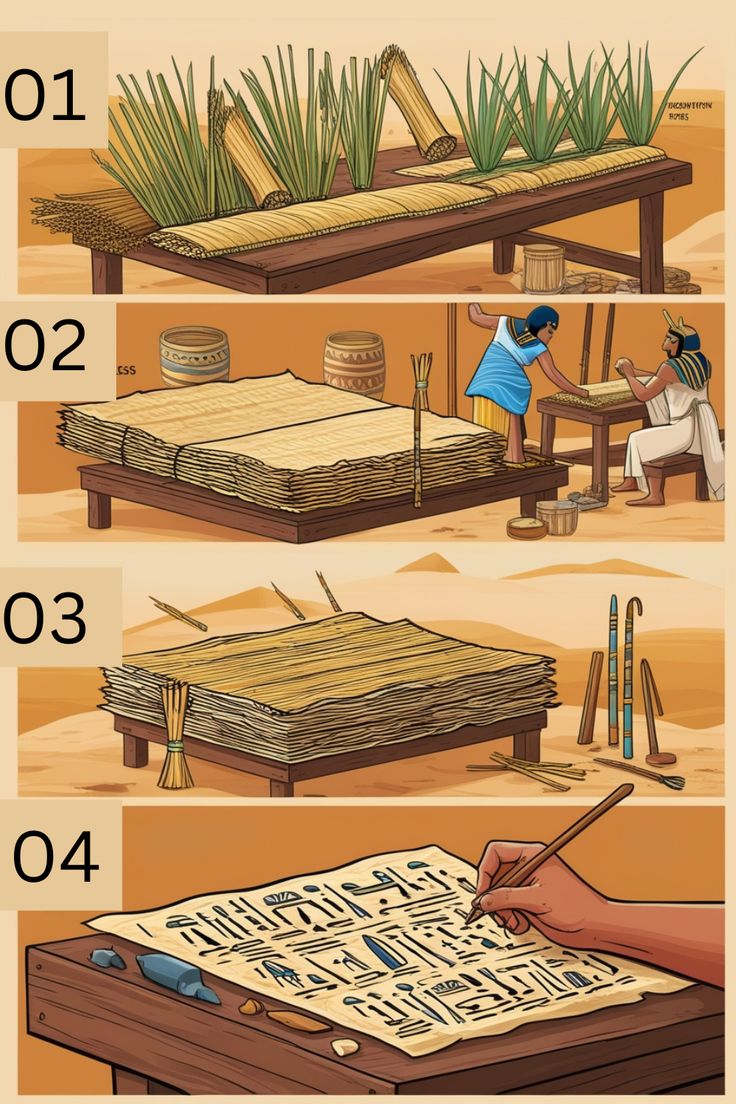
To truly appreciate the wonder of an authentic Papyrus Factory, travelers must first understand the remarkable botanical history of the plant that started a global communication revolution. Known scientifically as Cyperus papyrus, this elegant, tall river reed once grew in absolute abundance throughout the lush, marshy landscapes of the Nile Delta. In the spiritual world of ancient Egypt, the plant held a deep, sacred significance that extended far beyond its practical uses. Its long, triangular stalk perfectly mirrored the shape of the majestic pyramids, while its vibrant, umbrella-like flowering top resembled the brilliant rays of the sun god Ra, making it a powerful symbol of eternal life, rebirth, and divine protection. The ancient Egyptians utilized this incredibly versatile plant for a wide variety of daily necessities, including constructing lightweight river boats, weaving comfortable sandals, and crafting durable ropes. However, its most profound transformation occurred within the royal workshops, where master artisans discovered that the inner pith of the stalk could be systematically processed into a flexible, lightweight, and incredibly durable writing surface. Walking into a modern factory, visitors are surrounded by the natural, earthy aroma of these historic reeds, immediately connecting them with the ancient river environment that nurtured the birth of human literature. Understanding this rich botanical background allows luxury travelers to view the raw green stalks not merely as common river vegetation, but as the literal, sacred fabric upon which the entire administrative, medical, and spiritual history of the spectacular pharaonic empire was permanently recorded.
2. Captivating Live Demonstrations of an Ancient Handcrafting Art

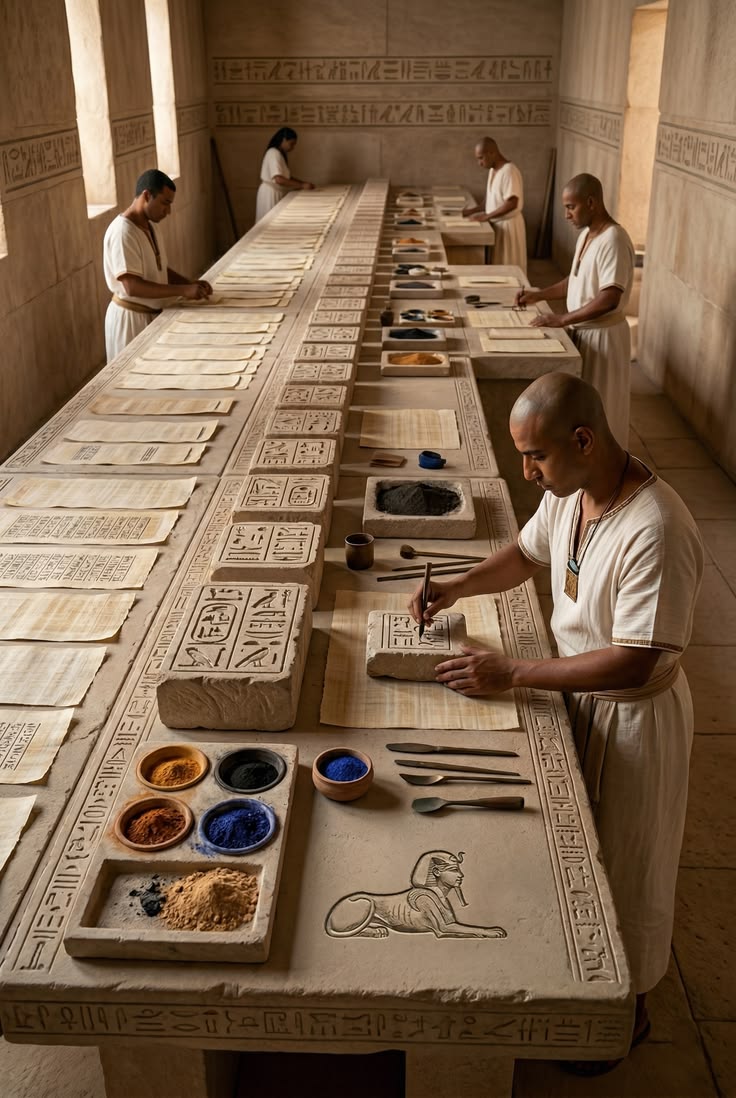
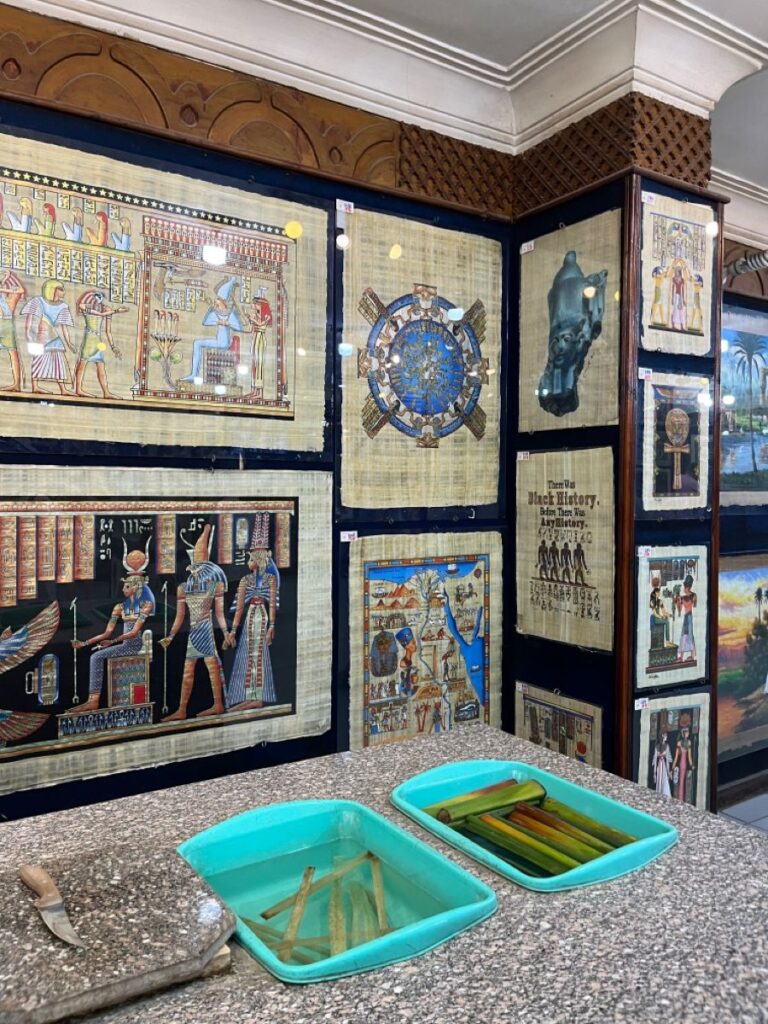
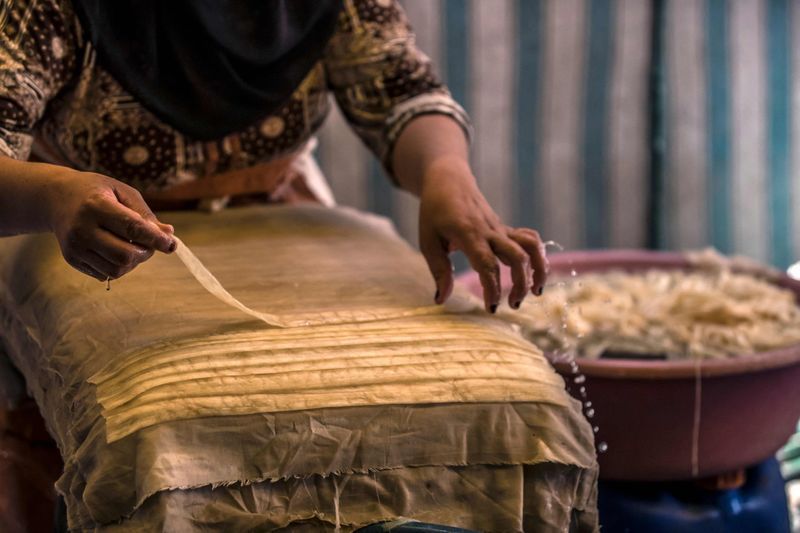
The absolute highlight of entering a professional Papyrus Factory is the opportunity to witness a live, step-by-step demonstration of the fascinating manufacturing process, which has remained beautifully unchanged for over five thousand years. Visitors are greeted by master craftsmen who eagerly showcase the incredible physical transformation of the raw green reed into a beautiful, resilient sheet of paper. The process begins with the careful removal of the tough, dark green outer skin of the stalk to reveal the soft, fibrous white inner pith. This delicate pith is then meticulously sliced into thin, even longitudinal strips using precise, traditional cutting tools. Because the raw strips are naturally full of water and sugar, they are carefully soaked in fresh water for several days, a critical stage that determines the final color of the papyrus. A shorter soaking period yields a beautiful, light ivory or golden sheet, while a longer soaking period allows the natural sugars to caramelize, resulting in a rich, dark brown or antique chocolate tone. For photography enthusiasts and curious travelers alike, watching the artisans carefully manipulate the stone tools and organic materials provides a visually captivating experience that brings ancient history directly to life. It is an immersive educational encounter that highlights the immense patience, physical skill, and deep material knowledge required to create a premium product, ensuring that every visitor develops a profound respect for the traditional artisans who successfully preserve this living heritage in the modern era.
3. The Brilliant Engineering Behind the Interlocking Grid Technique

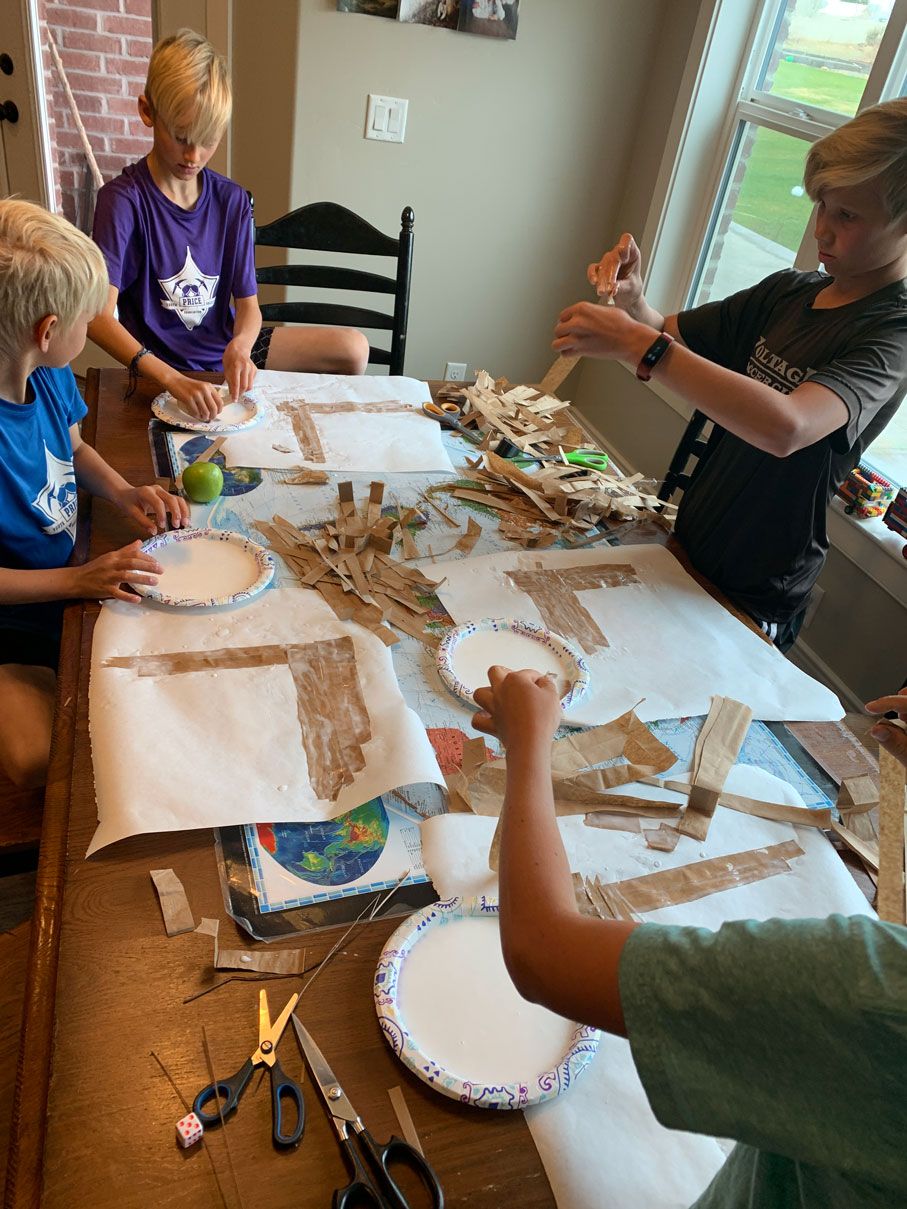
As the live demonstration continues inside the Papyrus Factory, visitors are introduced to the brilliant structural engineering that gives a genuine sheet of papyrus its legendary strength and longevity. Once the fibrous strips have been properly soaked and softened, the artisan carefully arranges them on a piece of absorbent linen cloth in a highly precise, interlocking cross-hatched grid pattern. The first layer of strips is laid down horizontally, side by side, and a second layer is immediately placed directly on top at a perfect ninety-degree vertical angle. This clever perpendicular arrangement creates an incredibly strong weave that prevents the material from tearing or warping over time. Crucially, no artificial glues, chemical adhesives, or modern synthetic binding agents are ever used during this traditional process; instead, the strips rely entirely on the natural, sticky juices present within the plant’s inner pith to bond seamlessly together. The interlocking grid is then covered with an additional layer of felt and placed under a heavy, manual iron or stone press for several consecutive days to squeeze out all remaining moisture. Standing next to these historic presses, travelers can appreciate the mechanical simplicity and intellectual brilliance of this ancient invention. The result of this meticulous pressure and drying process is a remarkably durable, flexible, and completely organic writing surface that can easily endure for thousands of years, outlasting almost every other form of paper known to human civilization.
4. The Vibrant Realm of Modern Pharaonic Artistry

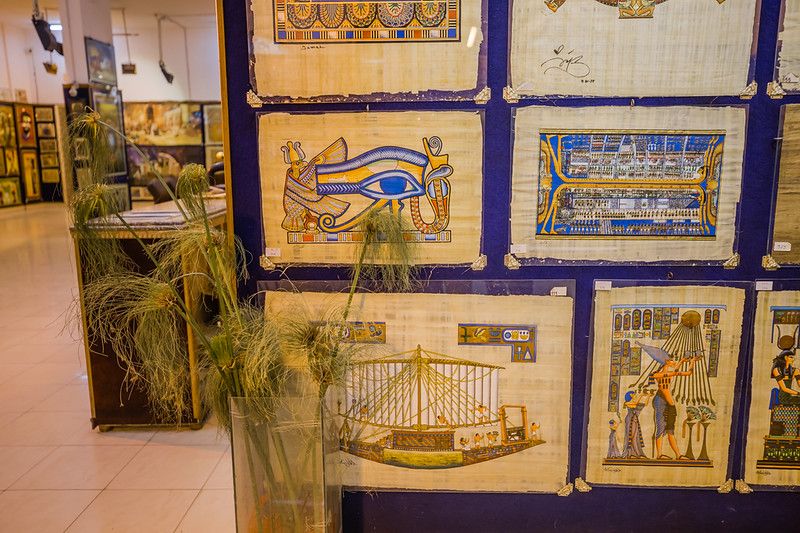
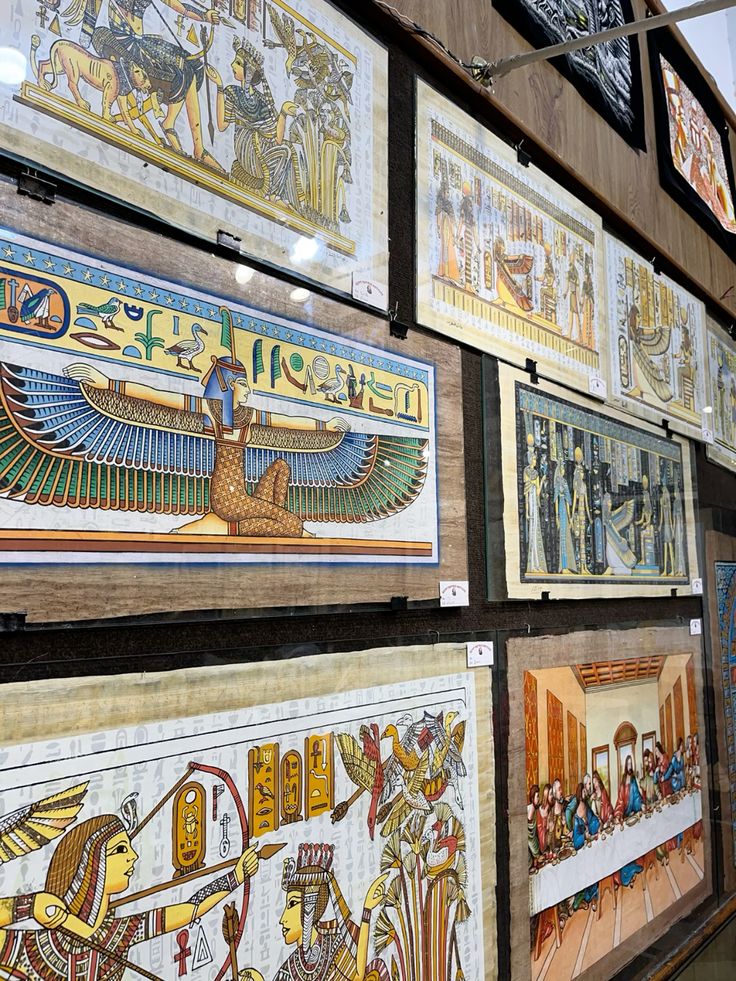
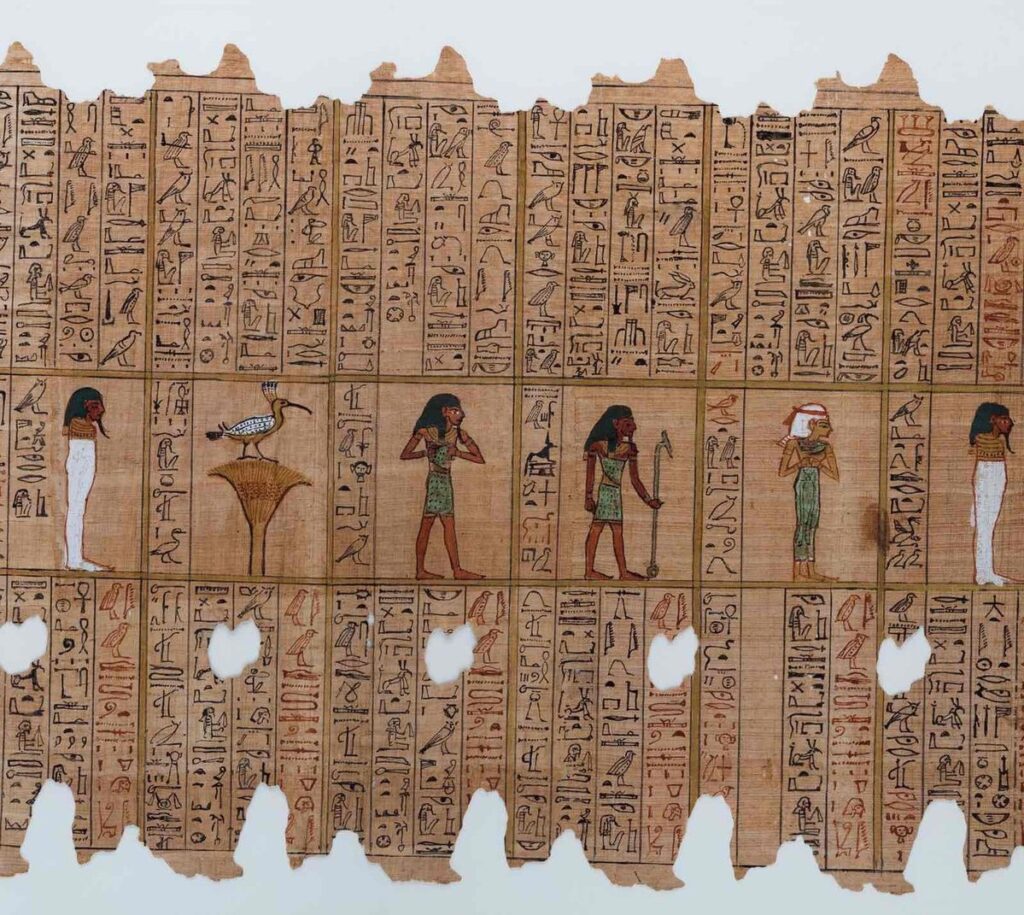
Once the meticulous pressing process is fully complete, the raw sheets of papyrus are transformed into breathtaking canvases for a spectacular community of local Egyptian artists. Walking into the main gallery of a Papyrus Factory is a visually stunning experience, as visitors are surrounded by hundreds of hand-painted masterpieces that display a dazzling spectrum of colors and intricate details. Professional artists utilize traditional techniques, along with vibrant watercolors, gouache, and luminous glowing paints, to recreate the most iconic scenes from ancient Egyptian mythology, royal history, and tomb art. Travelers can admire beautiful reproductions of the famous Judgment of Osiris, the majestic golden throne of King Tutankhamun, the elegant profile of Queen Nefertiti, and complex astrological calendars from the ceilings of ancient temples. These artworks are not merely mass-produced souvenirs; they represent a passionate dedication to historical accuracy and artistic excellence, with many pieces signed by renowned local masters. For art collectors and history buffs alike, exploring these galleries offers an unmatched opportunity to appreciate how ancient symbolic language blends seamlessly with modern creativity. The artists frequently interact with guests, explaining the deep spiritual meanings behind the sacred symbols, the protective properties of the Eye of Horus, and the royal stories of victory depicted on the sheets. This intimate interaction adds an extra layer of luxury to the visit, transforming a simple viewing into a profound cultural exchange that beautifully connects modern travelers to the artistic soul of the pharaonic era.

5. How to Distinguish Authentic Papyrus from Counterfeit Imitations

For discerning travelers visiting Egypt, learning how to identify a genuine sheet of papyrus is one of the most valuable skills you can acquire during your luxury shopping excursion. The global popularity of this ancient art form has unfortunately led to the production of cheap, low-quality imitations frequently sold by street vendors, which are typically made from chemically treated banana fibers or common sugarcane stalks. An authentic Papyrus Factory provides an educational sanctuary where experts happily teach guests how to easily spot the distinct characteristics of a true masterpiece. When you hold a genuine sheet up to a soft light source, you will immediately notice a highly complex, irregular internal grid structure formed by the overlapping layers of the natural river reed, featuring unique dark specks and organic variations. Furthermore, authentic papyrus possesses an incredible physical resilience; it can be gently rolled up, folded, or even completely soaked in water without cracking or tearing, whereas banana fiber imitations are notoriously stiff, brittle, and highly prone to breaking over time. Genuine papyrus also has a distinct, pleasantly textured surface and a natural earthy scent that synthetic alternatives simply cannot replicate. By understanding these critical physical differences, visitors can confidently invest in high-quality artwork, ensuring that their financial support directly rewards the dedicated local craftsmen who spend days meticulously handcrafting each individual sheet according to strict historical standards.

6. The Evolution from Ancient Accounting to Regal Funerary Scrolls

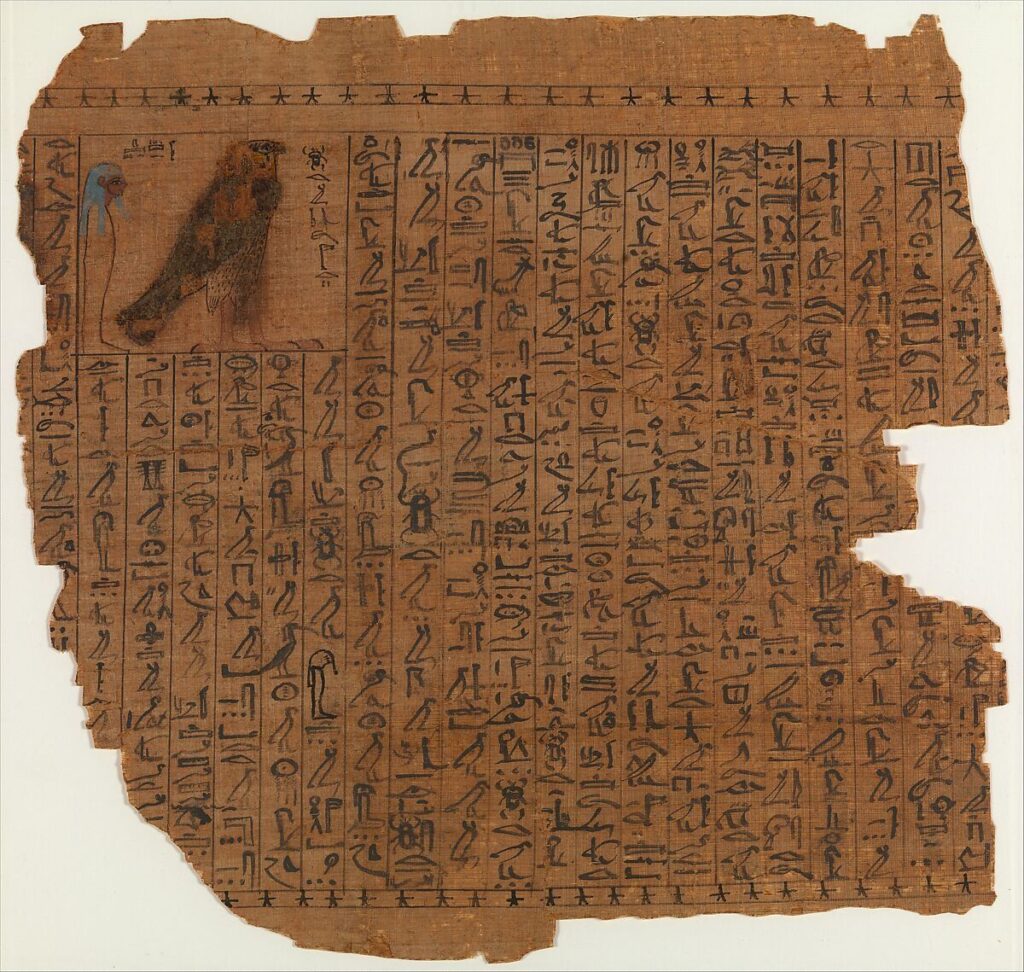
Exploring a premium Papyrus Factory offers a profound historical perspective on how this remarkable material served as the literal backbone of ancient Egyptian society across thousands of years. While modern travelers often associate papyrus exclusively with beautiful decorative paintings, its historical utility spanned a massive spectrum of administrative, legal, and deeply spiritual functions. In the bustling offices of ancient Memphis and Thebes, royal scribes utilized endless rolls of papyrus to record meticulous tax assessments, complex agricultural yields, court proceedings, and advanced medical treaties that laid the groundwork for modern science. However, the most prestigious and complex application of the material occurred within the sacred temple scriptoriums, where high priests meticulously drafted the famous Book of the Dead scrolls. These extensive funerary manuscripts were richly illustrated with protective spells and divine maps designed to safely guide the deceased nobleman or pharaoh through the treacherous hazards of the underworld. Witnessing the vast array of historical styles displayed inside a modern factory allows visitors to fully appreciate that papyrus was not just a luxury item, but an indispensable tool for human progress. It was a revolutionary invention that allowed a vast, powerful empire to successfully coordinate its resources, communicate complex ideas across great geographical distances, and permanently preserve its collective memory for generations to come.

7. Personalized Cartouches: Tailoring Your Unique Royal Heirloom

One of the most popular and deeply engaging luxury experiences available inside an authentic Papyrus Factory is the opportunity to purchase a highly personalized piece of living history. Many of the resident master artists specialize in custom calligraphy, allowing visitors to have their own names, or the names of their beloved family members, beautifully written inside a traditional pharaonic cartouche. In ancient Egyptian hieroglyphic writing, a cartouche is an elegant oval loop with a horizontal line at one end, which historically indicated that the text enclosed within was a sacred royal name, representing a powerful symbol of divine protection and eternal life. Travelers can watch in absolute fascination as a skilled artist uses a fine brush and shimmering golden or black ink to meticulously translate modern names into the beautiful symbolic alphabet of the pharaohs. This interactive process creates a deeply emotional connection to the artwork, transforming a beautiful souvenir into a completely unique, highly sentimental heirloom that carries a profound personal story. Hanging a personalized cartouche in your home or office serves as a permanent, visually stunning reminder of your unforgettable expedition into the heart of Egypt. It provides an elegant talking point that beautifully showcases your personal connection to an ancient writing system that captivated the imagination of global scholars for centuries.

8. The Secret Language of Pharaonic Colors and Pigments

To fully appreciate the masterpieces displayed within a premium Papyrus Factory, visitors are invited to explore the fascinating science and symbolism behind the vibrant colors used by the artists. Just as the handcrafting of the paper follows strict ancestral traditions, the replication of pharaonic artwork requires a deep understanding of ancient pigment formulation. In the ancient world, colors were never chosen purely for aesthetic appeal; each shade carried a profound spiritual meaning and psychological resonance. For instance, the brilliant blue pigment, traditionally known as Egyptian Blue, was painstakingly manufactured from ground silica, malachite, and calcium, symbolizing the life-giving waters of the Nile and the heavens above. Gold and shimmering yellow represented the flesh of the immortal gods and the eternal rays of the sun, which is why they dominate scenes depicting royalty and divine rituals. Green signified rebirth, fertility, and the lush vegetation of the agricultural fields, while deep red conveyed power, vitality, and the untamed energy of the vast desert landscapes. Modern factory artists meticulously study these historical meanings, using premium paints that beautifully mirror the exact visual properties of the ancient originals. Witnessing these colors illuminated under the gallery lights allows travelers to look beyond the surface of the paintings and decode the hidden messages woven into the artwork. It provides a thrilling cultural experience that transforms every single sheet of painted papyrus into a multi-layered storybook of ancient spiritual beliefs and artistic mastery.

9. Supporting Local Artisans and Sustainable Cultural Preservation

A luxury visit to an authentic Papyrus Factory offers travelers a rewarding opportunity to participate directly in the vital preservation of human heritage. In our modern digital world, where mass production and synthetic materials dominate global commerce, traditional handmade crafts face significant economic challenges. By choosing to explore and invest in a certified, professional papyrus workshop, visitors ensure that their financial support directly benefits the local communities of dedicated master craftsmen, calligraphers, and painters who keep this ancestral knowledge alive. These specialized factories function as critical educational hubs and micro-economies, providing sustainable livelihoods for thousands of talented families across Egypt. Furthermore, the systematic cultivation of the Cyperus papyrus plant for artistic production helps maintain a healthy botanical balance along the agricultural waterways, encouraging the sustainable use of natural river resources. Knowing that your unique acquisition helps fund the education of apprentice artists and safeguards a five-thousand-year-old manufacturing technique adds a profound layer of value to your purchase. It transforms a premium souvenir into a meaningful act of cultural philanthropy, allowing you to return home with a magnificent piece of art that represents a living, breathing testament to community resilience and historical pride.

10. Masterful Framing and Display Tips for Premium Papyrus Art

To truly elevate the breathtaking beauty of a hand-painted sheet from the Papyrus Factory, proper framing and display techniques are absolutely essential for any art connoisseur. Genuine papyrus is a remarkably resilient material, but showcasing its unique, deckled organic edges and intricate woven texture requires a thoughtful approach to interior design. One of the most elegant and luxurious methods used by international art galleries is known as “float framing.” This advanced technique involves mounting the papyrus sheet directly on top of a contrasting acid-free mat board using reversible museum-grade adhesives, creating a spectacular visual effect where the artwork appears to float effortlessly inside the frame. This method beautifully highlights the natural, irregular borders of the river reed paper, drawing the viewer’s eye to its completely authentic, handmade character. Additionally, placing the artwork under premium, anti-reflective museum glass equipped with high UV protection is strongly recommended. This professional barrier effectively safeguards the vibrant mineral pigments and delicate gold leaf details from the subtle fading effects of direct sunlight and ambient room lighting. Displaying your personalized pharaonic masterpieces with these expert curation methods transforms any blank wall into a sophisticated residential gallery, ensuring your unique historical treasure remains perfectly preserved for decades.

11. Practical Packing and Transport Advice for International Travelers

One of the greatest advantages of purchasing premium artwork from a professional Papyrus Factory is the incredible ease of transport, allowing luxury travelers to collect extensive collections without worrying about luggage constraints. Because authentic papyrus possesses an exceptional natural flexibility, it can be easily and safely rolled into a compact cylinder without any risk of cracking, tearing, or damaging the vibrant layers of paint. Experienced factory staff specialize in international packing standards, carefully wrapping each individual masterpiece in protective archival tissue paper before sliding it into a durable, waterproof plastic or heavy-duty cardboard shipping tube. These rugged tubes are designed to withstand the physical pressures of long-distance air travel, fitting seamlessly into standard airplane overhead compartments or large suitcases. For travelers who prefer a completely hands-free luxury experience, most premium factories offer reliable, fully insured international shipping services directly to your home address through trusted global couriers. This convenient service provides absolute peace of mind, allowing you to continue your grand Egyptian expedition through the Valley of the Kings or the beaches of Sharm El Sheikh with the comforting certainty that your precious artistic investments will arrive safely at your doorstep.

12. Preserving the Timeless Soul of Egypt’s Written Heritage

As your luxury exploration of the Papyrus Factory draws to a beautiful close, stepping away from the vibrant galleries leaves every traveler with a profound appreciation for the enduring spirit of human communication. The historic transformation of a simple river reed into a revolutionary canvas for human thought represents an absolute milestone that forever altered the trajectory of global history. Today, these specialized workshops do not merely function as commercial spaces; they serve as active, living museums dedicated to safeguarding the delicate artistic soul of the pharaonic empire from being lost to modern digitization. By walking through these creative sanctuaries, engaging with the passionate master artists, and witnessing the ancient interlocking grid technique firsthand, international visitors help maintain an unbreakable bridge that spans across five thousand years of human achievement. The painted papyrus sheets you carry home are far more than beautiful decorations; they are tactile pieces of living history and symbols of ancient intellectual resilience that continue to capture the imagination of the entire world. The Papyrus Factory stands as a powerful testament to the timeless power of storytelling, reminding us that while stone monuments may slowly weather into dust under the desert sun, the brilliant ideas, royal legends, and spiritual wisdom recorded on the fibers of the Nile will remain beautifully preserved forever.

Papyrus Factory: Frequently Asked Questions

Authentic papyrus is handcrafted entirely from the inner pith of the Cyperus papyrus river reed using a traditional interlocking grid technique, with no artificial glues. When held up to the light, a genuine sheet displays a distinct, irregular cross-hatched pattern with natural dark specks. Unlike fragile banana fiber or sugarcane counterfeits sold on the street, real papyrus is incredibly flexible, resilient, and can even be rolled or soaked without cracking.

Absolutely! Due to the unique natural fibers of the plant, authentic papyrus possesses exceptional flexibility. Professional factories will carefully roll your artwork into a compact cylinder, wrap it in protective tissue paper, and place it inside a heavy-duty, waterproof shipping tube. These rugged tubes fit easily into airplane overhead compartments or standard suitcases, ensuring your art arrives home in flawless condition.

In ancient Egyptian hieroglyphs, a cartouche is an elegant oval enclosure that traditionally held the sacred name of a king or queen, acting as a powerful amulet for divine protection and eternal life. At an authentic Papyrus Factory, resident artists can translate your modern name into pharaonic symbols and paint it inside a golden cartouche, creating a completely customized and meaningful royal heirloom.

The master artists inside the factory galleries study ancestral pigment formulation to ensure historical accuracy. They use premium watercolors, gouache, and luminous mineral-based paints to mirror the exact shades used by ancient scribes. Each color carries a specific symbolic meaning; for example, Egyptian Blue represents the life-giving Nile and heavens, while gold represents the radiant, immortal flesh of the gods.

To beautifully showcase the handmade quality of the artwork, international art experts highly recommend “float framing.” This technique mounts the papyrus sheet on top of a contrasting, acid-free mat board so that its unique, deckled organic edges remain fully visible. Displaying the piece under anti-reflective museum glass with high UV protection will further preserve the brilliant colors from fading over time.