
1. The Great Pyramid of Giza: The Last Wonder of the Ancient World
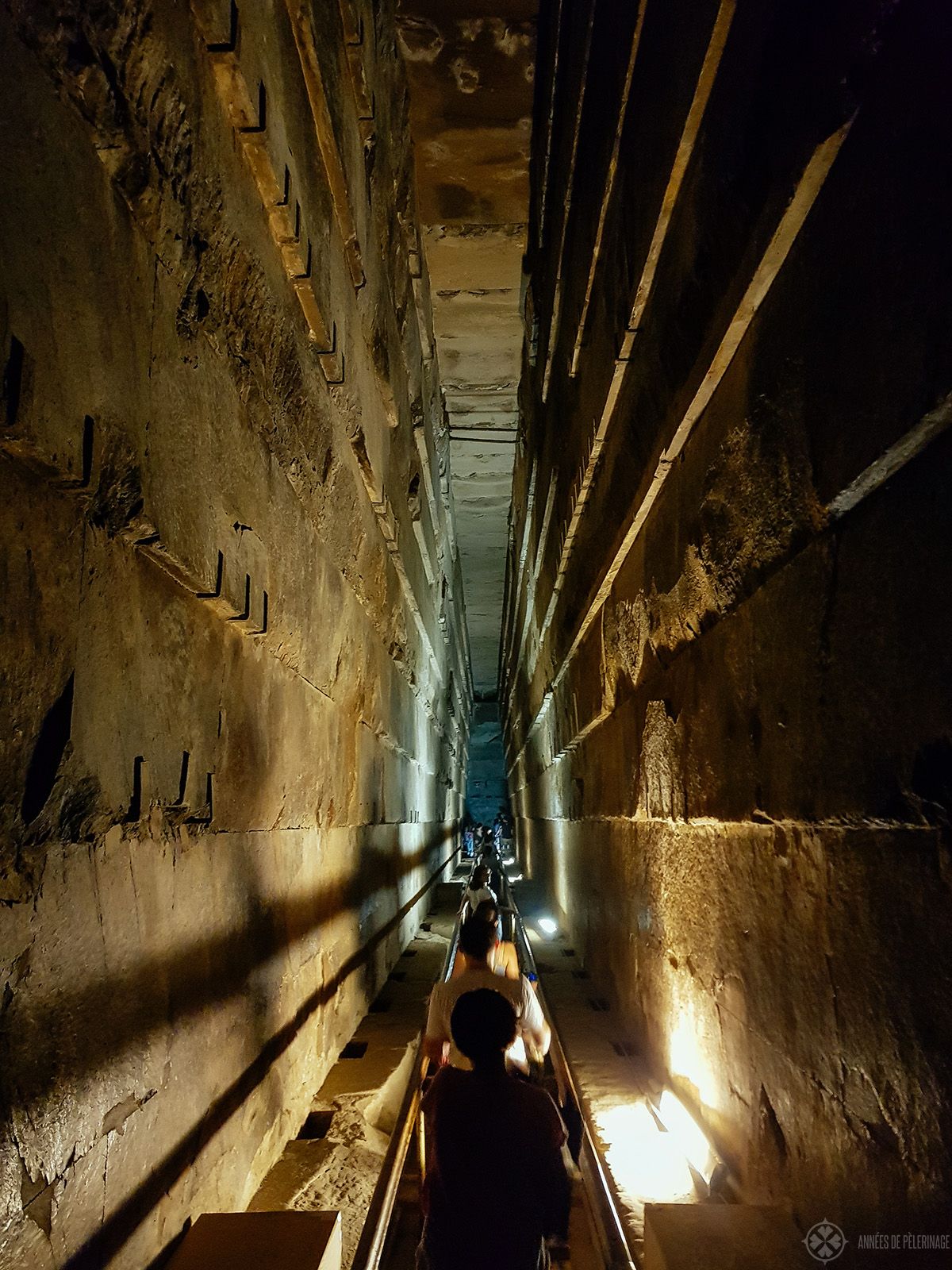
Standing before the Great Pyramid of Giza is one of the most extraordinary and unforgettable experiences any traveler can have in Egypt. Built more than 4,500 years ago during the reign of Pharaoh Khufu, this monumental structure remains the only surviving Wonder of the Ancient World and one of the greatest engineering achievements in human history. Rising dramatically above the desert landscape of the Giza Plateau, the Great Pyramid continues to inspire awe with its immense scale, extraordinary precision, and enduring mystery. For travelers exploring ancient Egypt, this iconic monument is far more than a famous attraction—it is a direct encounter with one of civilization’s most remarkable accomplishments.
Constructed from millions of massive limestone blocks, the Great Pyramid was originally built as a royal tomb designed to ensure the pharaoh’s safe passage into the afterlife. Ancient Egyptian beliefs surrounding death, rebirth, and cosmic order played a central role in its design, transforming the structure into both an architectural masterpiece and a deeply spiritual monument. Even today, historians and archaeologists continue to study the techniques used to create such an astonishing structure with the tools available at the time, adding even more fascination to the visitor experience.
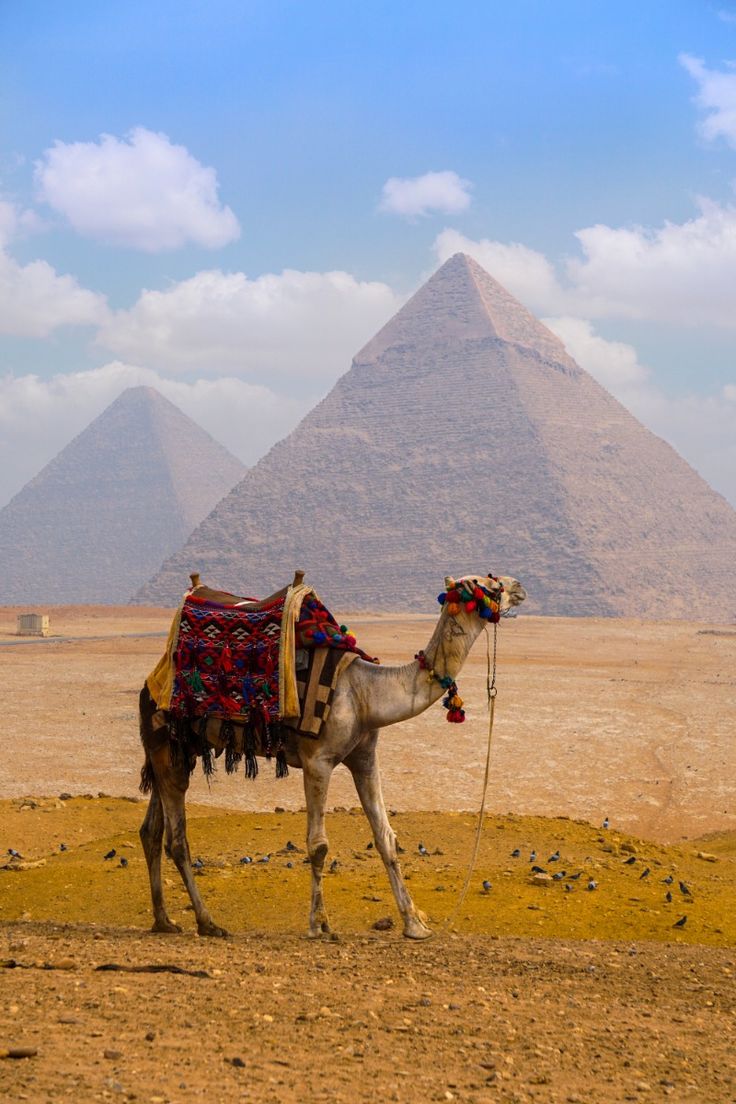
Walking around the base of the Great Pyramid allows travelers to fully appreciate its breathtaking scale in a way that photographs simply cannot capture. The precision of its construction, the sheer ambition behind its creation, and the timeless presence of this ancient monument combine to create a powerful emotional experience. Whether you are passionate about archaeology, history, photography, or simply witnessing one of the world’s greatest landmarks, the Great Pyramid of Giza remains the defining highlight of any Egypt journey and one of the most extraordinary places on Earth.
2. The Great Sphinx: Egypt’s Most Enigmatic Guardian
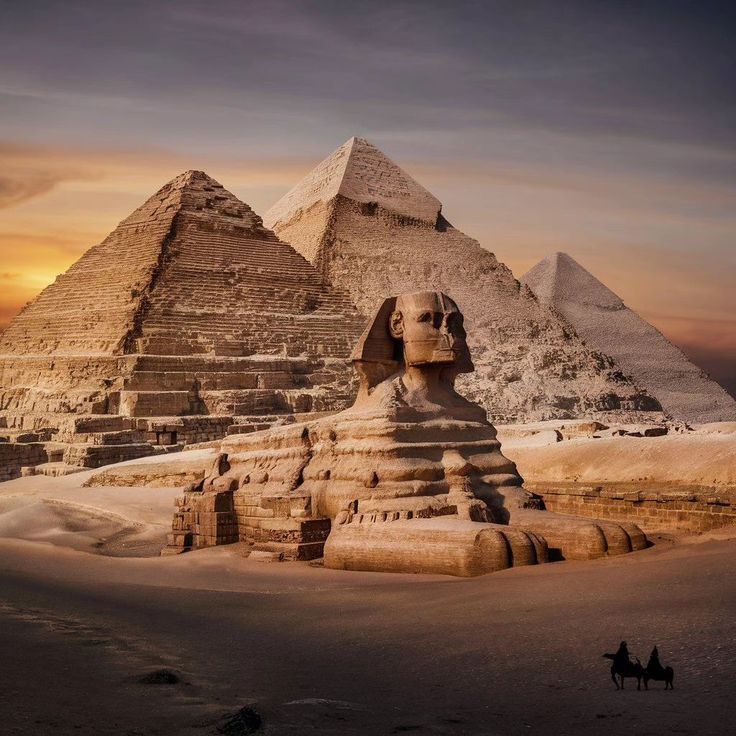
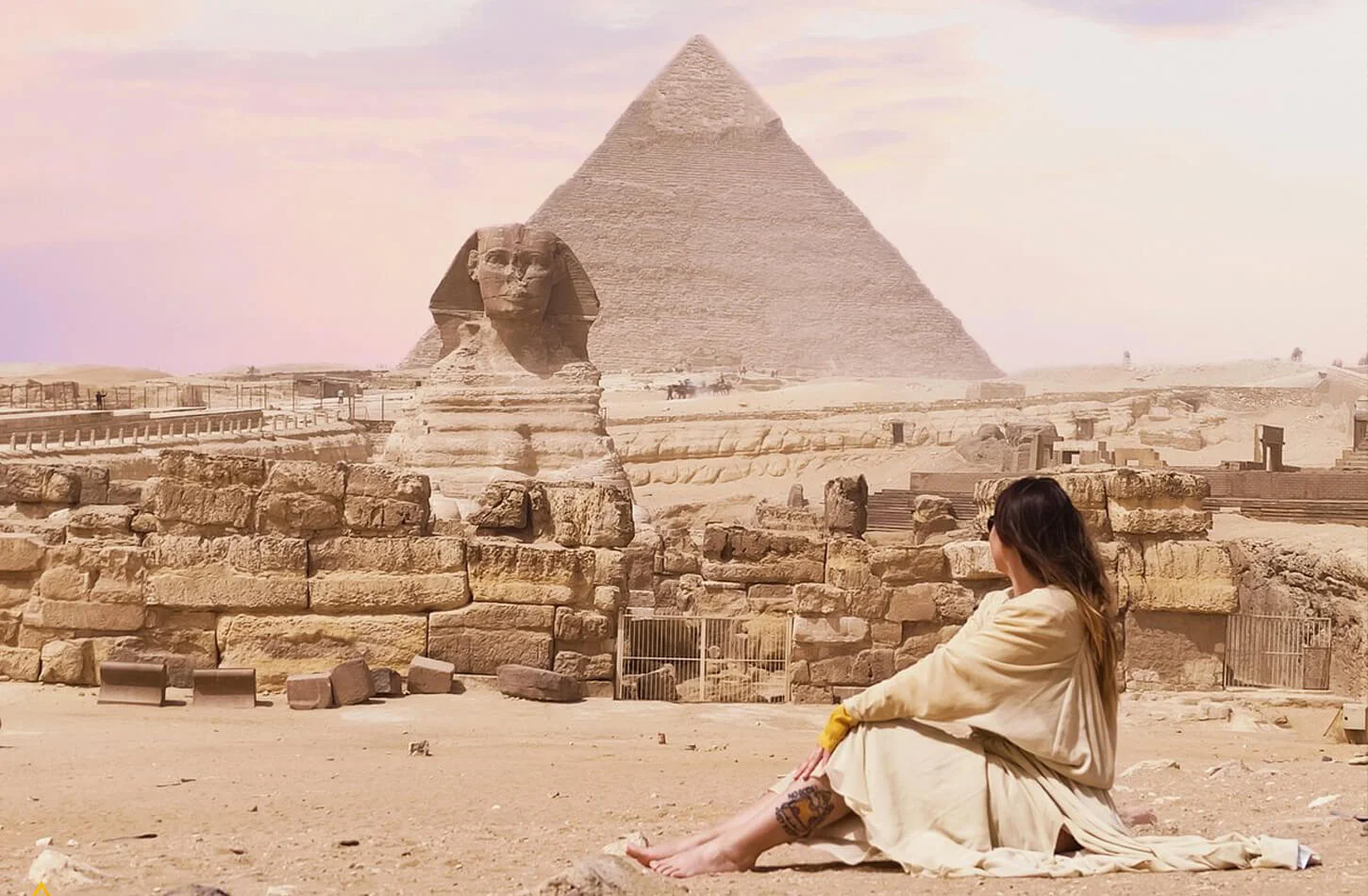
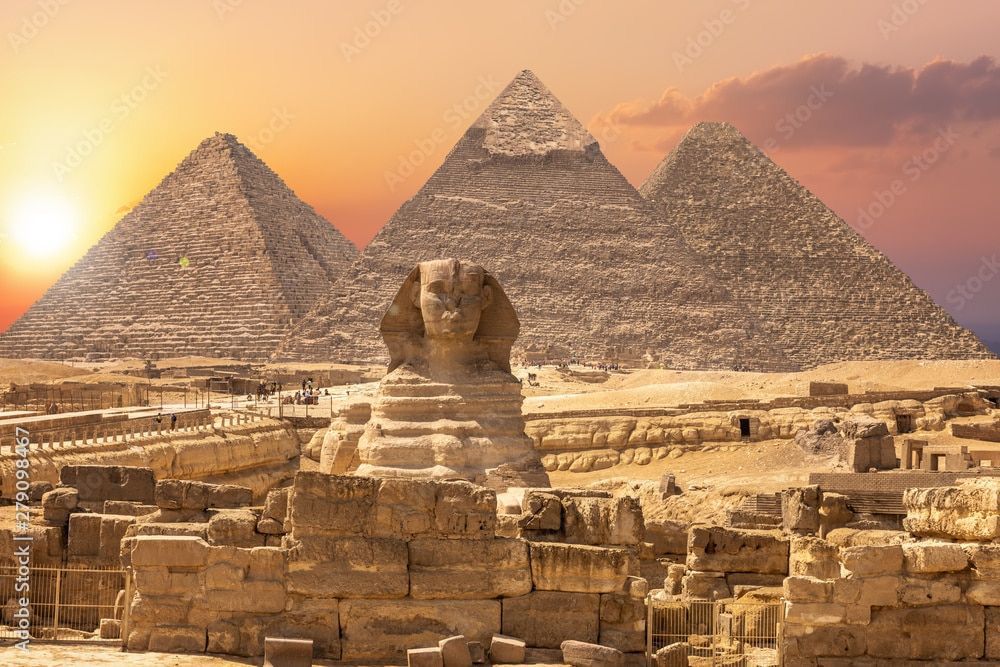
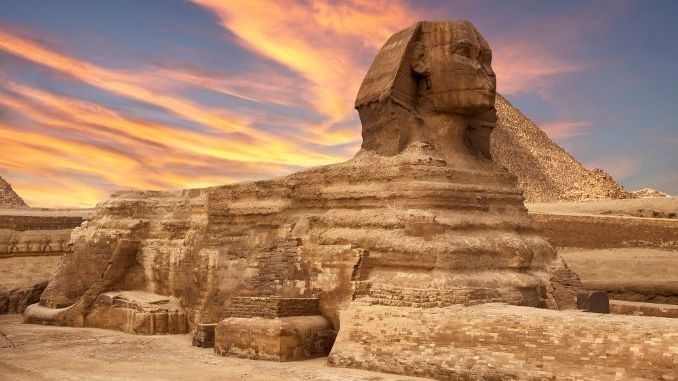
Few monuments in the world inspire curiosity and fascination quite like the Great Sphinx of Giza. Standing proudly on the edge of the Giza Plateau for thousands of years, this colossal limestone statue remains one of Egypt’s most iconic and mysterious landmarks. With the body of a lion and the face traditionally believed to represent Pharaoh Khafre, the Sphinx has become a global symbol of ancient Egyptian power, wisdom, and mystery. For travelers visiting Cairo, standing before this legendary monument is one of the most unforgettable moments of any Egyptian adventure.
Carved directly from a natural limestone outcrop, the Great Sphinx demonstrates the artistic and engineering skill of ancient Egyptian civilization on a truly extraordinary scale. Though centuries of weathering, restoration, and historical damage have altered parts of the monument, its commanding presence remains undeniable. Historians continue to debate aspects of its original purpose, symbolism, and construction timeline, which only adds to the enduring intrigue surrounding this remarkable structure. Its position facing the rising sun has also led many scholars to connect it with ancient solar worship and concepts of divine protection.
Beyond its historical significance, the Sphinx offers one of the most visually striking experiences on the Giza Plateau. Whether admired from classic panoramic viewpoints or explored up close with a knowledgeable guide, the monument leaves a powerful impression on visitors of all backgrounds. For photographers, history enthusiasts, and cultural travelers alike, the Great Sphinx represents far more than an ancient statue—it is a timeless guardian of Egypt’s pharaonic legacy and one of the world’s most captivating archaeological treasures.
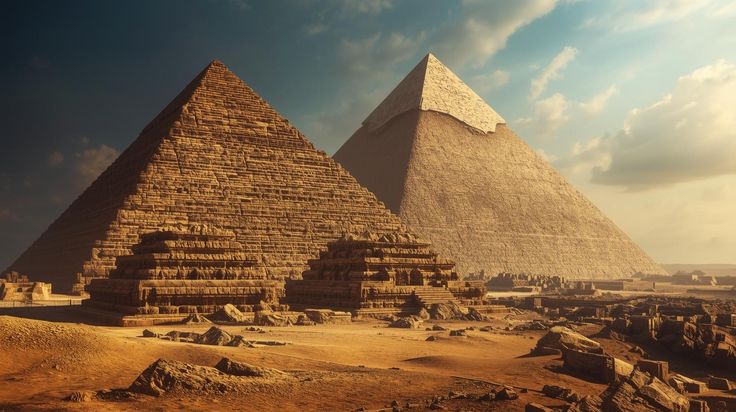
3. The Pyramids of Khafre and Menkaure: Completing the Royal Legacy
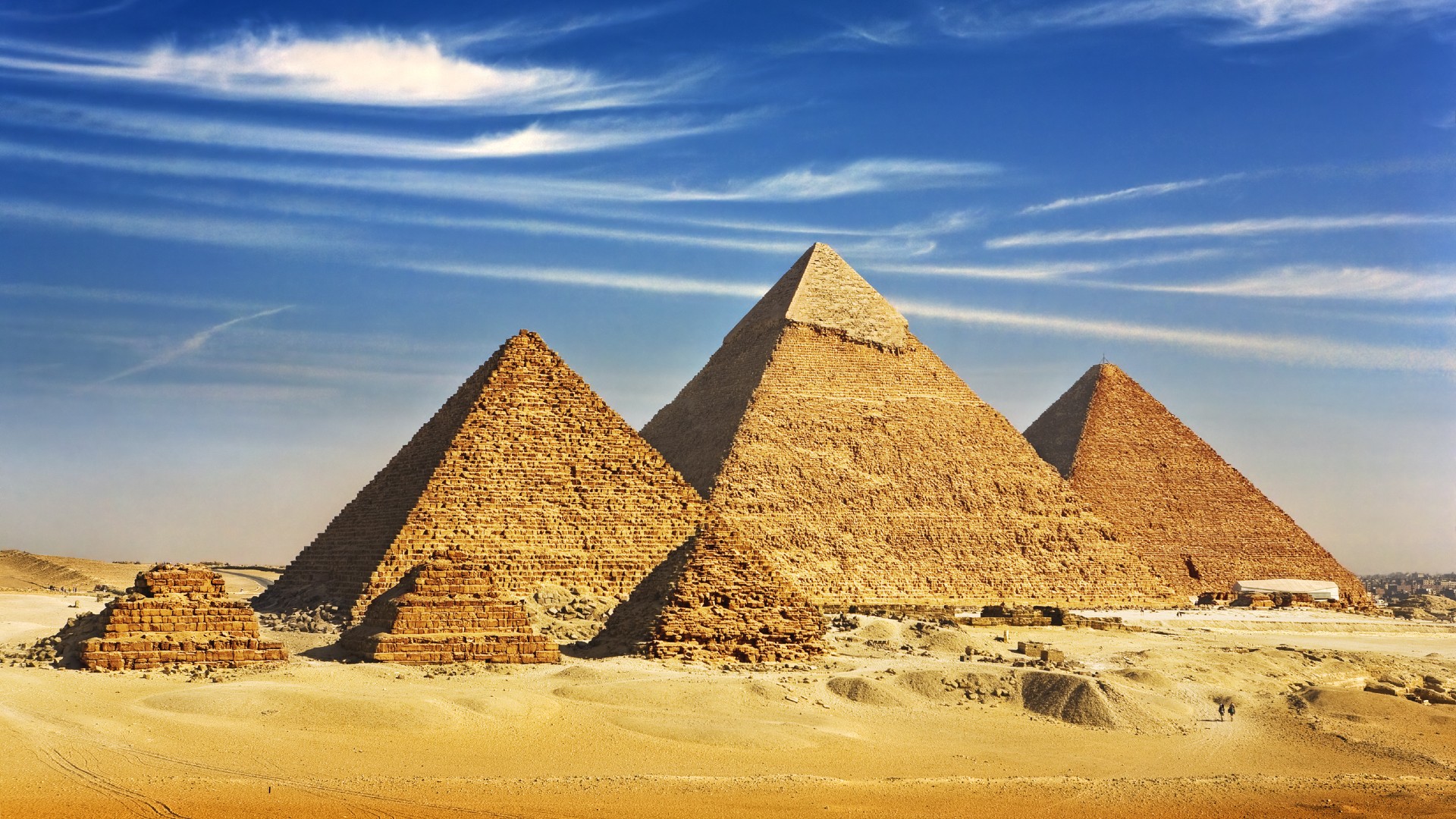
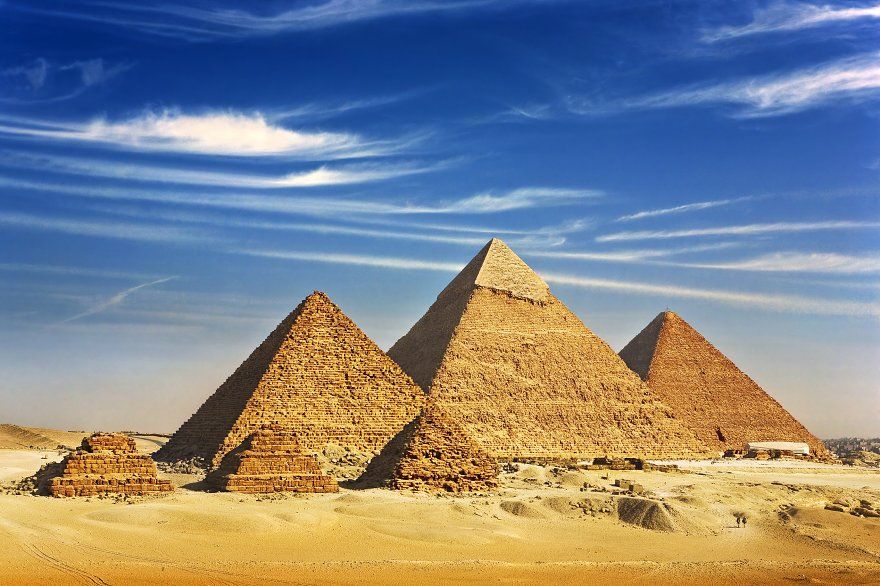
While the Great Pyramid of Khufu often receives the most attention, the pyramids of Khafre and Menkaure are equally important to understanding the extraordinary grandeur of the Giza Plateau. Together with the Great Pyramid, these monumental structures form one of the most famous archaeological landscapes in the world, representing the royal burial complex of ancient Egypt’s Fourth Dynasty. Visiting these additional pyramids allows travelers to appreciate the full scope of ancient Egyptian ambition, engineering brilliance, and spiritual belief rather than focusing on a single monument alone.
The Pyramid of Khafre is especially striking because it still preserves remnants of its original smooth limestone casing near the summit, offering visitors a rare glimpse of how the pyramids once appeared in their complete form. Its elevated position often creates the illusion that it is taller than the Great Pyramid, making it a visually dramatic part of the plateau skyline. Closely associated with the Great Sphinx and surrounding funerary temples, Khafre’s complex reveals the scale and sophistication of ancient royal planning.
Menkaure’s pyramid, while smaller than its neighboring monuments, remains an essential part of the Giza story and offers its own unique historical significance. Its more modest scale reflects changes in royal construction priorities while preserving the sacred traditions of pyramid building. Exploring all three pyramids provides a richer and more complete understanding of ancient Egypt’s architectural achievements and funerary culture. Together, these extraordinary monuments create one of the most awe-inspiring travel experiences in the world, making the Giza Plateau an essential destination for every visitor to Egypt.