
Welcome to

The Pyramid of Menkaure: Giza’s Intimate Monument of Granite and Grace

The Pyramid of Menkaure stands as a fascinating and deeply moving testament to the evolving artistry, resourcefulness, and spiritual philosophy of Egypt’s Old Kingdom. Built as the eternal resting place for Pharaoh Menkaure (Mykerinos), the grandson of Khufu and son of Khafre, this unique monument completes the legendary trio on the Giza Plateau. While it is the smallest of the three iconic pyramids, Menkaure’s monument holds an undeniable power, trading the staggering, overwhelming scale of its neighbors for a more refined focus on premium materials, intimate proportions, and architectural complexity. It is a place where the colossal ambitions of a dynasty transformed into an elegant, lasting harmony on the edge of the Sahara.

For travelers seeking an authentic journey into pharaonic history, the Pyramid of Menkaure offers a peaceful and deeply rewarding exploration away from the heaviest tourist crowds. Instantly recognizable by the spectacular, unfinished red granite blocks that still encase its lower levels, this monument serves as an open-air textbook of ancient engineering and royal transitions. From its intricate subterranean chambers decorated with palace-façade motifs to the three companion Queen’s Pyramids guarding its southern flank, every detail reveals a story of craftsmanship cut short by time. Whether you are studying the raw textures of its unique bi-color facade or enjoying a quiet moment on the quieter side of the plateau, Menkaure’s pyramid promises an unforgettable look into the heart of Egypt’s eternal heritage.

1. The Smallest Giant: An Introduction to Menkaure’s Unique Scale

The Pyramid of Menkaure is one of Egypt’s most charming and historically fascinating destinations, offering travelers an unforgettable journey into a completely different rhythm of pharaonic ambition, royal lineage, and spatial harmony. Established during the 26th century BC as the final addition to the Fourth Dynasty’s royal necropolis, this iconic monument was built for Pharaoh Menkaure, the son of Khafre and grandson of Khufu. Situated on the southwestern edge of the Giza Plateau, the pyramid is far more than an ancient burial site—it represents a deliberate shift in architectural philosophy, where quality of materials and artistic detail took precedence over overwhelming, colossal scale. For travelers seeking an authentic cultural experience in Cairo, the Pyramid of Menkaure provides an intimate and deeply rewarding adventure.

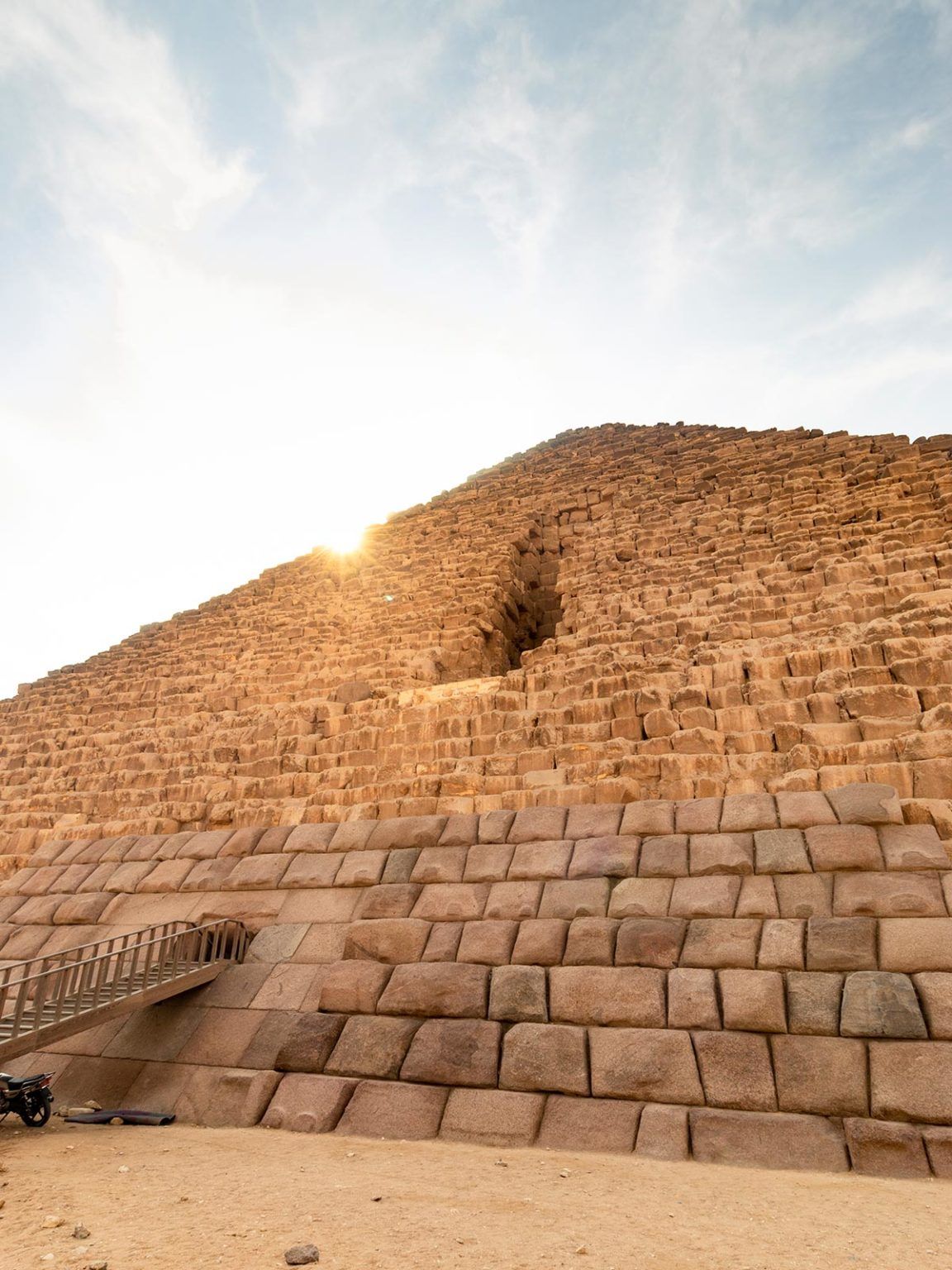
Walking up to the base of Menkaure’s monument offers a starkly different feeling than exploring its two giant neighbors. Standing at roughly half their height, its manageable scale allows the human eye to easily process its entire geometric form in a single, breathtaking glance. The surrounding desert tracks are noticeably quieter here, away from the heaviest crowds of the main plateau entrances, creating a peaceful and reflective atmosphere where the raw power of the past can be fully absorbed. Every angle reveals something unique, from the precision of its sharp limestone angles to the rugged, incomplete details of the stones left behind by ancient builders.

What makes the Pyramid of Menkaure truly extraordinary is this unique sense of scale and exclusivity. Rather than trying to outdo the massive height of his father’s or grandfather’s monuments, Menkaure focused his resources on luxury, complexity, and specialized craftsmanship. It stands as a living testament to the enduring character of Egypt’s Old Kingdom—a place where architectural trends naturally adapted to changing economic and spiritual landscapes. Whether you are an avid history student, an architecture enthusiast, or a traveler looking to discover the quieter secrets of Giza, Menkaure’s pyramid provides a spectacular, stress-free introduction to the plateau’s final royal chapter.
2. The Bi-Color Facade: Giza’s Luxurious Granite-Clad Wonder

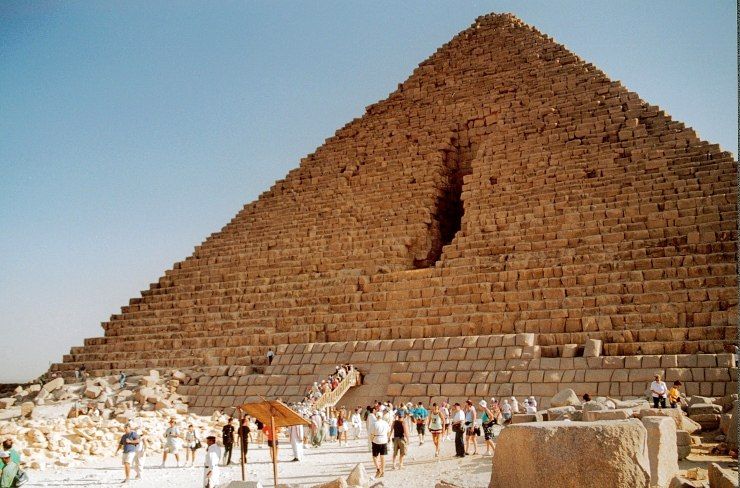
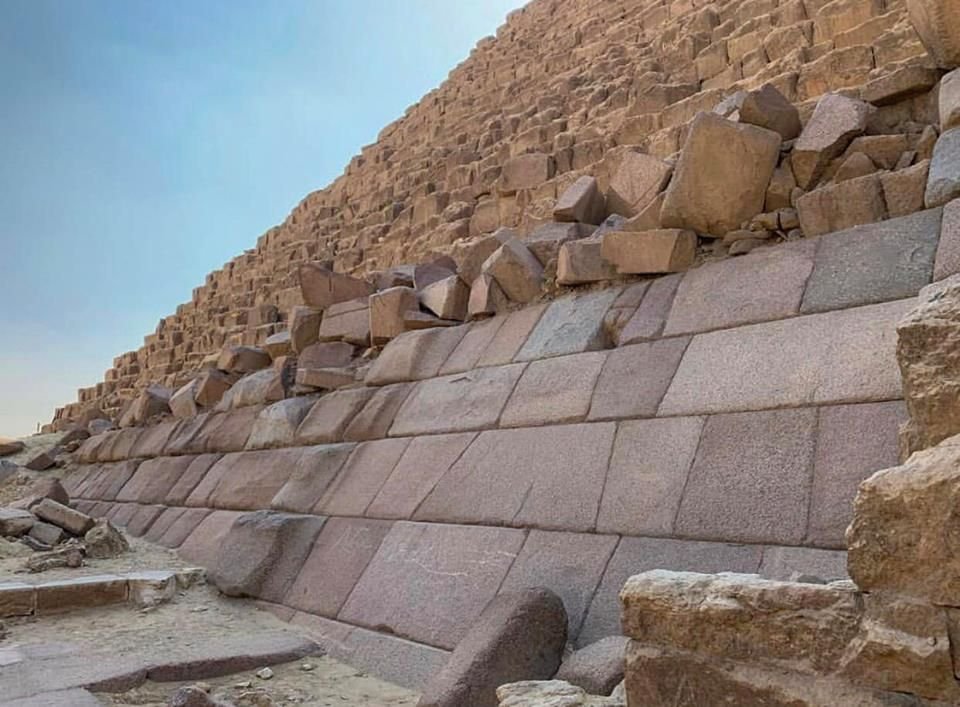
Discovering the unique exterior of the Pyramid of Menkaure is one of the most visually stunning and texturally rich experiences visitors can enjoy in Cairo, offering a completely distinct aesthetic from any other pyramid in Egypt. This legendary monument is famous for its dramatic, bi-color appearance, which was achieved by using two completely different types of stone quarried from opposite ends of the country. While the upper sections were finished in traditional white Tura limestone, the bottom 16 courses were encased in massive blocks of heavy, dark red Aswan granite. For travelers seeking an authentic look at premium pharaonic construction, the base of Menkaure offers a spectacular display of ancient material luxury.

What makes exploring this specific facade especially memorable is the fascinating, unfinished story frozen directly into the stone blocks. Because Pharaoh Menkaure passed away suddenly before the complex could be fully completed, many of the massive granite blocks at the base were left in their raw, rough-hewn state rather than being smoothed down. This provides modern visitors with an invaluable, open-air textbook of ancient engineering, showcasing the exact layout marks, lifting notches, and stone-cutting techniques used by the workforce before the final polishing stage. Walking along this rugged border allows travelers to literally touch the unfinished work of ancient masons.

The visual contrast between the earthy, heavily textured granite below and the pale, smooth limestone above creates an extraordinary backdrop that tells a story of rushed transitions and royal continuity. Many of these granite casing blocks still stand firmly in place today, defying millennia of erosion and stone recycling that stripped the neighboring monuments bare. Beyond the historical value, the unique textures and deep colors make this area a favorite for detailed architectural study. The Pyramid of Menkaure is not simply a smaller copy of Giza’s giants—it is a bold, artistic masterpiece where the choice of premium materials became part of the monument’s eternal legacy.
3. Subterranean Intricacy: Inside the Plateau’s Best Value Interior

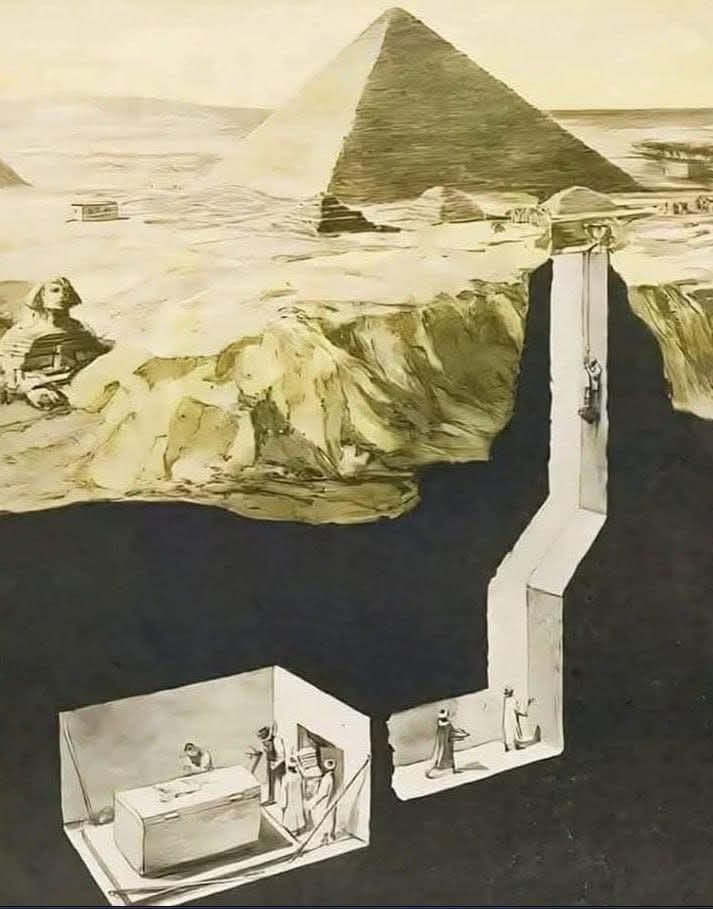
Venturing into the inner world of the Pyramid of Menkaure is one of the most exciting and highly recommended adventures visitors can experience on the plateau, offering world-class pharaonic archaeology at an exceptional value. With a separate interior ticket costing significantly less than that of the Great Pyramid, Menkaure’s interior provides an equally authentic, high-quality subterranean experience without the steep price tag or the daunting, highly exhausting climbs. The physical walk inside is notably shorter, making it an incredibly popular and comfortable choice for standard travelers, families, and anyone wanting a genuine taste of walking within a pharaoh’s tomb.

The architectural journey inside begins through a northern entrance, leading travelers down a steadily sloping bedrock corridor that opens into a series of highly unique chambers. Unlike the minimalist horizontal rooms found in the neighboring pyramids, Menkaure’s layout features detailed artistic surprises, including a fascinating subterranean anteroom adorned with beautifully carved “palace façade” paneling motifs chiseled directly into the solid rock. Descending further down a hidden flight of stairs leads directly into the main burial chamber, a magnificent, barrel-vaulted room built entirely out of massive, polished blocks of dark granite that showcases absolute technical perfection.

The historical atmosphere inside is deeply moving, as visitors can stand in the exact space that safely housed the pharaoh’s intricate, decorative basalt sarcophagus for thousands of years before its modern discovery. The absolute stillness of the deep chambers, combined with the visible craftsmanship on the walls, provides an intellectual experience that brings the religious beliefs of the Old Kingdom to life. Rather than just viewing a mountain of stone from the outside, climbing into Menkaure’s core allows travelers to experience the hidden, sacred heart of the complex where architecture and eternity met. It remains an unforgettable highlight that delivers a rich, immersive adventure for every curious explorer.
4. A Dynamic Canvas for Modern Travel Content and Visual Storytelling

The Pyramid of Menkaure is a highly prized destination for professional travel writers, content creators, and social media strategists aiming to produce unique, high-quality material on the Giza Plateau. Because the site is significantly less congested than the larger monument areas, it provides a premium, unobstructed space to capture clean wide angles and creative detail shots. For digital storytellers looking to diversify their portfolio with sophisticated cultural narratives, Menkaure offers a rich variety of textures—from the rough, unpolished blocks at its base to the sharp limestone casing lines pointing toward the Saharan sky.

The surrounding desert dunes on the southwestern edge of the plateau provide an exceptional backdrop, allowing photographers to frame the Third Pyramid against vast, open horizons. This makes it an ideal spot for capturing cinematic morning light or dramatic, warm afternoon tones during the golden hour without constant tourist foot traffic in the background. Content focused on this specific monument naturally stands out by shifting the perspective away from standard Giza clichés, highlighting instead the evolution of Old Kingdom engineering and the unique material luxury of the Fourth Dynasty.

Beyond its physical beauty, Menkaure offers an excellent practical hook for consumer travel advice and budgeting guides. It serves as a fantastic case study for “best value” experiences in Cairo, as the ticket to venture inside its beautifully carved chambers is significantly more affordable than the main entry for the Great Pyramid, while delivering an equally authentic pharaonic experience. Incorporating Menkaure’s distinct profile into travel features, itineraries, and digital guides allows writers to present a well-rounded, expert perspective on Egypt’s living heritage, blending practical travel tips with stunning, high-contrast imagery that immediately captivates modern audiences.

5. The Mortuary and Valley Temples: A Story of Royal Transitions and Mudbrick Craft

Beyond shopping and historic architecture, Khan El Khalili Bazaar offers visitors a rich culinary and social experience that captures the authentic spirit of old Cairo. Hidden among its bustling alleys and vibrant market streets are traditional cafés and local eateries where travelers can pause, relax, and experience the flavors that have shaped Cairo’s social culture for generations. From aromatic Egyptian coffee and refreshing mint tea to traditional sweets and local street snacks, the bazaar offers far more than sightseeing—it provides a true sensory journey through Egyptian hospitality and daily life. For travelers seeking authentic food experiences in Cairo, Khan El Khalili remains one of the city’s most atmospheric destinations.

What makes dining here especially memorable is the atmosphere itself. Sitting at a traditional café surrounded by historic architecture, lively conversations, and the timeless rhythm of the marketplace creates an experience that feels deeply connected to Cairo’s heritage. Many cafés maintain a classic old-world charm, where ornate décor, traditional seating, and warm hospitality reflect generations of local culture. Whether enjoying a simple cup of tea while people-watching or tasting traditional Egyptian desserts after shopping, every pause becomes part of the cultural adventure.

For many visitors, these moments of relaxation become just as memorable as the shopping itself. The market’s cafés offer a rare chance to slow down, absorb the atmosphere, and experience Cairo as locals do. Rather than rushing through the bazaar, taking time to enjoy its flavors and social energy transforms the visit into a richer and more immersive cultural journey. Khan El Khalili is not simply a place to explore—it is a place to taste, connect, and experience the enduring charm of traditional Cairo.

6. The Three Queens: The Intimate Satellite Pyramids of the South

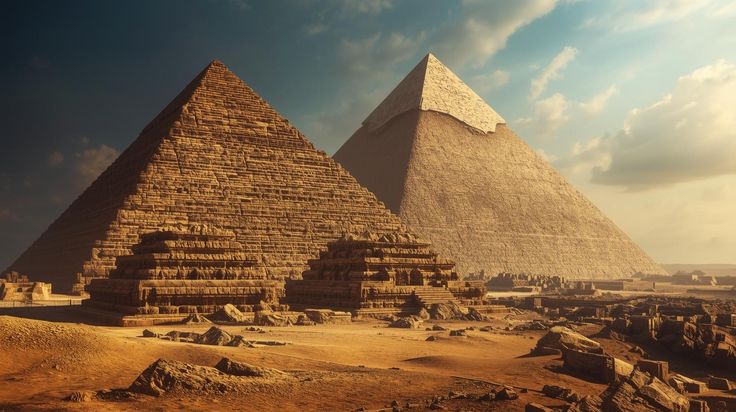
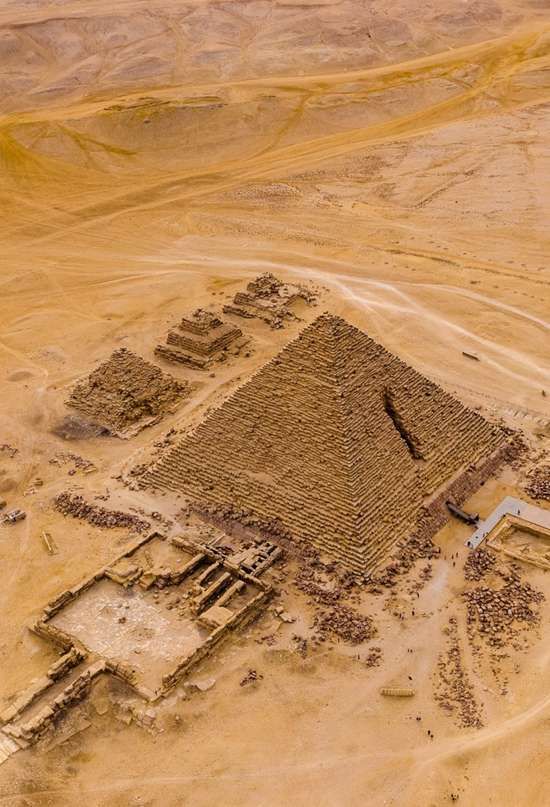
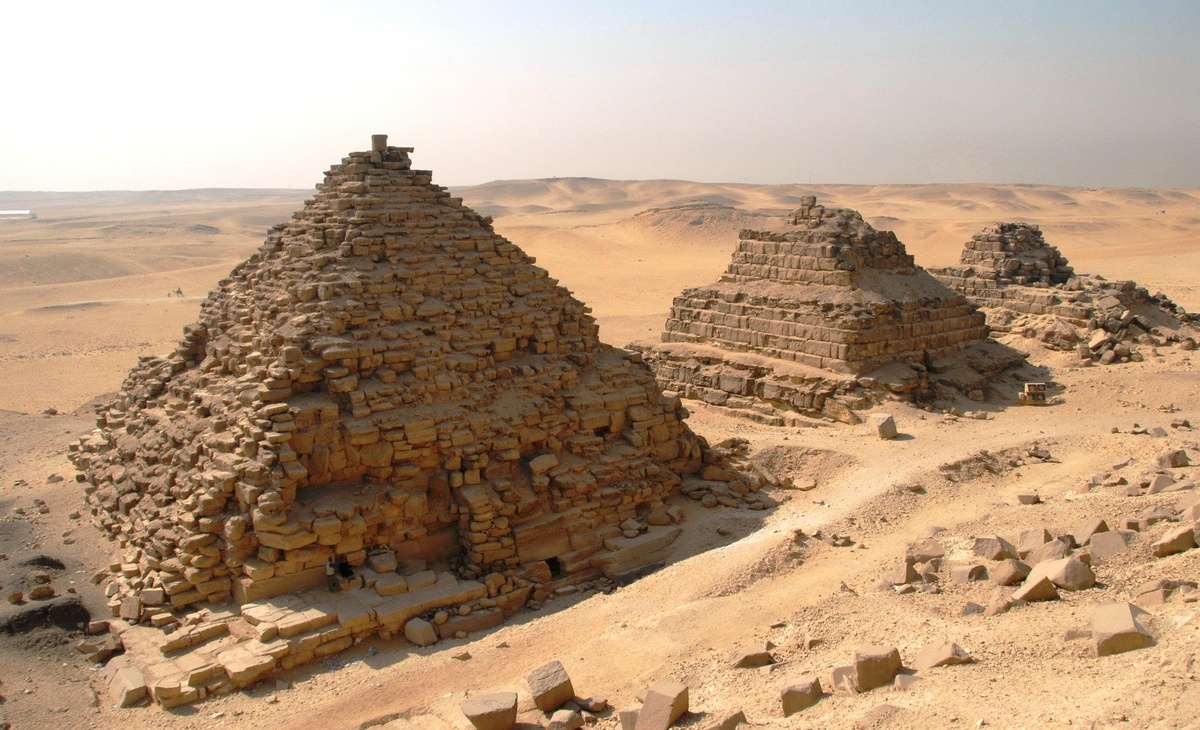
Guarding the quiet southern flank of Menkaure’s monument sits one of Giza’s most picturesque and structurally intriguing treasures—the three companion satellite pyramids, commonly known as the Queens’ Pyramids (designated G3-a, G3-b, and G3-c). Built to house the spirits of the pharaoh’s royal wives, these three smaller structures provide a beautiful sense of balance and symmetry to the southwestern edge of the plateau. For history buffs and landscape photographers, this specific row of monuments offers an exclusive, sweeping view that perfectly captures the personal and familial side of Old Kingdom royalty.

Exploring the immediate perimeter of these satellite structures is highly rewarding, as they showcase three completely different styles and stages of ancient construction. The largest of the three (G3-a) features a true pyramid shape and even retains its own small mudbrick mortuary temple where unique statues of Menkaure and his queens were discovered, while the other two remain as stepped structures. Standing beside these compact monuments away from the busiest pathways allows visitors to slow down and appreciate the intricate engineering required to build secondary tombs within the primary royal court.

For creative digital storytellers and casual travelers alike, the Queens’ Pyramids offer an exceptional visual composition. When lined up in a single frame with Menkaure’s distinct bi-color apex towering behind them, they create a layered, multi-dimensional image that immediately elevates any travel portfolio. These structures serve as an intimate reminder that the Giza Plateau was not merely a workspace for giant, solitary mountains of stone, but a deeply connected sacred family landscape where every monument held a precise spiritual place.

7. The 12th-Century Scar: A Story of Undeniable Structural Resilience

One of the most striking, dramatic, and unforgettable visual features on the northern face of the Pyramid of Menkaure is the massive vertical gap torn into its stone core. This distinct opening is not the result of natural erosion or ancient quarrying mistakes, but a historic monument to an entirely different era—a failed attempt by Malek al-Aziz Othman, the Sultan of Egypt and son of Saladin, to completely dismantle the Giza Pyramids in the late 12th century. For analytical travelers, engineers, and cultural historians, this scar adds a fascinating layer of narrative that highlights the incredible durability of pharaonic engineering.

The historical account of the attempt is mind-boggling. The sultan’s workforce spent eight long months trying to demolish Menkaure’s pyramid, using wedges, levers, and heavy ropes to dislodge the massive blocks. However, the sheer density, weight, and interlocking precision of the ancient masonry made the task incredibly slow and exhausting, forcing the expedition directors to eventually abandon the project entirely. The resulting gap serves as a brilliant, accidental cross-section of the pyramid’s interior construction, allowing modern visitors to look past the casing stones and view the layered core blocks beneath.

For any thoughtful traveler, standing before this northern face provides a powerful moment of reflection on the passage of time and the survival of world heritage. Rather than ruining the monument’s aesthetic charm, the 12th-century scar has become an integral part of its character, showcasing a historic clash between medieval ambition and ancient structural permanence. It stands as a profound symbol of absolute resilience, proving that even with the determined effort of an entire army, the foundational engineering of Menkaure’s monument remained completely unshakable.

8. The Vault of Masterpieces: George Reisner and the Treasures of the Valley Temple

For historians, curators, and collectors, the true legend of the Pyramid of Menkaure lies not in its stone core, but in the spectacular treasures discovered buried within its lower complex. In the early 20th century, the celebrated Harvard University–Boston Museum of Fine Arts Expedition, directed by pioneering American Egyptologist George Reisner, chose to excavate Menkaure’s long-buried and completely forgotten Valley Temple. What they uncovered beneath the desert sands permanently altered the world’s understanding of Old Kingdom art, yielding some of the most iconic, elegant, and perfectly preserved pharaonic masterpieces ever brought to light.

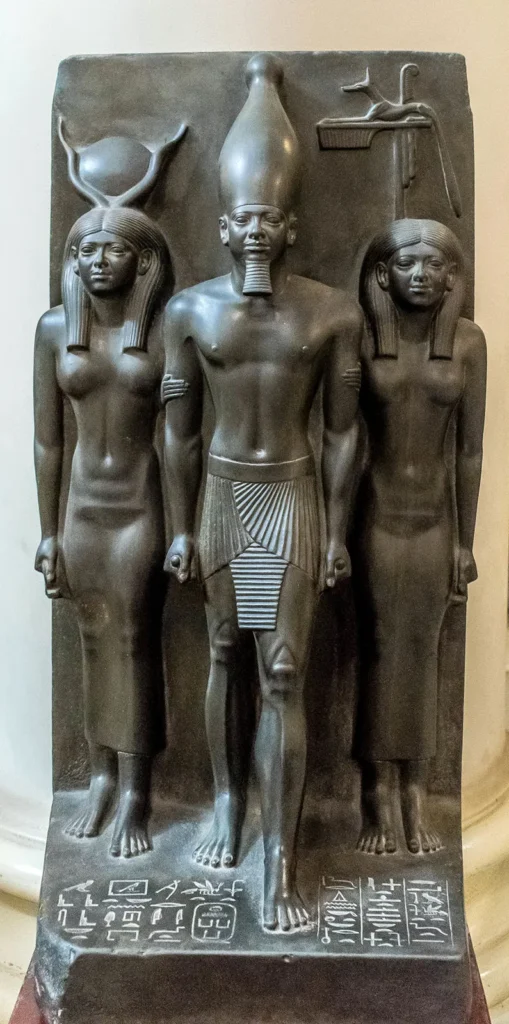
The most famous of these artistic treasures is the near life-sized double statue, or dyad, of King Menkaure and his queen (possibly Khamerernebty II), discovered inside a deep pit between the temple’s mudbrick walls. Carved from smooth, dark schist stone, the statue captures the royal couple in a stunning display of quiet dignity, with the queen’s arm wrapped gently around the pharaoh’s waist—a rare, intimate glimpse into the personal bonds of a family dynasty. Alongside this masterpiece, Reisner’s team unearthed a series of magnificent, beautifully detailed tripartite sculptures known as the “Menkaure Triads,” which depict the pharaoh standing proudly alongside the goddess Hathor and various local regional deities.

Today, these world-class archaeological finds are split between the grand halls of the Cairo Museums and the Museum of Fine Arts, Boston, where they continue to captivate millions of international visitors. For anyone exploring the Giza site today, walking among the ruins of the Valley Temple provides a deeply sophisticated narrative that transforms the Third Pyramid from a monumental stone tomb into a living palace of art. It stands as a profound reminder that Menkaure’s enduring legacy was built not on colossal vertical height, but on a refined, timeless standard of artistic perfection and creative human grace.

9. The Sudden Royal Succession and the Shift to Mudbrick Architecture

Beyond the stone slopes of the main pyramid, the surrounding complex tells a dramatic story of sudden political change and family duty at the end of the Fourth Dynasty. When Pharaoh Menkaure died unexpectedly before his entire funerary complex could be completed, his son and successor, Shepseskaf, was faced with an immense challenge. To ensure that his father’s soul could safely cross into the afterlife on schedule, the new pharaoh had to radically alter the original construction plans, instantly shifting from a slow, expensive stone design to a fast, practical approach.

This dramatic shift is clearly visible in the ruins of the Mortuary Temple at the eastern base of the pyramid. While the foundations and core walls were started using massive, multi-ton limestone blocks, the upper structures, inner courtyards, and storage rooms were rushed to completion using plastered and painted mudbrick. For curious travelers and history buffs, walking through these weathered ruins offers a fascinating, tactile history lesson. You can literally see the exact physical line where the monumental stone masonry ends and the softer, localized mudbrick walls begin, revealing the human pressure and rapid transitions behind Giza’s royal architecture.

10. The Mysterious Lost Sarcophagus and the Shipwreck of the Beatrice

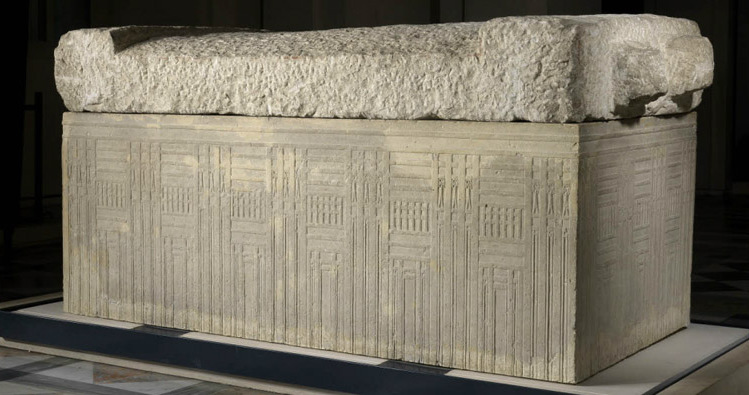
The history of the Pyramid of Menkaure is tied to one of the most famous, tragic, and tantalizing maritime mysteries in the world of archaeology. In 1837, British explorer Howard Vyse successfully cleared the sand from Menkaure’s subterranean chambers and discovered a spectacular, highly detailed basalt sarcophagus in the main burial room. Decorated with an intricate “palace façade” architectural carving, this priceless antiquity was hailed as a masterpiece of Old Kingdom art, offering an irreplaceable look into early dynastic royal burials.

Hoping to display this monumental prize to the public, the expedition packed the heavy sarcophagus onto a merchant ship named the Beatrice for transport back to England. However, in the autumn of 1818, while sailing through the Mediterranean Sea, the vessel encountered a ferocious storm and sank somewhere off the coast of Cartagena, Spain, dragging Menkaure’s magnificent sarcophagus down into the deep ocean floor. Today, this lost masterpiece remains out of reach, transforming the Third Pyramid into a deeply poetic destination that connects the dry sands of the Sahara to a dark, underwater mystery that still challenges modern marine salvage teams.

11. The Elite Sculptures of the Workers' Village and the Royal Cult

While the Great Pyramids are often viewed as solitary monuments built for a single king, Menkaure’s complex provides critical evidence that these sites were actually bustling, living cities filled with priests, artists, and specialized craftsmen. Excavations on the southern edge of the plateau have uncovered the extensive “Workers’ Village” and the support settlements that kept Menkaure’s royal funerary cult operating for generations after his death. This active community was responsible for maintaining daily offerings, managing food supplies, and preserving the divine memory of the king.

It was within this thriving ritual environment that the famous “Menkaure Triads” and the iconic double statue of the king and queen were actually utilized, serving as sacred focal points for religious devotion rather than simple decorations. Exploring the layout of the nearby valley temple allows visitors to picture the ancient processional ways where elite officials once gathered, transforming a standard sightseeing tour into a deeply human journey. The Pyramid of Menkaure stands as a powerful testament to the social organization, economic strength, and collective human energy that defined the true peak of Egypt’s pyramid age.

12. A Lasting Impression of Giza’s Most Elegant Masterpiece

As your exploration of the Pyramid of Menkaure draws to a close, you depart the Giza Plateau with a profound appreciation for a monument that defines itself not by sheer vertical mass, but by architectural character and structural resilience. The Third Pyramid proves that the true genius of the Fourth Dynasty lay in its ability to adapt, innovate, and master diverse materials under the pressure of changing times. From the robust, unfinished red granite courses at its base to the striking historical scar on its northern face, Menkaure’s monument leaves visitors with a deep, tangible connection to the human stories and royal transitions of ancient Egypt.

For travelers, photographers, and history enthusiasts alike, this intimate giant offers an unmatched sense of discovery and quiet contemplation. It stands as a peaceful sanctuary on the edge of the Sahara, where the frantic rush of modern sightseeing fades into the background, allowing the artistic spirit of the Old Kingdom to take center stage. Whether you spent your time capturing the layered geometry of the companion Queens’ Pyramids or reflecting on the tragic, deep-sea mystery of its lost basalt sarcophagus, Menkaure delivers a complete and deeply satisfying cultural narrative.

As you continue your journey through Egypt or prepare to share your stories with the world, the distinct bi-color silhouette of the Pyramid of Menkaure will remain an unforgettable highlight of your time in Cairo. It stands as a timeless symbol of balance and endurance—a monument that elegantly completes the sacred trio of Giza while carving out its own unique, permanent place in the grand story of human achievement.

Pyramid of Menkaure : Frequently Asked Questions

The interior of Menkaure’s pyramid is highly regarded as the “best value” experience on the Giza Plateau. The ticket is significantly more affordable than the Great Pyramid, and the descent is shorter and much less physically exhausting. Inside, you get to see unique architectural features not found in the neighboring pyramids, such as a rock-cut chamber adorned with a beautifully carved “palace façade” motif and a barrel-vaulted main burial room built entirely out of massive granite blocks.

The rough, unpolished red granite blocks on the lower 16 courses are a direct result of a sudden royal transition. Pharaoh Menkaure passed away unexpectedly before his funerary complex could be completed. His successor, Shepseskaf, chose to halt the time-consuming stone-polishing process and quickly finish the rest of the complex so the king’s burial rituals could begin. Today, this serves as an incredible open-air textbook showing exactly how ancient masons shaped and moved stones.

The massive vertical gash was caused by a failed demolition attempt in the late 12th century by Al-Malek al-Aziz Othman (the Sultan of Egypt and son of Saladin). He attempted to dismantle the Giza Pyramids starting with the smallest one, but after eight months of grueling labor, his workforce could only remove a few stones a day. The project was abandoned due to the sheer cost and near-impossible difficulty, leaving behind an accidental cross-section that proves the incredible resilience of pharaonic engineering.

The spectacular treasures excavated from Menkaure’s Valley Temple by archaeologist George Reisner in the early 20th century are now celebrated global masterpieces. The iconic “Menkaure Triads” (showing the king with the goddess Hathor) and the beautifully intimate double statue of the King and Queen are split between the grand halls of the Grand Egyptian Museum (GEM) / Egyptian Museum in Cairo, and the Museum of Fine Arts in Boston.

In 1837, British explorer Howard Vyse discovered Menkaure’s magnificent, ornately carved basalt sarcophagus inside the burial chamber. Hoping to ship this priceless treasure to Great Britain, it was loaded onto a merchant ship named the Beatrice. Tragically, in 1838, the ship encountered a severe storm and sank in the Mediterranean Sea off the coast of Cartagena, Spain. The royal sarcophagus remains lost at the bottom of the sea to this day.