
Welcome to

The Great Pyramid of Khufu: The Eternal Pinnacle of Ancient Engineering

The Great Pyramid of Khufu stands as the ultimate symbol of human ambition, architectural genius, and the timeless mystery of ancient Egypt. As the oldest and largest of the three monuments on the Giza Plateau, this colossal wonder has captivated travelers, scientists, and historians for millennia, rising proudly from the desert sands as a testament to the Old Kingdom’s golden age. Built during the 26th century BC for the Pharaoh Khufu (known in Greek as Cheops), it is the only surviving wonder of the ancient world, remaining an iconic beacon that connects our modern reality with the dawn of civilization. For travelers arriving in Egypt, it is not merely a historical site; it is a profound monument where history, myth, and engineering collide on a scale that defies imagination.

For explorers seeking an authentic encounter with the absolute peak of pharaonic power, the Pyramid of Khufu offers a deeply immersive journey filled with awe-inspiring geometry, hidden chambers, and an overwhelming sense of scale. From the massive limestone blocks that form its core to the mysterious depths of the King’s Chamber and the soaring Grand Gallery inside, every angle of this geometric masterpiece reveals the precision of ancient master builders. Whether you are gazing at its towering silhouette against the Cairo sunset, standing in its colossal shadow, or venturing into its ancient, silent interior, the Great Pyramid promises an unforgettable encounter with the eternal spirit of Egypt—a living legend that continues to challenge, inspire, and mystify the world.

1. A Journey Through the Last Standing Wonder of the Ancient World

The Great Pyramid of Khufu is Egypt’s most iconic and historically significant destination, offering travelers an unforgettable journey into the absolute pinnacle of pharaonic ambition, royal dignity, and timeless human achievement. Established over 4,500 years ago during the Fourth Dynasty of the Old Kingdom, this legendary monument has served as a global beacon of wonder, attracting emperors, explorers, and pilgrims from every corner of the earth across centuries. Located on the rocky plateau of Giza on the edge of Cairo, the pyramid is far more than a royal tomb—it is a living testament to an era of unparalleled stability, centralized power, and cosmic alignment. For travelers seeking an authentic historical adventure in Egypt, standing before the Pyramid of Khufu provides one of the world’s most profound and moving cultural experiences.

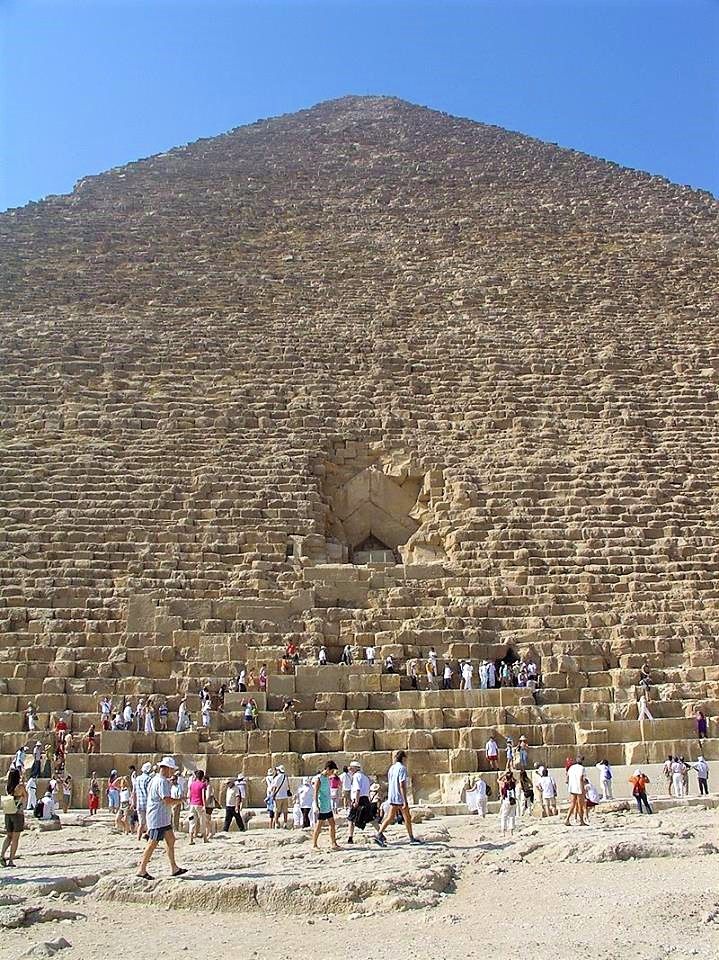
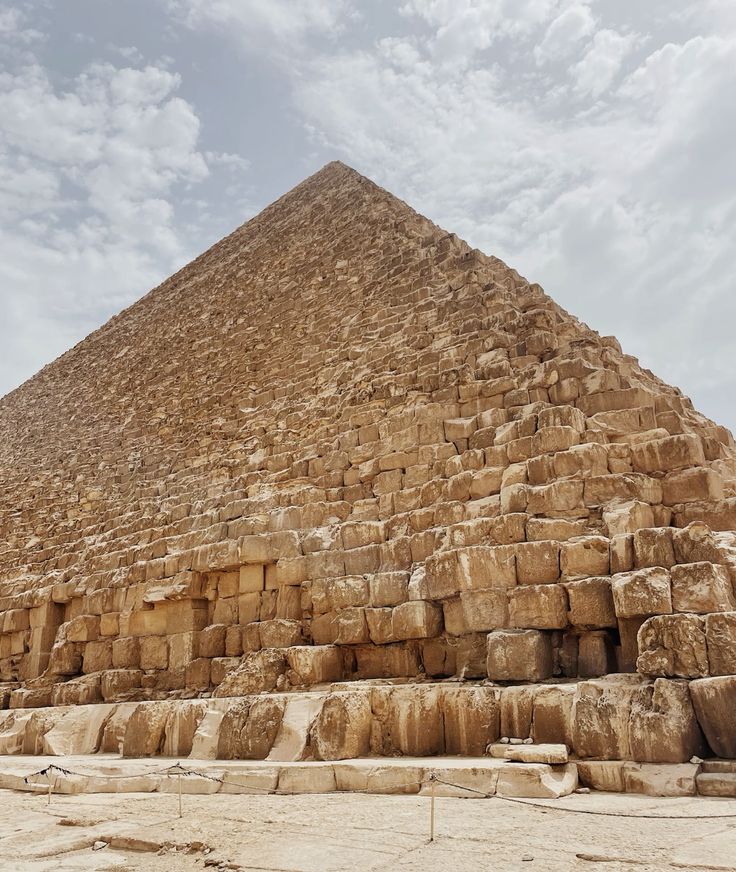
Walking up to the base of Khufu’s monument feels like stepping into a realm where human limitations were entirely rewritten. The sheer scale of the individual limestone blocks, the sharp mathematical precision of the rising slopes, and the golden desert light reflecting off the weathered stone create a magical atmosphere unmatched by any modern structure. Every step around its massive perimeter reveals a new perspective, from the sheer immense height looking upward to the rugged textures of the ancient masonry that has survived empires, earthquakes, and the passage of millennia. The surrounding desert breeze and the distant hum of the city add a dynamic contrast that makes the entire encounter feel deeply dramatic and alive.

What makes the Great Pyramid truly extraordinary is its unique survival status. Unlike its ancient peers—such as the Hanging Gardens of Babylon or the Lighthouse of Alexandria, which faded into myth—this legendary structure remains physically present, allowing modern visitors to touch the exact same stones described by Herodotus. It represents the enduring soul of Egypt—a masterpiece where functional engineering and religious devotion achieved total perfection. Whether you are passionate about structural architecture, deep archaeology, or simply capturing the ultimate travel photograph, the Great Pyramid offers a remarkable introduction to the nation’s eternal identity and remains the most vital location to visit in Cairo.
2. Venturing Inside the Hidden Chambers of the Pharaoh

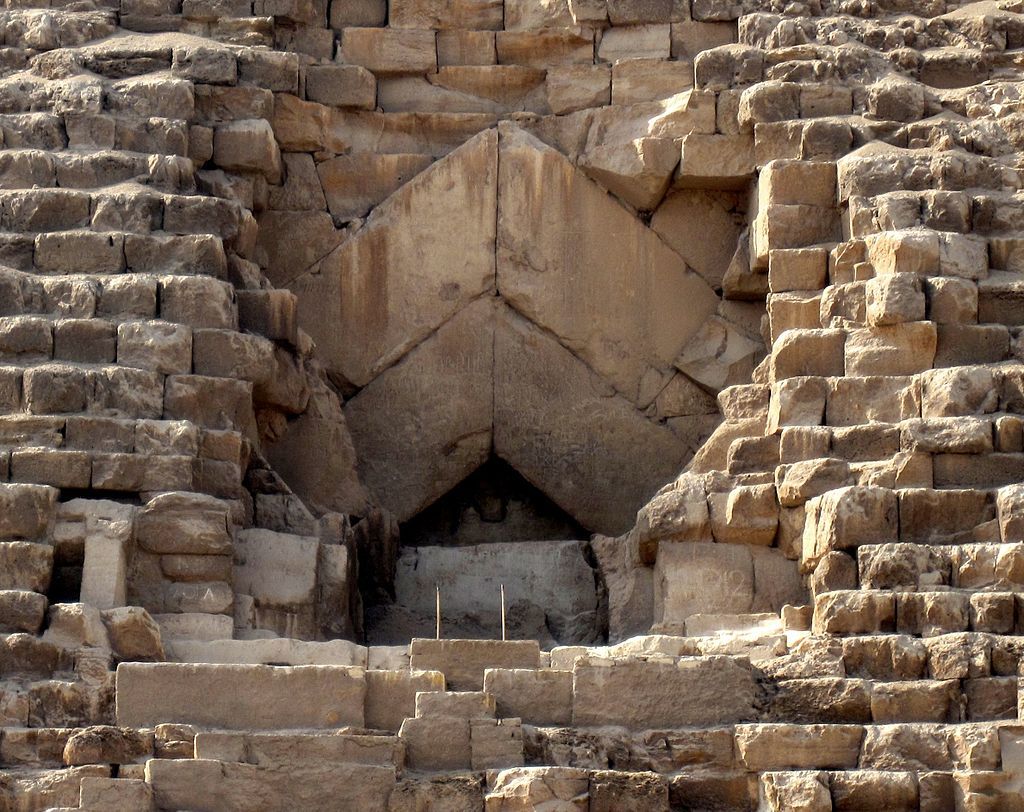
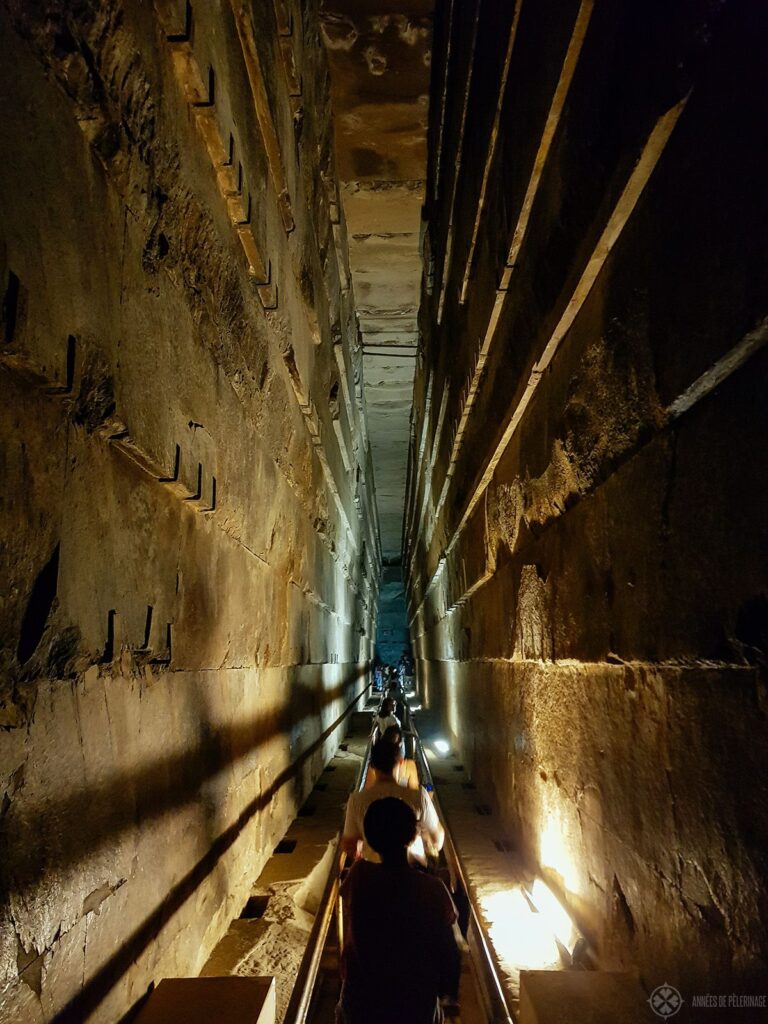
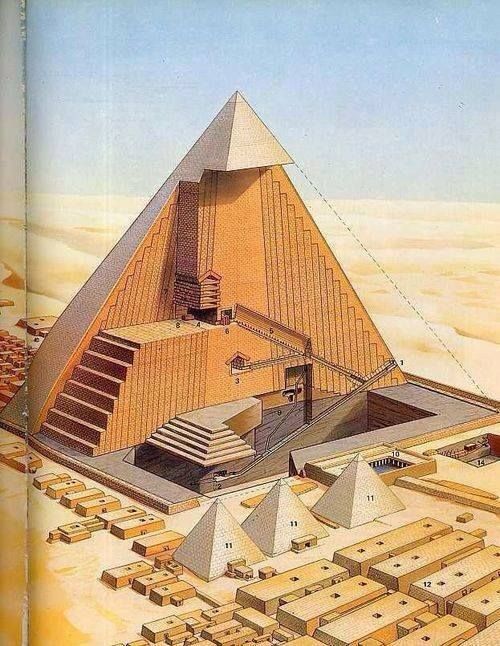
Exploring the mysterious inner architecture of the Great Pyramid of Khufu is one of the most thrilling and exclusive adventures visitors can experience in Egypt, offering a stark contrast to looking at the monument from the outside. Unlike many traditional tombs that are completely solid or subterranean, this legendary pyramid features an incredibly complex network of rising passages, hidden shafts, and stone chambers built directly into the heart of its massive stone core. From the moment you duck through the ancient Robbers’ Tunnel used by medieval explorers, you are surrounded by polished megalithic stones, tight pathways, and a silent, temperature-regulated atmosphere that has been sealed away from the outside world for thousands of years. For travelers seeking the true heart of pharaonic mystery, entering Khufu’s interior is an unmatched rite of passage.

What makes the physical journey inside so unforgettable is the dramatic architectural transition that happens within the dark stone. Visitors ascend through the tight, inclined ascending passage before suddenly emerging into the breathtaking Grand Gallery, a soaring, corbelled granite hallway that slants upward with incredible structural grace. Walking through this narrow yet towering space leads directly into the King’s Chamber, a minimalist room built entirely from massive blocks of red Aswan granite, housing the empty, lidless sarcophagus of Khufu himself. The absolute silence, the heavy pressure of millions of tons of stone above, and the smooth, perfect joints between the granite blocks create a deeply humbling experience that highlights the absolute peak of ancient stonemasonry.

The interior experience is also a brilliant lesson in ancient structural engineering and spiritual ideology, as the exact purpose of the chamber’s unique ventilation shafts and relieving blocks continues to be debated by experts worldwide. Beyond the physical challenge of the climb, entering the pyramid allows travelers to connect with the ancient Egyptian belief in the afterlife, standing in the exact space designed to launch a pharaoh’s soul toward the eternal northern stars. The Great Pyramid is not simply a stone hill to be viewed from a distance; it is a complex, engineered machine for eternity where every corridor becomes part of a sacred journey. It remains a vibrant archaeological adventure where human curiosity meets the deep secrets of the past.
3. The Panoramic Desert Plateau: Gazing Across the Giza Horizon

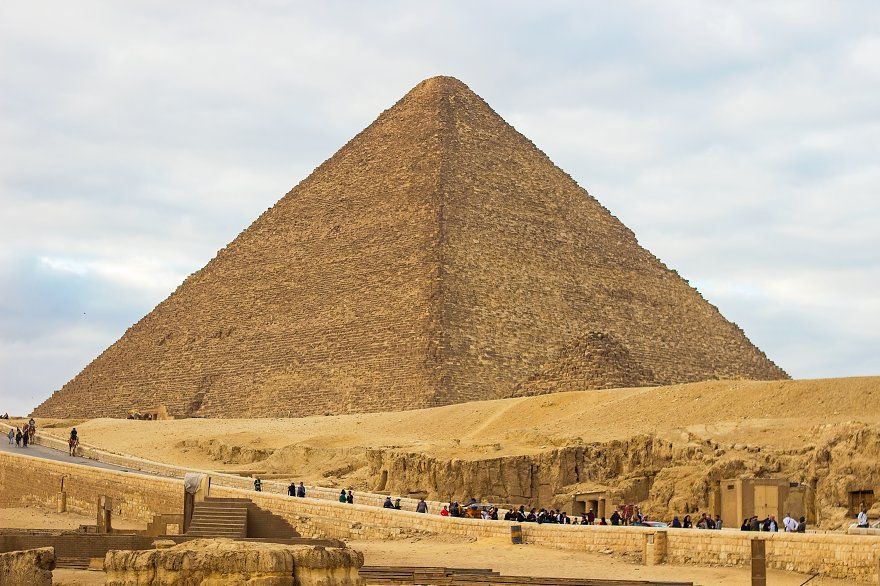
No visit to the Great Pyramid of Khufu feels complete without experiencing the breathtaking views from the panoramic viewing points across the wider Giza Plateau. Nestled just a short distance from the main monument, these elevated desert locations allow travelers to see Khufu’s masterpiece within its broader royal context, standing in perfect alignment with the pyramids of Khafre and Menkaure. Established as a sweeping desert landscape, the plateau viewpoint is far more than a simple photo stop—it is a strategic vantage point that reveals the incredible geometry and complex urban planning of the ancient Old Kingdom necropolis. For travelers seeking a powerful visual understanding of Egypt’s pyramid age, this classic desert horizon remains an essential highlight.

Stepping out onto the sandy ridges of the panoramic viewpoint feels like looking at a living canvas of world history. The three massive pyramids cutting into the blue sky, the golden expanse of the Sahara extending to the west, and the green valley of the Nile meeting the edge of modern Cairo create a captivating view that reflects the timeless contrast of Egypt. Unlike standing directly at the base of Khufu’s pyramid, the distant perspective offers an experience built around scale, alignment, and relationship. Watching the sun cast long, dramatic shadows across the plateau allows visitors to absorb the sheer grand vision of the ancient architects who transformed an entire desert ridge into a celestial monument.

Beyond its incredible visual power, the plateau view holds a special place in travel lore, serving as the setting for countless historical accounts, artistic paintings, and modern global events. It is the perfect place to pause, step away from the immediate tourist crowds, and quietly contemplate the immense human effort required to construct these monuments without modern machinery. Whether you choose to travel across the sands on a traditional camel ride or simply stand quietly as the desert wind moves around you, looking back at Khufu’s pyramid from the horizon offers one of the most iconic experiences in Egypt. It is not just a beautiful view—it is a timeless perspective that connects the earth, the sky, and the eternal monuments of the pharaohs.
4. A Photographer’s Paradise: Capturing the Majestic Geometry of Khufu

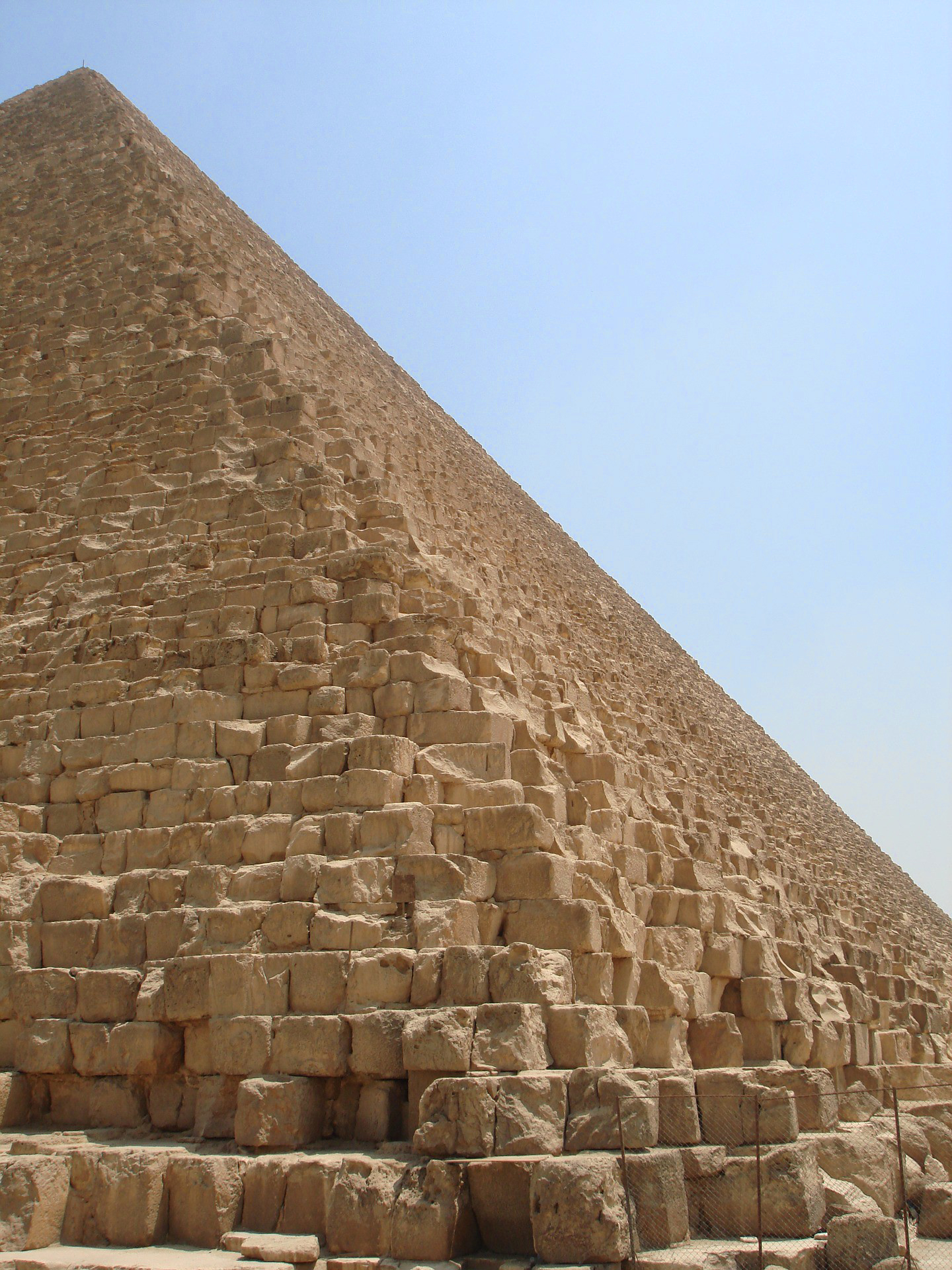
The Great Pyramid of Khufu is not only a premier historical destination, but also one of the most visually stunning and artistically inspiring locations for photographers and modern travelers who appreciate structural perfection. Every angle of this monumental site offers a unique frame waiting to be captured, from the close-up patterns of the giant weathered stones to the sharp, golden triangles silhouetted against the morning sky. For visitors interested in travel photography in Egypt, Khufu’s pyramid provides an extraordinary environment where raw ancient textures, desert sands, and changing atmospheric light blend seamlessly into unforgettable visual images.

Walking around the base of the monument with a camera feels like exploring a moving sculpture of light and shadow. The constantly shifting position of the sun creates dynamic, high-contrast scenes that emphasize the sharp lines and immense scale of the stone blocks, while the warm desert dust adds a timeless, cinematic quality to every shot. Whether capturing a lone camel rider passing by the colossal corners or framing the peak of the pyramid against the clouds, photographers will find endless inspiration in the simplicity and power of its form. Sunrise visits offer a soft, ethereal glow with fewer crowds, while the late afternoon brings dramatic, warm tones that bring the ancient limestone to life.

Beyond its obvious aesthetic appeal, Khufu’s pyramid offers something deeper for digital storytellers—the ability to capture the ultimate symbol of human endurance. Unlike modern cityscapes designed for temporary utility, this ancient mountain of stone preserves an emotional weight and a sense of absolute permanence that makes every photograph feel significant and historic. Even casual visitors with smartphones will find themselves constantly drawn to photograph the dramatic scale from the base and the sweeping vistas from the desert edge. Whether you are a professional landscape photographer, a social media traveler, or someone who simply loves visual harmony, the Great Pyramid remains one of the most rewarding places on earth to explore through a lens.

5. Luxury and History: A Taste of Elite Hospitality on the Giza Plateau

Beyond the ancient stone blocks and hidden chambers, the area surrounding the Great Pyramid of Khufu offers visitors a highly sophisticated leisure and culinary experience that captures the welcoming spirit of modern Egypt. Located on the edge of the plateau are world-class, upscale restaurants and historic dining pavilions where travelers can pause, relax, and enjoy premium service directly in the shadow of the world’s oldest wonder. From gourmet Egyptian fusion menus to fine international cuisine and artisanal refreshments, the Giza Plateau offers far more than a traditional sightseeing tour—it provides a luxurious sensory journey through contemporary Egyptian hospitality. For travelers seeking a refined day out in Cairo, dining next to Khufu’s masterpiece remains one of the city’s most prestigious experiences.

What makes dining here especially memorable is the incomparable backdrop of the pyramid itself. Sitting at an outdoor terrace restaurant, surrounded by the crisp desert air while looking up at the 4,500-year-old limestone monument, creates an experience that feels entirely surreal and deeply exclusive. Many of these dining venues maintain a high standard of elegance, where the architectural layout, interior design, and curated menu items reflect a new era of premium Egyptian tourism. Whether enjoying a leisurely lunch after exploring the interior chambers or sipping a refreshing drink as the sun sets over the Sahara, every moment spent in these spaces becomes an integral part of the luxury travel experience.

For many visitors, these moments of relaxation are essential for fully processing the sheer scale and historical weight of the Great Pyramid. The upscale hospitality zones offer a rare opportunity to transition smoothly from the rugged world of archaeology back to modern comfort without losing the sense of wonder. Rather than rushing through the site, taking the time to enjoy the premium amenities transforms the visit into a holistic, comfortable, and memorable lifestyle journey. The Great Pyramid of Khufu is not simply a monument to be studied from a distance—it is an elegant setting where you can live in the present while being surrounded by the eternal majesty of the pharaohs.

6. The Science of the Pyramids: Unlocking the Engineering Secrets of Khufu

One of the most intellectually engaging and scientifically fascinating parts of visiting the Great Pyramid of Khufu is understanding its status as the world’s ultimate masterpiece of ancient engineering. Unlike ordinary historical ruins, this massive structure is built with a level of mathematical and structural precision that continues to astonish modern architects, engineers, and scientists worldwide. For many travelers, learning about the advanced logistics, cosmic alignment, and construction techniques of the pyramid becomes one of the most rewarding aspects of the visit, transforming a standard sightseeing stop into a deep appreciation for the brilliance of the human mind.

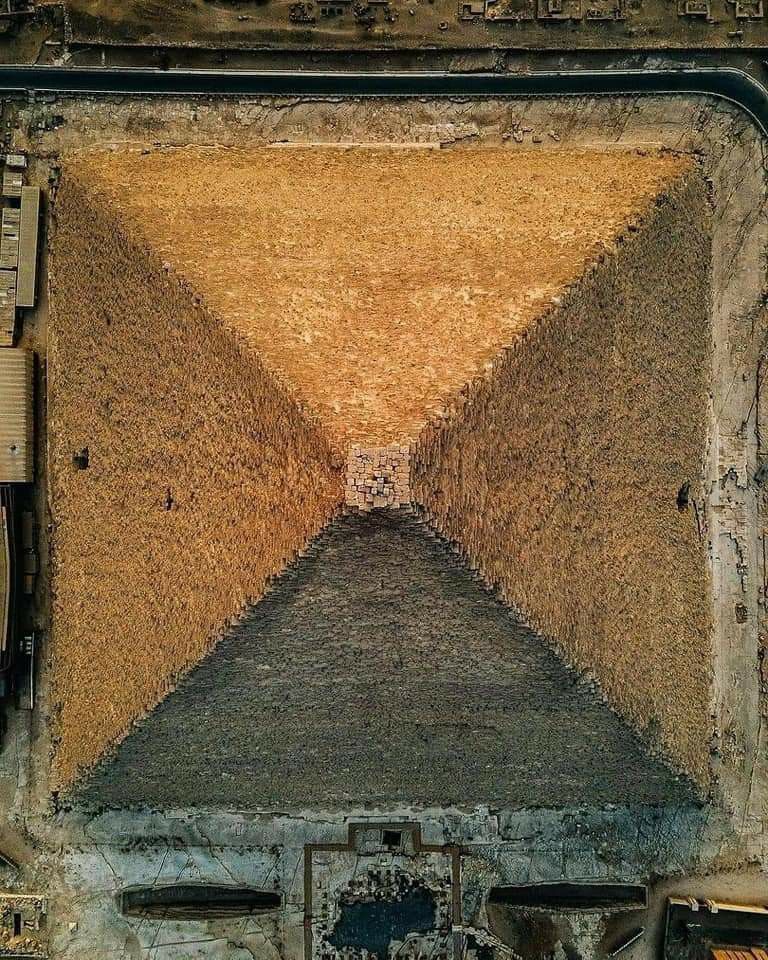
The construction of Khufu’s pyramid is an engineering wonder, involving the precise placement of roughly 2.3 million stone blocks, some weighing upwards of several tons, sourced from local quarries and transported across the Nile from Aswan. Visitors often get a sense of this incredible feat when observing the perfect alignment of the pyramid’s four sides to the true cardinal points of the compass—a calculation achieved with an error of only a fraction of a degree. Learning how ancient builders managed to level the massive rock base and lift these colossal stones without modern machinery highlights the sophisticated mathematics and social organization of the Old Kingdom. This scientific layer adds an intellectual dimension to the site, making it feel like a true monument to human knowledge.

For students, history enthusiasts, and analytical minds, this focus on ancient engineering is incredibly inspiring. It underscores the ongoing international research, digital scanning projects, and archaeological discoveries that continue to reveal new details about the workforce, the logistics, and the hidden voids within the structure. The experience adds a deeply human and intellectual dimension to the monument that goes far beyond its visual impact. In Giza, exploring the Great Pyramid is not just a lesson in the deep past—it is a journey into a timeless puzzle where ancient genius continues to challenge the technology and understanding of the modern world.

7. The Sound and Light Show: When Khufu’s Legend Glows Under the Stars

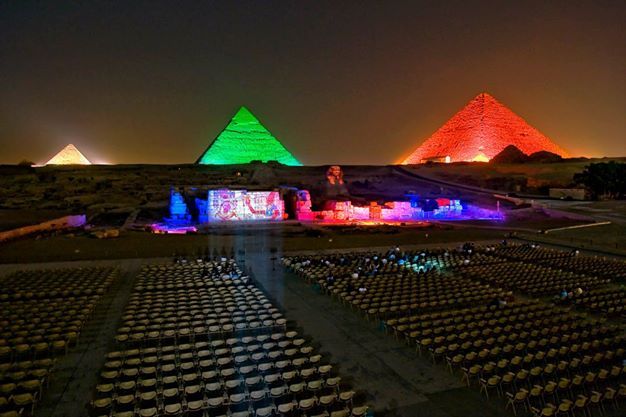
While the Great Pyramid is breathtaking during the daytime, many travelers believe the monument becomes even more enchanting in the evening, when the entire Giza Plateau is transformed by the legendary Sound and Light Show. As night falls over the desert, the massive silhouettes of Khufu’s pyramid, along with those of Khafre and Menkaure, are illuminated by a masterfully designed display of colorful lights and laser projections. For visitors seeking an exclusive, dramatic, and deeply atmospheric experience in Giza, watching the Great Pyramid glow against the dark night sky offers a remarkable journey into Egypt’s romantic and theatrical side.

The evening hours bring a sophisticated and theatrical beauty to the site, as the sharp lines of the pyramid are emphasized by brilliant spotlights, and the Sphinx takes on the role of an ancient storyteller narrating the history of the pharaohs. The cooler desert temperatures, the open sky, and the dramatic musical score create a cinematic ambiance that feels entirely different from the bustling energy of the daytime crowds. Photographers, couples, and cultural travelers often find this to be the most magical time to visit, as the monument appears like a giant, glowing jewel on the edge of the desert, evokes a sense of deep nostalgia and historical romance.

Beyond its visual appeal, the evening show offers a captivating educational experience that brings the history of Khufu and the Old Kingdom to life through dramatic narration. Rather than functioning purely as an archaeological site, the pyramid at night becomes a grand cultural stage where history, technology, and art blend beautifully together. Experiencing the Great Pyramid under the stars is not just traditional sightseeing—it is one of Cairo’s most memorable and enduring night experiences, offering an enchanting farewell to the day that resonates long after the lights fade.

8. A Strategic Gateway to the Surrounding Mysteries of Giza

The Great Pyramid of Khufu is far more than an isolated archaeological wonder—it also serves as the ultimate strategic starting point for exploring the broader collection of historic treasures across the Giza Plateau. Located at the grand entrance of this ancient royal necropolis, Khufu’s monument places visitors within short walking distance of some of Egypt’s most iconic landmarks, including the enigmatic Great Sphinx, the Valley Temple of Khafre, the Queen’s Pyramids, and several intricately decorated mastaba tombs of Old Kingdom nobles. For travelers planning a comprehensive cultural tour of Cairo, starting at the Great Pyramid offers the perfect combination of viewing the ultimate monument and enjoying easy, walkable access to the surrounding secrets of the ancient world.

What makes this location especially appealing to historical explorers is the seamless transition between the individual monuments, creating a beautifully connected narrative of ancient Egyptian life, death, and religion. Visitors can spend their morning exploring the interior chambers of Khufu’s pyramid, then continue directly down the ancient stone causeway to stand face-to-face with the Sphinx or examine the massive limestone and granite architecture of the nearby temples. This layout creates a well-rounded day of discovery where architecture, royal cults, artistic relief carvings, and landscape design naturally blend into one unforgettable adventure. Few historical destinations on earth offer such an incredible concentration of world-famous landmarks within such a compact, walkable setting.

Beyond sheer convenience, the Great Pyramid’s physical connection to the surrounding tombs and temples adds an important historical dimension to every visit. Khufu’s monument is not just a stand-alone grave, but the central heart of a massive, interconnected complex designed to sustain the pharaoh’s memory and spiritual power for eternity. Exploring the nearby tombs of the royal family and the high officials who built the monument helps visitors better understand the social hierarchy, daily life, and incredible economic organization that shaped the Old Kingdom. Whether you are a dedicated history enthusiast, a cultural traveler, or a first-time visitor to Egypt, the Great Pyramid offers the perfect gateway into the timeless beauty and profound heritage of the Giza Plateau.

9. Hidden Graves and Unexpected Discoveries on the East Bank

One of the most enchanting aspects of exploring the Great Pyramid of Khufu is the sense of discovery that comes with simply wandering through its immediate surroundings, particularly on its eastern and southern flanks. Beyond the famous main northern entrance where tourists gather, the base of the monument hides countless quieter corners, tucked-away structures, and unexpected treasures waiting to be uncovered by curious visitors. Exploring these lesser-known sections reveals a more intimate side of the Giza Plateau, where the pace slows slightly and the authentic character of Old Kingdom religious life becomes even more apparent. For travelers who enjoy spontaneous exploration, the perimeter of Khufu’s pyramid offers a rewarding adventure where every stone feels like it is hiding a secret story.

These quieter sides of the monument often reveal some of the most memorable archaeological experiences on the plateau. On the eastern side, visitors can come across the ruins of Khufu’s Mortuary Temple, where polished black basalt floors still sit in their original alignment, as well as the three smaller Queen’s Pyramids, which many tourists pass by entirely unnoticed. Nearby, the deeply carved rock-cut boat pits, which once held the pharaoh’s ritual solar vessels, slice dramatically into the limestone floor. Unlike modern museums designed for quick efficiency, the area surrounding the Great Pyramid invites visitors to wander at their own pace, allowing the ancient landscape itself to shape the journey.

For photographers, cultural travelers, and anyone seeking authentic historical experiences, these hidden pathways offer some of the most rewarding moments of their Egypt journey. The quieter corners on the far side of the pyramid provide a stronger sense of connection to Cairo’s historic past, completely away from the busiest tour bus crowds. Rather than simply moving from one major monument to the next, visitors become part of a deeper exploration where architecture, astronomy, and daily ancient life unfold naturally. Around the Great Pyramid of Khufu, some of the most unforgettable discoveries are often the smaller details and quiet viewpoints you never originally planned to find.

10. Practical Tips for Visiting the Great Pyramid of Khufu

A visit to the Great Pyramid of Khufu is one of the most enjoyable and awe-inspiring cultural experiences in Cairo, and a little bit of preparation can help make the adventure even smoother and more rewarding. Since exploring the site involves extensive walking over uneven desert terrain and climbing through tight spaces, wearing comfortable, closed-toe walking shoes is highly recommended, especially if you plan to go inside. Visiting during the early morning hours can provide a more comfortable temperature and fewer crowds, while the late afternoon offers a vibrant, golden lighting that is absolutely perfect for photography.

Keeping some local currency on hand is also advisable, as certain minor services or local vendors on the plateau may prefer cash payments, and purchasing the separate ticket to enter the pyramid’s interior requires careful coordination. Travelers interested in exploring the inner chambers should be aware that the climbing passages are steep, narrow, and require ducking, so anyone prone to claustrophobia may prefer to appreciate the monument’s exterior beauty instead. It is also wise to bring a sun hat, sunglasses, and plenty of water, as the open desert landscape offers very little shade during the peak hours of the day.

Hiring a knowledgeable local guide or an expert Egyptologist can enhance your visit significantly, providing deep historical context about Khufu’s reign and the complex engineering of the Fourth Dynasty. Combining the Great Pyramid with a visit to the newly opened Grand Egyptian Museum nearby creates a complete and incredibly rewarding day of cultural exploration. With thoughtful planning, a visit to the Great Pyramid of Khufu becomes not only highly enjoyable, but one of the absolute most memorable highlights of any journey through Egypt.

11. Why Khufu’s Monument Should Be on Every Travel Itinerary

While the modern world is filled with towering skyscrapers, massive stadiums, and grand historic landmarks, the Great Pyramid of Khufu offers something entirely different—an immersive cultural experience where ancient majesty, mathematical genius, and human endurance continue to exist side by side. It is one of the rare places on earth where travelers can move entirely beyond traditional sightseeing and step directly into the living rhythm of the deep past. From the colossal limestone blocks at its base to the cosmic alignment of its soaring peaks, the pyramid offers an authentic slice of human history that many visitors remember long after their trip ends.

What makes the Great Pyramid truly unforgettable is its unique, commanding atmosphere. It is not simply an archaeological site to check off a bucket list, but a profound destination where the visual scale, the desert winds, and the weight of thousands of years create a deeply sensory experience unlike anywhere else in the world. Whether you are bargaining for a traditional camel ride across the sands, examining the precise granite joints inside the King’s Chamber, or simply standing silently in its shadow, every single moment feels deeply connected to the global story of human achievement.

For history lovers, structural engineers, photography enthusiasts, and curious travelers alike, the Pyramid of Khufu delivers one of the most rewarding and authentic experiences in Egypt. It is a legendary destination that captures the raw ambition of the Old Kingdom while remaining vibrantly relevant to our modern understanding of the ancient world. This timeless balance makes it the most essential and non-negotiable stop on every thoughtfully planned travel itinerary to Cairo.

12. An Unforgettable Farewell to the Great Pyramid of Khufu

As your journey around the Great Pyramid of Khufu comes to an end, you leave the Giza Plateau with far more than photos on a digital camera—you leave with memories of one of the world’s most vibrant, awe-inspiring, and culturally rich historical experiences. Few places on earth capture the absolute scale of human potential quite like this legendary marketplace of ancient engineering, where thousands of years of royal secrets, astronomical precision, and grand architecture continue to thrive on the edge of the desert. From the golden glow of the afternoon limestone and the silence of the inner granite chambers to the energy of the surrounding plateau and the charm of hidden panoramic viewpoints, every moment spent with Khufu’s monument tells a story that feels uniquely grand and eternal.

What makes the Great Pyramid truly unforgettable is not simply its massive physical presence, but the profound emotional experience it offers to every visitor. It is a unique monument where history is not displayed behind protective glass or kept at a distance, but lived every single day through personal exploration, scientific discovery, and direct human connection. Whether you arrived at Giza searching for architectural inspiration, deep historical knowledge, unique photography opportunities, or simply the excitement of standing before the last remaining wonder of the ancient world, the pyramid delivers something deeply moving and memorable for every type of traveler.

As you continue your Egyptian adventure or prepare to return home, the monumental silhouette and timeless character of the Great Pyramid of Khufu will remain one of the most vivid and treasured memories of your time in Cairo. It is far more than a historic pharaonic tomb—it is a living symbol of humanity’s enduring spirit and creative genius, where the distant past and the modern present blend effortlessly into one unforgettable destination. For anyone seeking to touch the true soul of ancient Egypt, a journey to the Great Pyramid remains an essential experience that should never, ever be missed.

Great Pyramid of Khufu : Frequently Asked Questions

The best time to visit is early in the morning (around 8:00 AM) right when the plateau opens, or late in the afternoon before closing. Morning visits allow you to beat the intense desert heat and the arrival of large tour buses, giving you a quieter experience. Late afternoon offers the most spectacular golden light for photography.

Yes, it is entirely safe, but it is physically demanding. To reach the King’s Chamber, you must climb through the Grand Gallery, which involves walking up a steep, narrow incline while ducking for extended periods. If you suffer from claustrophobia, severe back issues, or heart conditions, it is highly recommended to appreciate the pyramid from the outside instead.

Yes. General admission to the Giza Plateau only grants you access to the outside of the monuments, the Sphinx, and the general grounds. If you wish to venture inside the Great Pyramid, you must purchase a separate, additional ticket at the main ticket office before entering the site.

To fully appreciate the Great Pyramid, walk its perimeter, take photos, and explore the nearby Queen’s Pyramids, you should allocate about 1.5 to 2 hours. If you plan to go inside the interior chambers and visit the panoramic viewpoints across the plateau, you should plan for a total of 3 to 4 hours at the site.

Absolutely. The Grand Egyptian Museum (GEM) is located just a few kilometers from the Giza Plateau, making it incredibly convenient to pair them together. It is highly recommended to visit the museum first to gain a deep historical context of the Old Kingdom before standing in the actual shadow of Khufu’s monumental masterpiece.