
Welcome to

The Great Sphinx of Giza: The Eternal Guardian of the Sacred Plateau

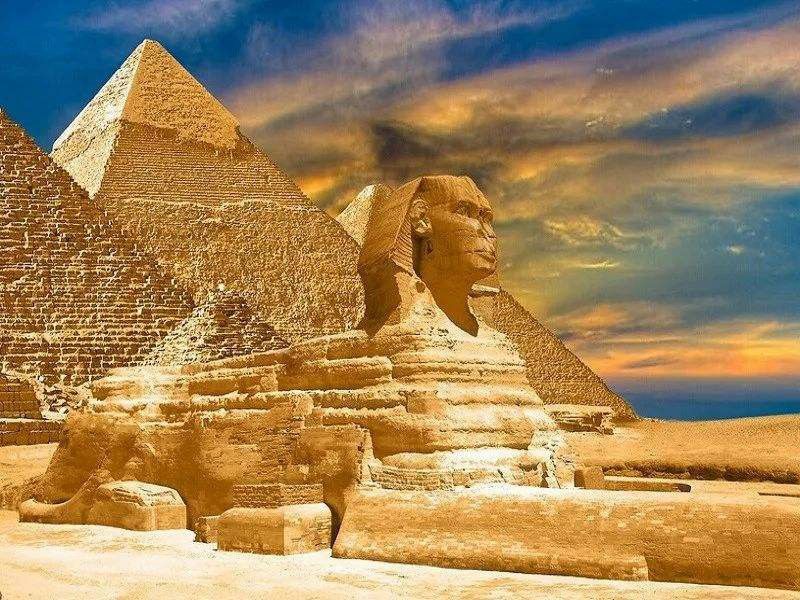
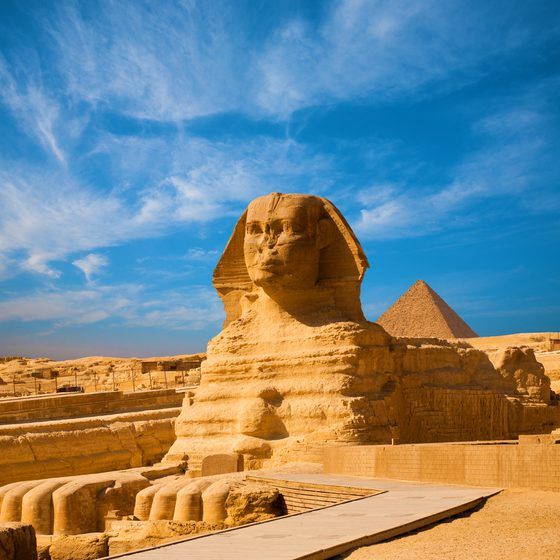
Carved directly from the living limestone of the Giza Plateau, the Great Sphinx stands as one of the most profound, recognizable, and deeply enigmatic masterpieces in human history. With the body of a reclining lion and the crowned head of an Egyptian pharaoh, this colossal monument has spent more than four millennia gazing steadfastly toward the eastern horizon, guarding the sacred necropolis of the Old Kingdom. It represents the absolute pinnacle of dynastic ambition, blending raw physical power with divine royal intellect. For travelers, historians, and digital storytellers alike, standing before the Sphinx is not merely a sightseeing stop—it is a direct encounter with a living myth that bridges the gap between ancient spiritual philosophy and the modern world.

What makes the Great Sphinx an unforgettable highlight of any Egyptian expedition is the layered narrative written into its weathered stone. From the monumental paws that cradle the historic Dream Stele of Thutmose IV to its deep spatial connection with the adjacent Valley Temple of Khafre, every angle of this monolithic wonder tells a story of survival, restoration, and cosmic alignment. Whether you are capturing its majestic silhouette against the golden light of a Cairo sunset, studying the centuries of desert sands it has successfully defied, or analyzing the enduring mysteries that still challenge modern archaeology, the Sphinx promises a deeply moving experience. It remains the ultimate symbol of Egypt’s eternal heritage—an unshakable sentinel whose silent gaze continues to captivate the imagination of the world.

1. Carved from Bedrock: The Monumental Monolith Dug from the Earth

The Great Sphinx of Giza stands out as one of the world’s most structurally unique and awe-inspiring achievements, completely changing how visitors view the architecture of the ancient world. Unlike the neighboring pyramids, which were systematically built by stacking millions of multi-ton limestone blocks, the Sphinx was created using an entirely opposite engineering method. It is a true monolith, carved directly out of a single, massive limestone outcrop left behind in the quarry beds of the Fourth Dynasty. For travelers and history enthusiasts exploring Cairo, walking alongside this giant structure offers a spectacular lesson in subtractive ancient sculpting on a jumbo-jet scale.

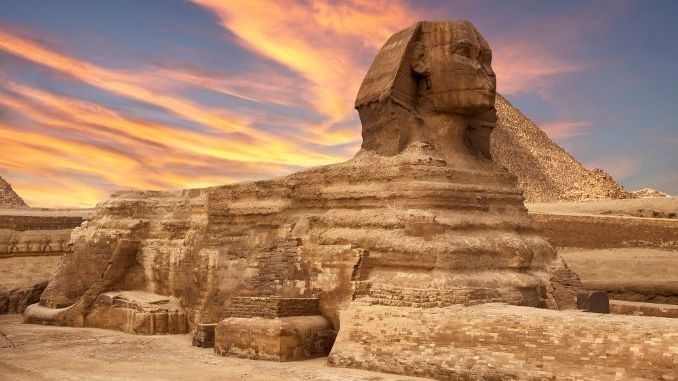
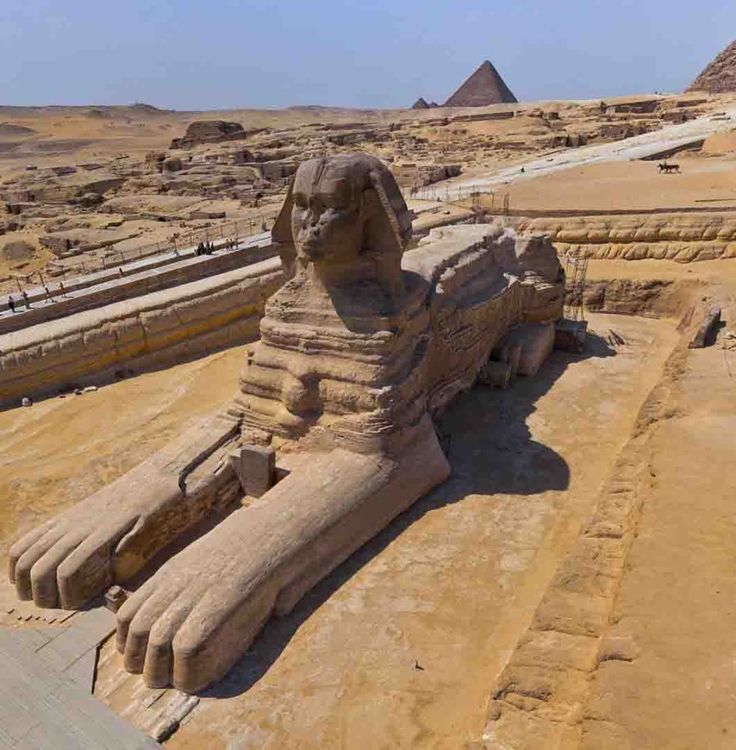
As you study the body of the Sphinx, you can clearly see the distinct horizontal bands and natural geological layers of the Mokattam Formation running across its torso. Because the stone was excavated directly out of the desert floor, the ancient masons literally had to dig a massive, deep trench around the limestone ridge just to expose the raw material before the artistic carving could even begin. The harder, more durable layers of stone at the top were reserved for the intricate details of the pharaonic head, while the softer, more fragile layers below formed the massive, sprawling feline body. This direct connection to the bedrock makes the Sphinx a literal extension of the Giza landscape itself.

For creative storytellers and independent travelers, this unique geological backstory provides a brilliant narrative angle that shifts the focus away from standard tourist clichés. Rather than looking at a structure brought over from a distant quarry, you are standing before a monumental mountain of living rock that was meticulously hollowed out, shaped, and refined right where it had rested for millions of years. It remains a striking monument to the absolute precision and resourcefulness of Old Kingdom master craftsmen, who looked at a raw desert ridge and had the profound vision to sculpt Giza’s eternal guardian.
2. The Solar Catalyst: Cosmic Geometry and Temple Alignment

Discovering the spatial layout and spiritual design of the Great Sphinx is a deeply intellectual and moving experience, revealing a complex mastery of solar geometry that goes far beyond simple aesthetics. Facing directly toward the exact eastern horizon, the Sphinx was deliberately positioned to interact with the rising sun, serving as a colossal cosmic catalyst for the royal funerary cult. For analytical travelers, photographers, and archaeo-astronomers, the monument represents an extraordinary, open-air astronomical observatory built to connect the divine power of the pharaoh with the sun god, Ra.

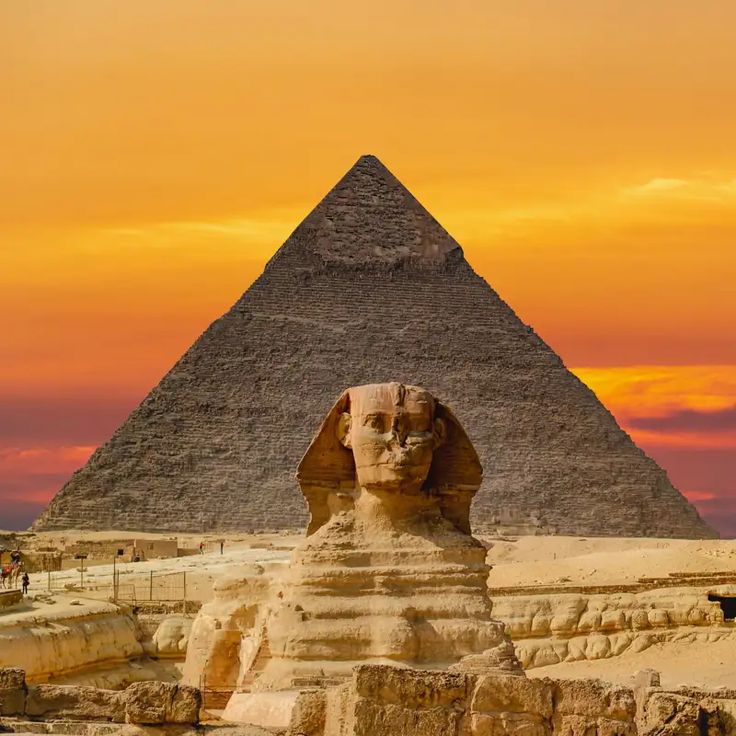
The true genius of this cosmic design comes to life during the bi-annual equinoxes. During these precise times of the year, an observer standing at the specific sunset alignment can watch the sun set directly over the shoulder of the Sphinx and land perfectly along the side of Khafre’s pyramid behind it. Furthermore, the massive blocks cut away from the Sphinx enclosure were directly recycled to construct the adjacent Sphinx Temple and Valley Temple. This structural connection means the entire lower complex was built out of the exact same geological landscape, creating a unified sacred space where architecture and celestial movements met in absolute harmony.

For digital media creators and cultural writers, focusing on this sophisticated solar alignment offers a captivating angle that immediate elevates any travel guide or photography portfolio. The interior of the Sphinx Temple featured an open courtyard lined with majestic columns, which researchers believe symbolized the hours of the day, turning the entire area into a massive stone clock. Standing before the Sphinx is not merely an encounter with a solitary statue; it is an immersion into a beautifully calculated, multi-dimensional engine of stone and light designed to grant the pharaoh eternal rebirth across the ages.
3. The Dream Stele: A Message of Royal Legitimacy Between the Paws

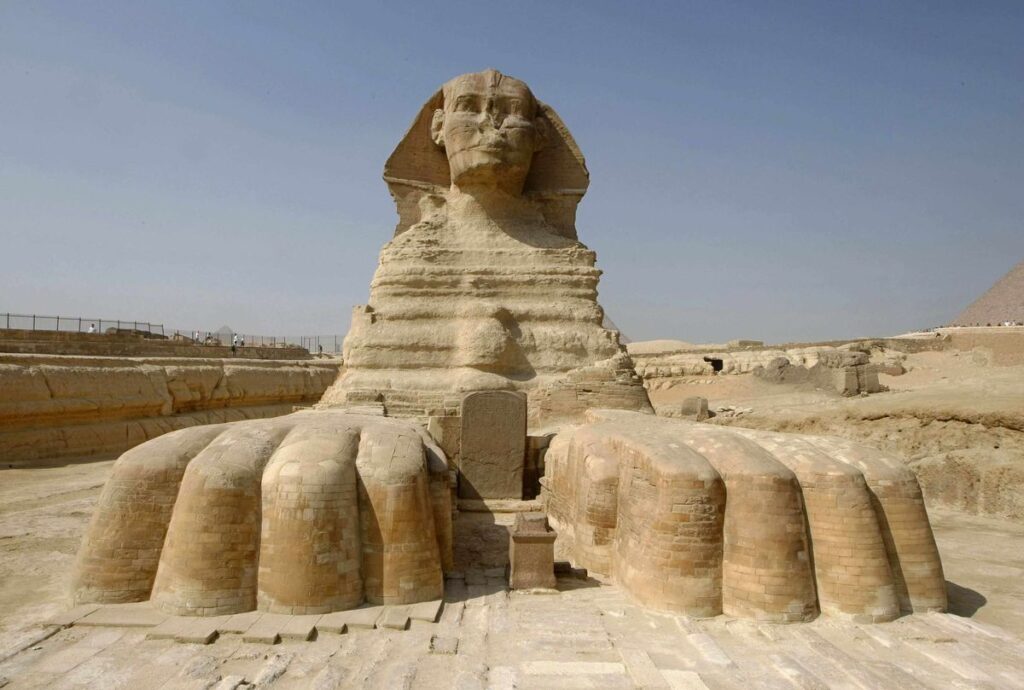
Nestled securely between the massive, stone-clad forepaws of the Great Sphinx lies one of Giza’s most historically significant and deeply poetic epigraphic treasures—the legendary Dream Stele. This monumental slab of pink granite, erected around 1400 BC by the New Kingdom Pharaoh Thutmose IV, stands as a fascinating historical diary entry frozen in stone. For history buffs and cultural travelers, discovering the narrative written onto this stele adds an incredibly rich layer of human drama, political strategy, and divine intervention to the silent monument.

The story inscribed on the granite reads like an ancient royal thriller. Long before he became king, the young Prince Thutmose was out on a hunting expedition across the Giza desert and stopped to rest under the shade of the Sphinx’s head, which was the only part visible at the time as the rest of the colossal body had been completely buried by centuries of shifting Saharan sand. As the prince drifted off to sleep, the spirit of the Sphinx—manifesting as the sun god Horemakhet—spoke to him in a vivid dream. The monument promised Thutmose that if he successfully cleared away the choking desert sands and restored its majestic form, the gods would reward him by granting him the crown of Egypt.

Thutmose carried out the monumental task, cleared the enclosure, and upon ascending the throne, placed this beautiful stele between the paws to forever validate his divine right to rule. Today, standing at the viewing platform and looking down at this exact spot provides a profound connection to the living lifecycle of the monument. It proves that even for the ancient Egyptians themselves, the Sphinx was already an ancient, mysterious relic of a bygone era that required care, reverence, and preservation. It remains a powerful symbol of legacy and royal ambition that beautifully transforms the giant sentinel into a storyteller of the past.
4. The Erasure of Time: Weathering, Restoration, and the Mystery of the Lost Nose

The physical condition of the Great Sphinx offers professional travel writers, content creators, and cultural historians a captivating visual narrative focused on natural survival and structural resilience. Because the monument was carved into a deep limestone trench, it has spent centuries acting as a natural basin for the desert, completely buried up to its neck in shifting Saharan sands for long stretches of its existence. This protective sand blanket actually preserved its lower body from severe wind erosion, while leaving its exposed head vulnerable to the elements and human intervention.

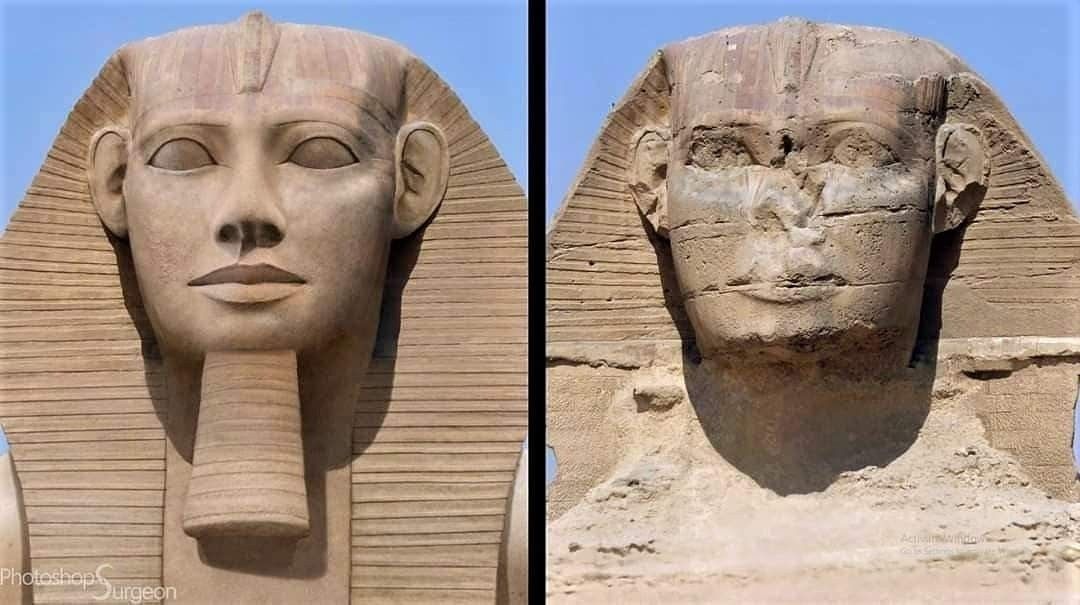
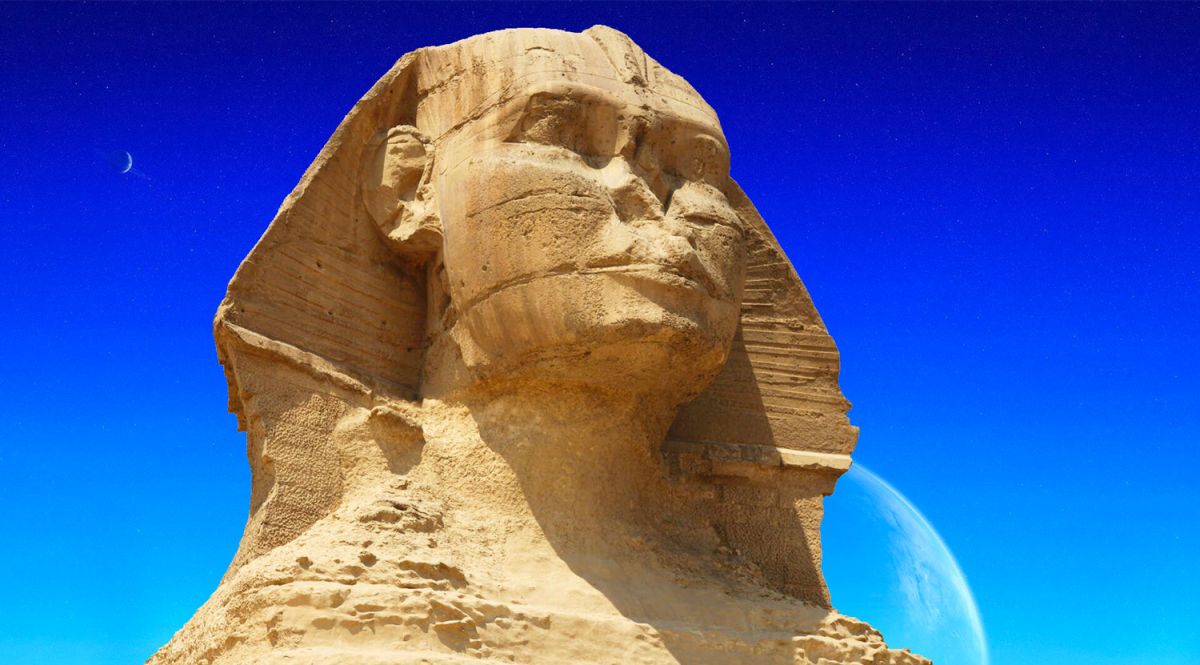
The most famous visual detail of this enduring struggle is the iconic missing nose. While popular historical myths frequently blame Napoleon Bonaparte’s French troops or medieval Mamluk soldiers for using the face for artillery target practice, modern historians and archaeological records debunk this timeline completely. Documented accounts by historic Arab historians reveal that the facial damage actually occurred centuries earlier, carried out by a Sufi fanatic named Sa’im al-Dahr in the late 14th century to combat local idolatry. This dramatic backstory adds a powerful layer of human conflict and cultural evolution to the site, transforming the damaged profile into a striking symbol of historic survival.

For digital storytellers and photographers, capturing the heavily weathered flanks of the Sphinx provides a stunning display of natural contrast. The horizontal ridges scored into its torso tell a dual story of ancient wind erosion and prehistoric water runoff, fueling constant scientific debates about the true age of the monument. From the ancient Roman brickwork used to reinforce the paws to the modern, precise limestone blocks added during 20th-century preservation efforts, the Sphinx acts as a dynamic canvas where the passage of time is written directly into the stone. Framing these textures against the golden hour light allows creators to deliver a deeply sophisticated perspective on conservation and heritage.

5. The Living Workshop: Unlocking the Mysteries of the Sphinx's True Age

For analytical historians, engineers, and digital storytellers, the physical stone of the Great Sphinx serves as a giant, open-air laboratory that fuels one of the most intense and fascinating debates in modern archaeology. While mainstream Egyptologists firmly attribute the creation of the monument to Pharaoh Khafre around 2500 BC—pointing to its direct spatial connection with his Valley Temple—alternative geological studies have sparked global interest by suggesting a much older origin.

What makes exploring this debate so thrilling for visitors is that the evidence is carved right into the rock walls of the Sphinx enclosure. Geologists note that the deep, rounded, vertical fissures running along the monument’s body are characteristic of heavy, prolonged water precipitation rather than simple desert wind erosion. This has led to the highly debated theory that the core of the Sphinx may have been sculpted during a much earlier, greener prehistoric climate era, only to be later recarved with a pharaonic head during the Old Kingdom. Focusing on this geological mystery in your travel content immediately elevates the narrative, transforming a standard Giza sightseeing trip into an intellectual detective story that challenges our understanding of human prehistory.

6. The Hidden Network: The Truth Behind the Sphinx’s Subterranean Passageways

One of the most persistent and captivating legends surrounding the Great Sphinx is the rumored existence of a hidden network of secret chambers, tunnels, and ancient vaults buried deep beneath its limestone paws. For decades, popular culture and esoteric theories have suggested that a secret “Hall of Records”—containing the lost knowledge of pre-pharaonic civilizations—is hidden right under the monument, waiting to be brought to light.

The reality found by modern archaeological science is equally fascinating. Actual deep-penetrating radar scans, seismic surveys, and historic explorations have confirmed the existence of several small, real shafts and unfinished tunnels chiseled directly into the bedrock beneath the Sphinx. The most famous of these is a deep vertical shaft located near the rump of the monument, which was cleared and explored by early 20th-century archaeologists. Rather than containing a treasure trove of lost technology, these hollow spaces represent ancient exploratory shafts, burial vaults from later dynastic periods, and structural fissures. Presenting this clear contrast between myth and archaeological reality allows writers to deliver a highly accurate, professional, and deeply compelling look into Giza’s underground world.

7. Sound, Light, and Golden Hour: Creating Captivating Media on the Frontlines

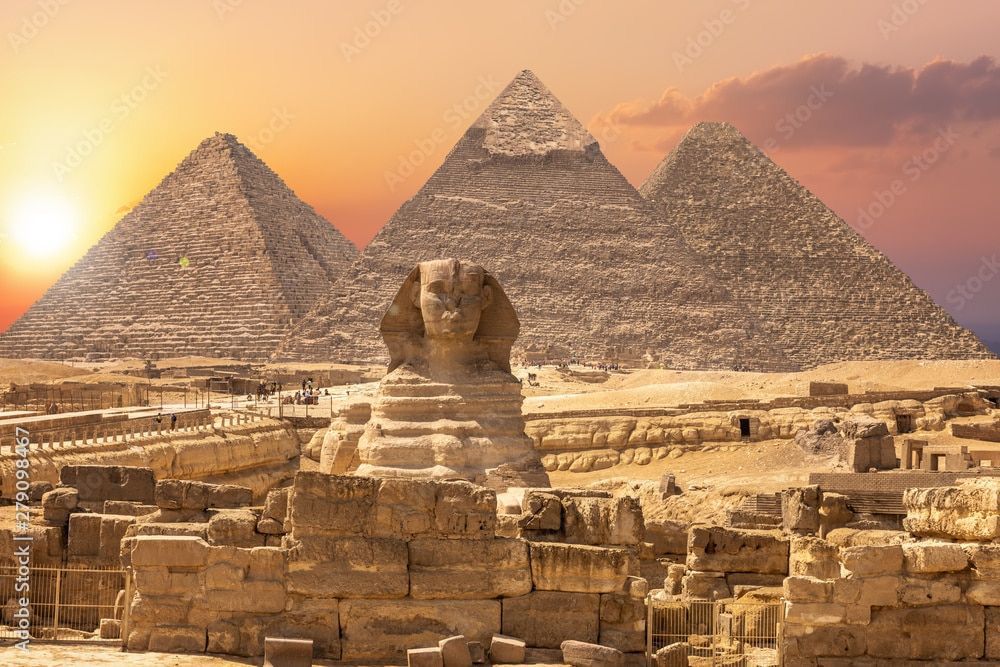
For professional travel photographers, vloggers, and digital media strategists, the area directly in front of the Great Sphinx offers the absolute premier workspace to capture the ultimate, high-contrast travel frame. Because the monument sits at the lower base of the plateau, positioning yourself on the adjacent viewing platforms allows you to frame the magnificent pharaonic head in perfect alignment with the towering silhouettes of the Giza Pyramids rising in the background.

To maximize your visual impact, planning your shoot around the shifting desert light is essential. The golden hour of late afternoon provides a soft, warm glow that accentuates the deep textures of the limestone layers and casts dramatic shadows across the lion’s body. For creators looking to capture an entirely different atmosphere, the nightly Sound and Light Show uses advanced multi-colored projections to illuminate the face of the Sphinx against the pitch-black desert night, narrating the ancient history of Egypt in a theatrical format. Incorporating these practical, high-value visual tips into your content ensures you deliver a polished, expert-level guide that stands out in the crowded landscape of digital travel media.

8. The Changing Face of Giza: How the Sphinx Reshaped the Landscape

When you look closely at the layout of the Giza Plateau, the Great Sphinx reveals itself to be much more than a solitary statue—it was a massive urban planning project that completely changed the landscape of the Old Kingdom. Before the Sphinx was carved, the area was primarily used as a giant stone quarry for building the Great Pyramid of Khufu. When his successor, Khafre, took the throne, royal architects recognized the potential of a massive limestone ridge left behind in the quarry bed and decided to transform it into the ultimate symbol of divine kingship.

This creative decision required a massive restructuring of the entire valley floor. Workers had to dig out thousands of tons of rock around the Sphinx, creating a deep, arena-like enclosure that completely altered the natural flow of the plateau. The giant blocks of stone extracted during this excavation were not wasted; they were immediately repurposed to build the massive walls of the adjacent Sphinx and Valley Temples. By carving the Sphinx directly into the bedrock at the lower entrance of the necropolis, the architects created a monumental gateway that forced every ancient visitor, priest, and official to walk right past the pharaoh’s towering gaze before they could even approach the pyramids above.

9. The Golden Majesty: The Sphinx Under the Changing Cairo Sky

For professional landscape photographers, travel content creators, and cultural writers, the Great Sphinx offers an incredible study in light, shadow, and natural texture. Because the monument faces directly toward the eastern horizon, its appearance changes dramatically throughout the day, making it an exceptional subject for high-impact visual storytelling.

The absolute best time to capture the Sphinx is during the early morning golden hour, just as the sun breaks over the horizon of modern Cairo. The soft, angled morning light hits the pharaonic face directly, highlighting the delicate contours of the royal headdress and casting long, dramatic shadows across the layered limestone torso. Conversely, capturing the monument at dusk offers a completely different, almost spiritual mood, as the warm desert sunset silhouettes the giant lion body against the towering shapes of the Giza Pyramids. Understanding these natural lighting shifts allows digital media strategists to curate a deeply sophisticated, professional travel portfolio that captures the eternal atmosphere of the site.

10. The Royal Face of Khafre: A Portrait of Divine Old Kingdom Power

While the giant body of the Sphinx takes the form of a reclining lion to symbolize raw physical strength, the head is carefully sculpted into the likeness of an Old Kingdom pharaoh. Most mainstream historians and classical Egyptologists agree that the face represents Pharaoh Khafre, the builder of the Second Pyramid. The head features the classic royal Nemes headdress—the pleated cloth worn by Egyptian kings—and traces of the sacred Uraeus cobra can still be seen on the brow, symbolizing absolute divine authority and protection.

What makes this portrait so significant for art historians and independent travelers is its incredible sense of scale and proportion. Despite being carved out of a naturally fractured and vulnerable limestone ridge, the facial features display a remarkable level of symmetry and artistic refinement that defined the peak of Fourth Dynasty craftsmanship. Standing on the viewing platform and looking directly into the weathered eyes of the Sphinx provides a profound connection to the past, allowing visitors to view the monument not just as an ancient relic, but as an intimate, monumental portrait of an individual king who sought to immortalize his spirit for eternity.

Pyramids

11. The Modern Sentinel: The Sphinx in the 21st Century and the Sound & Light Show

As night falls over the Giza Plateau, the Great Sphinx transitions from an ancient archaeological wonder into a dynamic, modern theater of light and sound. For decades, the nightly Sound and Light Show has served as a world-famous cultural experience, using advanced laser projections and dramatic narration to illuminate the monument against the pitch-black desert sky. The Sphinx acts as the main storyteller for the performance, sharing the epic history of Giza, the stories of the pharaohs, and the building of the pyramids in multiple international languages.

For modern travelers and digital content creators, this nightly display offers a highly cinematic, multi-dimensional workspace. The colorful lights accent the deep erosion lines and architectural details of the Sphinx in ways that are completely invisible during the day, creating a striking visual contrast between the ancient stone and modern technology. Whether enjoyed from the open-air theater seats at the foot of the complex or viewed from the outdoor terraces of neighboring desert lounges, experiencing the Sphinx under the neon lights of the 21st century serves as a powerful reminder of Egypt’s enduring global appeal and living cultural legacy.

12. An Enduring Witness to the Story of Humanity

As your journey around the Great Sphinx of Giza draws to a close, you leave its enclosure with a profound appreciation for a monument that is far more than an ancient tourist landmark. The Sphinx stands as the ultimate crossroad of human history, natural geology, and creative imagination. It has quietly witnessed the rise and fall of empires, survived the slow burial of desert sands, and adapted to the modern digital age without losing a single ounce of its majestic aura. It remains an unshakable icon of endurance, proving that true artistic and architectural genius can defy the passage of millennia.

For travelers, writers, and digital storytellers alike, this monumental lion-king leaves a lasting impression that continues to inspire long after you step off the plateau. It stands as a brilliant bridge between the ancient world and the present day—a silent guardian whose timeless gaze invites every generation to look a little closer, think a little deeper, and marvel at the heights that human ambition can achieve. As you capture your final frames or look back one last time against the Cairo horizon, the proud silhouette of the Sphinx remains etched in memory as the eternal face of Egypt’s living heritage.

Great Sphinx of Giza : Frequently Asked Questions

Unlike the neighboring pyramids, the Great Sphinx is a solid monolith carved from a single ridge of limestone, meaning it does not have a hollow interior or open chambers for public exploration. While actual archaeological shafts and small, unfinished tunnels exist beneath its rump and paws, these are strictly closed to the public for preservation and safety. General site visitors can closely observe the monument from the designated, elevated viewing platform running along its right flank.

Contrary to the popular travel myth that Napoleon Bonaparte’s French troops or medieval Mamluk soldiers used the face for artillery target practice, historical records prove the damage happened centuries earlier. Documented accounts by historic Arab historians reveal that the nose was intentionally removed in the late 14th century by a Sufi fanatic named Sa’im al-Dahr in an effort to combat local idolatry.

That monumental block of pink granite is known as the Dream Stele. It was erected around 1400 BC by the New Kingdom Pharaoh Thutmose IV. The carved hieroglyphs tell a fascinating story of how a young Prince Thutmose fell asleep under the head of the sand-buried Sphinx. The monument spoke to him in a dream, promising him the crown of Egypt if he cleared away the choking desert sands and restored its structure—a task he successfully completed before ascending the throne.

The apparent disproportion between the small pharaonic head and the sprawling lion body is a result of both geological constraints and ancient architectural choices. The ancient master masons had to work with the natural, fluctuating layers of the limestone bedrock. The stone at the top was harder but limited in volume, forcing a smaller scale for the face, while the lower layers were softer and heavily fractured. Some alternative theories suggest the head may have originally been carved as something else and later re-sculpted into a pharaoh during the Old Kingdom.

The mainstream consensus among classical Egyptologists and archaeologists is that the Sphinx features the face of Pharaoh Khafre (builder of the Second Pyramid). This attribution is supported by its direct spatial alignment with Khafre’s Valley Temple and the stylistic features of the royal Nemes headdress, which mirror known statues of Khafre discovered nearby. However, because of the lack of direct inscriptions from the Fourth Dynasty, the face remains one of Giza’s most highly debated mysteries.