
1. Pharaohs: The Highest Level of Ancient Egypt Social Hierarchy
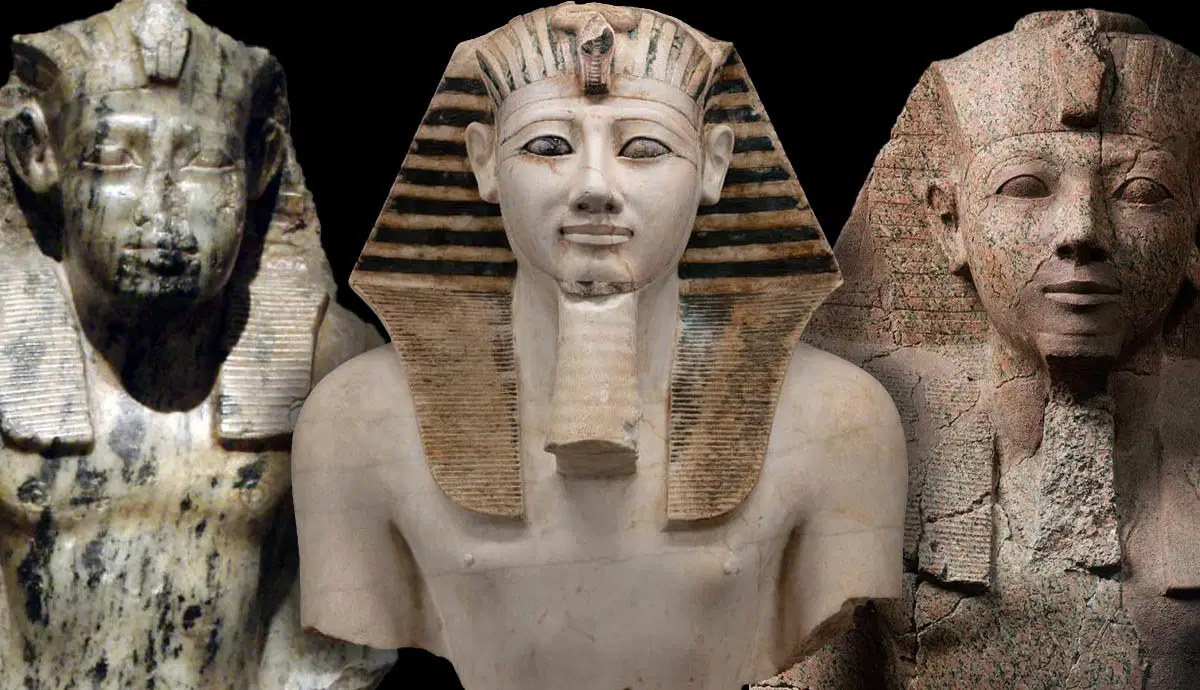
At the top of the Ancient Egypt social structure was the Pharaoh, the most powerful individual in Egyptian society. The Pharaoh was not only the king and political leader of Egypt but was also considered a divine ruler connected to the gods. Ancient Egyptians believed that the Pharaoh had a sacred responsibility to maintain order, protect the kingdom, and ensure prosperity for the people.
The authority of the Pharaoh extended over every aspect of Egyptian life. The Pharaoh controlled the government, military, economy, religious institutions, and major construction projects. Decisions about agriculture, taxation, trade, and foreign relations were made under the Pharaoh’s leadership. Because the Nile River was essential for survival, Pharaohs were also responsible for maintaining harmony with nature and ensuring successful harvests.
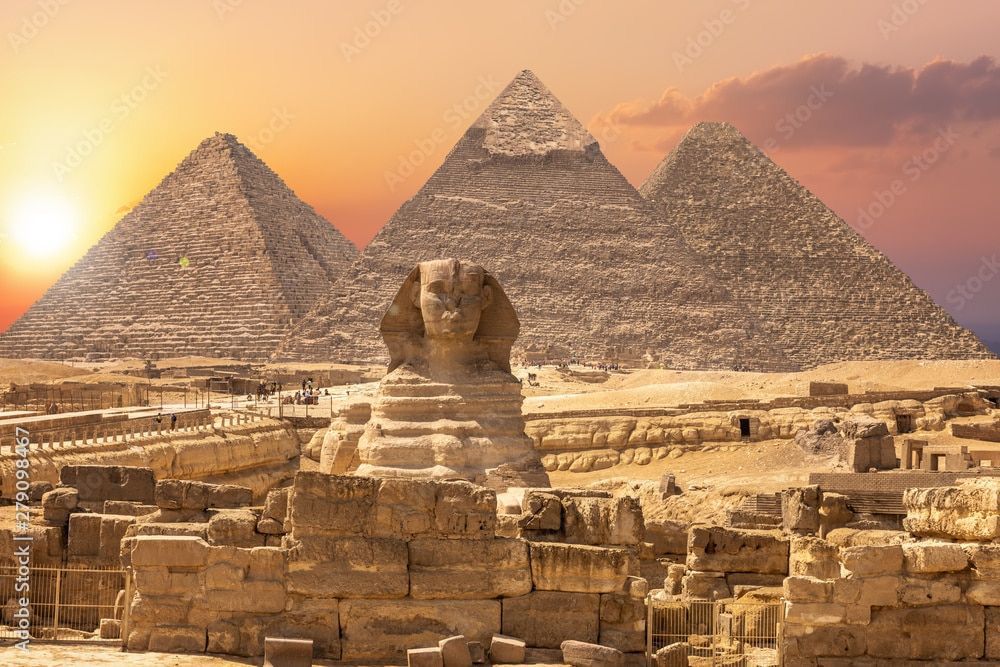
Pharaohs lived in magnificent royal palaces surrounded by servants, officials, and advisors. Their lifestyle reflected their position as the highest figure in Ancient Egyptian society. They wore special crowns, participated in religious ceremonies, and appeared in temples as representatives of the gods on Earth. Pharaohs commissioned the construction of enormous monuments, including pyramids, temples, and statues, which demonstrated their power and devotion.
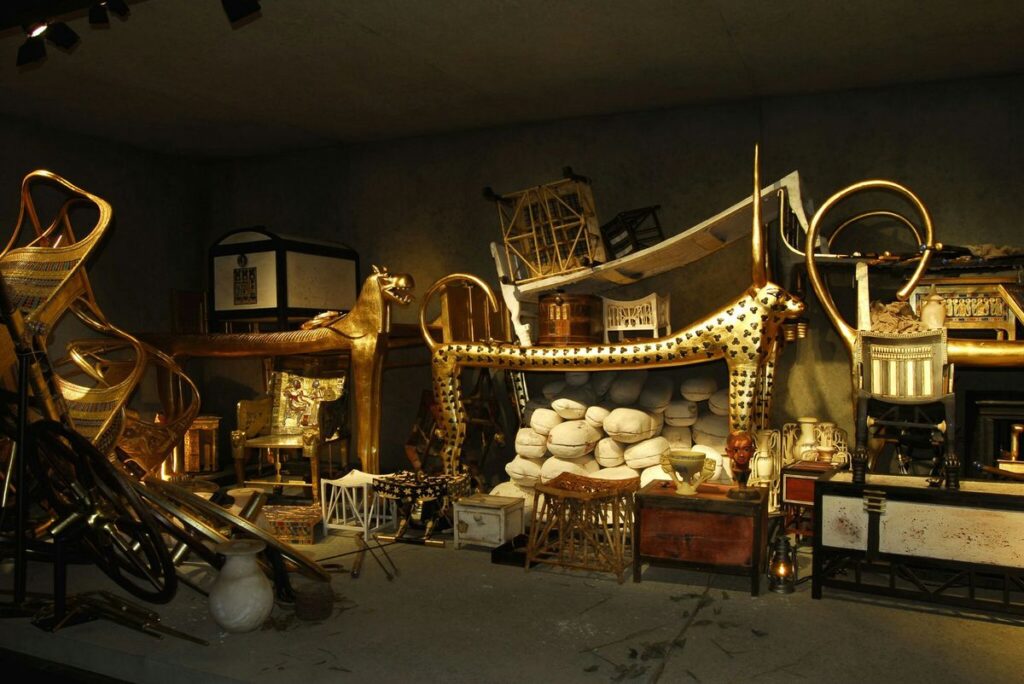
The role of the Pharaoh was strongly connected to ancient Egyptian religion. Egyptians believed that the Pharaoh was the son of the sun god Ra and had a special relationship with other gods. After death, Pharaohs were believed to become divine beings who continued to protect Egypt from the afterlife. This belief explains why royal tombs, such as those in the Valley of the Kings, were built with great care and filled with valuable treasures.
Although the Pharaoh stood above all other social classes, ruling Egypt required the support of many officials, priests, and workers. The success of the kingdom depended on cooperation between different levels of society. The Pharaoh provided leadership and authority, while other groups helped manage the complex system that allowed Ancient Egypt to flourish.
The position of the Pharaoh represents the foundation of the Ancient Egyptian social hierarchy and reflects the importance of leadership, religion, and organization in one of the world’s most remarkable civilizations.
2. Nobles and Government Officials in Ancient Egyptian Society
Below the Pharaoh in the Ancient Egypt social hierarchy were nobles and government officials who played essential roles in managing the kingdom. These individuals belonged to the upper class of Ancient Egyptian society and were responsible for supporting the Pharaoh in administration, law, taxation, military organization, and economic management.
Nobles often came from powerful families and held important positions passed down through generations. Many served as governors of provinces, royal advisors, military commanders, or administrators responsible for overseeing agricultural production and collecting taxes. Their influence allowed the Pharaoh to control a large kingdom that stretched along the Nile Valley.
Government officials were highly respected because Ancient Egypt required a complex administrative system to manage its resources. Officials supervised farming activities, organized labor for construction projects, maintained irrigation systems, and recorded important information about the population and economy. Their work helped keep Egyptian society stable and organized.
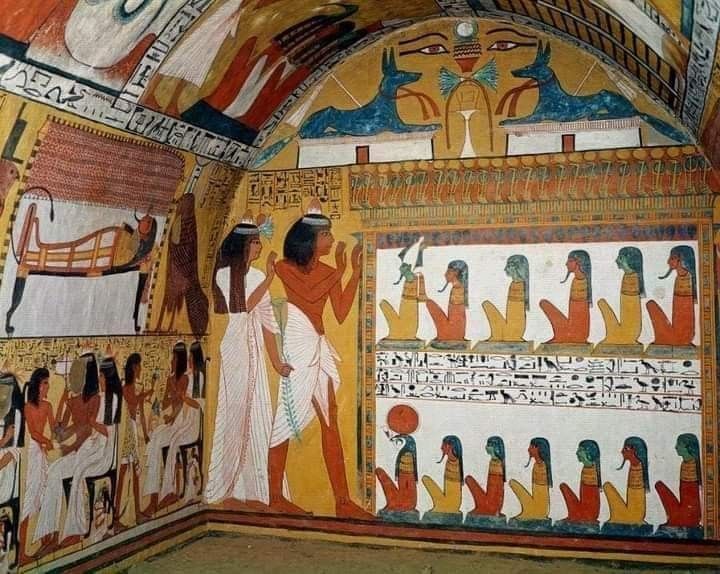
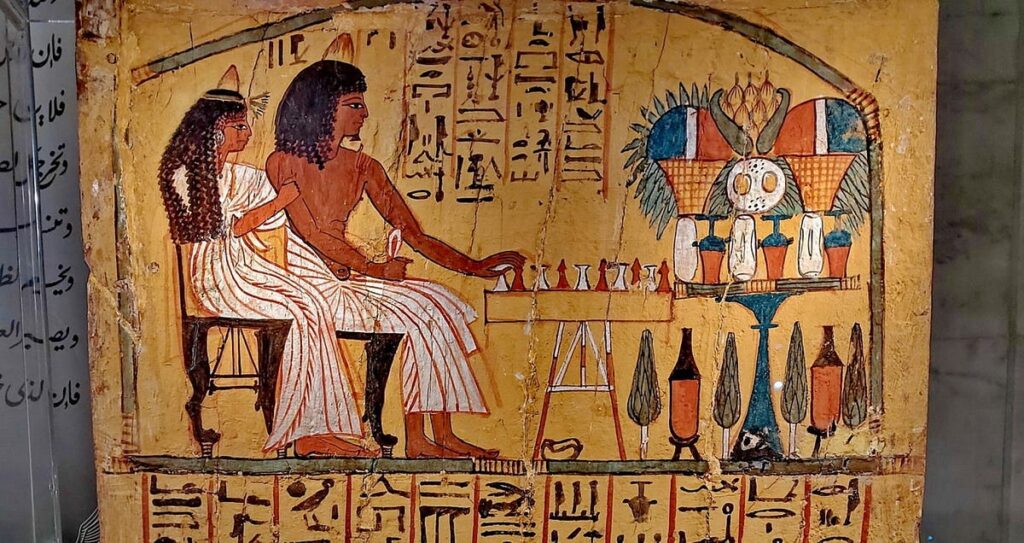
The lifestyle of nobles was very different from that of ordinary Egyptians. Wealthy families lived in large homes decorated with furniture, gardens, and artwork. They enjoyed better food, clothing, and access to education. Many nobles were buried in beautifully decorated tombs containing paintings and inscriptions showing scenes from their lives.
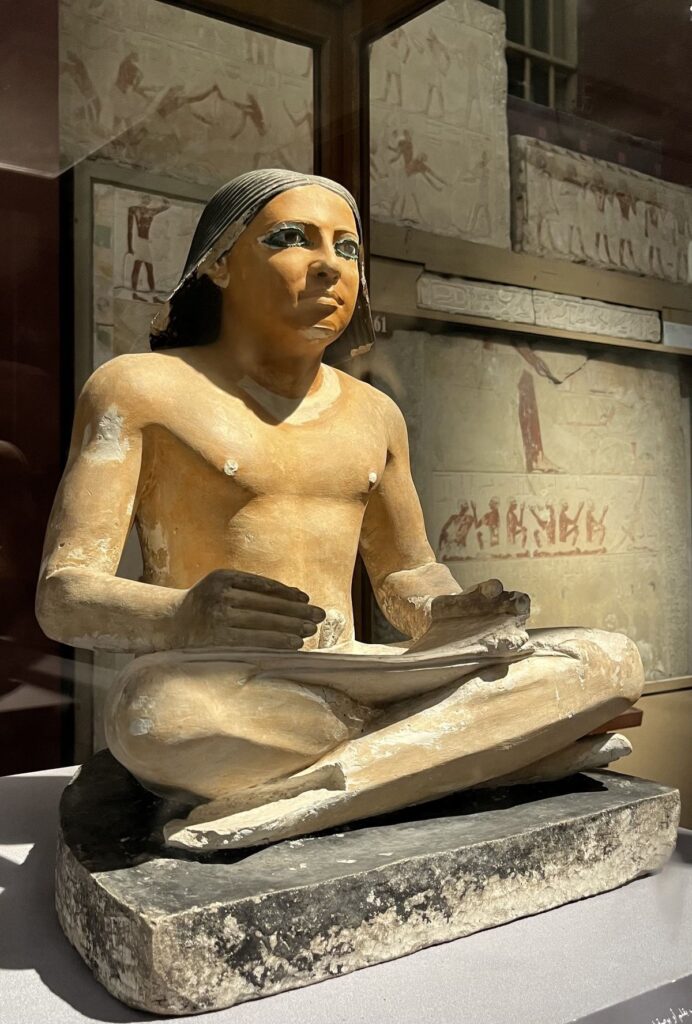
Education played an important role in becoming a government official. Many upper-class Egyptians learned reading, writing, mathematics, and administration. These skills were necessary for managing documents, preparing reports, and communicating with other officials. Scribes often worked closely with nobles and government leaders.
Nobles also supported religious institutions and participated in temple activities. They donated resources to temples and helped organize religious festivals honoring Egyptian gods. Their connection to religion increased their social status and influence.
The role of nobles and officials demonstrates how advanced Ancient Egyptian civilization was. The kingdom depended on a carefully organized administration where different social groups worked together. While the Pharaoh held supreme authority, nobles and officials provided the structure needed to govern Egypt successfully for thousands of years.
3. Priests and the Religious Class of Ancient Egypt
Religion was one of the strongest influences on Ancient Egyptian society, and priests occupied a highly respected position within the Ancient Egypt social structure. Priests were responsible for maintaining religious traditions, performing ceremonies, caring for temples, and communicating with the gods on behalf of the people. Their role gave them significant power and influence throughout Egyptian history.
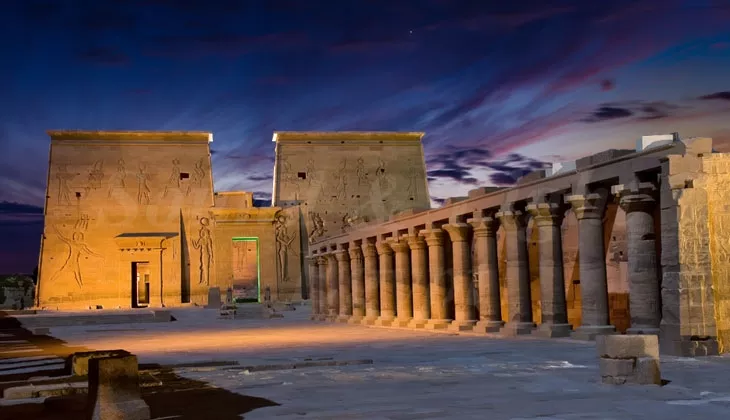
Temples were among the most important institutions in Ancient Egypt. They were not only places of worship but also economic centers that owned farmland, stored resources, and employed many workers. Priests managed these temple activities and controlled valuable resources, making them one of the wealthiest groups in Egyptian society.
The daily responsibilities of priests included performing rituals, presenting offerings, maintaining sacred statues, and organizing religious festivals. Ancient Egyptians believed that proper ceremonies were necessary to keep harmony between humans and the divine world. Because religion was connected to every part of life, priests played an important role in maintaining social and spiritual order.
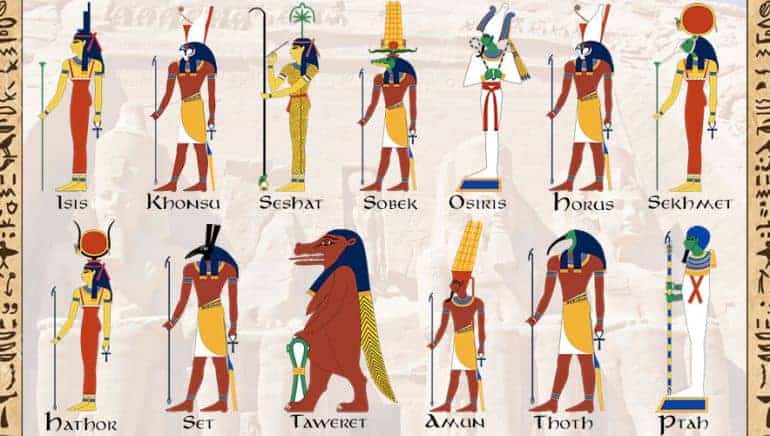
Different levels existed within the priesthood. High priests served major temples dedicated to important gods such as Amun, Ra, and Osiris. Lower-ranking priests assisted with daily temple duties and religious activities. Some priests specialized in areas such as medicine, astronomy, and interpreting religious texts.
The influence of priests extended beyond religious matters. They often advised Pharaohs, participated in government decisions, and helped manage large temple estates. Their knowledge of writing, mathematics, and astronomy made them valuable members of Egyptian society.
Priests also played an important role in funerary practices. Ancient Egyptians believed strongly in the afterlife, and priests performed rituals to help individuals achieve eternal life. They prepared offerings, recited prayers, and conducted ceremonies connected to burial traditions.
The religious class represents one of the most fascinating parts of Ancient Egyptian civilization. Their influence shows how deeply religion shaped the Ancient Egypt social hierarchy and how temples became centers of power, knowledge, and culture throughout the Nile Valley.