
1. The Origins and Early Development of Ancient Egyptian Language
The origins of the Ancient Egyptian language date back thousands of years to the prehistoric communities that lived along the Nile River. As Egyptian society developed from small settlements into a unified kingdom, the need for organized communication increased.
Early Egyptians used simple symbols and markings to represent objects, ownership, and important information. These early signs gradually developed into a more complex system capable of expressing sounds, ideas, and complete messages.
Around 3200 BCE, during the beginning of the Dynastic Period, Egyptians developed one of the world’s earliest writing systems. This development allowed them to record information about rulers, resources, religious beliefs, and government activities.
The earliest forms of Egyptian language were closely connected with hieroglyphic symbols. These symbols represented sounds, objects, and concepts. Over time, scribes developed rules for combining signs to create meaningful sentences.
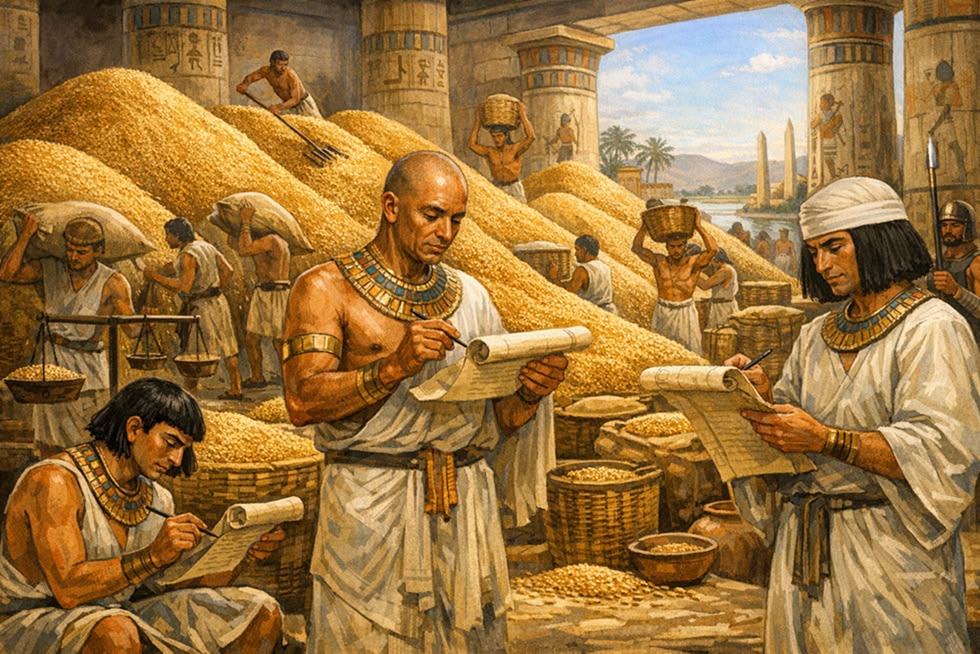
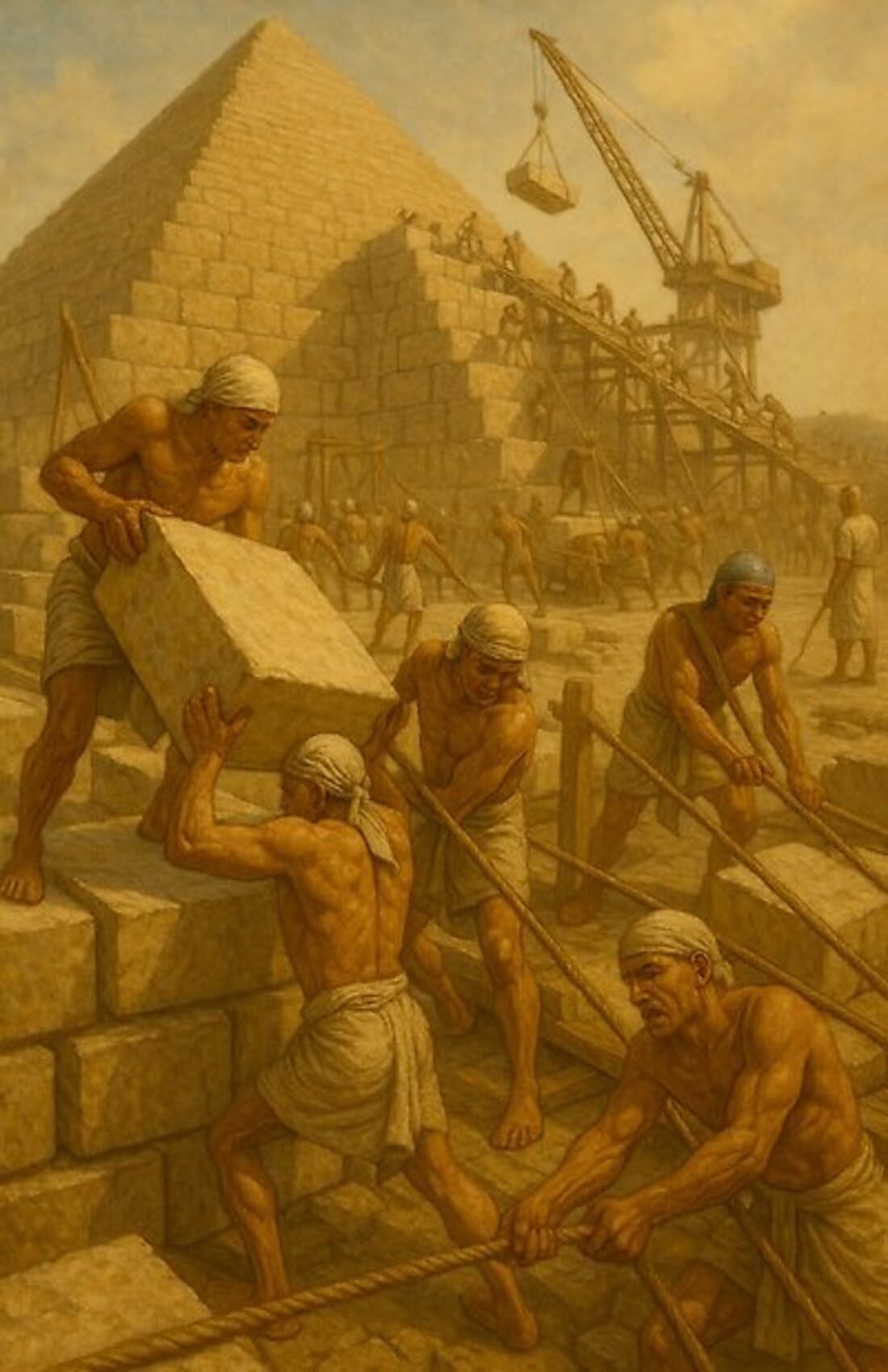
The development of language was strongly connected to the growth of the Egyptian state. Pharaohs and officials needed effective communication systems to manage agriculture, taxation, construction projects, and administration.
During the Early Dynastic Period and Old Kingdom, Egyptian language became more standardized. Official inscriptions appeared on monuments, tombs, and royal buildings.
The Old Kingdom period produced some of the earliest examples of Egyptian religious texts, including the Pyramid Texts. These writings reveal the importance of language in Egyptian beliefs about death and the afterlife.
As centuries passed, the Egyptian language continued to change. New words appeared, grammar developed, and different writing styles were created to meet the needs of society.
The Middle Kingdom is often considered the classical period of the Egyptian language. Middle Egyptian became the language of literature, official documents, and important inscriptions.
The evolution of Ancient Egyptian language reflects the development of Egyptian civilization itself. Changes in language followed changes in politics, economy, religion, and social life.
Through thousands of years of development, Egyptian language remained a powerful tool that connected generations and preserved the achievements of one of the world’s greatest ancient cultures.
2. The Different Stages of Ancient Egyptian Language
The Ancient Egypt language system passed through several important stages during its long history. Each stage reflected changes in pronunciation, grammar, vocabulary, and writing styles while maintaining connections with earlier forms.
The first major stage was Old Egyptian, which was used mainly during the Old Kingdom. It appeared in early royal inscriptions, religious texts, and official documents. The famous Pyramid Texts were written in this early form of Egyptian.
The next stage was Middle Egyptian, which became the classical language of Ancient Egypt. It was used during the Middle Kingdom and continued to be used for religious and formal writing for many centuries.
Middle Egyptian was highly respected because it represented traditional Egyptian culture and literature. Many educational texts, stories, and official inscriptions were written in this form.
The third stage was Late Egyptian, which developed during the New Kingdom. It reflected changes in spoken language and introduced new vocabulary and grammatical features.
During the New Kingdom, Egyptian literature expanded greatly. Historical records, royal texts, personal letters, and administrative documents were often written in Late Egyptian.
The fourth stage was Demotic Egyptian, which appeared around the seventh century BCE. Demotic was a simplified script used for everyday purposes such as business contracts, legal documents, and personal communication.
The final stage was Coptic Egyptian, which developed after the introduction of Christianity to Egypt. Coptic used mainly Greek letters combined with additional symbols from Demotic Egyptian.
Coptic became the language of Egyptian Christians and was used for religious texts, literature, and communication for many centuries.
The different stages of Egyptian language demonstrate the ability of the civilization to adapt while preserving cultural traditions.
Although the spoken language changed over time, Egyptian writing maintained connections between different historical periods. This continuity allowed later generations to preserve knowledge and traditions.
The evolution of Ancient Egyptian language provides historians with important information about Egyptian society, migration, cultural changes, and interactions with foreign civilizations.
3. Ancient Egyptian Hieroglyphic Language and Symbol System
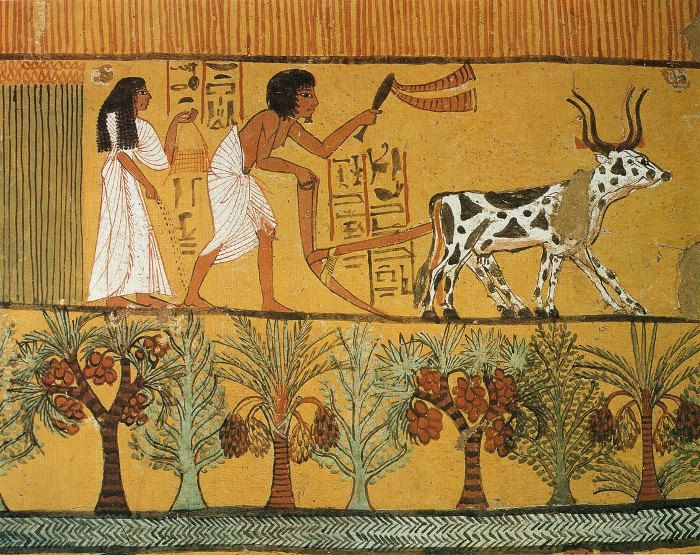
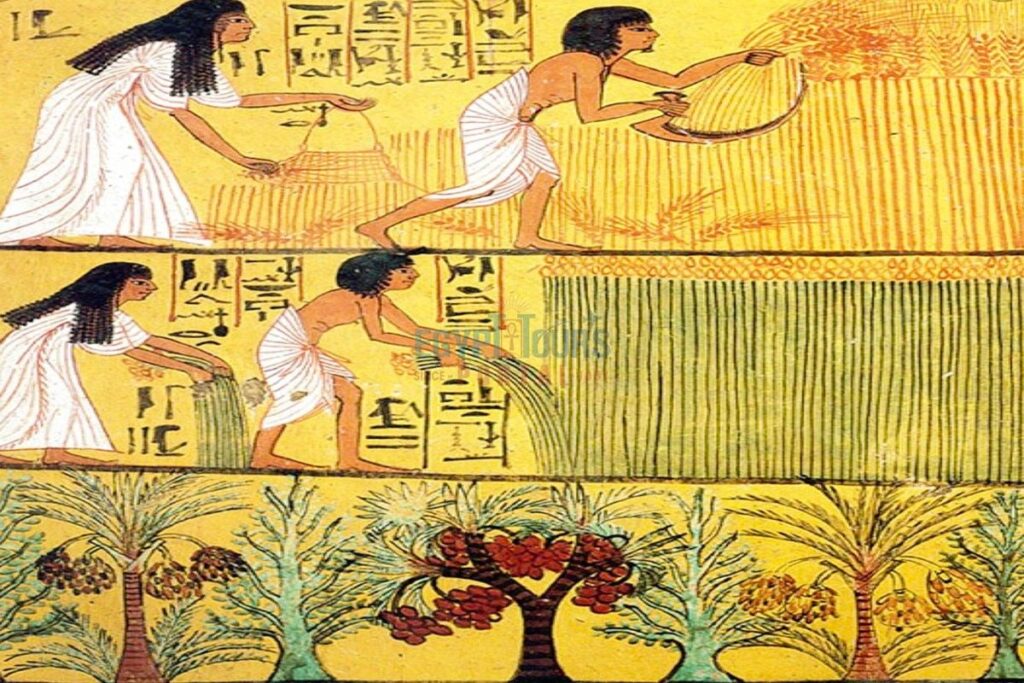
The Ancient Egyptian hieroglyphic language is one of the most recognizable writing systems in human history. It combined artistic symbols with linguistic meaning, creating a unique method of communication that represented sounds, objects, and ideas.
The word “hieroglyph” comes from Greek and means “sacred carving.” This name was given because hieroglyphs were often used on temples, tombs, and religious monuments.
Hieroglyphic symbols included images of animals, plants, tools, humans, and natural elements. However, these symbols were not simply pictures. Many represented sounds similar to letters in modern languages.
Some hieroglyphs represented single consonant sounds, while others represented combinations of sounds or complete words. This made the Egyptian writing system complex but highly effective.
Scribes carefully selected symbols based on meaning, sound, and artistic appearance. The arrangement of hieroglyphs followed specific rules, and inscriptions could be written horizontally or vertically.
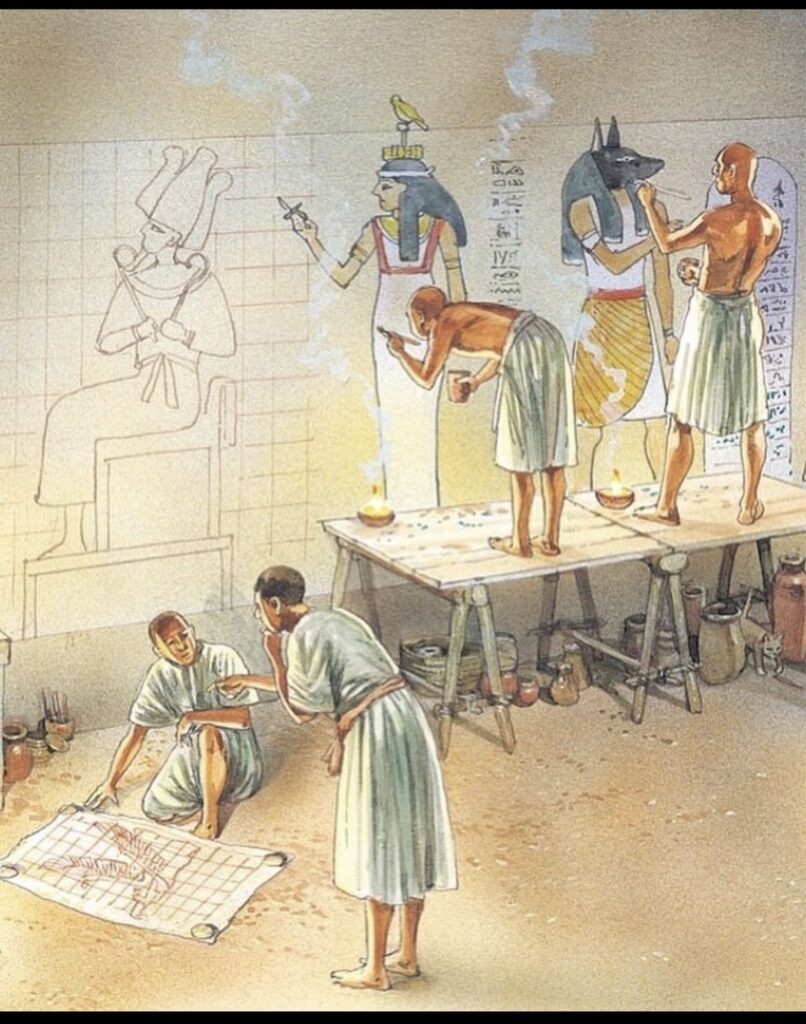
Hieroglyphics were mainly used for important and permanent texts. They appeared on temple walls, statues, royal monuments, and tomb decorations.
Religious writing relied heavily on hieroglyphics. Egyptians believed written words had power, especially names, prayers, and magical formulas connected with the afterlife.
Hieroglyphic inscriptions also recorded historical events. Pharaohs used them to describe military victories, building achievements, religious ceremonies, and relationships with other kingdoms.
Although hieroglyphics were complex, trained scribes mastered thousands of symbols through years of education.
The meaning of hieroglyphics was lost after Ancient Egyptian civilization declined, but the discovery of the Rosetta Stone allowed scholars to decode the system.
Today, hieroglyphics provide one of the most important connections between modern researchers and ancient Egyptians. They reveal the language, beliefs, and thoughts of people who lived thousands of years ago.