
1. The Meaning of Ma'at in Ancient Egyptian Morality
The concept of Ma’at formed the foundation of Ancient Egypt moral values. Egyptians believed Ma’at represented the universal principles of truth, justice, harmony, balance, and order that governed both the human world and the universe itself.
According to Egyptian religion, Ma’at was established during creation by the gods. It transformed the original chaos into an orderly world where nature, society, and human relationships could flourish. Maintaining Ma’at became one of humanity’s greatest responsibilities.
The goddess Ma’at symbolized these ideals and was often depicted wearing an ostrich feather on her head. This feather later became the symbol used during the Weighing of the Heart in the afterlife.
Living according to Ma’at meant telling the truth, respecting others, keeping promises, avoiding violence, and acting fairly in all situations. Egyptians believed these behaviors maintained harmony within society.
The pharaoh had the highest responsibility for protecting Ma’at throughout Egypt. His duty was to preserve justice, defend the country, support religious traditions, and ensure peace among the people.
Ordinary Egyptians also contributed by performing their daily responsibilities honestly and respectfully. Farmers, craftsmen, merchants, officials, and priests all had roles in preserving social order.
Natural events such as the annual flooding of the Nile were believed to reflect the continued presence of Ma’at. A stable universe depended upon humans and gods working together to maintain balance.
Religious ceremonies, legal decisions, and community relationships were all expected to reflect the principles of Ma’at.
The importance of Ma’at demonstrates that morality in Ancient Egypt was much more than personal behavior. It was viewed as the foundation of civilization itself.
By following Ma’at, Egyptians believed they honored the gods, strengthened society, and prepared themselves for eternal life after death.
2. Honesty, Truth, and Personal Integrity
Among the most respected Ancient Egypt moral values were honesty, truthfulness, and personal integrity. Egyptians believed that speaking truthfully and acting honestly reflected the principles of Ma’at and pleased the gods.
Lying was considered a serious moral failure because it disrupted harmony and damaged trust within society. Whether dealing with family members, neighbors, business partners, or government officials, honesty was expected in everyday life.
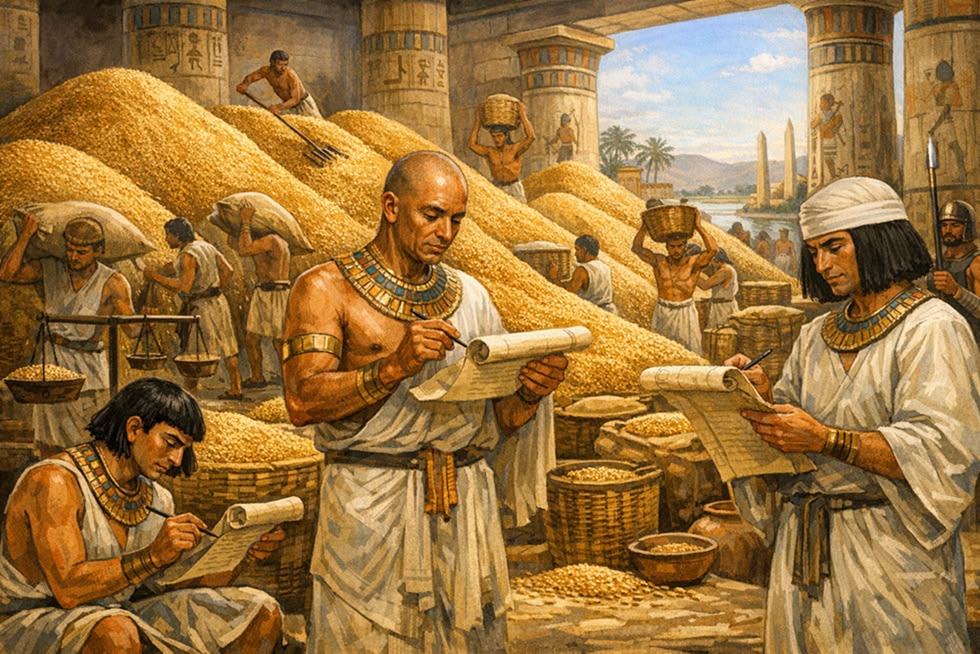
Merchants were encouraged to use fair measurements and honest prices. Cheating customers or conducting dishonest business violated both legal and religious principles.
Government officials, judges, and scribes carried especially important ethical responsibilities. Because they managed public affairs and recorded official documents, they were expected to demonstrate complete honesty.
False accusations and dishonest testimony could harm innocent people, making truthful speech essential for maintaining justice.
Parents taught children the importance of honesty from an early age. Wisdom texts advised young people to speak carefully, avoid gossip, and keep their promises.
Egyptian literature praised individuals who acted with integrity even when facing difficult circumstances. A good reputation was considered one of the greatest achievements a person could earn.
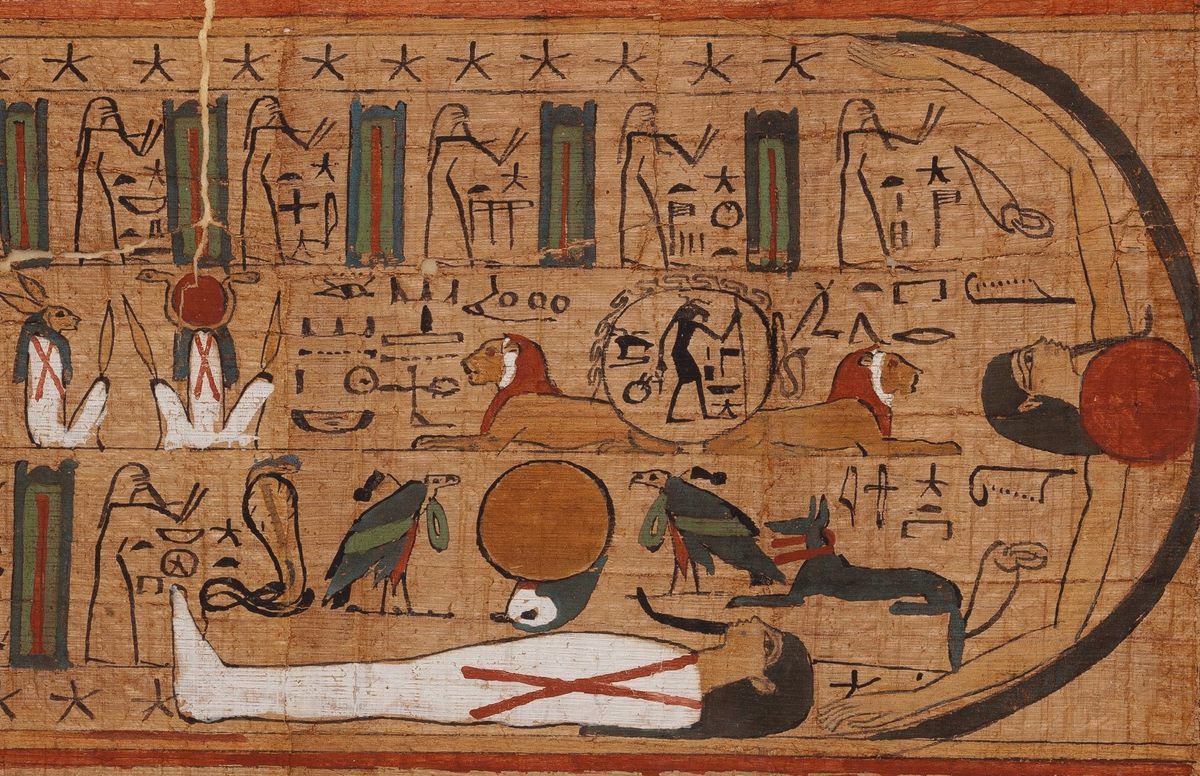
The belief in the afterlife strengthened these moral expectations. Egyptians knew that their actions would eventually be judged before Osiris during the Weighing of the Heart.
The Negative Confession found in the Book of the Dead included statements such as “I have not lied” and “I have not deceived others,” demonstrating the importance of truthful living.
Personal integrity also involved fulfilling responsibilities, respecting agreements, and behaving consistently with one’s values.
The emphasis on honesty helped create trust between individuals and supported the stability of Egyptian society for thousands of years.
3. Justice and Fairness in Egyptian Society
Justice was one of the most important expressions of Ancient Egypt moral values. Egyptians believed that fairness protected society from chaos and reflected the divine order established through Ma’at.
The Egyptian legal system aimed to resolve disputes peacefully and fairly. Judges were expected to make decisions based on truth rather than wealth, social status, or personal relationships.
Officials who abused their authority violated both the law and religious principles. Fair leadership was considered essential for maintaining public confidence.
The pharaoh served as the highest guardian of justice. His responsibility included protecting the weak, punishing criminals, and ensuring that laws reflected the principles of Ma’at.
Ordinary citizens were also expected to practice fairness in their daily interactions. Respecting property, honoring agreements, and treating neighbors honestly helped maintain peaceful communities.
Many wisdom texts advised Egyptians not to exploit poor people, widows, or orphans. Compassion toward vulnerable members of society was viewed as an important moral responsibility.
Justice extended beyond human courts. Egyptians believed that every action would eventually be judged by the gods after death, making moral behavior a lifelong obligation.
The Weighing of the Heart emphasized that no one could escape divine justice. Every person, regardless of wealth or status, would answer for their actions.
This belief encouraged people to resolve conflicts honestly and avoid wrongdoing, even when they believed no one was watching.
The connection between justice, religion, and morality demonstrates how deeply ethical values influenced Egyptian civilization.
For Ancient Egyptians, true justice protected individuals, strengthened communities, honored the gods, and preserved the harmony of the entire universe.