
1. The Role of Gods and Goddesses in Everyday Egyptian Life
The gods and goddesses of Ancient Egypt played a central role in daily activities. Egyptians believed that divine beings controlled natural forces, protected communities, and influenced the success or failure of human efforts.
Unlike modern ideas of religion being separate from daily activities, Egyptian spirituality was present everywhere. People believed that gods were involved in farming, health, family relationships, government, and personal safety.
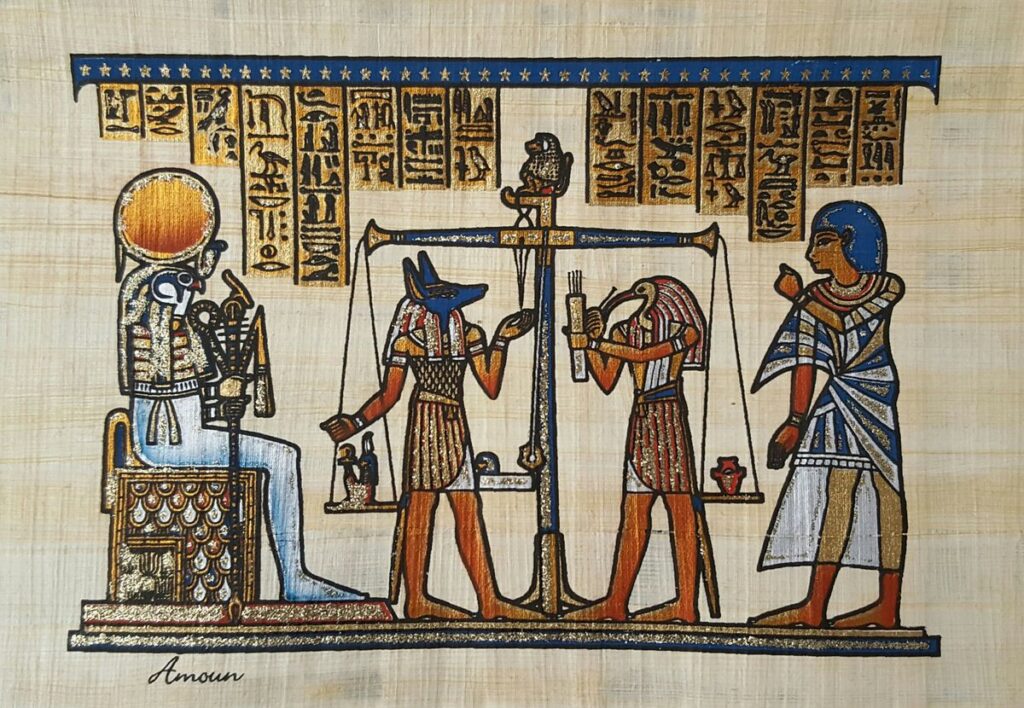
Each deity had specific responsibilities and characteristics. The sun god Ra was associated with sunlight, creation, and the daily cycle of life. Egyptians believed that the sun’s journey across the sky represented the continuous renewal of existence.
Osiris was connected with death, resurrection, and the afterlife. Many Egyptians looked to Osiris as a symbol of eternal life and hoped to join him after death.
Isis represented motherhood, protection, healing, and magical power. Many families worshiped Isis for protection and support.
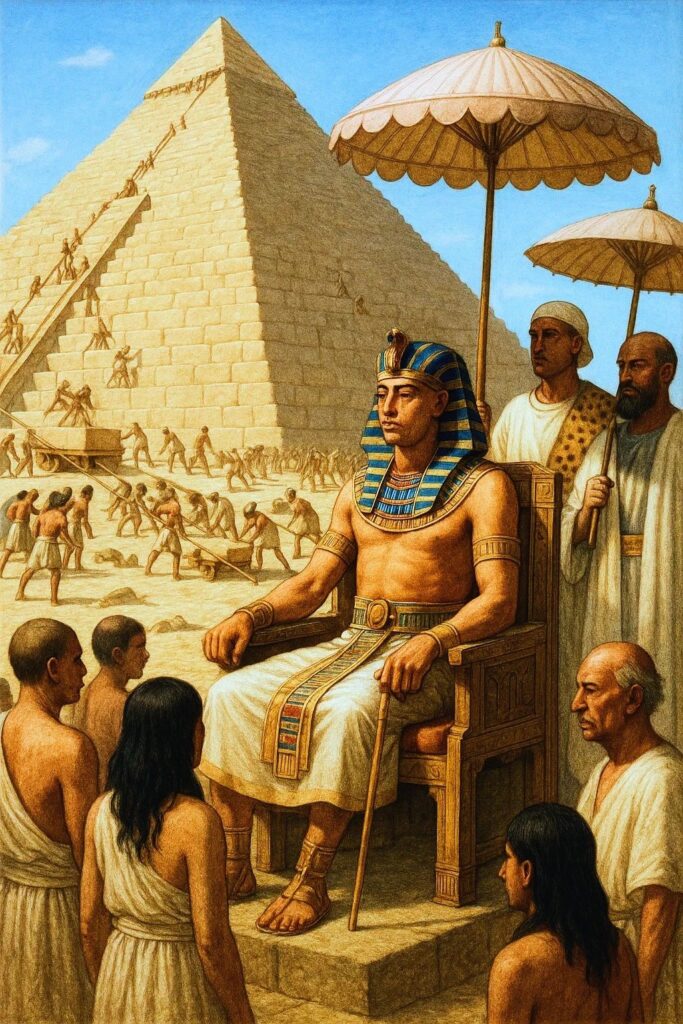
Horus was associated with kingship and protection. Pharaohs were considered connected with Horus, strengthening the religious importance of royal authority.
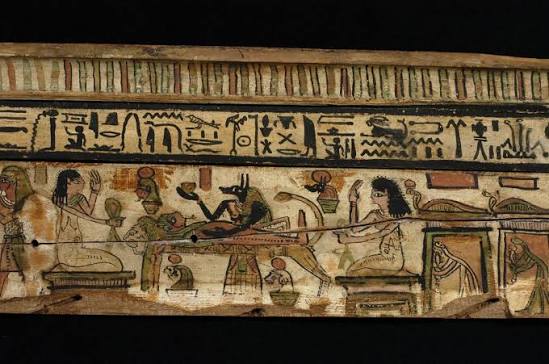
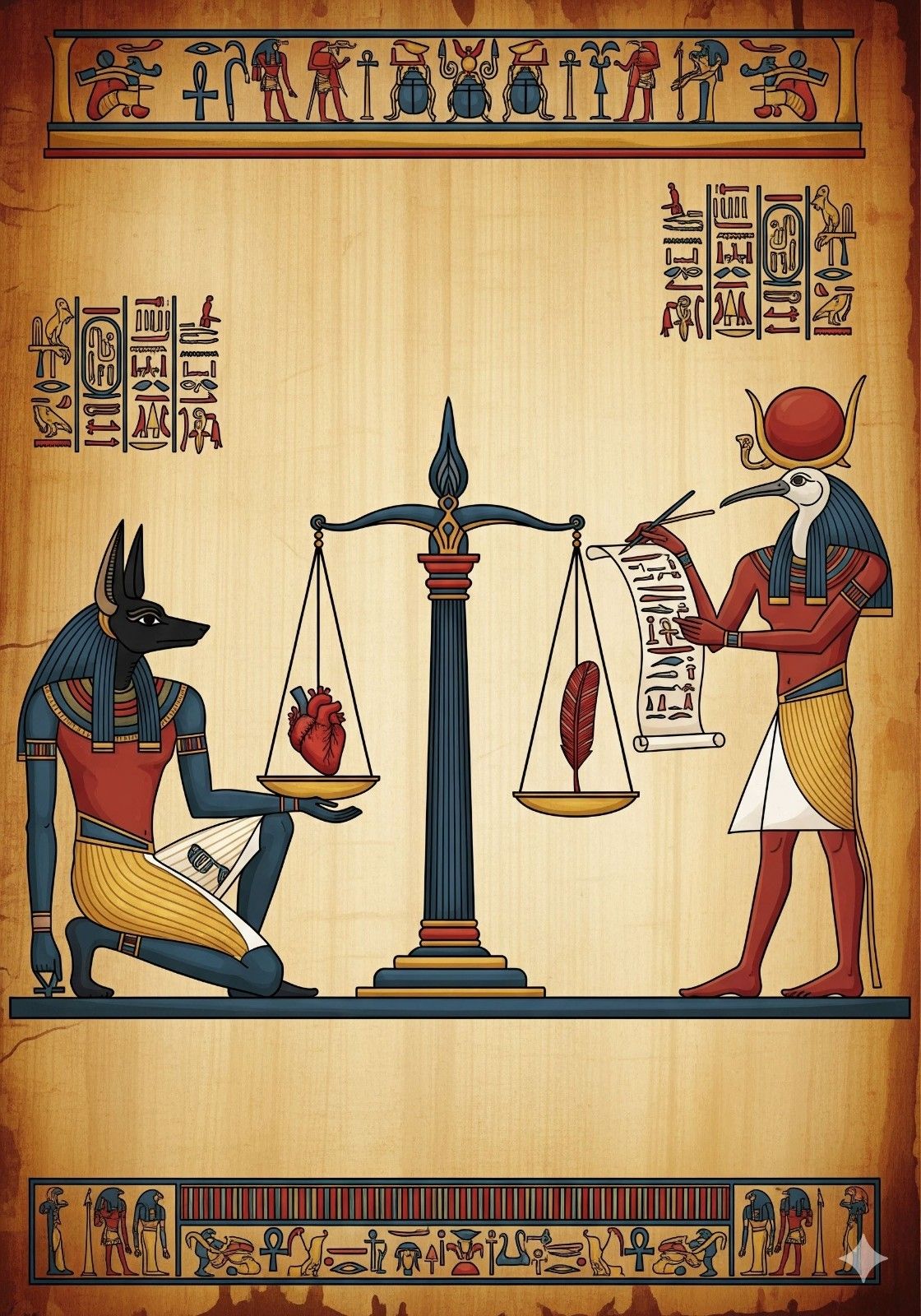
Other gods represented important aspects of life. Anubis was connected with burial practices and protecting the dead. Thoth represented knowledge, writing, and learning.
Ordinary Egyptians honored gods through prayers, offerings, household rituals, and participation in festivals. Small statues and amulets were often kept in homes for protection.
The relationship between humans and gods was based on respect and cooperation. Egyptians believed that proper worship helped maintain balance in the universe.
Religion provided comfort during difficult times. People turned to gods during illness, natural disasters, personal problems, and important life events.
The presence of gods in everyday life shows how deeply religion shaped Egyptian culture and identity.
2. Religious Practices in Ancient Egyptian Homes
Religion was not limited to temples; it was also an important part of Ancient Egyptian household life. Families practiced personal religious traditions to seek protection, health, prosperity, and harmony.
Many Egyptian homes contained small areas dedicated to religious activities. Families kept statues, images, or symbols connected with protective deities. These objects were believed to bring blessings and protect household members.
Household gods were especially important. Deities associated with family, childbirth, and protection were commonly honored in domestic settings.
Bes was one of the most popular protective figures in Egyptian homes. This deity was associated with childbirth, children, music, and protection from harmful forces.
Families performed simple rituals such as prayers, burning incense, and making small offerings. These practices allowed ordinary people to maintain a personal connection with the divine.
Parents taught children religious beliefs from an early age. Young Egyptians learned about gods, moral behavior, traditions, and the importance of respecting Ma’at.
Religion influenced family relationships as well. Marriage, childbirth, and family celebrations often included religious elements and prayers for protection.
Egyptians believed that the home was connected to the spiritual world. Protecting the household from negative forces was considered an important responsibility.
Amulets were commonly used in daily life. People wore protective objects made from materials such as stone, metal, or pottery. These items often represented gods or sacred symbols.
Religion also influenced personal names. Many Egyptian names included references to gods, showing the importance of divine relationships in identity.
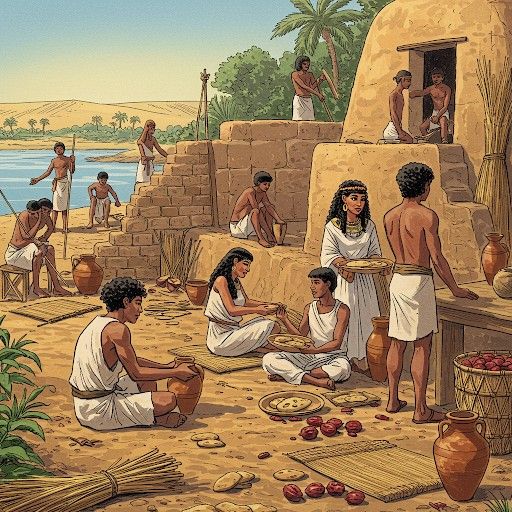
Even ordinary activities could have religious meaning. Cooking, farming, traveling, and caring for children were often connected with hopes for divine support.
The role of religion in Egyptian homes demonstrates that spirituality was not only practiced by priests but was experienced by all members of society.
3. Religion and Agriculture in Ancient Egypt Daily Life
Agriculture was the foundation of Ancient Egyptian society, and religion played a major role in farming activities. Egyptians believed that successful harvests depended not only on human effort but also on the support of gods and natural forces.
The annual flooding of the Nile River was considered a blessing from the gods. The flood provided fertile soil that allowed farmers to grow crops and support communities.
Many agricultural traditions included religious elements. Farmers offered prayers and performed rituals before planting seeds, harvesting crops, and beginning important farming activities.
The god Hapi was associated with the Nile flood and agricultural prosperity. Egyptians honored Hapi because the river was essential for survival.
Farmers also connected the agricultural cycle with stories about death and rebirth. The cycle of planting, growth, and harvest reflected Egyptian beliefs about renewal and eternal life.
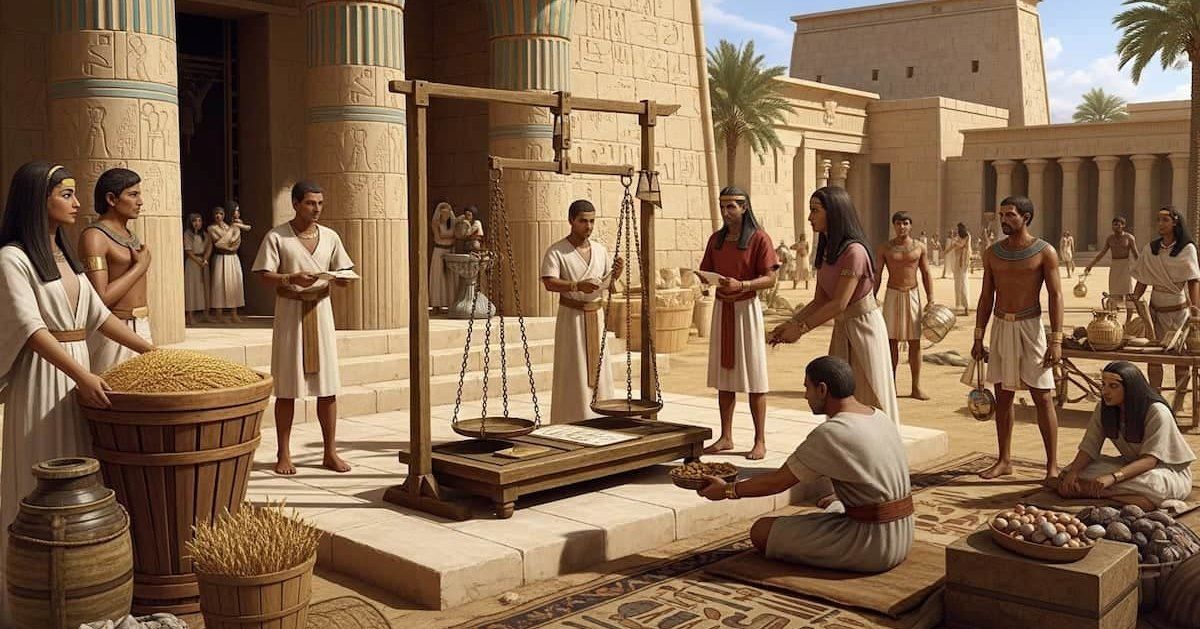
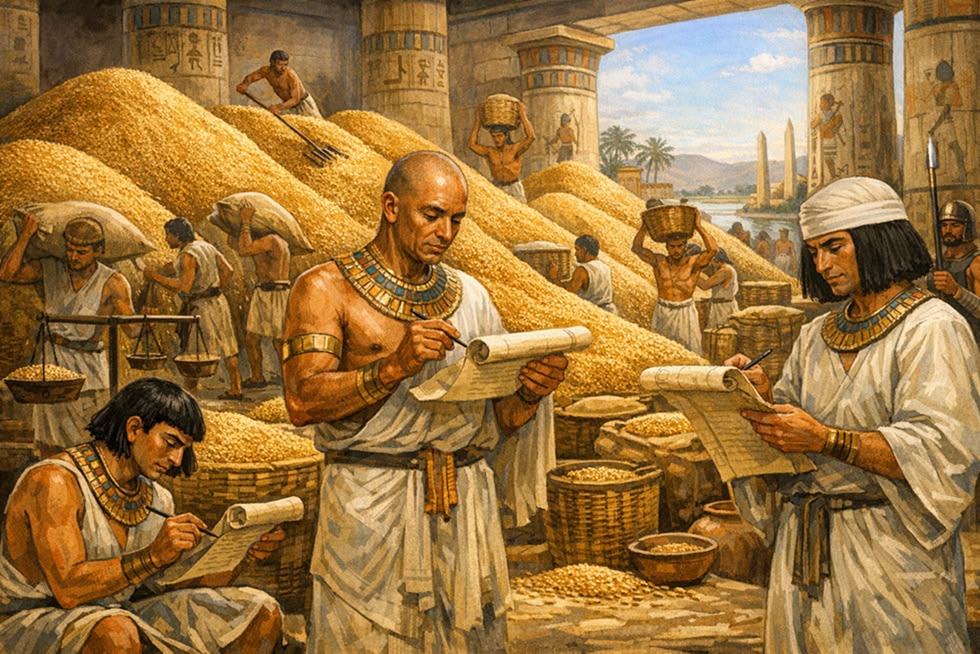
Temples owned large areas of agricultural land and played an important role in economic and religious activities. Temple workers managed farms, stored food, and organized offerings.
Religious festivals often celebrated agricultural events. These celebrations included processions, music, food offerings, and community gatherings.
Farmers believed that maintaining harmony with the gods would help ensure good harvests. Natural disasters or poor crops could be interpreted as signs that balance had been disturbed.
Religious beliefs encouraged respect for nature and the environment. Egyptians viewed the Nile, land, animals, and natural cycles as parts of a divine order.
Agriculture and religion were therefore closely connected. Farming was not simply an economic activity; it was also a spiritual responsibility.
The relationship between religion and agriculture shows how Ancient Egyptians understood the connection between humans, nature, and the divine world.