
1. The Pharaoh as the Divine King of Ancient Egypt
The Pharaoh held a unique position in Ancient Egyptian civilization because he was considered both a human ruler and a divine figure. Unlike ordinary kings, Egyptian Pharaohs were believed to have a special connection with the gods. This belief gave them extraordinary authority and made their role central to every aspect of Egyptian society.
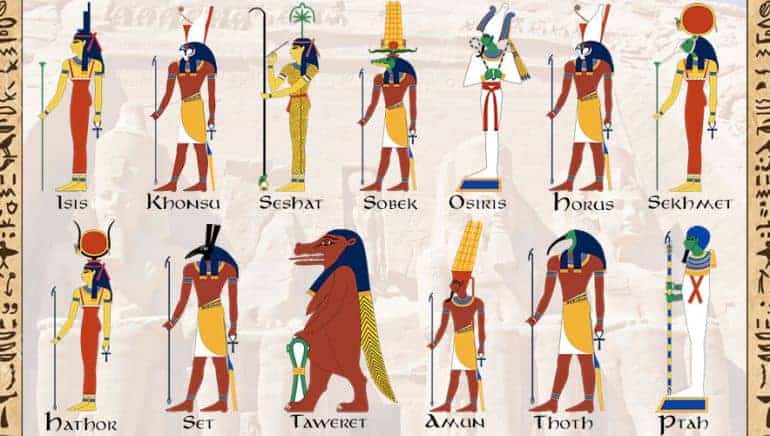
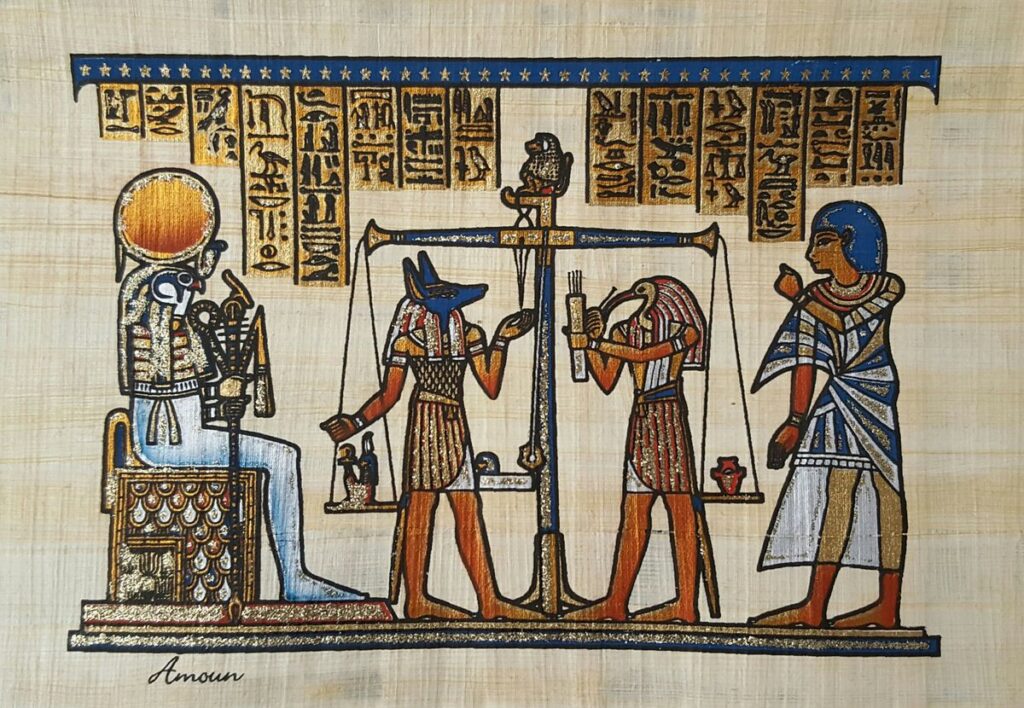
Ancient Egyptians believed that the Pharaoh was chosen by the gods to rule the land and maintain harmony between the earthly world and the divine realm. The Pharaoh was often associated with the god Horus during life and with the god Osiris after death. This religious connection strengthened the Pharaoh’s authority and created a system where political power and religious responsibility were closely connected.
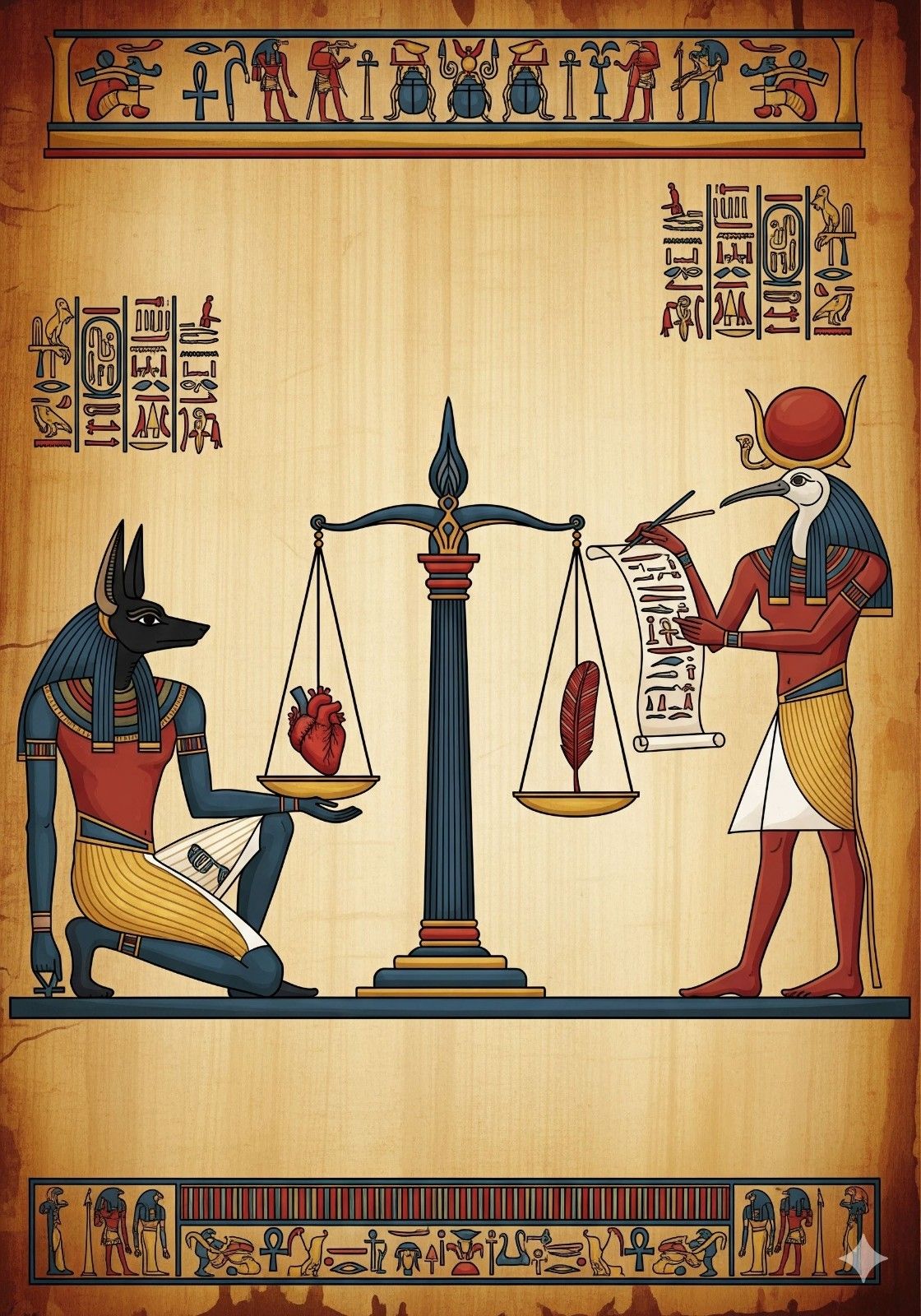
As the divine king, the Pharaoh had the responsibility of maintaining Ma’at, which represented truth, justice, balance, and order. Egyptians believed that without the Pharaoh’s guidance, chaos could threaten the kingdom. By performing religious ceremonies, supporting temples, and making decisions that protected society, the Pharaoh ensured that Egypt remained prosperous and stable.
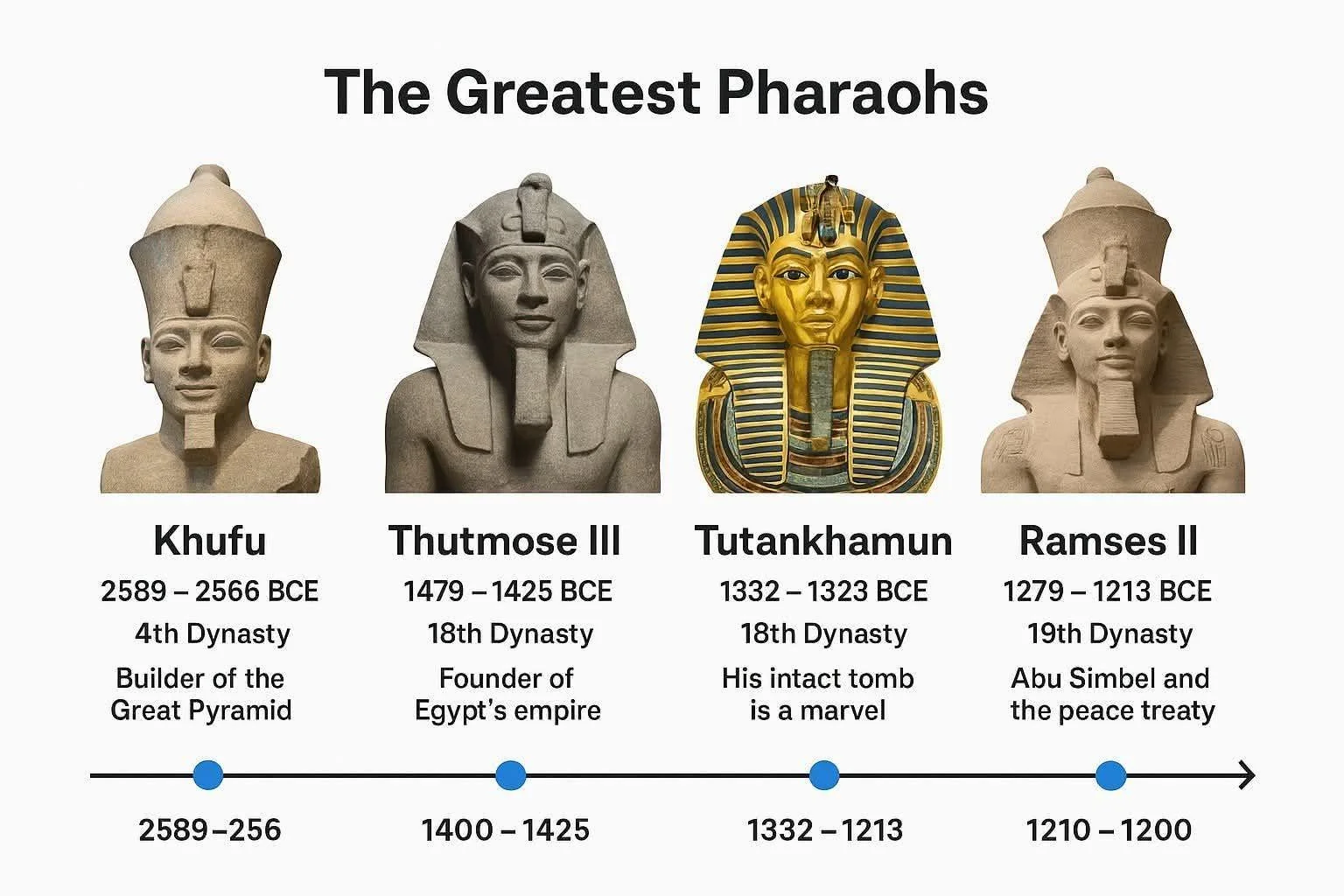
The divine status of the Pharaoh influenced how Egyptians viewed their ruler. Pharaohs were honored through statues, temple inscriptions, and royal ceremonies. Their names were carefully preserved because Egyptians believed that remembering the Pharaoh helped maintain his eternal existence. This belief explains why many royal tombs contained detailed artwork, writings, and treasures designed for the Pharaoh’s journey into the afterlife.
The religious role of the Pharaoh also influenced architecture throughout Egypt. Many temples were built as places where Pharaohs could honor the gods and demonstrate their divine relationship. Massive structures such as Karnak Temple, Luxor Temple, and Abu Simbel reflected the belief that Pharaohs were responsible for connecting humanity with the divine world.
The concept of the divine Pharaoh was one of the most important elements of Ancient Egyptian culture. It created a powerful system where religion, government, and society worked together under the authority of the king. Through this unique role, Pharaohs became symbols of Egypt’s strength, unity, and eternal legacy.
2. The Pharaoh’s Role as the Political Leader of Ancient Egypt
The Pharaoh was the supreme political authority in Ancient Egypt and controlled the administration of one of the world’s most organized civilizations. The Ancient Egypt Role of the Pharaoh included managing government affairs, creating laws, supervising officials, and ensuring the stability of the kingdom. Every major decision in Egypt was connected to the authority of the Pharaoh.
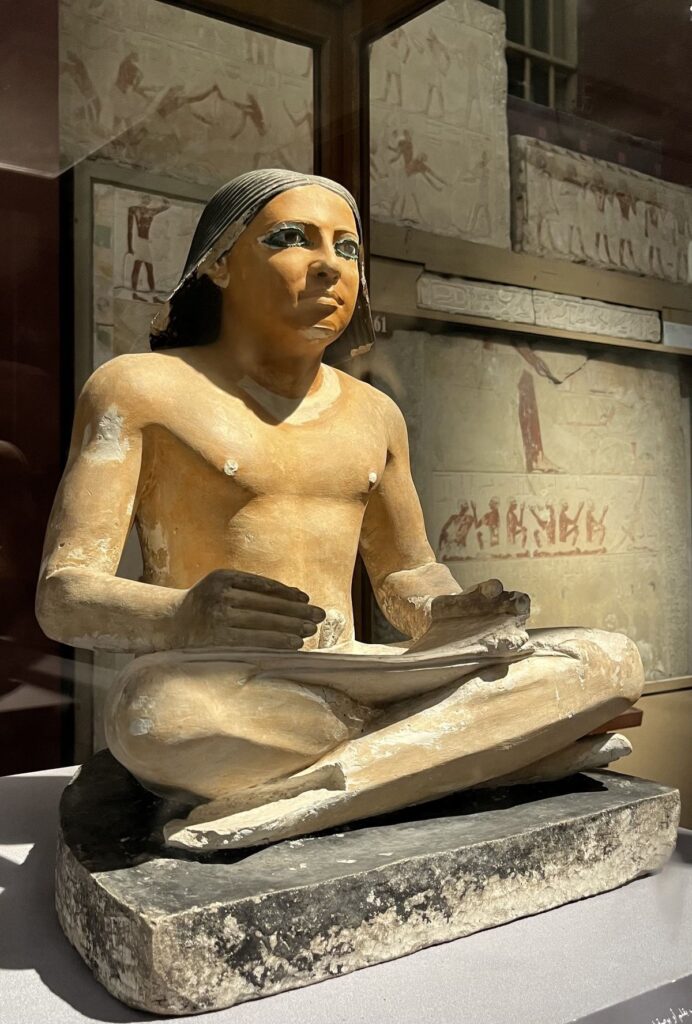
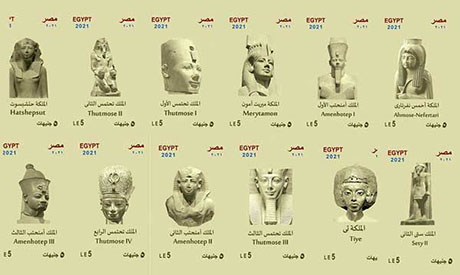
Ancient Egypt was divided into regions called nomes, and Pharaohs governed these areas through a network of officials and administrators. The Pharaoh appointed governors, advisors, and scribes who helped manage agriculture, taxation, trade, and public projects. This organized government system allowed Egypt to control a large territory along the Nile Valley.
One of the Pharaoh’s most important responsibilities was managing the country’s resources. The Nile River was the foundation of Egyptian life, and Pharaohs supervised irrigation systems, agricultural production, and grain storage. Successful management of resources ensured food security and allowed Egypt to support a growing population.
Pharaohs also played a major role in law and justice. They were considered the ultimate source of authority and were responsible for protecting the rights of their people. Although officials handled many daily administrative tasks, all power ultimately came from the Pharaoh.
Large construction projects were another important part of the Pharaoh’s political role. Pharaohs ordered the construction of pyramids, temples, fortresses, and monuments that demonstrated Egypt’s wealth and organizational abilities. These projects provided employment for thousands of workers and strengthened the kingdom’s economy.
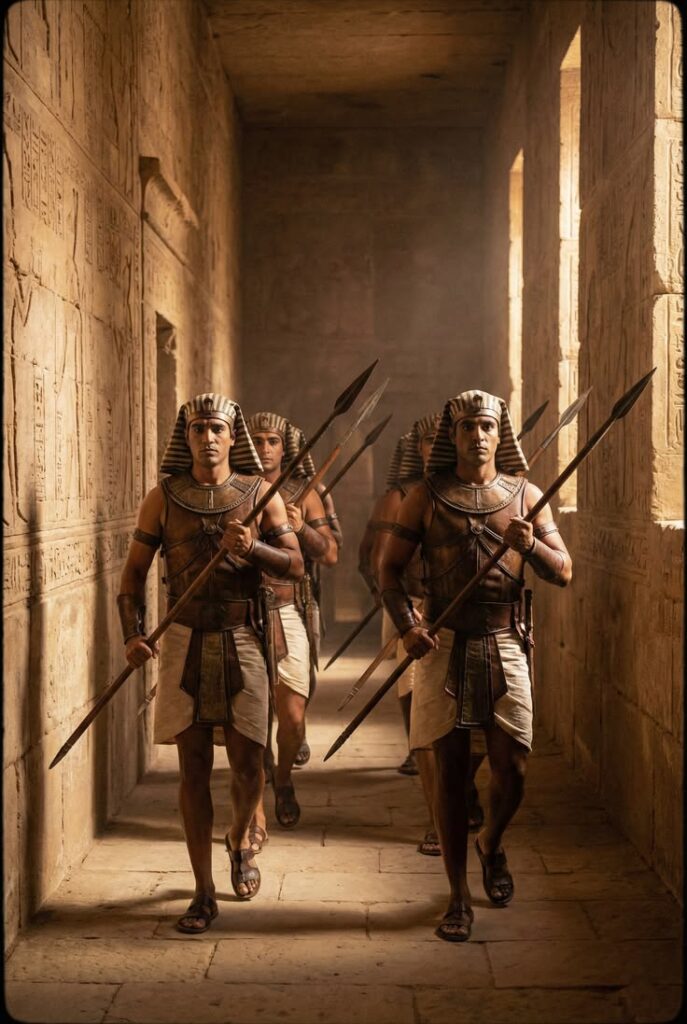
The Pharaoh also represented Egypt in diplomatic relations with other civilizations. Kings sent gifts, negotiated agreements, and established trade relationships with neighboring regions. Some Pharaohs expanded Egypt’s influence through successful military campaigns and political alliances.
The political role of the Pharaoh demonstrates the highly organized nature of Ancient Egyptian government. Through leadership, administration, and strategic decisions, Pharaohs maintained control over a civilization that lasted thousands of years. Their ability to unite the country and manage its resources was one of the main reasons Ancient Egypt became one of history’s most powerful civilizations.
3. The Pharaoh as the Religious Leader and Protector of the Gods
Religion was at the center of Ancient Egyptian life, and the Pharaoh served as the highest religious authority in the kingdom. The Ancient Egypt Role of the Pharaoh was deeply connected to worship, temple activities, and maintaining the relationship between humans and the gods. Egyptians believed that the Pharaoh had a sacred duty to protect religious traditions and ensure that the gods continued to bless the land.
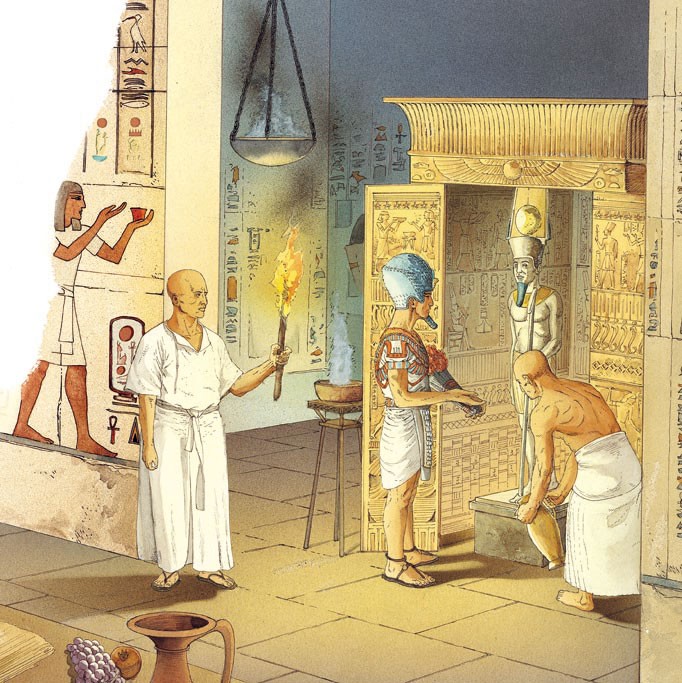
Although priests performed many daily temple rituals, the Pharaoh was considered the official representative of the gods on Earth. He was responsible for building temples, supporting religious institutions, and participating in important ceremonies. Through these actions, the Pharaoh demonstrated devotion to the gods and maintained the spiritual balance of Egypt.
Temples were among the greatest achievements of Egyptian Pharaohs. Buildings such as Karnak Temple, Luxor Temple, Philae Temple, and Abu Simbel were created as places of worship and as symbols of the Pharaoh’s connection with the divine. Many temples contained inscriptions showing Pharaohs making offerings to gods such as Amun, Ra, Osiris, and Isis.
The Pharaoh also played an important role in religious festivals. These celebrations brought together communities throughout Egypt and honored important deities. The Pharaoh’s participation showed the unity between the ruler, the people, and the gods.
Ancient Egyptians believed that the Pharaoh protected Egypt from chaos and ensured fertility, successful harvests, and prosperity. His religious responsibilities were closely connected to the Nile River because the annual flooding was considered a blessing from the gods. The Pharaoh’s role was to maintain harmony between nature, society, and the divine world.
The religious authority of the Pharaoh continued even after death. Egyptians built magnificent tombs and burial complexes because they believed Pharaohs would continue protecting Egypt from the afterlife. The Valley of the Kings contains many royal tombs decorated with religious texts and scenes showing the Pharaoh’s journey into eternity.
The Pharaoh’s religious role reveals how deeply spirituality influenced Ancient Egyptian civilization. By combining political power with religious responsibility, Pharaohs became the central figures who connected Egyptian society with its gods and traditions.