
Welcome to

10-Day Egypt Itinerary Covering Cairo, Luxor, and Aswan

Egypt is one of the world’s most rewarding travel destinations, offering an extraordinary combination of ancient history, vibrant culture, and unforgettable landscapes. For first-time visitors, deciding how to organize an itinerary can be challenging because the country is home to countless attractions spread across several regions. Fortunately, a well-planned 10-day itinerary provides enough time to experience many of Egypt’s most iconic highlights while maintaining a comfortable pace.

Among the country’s most popular destinations are Cairo, Luxor, and Aswan. Together, these cities showcase the very best of Egypt’s historical and cultural heritage. Cairo introduces visitors to the legendary Pyramids of Giza, world-class museums, bustling markets, and centuries of Islamic architecture. Luxor offers an open-air museum filled with extraordinary temples, tombs, and monuments from the height of Ancient Egyptian civilization. Aswan provides a more relaxed atmosphere, beautiful Nile scenery, fascinating Nubian culture, and access to some of Egypt’s most impressive archaeological sites.

This itinerary has been designed specifically for travelers who want to experience Egypt’s most famous attractions without feeling rushed. By combining domestic flights, comfortable sightseeing schedules, and strategic overnight stays, visitors can maximize their time while minimizing unnecessary travel stress. The itinerary also includes opportunities to experience local culture, traditional cuisine, and the timeless beauty of the Nile River.

One of the advantages of focusing on Cairo, Luxor, and Aswan is that these destinations complement each other perfectly. Cairo provides an introduction to Egypt’s ancient and modern identity, Luxor delivers some of the country’s most remarkable archaeological treasures, and Aswan offers a peaceful conclusion to the journey with stunning river views and unique cultural experiences.

Whether you are traveling independently or as part of a guided tour, this 10-day itinerary provides an excellent balance of history, culture, relaxation, and adventure. It is ideal for first-time visitors seeking a comprehensive introduction to Egypt while leaving enough flexibility to personalize the experience according to individual interests and travel preferences.

1. Why Choose a 10-Day Egypt Itinerary?

A 10-day itinerary is one of the most popular choices for first-time visitors to Egypt because it offers an excellent balance between sightseeing, comfort, and travel efficiency. Egypt is a country filled with extraordinary attractions, and while it would be impossible to see everything in a single trip, ten days provides enough time to experience many of the nation’s most iconic destinations without feeling overly rushed.

One of the biggest advantages of a 10-day trip is the ability to combine Cairo, Luxor, and Aswan into a single journey. These three destinations represent the heart of Egypt’s tourism experience and offer a comprehensive introduction to the country’s history, culture, and landscapes. Visitors can explore the world-famous Pyramids of Giza, discover magnificent temples and tombs along the Nile, and enjoy the unique atmosphere of southern Egypt.

Ten days also allows travelers to move at a comfortable pace. Rather than constantly changing hotels and spending excessive time in transit, visitors can dedicate meaningful time to each destination. This approach creates opportunities for deeper exploration while reducing travel fatigue.

Another benefit is flexibility. Travelers can customize portions of the itinerary according to their interests, whether they prefer museums, archaeology, photography, cultural experiences, or simply relaxing by the Nile. The schedule also leaves room for optional activities and spontaneous discoveries.

For many visitors, ten days represents the ideal introduction to Egypt. It provides enough time to experience the country’s most important highlights while still leaving reasons to return and explore more in the future.
2. Day 1: Arrive in Cairo

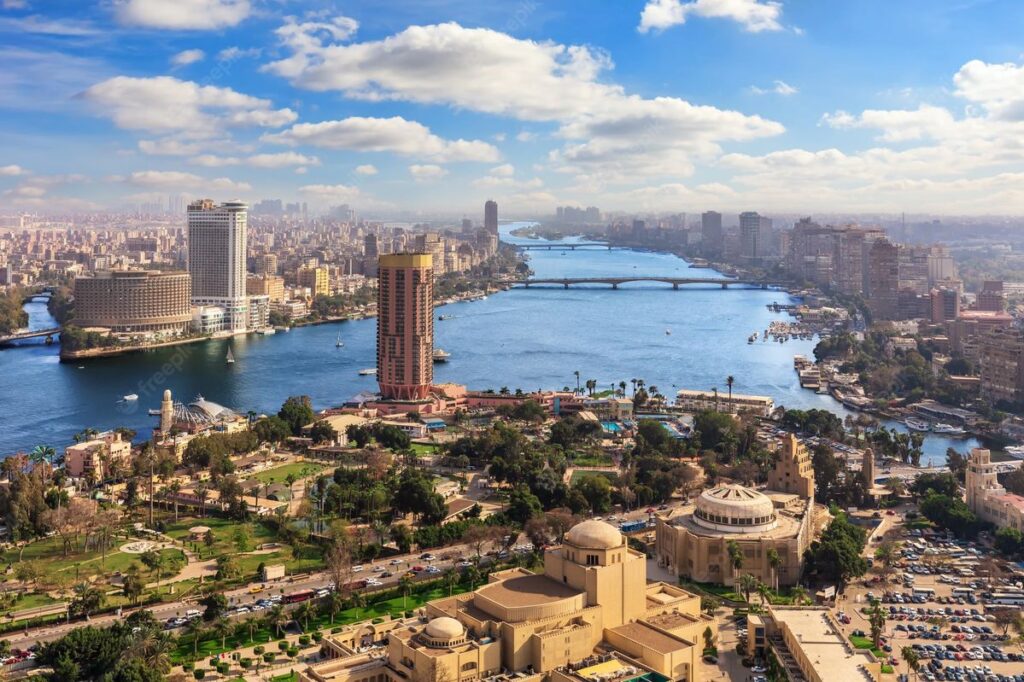
The first day of your Egyptian adventure is dedicated to arrival, settling in, and becoming familiar with Cairo, the largest city in the Arab world and the gateway to many of Egypt’s most famous attractions. After arriving at Cairo International Airport, travelers can transfer to their hotel and begin adjusting to the atmosphere of this energetic and historic city.

Depending on your arrival time, the first day is best kept relatively relaxed. International travel can be tiring, and allowing time to recover from the journey helps ensure that you are fully prepared for the sightseeing days ahead. Many visitors choose to spend the afternoon exploring the area surrounding their hotel, enjoying local cuisine, or taking a leisurely walk to gain a first impression of the city.

Cairo offers an exciting blend of ancient history and modern life. Even a short introduction to the city reveals its unique character, with bustling streets, historic mosques, traditional cafés, and views of the Nile River. Visitors often find the energy of Cairo both fascinating and unforgettable.

A relaxing dinner at a local restaurant can provide an excellent introduction to Egyptian cuisine. Popular dishes such as koshari, grilled meats, and traditional desserts offer a taste of the culinary experiences that await throughout the trip.

The first day is ultimately about preparation and orientation. Resting well, organizing plans for the following morning, and becoming comfortable with your surroundings will help ensure a smooth and enjoyable start to your Egyptian journey.
Pyramids

3. Day 2: Pyramids of Giza and the Great Sphinx

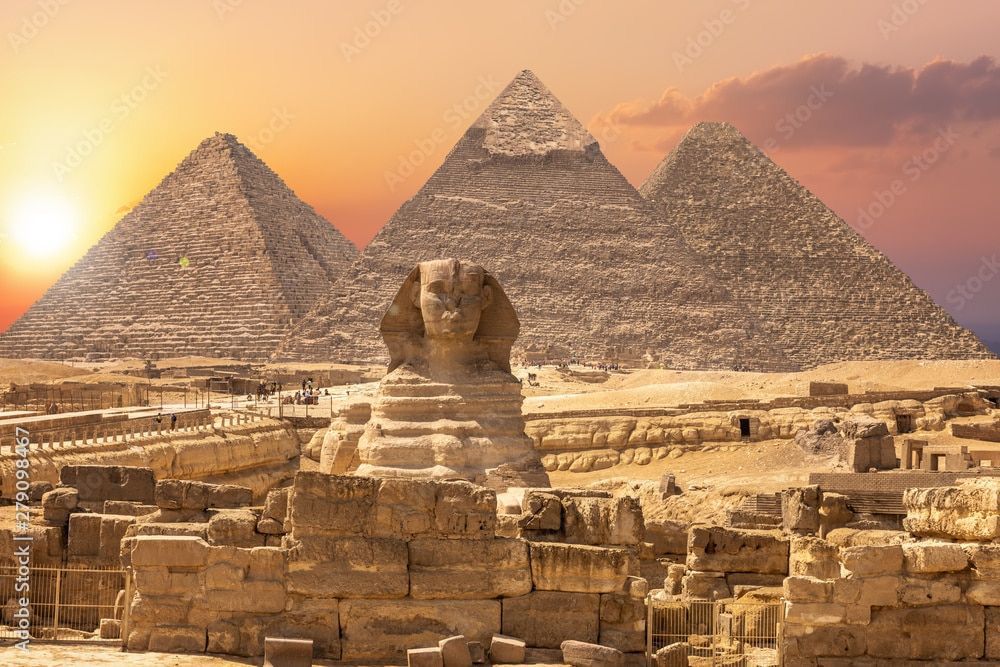
The second day is often the moment travelers have been anticipating for years—the opportunity to visit the legendary Pyramids of Giza and the Great Sphinx. As one of the most famous archaeological sites in the world, the Giza Plateau represents the ultimate introduction to Ancient Egypt and remains the highlight of many visitors’ trips.

Arriving early is highly recommended. Morning visits provide cooler temperatures, fewer crowds, and excellent lighting for photography. Visitors can spend several hours exploring the site while learning about the fascinating history of the pyramids and the pharaohs who commissioned them more than 4,500 years ago.

The Great Pyramid of Khufu is the largest and most impressive of the three pyramids, while the pyramids of Khafre and Menkaure contribute to one of the most recognizable landscapes on Earth. Many travelers also choose to enter one of the pyramids to experience its interior chambers and gain a deeper appreciation for the engineering achievements of Ancient Egyptian civilization.

No visit to the plateau is complete without seeing the Great Sphinx. This colossal limestone statue, featuring the body of a lion and the head of a pharaoh, remains one of Egypt’s most mysterious and iconic monuments.

After exploring the site, visitors may choose to enjoy lunch with pyramid views before returning to Cairo. The day provides an unforgettable introduction to Egypt’s ancient wonders and creates memories that will remain among the highlights of the entire journey.
4. Day 3: Grand Egyptian Museum and Islamic Cairo

After experiencing the Pyramids of Giza and the Great Sphinx, the third day of the itinerary focuses on two very different but equally fascinating sides of Egypt’s heritage: the Grand Egyptian Museum and the historic district of Islamic Cairo. Together, these attractions provide a deeper understanding of both the country’s ancient civilization and its rich cultural history that extends far beyond the pharaonic era.

The day begins with a visit to the Grand Egyptian Museum, one of the most important cultural institutions in the world. Located near the Giza Plateau, the museum houses an extraordinary collection of artifacts that span thousands of years of Egyptian history. Visitors can admire colossal statues, beautifully preserved treasures, royal artifacts, and exhibits that help explain the achievements of one of humanity’s greatest civilizations.

One of the museum’s most celebrated highlights is its collection associated with King Tutankhamun. These remarkable artifacts provide insight into the life, burial practices, and artistic accomplishments of Ancient Egypt. The museum’s modern design, spacious galleries, and interactive displays create an engaging experience for visitors of all ages.

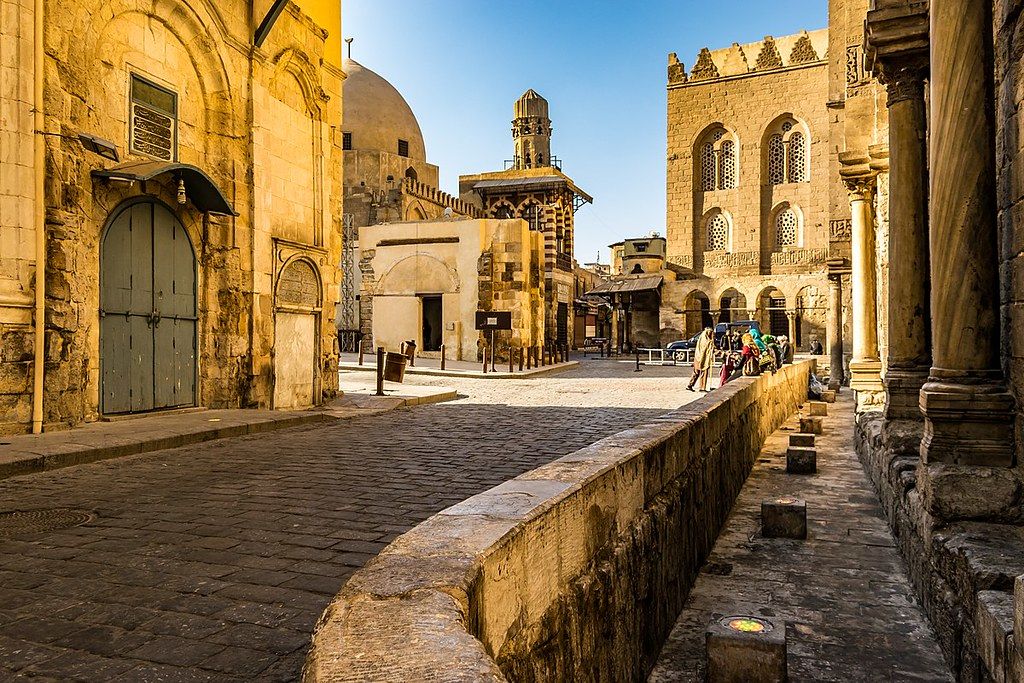
In the afternoon, the focus shifts to Islamic Cairo, a historic area filled with mosques, traditional architecture, and vibrant streets that reveal another chapter of Egypt’s story. Visitors can explore centuries-old landmarks, admire impressive Islamic architecture, and experience the atmosphere of neighborhoods that have played an important role in Cairo’s development for generations.

A walk through the famous Khan El Khalili Bazaar is often included as part of the experience. This historic market offers opportunities to browse souvenirs, observe local life, and enjoy traditional cafés that have welcomed visitors for centuries.

The combination of ancient treasures and living history makes this day one of the most diverse and rewarding parts of the itinerary. By the end of the experience, visitors gain a broader appreciation for Egypt’s cultural richness and the many civilizations that have shaped the country throughout its long and remarkable history.

Karnak-Temple

5. Day 4: Fly to Luxor and Visit Karnak Temple

On the fourth day of the itinerary, travelers leave Cairo and head south to Luxor, often referred to as the world’s greatest open-air museum. A morning domestic flight is typically the most efficient way to make the journey, allowing visitors to maximize their sightseeing time and begin exploring Luxor shortly after arrival.

After checking into the hotel, the first major attraction is Karnak Temple, one of the largest and most impressive religious complexes ever constructed. Built and expanded over many centuries by numerous pharaohs, Karnak served as a major center of worship during Ancient Egypt’s New Kingdom period and remains one of the country’s most extraordinary archaeological sites.

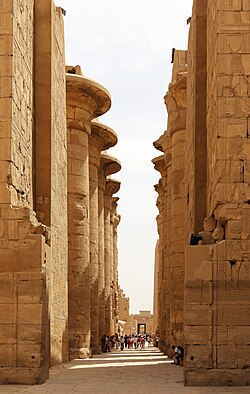
Visitors entering the temple are immediately struck by its immense scale. Massive columns, towering obelisks, monumental gateways, and beautifully carved reliefs provide insight into the power and achievements of Ancient Egyptian civilization. The famous Great Hypostyle Hall, with its forest of enormous stone columns, is often considered one of the most remarkable architectural achievements of the ancient world.

A guided visit can greatly enhance the experience by explaining the symbolism, religious significance, and historical context of the temple complex. Photography enthusiasts also find Karnak particularly rewarding due to its impressive architecture and changing light throughout the day.

The evening can be spent relaxing along the Nile, exploring Luxor’s waterfront, or enjoying a traditional Egyptian dinner. The transition from Cairo to Luxor marks the beginning of a deeper exploration of Ancient Egypt and introduces visitors to some of the country’s most extraordinary historical treasures.

6. Day 5: Valley of the Kings and Luxor Temple

The fifth day is dedicated to two of Luxor’s most famous attractions: the Valley of the Kings and Luxor Temple. Together, these sites offer an unforgettable opportunity to explore both the funerary traditions and religious achievements of Ancient Egypt during its most powerful period.

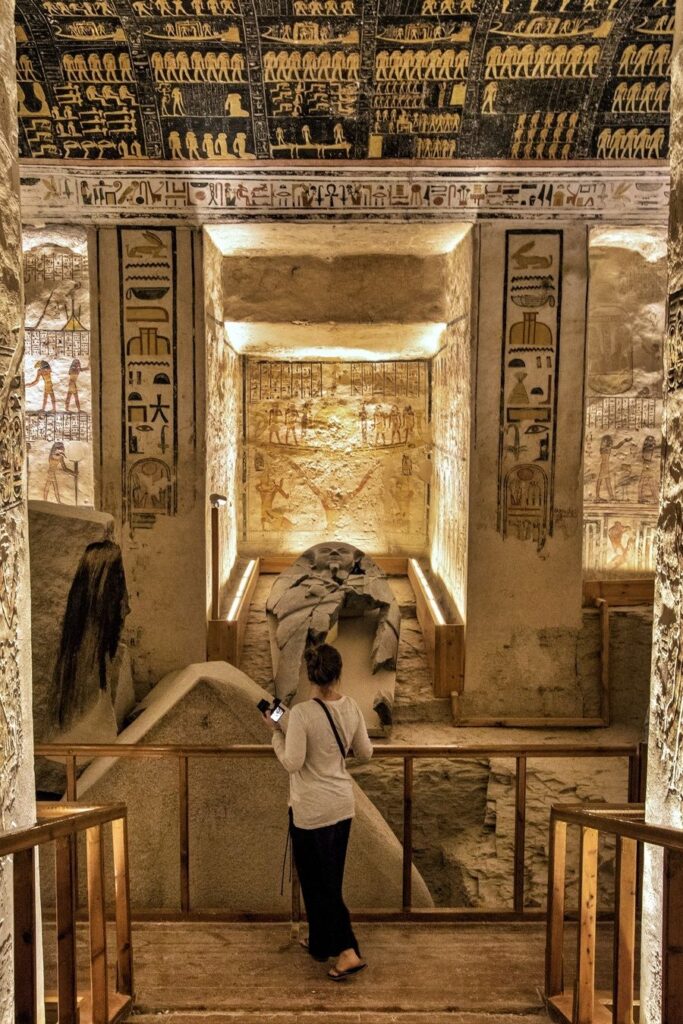
The morning begins with a visit to the Valley of the Kings, located on Luxor’s West Bank. This remarkable archaeological site served as the burial place of many New Kingdom pharaohs, including the famous King Tutankhamun. Hidden within the desert hills are beautifully decorated tombs featuring colorful wall paintings, religious texts, and scenes that reveal ancient beliefs about the afterlife.

Visitors can enter several tombs and admire artwork that has survived for thousands of years. Each tomb offers unique architectural features and artistic details, making the experience both educational and visually impressive. The valley remains one of Egypt’s most important archaeological discoveries and continues to fascinate historians and travelers alike.

In the evening, attention shifts to Luxor Temple on the East Bank. Unlike many archaeological sites that are primarily visited during daylight hours, Luxor Temple is particularly beautiful after sunset when dramatic lighting highlights its columns, statues, and monumental entrances.

Walking through the illuminated temple creates a magical atmosphere and provides a different perspective on Ancient Egyptian architecture. The combination of the Valley of the Kings and Luxor Temple makes this one of the most memorable days of the itinerary.

7. Day 6: Travel to Aswan

After several days exploring the wonders of Luxor, the sixth day focuses on traveling to Aswan, one of Egypt’s most charming and relaxed destinations. Located further south along the Nile, Aswan offers a slower pace, beautiful scenery, and a unique cultural atmosphere that contrasts with both Cairo and Luxor.

Travelers can reach Aswan by train, private transfer, or Nile cruise depending on their preferred style of travel. The journey itself provides opportunities to admire the landscapes of the Nile Valley, including agricultural fields, traditional villages, and desert scenery.

Upon arrival, visitors often notice the more peaceful atmosphere that characterizes Aswan. The city has long been associated with trade, culture, and its strategic position near Egypt’s southern frontier. Today, it remains one of the country’s most attractive destinations for travelers seeking a balance of history and relaxation.

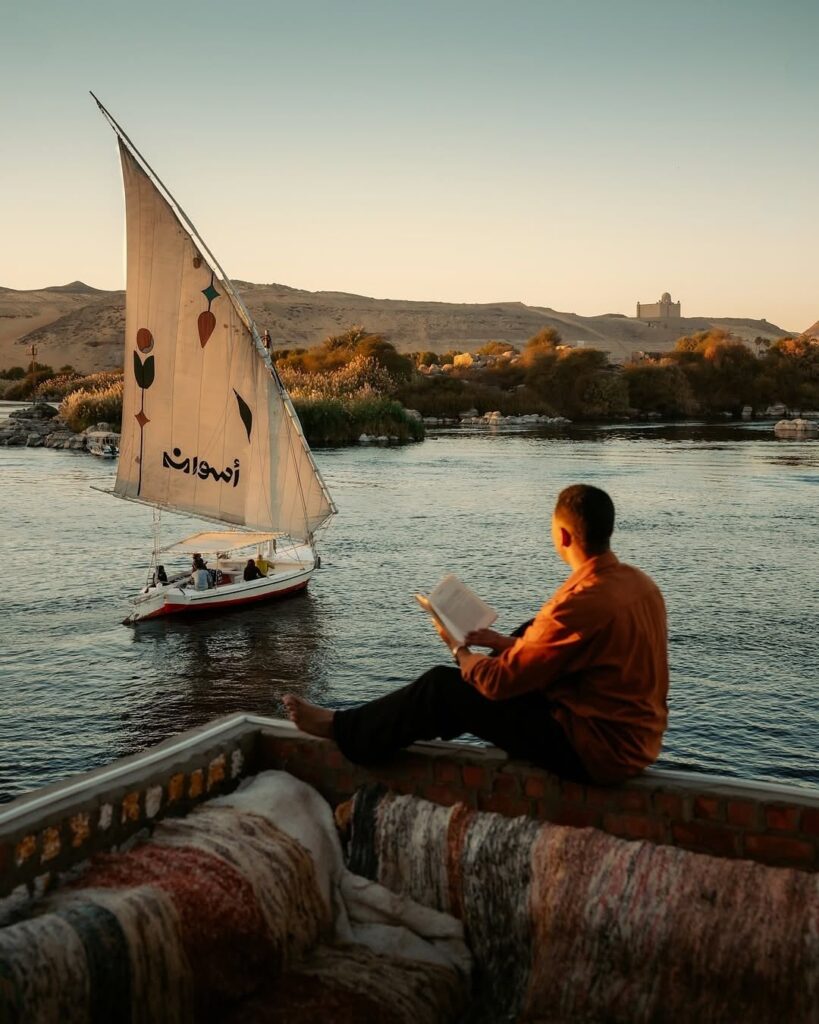
The remainder of the day can be spent exploring Aswan’s waterfront, enjoying views of the Nile, visiting local markets, or simply relaxing after several busy days of sightseeing. Many visitors choose to take a short felucca ride in the late afternoon to experience the river from a traditional sailboat while enjoying the city’s beautiful scenery.

The transition to Aswan provides a welcome change of pace and prepares travelers for the unique experiences that await during the final stage of the journey. With its combination of history, culture, and natural beauty, Aswan offers the perfect setting for a memorable conclusion to a 10-day Egyptian adventure.

8. Day 7: Philae Temple and Nubian Village

The seventh day of the itinerary introduces visitors to two of Aswan’s most rewarding attractions: the magnificent Philae Temple and a traditional Nubian village. Together, these experiences provide a fascinating combination of ancient history and living culture, allowing travelers to gain a deeper understanding of southern Egypt and the communities that continue to thrive along the Nile.

The day begins with a visit to Philae Temple, one of Egypt’s most beautiful and well-preserved temple complexes. Dedicated primarily to the goddess Isis, the temple occupies a picturesque island setting that can only be reached by boat. The journey across the Nile adds to the experience and creates a memorable introduction to one of Aswan’s most famous landmarks.

Visitors can explore impressive halls, beautifully carved columns, and detailed reliefs that reveal important aspects of Ancient Egyptian religion and mythology. The temple’s unique location and elegant architecture make it one of the most photogenic sites in Egypt and a favorite among travelers and photographers alike.

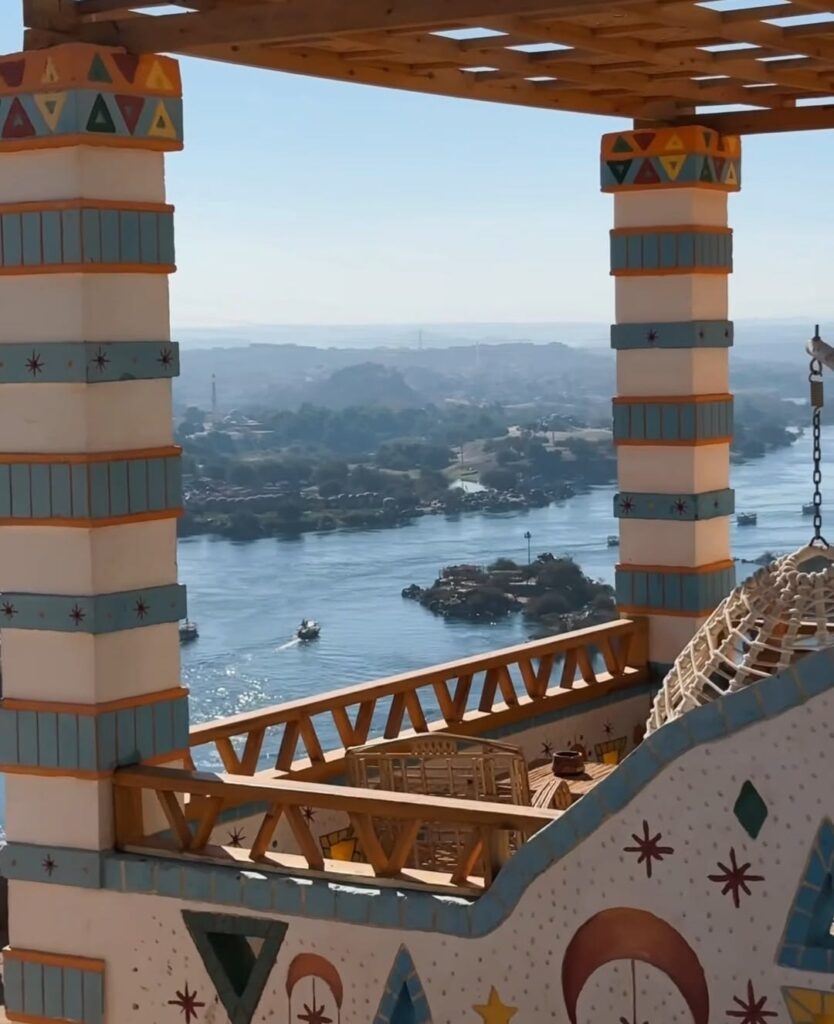
In the afternoon, the focus shifts from ancient history to contemporary culture with a visit to a traditional Nubian village. The Nubian people possess a rich cultural heritage that is distinct from much of the rest of Egypt. Their colorful homes, vibrant traditions, music, crafts, and hospitality create a welcoming atmosphere that many visitors find unforgettable.

Walking through the village provides opportunities to learn about local customs, interact with residents, and gain insight into everyday life along the Nile. Many tours also include traditional refreshments, cultural demonstrations, or opportunities to shop for locally produced handicrafts.

The combination of Philae Temple and a Nubian village creates one of the most diverse days of the itinerary. By blending ancient civilization with living traditions, the experience offers a deeper appreciation of the cultural richness that continues to define southern Egypt today.

The Lake Nasser Abu Simbel

9. Day 8: Abu Simbel Day Trip

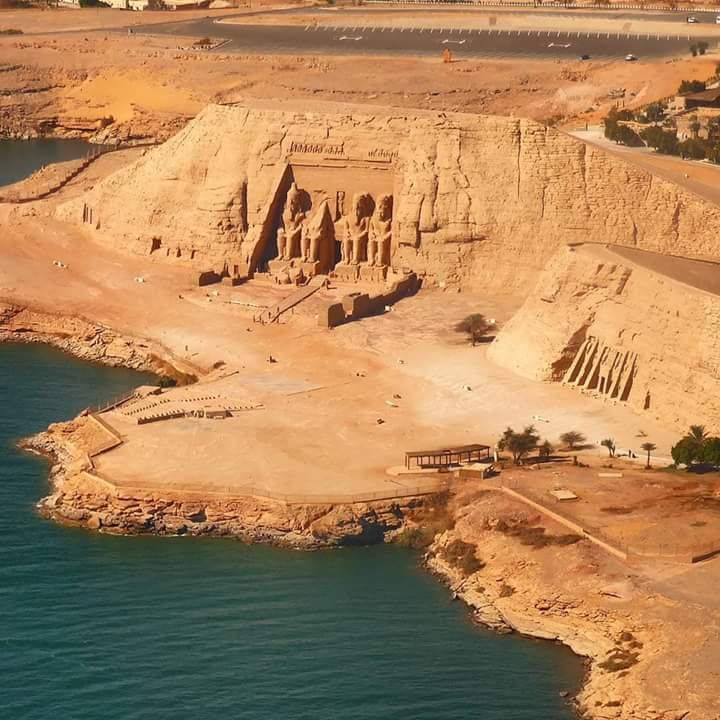
The eighth day is dedicated to one of the most spectacular archaeological sites in Egypt: Abu Simbel. Located near Egypt’s southern border, these magnificent temples are considered among the greatest achievements of Ancient Egyptian architecture and are often described as one of the highlights of any journey through the country.

Most visitors begin the day early, as Abu Simbel is typically reached by domestic flight or organized road transfer from Aswan. Although the journey requires an early start, the experience is widely regarded as well worth the effort. The sight of the enormous statues of Pharaoh Ramses II carved directly into the mountainside is unforgettable and immediately demonstrates the scale of Ancient Egypt’s ambitions.

The larger temple was dedicated to Ramses II and showcases colossal statues, impressive halls, and detailed carvings that celebrate the achievements of one of Egypt’s most powerful rulers. Nearby stands the smaller temple dedicated to Queen Nefertari, one of the most remarkable monuments ever built in honor of a royal wife.

Beyond their architectural significance, the temples are famous for their relocation during the twentieth century. They were carefully moved to higher ground to protect them from flooding caused by the creation of Lake Nasser, an extraordinary engineering achievement that preserved these priceless treasures for future generations.

After exploring the temples and learning about their fascinating history, visitors return to Aswan. Although it is a long day, Abu Simbel remains one of the most rewarding excursions in Egypt and provides an unforgettable glimpse into the power, artistry, and vision of Ancient Egyptian civilization.

10. Day 9: Relax on the Nile and Explore Aswan

After several days of intensive sightseeing, the ninth day offers a more relaxed pace and an opportunity to fully appreciate the unique atmosphere of Aswan. Known for its beautiful Nile scenery, warm hospitality, and laid-back character, Aswan provides the perfect setting to slow down and enjoy the final days of the journey.

Many visitors begin the day with a leisurely walk along the Corniche, where views of the Nile, traditional sailboats, and river islands create a peaceful environment unlike any other in Egypt. The city’s slower rhythm allows travelers to experience a different side of the country while enjoying the natural beauty that has attracted visitors for centuries.

A traditional felucca ride is one of the most popular activities in Aswan. These wooden sailboats glide quietly across the Nile and offer spectacular views of the surrounding landscape. The experience provides an excellent opportunity to relax while reflecting on the many historical sites visited throughout the trip.

Travelers may also choose to visit local markets, enjoy traditional Nubian cuisine, explore cultural attractions, or simply spend time at their hotel overlooking the river. The flexibility of the day allows each visitor to tailor the experience according to personal interests and energy levels.

This slower pace serves as a welcome contrast to the busy sightseeing schedule of previous days and helps create a balanced itinerary that combines exploration with relaxation.

11. Day 10: Return to Cairo and Departure

The final day of the itinerary is dedicated to returning to Cairo and preparing for departure. Depending on flight schedules, travelers typically take a morning domestic flight from Aswan to Cairo, allowing sufficient time to connect with international departures or enjoy a few final hours in the Egyptian capital.

For visitors with extra time before their flight home, this final day can provide an opportunity to revisit favorite locations, enjoy a relaxing meal, or purchase last-minute souvenirs. Some travelers choose to explore additional areas of Cairo, while others prefer to spend a quiet morning reflecting on the experiences and memories accumulated throughout the journey.

By this stage of the itinerary, visitors will have explored many of Egypt’s most famous attractions, including the Pyramids of Giza, the Grand Egyptian Museum, Karnak Temple, the Valley of the Kings, Philae Temple, and Abu Simbel. They will also have experienced different regions of the country, each offering its own unique atmosphere and cultural identity.

Although ten days pass quickly, the itinerary provides a comprehensive introduction to Egypt’s history, culture, landscapes, and people. The combination of Cairo, Luxor, and Aswan creates an unforgettable travel experience that showcases some of the most extraordinary treasures in the world.

As travelers depart, many discover that their first visit to Egypt has inspired plans for future journeys. The country’s remarkable diversity ensures that there is always more to explore, making Egypt a destination that continues to captivate visitors long after they return home.

12. Conclusion: The Perfect 10-Day Egypt Itinerary

A 10-day itinerary covering Cairo, Luxor, and Aswan offers one of the most complete and rewarding introductions to Egypt. By combining the country’s most famous historical landmarks with cultural experiences, scenic landscapes, and opportunities for relaxation, travelers can experience the very best of what Egypt has to offer without feeling overwhelmed or rushed.

Beginning in Cairo allows visitors to explore some of the world’s most iconic attractions, including the Pyramids of Giza, the Great Sphinx, the Grand Egyptian Museum, and the historic districts that showcase Egypt’s rich cultural heritage. These experiences provide an essential introduction to the country’s ancient and modern identity while setting the stage for the journey ahead.

Luxor adds another remarkable dimension to the itinerary. Often described as the world’s greatest open-air museum, the city offers extraordinary temples, royal tombs, and archaeological treasures that bring Ancient Egypt vividly to life. Sites such as Karnak Temple, Luxor Temple, and the Valley of the Kings provide unforgettable insight into one of history’s greatest civilizations.

Aswan offers the perfect conclusion to the journey. Its relaxed atmosphere, beautiful Nile scenery, fascinating Nubian culture, and world-famous attractions such as Philae Temple and Abu Simbel create a memorable contrast to the larger cities visited earlier in the trip. The slower pace allows travelers to reflect on their experiences while enjoying some of Egypt’s most picturesque landscapes.

One of the greatest strengths of this itinerary is its balance. It combines history, culture, sightseeing, relaxation, and local experiences while minimizing unnecessary travel time. Visitors can explore world-famous monuments, cruise along the Nile, meet local communities, and experience different regions of the country within a manageable timeframe.

For first-time visitors, this itinerary provides an ideal foundation for understanding Egypt’s extraordinary heritage and diversity. While no single trip can cover everything the country has to offer, ten days is enough to create lasting memories and inspire future adventures.

Frequently Asked Questions

Yes. Ten days is enough time to explore Cairo, Luxor, and Aswan while visiting many of Egypt’s most famous attractions at a comfortable pace.

Domestic flights are generally the fastest option, although trains and Nile cruises are also popular alternatives depending on travel preferences and available time.

Absolutely. Abu Simbel is one of Egypt’s most impressive archaeological sites and is often considered a highlight of any trip to southern Egypt.

Yes. The itinerary is specifically designed for first-time travelers and covers many of the country’s most important historical, cultural, and scenic attractions.

Yes. Travelers can easily adjust the schedule by adding extra nights, including a Nile cruise, visiting Alexandria, or extending the trip to the Red Sea depending on personal interests and available time.