
Welcome to

Citadel of Qaitbay: Alexandria's Legendary Seaside Fortress

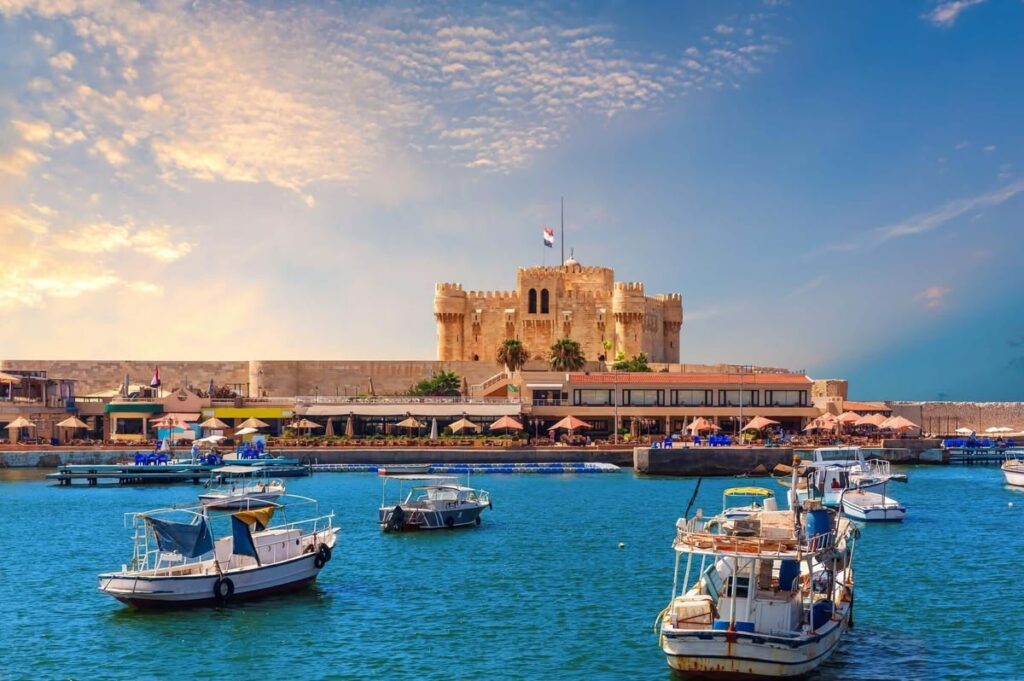
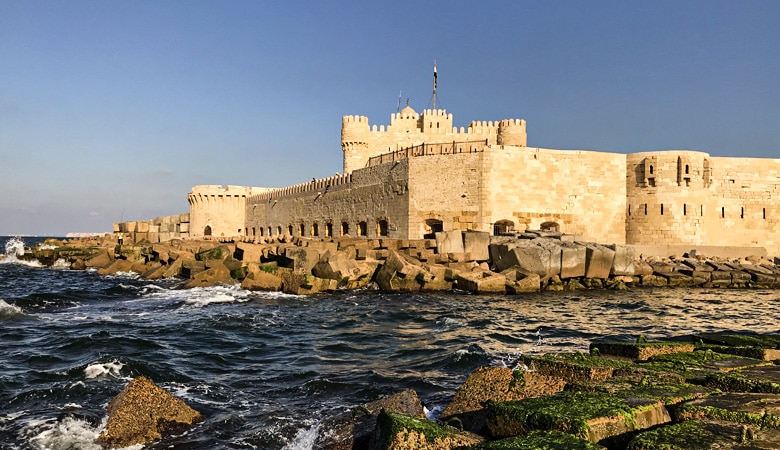
Standing proudly on the Mediterranean coast at the entrance of Alexandria’s Eastern Harbor, the Citadel of Qaitbay is one of the most remarkable historical landmarks in Egypt. Combining military history, magnificent architecture, and breathtaking coastal scenery, this iconic fortress has become one of the best places to visit in Egypt for travelers interested in history, culture, and photography. Built on the exact site where the legendary Lighthouse of Alexandria once stood, the Citadel offers visitors a unique opportunity to explore a monument that bridges the worlds of Ancient Egypt, the medieval Islamic era, and modern Egypt tourism.

For centuries, Alexandria has served as one of the Mediterranean’s most important cities. Founded by Alexander the Great in 331 BC, the city became a center of knowledge, trade, and culture. Among its most famous wonders was the Lighthouse of Alexandria, one of the Seven Wonders of the Ancient World. Although the lighthouse was eventually destroyed by a series of devastating earthquakes, its legacy lived on. In the late 15th century, Sultan Al-Ashraf Qaitbay recognized the strategic importance of the location and ordered the construction of a powerful defensive fortress using stones recovered from the ruins of the ancient lighthouse. The result was the magnificent Citadel of Qaitbay that visitors admire today.

The fortress is much more than a military structure. Its imposing towers, thick defensive walls, elegant Islamic architectural elements, and commanding position overlooking the sea make it one of Egypt’s most fascinating historical sites. Travelers exploring Egypt vacation destinations often include Alexandria in their Egypt itinerary specifically to visit this remarkable monument. Whether you are interested in medieval warfare, architectural heritage, or panoramic views of the Mediterranean, the Citadel offers an unforgettable experience.

Today, the Citadel of Qaitbay attracts visitors from around the world. Tourists can wander through its stone corridors, climb its towers, explore its defensive chambers, and enjoy spectacular views of Alexandria’s coastline. The site also provides valuable insight into the Mamluk period, one of the most influential eras in Egyptian history. Its combination of historical significance and scenic beauty makes it a standout attraction among Egyptian landmarks and a must-see destination for anyone planning to travel to Egypt.

As you explore this comprehensive Egypt travel guide to the Citadel of Qaitbay, you will discover its fascinating history, architectural highlights, visitor information, nearby attractions, travel tips, and everything else needed to plan an unforgettable visit to one of the most iconic historical sites in Egypt.

Overview of the Citadel of Qaitbay

The Citadel of Qaitbay is one of the most iconic landmarks in Alexandria and a must-visit destination for anyone interested in Egypt tourism. Perched on the Mediterranean coast at the entrance of Alexandria’s Eastern Harbor, this magnificent fortress combines centuries of history with breathtaking sea views, creating one of the most memorable experiences in any Egypt travel guide.

Constructed during the late fifteenth century by Sultan Al-Ashraf Qaitbay, the fortress was designed to protect Alexandria from maritime attacks and to strengthen Egypt’s northern defenses. Its strategic location made it one of the most important military installations of the Mamluk era. Today, the citadel stands as a symbol of Alexandria’s rich heritage and remains one of the most visited historical sites in Egypt.

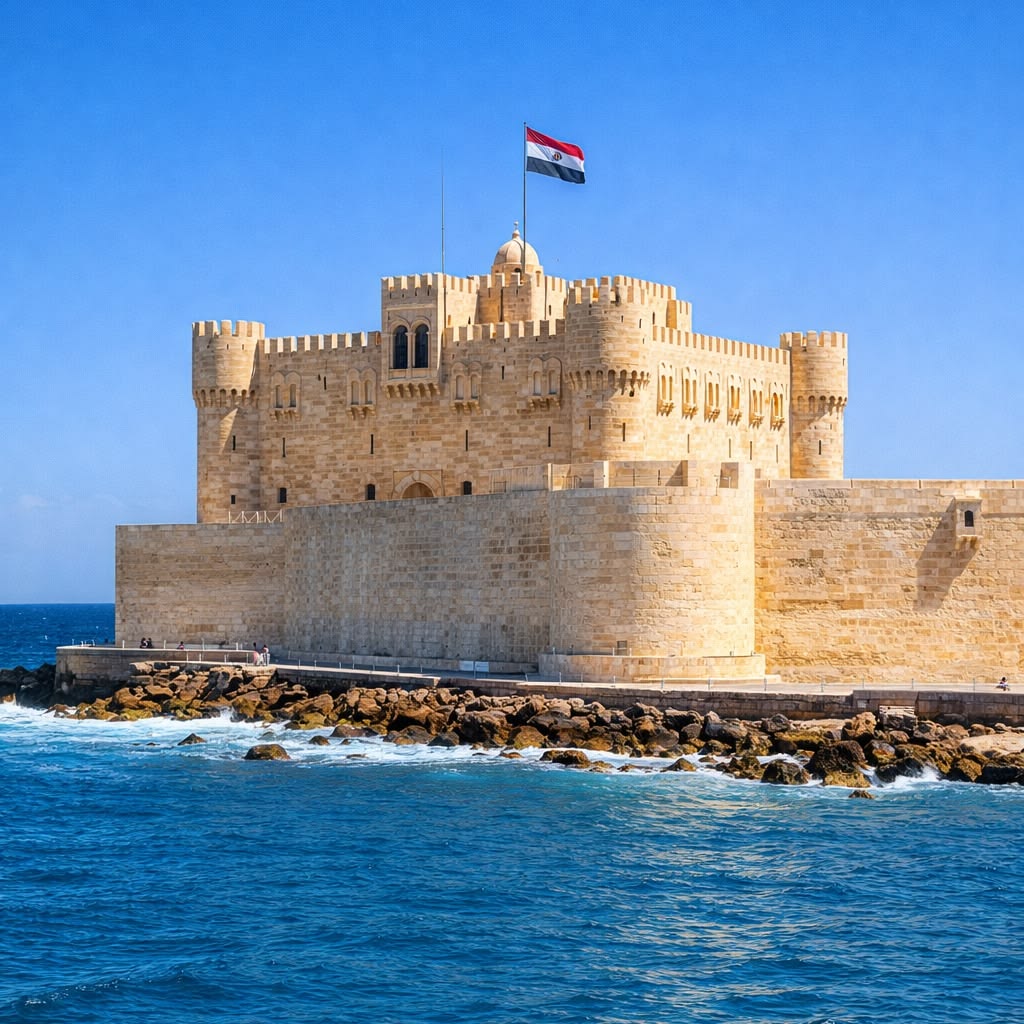
Visitors are immediately captivated by the fortress’s imposing appearance. Surrounded by the Mediterranean Sea on three sides, the structure offers spectacular panoramic views that attract photographers, history enthusiasts, and travelers from around the world. The combination of ancient stones, coastal scenery, and historical significance creates a unique atmosphere unlike any other Egyptian landmark.

The Citadel of Qaitbay is also closely connected to one of the greatest achievements of the ancient world. It was built on the exact site where the legendary Lighthouse of Alexandria once stood. This remarkable connection allows visitors to experience two different eras of history in a single location. As a result, the fortress has become one of the best places to visit in Egypt for travelers seeking both cultural enrichment and unforgettable views.

Whether included as part of a day trip in Alexandria or a broader Egypt itinerary, the Citadel of Qaitbay offers a fascinating glimpse into Egypt’s medieval past while showcasing the enduring importance of Alexandria as one of the Mediterranean’s most historic cities.
History and Historical Significance

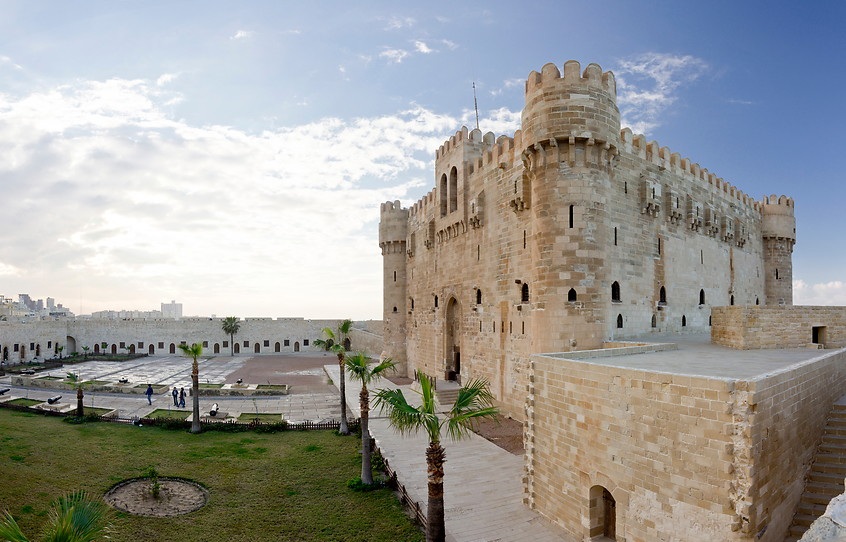
The history of the Citadel of Qaitbay is deeply intertwined with the history of Alexandria itself. Long before the fortress existed, the site was occupied by the famous Lighthouse of Alexandria, also known as the Pharos. Built during the Ptolemaic period in the third century BC, the lighthouse guided ships into Alexandria’s harbor and became one of the Seven Wonders of the Ancient World. For centuries it served as a symbol of innovation, engineering excellence, and the city’s global importance.

Over time, a series of powerful earthquakes damaged the lighthouse. By the fourteenth century, much of the structure had collapsed, leaving behind massive stone blocks scattered across the site. Recognizing the strategic value of the location, Sultan Al-Ashraf Qaitbay ordered the construction of a defensive fortress in 1477 AD. Builders incorporated many stones from the ruined lighthouse into the new structure, creating a direct physical link between the ancient and medieval worlds.

The citadel quickly became a vital component of Egypt’s coastal defense network. During the Mamluk period, Alexandria remained a major commercial center, making protection against naval threats essential. The fortress served as a military stronghold and observation point, helping safeguard Egypt’s Mediterranean coastline from potential invasions.

Throughout the Ottoman era and later during the rule of Muhammad Ali Pasha, the fortress underwent several renovations and improvements. These restoration efforts helped preserve its military capabilities while ensuring its continued importance within Egypt’s defense system. Today, the citadel stands as one of the most significant historical sites in Egypt, representing centuries of political, military, and architectural development.

For travelers interested in Ancient Egypt, Islamic history, and the evolution of Alexandria, the Citadel of Qaitbay offers a remarkable opportunity to explore a site where multiple layers of history converge in one extraordinary location.
Architecture and Unique Design Features

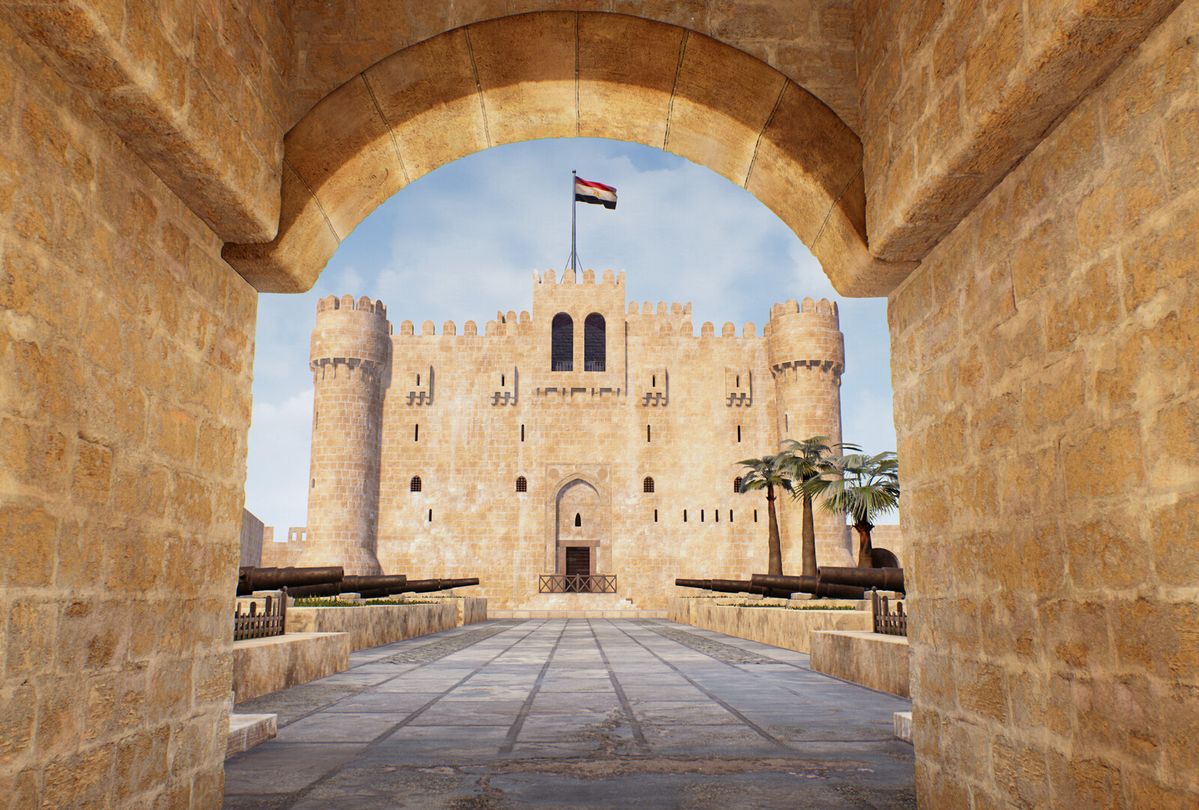
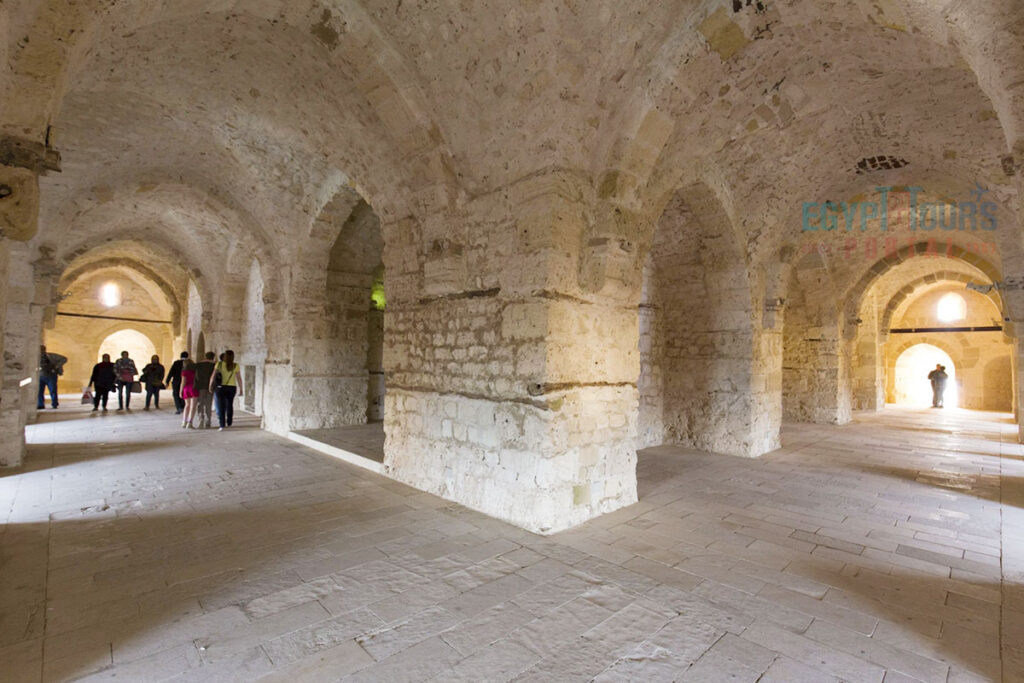
The Citadel of Qaitbay is widely regarded as one of the finest surviving examples of Mamluk military architecture. Built primarily from limestone, the fortress was designed to withstand attacks from both land and sea while maintaining a commanding presence over Alexandria’s harbor. Its robust construction and strategic layout demonstrate the advanced military engineering techniques of the fifteenth century.

At the heart of the complex stands the massive central keep, a square-shaped structure that served as the fortress’s primary defensive and administrative center. Thick walls, fortified towers, and elevated observation points allowed soldiers to monitor approaching ships and respond quickly to potential threats. The design reflects a careful balance between military efficiency and architectural elegance.

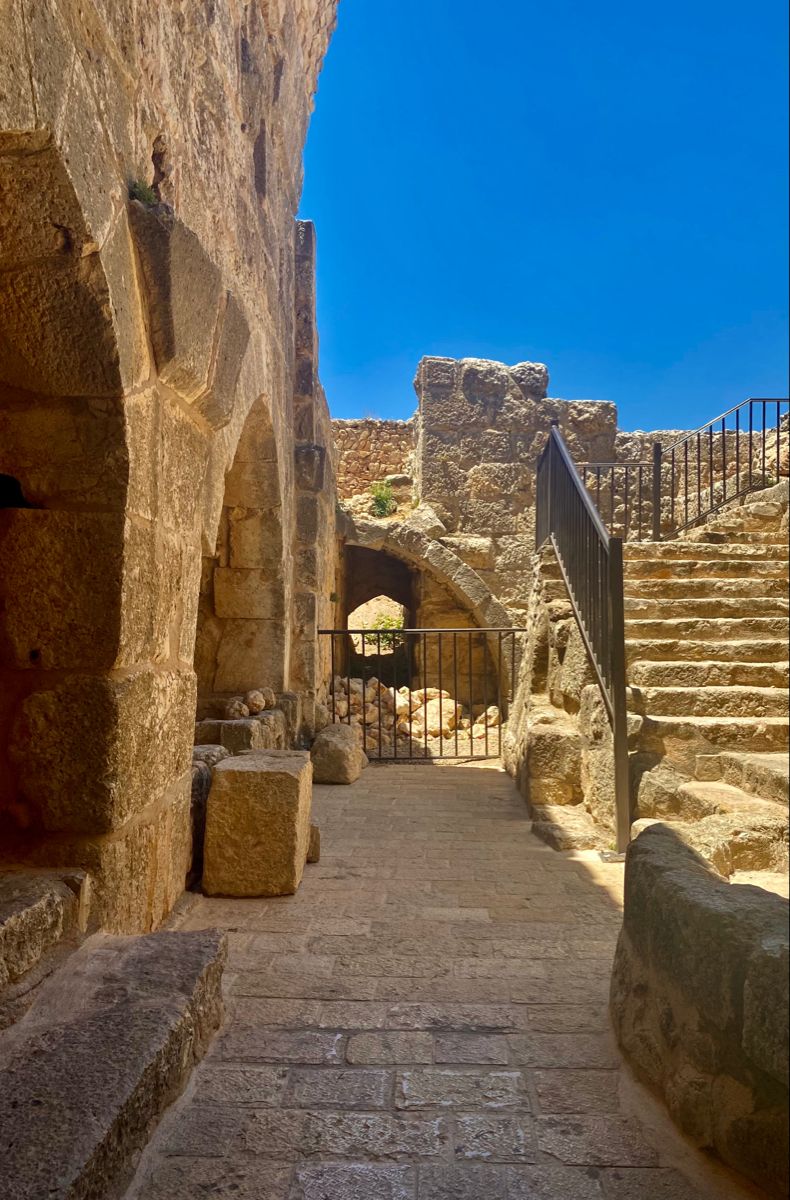
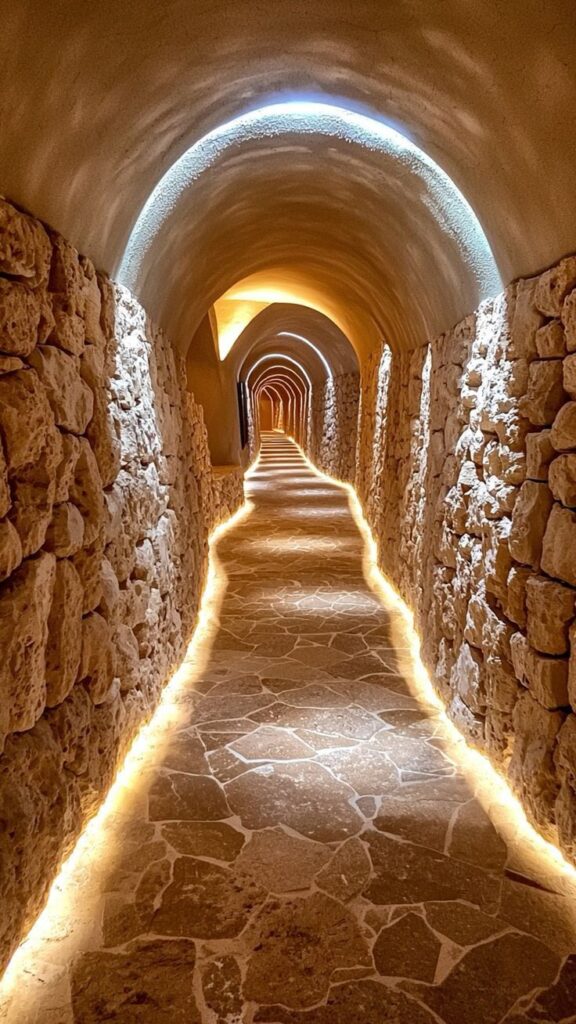
As visitors explore the fortress, they encounter a series of stone corridors, staircases, chambers, and defensive positions that reveal how the citadel functioned during its operational years. Many rooms feature vaulted ceilings and traditional Mamluk decorative elements that add artistic beauty to an otherwise military structure. The intricate details found throughout the fortress highlight the craftsmanship of the period and demonstrate that functionality did not come at the expense of aesthetics.

One of the most impressive aspects of the citadel is its relationship with the surrounding sea. Large windows and observation platforms provide stunning views of the Mediterranean, creating countless photography opportunities. On clear days, visitors can enjoy sweeping vistas of Alexandria’s coastline, fishing boats, and the city’s modern skyline.

The fortress’s architectural significance extends beyond its military role. Because portions of the structure were built using stones from the ancient Lighthouse of Alexandria, the citadel serves as a tangible connection between two of the most important monuments in the city’s history. This unique combination of ancient heritage and medieval engineering makes the Citadel of Qaitbay one of the most fascinating Egyptian landmarks and a highlight of any journey to Egypt.
Why the Citadel of Qaitbay Is Famous

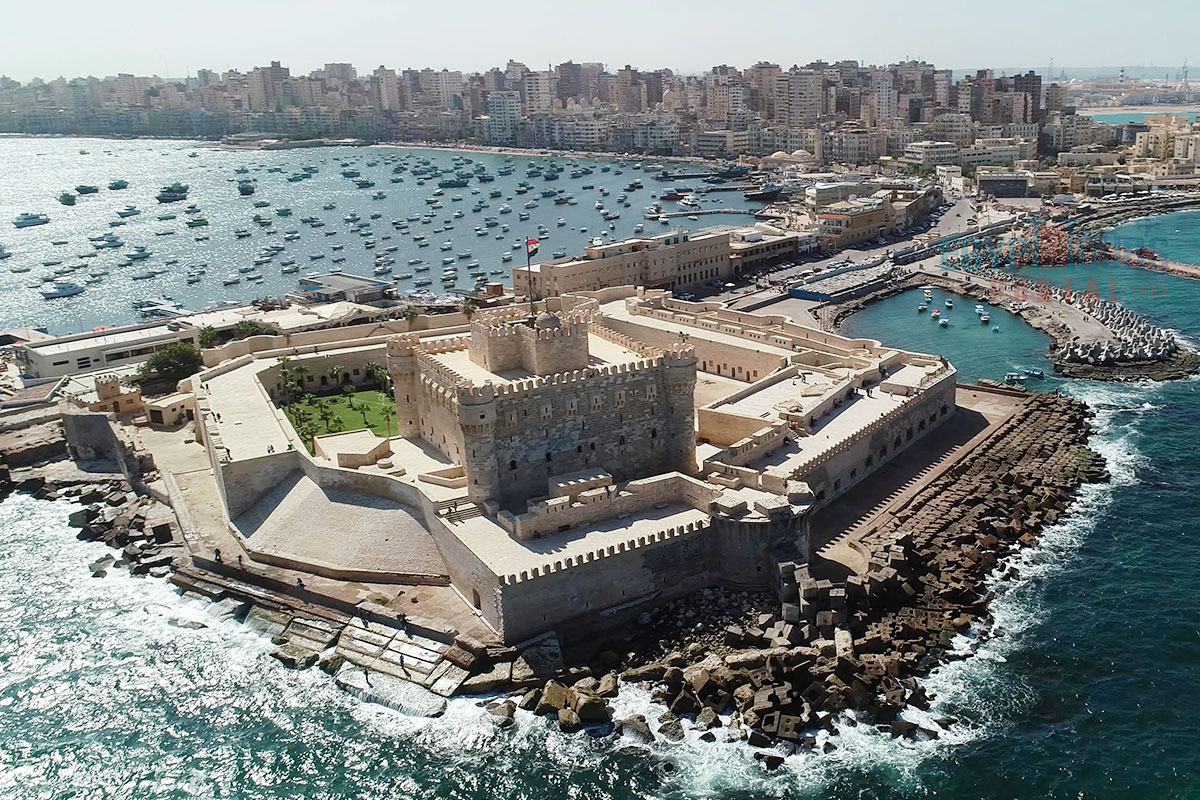
The Citadel of Qaitbay is famous for several reasons that extend far beyond its impressive appearance. One of its greatest claims to fame is its location on the exact site of the ancient Lighthouse of Alexandria, one of the Seven Wonders of the Ancient World. This connection alone makes the fortress one of the most historically significant attractions in Egypt and a destination that attracts visitors from every corner of the globe.

The fortress is also celebrated as one of the finest examples of Mamluk military architecture. Its massive defensive walls, strategic coastal position, and well-preserved towers provide a fascinating insight into the military engineering techniques of the fifteenth century. Unlike many historical fortifications that have suffered extensive damage over time, the Citadel of Qaitbay remains remarkably intact, allowing visitors to experience an authentic piece of Egypt’s medieval heritage.

Another reason for its popularity is its spectacular location overlooking the Mediterranean Sea. The fortress offers some of the most beautiful coastal views in Alexandria, making it a favorite destination for photographers and travelers seeking memorable experiences. The contrast between the golden stone walls and the deep blue waters creates a stunning visual landscape throughout the year.

The citadel has become one of the most recognizable Egyptian landmarks and is frequently featured in travel guides, documentaries, and promotional campaigns related to Egypt tourism. Whether visitors are interested in history, architecture, photography, or simply enjoying a scenic setting, the fortress delivers an unforgettable experience that continues to make it one of the best places to visit in Egypt.

Role of Qaitbay - Try Egypt tours

UNESCO Status and Cultural Importance

Although the Citadel of Qaitbay itself is not currently designated as a UNESCO World Heritage Site, it occupies a location of extraordinary historical importance. The fortress stands on the site of the ancient Pharos Lighthouse, a monument that is universally recognized as one of the greatest achievements of the ancient world. Because of this connection, the citadel holds immense cultural value and remains one of Alexandria’s most treasured historical landmarks.

Alexandria as a whole has long been recognized for its exceptional contribution to world history. For centuries, the city served as a center of learning, commerce, science, and cultural exchange. The Citadel of Qaitbay represents an important chapter in this long story, preserving evidence of the Mamluk period while also maintaining a physical link to the city’s ancient past.

The fortress plays a significant role in preserving Egypt’s architectural heritage. Restoration projects carried out over the years have focused on protecting the structure while maintaining its historical authenticity. These efforts ensure that future generations can continue to appreciate one of the country’s most important examples of medieval military architecture.

For travelers exploring historical sites in Egypt, the citadel offers a unique opportunity to understand how different civilizations shaped Alexandria over more than two thousand years. Few locations in the country demonstrate such a seamless connection between the ancient, medieval, and modern eras. This cultural significance contributes greatly to the fortress’s reputation as one of the most important attractions in any Egypt travel guide.

Location and How to Get There

The Citadel of Qaitbay is located at the western end of Alexandria’s famous Corniche, overlooking the entrance to the Eastern Harbor. Its position on a narrow peninsula provides exceptional views of the Mediterranean Sea and places it within easy reach of many of Alexandria’s most popular attractions.

Travelers arriving in Alexandria from Cairo can reach the city by private vehicle, tourist bus, or train. The journey from Cairo typically takes between two and three hours depending on traffic and the chosen mode of transportation. Many visitors choose to include Alexandria as part of a broader Egypt itinerary, combining the city with other major destinations such as Cairo, Luxor, and Aswan.

Once in Alexandria, reaching the fortress is relatively straightforward. Taxis, ride-hailing services, and private tours regularly operate throughout the city. The Corniche road provides direct access to the citadel, and many sightseeing tours include it as a major stop. Travelers staying in central Alexandria can often reach the site within a short drive.

The surrounding area is lively and attractive, featuring seaside cafés, restaurants, and public spaces where visitors can enjoy the coastal atmosphere before or after exploring the fortress. The nearby harbor and fishing boats add to the charm of the location, making the journey itself part of the overall experience.

Because of its central location and historical importance, the Citadel of Qaitbay is often considered one of the easiest and most rewarding attractions to visit in Alexandria. Whether arriving independently or as part of an organized tour, visitors will find the fortress both accessible and unforgettable.

Opening Hours and Ticket Information

The Citadel of Qaitbay welcomes visitors throughout the year and remains one of the most accessible historical attractions in Alexandria. Its convenient opening schedule allows travelers to include the fortress in both half-day and full-day city tours. Most visitors choose to explore the site during daylight hours when the Mediterranean views are at their best and the architectural details can be fully appreciated.

Opening hours may occasionally change due to public holidays, restoration work, official events, or seasonal adjustments. For this reason, travelers should always verify the latest schedule before planning their visit. Checking current information through official tourism authorities or local tour operators can help avoid unexpected changes.

Ticket prices are generally affordable compared to many major attractions worldwide, making the fortress suitable for both budget-conscious travelers and luxury tourists. Separate rates may apply for Egyptian citizens, foreign visitors, students, and special exhibitions. Because admission fees can change over time, visitors should confirm the latest official prices before arriving.

Many organized Alexandria sightseeing tours include transportation, entrance fees, and guiding services, which can simplify the experience for first-time visitors. Travelers who wish to gain a deeper understanding of the site’s history often benefit from hiring a licensed Egyptologist guide who can explain the fortress’s connection to the ancient Lighthouse of Alexandria and the broader history of the city.

A visit to the citadel is considered excellent value for money due to its historical significance, panoramic sea views, and cultural importance. Whether included in a short Alexandria excursion or a longer Egypt vacation, the fortress consistently ranks among the most rewarding attractions in the country.

Best Time to Visit and Weather Considerations

The Citadel of Qaitbay can be visited year-round, but some seasons offer a more comfortable and enjoyable experience than others. Alexandria enjoys a Mediterranean climate that is generally milder than many other regions of Egypt. As a result, the city remains a pleasant destination even when temperatures rise elsewhere in the country.

The most popular time to visit is during the autumn, winter, and spring months, typically from October through April. During this period, temperatures are moderate, the sea breeze is refreshing, and outdoor exploration becomes particularly enjoyable. Visitors can comfortably walk through the fortress, climb its towers, and spend time enjoying the surrounding waterfront without excessive heat.

Summer months can also be rewarding, especially for travelers who enjoy coastal destinations. However, the increased number of local vacationers and higher temperatures may result in larger crowds. Early morning visits are often recommended during summer because the weather is cooler and the lighting is excellent for photography.

The fortress is especially beautiful on clear days when visibility across the Mediterranean is at its best. Sunrises and late afternoons often provide spectacular lighting conditions that enhance the appearance of the stone walls and create unforgettable photographic opportunities.

Although Alexandria experiences occasional winter rain, weather disruptions are generally limited. Visitors should still check local forecasts before their trip, particularly during the cooler months when coastal winds can occasionally be strong. Planning around favorable weather conditions helps ensure the best possible experience at one of the most famous historical sites in Egypt.

Photography Opportunities and Things to See Inside

The Citadel of Qaitbay is widely regarded as one of the most photogenic attractions in Alexandria. Its dramatic location on the Mediterranean coastline creates countless opportunities for capturing memorable images. Whether using a professional camera or a smartphone, visitors will find no shortage of impressive scenes throughout the fortress.

From the moment visitors approach the structure, the massive stone walls and imposing towers create a striking visual impression. The contrast between the fortress’s historic architecture and the sparkling blue waters of the Mediterranean provides an ideal setting for landscape photography. Many photographers consider the exterior views among the finest coastal scenes in Egypt.

Inside the fortress, visitors can explore a variety of historical spaces that reveal how the citadel functioned during its military past. Stone corridors, defensive chambers, observation rooms, and staircases provide a fascinating glimpse into medieval life within the fortress. The upper levels offer panoramic viewpoints where visitors can admire Alexandria’s harbor, fishing boats, modern skyline, and the endless horizon of the sea.

Several sections of the fortress contain exhibits and displays that help explain the history of the site and its relationship to the ancient Lighthouse of Alexandria. These displays add valuable context and enhance the visitor experience.

One of the most rewarding aspects of exploring the citadel is discovering how every level offers a different perspective of the surrounding landscape. As visitors move through the structure, they encounter a constantly changing combination of architectural details, coastal scenery, and historical atmosphere. This unique blend of visual and cultural experiences makes the Citadel of Qaitbay one of the most remarkable photography locations and one of the top things to do in Egypt.

Hidden Gems and Interesting Facts About the Citadel of Qaitbay

While most visitors come to admire the impressive fortress and panoramic sea views, the Citadel of Qaitbay also holds many fascinating stories that are often overlooked. One of the most remarkable facts about the site is that portions of the fortress were constructed using stones recovered from the ruins of the ancient Lighthouse of Alexandria. This means that some of the massive blocks visible today may have once formed part of one of the Seven Wonders of the Ancient World.

Many travelers are surprised to learn that underwater archaeological discoveries have revealed numerous remains of the ancient lighthouse scattered across the harbor floor near the fortress. These submerged ruins provide further evidence of the site’s extraordinary historical significance and continue to attract researchers from around the world.

Another hidden gem is the fortress’s upper observation points. While many visitors focus on the central courtyard and main chambers, the elevated viewpoints offer some of the most spectacular scenery in Alexandria. From these positions, guests can enjoy sweeping views of the Mediterranean Sea, the Alexandria Corniche, and the bustling harbor that has served as a gateway to Egypt for centuries.

The fortress has also appeared in numerous documentaries, historical studies, and travel publications due to its unique connection to both ancient and medieval history. Few places in Egypt allow visitors to experience such a direct link between two completely different eras of civilization.

These lesser-known details enrich the visitor experience and help explain why the Citadel of Qaitbay continues to rank among the most fascinating historical sites in Egypt. Every corner of the fortress tells a story, making each visit a journey through centuries of Egyptian heritage.

Nearby Attractions Worth Visiting

A visit to the Citadel of Qaitbay can easily be combined with several of Alexandria’s most famous attractions. The city’s rich history and compact layout make it possible to explore multiple landmarks in a single day, creating a rewarding experience for travelers interested in culture, architecture, and Egypt tourism.

One of the closest attractions is the historic Alexandria Corniche, a beautiful waterfront promenade that stretches along the Mediterranean coast. Walking along the Corniche offers stunning sea views and provides an excellent opportunity to experience the atmosphere of the city.

A short distance from the citadel stands the famous Bibliotheca Alexandrina, one of the world’s most important modern cultural institutions. Inspired by the legendary ancient Library of Alexandria, the complex houses museums, exhibitions, galleries, and millions of books. It is considered one of the city’s most significant cultural landmarks.

Travelers interested in ancient history should also consider visiting the Catacombs of Kom El Shoqafa. This remarkable archaeological site combines Egyptian, Greek, and Roman influences and is widely regarded as one of Alexandria’s most important historical treasures.

Another popular destination is Pompey’s Pillar, a massive Roman monument that remains one of the largest ancient columns outside Rome. Visitors can also explore the Roman Amphitheatre, which provides insight into Alexandria’s importance during the Roman period.

Together, these attractions create an unforgettable Alexandria itinerary that showcases the city’s diverse heritage. Combining the Citadel of Qaitbay with these nearby landmarks allows visitors to gain a deeper appreciation of Alexandria’s role as one of the most historically significant cities in the Mediterranean region.

Conclusion

The Citadel of Qaitbay stands as one of the most captivating historical landmarks in Egypt, offering visitors a unique blend of history, architecture, and breathtaking Mediterranean scenery. Built on the legendary site of the ancient Lighthouse of Alexandria, the fortress serves as a remarkable bridge between the ancient and medieval worlds, preserving centuries of Egyptian heritage within its impressive stone walls.

Whether you are a history enthusiast eager to explore the legacy of the Mamluk era, a photographer searching for spectacular coastal views, or a traveler looking to discover the best places to visit in Egypt, the Citadel of Qaitbay delivers an unforgettable experience. Its strategic location, fascinating past, and well-preserved architecture make it one of the most important historical sites in Egypt and a highlight of any Egypt itinerary.

A visit to the fortress also provides an excellent opportunity to explore the wider attractions of Alexandria, from the modern Bibliotheca Alexandrina to the city’s remarkable Greco-Roman monuments. Combined with its welcoming atmosphere, excellent dining options, and scenic waterfront setting, the citadel continues to attract travelers from around the world.

For anyone planning to travel to Egypt, the Citadel of Qaitbay deserves a prominent place on the itinerary. It is not merely a fortress but a symbol of Alexandria’s enduring legacy and one of the most iconic Egyptian landmarks still standing today. As you walk through its corridors and gaze across the Mediterranean Sea, you will discover why this historic fortress remains one of the most treasured attractions in Egypt tourism.

Citadel of Qaitbay : Frequently Asked Questions

The Citadel of Qaitbay is a fifteenth-century fortress located in Alexandria, Egypt. It was built by Sultan Al-Ashraf Qaitbay on the site of the ancient Lighthouse of Alexandria.

The fortress is famous because it stands on the location of one of the Seven Wonders of the Ancient World, the Lighthouse of Alexandria, and represents one of the finest examples of Mamluk military architecture.

The citadel is located on the Mediterranean coast at the entrance of Alexandria’s Eastern Harbor, near the western end of the Alexandria Corniche.

Most visitors spend between one and three hours exploring the fortress, enjoying the sea views, and taking photographs.

Yes, the fortress is family-friendly and offers an educational and enjoyable experience for visitors of all ages.