
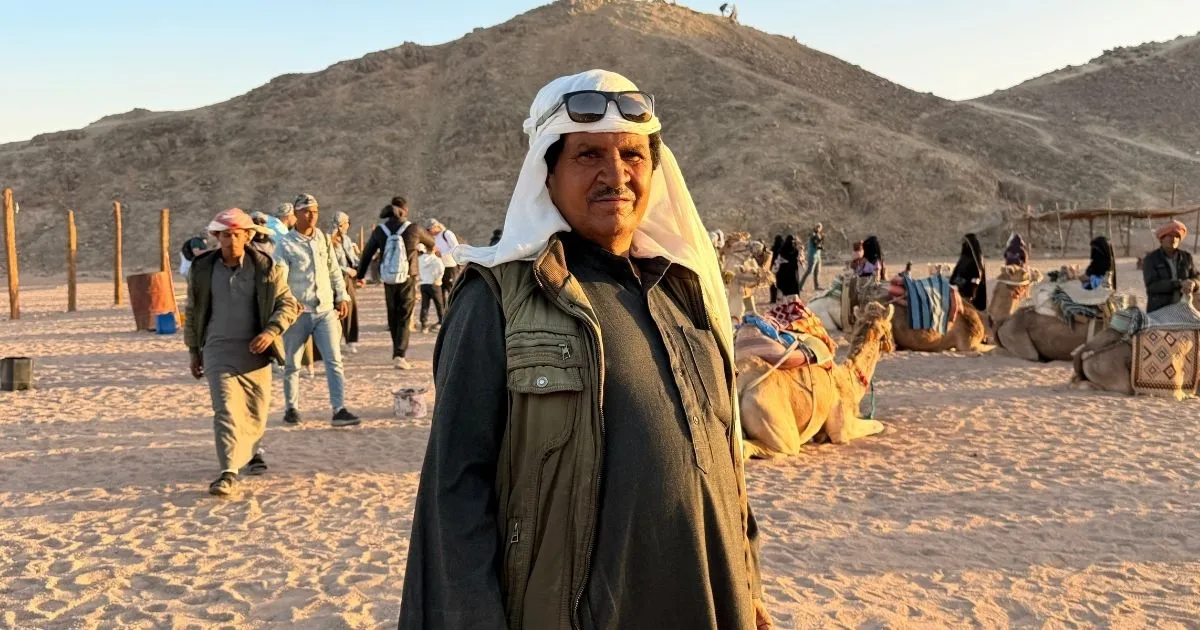
Welcome to

Bedouin Villages in the Egyptian Desert: Culture, Traditions & Desert Experiences

Egypt is famous for its ancient temples, pyramids, Red Sea resorts, and Nile Valley, but beyond the major tourist attractions lies another fascinating side of the country: the Bedouin villages in the Egyptian desert. Scattered across the Sinai Peninsula, Red Sea Desert, Eastern Desert, and other remote desert regions, these communities offer travelers an opportunity to experience a traditional way of life shaped by the mountains, valleys, and challenging desert environment. A visit to a Bedouin village in Egypt is much more than a standard sightseeing experience; it can introduce visitors to local traditions, hospitality, food, crafts, storytelling, music, and the deep relationship between desert communities and their natural surroundings.

The Bedouin culture of Egypt is particularly visible in Sinai and along parts of the Red Sea coast. In destinations such as Sharm El Sheikh, Dahab, Nuweiba, Saint Catherine, Marsa Alam, Hurghada, and the Eastern Desert, travelers can find opportunities to combine desert adventures with cultural experiences. Official Egyptian tourism information highlights Bedouin hospitality, storytelling, traditional music, tea, food, and knowledge of the desert as important parts of the experience.

For travelers searching for an authentic Egypt desert experience, Bedouin villages provide a completely different atmosphere from modern resorts. Instead of large hotels and busy city streets, visitors may find simple houses, traditional tents, mountain landscapes, desert valleys, camels, handmade crafts, and peaceful evenings beneath a spectacular desert night sky. Depending on the destination and tour, activities can include Bedouin village visits, camel rides, desert safaris, traditional Bedouin dinners, tea ceremonies, mountain walks, cultural demonstrations, and stargazing.

A responsible visit should focus on respecting local communities and supporting locally owned tourism activities. Community-based tourism initiatives in Egypt’s Red Sea desert are increasingly designed to place local heritage and residents at the center of the visitor experience.

Whether you are planning an Egypt desert safari, a Bedouin village tour from Hurghada, a Sinai desert adventure, or a cultural trip from Sharm El Sheikh or Dahab, exploring Bedouin communities can become one of the most memorable parts of your journey through Egypt.

Bedouin Villages in the Egyptian Desert

1. Where Are the Bedouin Villages in the Egyptian Desert?

The Bedouin villages in Egypt are found across several desert regions, with particularly strong cultural connections in Sinai and the Eastern Desert along the Red Sea. Sinai is one of the most important areas for experiencing Bedouin heritage, especially around Saint Catherine, Dahab, Nuweiba, and the mountain regions of South Sinai. The geography of the peninsula, with its dramatic mountains, narrow valleys, rocky landscapes, and remote settlements, has helped preserve distinctive traditions and knowledge connected to desert life. South Sinai’s official tourism information also identifies desert safari and adventure tourism as important activities, with routes extending through mountains, valleys, and natural areas.

One of the best-known areas for experiencing Bedouin culture in Sinai is Nuweiba, where many coastal camps are operated by Bedouin communities. Visitors can combine a relaxing Red Sea stay with cultural activities, traditional meals, storytelling, music, tea, and guided walks into surrounding desert landscapes. The mountain communities around Saint Catherine also offer opportunities to learn about traditional desert knowledge and local mountain life.

The Red Sea Desert provides another important setting for Bedouin experiences. Around destinations such as Hurghada and Marsa Alam, travelers can leave the coastal resorts and travel inland toward the mountains and valleys of the Eastern Desert. Here, desert safari programs may include visits to Bedouin communities, camel riding, traditional meals, tea, and demonstrations of local customs. Egypt’s State Information Service describes the Red Sea desert as an area suitable for safari tourism, with mountains and valleys offering opportunities for adventure activities and camel or horse riding.

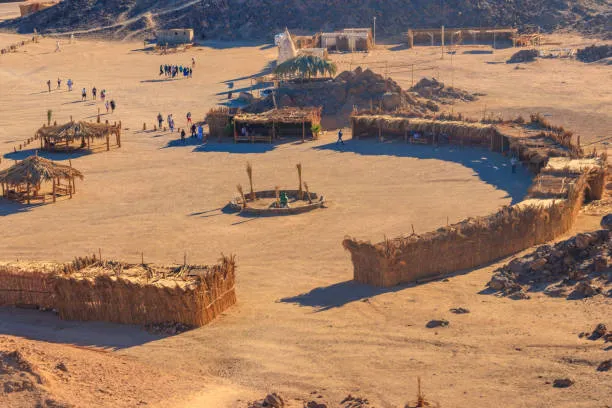
Travelers should understand that not every so-called Bedouin village tour in Egypt represents a permanent traditional settlement. Some are purpose-built cultural tourism sites or safari camps designed to introduce visitors to selected elements of Bedouin life. Others are community-based experiences connected more directly with local residents.

For tourists, the best approach is to choose experiences that clearly explain their relationship with the local community and avoid treating Bedouin culture simply as entertainment. A well-organized Egypt Bedouin village tour can combine cultural learning, desert adventure, and responsible tourism while helping visitors understand the people and landscapes that make Egypt’s deserts so distinctive.
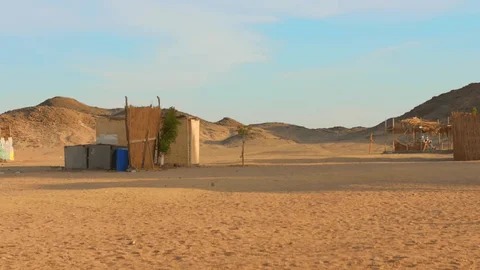
Bedouin Villages in the Egyptian Desert

2. Bedouin Culture and Traditional Life in Egypt

Bedouin culture in Egypt has developed through generations of adaptation to some of the country’s most demanding environments. The word “Bedouin” is associated with desert-dwelling communities, and different Bedouin groups across Egypt have their own histories, traditions, dialects, customs, and relationships with particular territories. In Sinai, Bedouin communities remain closely connected to their ancestral landscapes, while communities in the Eastern Desert have developed traditions linked to the mountains, valleys, wildlife, and routes of the Red Sea region.

Traditional Bedouin life in the Egyptian desert has historically depended on knowledge of water sources, seasonal movement, animals, plants, weather, and desert routes. This knowledge is particularly valuable in environments where finding water and navigating between settlements can be challenging. Visitors participating in a Bedouin desert experience may learn about local plants, traditional foods, animal husbandry, mountain routes, and the practical skills required to live in an arid environment.

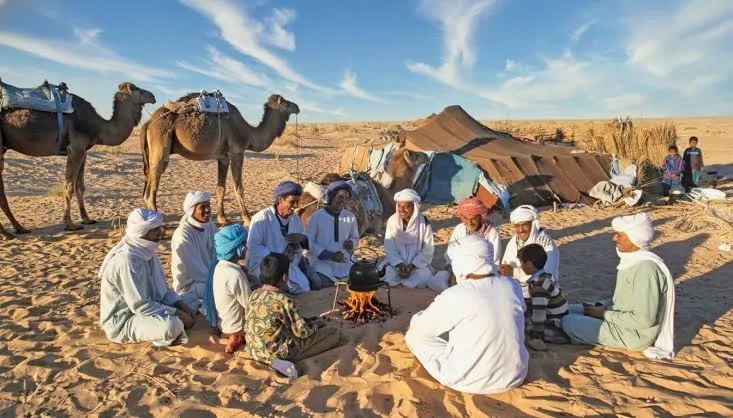
Hospitality is one of the most recognizable elements of Egyptian Bedouin culture. Welcoming guests with tea, food, conversation, and stories is an important part of many cultural experiences. In Nuweiba, for example, official tourism information describes evenings involving campfires, storytelling, poetry, traditional music, singing, and aromatic herbal tea. These simple gatherings can offer travelers a more personal understanding of desert communities than a conventional sightseeing stop.

Traditional food is another important part of a Bedouin village experience in Egypt. Depending on the location and tour, visitors may be served dishes prepared using chicken, lamb, potatoes, bread, herbs, rice, or other locally available ingredients. Traditional flatbread and tea are often part of the experience, while some desert camps prepare meals over charcoal or open fires. These meals are not simply attractions for tourists; they can demonstrate how food preparation, hospitality, and social gatherings are connected within desert communities.

Music, poetry, storytelling, traditional clothing, handicrafts, and family gatherings can also form part of Bedouin cultural experiences. Travelers should remember that Bedouin communities are living communities, not historical exhibits. Respectful photography, appropriate behavior, and genuine interest in local traditions are important when visiting.

For anyone interested in authentic cultural tourism in Egypt, spending time with Bedouin communities can provide a valuable perspective on the country’s diverse heritage beyond the famous archaeological sites and coastal resorts.
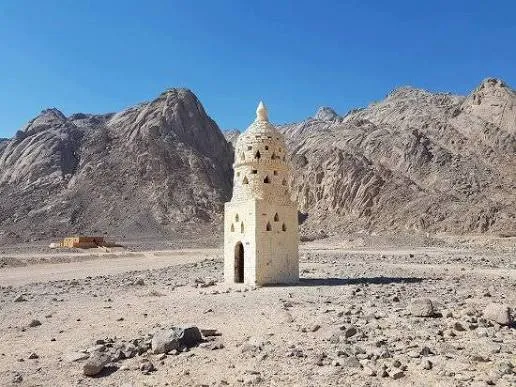
Bedouin Villages in the Egyptian Desert

3. Bedouin Villages in Sinai: A Unique Desert Culture

The Bedouin villages of Sinai offer one of the most fascinating opportunities to discover traditional desert culture in Egypt. The Sinai Peninsula is famous for its dramatic mountains, deep valleys, colorful canyons, sandy plains, and coastal landscapes, but its cultural heritage is equally important. For centuries, Bedouin communities have developed lifestyles closely connected to the desert environment, creating traditions that remain an important part of Sinai’s identity. Travelers visiting Bedouin villages in Sinai can experience a completely different side of Egypt, away from the busy streets of Cairo and the large resorts along the Red Sea coast.

South Sinai is particularly well known for its Bedouin communities, including areas surrounding Saint Catherine, Dahab, Nuweiba, and the Sinai Mountains. Each area offers different landscapes and cultural experiences. In some locations, visitors can travel through narrow mountain valleys before reaching a Bedouin settlement, while other experiences take place in traditional-style camps surrounded by desert mountains. These journeys are often combined with a Sinai desert safari, camel riding, traditional meals, and evening cultural activities.

One of the most memorable aspects of visiting a Bedouin village in Sinai is the opportunity to see how people have adapted to an extremely dry environment. Traditional knowledge of water sources, plants, animals, weather conditions, and mountain routes has historically been essential for survival in the desert. A local guide can explain how certain plants are used, how Bedouins navigate the mountains, and how communities traditionally travel between remote areas.

Bedouin hospitality in Sinai is another highlight. Visitors may be welcomed with traditional tea and invited to sit together in a tent or outdoor gathering area. Depending on the experience, there may be storytelling, poetry, traditional music, dancing, or a freshly prepared dinner. These moments create an atmosphere that feels very different from conventional sightseeing.

For travelers staying in Sharm El Sheikh, Dahab, or Nuweiba, a Bedouin village visit can be an excellent addition to a Red Sea vacation. It combines cultural tourism with desert adventure while allowing visitors to explore the landscapes beyond the coastline. A well-organized Sinai Bedouin experience can therefore become one of the most memorable activities for travelers interested in local culture, photography, history, and authentic desert landscapes.
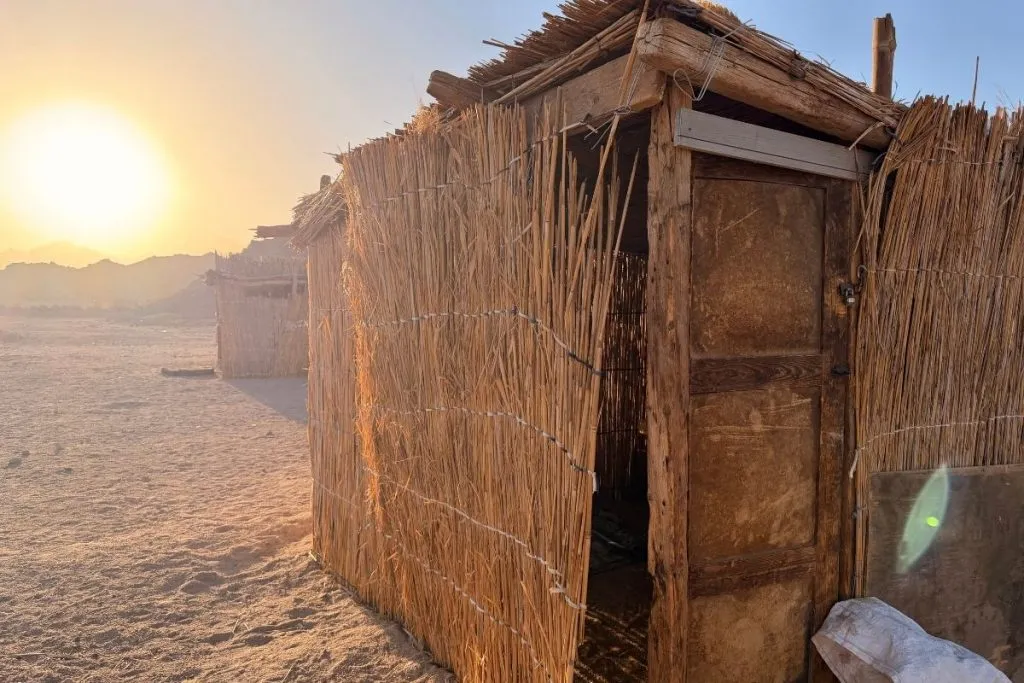
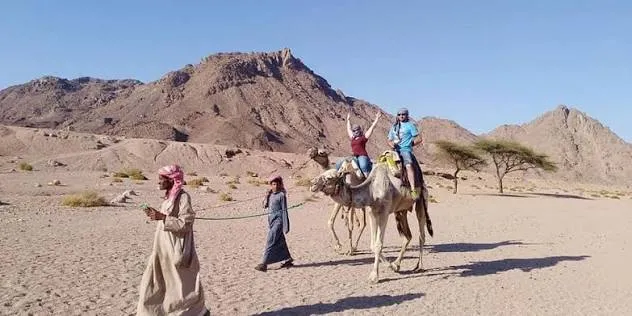
4. Bedouin Villages in the Eastern Desert and Red Sea

The Eastern Desert of Egypt stretches between the Nile Valley and the Red Sea and contains some of the country’s most spectacular desert scenery. Unlike the relatively flat landscapes that many visitors imagine when they hear the word desert, the Eastern Desert is dominated by rugged mountains, rocky valleys, ancient routes, and isolated settlements. This environment has been home to desert communities for generations and provides an ideal setting for experiencing Bedouin culture in the Red Sea Desert.

Popular Red Sea destinations such as Hurghada, El Gouna, Makadi Bay, Sahl Hasheesh, Soma Bay, Safaga, Marsa Alam, and Port Ghalib can serve as starting points for desert excursions. From these coastal resorts, travelers can travel inland by 4×4 vehicle toward mountain areas and Bedouin communities. Many Red Sea desert safari tours combine an off-road adventure with a cultural visit, giving tourists the chance to experience both the dramatic landscape and local traditions.

A typical Bedouin village tour from Hurghada or Marsa Alam may include transportation through the desert, a visit to a local community or desert camp, camel riding, traditional Bedouin tea, and an evening meal. Some experiences also include demonstrations of bread making, handicrafts, or traditional ways of preparing food. Depending on the location, travelers may learn about medicinal desert plants, local animals, and the importance of water in the Eastern Desert.

The mountains surrounding the Red Sea have also played an important role in Egypt’s history. Ancient routes crossed the Eastern Desert, connecting the Nile Valley with Red Sea ports and mineral resources. This historical landscape adds another layer to a Red Sea desert adventure, because travelers are exploring an environment that has been used by travelers, traders, miners, and local communities for thousands of years.

For visitors staying in Marsa Alam, the desert can be especially appealing because the city is surrounded by relatively remote landscapes and mountain areas. A trip away from the resort can reveal a quieter side of the Red Sea region, where desert scenery becomes the main attraction.

A responsible Bedouin village experience in the Eastern Desert should focus on respectful interaction with local residents and support local guides, food providers, artisans, and community businesses. Combining cultural tourism with sustainable desert travel allows visitors to enjoy an authentic experience while contributing to the communities that make these landscapes unique.

Bedouin Villages in the Egyptian Desert

5. What to Expect During a Bedouin Village Experience in Egypt

A visit to a Bedouin village in Egypt is usually designed as a cultural and desert adventure rather than a traditional sightseeing tour. The exact itinerary varies depending on the destination, but travelers can often expect a combination of desert safari, Bedouin culture, camel riding, traditional food, tea, local crafts, and desert landscapes. Understanding what to expect before the trip can help visitors prepare for the environment and enjoy the experience more comfortably.

Many tours begin with a 4×4 desert safari from a Red Sea resort or Sinai destination. The journey itself is often part of the adventure, as vehicles leave paved roads and travel across rocky desert tracks toward mountains or valleys. The landscape changes quickly, with coastal areas giving way to dry plains, rocky hills, and dramatic mountain formations.

After reaching the destination, visitors may have the opportunity to meet local Bedouin hosts and learn about their traditions. Traditional Bedouin tea is one of the most common parts of these experiences. Tea may be prepared with herbs or other local ingredients and served while guests sit together and talk. Depending on the tour, visitors may also see how traditional bread is prepared or learn about local plants and desert resources.

Camel riding in the Egyptian desert is another popular activity. Camels have historically played an important role in desert transportation, and riding one can provide a different perspective on the landscape. Travelers should follow the instructions of local guides and treat animals responsibly.

As evening approaches, some Bedouin desert tours in Egypt include dinner served in a traditional-style setting. Meals may feature grilled meat, rice, vegetables, bread, and other local dishes. Some tours also organize cultural performances, music, storytelling, or traditional dancing.

The final part of the experience can be especially memorable. Away from city lights, the Egyptian desert night sky can be incredibly clear, making desert camps attractive for stargazing in Egypt. Some excursions combine dinner with astronomy or simply allow visitors to relax around a campfire.

Travelers should bring comfortable clothing, closed shoes, sunscreen, water, and a light jacket for cooler desert evenings. Most importantly, visitors should approach the experience with respect and curiosity. A Bedouin village is not simply a tourist attraction; it represents living traditions and communities that deserve to be treated with dignity.

Bedouin Villages in the Egyptian Desert

6. Traditional Bedouin Food and Tea in the Egyptian Desert

One of the most enjoyable parts of visiting Bedouin villages in the Egyptian desert is discovering traditional food and the importance of hospitality. Food in Bedouin communities is closely connected to family gatherings, celebrations, welcoming guests, and the practical realities of desert life. During a Bedouin village tour in Egypt, travelers may have the opportunity to sit with local hosts, drink traditional tea, watch food being prepared, and enjoy a meal surrounded by mountains and desert landscapes.

Bedouin tea is often one of the first things visitors experience. Tea may be prepared with herbs or other ingredients and served hot, creating a welcoming moment after traveling through the desert. In some communities, tea preparation is part of the social experience rather than simply a drink. Sitting together, drinking tea, and talking provides travelers with an opportunity to interact with local people and learn about everyday life.

Traditional Bedouin food in Egypt varies between communities and regions, so there is no single menu that represents every Bedouin group. Depending on the location and tourism experience, visitors may enjoy freshly prepared bread, rice, vegetables, grilled chicken, lamb, potatoes, salads, and other locally prepared dishes. Some desert camps prepare meals over charcoal or traditional fires, adding an authentic atmosphere to the experience.

Bread can be particularly interesting because traditional bread-making demonstrates how simple ingredients can be transformed into an important part of a meal. Travelers may watch local women or cooks prepare dough and bake bread using traditional methods. These demonstrations can make a Bedouin cultural experience in Egypt more educational and personal.

Dinner is often served in a communal setting, allowing visitors to experience the social side of Bedouin hospitality. Instead of simply eating at a restaurant, guests may sit in a traditional-style tent or outdoor area while surrounded by the desert. Some evening experiences include music, storytelling, poetry, or traditional performances after dinner.

For travelers interested in Egyptian traditional food, a Bedouin village visit provides an opportunity to discover flavors and cooking traditions outside the major cities. However, visitors should remember that tourism experiences can vary significantly, and a staged cultural dinner is not necessarily identical to an ordinary meal in a local household.

Choosing a locally operated Bedouin desert tour can help ensure that the experience benefits people living in the region. Food, tea, guiding, transportation, crafts, and cultural activities can all contribute to local tourism income while allowing travelers to experience a memorable side of Egypt.

Bedouin Villages in the Egyptian Desert

7. Camel Riding and Desert Adventures in Bedouin Villages

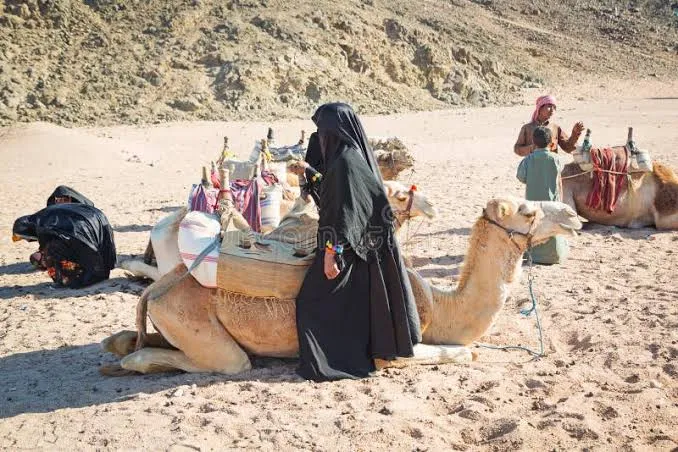
Camel riding in the Egyptian desert is one of the activities most commonly associated with a Bedouin village experience. Camels have historically been extremely important to desert communities because they are well adapted to arid environments and can travel long distances with limited water. Today, travelers can experience camel riding as part of many Egypt desert safari tours, particularly around Sinai and the Red Sea region.

A camel ride offers visitors a slower and more traditional way to explore the desert. Instead of traveling continuously by vehicle, travelers can sit on a camel and move through sandy or rocky landscapes while enjoying views of mountains, valleys, and open desert. The experience can be especially impressive around sunset, when the changing light creates dramatic colors across the landscape.

In Sinai, camel excursions may take place around mountain valleys and desert settlements near destinations such as Dahab, Nuweiba, and Saint Catherine. In the Eastern Desert, camel riding can be combined with 4×4 safaris from Red Sea resorts such as Hurghada and Marsa Alam. The exact route depends on local conditions, weather, regulations, and the tour operator.

A complete Bedouin desert safari in Egypt can include more than camel riding. Visitors may travel by 4×4 vehicle across desert tracks, stop at viewpoints, explore valleys, visit a Bedouin community, drink traditional tea, and enjoy a meal. Some tours also include short hikes or opportunities to photograph the mountains and desert.

Travelers should pay attention to responsible camel tourism. Choose operators that demonstrate good animal welfare practices, avoid overcrowded animals, and allow appropriate breaks. Visitors should also follow the instructions of experienced handlers, particularly when mounting or dismounting camels.

The best time for a camel ride is often early morning or later in the afternoon when temperatures are more comfortable, although schedules depend on the destination and tour. Desert temperatures can change considerably between daytime and nighttime, so appropriate clothing is important.

For families, couples, photographers, and adventure travelers, a camel ride in a Bedouin village can be a memorable part of an Egypt desert holiday. Combined with cultural activities, traditional food, and local interaction, it creates a broader experience that connects adventure with the history and traditions of desert communities.

8. Bedouin Handicrafts, Clothing, Music, and Traditional Arts

The cultural heritage of Bedouin villages in Egypt is expressed not only through food and hospitality but also through handicrafts, clothing, music, poetry, storytelling, and traditional arts. These creative traditions provide visitors with another way to understand the identity and history of desert communities. During a Bedouin cultural tour in Egypt, travelers may encounter handmade textiles, embroidered clothing, jewelry, decorative objects, woven products, and other crafts connected to local traditions.

Traditional Bedouin clothing in Egypt can vary significantly between communities and regions. Designs, colors, embroidery patterns, and accessories may carry cultural meaning and reflect local identity. In some areas of Sinai, colorful embroidered garments and handmade accessories are particularly associated with Bedouin heritage. Visitors may have the opportunity to see these items during cultural demonstrations or purchase locally produced handicrafts.

Bedouin handicrafts can also provide an important source of income for local artisans. Purchasing genuine locally made products directly from artisans or community-supported businesses can help preserve traditional skills while providing economic benefits to residents. Travelers should ask about the origin of products and choose authentic handmade items rather than mass-produced souvenirs presented as traditional crafts.

Music and storytelling are another important element of many Bedouin desert experiences. Evening gatherings may include traditional songs, rhythmic music, poetry, or stories connected to desert life. Storytelling has historically been an important way of sharing knowledge, memories, values, and community history, particularly in societies where oral traditions have played a major role.

For tourists, these performances can provide a fascinating introduction to Bedouin heritage in Sinai and the Red Sea Desert. However, cultural performances arranged specifically for visitors should be understood as tourism experiences rather than assuming that every element represents everyday modern Bedouin life.

Photography is also popular during cultural visits, especially when traditional clothing, handicrafts, mountain scenery, and desert sunsets create striking images. Nevertheless, visitors should always ask permission before photographing people, particularly women and families.

A responsible Egypt cultural tourism experience should encourage respect rather than turning traditions into stereotypes. Learning about the diversity of Bedouin communities, speaking with local guides, supporting local artisans, and purchasing authentic products can make a visit more meaningful.

By combining Bedouin crafts, traditional music, local food, desert landscapes, and storytelling, travelers can gain a deeper appreciation of Egypt’s living cultural heritage and discover an aspect of the country that goes far beyond its ancient monuments.

Bedouin Villages in the Egyptian Desert

9. Bedouin Village Tours from Hurghada, Marsa Alam, and Red Sea Resorts

For travelers staying along Egypt’s Red Sea coast, visiting a Bedouin village is an excellent way to experience the desert beyond the beaches and coral reefs. Popular resorts such as Hurghada, Makadi Bay, Sahl Hasheesh, Soma Bay, Safaga, El Gouna, Marsa Alam, and Port Ghalib provide access to the surrounding Eastern Desert, where travelers can combine a Red Sea desert safari with an introduction to Bedouin culture.

A typical Bedouin village tour from Hurghada begins with pickup from the hotel, followed by transportation toward the desert in a 4×4 vehicle or another suitable vehicle. Once away from the resort, the landscape quickly changes from developed coastal areas to open desert, rocky plains, and distant mountains. The journey itself becomes part of the adventure and gives visitors an opportunity to photograph the dramatic scenery of the Eastern Desert of Egypt.

Many excursions combine several activities into one experience. Travelers may enjoy a 4×4 desert safari, camel ride, Bedouin village visit, traditional tea, bread-making demonstration, dinner, and an evening cultural program. Some tours also include desert stargazing, particularly when the excursion continues after sunset.

From Marsa Alam and Port Ghalib, visitors can explore more remote sections of the Eastern Desert. The region is particularly attractive for travelers who want to combine their Red Sea vacation with nature, adventure, and cultural tourism. The surrounding mountains create a spectacular background for desert excursions, while local communities provide opportunities to learn about traditional desert life.

Travelers staying in Makadi Bay, Sahl Hasheesh, Soma Bay, or Safaga can also find desert experiences that include visits to Bedouin-style settlements or local communities. The exact activities differ between operators, so it is important to check whether a tour involves an actual community visit or a tourism camp designed to recreate aspects of Bedouin life.

Private tours can provide greater flexibility, especially for families and small groups. A private Bedouin village tour in Egypt may allow travelers to spend more time at the cultural site, choose a preferred departure time, and combine the experience with other desert attractions.

Whether starting from Hurghada, Marsa Alam, or another Red Sea resort, a Bedouin village excursion offers a valuable contrast to traditional beach tourism. It allows visitors to discover the Egyptian desert, Bedouin culture, mountain landscapes, traditional food, and local hospitality in one memorable journey.

Bedouin Villages in the Egyptian Desert

10. Best Time to Visit Bedouin Villages in the Egyptian Desert

Choosing the best time to visit Bedouin villages in Egypt can make a significant difference to the comfort and enjoyment of a desert experience. Egypt’s desert climate is generally dry, but temperatures can vary considerably throughout the year and between daytime and nighttime. Because many Bedouin village excursions take place outdoors, weather conditions should be considered carefully when planning a desert safari in Egypt.

The cooler months from approximately October to April are generally more comfortable for desert activities. During this period, daytime temperatures can be pleasant for traveling through the desert, riding camels, walking around villages, and exploring mountain landscapes. Evenings can become noticeably cooler, especially in mountainous areas such as Sinai, so travelers should bring a warm layer.

Winter in Egypt can be particularly attractive for travelers who want to combine a Bedouin village visit with sightseeing, desert adventures, and Red Sea activities. The days are often suitable for outdoor exploration, while the clear evening skies can create excellent conditions for desert stargazing.

Spring and autumn are also popular periods for Egypt desert tours. These seasons can provide a good balance between comfortable temperatures and long daylight hours. Travelers should still check local weather conditions before departure because desert environments can experience sudden changes in temperature and occasional strong winds.

Summer can be much hotter, especially during the middle of the day. Travelers visiting Hurghada, Marsa Alam, Sharm El Sheikh, or other Red Sea resorts during the summer may prefer tours that begin in the late afternoon. Sunset excursions can be especially enjoyable because temperatures become more manageable and the desert scenery takes on dramatic colors.

The best time of day also depends on the activities included in the tour. Early morning excursions are suitable for travelers who prefer cooler temperatures, while afternoon tours can combine desert activities with sunset and evening entertainment.

When preparing for a Bedouin village tour, travelers should wear lightweight, comfortable clothing, sunglasses, sunscreen, and comfortable shoes. A hat can provide useful protection from the sun, while a jacket or sweater is recommended for winter evenings.

Ultimately, the best time depends on the destination and individual preferences, but choosing a comfortable season and avoiding the hottest hours of the day can make a Bedouin desert experience in Egypt much more enjoyable.

Bedouin Villages in the Egyptian Desert

11. Responsible and Sustainable Tourism in Bedouin Communities

Visiting Bedouin villages in Egypt can be an enriching cultural experience, but responsible tourism is essential when traveling to communities that maintain distinctive traditions and lifestyles. Travelers should remember that Bedouin communities are not tourist attractions or museums. They are living communities with their own families, customs, economic activities, and social structures. A respectful approach can make the experience better for both visitors and local residents.

One of the best ways to support sustainable Bedouin tourism in Egypt is to choose tours that involve local guides, drivers, food providers, artisans, and community businesses. When tourism income remains within the destination, local residents can benefit directly from visitors. Buying authentic handicrafts directly from local artisans can also support traditional skills and provide additional income.

Respect for local customs is equally important. Visitors should dress appropriately for the destination, follow the instructions of local guides, and ask permission before photographing people. In particular, travelers should avoid photographing individuals without consent simply because they are wearing traditional clothing or participating in a cultural activity.

Environmental responsibility is also essential during a desert safari in Egypt. The desert may appear empty, but it contains fragile ecosystems and archaeological remains. Travelers should avoid leaving plastic, food waste, or other rubbish behind. They should stay on appropriate routes when required and avoid damaging plants, rocks, wildlife habitats, or archaeological sites.

Responsible tourism also means treating animals properly. If a tour includes camel riding, travelers should choose operators that demonstrate good animal welfare practices and avoid activities that appear to place animals under excessive stress.

Cultural authenticity is another important consideration. Some tourist camps recreate Bedouin environments specifically for visitors, while others have stronger connections to local communities. Neither type automatically provides a better experience, but travelers should understand what they are booking. Asking whether the tour visits a genuine local community, supports local residents, or takes place at a purpose-built cultural camp can help travelers make informed decisions.

Sustainable tourism can help protect both Bedouin heritage and the Egyptian desert environment. When visitors respect local people, support community businesses, reduce waste, and value cultural heritage, tourism can become a positive force rather than simply a commercial activity.

For anyone planning an authentic Bedouin village experience in Egypt, responsible travel should be considered part of the adventure. The goal is not only to see the desert but also to understand, respect, and help preserve the communities and traditions that make the desert culturally unique.

12. Why Visit a Bedouin Village in Egypt?

A visit to a Bedouin village in Egypt offers travelers an opportunity to discover a side of the country that is very different from the pyramids, temples, museums, and busy resort areas. While Egypt is internationally famous for its ancient civilization, the country’s living cultural heritage is equally fascinating. Bedouin communities in Sinai and the Eastern Desert have developed traditions, skills, and customs shaped by generations of life in some of the world’s most challenging environments. Experiencing this culture can add depth and meaning to an Egypt vacation.

One of the biggest attractions is the opportunity to combine Bedouin culture with an Egyptian desert adventure. Travelers can explore dramatic mountains and valleys, travel by 4×4 through desert landscapes, ride camels, drink traditional tea, taste local food, and enjoy an evening beneath the stars. These experiences provide a strong contrast to a typical beach holiday in Hurghada, Marsa Alam, Sharm El Sheikh, or another Red Sea resort.

A Bedouin village tour in Egypt can also be an excellent choice for travelers interested in photography. Desert mountains, traditional tents, camels, handmade crafts, sunset landscapes, and clear night skies provide numerous opportunities for memorable photographs. However, photographing local people should always be done respectfully and with permission.

The cultural experience is perhaps the most important reason to visit. Sitting with local hosts, learning about traditional desert life, listening to stories, discovering traditional food, and understanding how people adapted to the environment can create a much more personal connection with Egypt.

Whether you choose a Bedouin village tour from Hurghada, a Sinai desert safari from Sharm El Sheikh, a cultural experience near Dahab, or a desert adventure from Marsa Alam, the experience can become a memorable part of your trip.

The best experiences are those that combine adventure with genuine cultural respect. By choosing responsible operators, supporting local communities, respecting customs, and protecting the desert environment, travelers can enjoy an unforgettable Egypt Bedouin experience while contributing positively to the people and landscapes they visit.

For anyone looking beyond Egypt’s traditional tourist attractions, the Bedouin villages of the Egyptian desert offer an authentic opportunity to discover hospitality, traditions, food, crafts, mountains, and desert life in a completely different way.

Frequently Asked Questions About Bedouin Villages in Egypt

The most popular areas for Bedouin village experiences in Egypt include Sinai and the Eastern Desert near the Red Sea. Travelers can find cultural experiences around Saint Catherine, Dahab, Nuweiba, Sharm El Sheikh, Hurghada, Marsa Alam, and other desert destinations. The exact experience depends on the tour operator and local community.

A typical Bedouin village tour in Egypt may include a desert safari, camel riding, traditional Bedouin tea, local food, bread-making demonstrations, handicrafts, storytelling, music, and desert stargazing. Some tours combine several of these activities into a full-day or evening excursion.

Wear comfortable, lightweight clothing and comfortable closed shoes. Sunglasses, sunscreen, and a hat are useful during the daytime. If your tour includes an evening in the desert, particularly during the cooler months, bring a jacket or warm layer because desert temperatures can drop significantly after sunset.

Yes. Many Egypt desert safari and Bedouin village experiences can be suitable for families, although the activities should be selected according to the ages and comfort levels of children. Families should check the duration of the desert journey, camel riding arrangements, meal options, and transportation before booking.

The cooler months, generally from October to April, are often more comfortable for outdoor desert activities. Spring and autumn can also be excellent. During summer, travelers may prefer late-afternoon or sunset tours to avoid the hottest part of the day. Weather conditions can vary by destination, so checking the local forecast before traveling is recommended.