
Welcome to

Catacombs of Kom El Shoqafa: Alexandria's Underground Wonder

Hidden beneath the bustling streets of Alexandria lies one of Egypt’s most fascinating archaeological treasures, the Catacombs of Kom El Shoqafa. Often described as one of the most remarkable burial sites in the ancient world, this underground necropolis offers visitors a unique opportunity to explore a place where Egyptian, Greek, and Roman cultures blended together in extraordinary ways. As one of the most important historical sites in Egypt, the Catacombs of Kom El Shoqafa continue to captivate travelers, historians, and archaeologists from around the globe.

Alexandria has long been celebrated as one of the most influential cities in history. Founded by Alexander the Great in 331 BC, the city became a center of trade, learning, and cultural exchange. Over the centuries, different civilizations left their mark on Alexandria, creating a unique cultural identity unlike anywhere else in the Mediterranean world. The Catacombs of Kom El Shoqafa perfectly reflect this rich multicultural heritage. Unlike traditional Egyptian tombs or purely Roman burial sites, the catacombs combine artistic and architectural elements from several civilizations, making them one of the most distinctive archaeological attractions in Egypt tourism.

The name “Kom El Shoqafa” translates roughly to “Mound of Shards,” referring to the piles of broken pottery that once accumulated above the site. Ancient visitors often brought food and drink offerings to honor their deceased relatives, leaving behind large numbers of ceramic vessels that eventually formed noticeable mounds on the ground above the catacombs. This seemingly simple detail provides valuable insight into the funerary customs practiced by Alexandria’s ancient inhabitants.

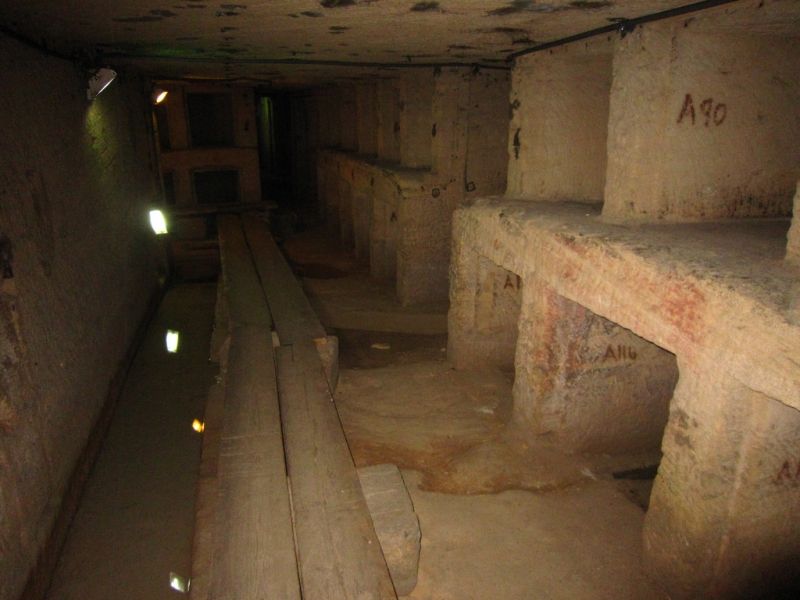
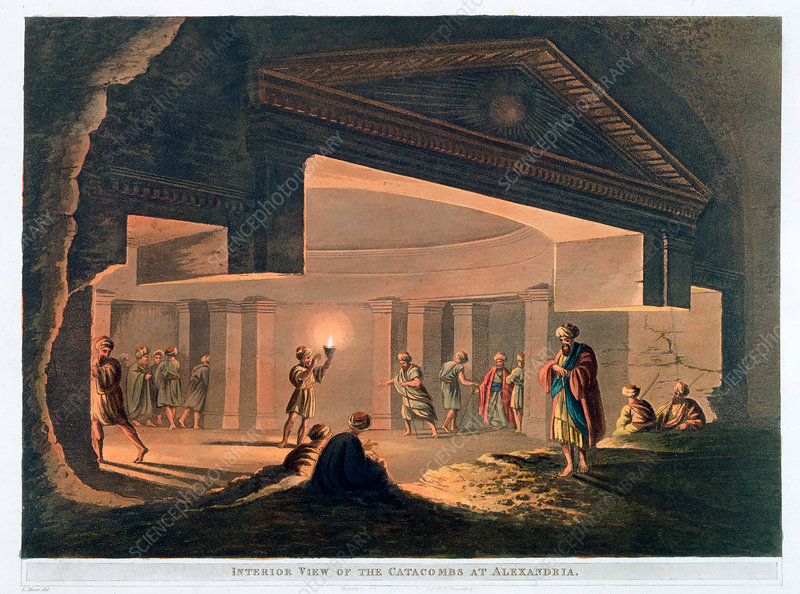
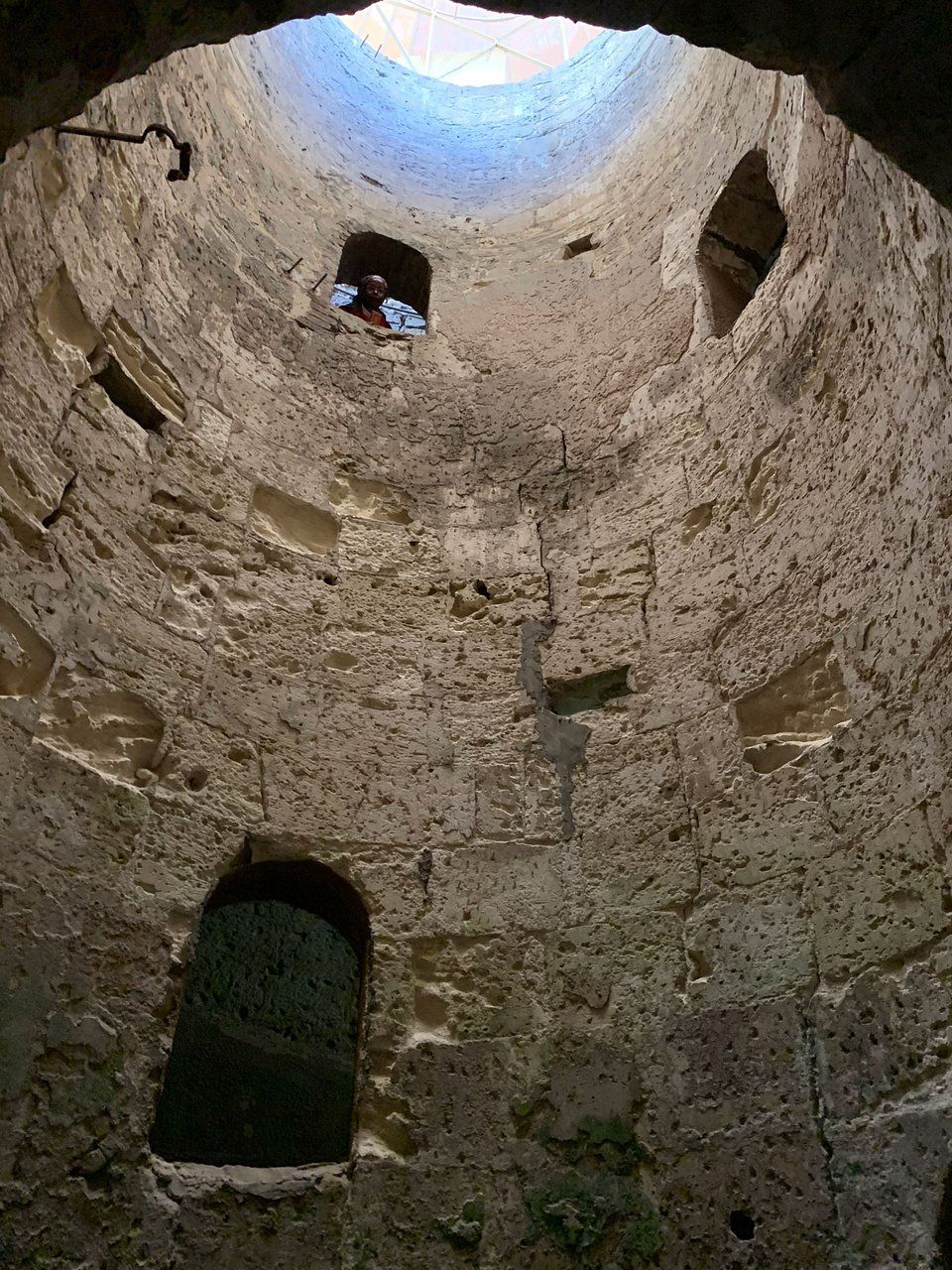
The catacombs were originally constructed during the second century AD and served as a family tomb before expanding into a much larger burial complex. Today, visitors descend deep underground through a spiral staircase into a labyrinth of chambers, corridors, tombs, and ceremonial halls. Along the way, they encounter extraordinary carvings, sculptures, and decorative motifs that showcase the fusion of Egyptian religious traditions with Greco-Roman artistic influences.

Recognized as one of the Seven Wonders of the Middle Ages by some historical writers, the Catacombs of Kom El Shoqafa remain among the best places to visit in Egypt for travelers interested in archaeology, history, and ancient civilizations. Whether included in a broader Egypt itinerary or explored as part of a day tour of Alexandria, this remarkable underground monument provides an unforgettable glimpse into a unique chapter of Egypt’s past.

As you explore this comprehensive Egypt travel guide to the Catacombs of Kom El Shoqafa, you will discover the site’s fascinating history, architectural features, visitor information, travel tips, nearby attractions, and everything needed to plan a memorable visit to one of Alexandria’s most extraordinary landmarks.

Overview of the Catacombs of Kom El Shoqafa

The Catacombs of Kom El Shoqafa are among the most extraordinary archaeological sites in Alexandria and one of the most intriguing underground attractions in Egypt. Located in the historic Karmouz district, this vast necropolis offers visitors a rare opportunity to explore a burial complex that reflects the cultural diversity of ancient Alexandria during the Roman period. The site is widely regarded as one of the finest examples of cultural fusion in the ancient world, where Egyptian, Greek, and Roman influences coexist in a single monument.

Dating back to the second century AD, the catacombs were originally created as a private family tomb. Over time, the complex expanded to accommodate additional burials, eventually becoming one of the largest known Roman burial sites in Egypt. Today, visitors descend beneath the city through a remarkable spiral staircase that leads into a network of chambers, passageways, and tombs carved deep into the bedrock.

What makes the Catacombs of Kom El Shoqafa particularly special is their unique atmosphere. Unlike Egypt’s grand temples and pyramids, this site offers a more intimate and mysterious experience. The underground setting, dimly lit corridors, and intricate carvings create a sense of discovery that fascinates travelers from around the world. Every chamber reveals another layer of Alexandria’s rich and complex history.

The catacombs have become an essential stop for visitors interested in archaeology, ancient civilizations, and Egypt tourism. Their combination of artistic beauty, historical significance, and unusual architecture makes them one of the best places to visit in Egypt. Whether explored independently or with a knowledgeable guide, the site offers a memorable journey into a lesser-known chapter of Egyptian history.
History and Historical Significance

The history of the Catacombs of Kom El Shoqafa reflects the multicultural character that made Alexandria one of the most important cities of the ancient world. During the Roman period, Alexandria served as a thriving center of commerce, learning, and cultural exchange. People from different ethnic and religious backgrounds lived side by side, influencing one another’s traditions, beliefs, and artistic styles. The catacombs provide some of the clearest evidence of this remarkable cultural interaction.

Construction of the burial complex began during the second century AD, most likely as a tomb for a wealthy Alexandrian family. As generations passed, additional chambers and burial niches were added, transforming the site into an extensive underground necropolis. The tomb remained in use for many years, serving members of Alexandria’s elite during the Roman era.

The site remained hidden for centuries until its accidental rediscovery in 1900. According to local accounts, a donkey fell through the ground into the underground chambers, leading to the excavation and eventual archaeological investigation of the site. This unexpected discovery revealed one of the most important burial monuments in Roman Egypt.

The historical significance of the catacombs lies in their unique blend of cultural influences. Egyptian religious symbols appear alongside Roman architectural designs and Greek artistic elements, demonstrating how different traditions merged within Alexandrian society. The site provides valuable insight into burial customs, religious beliefs, and artistic practices during a period when Egypt was part of the Roman Empire.

Today, the Catacombs of Kom El Shoqafa are considered one of the most important historical sites in Egypt. They offer scholars and visitors alike a deeper understanding of Alexandria’s role as a crossroads of civilizations and remain one of the city’s most treasured archaeological landmarks.
Architecture and Unique Design Features

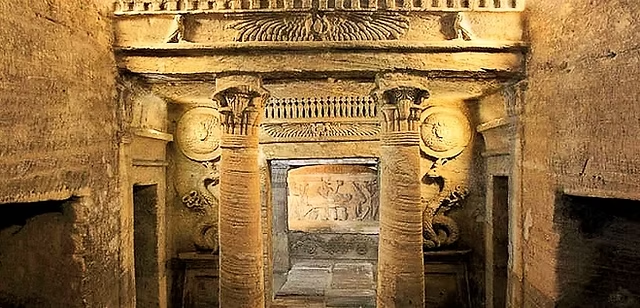
The architecture of the Catacombs of Kom El Shoqafa is unlike any other burial site in Egypt. The complex showcases a remarkable fusion of Egyptian, Greek, and Roman artistic traditions, creating a style that is uniquely Alexandrian. This blend of influences is evident throughout the site, from the decorative carvings and statues to the layout of the underground chambers.

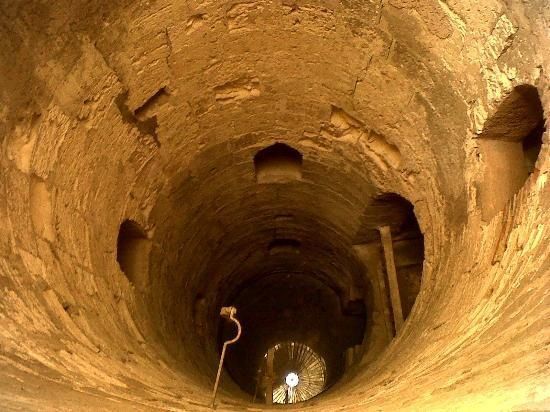
Visitors begin their journey by descending a large spiral staircase that once allowed funeral processions to enter the tomb. This impressive architectural feature leads to multiple underground levels connected by corridors and chambers carved directly into the rock. The design demonstrates the advanced engineering skills possessed by Alexandria’s ancient builders.

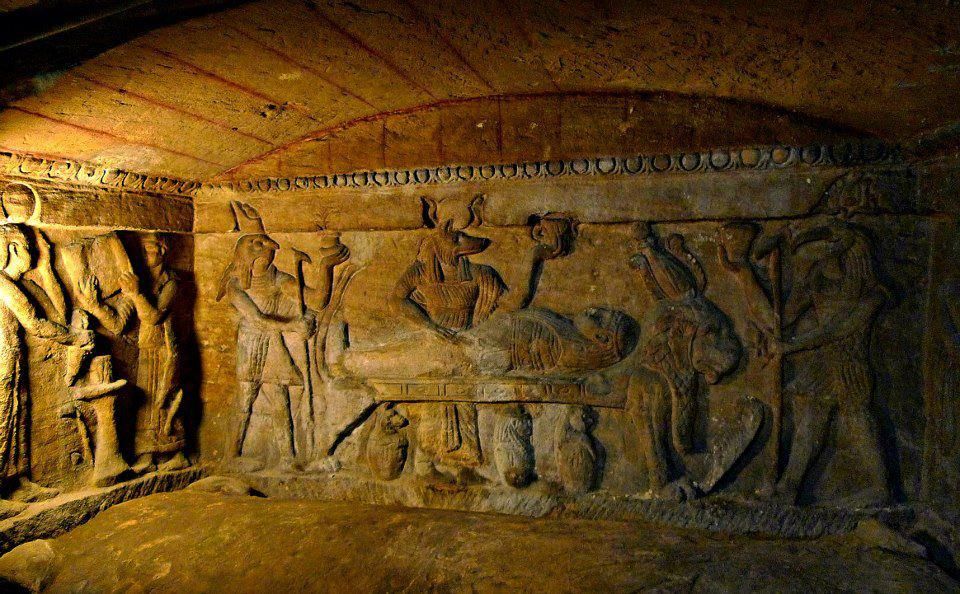
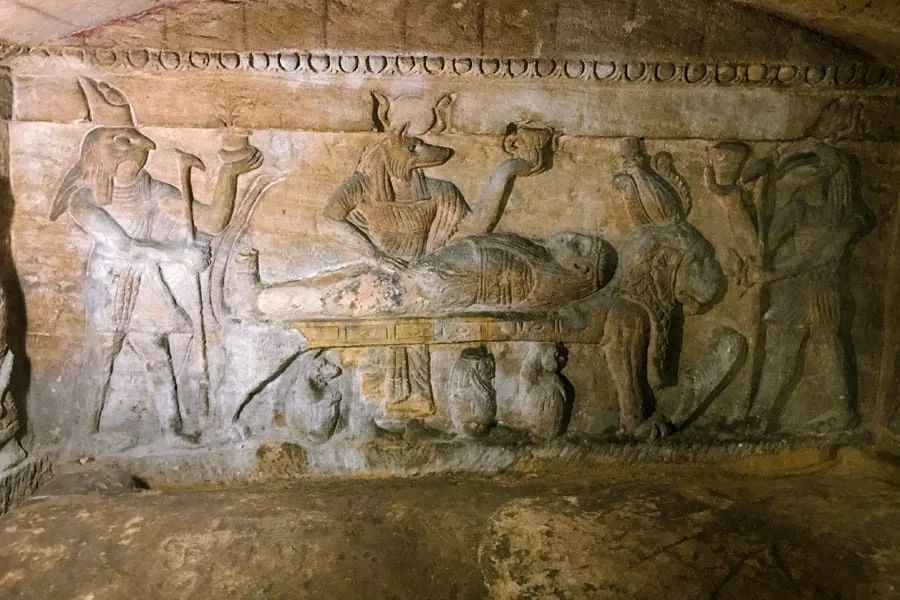
The most spectacular part of the complex is the central burial chamber. Here, visitors encounter elaborate reliefs depicting Egyptian deities such as Anubis and Horus, but portrayed with distinct Roman stylistic influences. These unusual artistic combinations create some of the most fascinating images found anywhere in Egypt. The result is a visual representation of the cultural blending that characterized Roman Alexandria.

One of the site’s most famous features is the Hall of Caracalla, a chamber believed to contain the remains of individuals and animals associated with the reign of the Roman Emperor Caracalla. This area adds another layer of historical intrigue to the monument and continues to attract scholarly interest.

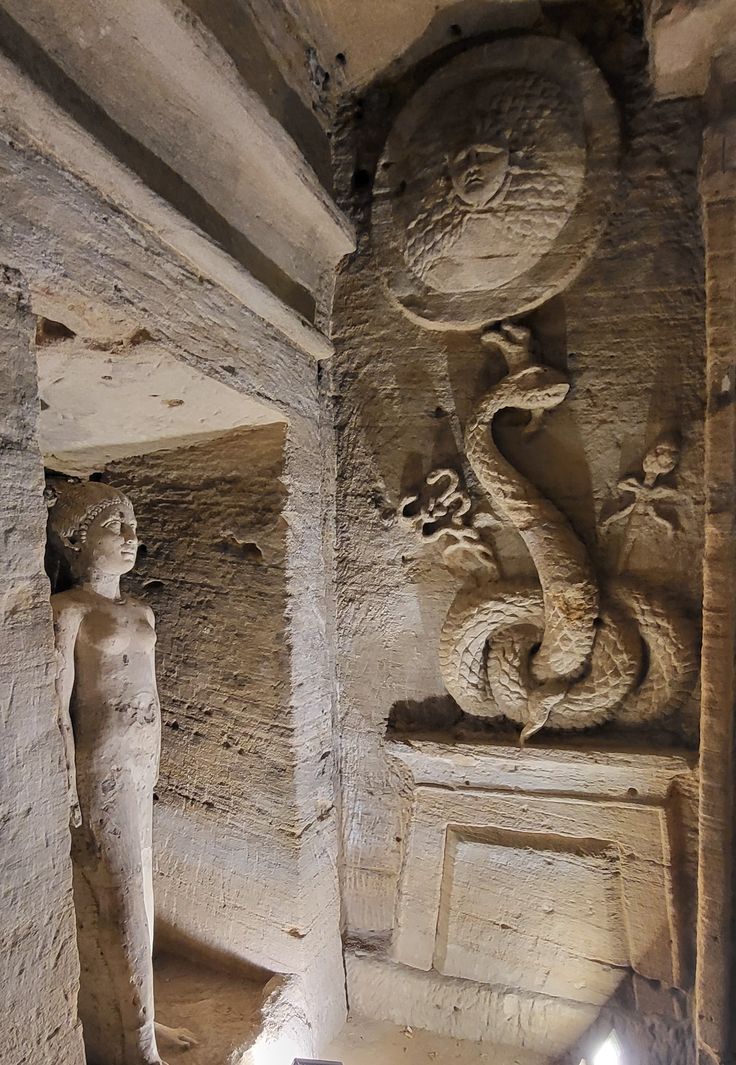
Throughout the catacombs, visitors can admire finely carved columns, sculpted niches, ceremonial halls, and decorative elements that reveal exceptional craftsmanship. Despite being underground, the complex possesses a sense of grandeur that rivals many above-ground monuments. The unique architectural style found within the Catacombs of Kom El Shoqafa makes the site one of the most distinctive archaeological attractions in Egypt and a highlight of any Egypt travel guide.
Why the Catacombs of Kom El Shoqafa Are Famous

The Catacombs of Kom El Shoqafa are famous for being one of the most unique archaeological sites in Egypt and one of the finest surviving examples of cultural fusion in the ancient world. Unlike traditional Egyptian tombs or Roman burial complexes, the catacombs combine architectural styles, religious symbolism, and artistic traditions from multiple civilizations. This extraordinary blend makes the site unlike any other attraction in Egypt.

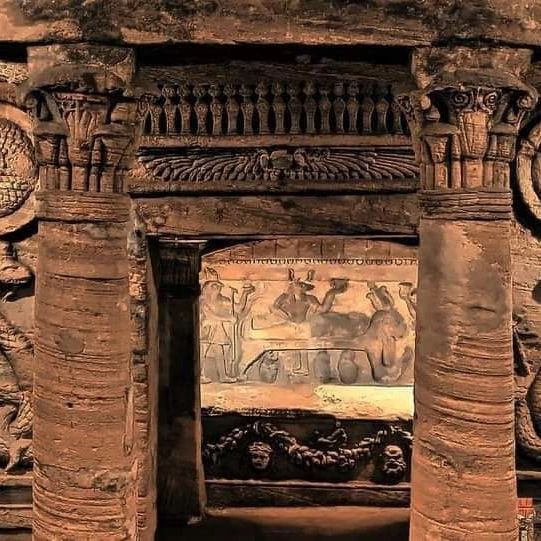
One of the main reasons for its international reputation is the remarkable way Egyptian, Greek, and Roman influences coexist throughout the monument. Visitors can see Egyptian gods depicted in Roman clothing, Greek-inspired decorative motifs alongside traditional Egyptian funerary symbols, and Roman architectural features incorporated into a distinctly Egyptian burial environment. This combination reflects the multicultural society that flourished in Alexandria during the Roman era.

The catacombs are also renowned for their underground setting. Descending beneath the modern city into a network of ancient chambers creates a sense of mystery and adventure that few archaeological sites can match. The atmosphere of the monument is dramatically different from Egypt’s famous temples and pyramids, offering visitors a completely different perspective on the country’s rich heritage.

Historians and travel writers have long recognized the importance of the site. The Catacombs of Kom El Shoqafa are sometimes listed among the Seven Wonders of the Middle Ages due to their historical significance and architectural uniqueness. Today, they remain one of the most visited attractions in Alexandria and continue to rank among the best places to visit in Egypt for travelers interested in archaeology and ancient civilizations.

Their combination of artistic beauty, historical value, and unusual design ensures that the catacombs remain one of the most memorable highlights of any Egypt vacation.

UNESCO Status and Cultural Importance

Although the Catacombs of Kom El Shoqafa are not currently designated as a UNESCO World Heritage Site, they are widely recognized as one of Egypt’s most significant archaeological treasures. The monument holds immense cultural and historical value because it preserves evidence of a unique period when multiple civilizations interacted and influenced one another within the city of Alexandria.

The catacombs provide a rare glimpse into everyday life, religious beliefs, and funerary practices during the Roman occupation of Egypt. Unlike the grand monuments associated with the pharaohs, this site reveals how ordinary members of Alexandria’s wealthy classes chose to honor and bury their dead. The artistic and architectural details preserved within the complex offer invaluable insight into the cultural identity of Roman Alexandria.

Archaeologists consider the site especially important because it demonstrates how ancient societies adapted and merged traditions over time. The fusion of Egyptian religious symbolism with Greek and Roman artistic styles illustrates the remarkable cultural diversity that existed in Alexandria for centuries. Few monuments in the Mediterranean world showcase this level of integration as clearly as the Catacombs of Kom El Shoqafa.

Ongoing conservation efforts continue to protect the site from environmental damage and the effects of urban development. Preservation projects have helped maintain the integrity of the chambers, sculptures, and reliefs while allowing visitors to safely explore the monument.

For travelers following an Egypt itinerary focused on culture and history, the catacombs represent an essential destination. Their historical significance extends beyond Egypt itself, providing valuable evidence of cultural interaction throughout the ancient Mediterranean world.

Location and How to Get There

The Catacombs of Kom El Shoqafa are located in the Karmouz district of Alexandria, southwest of the city center. Their central location makes them easily accessible from many of Alexandria’s major attractions, allowing visitors to include the site as part of a comprehensive sightseeing itinerary.

Travelers arriving from Cairo can reach Alexandria by train, private vehicle, or tourist coach. The journey generally takes between two and three hours, making Alexandria one of the most popular day-trip destinations from the Egyptian capital. Many organized tours combine the catacombs with other famous landmarks, creating a convenient option for first-time visitors.

Once in Alexandria, reaching the site is relatively simple. Taxis, ride-hailing services, and private transportation are widely available throughout the city. Because the catacombs are one of Alexandria’s best-known tourist attractions, most drivers are familiar with the location. Visitors staying near the Corniche or in central Alexandria can usually reach the site within a short drive.

The surrounding neighborhood offers a glimpse into everyday life in Alexandria, providing an interesting contrast to the ancient monument hidden beneath the streets. Nearby roads connect easily to other important attractions, including Pompey’s Pillar, the Roman Amphitheatre, and the Bibliotheca Alexandrina.

Many travelers choose to visit the Catacombs of Kom El Shoqafa alongside several nearby historical landmarks during the same day. This approach allows visitors to gain a broader understanding of Alexandria’s diverse heritage while making the most of their time in the city.

Thanks to its convenient location and historical significance, the catacombs remain one of the most accessible and rewarding attractions in Alexandria and a must-see destination for anyone planning to travel to Egypt.

Opening Hours and Ticket Information

The Catacombs of Kom El Shoqafa are open to visitors throughout the year and remain one of Alexandria’s most popular archaeological attractions. Their accessibility and central location make them a convenient stop for travelers exploring the city’s rich historical heritage. Whether visiting Alexandria as part of a day trip from Cairo or a longer Egypt vacation, the catacombs can easily be included in a well-planned sightseeing itinerary.

Opening hours may vary depending on seasonal schedules, public holidays, restoration projects, or special events. Visitors are encouraged to verify the latest operating hours before their visit to ensure a smooth experience. Checking current information through official tourism authorities or licensed tour operators is always recommended.

Admission fees are generally affordable and provide excellent value considering the site’s archaeological significance. Separate ticket categories may apply for Egyptian citizens, foreign visitors, students, and children. Since ticket prices occasionally change, travelers should confirm the latest official rates before arriving.

Many visitors choose to explore the site with a professional guide who can explain the symbolism of the carvings, the history of Roman Alexandria, and the significance of the various chambers within the complex. Guided visits often enhance the overall experience by helping visitors understand details that might otherwise be overlooked.

Because the catacombs are located underground, visitor numbers may be regulated during particularly busy periods to ensure safety and preserve the monument. Arriving early in the day often allows for a more relaxed and enjoyable visit.

Best Time to Visit and Weather Considerations

The Catacombs of Kom El Shoqafa can be visited at any time of the year thanks to Alexandria’s relatively mild Mediterranean climate. Unlike many outdoor attractions in Egypt that can become extremely hot during summer, the underground nature of the catacombs helps maintain a cooler environment throughout much of the year.

The most comfortable months for visiting Alexandria generally fall between October and April. During this period, temperatures are moderate and ideal for exploring both indoor and outdoor attractions. Visitors can comfortably combine the catacombs with nearby historical sites without having to contend with intense summer heat.

Spring and autumn are particularly attractive seasons because of their pleasant weather and moderate tourist crowds. The city enjoys refreshing sea breezes that make sightseeing more enjoyable, especially when exploring attractions along the waterfront after visiting the catacombs.

Summer remains a popular travel season despite higher temperatures. While the underground chambers provide relief from the heat, travelers should still plan accordingly when visiting outdoor attractions before or after their tour. Early morning visits are often recommended during warmer months to maximize comfort and avoid larger crowds.

Winter in Alexandria is generally mild compared to many European destinations. Occasional rainfall may occur, but it rarely disrupts travel plans significantly. Because the catacombs are largely protected from weather conditions, they remain an excellent attraction regardless of seasonal changes.

Choosing the right time to visit can greatly enhance the overall experience, allowing travelers to fully appreciate one of the most fascinating historical sites in Egypt while also enjoying the wider attractions of Alexandria.

Photography Opportunities and Things to See Inside

The Catacombs of Kom El Shoqafa offer a fascinating visual experience that differs dramatically from Egypt’s famous temples and pyramids. The underground environment creates a unique atmosphere filled with mystery, history, and architectural beauty. Every chamber reveals intricate details that reflect the artistic and cultural diversity of ancient Alexandria.

Visitors entering the monument descend through a remarkable spiral staircase that immediately sets the tone for the journey ahead. This impressive feature remains one of the most photographed sections of the site and provides a striking introduction to the underground complex.

Inside the catacombs, travelers encounter a series of corridors, burial chambers, ceremonial halls, and sculpted niches. The Main Tomb is considered the architectural centerpiece of the complex. Here, visitors can admire elaborate reliefs depicting Egyptian deities such as Anubis and Horus rendered with Roman artistic influences. These unusual representations highlight the cultural fusion that makes the site so distinctive.

Another significant area is the Hall of Caracalla, which contains archaeological evidence linked to the reign of the Roman Emperor Caracalla. This chamber provides valuable insight into a turbulent period of Alexandria’s history and remains one of the most intriguing parts of the monument.

The decorative details throughout the site are particularly impressive. Carved columns, sculpted figures, funerary symbols, and architectural embellishments reveal the exceptional craftsmanship of the ancient artisans who created the complex. The interplay of shadows and stone surfaces creates a dramatic visual environment that many visitors find unforgettable.

Photography policies may vary over time, especially regarding flash photography and professional equipment. Visitors should check current regulations before taking photographs. Even when photography restrictions apply, the experience of exploring the catacombs remains extraordinary, offering countless opportunities to appreciate one of the most unique archaeological attractions in Egypt.

Hidden Gems and Interesting Facts About the Catacombs of Kom El Shoqafa

The Catacombs of Kom El Shoqafa contain many fascinating details that visitors often discover only after exploring the site more closely. One of the most intriguing facts is the origin of the name itself. “Kom El Shoqafa” translates to “Mound of Shards,” a reference to the large quantities of broken pottery that once accumulated above the burial complex. Ancient visitors brought food and drink offerings to honor deceased family members and would often leave behind the empty vessels, gradually creating a mound of ceramic fragments over the centuries.

Another remarkable aspect of the catacombs is their accidental rediscovery in 1900. According to local accounts, a donkey unexpectedly fell through the ground into the underground chambers, leading to the identification of one of Alexandria’s most important archaeological sites. This unusual story remains one of the most famous archaeological discoveries in Egypt.

Visitors are often surprised by the degree of cultural blending visible throughout the monument. Statues, reliefs, and decorative elements combine Egyptian religious beliefs with Greek artistic traditions and Roman architectural styles. This unique mixture is rarely seen elsewhere in Egypt and reflects Alexandria’s role as a multicultural center during antiquity.

The site also extends deeper underground than many travelers expect. Archaeologists believe portions of the complex may remain inaccessible due to groundwater levels, suggesting that some secrets of the catacombs may still lie hidden beneath the city. These mysteries continue to attract researchers and historians who seek to better understand Alexandria’s ancient past.

Every chamber within the catacombs tells a story, making the monument one of the most captivating and mysterious historical sites in Egypt.

Nearby Attractions Worth Visiting

The Catacombs of Kom El Shoqafa are located near several of Alexandria’s most important historical landmarks, making it easy for visitors to create a full day of cultural exploration. Because many of the city’s major attractions are situated within a relatively short distance of one another, travelers can experience multiple periods of history during a single excursion.

One of the closest attractions is Pompey’s Pillar, one of the most famous Roman monuments in Egypt. Rising high above the surrounding landscape, this impressive granite column has become one of Alexandria’s most recognizable landmarks and provides valuable insight into the city’s Roman heritage.

Another important destination is the Roman Amphitheatre, where visitors can explore the remains of an ancient performance venue that once hosted public gatherings and entertainment events. The site offers a fascinating glimpse into daily life during the Roman period.

The world-renowned Bibliotheca Alexandrina is also a popular stop for travelers. Inspired by the legendary ancient Library of Alexandria, the modern complex serves as a major center for culture, education, and research. Its museums, exhibitions, and architectural design make it one of the city’s most impressive modern attractions.

Travelers interested in coastal scenery can enjoy a walk along the Alexandria Corniche, a beautiful waterfront promenade that stretches beside the Mediterranean Sea. The area offers excellent views, cafés, and opportunities to experience the atmosphere of the city.

Many visitors also choose to include the Citadel of Qaitbay in their itinerary. This historic fortress stands on the site of the ancient Lighthouse of Alexandria and is considered one of the most iconic Egyptian landmarks. Together, these attractions create a comprehensive Alexandria experience that showcases the city’s rich and diverse heritage.

Conclusion

The Catacombs of Kom El Shoqafa stand among the most extraordinary archaeological treasures in Egypt and offer visitors a fascinating journey into the multicultural history of ancient Alexandria. Unlike any other burial site in the country, the catacombs showcase a remarkable fusion of Egyptian, Greek, and Roman traditions, reflecting the unique cultural environment that flourished in Alexandria during the Roman era.

From the moment visitors descend the famous spiral staircase, they are transported into a hidden world of elaborate tombs, ceremonial chambers, sculpted reliefs, and architectural masterpieces carved deep beneath the city. Every corridor and chamber reveals another chapter of Alexandria’s rich past, making the site an unforgettable destination for history enthusiasts, archaeology lovers, and curious travelers alike.

The Catacombs of Kom El Shoqafa are far more than an ancient burial complex. They provide valuable insight into the religious beliefs, artistic achievements, and daily lives of the people who once lived in one of the Mediterranean’s most influential cities. Their historical significance and exceptional preservation have earned them a place among the most important historical sites in Egypt.

Whether included in a broader Egypt itinerary or explored as part of a day trip through Alexandria, the catacombs offer a unique perspective on Egypt’s heritage that complements visits to the country’s more famous temples, pyramids, and monuments. For travelers seeking a deeper understanding of Egypt’s diverse history, the Catacombs of Kom El Shoqafa remain one of the best places to visit in Egypt and an essential stop on any journey through Alexandria.

Catacombs of Kom El Shoqafa : Frequently Asked Questions

The Catacombs of Kom El Shoqafa are an ancient underground burial complex located in Alexandria, Egypt. They date back to the second century AD and combine Egyptian, Greek, and Roman architectural and artistic influences.

The site is famous for its unique blend of cultures, impressive underground architecture, and historical importance as one of the largest Roman burial complexes discovered in Egypt.

The catacombs are located in the Karmouz district of Alexandria, southwest of the city center and close to several major historical attractions.

Most visitors spend between one and two hours exploring the underground chambers, tombs, and archaeological features.

Yes, families can visit the site, although parents should be aware that visitors must descend stairs and navigate underground passageways.