
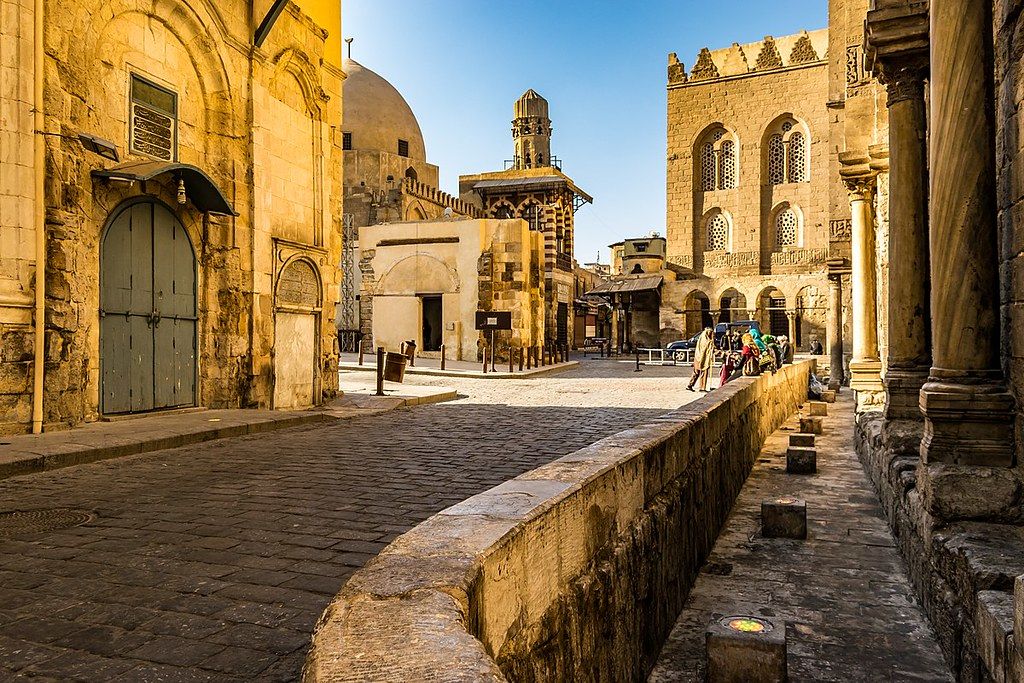
Welcome to

7-Day Egypt Itinerary for First-Time Travelers

Egypt is one of the most fascinating destinations in the world, offering a remarkable blend of ancient history, vibrant culture, breathtaking landscapes, and unforgettable experiences. For first-time visitors, planning the perfect itinerary can be challenging because the country is home to countless attractions spread across different regions. Fortunately, seven days is enough time to experience many of Egypt’s most iconic highlights while maintaining a comfortable pace and avoiding an overly rushed schedule.

A well-planned week allows travelers to explore the country’s most famous historical landmarks, discover the wonders of Ancient Egypt, enjoy the beauty of the Nile River, and experience local culture firsthand. While a longer trip provides opportunities to explore additional destinations, a seven-day itinerary offers an excellent introduction to Egypt and covers many of the attractions that make the country one of the world’s most popular travel destinations.

This itinerary focuses on Cairo, Luxor, and Aswan, three destinations that collectively showcase the best of Egypt. Cairo introduces visitors to the legendary Pyramids of Giza, world-class museums, historic neighborhoods, and modern Egyptian life. Luxor is home to some of the most extraordinary archaeological sites ever discovered, including royal tombs and magnificent temples. Aswan provides a more relaxed atmosphere, beautiful Nile scenery, and access to unique cultural and historical experiences.

One of the advantages of a seven-day itinerary is efficiency. By combining domestic flights with carefully planned sightseeing days, travelers can maximize their time while minimizing long travel periods. The schedule also balances major attractions with opportunities to relax and enjoy the atmosphere of each destination.

Whether you are traveling independently, with family, as a couple, or as part of a guided tour, this itinerary provides a memorable introduction to Egypt’s incredible history and culture. It is designed specifically for first-time visitors who want to experience the country’s most famous attractions while maintaining a comfortable and enjoyable travel pace.

1. Why Choose a 7-Day Egypt Itinerary?

A 7-day itinerary is an excellent choice for first-time travelers who want to experience Egypt’s most famous attractions without requiring an extended vacation. While Egypt offers enough historical sites, cultural experiences, and natural wonders to fill several weeks of travel, one week is sufficient to visit many of the country’s highlights and gain a meaningful introduction to its rich heritage.

One of the biggest advantages of a seven-day trip is efficiency. By focusing on Cairo, Luxor, and Aswan, visitors can explore three of Egypt’s most important destinations while minimizing unnecessary travel time. These cities showcase different aspects of the country, from the iconic pyramids and museums of Cairo to the extraordinary temples and tombs of Upper Egypt.

A well-organized week also provides a comfortable balance between sightseeing and relaxation. Rather than attempting to visit every attraction, travelers can focus on the most significant landmarks while still enjoying local culture, traditional cuisine, and the beauty of the Nile River. This approach often creates a more enjoyable and memorable experience.

Another benefit is flexibility. Visitors can customize portions of the itinerary according to their interests. History enthusiasts may spend additional time at archaeological sites, while others may choose cultural experiences, local markets, or scenic Nile activities.

For travelers with limited vacation time, a seven-day itinerary offers one of the best introductions to Egypt. It covers the country’s most famous attractions, provides a glimpse into its fascinating history, and leaves visitors inspired to return for future adventures.
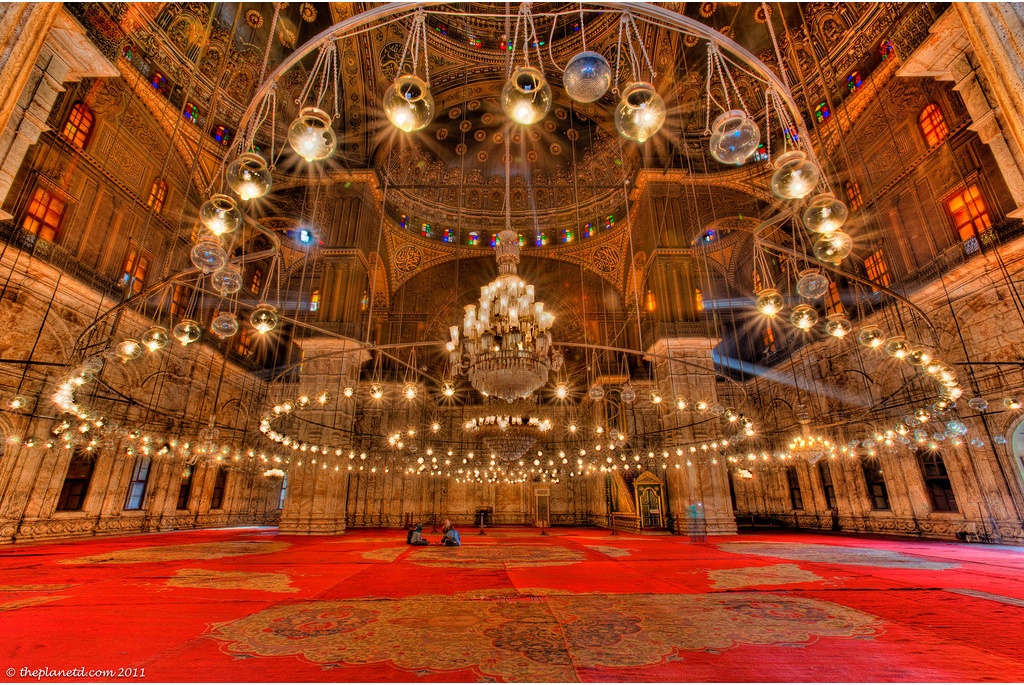
mohamed ali mosque cairo 2

2. Day 1: Arrive in Cairo

The first day of your Egyptian adventure begins with arrival in Cairo, the country’s capital and largest city. As the gateway to many of Egypt’s most famous attractions, Cairo provides the perfect introduction to the nation’s rich history, vibrant culture, and energetic atmosphere.

After arriving at Cairo International Airport, travelers can transfer to their hotel and take time to settle in after the journey. Depending on arrival schedules, the remainder of the day is usually best spent relaxing and becoming familiar with the local surroundings. This allows visitors to recover from travel and prepare for the busy sightseeing days ahead.

Many travelers choose to spend their first afternoon enjoying a leisurely walk, exploring the area near their hotel, or dining at a local restaurant. This provides an opportunity to experience the city’s unique character while enjoying an introduction to Egyptian cuisine. Traditional dishes such as koshari, grilled meats, and local desserts offer a memorable start to the trip.

For those staying near the Nile River, an evening stroll or dinner with river views can provide a relaxing introduction to Cairo. The city’s combination of modern development, historic architecture, and bustling streets immediately reveals why it remains one of the most fascinating urban centers in the Middle East.

The first day is intentionally relaxed because the itinerary becomes more active in the days ahead. A good night’s rest and proper preparation help ensure visitors are ready to fully enjoy the incredible experiences that await.
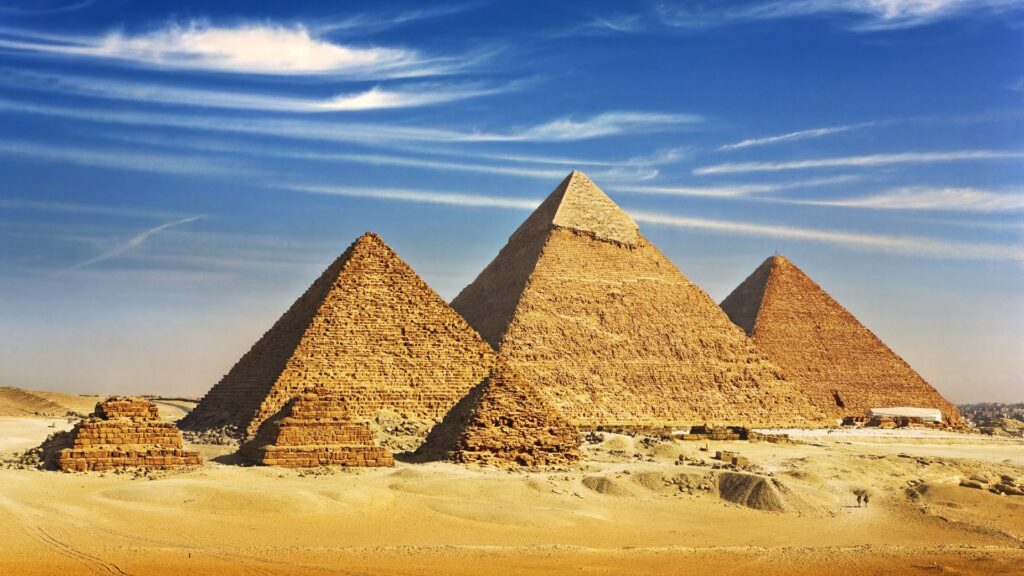
the Pyramids

3. Day 2: Pyramids of Giza and the Great Sphinx

The second day is dedicated to Egypt’s most iconic attraction: the Pyramids of Giza and the Great Sphinx. For many visitors, this is the moment they have anticipated for years, and the experience rarely disappoints. As the last surviving Wonder of the Ancient World, the pyramids remain one of the most extraordinary achievements in human history.

An early morning visit is highly recommended. Cooler temperatures, fewer crowds, and excellent lighting conditions make the experience more comfortable and enjoyable. Visitors can spend several hours exploring the Giza Plateau while learning about the remarkable history of the pharaohs who commissioned these monumental structures more than four millennia ago.

The site includes the Great Pyramid of Khufu, the Pyramid of Khafre, and the Pyramid of Menkaure. Each monument offers insight into the engineering, religious beliefs, and artistic accomplishments of Ancient Egyptian civilization. Many travelers also choose to enter one of the pyramids to experience its interior chambers and gain a deeper appreciation for its construction.

Nearby stands the Great Sphinx, one of Egypt’s most recognizable symbols. Carved from a massive limestone outcrop, the statue continues to fascinate visitors with its mysterious appearance and historical significance.

After exploring the site, travelers often enjoy lunch with pyramid views before returning to Cairo. The day provides an unforgettable introduction to Ancient Egypt and creates memories that will remain among the highlights of the entire journey.
4. Day 3: Grand Egyptian Museum and Fly to Luxor

The third day combines one of Egypt’s most important cultural attractions with travel to Upper Egypt, creating a perfect transition between Cairo and Luxor. The morning begins with a visit to the Grand Egyptian Museum, a world-class institution that showcases the extraordinary achievements of Ancient Egyptian civilization through one of the largest archaeological collections ever assembled.

Located near the Giza Plateau, the museum offers visitors an opportunity to explore thousands of artifacts spanning multiple periods of Egyptian history. Massive statues, royal treasures, beautifully preserved relics, and interactive exhibits provide valuable context for the monuments and archaeological sites that travelers will encounter throughout the rest of the journey.

One of the museum’s most celebrated highlights is its collection associated with King Tutankhamun. These remarkable treasures help visitors understand the wealth, artistry, and religious beliefs of Ancient Egypt while offering insight into one of the most famous archaeological discoveries in history.

After completing the museum visit, travelers typically transfer to Cairo Airport for a domestic flight to Luxor. Flying is the fastest and most efficient way to reach Upper Egypt, allowing visitors to maximize their sightseeing time while minimizing long travel hours.

Upon arrival in Luxor, travelers can check into their hotel and enjoy a relaxing evening along the Nile. Many visitors choose to explore the waterfront, enjoy traditional Egyptian cuisine, or simply unwind after a busy day of sightseeing and travel.

This day serves as an important bridge between Cairo and Luxor, combining the historical treasures of Egypt’s largest museum with the anticipation of exploring one of the world’s greatest archaeological destinations. By the end of the day, visitors are perfectly positioned to begin discovering the extraordinary temples and tombs that make Luxor famous throughout the world.

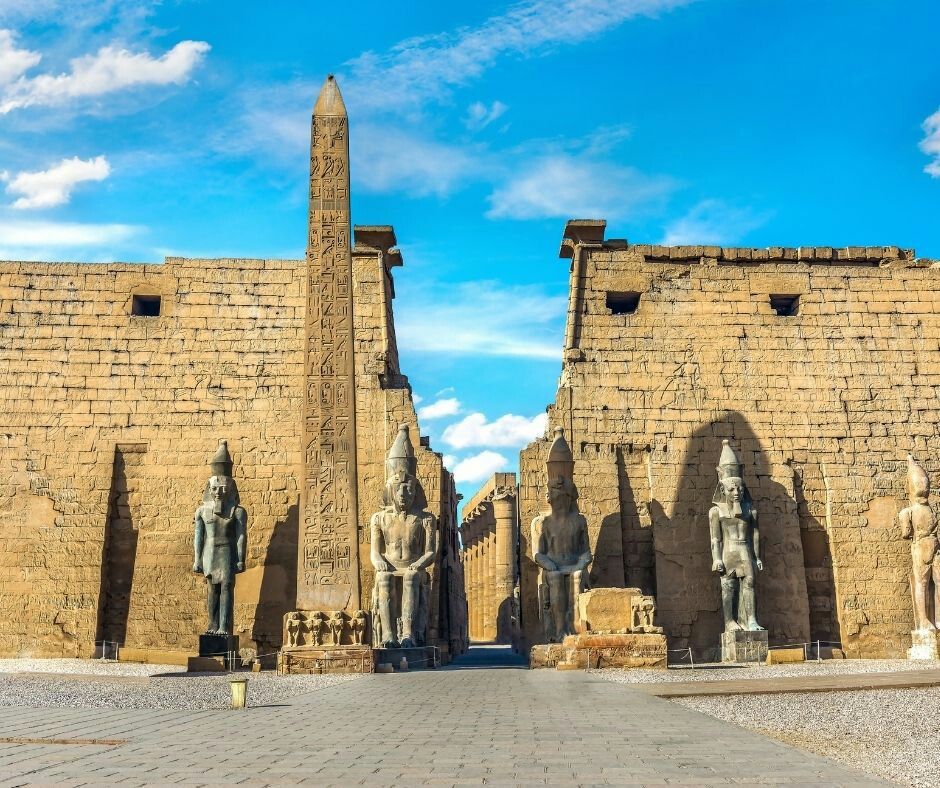
The Pylon of Ramesses II Luxor Temple

5. Day 4: Karnak Temple, Luxor Temple, and Valley of the Kings

The fourth day is one of the most exciting and rewarding parts of the itinerary, offering visitors the opportunity to explore some of the most famous archaeological sites in Egypt. Luxor is often called the world’s greatest open-air museum, and this day demonstrates exactly why. From magnificent temples to royal tombs, travelers gain a deeper understanding of Ancient Egypt’s power, religion, and artistic achievements.

The morning typically begins with a visit to the Valley of the Kings on Luxor’s West Bank. This extraordinary burial ground served as the final resting place of many New Kingdom pharaohs, including the famous King Tutankhamun. Visitors can enter several beautifully decorated tombs and admire colorful wall paintings that have survived for thousands of years.

Later, attention shifts to Karnak Temple, one of the largest religious complexes ever constructed. Massive columns, towering obelisks, monumental gateways, and detailed carvings reveal the scale and ambition of Ancient Egyptian civilization. The Great Hypostyle Hall is often considered the highlight of the complex and remains one of the most impressive architectural achievements of the ancient world.

The day concludes with a visit to Luxor Temple, particularly beautiful during the evening hours when dramatic lighting illuminates its statues and columns. Walking through the temple after sunset creates a memorable atmosphere and provides a fitting end to one of the most remarkable sightseeing days of the journey.

6. Day 5: Travel to Aswan and Visit Philae Temple

On the fifth day, travelers leave Luxor and continue south to Aswan, a destination known for its beautiful Nile scenery, relaxed atmosphere, and unique cultural heritage. The journey can be completed by domestic flight, train, private transfer, or Nile cruise depending on individual preferences and travel arrangements.

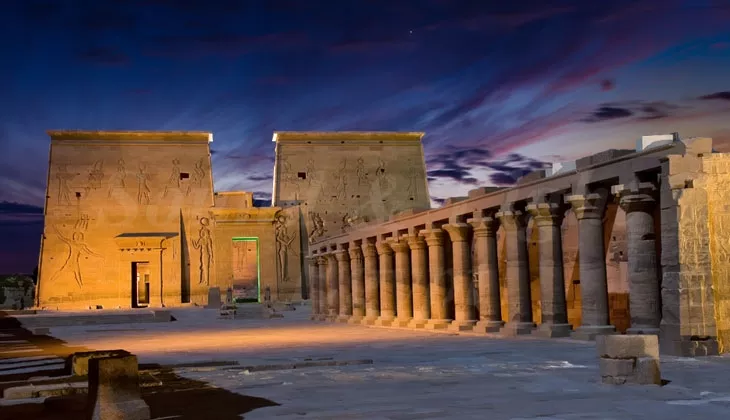
Upon arrival in Aswan, the first major attraction is Philae Temple, one of Egypt’s most elegant and picturesque temple complexes. Dedicated primarily to the goddess Isis, the temple is located on an island and can only be reached by boat. The short journey across the Nile adds to the experience and creates a memorable introduction to one of Aswan’s most famous landmarks.

Visitors can explore impressive halls, carved reliefs, and beautifully preserved architectural features while learning about the religious significance of the temple. The combination of historical importance and stunning surroundings makes Philae one of the most photogenic sites in Egypt.

After the visit, travelers often spend the remainder of the day relaxing along the Nile, exploring local markets, or enjoying traditional Egyptian cuisine. The slower pace of Aswan provides a welcome contrast to the busy sightseeing schedule of previous days and allows visitors to appreciate another side of Egyptian life.

The combination of travel and sightseeing makes this day both productive and enjoyable while introducing travelers to the unique character of southern Egypt.

7. Day 6: Abu Simbel or Nubian Village Experience

The sixth day offers travelers the flexibility to choose between two of the most rewarding experiences available in southern Egypt. Depending on personal interests, visitors can either take an unforgettable excursion to Abu Simbel or enjoy a cultural experience in a traditional Nubian village.

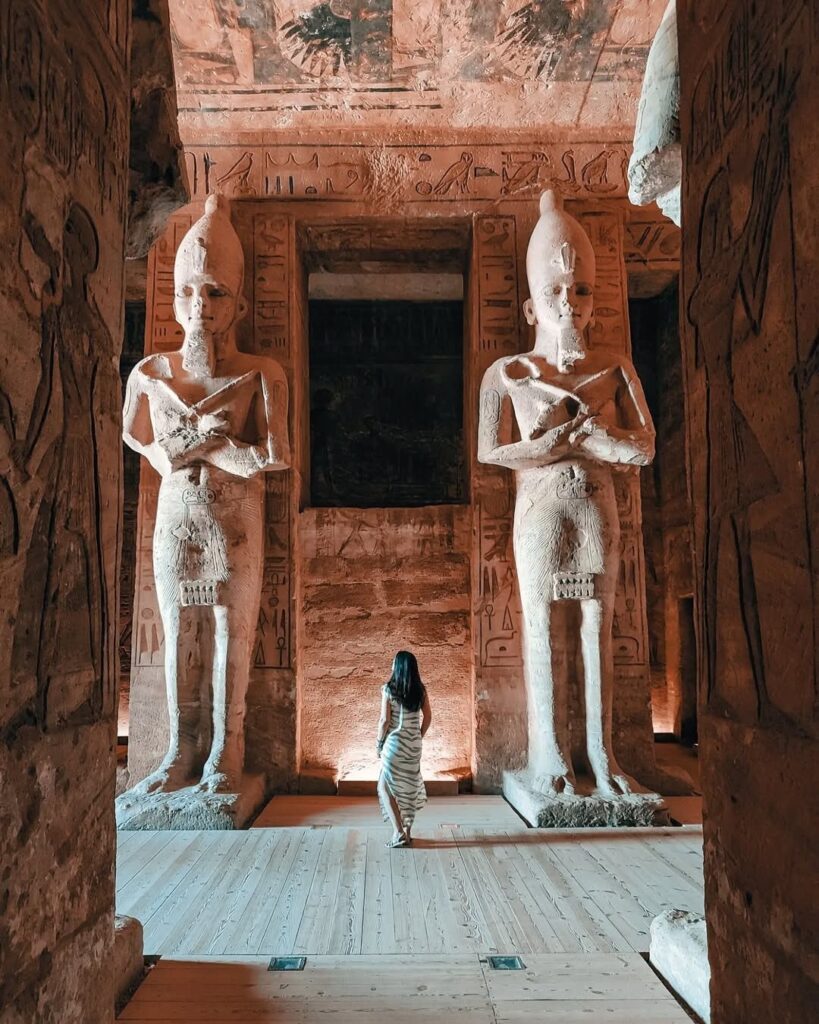
For many travelers, Abu Simbel is the highlight of their time in Aswan. The temples, built by Pharaoh Ramses II, are among the most impressive monuments in Egypt. Massive statues guard the entrance to the larger temple, while intricate carvings and monumental architecture showcase the power and achievements of one of Ancient Egypt’s greatest rulers. The nearby temple dedicated to Queen Nefertari is equally remarkable and demonstrates the importance of royal women in Egyptian history.

Travelers seeking a more cultural experience may choose to visit a traditional Nubian village instead. The Nubian people possess a rich heritage that is distinct from much of the rest of Egypt. Visitors can walk through colorful streets, learn about local traditions, enjoy Nubian hospitality, and gain insight into a vibrant culture that continues to thrive along the Nile.

Both options provide unique and memorable experiences. Abu Simbel offers one of the most spectacular archaeological sites in the world, while a Nubian village visit provides a deeper understanding of Egypt’s living cultural diversity.

Regardless of the choice, the sixth day adds an important dimension to the itinerary and helps create a more complete picture of Egypt’s history, people, and traditions.

8. Day 7: Return to Cairo and Departure

The final day of the itinerary is dedicated to returning to Cairo and preparing for departure. Although the journey may be coming to an end, this last day provides an opportunity to reflect on the incredible experiences, historical discoveries, and cultural encounters that have made the trip so memorable. For many travelers, it is also a chance to enjoy a few final moments in Egypt before heading home.

Most visitors begin the day with a domestic flight from Aswan to Cairo. Flying is the fastest and most convenient option, ensuring enough time to connect with international flights while minimizing travel stress. Depending on departure schedules, some travelers may have several hours available in Cairo before heading to the airport.

Those with extra time can enjoy a final meal at a local restaurant, purchase last-minute souvenirs, or take a short walk along the Nile. Some visitors choose to revisit a favorite area of the city or simply relax before their journey home. Even a brief return to Cairo often serves as a reminder of the city’s energy, history, and importance as the heart of modern Egypt.

By the end of this seven-day adventure, travelers will have experienced many of Egypt’s most famous attractions, including the Pyramids of Giza, the Great Sphinx, the Grand Egyptian Museum, Karnak Temple, Luxor Temple, the Valley of the Kings, and Philae Temple. Depending on their chosen activities, they may also have visited Abu Simbel or explored the unique culture of a Nubian village.

Although one week passes quickly, the itinerary provides a comprehensive introduction to Egypt’s remarkable heritage and diversity. The combination of Cairo, Luxor, and Aswan allows visitors to experience ancient monuments, local culture, beautiful Nile scenery, and some of the most significant archaeological treasures in the world.

As travelers depart, many find themselves already planning a future return. Egypt’s extraordinary history and endless opportunities for exploration ensure that there is always more to discover beyond a first visit.

9. Conclusion: The Ultimate 7-Day Egypt Itinerary for First-Time Travelers

A 7-day itinerary covering Cairo, Luxor, and Aswan provides one of the best introductions to Egypt for first-time visitors. Although a week may seem short for a country with such a rich history and countless attractions, a carefully planned itinerary allows travelers to experience many of Egypt’s most famous landmarks while maintaining a comfortable and enjoyable pace.

The journey begins in Cairo, where visitors encounter the iconic Pyramids of Giza, the Great Sphinx, and the remarkable collections of the Grand Egyptian Museum. These attractions provide an unforgettable introduction to Ancient Egypt and help travelers understand why the country continues to fascinate people from around the world.

Luxor adds another extraordinary chapter to the experience. Home to some of the greatest archaeological treasures ever discovered, the city allows visitors to walk among monumental temples, explore royal tombs, and gain a deeper appreciation for the achievements of Ancient Egyptian civilization. Sites such as Karnak Temple, Luxor Temple, and the Valley of the Kings often become highlights of the entire trip.

Aswan offers a different perspective on Egypt. Its relaxed atmosphere, beautiful Nile scenery, and unique cultural traditions create a welcome contrast to the larger cities. Attractions such as Philae Temple, Abu Simbel, and traditional Nubian villages help visitors discover another side of the country while enjoying some of its most picturesque landscapes.

One of the greatest strengths of this itinerary is its balance. It combines history, culture, sightseeing, relaxation, and local experiences without requiring excessive travel time. Visitors can experience the essential highlights of Egypt while still having opportunities to enjoy the atmosphere and character of each destination.

For travelers visiting Egypt for the first time, this seven-day itinerary delivers an unforgettable experience and provides a strong foundation for understanding the country’s extraordinary past and vibrant present. While there will always be more to explore on future visits, a week spent in Cairo, Luxor, and Aswan is enough to create memories that last a lifetime.

Frequently Asked Questions

Yes. Seven days is enough time to visit Cairo, Luxor, and Aswan while experiencing many of Egypt’s most famous historical and cultural attractions.

Domestic flights are generally the fastest and most efficient option, although trains and Nile cruises are also popular alternatives.

If time allows, Abu Simbel is highly recommended because it is one of the most impressive archaeological sites in Egypt.

Yes. The itinerary works well for families, couples, solo travelers, and small groups because it combines history, culture, and scenic experiences.

Absolutely. Travelers can adjust the schedule by adding extra nights, replacing certain activities, or extending the trip to include destinations such as Alexandria, Hurghada, or Sharm El Sheikh.