
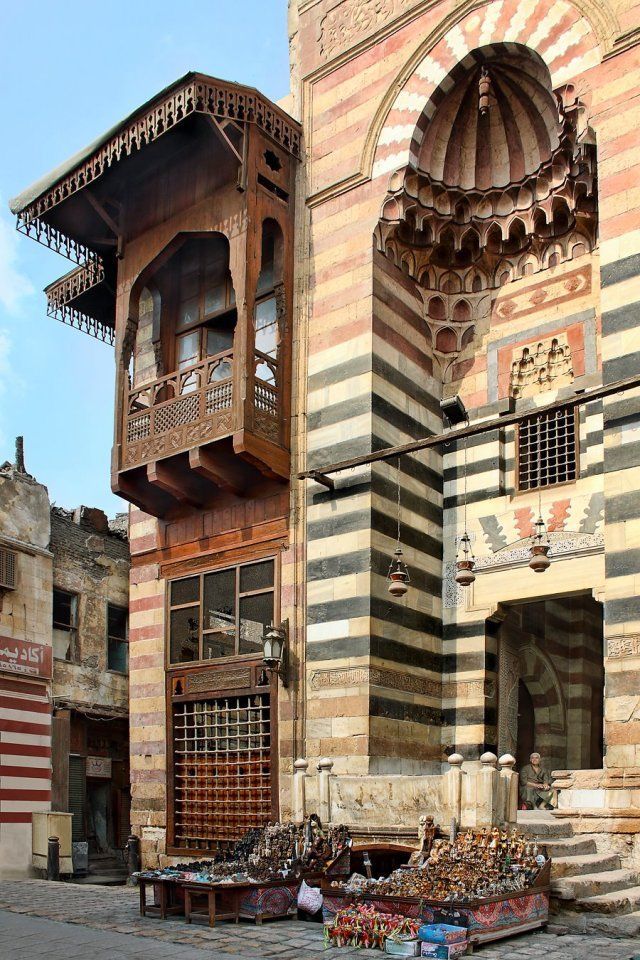
Welcome to

Old Cairo and Islamic Cairo Guided Tours

Old Cairo and Islamic Cairo guided tours offer travelers an extraordinary journey through the cultural, religious, and architectural heart of Egypt’s capital. While Cairo is famous worldwide for the Giza Pyramids and Ancient Egyptian monuments, the city also possesses a rich heritage that spans more than a thousand years of Islamic, Christian, and Jewish history. Exploring Old Cairo and Islamic Cairo with a professional guide allows visitors to discover historic mosques, ancient churches, medieval streets, vibrant markets, and remarkable monuments while gaining a deeper understanding of the civilizations that helped shape one of the world’s oldest continuously inhabited cities.

Old Cairo, often referred to as Coptic Cairo, is one of the most important religious and historical districts in Egypt. Guided tours through this fascinating area introduce visitors to some of the country’s most significant Christian landmarks, including the famous The Hanging Church, one of the oldest and most beautiful churches in Egypt. Built above the ancient Roman fortress of Babylon, the church is renowned for its stunning architecture, intricate woodwork, and important role in the history of Egyptian Christianity.

Many Old Cairo tours also include visits to the historic Church of St. Sergius and Bacchus, traditionally believed to be built over a cave where the Holy Family sought refuge during their journey into Egypt. Nearby, visitors can explore the historic Ben Ezra Synagogue, one of Egypt’s most important Jewish heritage sites. Together, these landmarks showcase the remarkable religious diversity that has characterized Cairo for centuries.

Islamic Cairo presents a completely different but equally captivating side of the city. Designated as a UNESCO World Heritage Site, this historic district contains some of the finest examples of Islamic architecture in the world. Guided tours often begin at the magnificent Al-Azhar Mosque, one of the oldest universities and religious institutions in the Islamic world. Visitors can admire its beautiful courtyards, elegant minarets, and rich architectural heritage while learning about its enduring influence on Islamic scholarship.

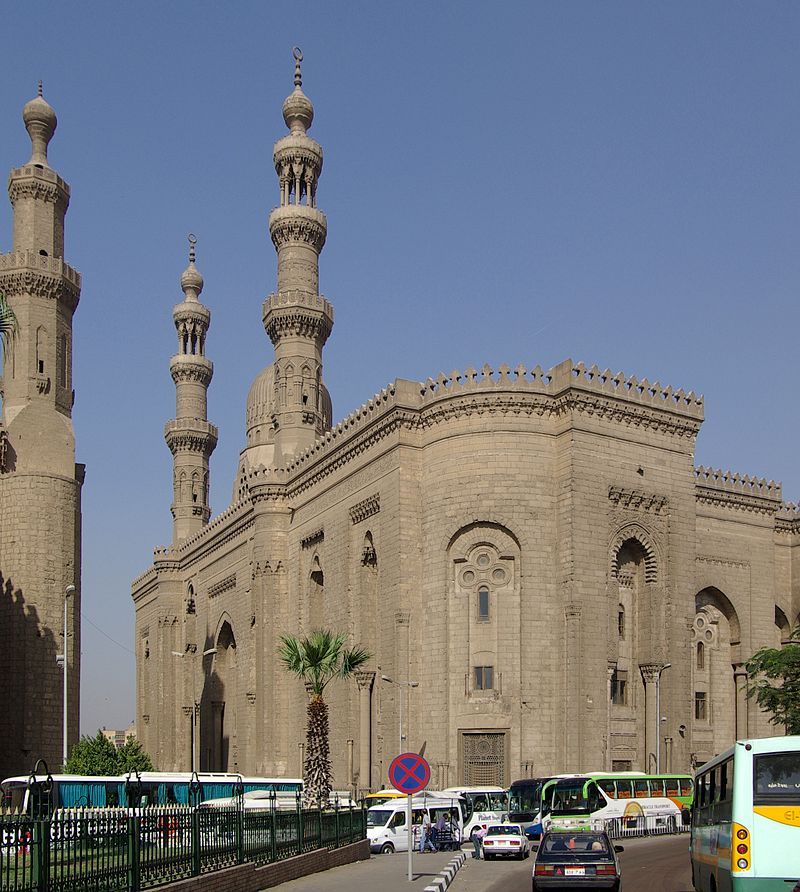
Other highlights of Islamic Cairo tours include the impressive Sultan Hassan Mosque, widely regarded as one of the greatest masterpieces of Mamluk architecture, and the stunning Al-Rifa’i Mosque, known for its grand design and royal tombs. Walking through the narrow streets of Islamic Cairo reveals centuries of history preserved in ancient buildings, traditional workshops, and bustling local neighborhoods.

A visit to the legendary Khan El Khalili bazaar is often one of the most memorable parts of any guided tour. Established in the 14th century, this historic marketplace remains one of the most vibrant commercial centers in the Middle East. Visitors can browse traditional handicrafts, spices, jewelry, textiles, antiques, and souvenirs while experiencing the lively atmosphere that has attracted merchants and travelers for generations.

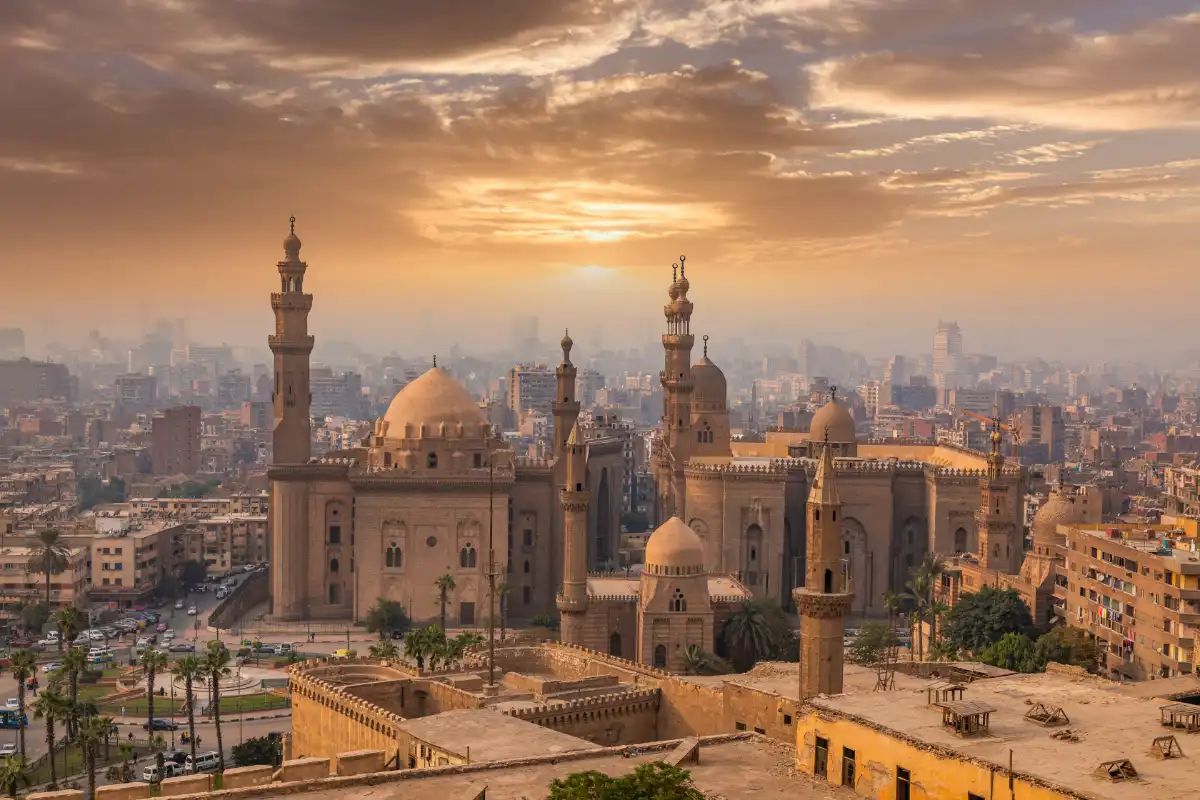
Many guided tours also include visits to historic gates such as Bab Zuweila, medieval streets along Al-Muizz Street, and panoramic viewpoints from the famous Cairo Citadel, home to the magnificent Mosque of Muhammad Ali. These landmarks provide breathtaking views of Cairo’s skyline and offer fascinating insights into the city’s medieval history.

Whether you are interested in religious heritage, Islamic architecture, Christian history, cultural exploration, photography, or local traditions, Old Cairo and Islamic Cairo guided tours provide one of the richest and most rewarding experiences in Egypt. In this guide, we will explore the best Old Cairo and Islamic Cairo tours, top attractions, historical landmarks, cultural experiences, travel tips, and expert recommendations for discovering the timeless beauty of Egypt’s historic capital.

1. Deep into Coptic Cairo: Exploring the Spiritual Roots of Old Cairo

A dedicated journey through Old Cairo begins with a descent into Coptic Cairo, a quiet, fortified enclave that feels remarkably distinct from the high-energy pulse of the modern capital. Enclosed within the ancient stone walls of the Roman Fortress of Babylon, this spiritual sanctuary serves as the historic heart of Egypt’s Christian heritage, tracing its roots back to the dawn of the faith. Walking through these clean, pedestrian-friendly stone alleyways, an expert local guide will point out how the modern street level sits meters above the ancient foundations, physically demonstrating the incredible layering of history that defines this peaceful neighborhood.

The crown jewel of any Coptic Cairo itinerary is the Saint Virgin Mary Coptic Orthodox Church, world-famous as the Hanging Church. Built directly on top of the southern bastions of the old Roman gatehouse, this architectural wonder features a magnificent wooden roof designed to resemble the interior of Noah’s Ark. Stepping inside, the air is thick with history, and your guide will reveal intricate ivory-inlaid iconostases and ancient religious icons dating back centuries. Just a short walk through the shaded stone passages leads you to the Church of Saints Sergius and Bacchus, a deeply revered pilgrimage site constructed over the subterranean crypt where the Holy Family is believed to have found shelter during their historic flight into Egypt.

Beyond its magnificent churches, Old Cairo serves as a profound monument to interfaith coexistence and cultural harmony. Your guided tour will lead you to the Ben Ezra Synagogue, a beautifully restored landmark situated on the exact spot where tradition holds that baby Moses was discovered in the Nile reeds. This historic structure is legendary among scholars for its Cairo Genizah, a massive treasure trove of medieval secular and religious manuscripts that provided unmatched insight into Mediterranean social history. By wandering these sacred spaces under the care of a professional guide, the complex tapestry of early Egyptian history unravels seamlessly, offering a quiet, contemplative start to your metropolitan exploration.
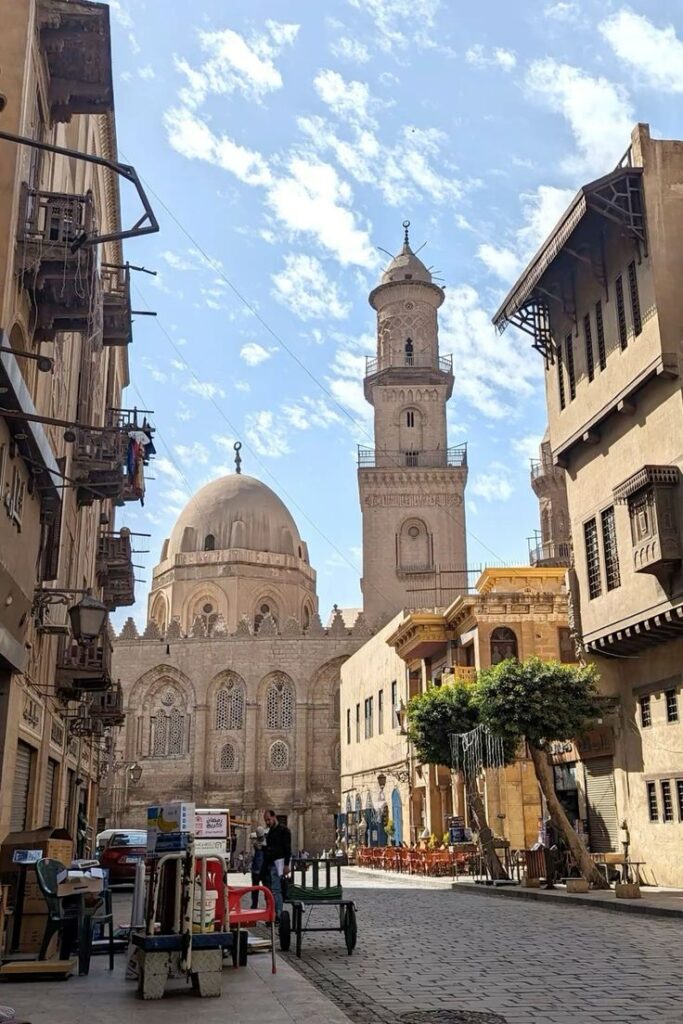
2. The Architectural Splendor of Islamic Cairo: Moizz Street and the Citadel

Leaving the quiet enclaves of Old Cairo behind, your guided tour transitions into the breathtaking, monumental scale of Islamic Cairo, a bustling open-air museum that boasts one of the dense collections of medieval architecture on Earth. The primary artery of this historic zone is Al-Muizz Li-Din Allah Al-Fatimi Street, a magnificent pedestrian avenue that served as the grand ceremonial spine of the Fatimid empire during the tenth century. Walking along these ancient paving stones, you are surrounded by a dazzling array of towering minarets, grand public fountains known as sabil-kuttabs, and imposing stone portals that showcase the pinnacle of Islamic artistic expression.

An experienced tour guide is absolutely essential on Muizz Street to help you navigate the staggering concentration of monuments, most notably the breathtaking Complex of Qalawun. This monumental structure comprises a mosque, a madrasa, a mausoleum, and a historic hospital, featuring intricate stucco carvings, marble mosaics, and towering stained-glass windows that rival the finest cathedrals of Europe. Your guide will decode the complex geometric patterns and elegant Arabic calligraphy carved into the stone walls, explaining how these historic spaces functioned not just as houses of worship, but as vibrant community hubs, schools, and civic centers during the height of the medieval era.

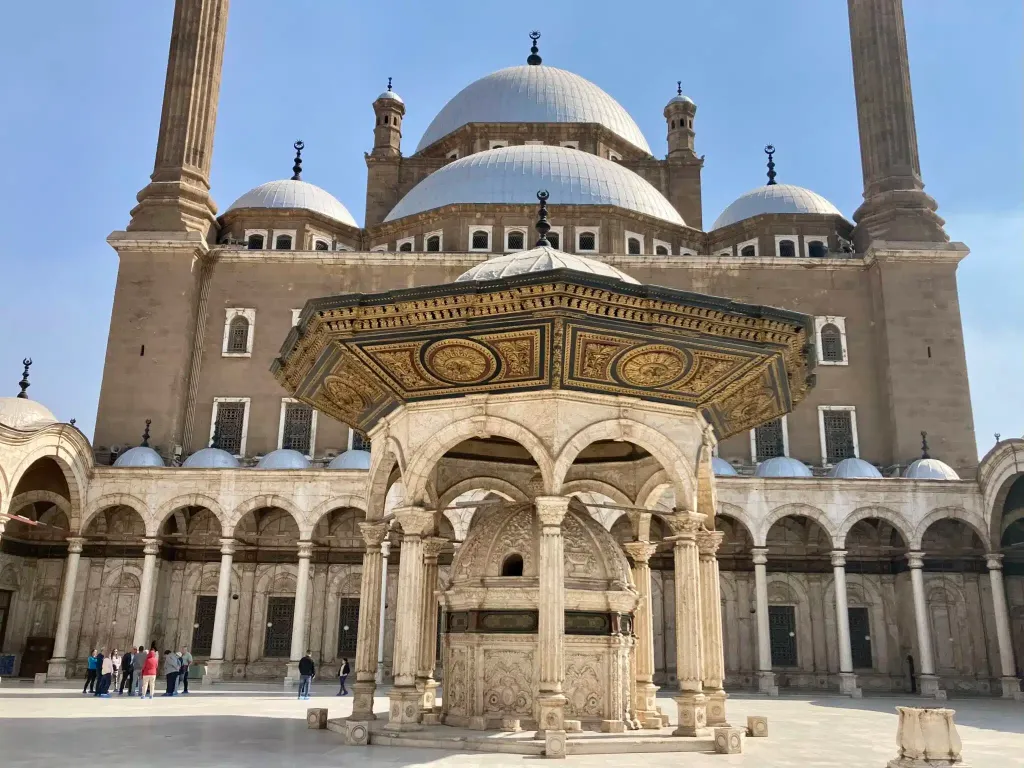
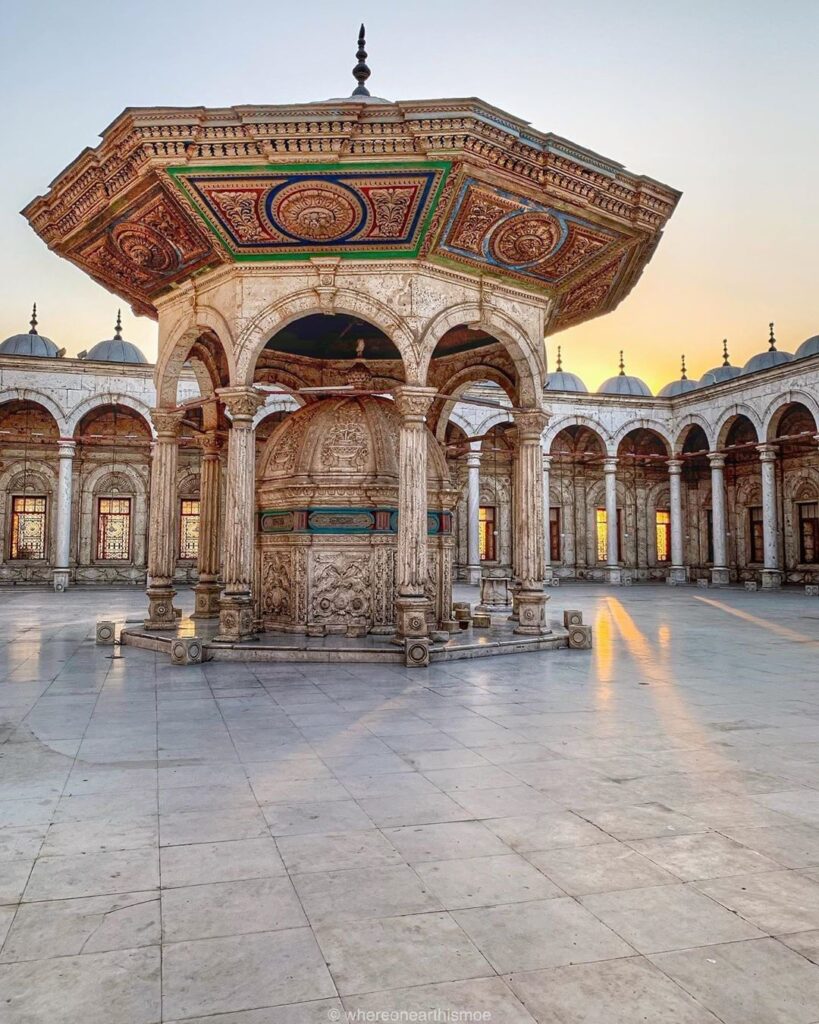
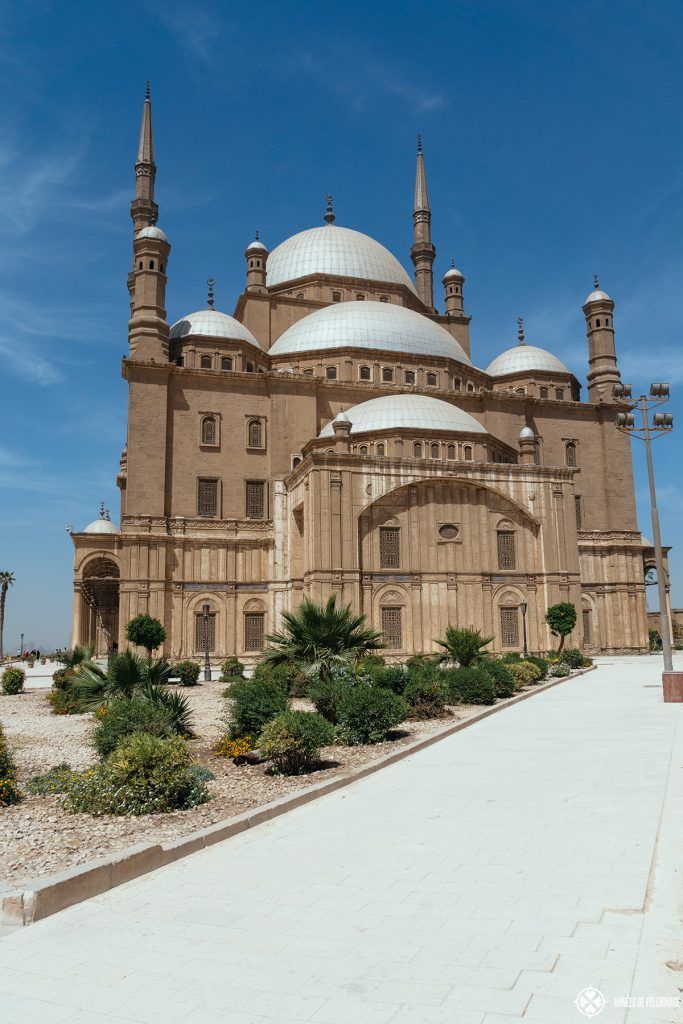
The definitive climax of the Islamic Cairo experience takes place atop the defensive bluffs of the Citadel of Saladin, a massive medieval fortress that has dominated the city’s skyline since the twelfth century. Constructed to protect the capital against Crusader invasions, this high-security complex offers unparalleled, panoramic views of the modern sprawling metropolis stretching all the way to the Giza Pyramids. Inside the fortress walls, your guide will lead you through the grand interior of the Mosque of Muhammad Ali, frequently called the Alabaster Mosque due to its stunning stone cladding. Its towering twin minarets and massive cascading central dome serve as an unforgettable testament to Ottoman architectural ambition.
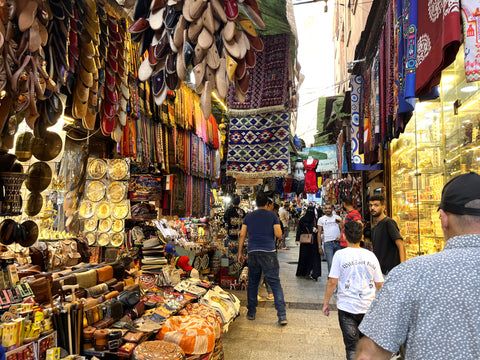
3. The Intoxicating Energy of Khan el-Khalili: Navigating the Historic Bazaar

No guided excursion through the historic quarters of the capital would ever be complete without immersing yourself in the legendary, intoxicating sensory experience of the Khan el-Khalili bazaar. Established in the late fourteenth century as a major commercial center for caravan traders, this sprawling labyrinth of covered alleyways and open-air squares remains the vibrant heartbeat of traditional Egyptian commerce. The market is a beautiful assault on the senses, where the gentle clinking of traditional brass workers mingles with the rich aromas of roasting coffee beans, exotic spices, leather goods, and fine perfumes drifting through the air.

Navigating Khan el-Khalili under the wings of a trusted local guide transforms what could be a stressful commercial gauntlet into a delightful, deeply authentic cultural interaction. Your guide will lead you away from the standard tourist souvenir stalls and deep into the hidden, specialized quarters of the market where local families have practiced their traditional crafts for generations. You can watch master tentmakers stitch intricate geometric appliques, observe silversmiths hammering delicate filigree jewelry, and learn the historic art of blending customized essential oils from merchants who can trace their lineage back to the spice routes of antiquity.

When you are ready for a relaxing break, your guide will steer you toward the historic steps of the El Fishawy café, an iconic neighborhood coffee house that has remained continuously open for over two hundred years. Sitting among the intricately carved dark wood mirrors and antique chandeliers, you can enjoy a steaming cup of traditional Arabic coffee or a refreshing glass of hot mint tea. This legendary space provides the ultimate vantage point for people-watching, allowing you to absorb the bustling, timeless rhythm of the market while your guide shares fascinating local folklore about the artists, writers, and international travelers who have gathered in this very room throughout history.
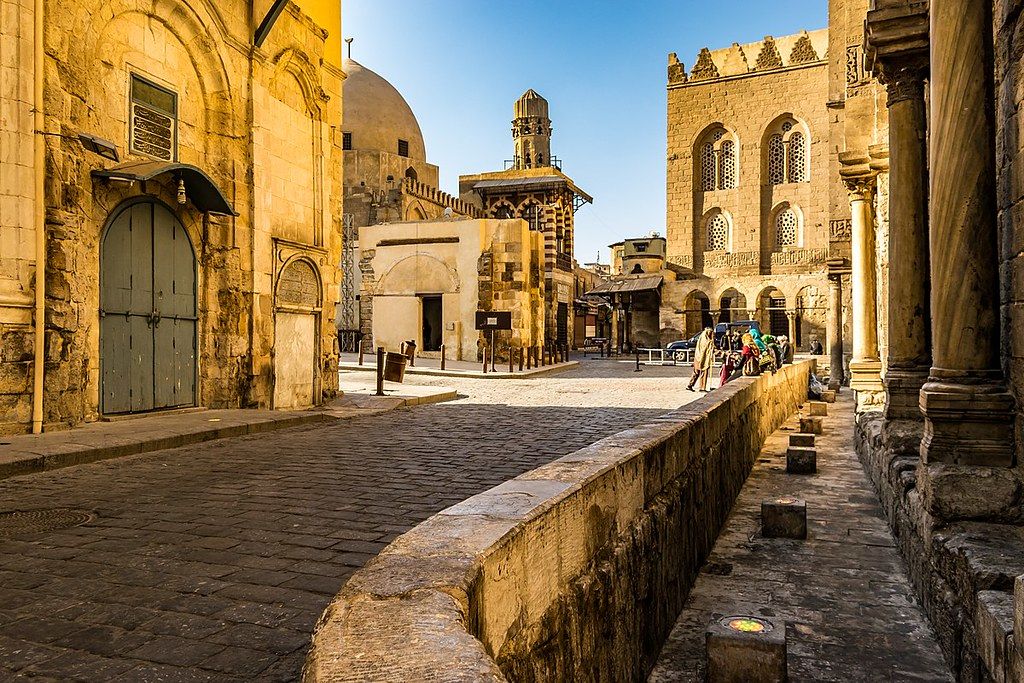
4. Uncovering Hidden Gems: The Majestic Mosques of Sultan Hassan and Rifai

While the primary avenues of the historic districts draw the largest crowds, a truly comprehensive tour must venture into the monumental open square situated directly beneath the Citadel walls. Here stand two of the most physically imposing and historically significant houses of worship in the Islamic world: the Mosque-Madrasa of Sultan Hassan and the Al-Rifai Mosque. Facing each other across a narrow, stone-paved pedestrian street, these twin giants represent completely different eras of Egyptian architecture, yet together they create an unforgettable visual gateway that encapsulates the sheer ambition of Cairo’s historic builders.

The Mosque of Sultan Hassan, constructed in the mid-fourteenth century, is widely regarded by global architectural historians as the finest masterpiece of early Mamluk architecture in existence. Stepping through its exceptionally tall, recessed portal under the guidance of a local expert, you pass through a dark, angled corridor designed to slowly adjust your eyes to the light before you emerge into a breathtaking, soaring open-air courtyard. Your guide will point out the massive four-sided halls, known as iwans, which were dedicated to teaching the four primary schools of Sunni Islamic jurisprudence, and explain how the building’s sheer engineering scale was intended to project absolute strength during a period of deep political instability.

Directly opposite this medieval fortress of faith sits the Al-Rifai Mosque, a beautiful structure that looks ancient but was actually completed in the early twentieth century to architecturally complement its older neighbor. Al-Rifai serves as the official royal mausoleum for the modern Egyptian royal family, housing the intricately carved marble tombs of King Fuad, King Farouk, and the final Shah of Iran, Mohammad Reza Pahlavi. Walking through its lavishly decorated interior, your guide will draw your attention to the stunning contrast between the austere, heavy stone walls of Sultan Hassan and the decadent, gold-leaf ceilings, colorful stained glass, and imported Italian marble columns that define the opulent royal revival style of Rifai.

5. Logistics of a Perfect Tour: Group Versus Private Guided Experiences

When finalizing your Egypt itinerary, deciding on the specific structural format of your historic Cairo excursion is a crucial decision that directly shapes your overall comfort and depth of discovery. The local tourism industry offers two primary options for exploring these historic neighborhoods: joining a structured group excursion or investing in a completely customized, private guided experience. Both pathways provide excellent access to the landmarks, but they cater to entirely different travel styles, budgets, and personal expectations for navigating the vibrant city center.

Group tours are an exceptionally popular choice for solo travelers, budget-conscious globetrotters, and those who thrive in a social, shared learning environment. These excursions follow a precise, well-optimized timeline that ensures you hit all the major heavyweights, such as the Hanging Church and Khan el-Khalili, within a highly efficient timeframe. Group transit is typically handled via large, modern, air-conditioned tour buses, offering a reliable bubble of comfort away from the chaotic city traffic. While this format is highly economical and provides a fantastic overview, it does require adhering to a rigid group schedule, which leaves less room for spontaneous side-trips or lingering at a specific monument.

For travelers seeking an intimate, deeply immersive journey, a private tour is the ultimate gold standard for exploring Old and Islamic Cairo. A private guide can tailor the entire day around your specific historical interests, whether you want to spend hours analyzing Mamluk stone masonry or skip the souvenir shops entirely to focus on hidden Coptic monastic cells. Private experiences afford you the luxury of moving completely at your own pace, choosing exactly when to take a coffee break at a historic café, and enjoying seamless door-to-door transit in a private vehicle, making it the premier choice for families, photographers, and senior travelers.

6. Crucial Dress Codes and Cultural Etiquette for Religious Landmarks

Exploring the living history of Old and Islamic Cairo means stepping directly into active, deeply revered places of spiritual worship that require a high degree of cultural sensitivity and respect from international visitors. Unlike standard archaeological ruins, the historic churches of Coptic Cairo and the majestic medieval mosques remain the vibrant spiritual centers for millions of local citizens. Understanding and preparing for the local dress code rules before you leave your hotel room is the absolute key to ensuring a welcoming, smooth, and entirely respectful tour experience.

For both men and women, the foundational rule of dressing for an Egyptian religious site is modesty, which means choosing lightweight, loose-fitting clothing that completely covers your shoulders and knees. Men should avoid sleeveless shirts and shorts, opting instead for breathable linen trousers or casual chinos paired with a short-sleeved polo shirt. Women should avoid tight-fitting attire, short skirts, or low-cut tops, choosing instead flowing maxi dresses, loose trousers, and long-sleeved blouses that offer full coverage while keeping you perfectly cool under the warm desert sun. Additionally, women should always pack a lightweight scarf or pashmina in their daypack, as it must be draped over the hair before entering active Islamic sanctuaries.

The physical ritual of entering a mosque also involves a specific set of traditional steps that your guide will walk you through with ease. Before stepping onto the exquisite handmade carpets and prayer rugs inside the main sanctuaries, all visitors must remove their footwear, either leaving them with the designated attendant at the entrance for a small tip or carrying them along in a personal tote bag. Inside these sacred spaces, speak in a quiet, respectful murmur, avoid walking directly in front of local worshippers who are performing their daily prayers, and always ask your guide for permission before taking close-up photographs of local people or religious ceremonies.

7. Practical Travel Tips: Ticket Prices, Opening Hours, and Best Times to Visit

Executing a flawless day of exploration through the winding streets of Old and Islamic Cairo requires a basic understanding of local administrative logistics and temporal rhythms. Most major historical landmarks in Egypt, including the Citadel of Saladin and the prominent mosques of Sultan Hassan and Al-Rifai, generally operate on standard daytime schedules, opening their gates at nine in the morning and closing around five in the afternoon. However, the active churches within the Coptic Cairo enclave may adjust their visiting hours around scheduled liturgical services, particularly on Friday and Sunday mornings, making it wise to coordinate your arrival timing with a knowledgeable guide.

Ticket prices for the managed archaeological zones are regulated by the Ministry of Tourism and Antiquities and are payable at the entrance gates using major international credit cards, as most ticketing offices have transitioned away from cash transactions. While entry to open public areas like Al-Muizz Street and the sprawling Khan el-Khalili bazaar is completely free, stepping inside individual managed monuments or ascending to the Citadel requires separate admissions. Because conservation fees and international exchange rates can adjust periodically over time, visitors should always check the latest official government portals or consult their tour agency to verify current pricing prior to setting out.

To capture the absolute best experience, timing your exploration around the local climate and daily prayer schedules is highly recommended. The early morning hours, right as the gates open, offer the coolest ambient temperatures and the quietest atmosphere before the primary tour groups arrive. Alternatively, scheduling your visit to Islamic Cairo for the late afternoon allows you to witness a magical urban transformation, as the setting sun paints the ancient limestone minarets in deep shades of amber and gold, right before the historic quarters burst into a vibrant evening energy filled with colorful street lights and bustling local families.

8. Safety and Comfort: Navigating Crowds, Hydration, and Street Crossing

While the historic quarters of the capital are remarkably secure and heavily monitored by specialized Tourism Police units, first-time travelers must be physically and mentally prepared for the intense, high-energy environment of Cairo’s urban center. The streets connecting the major monuments are shared with local commuters, bustling street vendors, and a constant flow of traffic that can initially feel chaotic. Navigating this dynamic landscape comfortably simply requires a relaxed attitude, a steady walking pace, and a commitment to basic environmental awareness.

One of the most thrilling yet intimidating challenges for international visitors is the art of crossing busy metropolitan streets. In Cairo, traffic behaves like a fluid, continuous wave where drivers rarely stop completely for pedestrian crossings; instead, they slowly navigate around pedestrians who move with a predictable, steady pace. The ultimate insider secret for crossing safely is to simply wait for a local family or an experienced resident to cross, step up immediately alongside them on the down-traffic side, and mirror their movements precisely across the avenue, letting the local act as your seasoned shield.

Protecting your physical health from the dry desert climate is another vital component of a successful tour. Because you will be spending hours walking over uneven stone steps, unshaded courtyards, and dusty market lanes, wearing sturdy, broken-in athletic sneakers with excellent grip is essential for preventing slips. Keep a reliable supply of sealed bottled water in your daypack, apply broad-spectrum sunscreen consistently throughout the morning, and never hesitate to ask your guide to pause for a shaded rest break at a local juice bar or street café if the midday heat begins to impact your energy levels.

9. Culinary Stops: Authentic Restaurants and Cafés Near the Historic Sites

A comprehensive tour through the heart of traditional Cairo is just as much a culinary adventure as it is a historical expedition. The areas surrounding Old and Islamic Cairo are packed with historic eateries, rooftop terraces, and authentic street kitchens that have been feeding local families and traveling merchants for generations. Integrating a traditional lunch break into your itinerary allows your body to rest while introducing your palate to the rich, aromatic flavors that define authentic Egyptian cuisine.

For a deeply immersive lunch experience near the Citadel or Khan el-Khalili, ask your guide to lead you to a reputable local establishment serving Koshari, Egypt’s beloved national dish. This comforting, high-energy street food masterpiece consists of a hearty base of lentils, rice, macaroni, and chickpeas, completely smothered in a spicy garlic-tomato sauce and topped with a mountain of crispy fried onions. It is incredibly delicious, safe to consume, and provides the ultimate slow-burning energy boost needed for a full afternoon of walking through sprawling temple courtyards and climbing historic minarets.

If you prefer a more relaxed, upscale dining experience with a view, the beautifully landscaped expanses of Al-Azhar Park, situated on the western edge of Islamic Cairo, offer several premium hillside restaurants. Here, you can dine on traditional grilled meats like Kebab and Kofta, fresh pita bread, and a colorful array of Middle Eastern mezze dips while enjoying an unparalleled, panoramic view of the Citadel skyline. As the afternoon winds down, finishing your culinary journey with a glass of freshly squeezed sugarcane juice or a traditional hibiscus tea at an outdoor street café provides the perfect, refreshing conclusion to a rigorous day of historical discovery.

10. Nearby Hospitality and Logistics: Where to Stay for Easy Access

When planning a dedicated exploration of Old and Islamic Cairo, choosing the right accommodation base can significantly streamline your daily travel logistics and minimize your time spent in city traffic. For luxury travelers who wish to stay as close as possible to the historic action, several upscale boutique properties and beautifully restored heritage hotels are situated right on the edges of Islamic Cairo and near the pristine expanses of Al-Azhar Park. These premium options allow you to enjoy five-star modern amenities, stunning rooftop dining terraces, and immediate pedestrian access to Al-Muizz Street while soaking in panoramic views of the medieval Citadel skyline illuminated under the stars.

Mid-range and budget-conscious travelers will find an incredible abundance of highly rated boutique hotels and cozy guest houses located just a short distance away in the vibrant Downtown Cairo district. Staying in the downtown center offers a fantastic, high-energy slice of contemporary Parisian-style Egyptian life, putting you within walking distance of historic cafes, local juice bars, and the classic Egyptian Museum in Tahrir Square. This geographic position makes it exceptionally easy and highly affordable to hail a quick ride-sharing vehicle or hop on the local metro network to reach either the northern gates of Islamic Cairo or the southern fortified enclave of Coptic Cairo within a matter of minutes.

Regardless of your personal travel budget, selecting a property that features an active, helpful front desk or an integrated in-house tour agency adds an extra layer of security and convenience to your Egypt vacation. The staff at these properties can easily assist you with booking verified local drivers, confirming daily operating hours for seasonal holidays, or matching you with a certified, multi-lingual Egypt travel guide. By securing a comfortable and well-connected home base, you ensure that your transitions between the fast-paced modern capital and the peaceful, ancient stone passages of the historical quarters are entirely seamless and stress-free.

11. Shopping Opportunities: Authentic Souvenirs and Supporting Local Artisans

Exploring the historic markets of Cairo with a professional guide offers a phenomenal opportunity to acquire beautiful, completely authentic handmade treasures while directly supporting the local multi-generational artisan communities. While the main thoroughfares of Khan el-Khalili feature plenty of standard, mass-produced travel souvenirs, working with a knowledgeable guide allows you to bypass the generic items and venture into the highly specialized, historic crafting lanes. Here, the ancestral secrets of medieval manufacturing are still preserved, allowing you to witness the physical creation of heirloom-quality goods right before your eyes.

One of the most spectacular, historically significant shopping stops is the Street of the Tentmakers, known locally as Sharia al-Khiyamia, located just south of the majestic Bab Zuweila gate. In this covered medieval bazaar, master craftsmen hand-stitch incredibly complex geometric textiles, vibrant Egyptian appliques, and beautiful heavy canvas wall hangings that have been used to decorate festive pavilions since the Mamluk era. Purchasing a piece of cushion covering or a wall hanging from these artisans secures an entirely unique piece of living history for your home while ensuring that this rare, intricate needlework tradition survives for future generations.

If you are drawn to traditional metalwork or fine fragrances, your guide can lead you to the authentic workshops specializing in hand-hammered brass lanterns, delicate filigree silver jewelry, and custom-blended essential oils. Unlike commercial perfume shops, the traditional oil merchants in the historic center can blend pure essences of lotus, jasmine, and ambergris based on your personal preferences, storing them in beautiful, hand-blown Egyptian glass vials. By approaching your shopping journey as an appreciation of traditional craftsmanship and engaging in the playful, lighthearted cultural art of haggling, your purchases become meaningful symbols of personal connection and cultural preservation.

12. Recommended Visit Duration and Suggested One-Day Tour Itinerary

To fully absorb the monumental history, distinct spiritual environments, and vibrant commercial energy of both Old and Islamic Cairo without experiencing historical fatigue, a minimum dedicated duration of one full, well-paced day is highly recommended. Because these two districts represent entirely different cultural eras and architectural styles, a successful day plan relies on a clear, chronological progression that moves from the quiet, structured sanctuaries of the morning to the high-energy, illuminated street life of the late afternoon and evening.

A perfect, professionally guided one-day itinerary begins at nine in the morning with a refreshing stroll through the quiet, pedestrian-friendly lanes of Coptic Cairo. Spending the morning hours exploring the Hanging Church, the crypt of Saints Sergius and Bacchus, and the Ben Ezra Synagogue allows you to experience these sacred spaces in absolute peace before the midday heat. By eleven-thirty, your private vehicle will transfer you north to the majestic Citadel of Saladin, where you can marvel at the Alabaster Mosque and enjoy sweeping, panoramic views of the entire metropolitan landscape stretching all the way to the western desert horizon.

After a relaxing lunch featuring traditional Egyptian grilled meats or a comforting plate of Koshari near Al-Azhar Park, your afternoon tour dives directly into the breathtaking architectural splendor of Islamic Cairo. Spend the hours between two and four walking along the magnificent open-air museum of Al-Muizz Street, exploring the soaring interiors of the Sultan Hassan and Al-Rifai mosques while your guide decodes the intricate stone calligraphies. As the sun begins to set, capping off your epic historic expedition with an immersion into the intoxicating, brilliant lanes of the Khan el-Khalili bazaar for a cup of mint tea at El Fishawy café provides the ultimate, unforgettable finale to your urban adventure.

Frequently Asked Questions

While both districts are located within the historic center of the capital, they represent entirely different historical eras, architectural styles, and spiritual traditions. Old Cairo, often called Coptic Cairo, is a quiet, fortified neighborhood built within the ancient Roman Fortress of Babylon that serves as the historic heart of Egypt’s Christian and Jewish heritage, featuring churches that date back to the early centuries of the faith. Islamic Cairo is a much larger, high-energy medieval open-air museum established later, boasting an incredible density of historic mosques, palaces, fortification gates, and traditional souks built by successive Islamic dynasties.

Yes, the historic bazaar of Khan el-Khalili and its surrounding public squares are remarkably safe and heavily patrolled by dedicated tourist law enforcement units. However, navigating the sprawling, labyrinthine covered alleys independently can initially feel highly overwhelming for first-time visitors due to intense sales pressure from local vendors and a lack of clear directional signage. Booking a guided tour allows you to walk through the market with total confidence, skip generic souvenir stands to find authentic craftsmen, and enjoy a stress-free cultural experience.

To show respect for the local community and the active spiritual nature of these historical landmarks, all visitors must follow a modest dress code. Both men and women should wear lightweight, loose-fitting clothing that completely covers the shoulders and the knees, avoiding sleeveless tops, shorts, or tight attire. Additionally, women must always carry a lightweight scarf or pashmina in their daypack to comfortably cover their hair before stepping inside active Islamic sanctuaries, and all visitors must remove their shoes at the entrance.

Yes, the Ministry of Tourism and Antiquities has modernized its ticketing infrastructure across major historical sites in Egypt, transitioning almost entirely to electronic and cashless payment systems. You can easily purchase your admissions at the main gates of managed zones like the Citadel of Saladin using major international credit cards or debit cards. However, it remains highly practical to carry a small amount of local cash in Egyptian Pounds to tip site attendants who watch your shoes or to purchase street food in the markets.

Most iconic sanctuaries within the Coptic Cairo enclave, including the world-famous Hanging Church and the Church of Saints Sergius and Bacchus, are open daily to international visitors from early morning until late afternoon. However, because these remain active, deeply revered houses of worship for the local Coptic Orthodox community, access to certain main altars may be briefly restricted during scheduled liturgical services, which primary occur on Friday and Sunday mornings, making a midday arrival highly ideal.