
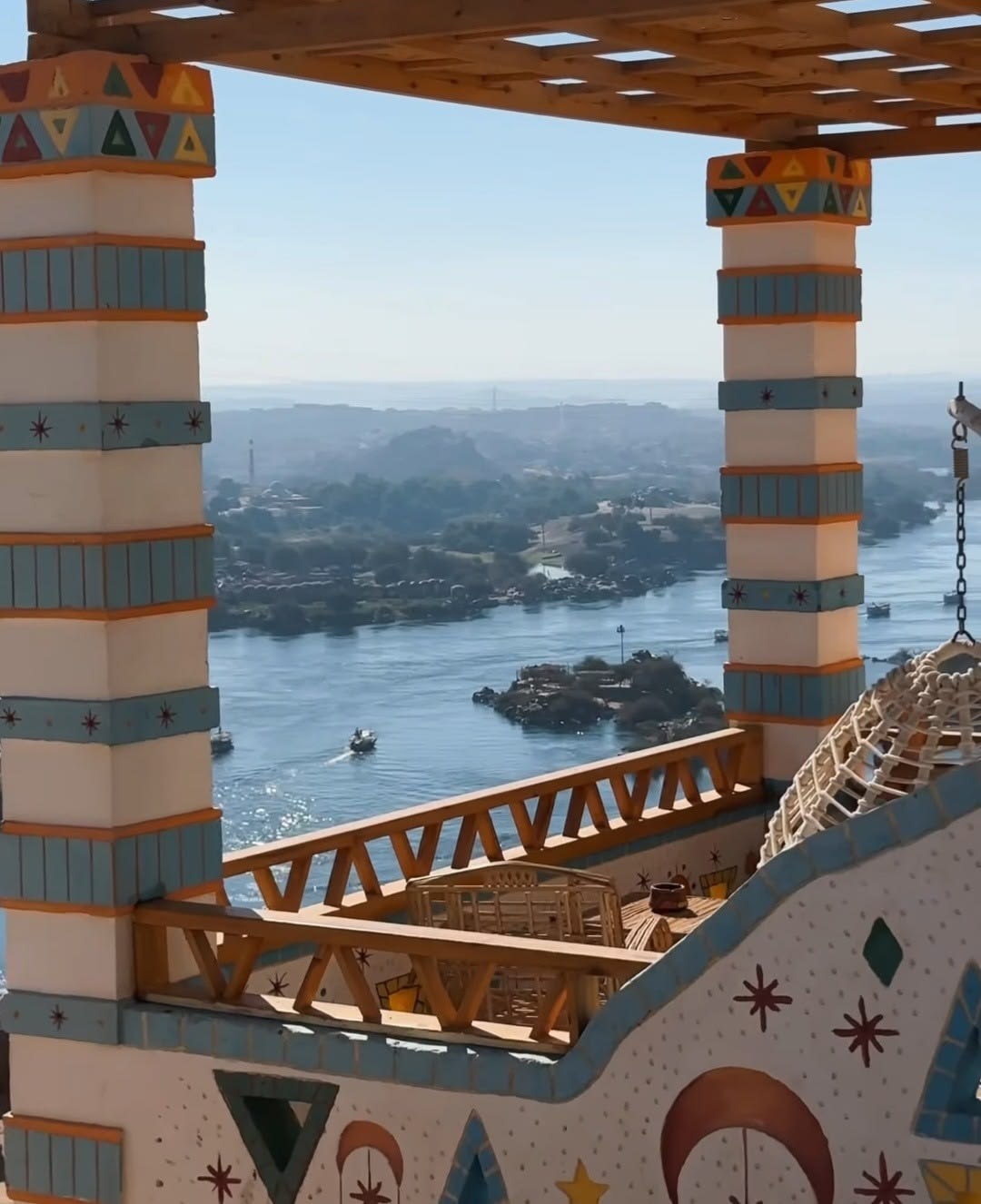
1. Why Take a Guided Tour in Aswan?
Aswan is one of Egypt’s most fascinating destinations, and joining a guided tour is one of the best ways to experience everything the city has to offer. Although independent travel is possible, guided tours provide convenience, expert knowledge, and access to historical and cultural insights that many visitors might otherwise miss. For first-time travelers especially, a professional guide can transform a simple sightseeing trip into a much deeper and more rewarding experience.
One of the biggest advantages of guided tours is the opportunity to learn about the rich history of Ancient Egypt. Sites such as Philae Temple, Abu Simbel, and the Unfinished Obelisk contain remarkable stories that are brought to life by licensed Egyptologists. Understanding the symbolism, architecture, and historical significance of these monuments helps visitors appreciate them on a much deeper level.
Guided tours also simplify transportation and logistics. Many attractions are spread across different locations, and organized tours usually include hotel pickup, air-conditioned transportation, and carefully planned itineraries. This allows travelers to enjoy the experience without worrying about navigation or scheduling.
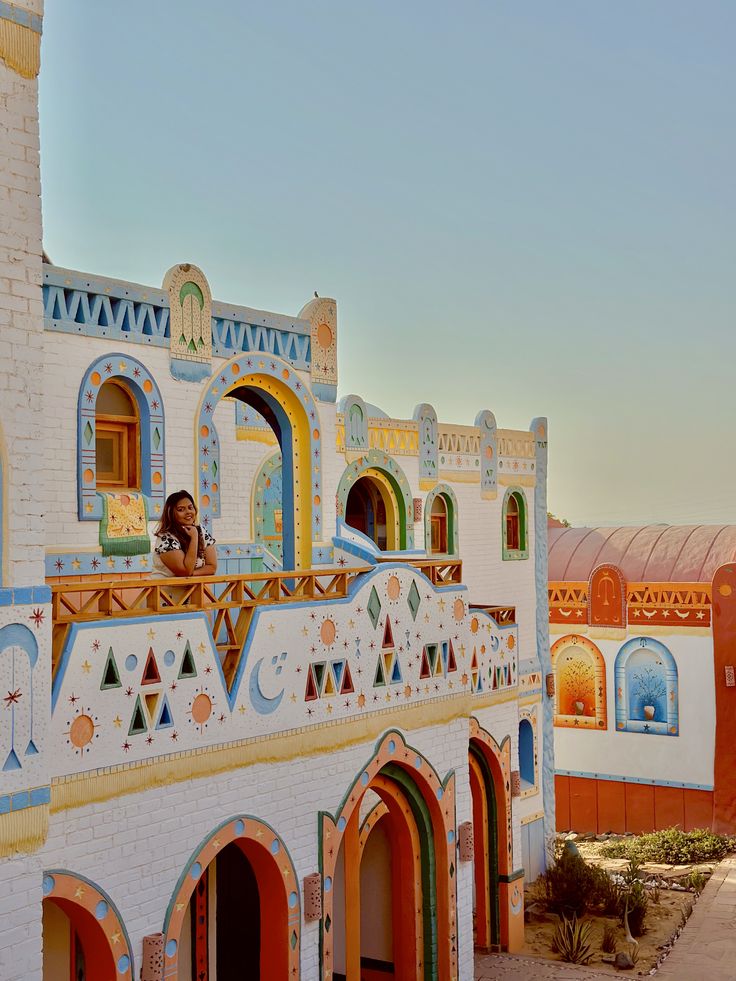
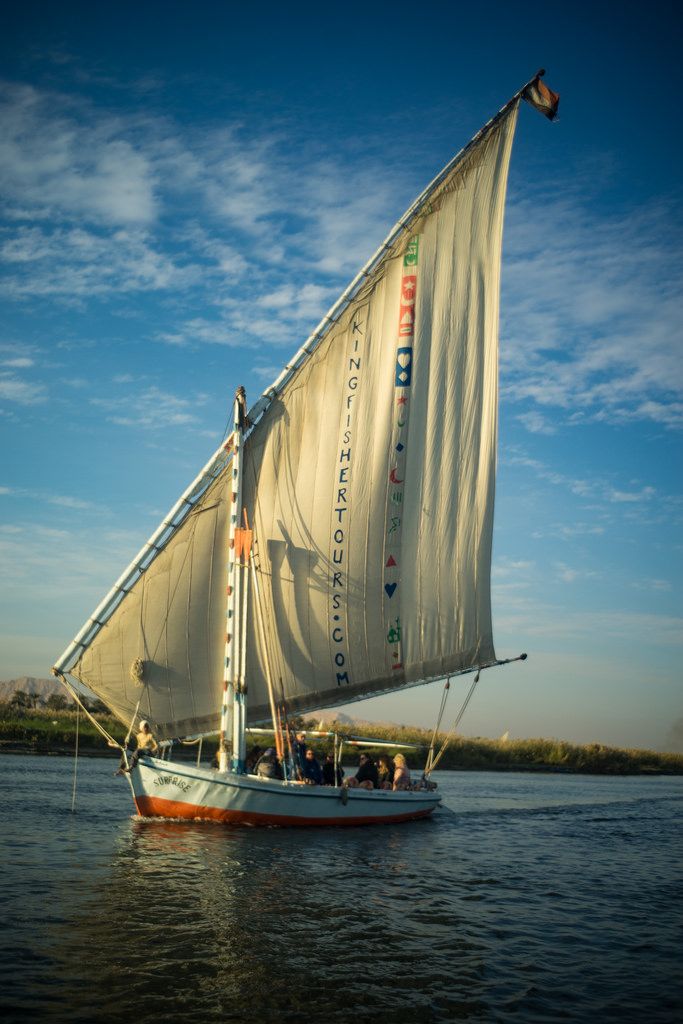
In addition, guided tours often provide opportunities to experience local culture. Visits to Nubian villages, traditional markets, and felucca rides offer a glimpse into daily life in southern Egypt and create memorable moments beyond the famous historical sites.
Whether you choose a private tour or a group excursion, guided experiences help maximize your time and ensure a more comfortable and informative visit to one of the most beautiful cities in Egypt.
2. Philae Temple Guided Tours
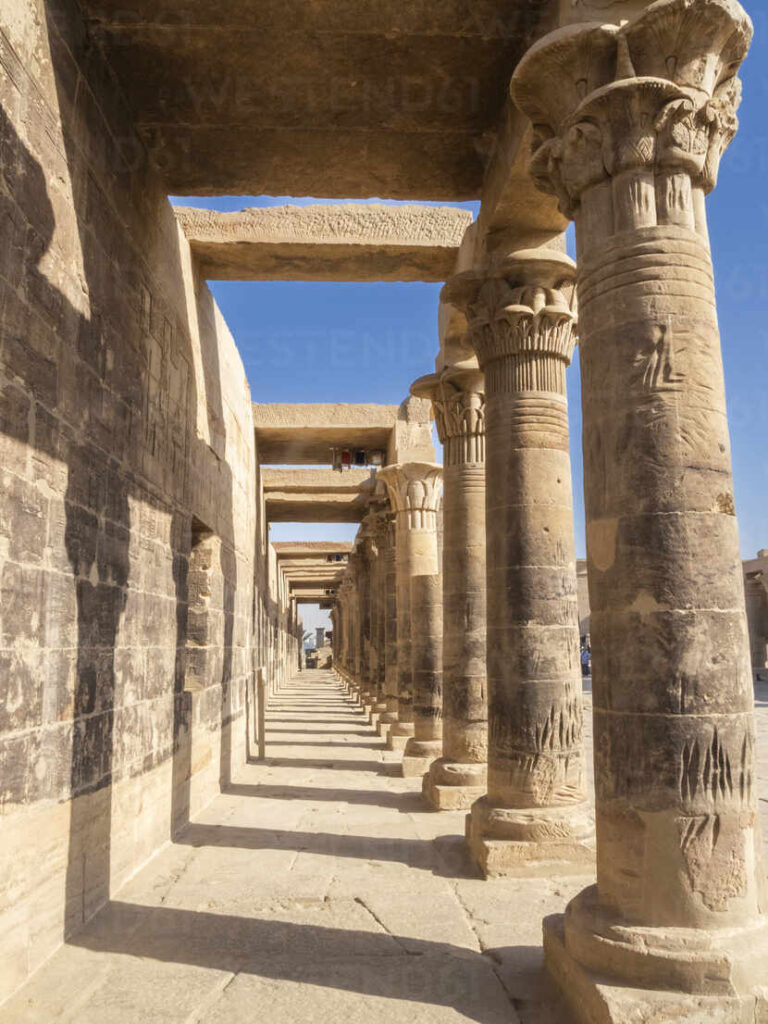
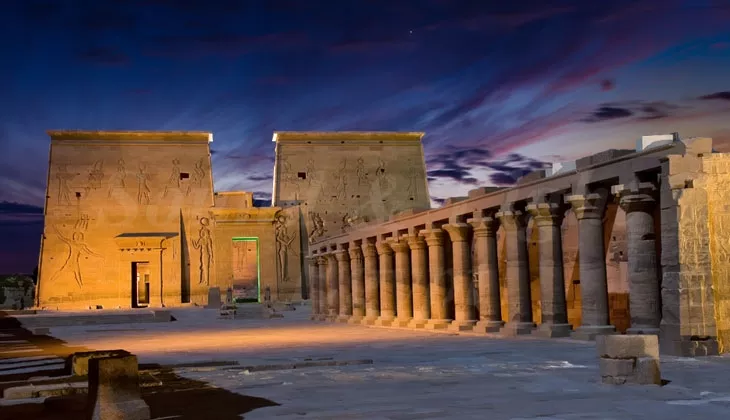
Philae Temple is one of the most beautiful and best-preserved temples in Egypt, making it one of the highlights of any visit to Aswan. Dedicated to the goddess Isis, the temple is located on Agilkia Island and is accessible only by boat, adding to its charm and uniqueness. Guided tours to Philae Temple are among the most popular excursions in Aswan and are highly recommended for travelers interested in Ancient Egyptian history and architecture.
Most guided tours begin with transportation from the hotel, followed by a short drive to the marina. Visitors then board a motorboat that takes them across the Nile to the island where the temple stands. The scenic journey itself is part of the experience, offering beautiful views of the surrounding landscape and the calm waters of the Nile.
Upon arrival, Egyptologist guides explain the fascinating history of the temple, which was originally located on Philae Island before being relocated during the construction of the Aswan High Dam. Visitors can admire the impressive pylons, courtyards, and intricate carvings that depict stories of Isis, Osiris, and Horus.
Many tours combine Philae Temple with other nearby attractions such as the High Dam and the Unfinished Obelisk, creating a half-day sightseeing experience. Morning visits are especially popular because of the cooler temperatures and excellent lighting for photography.
A guided tour of Philae Temple offers a perfect combination of history, scenery, and cultural discovery.
3. Abu Simbel Day Tours from Aswan
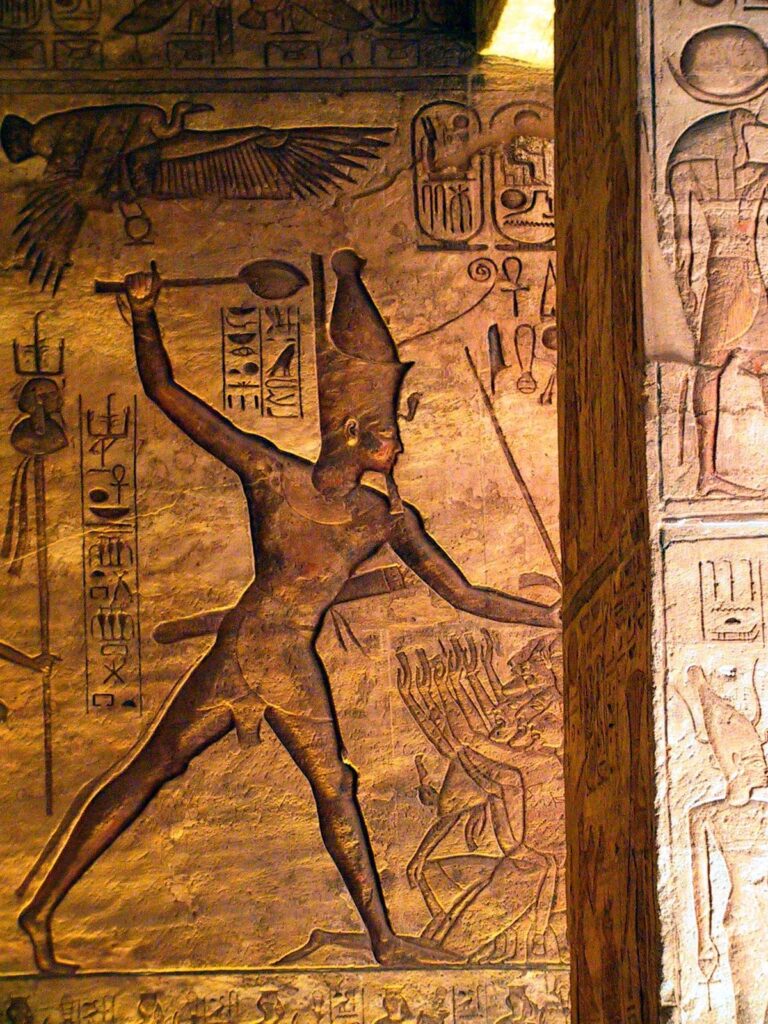
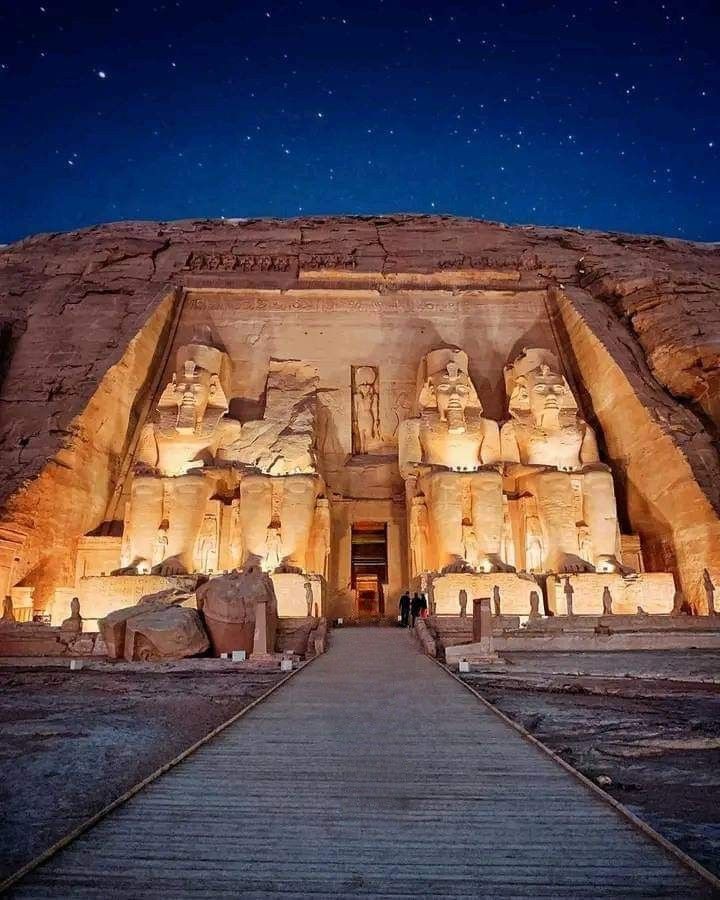
No trip to Aswan is complete without visiting the magnificent Abu Simbel Temples. Built by Ramses II more than three thousand years ago, these monumental temples are among the most impressive archaeological sites in the world. Because Abu Simbel is located approximately 280 kilometers south of Aswan, guided day tours are the most convenient and popular way to experience this UNESCO World Heritage Site.
Most tours begin very early in the morning, with travelers leaving Aswan before sunrise to avoid the heat and maximize their time at the site. The journey by road takes around three to four hours each way, although some visitors choose to fly to Abu Simbel for a faster and more comfortable experience.
Upon arrival, visitors are greeted by the four colossal statues of Ramses II that dominate the temple façade. Guides explain the history of the temple, its religious significance, and the extraordinary international effort that relocated the monuments during the 1960s to protect them from flooding caused by the construction of the High Dam.
Next to the Great Temple stands the smaller Temple of Queen Nefertari, dedicated to the goddess Hathor. Its elegant statues and beautifully preserved reliefs make it equally fascinating to explore.
For many travelers, Abu Simbel represents the highlight of their Egypt vacation and one of the most unforgettable experiences in the country.