
1. Why Visit Abu Simbel with a Guided Tour?
Visiting Abu Simbel is a once-in-a-lifetime experience, but reaching this remote site can be challenging without proper planning. This is why guided tours are the most popular and convenient way to explore the temples. Located about 280 kilometers from Aswan, Abu Simbel requires an early start, long travel time, and careful coordination, all of which are handled smoothly by organized tours.
One of the main advantages of a guided tour is convenience. Most tours include hotel pickup, air-conditioned transportation, and all logistics needed for a comfortable journey. Whether traveling by road or domestic flight, everything is arranged in advance, allowing visitors to focus entirely on the experience rather than transportation details.
Another major benefit is the historical insight provided by professional Egyptologists. Abu Simbel is not just a stunning monument; it is also filled with symbolism and fascinating historical context. Guides explain the story of Ramses II, the purpose of the temples, and the incredible relocation project that saved them from being submerged by Lake Nasser. Without this explanation, many important details can easily be missed.
Safety and time efficiency are also important reasons to choose guided tours. Traveling in organized groups or private vehicles ensures a smoother journey, especially when departing early in the morning or returning late in the day. Tours are carefully timed to maximize the experience at the site while avoiding extreme heat.
For first-time visitors to Egypt, a guided tour to Abu Simbel transforms a long journey into a meaningful and unforgettable historical experience.
2. History and Significance of Abu Simbel
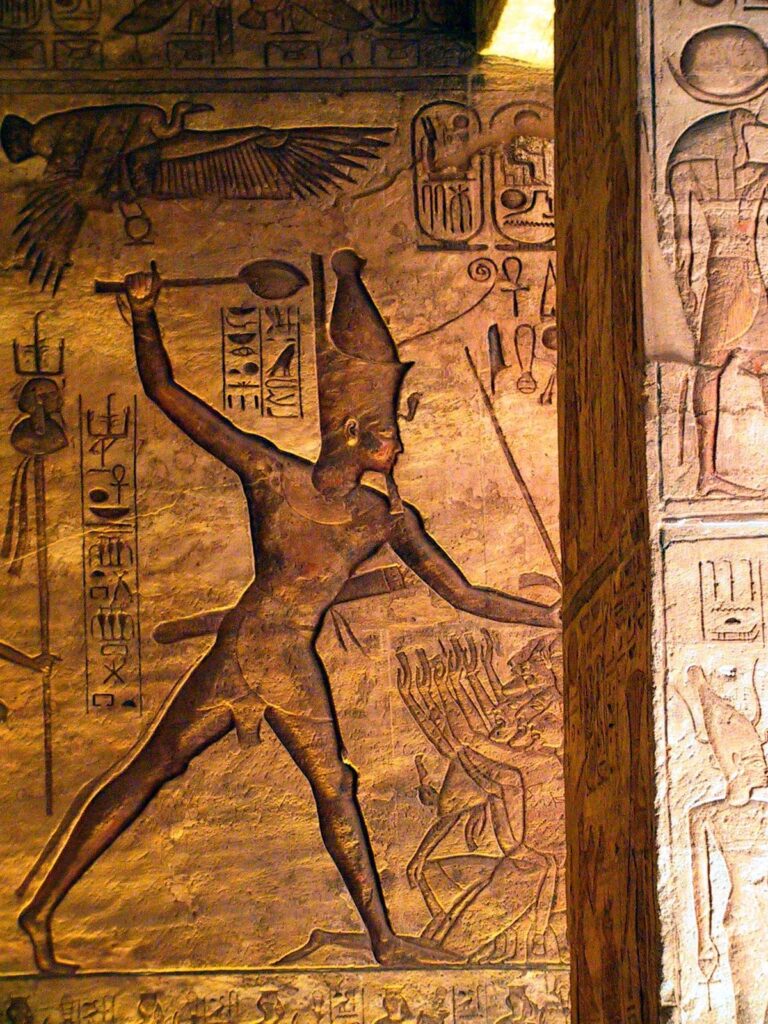
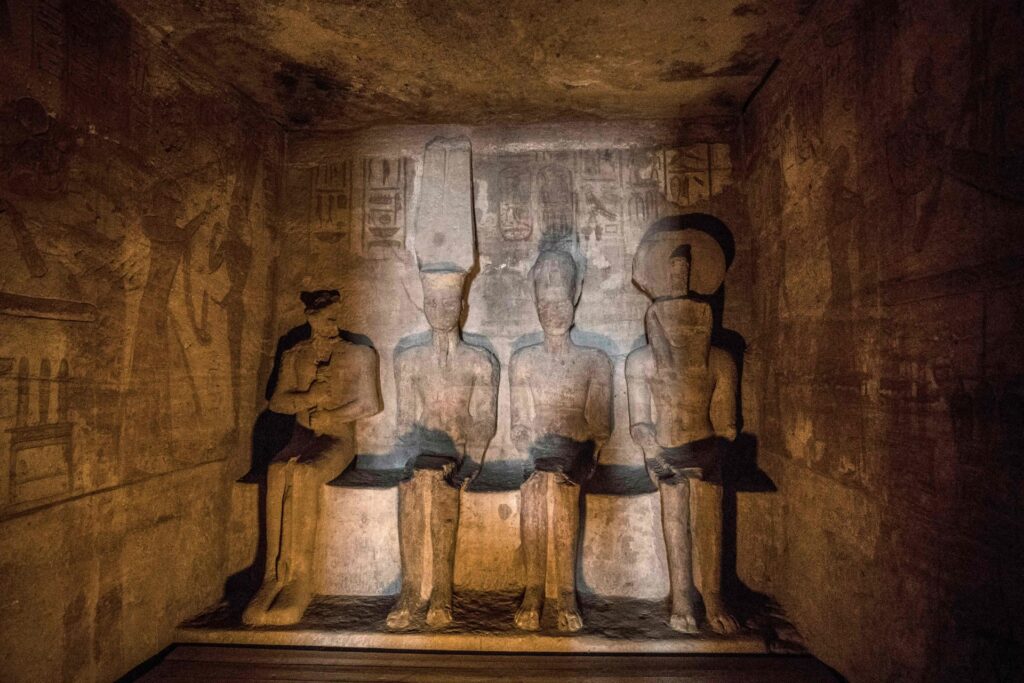
The Abu Simbel Temples are among the most impressive monuments of Ancient Egypt, built during the reign of Pharaoh Ramses II in the 13th century BC. The complex was designed to demonstrate the power of the pharaoh and to commemorate his victory at the Battle of Kadesh, one of the most famous military events of the ancient world. The temples also served a religious purpose, honoring the gods Amun, Ra-Horakhty, and Ptah.
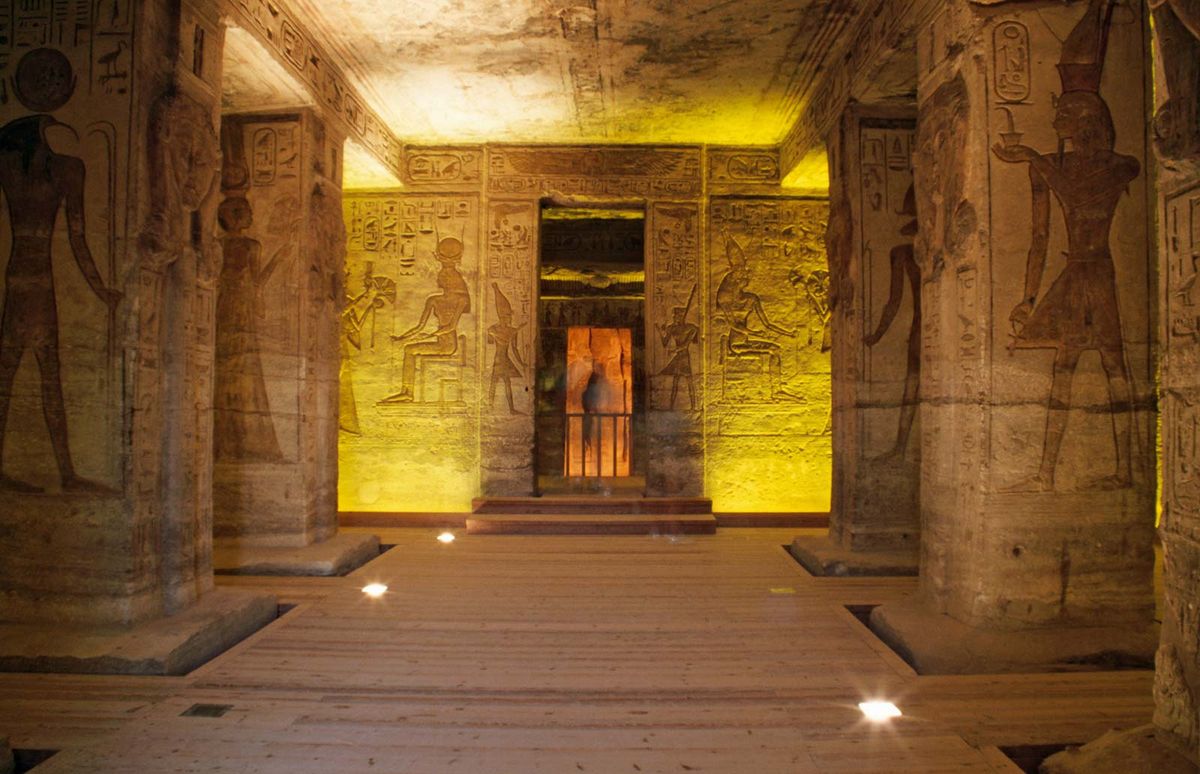
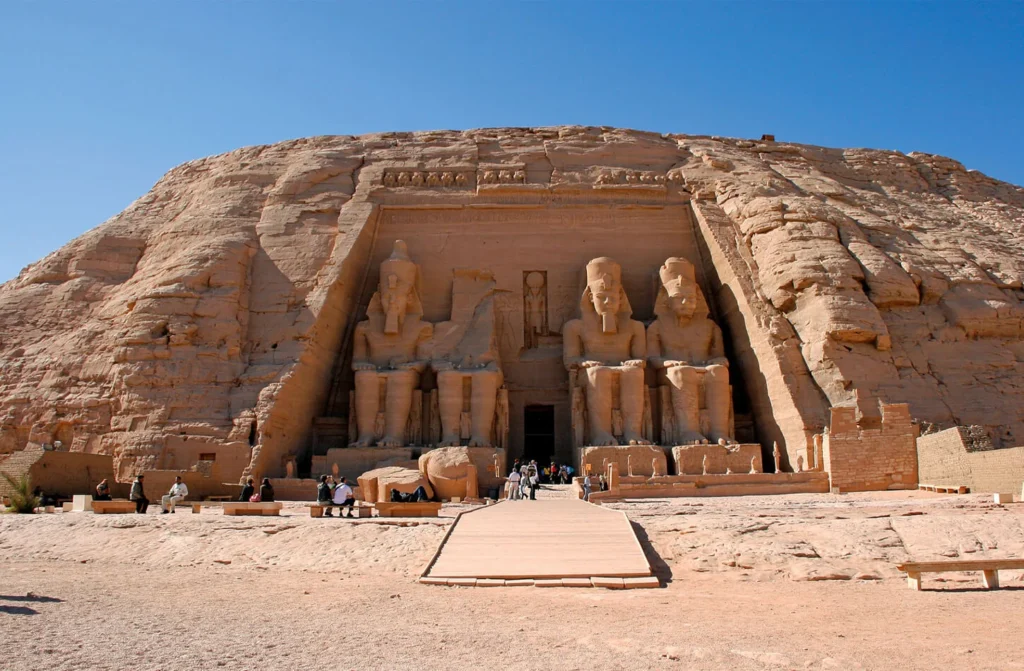
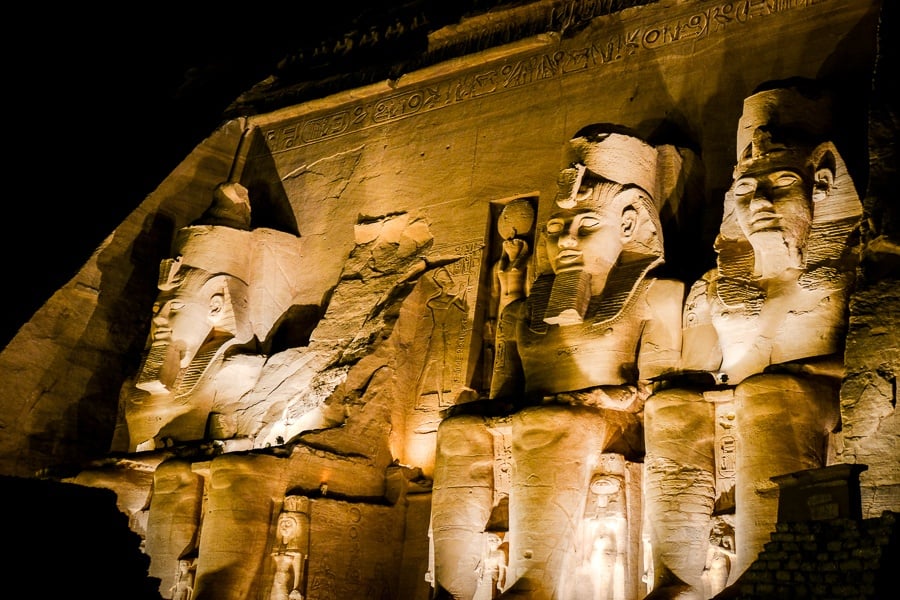
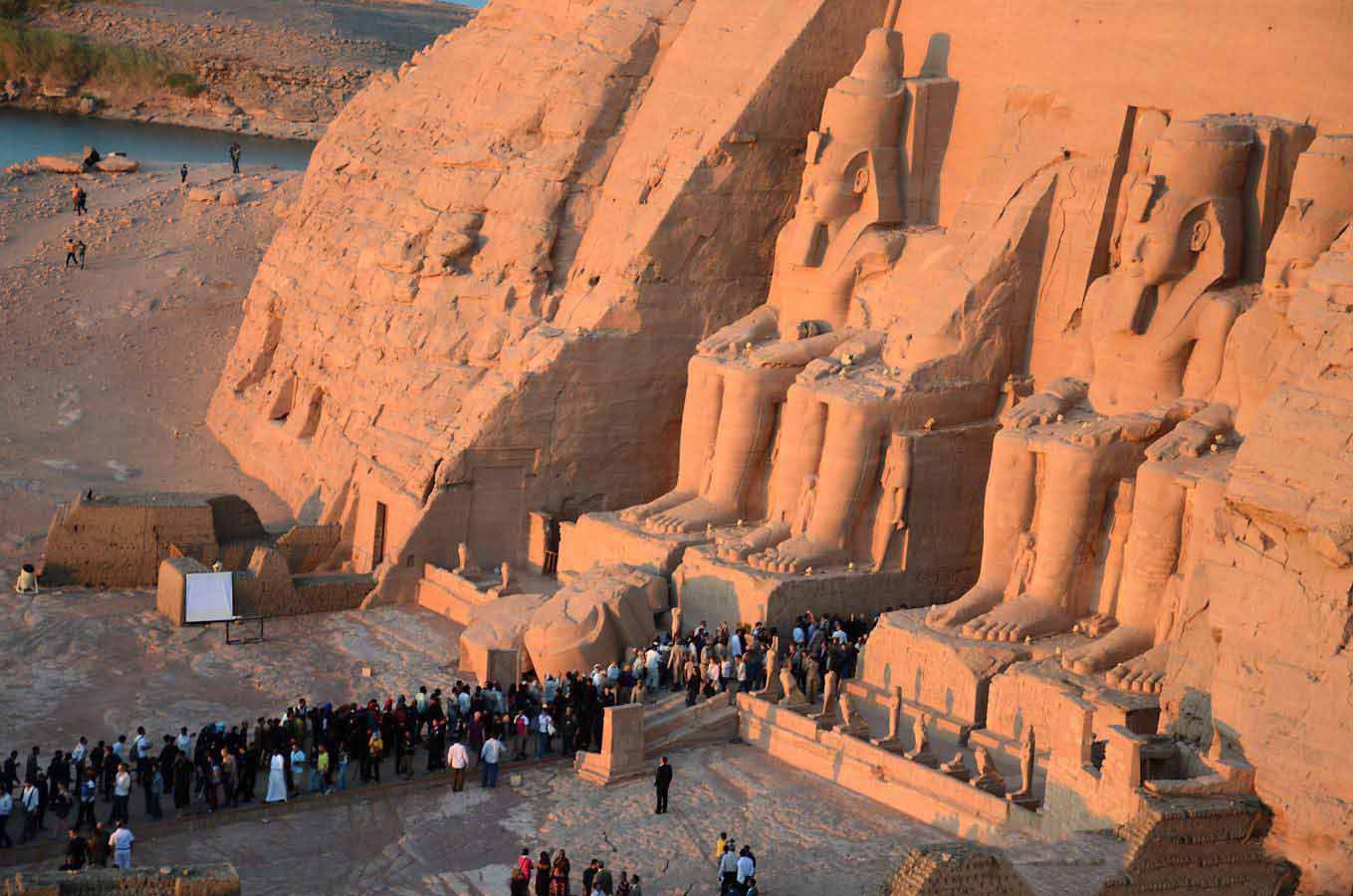
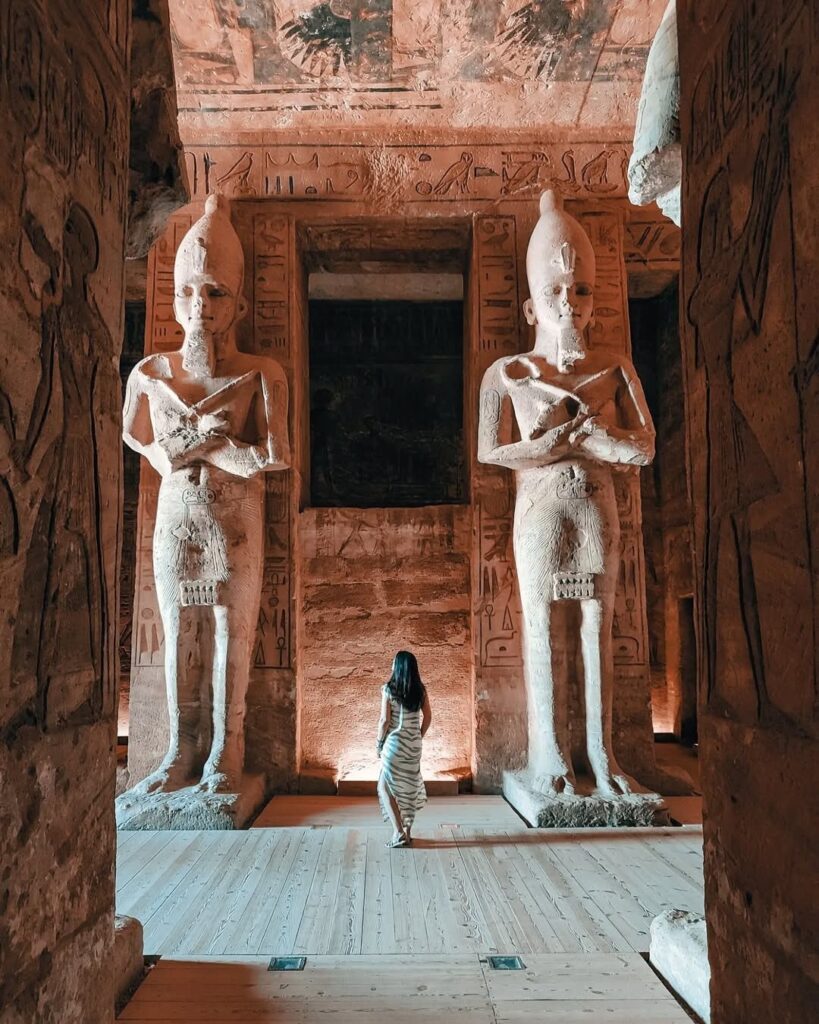
The main temple is famous for its massive façade, featuring four colossal seated statues of Ramses II, each standing over 20 meters high. These statues were carved directly into the mountainside and remain one of the most iconic images of Ancient Egypt. Inside the temple, visitors can explore halls decorated with detailed carvings that depict military victories, religious rituals, and offerings to the gods.
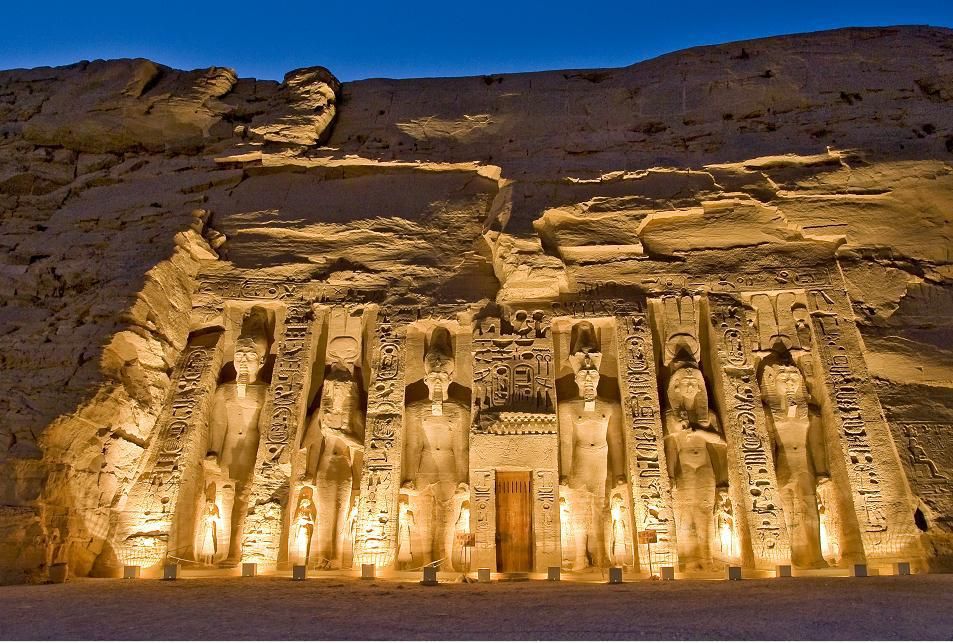
Next to the main temple is the smaller Temple of Hathor, dedicated to Queen Nefertari, one of Ramses II’s most beloved wives, and the goddess Hathor. This temple is unique because it highlights the queen’s importance, showing rare depictions of a royal woman standing equal in size to the pharaoh.
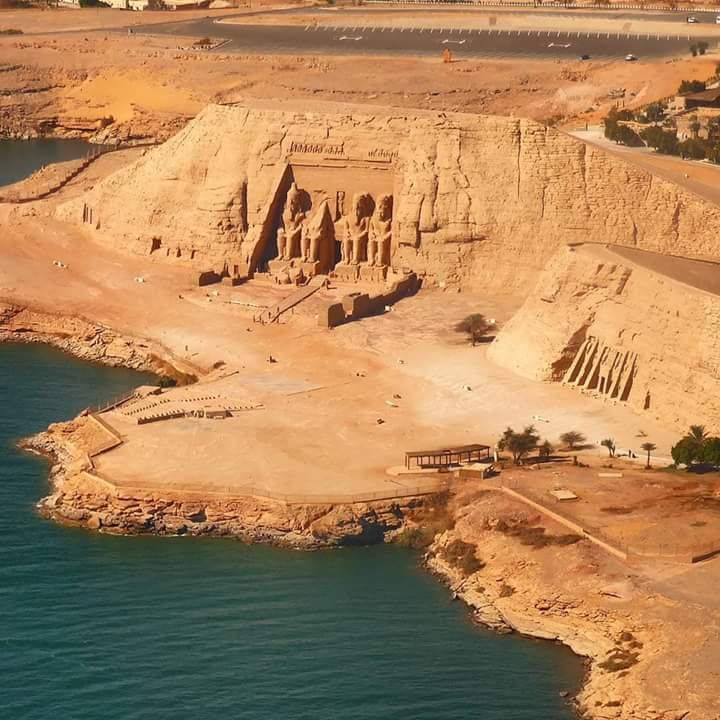
In the 20th century, Abu Simbel became internationally famous again when the construction of the Aswan High Dam threatened to submerge the temples under Lake Nasser. A massive UNESCO-led project successfully relocated both temples to higher ground, preserving them for future generations. This engineering achievement remains one of the greatest archaeological rescue operations in history.
Today, Abu Simbel is recognized as a UNESCO World Heritage Site and stands as a symbol of Ancient Egyptian greatness and modern international cooperation.
3. Abu Simbel Tours from Aswan
Most travelers visit Abu Simbel as a day trip from Aswan, making it the most common starting point for guided tours. Due to the long distance between the two locations, tours usually begin very early in the morning, often around 4:00 AM or 5:00 AM, to ensure visitors arrive at the temples before the heat of the day and the peak crowds.
The journey from Aswan to Abu Simbel takes approximately three to four hours by road. Travelers are transported in comfortable air-conditioned vehicles, often as part of a convoy for safety and organization. Alternatively, some visitors choose domestic flights, which significantly reduce travel time and offer a more relaxed experience.
Upon arrival, guided tours typically begin with an introduction to the site’s history before visitors explore the two temples. The guide explains the significance of the colossal statues, the interior chambers, and the religious and political symbolism behind the construction of the complex.
Most tours allow between one and two hours at the site, giving travelers enough time to walk through the temples, take photographs, and enjoy the scenic views of Lake Nasser. After the visit, the return journey begins, with most travelers arriving back in Aswan by early afternoon.
Some premium tours also include breakfast, refreshments, or additional stops along the way, making the long journey more comfortable and enjoyable. Despite the distance, Abu Simbel remains one of the most rewarding day trips in Egypt and a must-see destination for history lovers.