
1. The Importance of Food in Ancient Egyptian Civilization
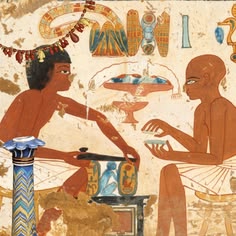
Food was one of the most important aspects of Ancient Egyptian daily life, influencing agriculture, economy, religion, and social relationships. The ability to produce enough food was essential for maintaining a stable population and supporting the development of cities, temples, and government institutions. Because of the Nile River and successful farming techniques, Ancient Egypt became one of the most productive agricultural societies in the ancient world.
The Egyptian economy was largely based on agricultural production. Farmers cultivated large quantities of grain, vegetables, fruits, and other crops that supplied food for families, workers, soldiers, priests, and royal officials. Grain was especially valuable because it could be stored for long periods and used as a form of payment for workers and government employees.
Food production also supported Egypt’s famous construction projects. The workers who built pyramids, temples, and royal tombs received regular food supplies, including bread, beer, onions, fish, and vegetables. These provisions allowed thousands of laborers to work on large-scale projects throughout the kingdom.
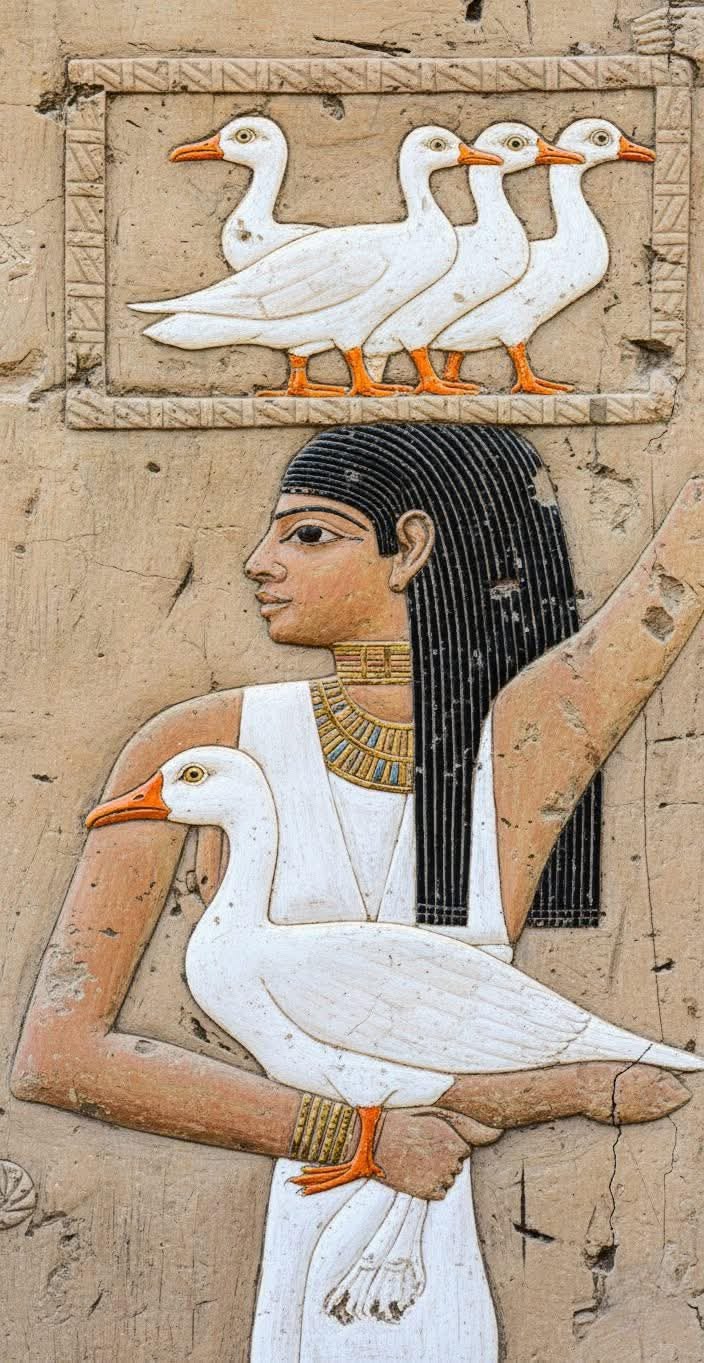
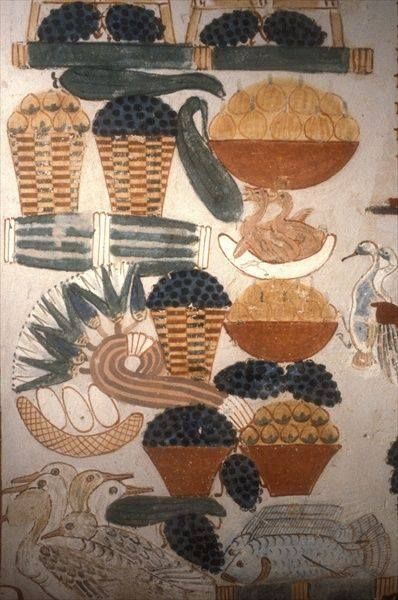
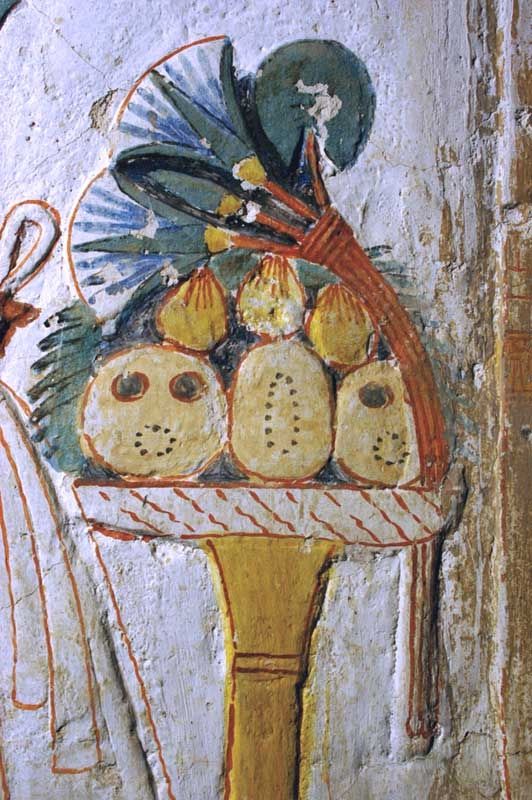
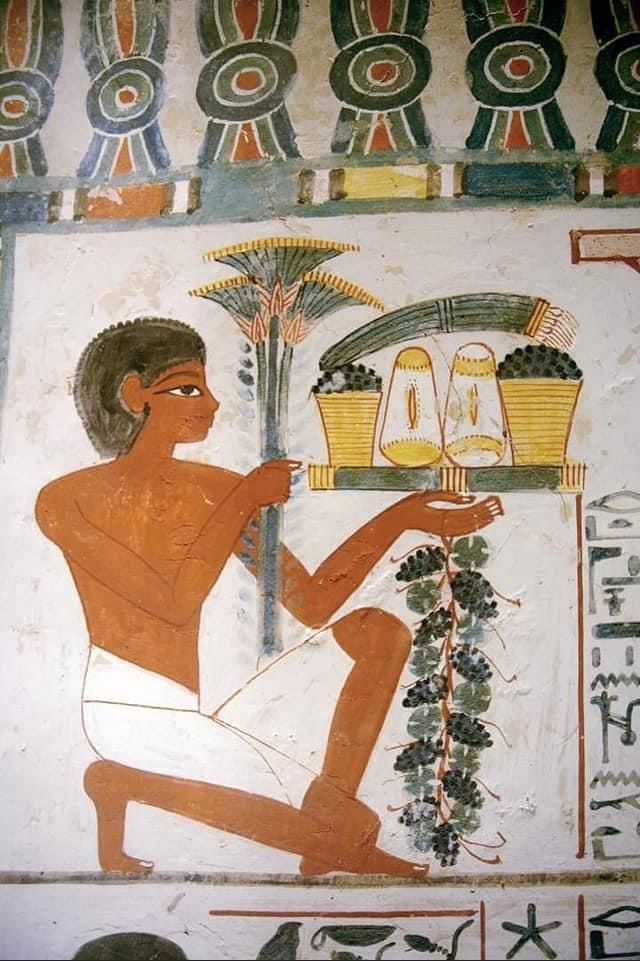
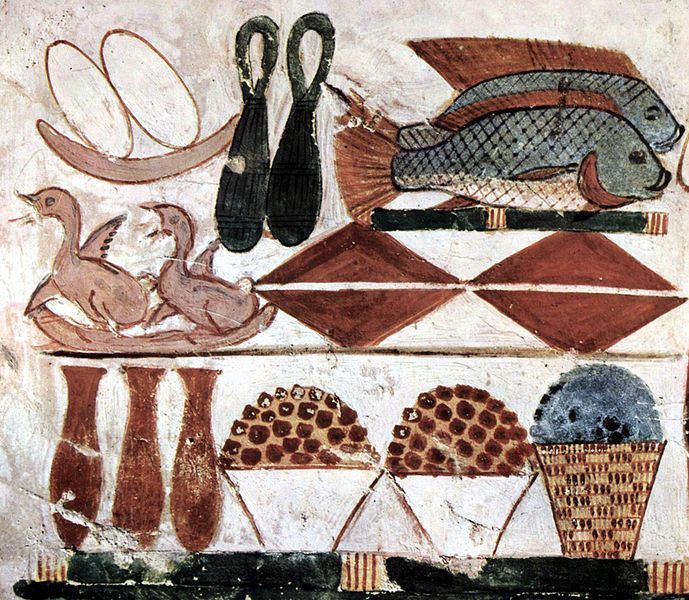
Food had a strong connection with religion. Ancient Egyptians believed that gods controlled natural forces such as fertility, harvests, and the annual Nile flood. Temples received large quantities of food offerings, including bread, meat, fruits, wine, and beer, which were presented during religious ceremonies. After rituals, some offerings were distributed among priests and temple workers.
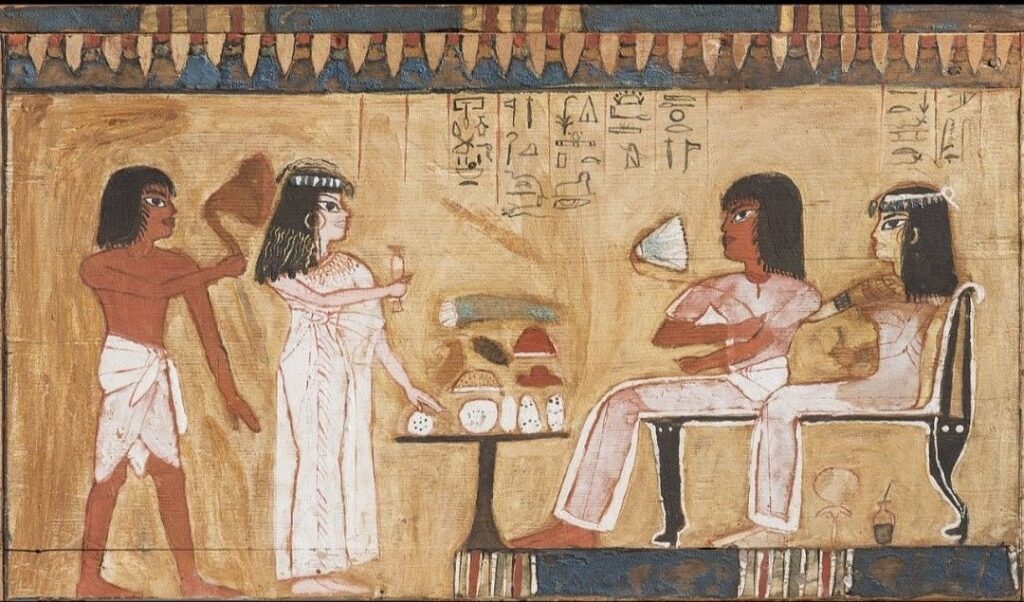
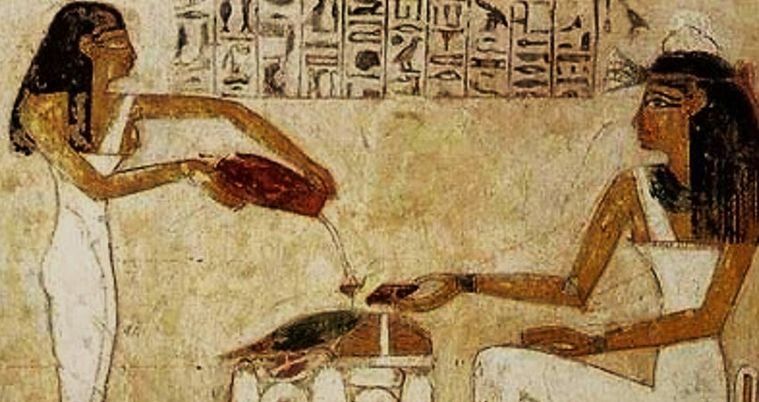
The importance of food continued into beliefs about the afterlife. Egyptians placed food and drink inside tombs because they believed the deceased needed nourishment in the next world. Tomb paintings often show scenes of farming, hunting, fishing, and preparing meals, reflecting the desire for eternal abundance.
Food also played a role in social gatherings and celebrations. Festivals, weddings, and special occasions included large meals with music, dancing, and entertainment. Sharing food strengthened relationships between families, communities, and religious groups.
The successful food system of Ancient Egypt demonstrates how agriculture shaped every part of society. From the fields of farmers to the tables of Pharaohs, food was a symbol of life, prosperity, and connection between humans, nature, and the gods.
2. Bread and Beer: The Foundation of the Ancient Egyptian Diet
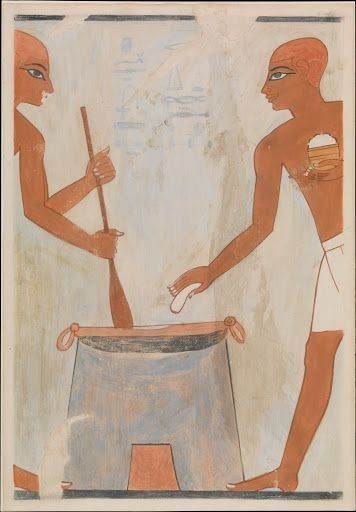
Among all foods consumed in Ancient Egypt, bread and beer were the most important and widespread. These two foods formed the foundation of the daily diet for people from nearly every social class, including farmers, workers, craftsmen, soldiers, priests, and even members of the royal family. Their importance was so great that they became symbols of nourishment, prosperity, and everyday life.
Bread was produced mainly from wheat and barley, two of the most important crops grown along the Nile Valley. Egyptian farmers cultivated grain during the agricultural seasons, then transported harvested grain to bakeries where it was ground into flour. Women often played a major role in bread preparation, grinding grain, mixing dough, shaping loaves, and baking them in clay ovens.
Ancient Egyptians produced many different types of bread. Some loaves were simple and flat, while others were shaped into decorative forms for religious ceremonies or special occasions. Wealthy households could enjoy bread made with higher-quality ingredients, while ordinary families consumed simpler varieties.
Beer was equally important and was considered a basic food source rather than only an alcoholic drink. Egyptian beer was thicker and more nutritious than modern beer because it contained grains and provided calories. It was consumed daily and was often safer than drinking untreated water from the Nile.
Workers received bread and beer as part of their wages. Records from workers’ villages show that laborers involved in building royal tombs and monuments were regularly supplied with these essential foods. Government officials also used bread and beer distributions to organize large labor forces.
Bread and beer were closely connected to religion as well. Egyptians offered them to gods in temples and placed them in tombs to provide nourishment for the deceased. Many ancient inscriptions use expressions similar to “bread and beer” as a symbol of having enough resources for a good life.
The importance of bread and beer demonstrates how food shaped Egyptian society. These simple but essential products supported the population, strengthened the economy, and became lasting symbols of life and prosperity in Ancient Egypt.
3. Crops and Agricultural Products in Ancient Egypt
The success of the Ancient Egyptian diet depended heavily on the agricultural wealth created by the Nile River. Egyptian farmers developed advanced farming techniques that allowed them to cultivate a wide variety of crops throughout the fertile Nile Valley. These agricultural products provided the basic ingredients for daily meals and supported the economy of the entire civilization.
The most important crops were wheat and barley. Wheat was primarily used for making bread, while barley was used for producing beer. These grains were considered essential resources and were carefully stored in government and temple granaries to ensure food supplies throughout the year.
Vegetables were another important part of the Ancient Egyptian diet. Farmers grew onions and garlic, which were among the most commonly consumed foods. Egyptians also cultivated lettuce, cucumbers, beans, lentils, peas, radishes, and leeks. These vegetables provided important nutrients and were eaten by both ordinary families and wealthy households.
Fruit was highly valued, especially among wealthier Egyptians. Dates, figs, grapes, pomegranates, and melons were popular fruits grown in gardens and orchards. Grapes were particularly important because they were used to produce wine, a drink often associated with celebrations, religious ceremonies, and elite households.
Flax was another significant agricultural product. Although it was not eaten, it played an essential role in Egyptian life because it was used to produce linen clothing, ropes, fishing nets, and burial materials. The production of flax contributed to Egypt’s textile industry and trade.
Papyrus plants growing near the Nile were also valuable. Egyptians used papyrus to create writing material, boats, baskets, mats, and other household items.
The variety of crops produced in Ancient Egypt created a balanced food system that supported different social classes. While farmers consumed mainly bread, vegetables, and beer, nobles and royalty enjoyed a wider range of foods, including fruits, meat, and luxury products.
The agricultural achievements of Ancient Egypt demonstrate the importance of the Nile River and the remarkable skills of Egyptian farmers. Their ability to produce abundant crops allowed the civilization to grow, prosper, and maintain a stable food supply for thousands of years.