
Welcome to

Ancient Egypt Social Equality

Social equality in Ancient Egypt was a complex concept shaped by the civilization’s social hierarchy, religious beliefs, legal traditions, and cultural values. Although Ancient Egyptian society was organized into distinct social classes, including pharaohs, nobles, priests, scribes, craftsmen, farmers, and laborers, there were important principles of fairness, justice, and social responsibility that influenced daily life. These ideals were closely connected to the concept of Ma’at, which represented truth, balance, order, harmony, and justice throughout Egyptian society.

Ancient Egypt was not an egalitarian society in the modern sense. Social status often depended on occupation, wealth, education, and proximity to the royal court. Pharaohs stood at the top of the social structure, followed by nobles, government officials, priests, and skilled professionals. Farmers, craftsmen, laborers, and merchants formed the majority of the population. Despite these differences, many individuals had opportunities to improve their social standing through education, military service, administrative work, or exceptional achievements.

One of the most notable aspects of Ancient Egyptian society was the relatively high status of women compared to many other ancient civilizations. Egyptian women could own property, inherit wealth, conduct business, sign legal contracts, initiate divorce, and participate in religious activities. Powerful women such as Hatshepsut, Nefertari, Tiye, and Cleopatra demonstrated that women could hold significant influence in politics, religion, and public life.

The legal system of Ancient Egypt emphasized fairness and justice under the principles of Ma’at. Courts handled disputes involving property, inheritance, contracts, and criminal offenses, while judges were expected to make decisions based on truth and equity. Although wealth and influence could affect outcomes, the ideal of justice remained a central value within Egyptian governance and society.

Social cooperation was also essential to Egyptian life. Large-scale agricultural projects, temple construction, trade networks, and public works required collaboration among different social groups. Farmers, craftsmen, scribes, laborers, and officials all contributed to the success and stability of the kingdom, creating a society that depended on mutual responsibility and organized cooperation.

In this guide, we explore social equality in Ancient Egypt, examining social classes, legal rights, the status of women, opportunities for social mobility, the influence of Ma’at, and the ways in which justice and social order shaped one of the world’s most enduring civilizations.

1. Social Classes and Equality in Ancient Egyptian Society

The Ancient Egyptian social structure was organized into different levels, creating a hierarchical society where each group had specific roles and responsibilities. While this system was not equal in terms of wealth and power, it provided organization and stability throughout Egyptian history.

At the highest level was the Pharaoh, who was considered both a political leader and a divine figure. The Pharaoh controlled government, religious activities, military decisions, and economic resources. Below the Pharaoh were high officials, nobles, and priests who managed administration, temples, and important state activities.

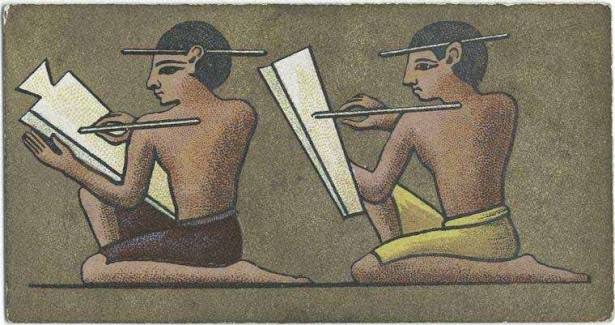
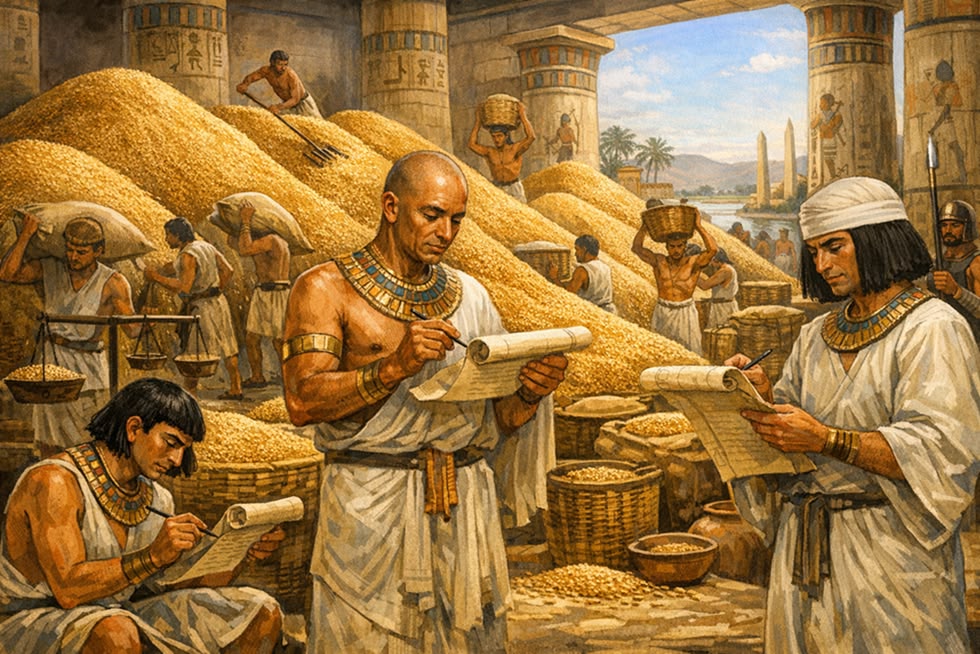
Scribes occupied an important position because literacy was highly valued. Their ability to read, write, and calculate allowed them to work in government offices, temples, and royal institutions. Education provided one of the main opportunities for social advancement.

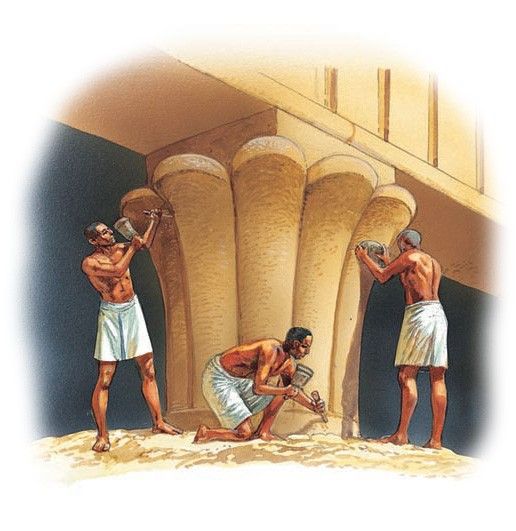
Craftsmen and skilled workers formed another important group. Artists, builders, jewelers, and engineers contributed to Egypt’s achievements and often enjoyed better conditions than ordinary laborers.

Farmers represented the largest part of the population. Although they had lower social status, their work was essential because agriculture supported the entire economy. Farmers produced food, paid taxes, and provided resources for cities and institutions.

Laborers and servants occupied lower positions but still played important roles in society. Many worked in construction, agriculture, and domestic services.

Social equality in Ancient Egypt did not mean that all people had the same wealth or status. Instead, equality was connected to maintaining balance and fulfilling responsibilities within society.

The Egyptian system allowed limited social mobility. A talented individual could improve their position through education, military success, skilled work, or government service.

This combination of hierarchy and opportunity made Ancient Egypt different from many ancient civilizations. Although social differences existed, individuals could gain respect and improve their lives through their abilities and contributions.
2. Legal Rights and Equality Before the Law in Ancient Egypt

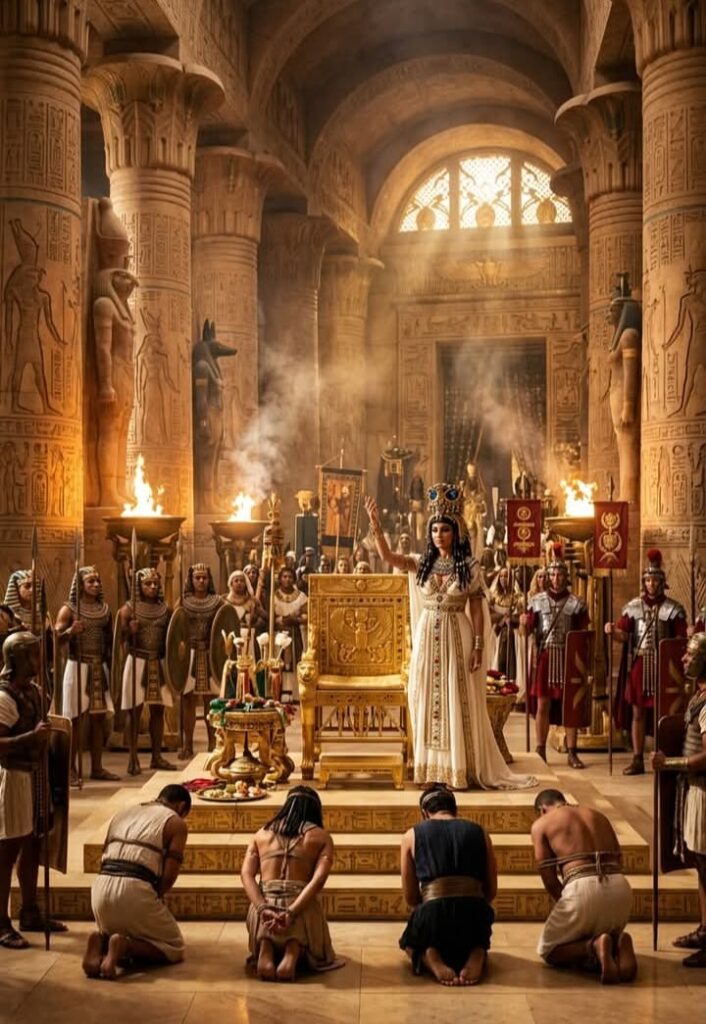
The Ancient Egyptian legal system played an important role in maintaining fairness and social order. Although Egyptian society had clear differences between classes, laws provided protections and responsibilities for various groups.

The concept of justice was connected to Ma’at, the principle of truth, balance, and harmony. Egyptian rulers were expected to maintain justice and protect society from disorder.

Legal decisions were usually handled by officials, local authorities, and courts. Judges considered evidence, witness statements, and written agreements when resolving disputes.

One important aspect of Egyptian society was the recognition of individual rights. People could own property, make contracts, inherit wealth, and seek legal solutions when conflicts occurred.

Women especially benefited from Egyptian legal traditions. They could own land, control personal wealth, make business agreements, and appear in court. These rights were unusual compared with many other ancient societies.

Workers and ordinary citizens also had legal protections. Employment agreements, payments, and responsibilities could be recorded in written documents. Workers could complain when agreements were not respected.

Social status could influence legal outcomes, but the Egyptian system still recognized the importance of justice and proper procedures.

Property rights were another important area of equality. Individuals, including women, could own houses, land, and valuable goods. They could transfer ownership through legal documents.

The legal system helped create stability by establishing rules that applied across society. It allowed people to protect their interests and resolve conflicts.

Although Ancient Egypt was not an equal society by modern standards, its legal traditions provided many rights and protections. The emphasis on justice, responsibility, and order contributed to the long-lasting success of Egyptian civilization.
3. Women’s Rights and Gender Equality in Ancient Egypt

Women’s position in Ancient Egypt social equality is one of the most remarkable aspects of Egyptian civilization. Compared with many ancient societies, Egyptian women enjoyed significant legal and economic rights that gave them greater independence.

Ancient Egyptian women could own and inherit property. They were allowed to purchase land, manage businesses, and control personal wealth. Marriage did not remove a woman’s ownership rights, and many women maintained control over their possessions.

Women could also enter legal agreements. They could make contracts, participate in court cases, and defend their rights before authorities. Written documents provide evidence of women participating in economic and legal activities.

In daily life, women worked in different occupations. They participated in agriculture, textile production, food preparation, trade, religious activities, and household management.

Education opportunities were more limited for women compared with men, but some women from wealthy families received education and became administrators or religious officials.

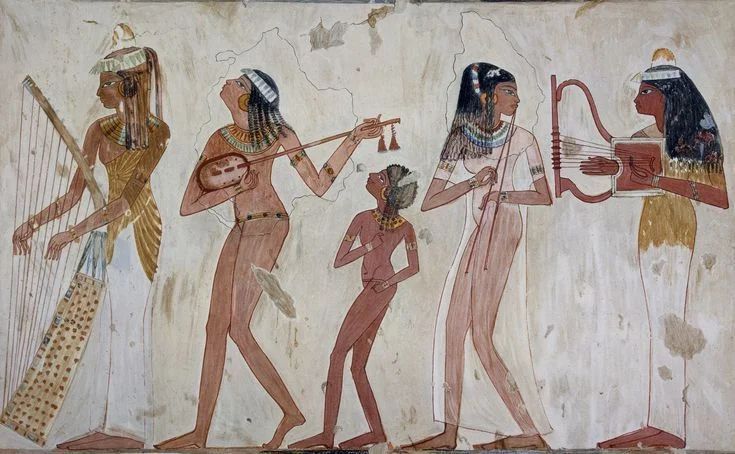
The religious system also provided opportunities for women. Some women served as priestesses, musicians, and temple workers.

Royal women held particularly important positions. Queens influenced political affairs, managed estates, and supported royal administration. Some women reached the highest levels of power, including ruling as Pharaohs.

However, gender equality was not complete. Most political and administrative positions were dominated by men, and social expectations often focused women’s roles around family and household responsibilities.

Despite these limitations, Ancient Egyptian women had more legal independence than many women in other ancient civilizations.

The rights of Egyptian women demonstrate that social equality in Ancient Egypt included recognition of individual abilities and legal status. Their participation in economic, social, and religious life was an important part of Egyptian civilization.
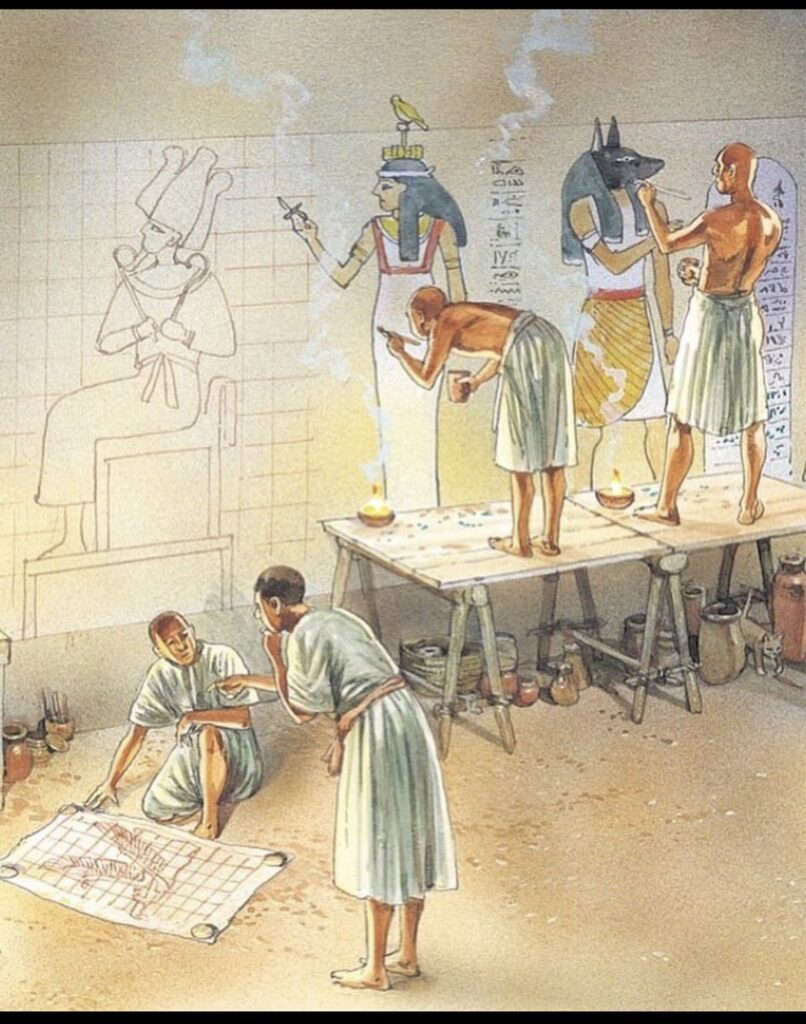
4. Social Equality and the Role of Workers in Ancient Egypt

Workers played a fundamental role in the Ancient Egypt social equality system because their efforts supported the economy, construction projects, agriculture, and daily life. Although workers did not have the same social status as officials or nobles, they were recognized as essential members of society.

The Egyptian civilization depended on the contributions of many types of workers, including farmers, builders, craftsmen, miners, fishermen, and laborers. Each group had specific responsibilities that helped maintain the stability and prosperity of the kingdom.

Farmers represented the largest workforce in Ancient Egypt. Their agricultural activities along the Nile River provided food for the population and resources for trade and taxation. Although farming was considered a lower-status occupation, farmers had an important economic role.

Skilled craftsmen often enjoyed better social conditions. Artists, sculptors, jewelers, and builders were respected because their skills contributed to temples, tombs, statues, and royal projects. Many craftsmen lived in organized communities and received regular payments.

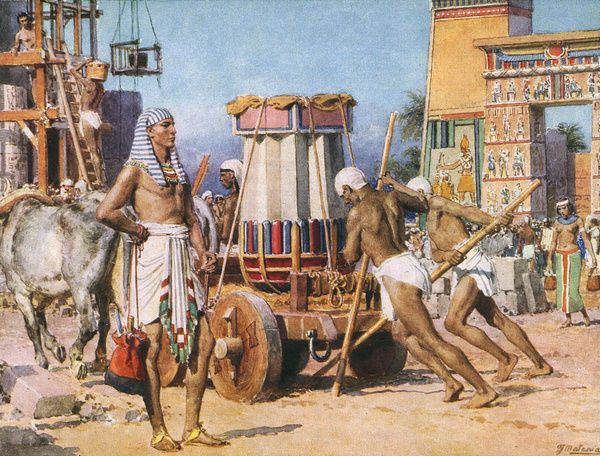
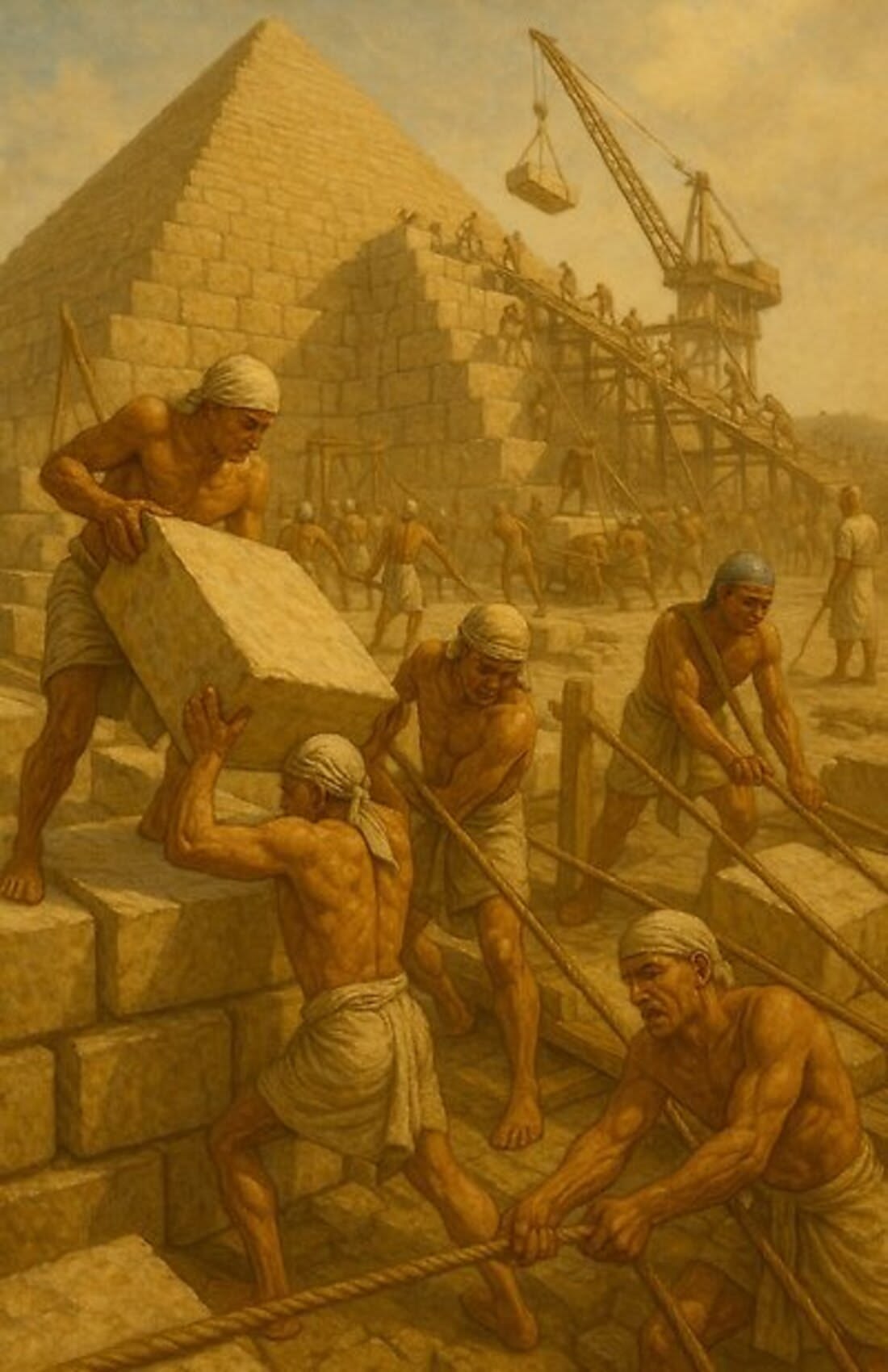
Construction workers are an important example of organized labor in Ancient Egypt. Evidence from worker villages shows that many builders received food supplies, housing, medical care, and organized support. They were not simply unrecognized laborers but part of a managed workforce.

Workers also had the ability to defend their interests. Historical records from the New Kingdom show that workers at Deir el-Medina organized a strike when their payments were delayed. This demonstrates that laborers could express complaints and demand their rights.

The government and temples played a major role in protecting and organizing workers. Officials supervised employment, distributed resources, and recorded payments.

However, equality between workers and higher social classes did not exist. Wealth, education, and political influence remained concentrated among nobles, priests, and officials.

Despite social differences, Ancient Egyptian society recognized the importance of every occupation. The idea of Ma’at encouraged each person to perform their role to maintain balance and order.

The role of workers shows that social equality in Ancient Egypt was based less on having identical status and more on recognizing the contribution of different groups. Every profession had a place within the larger structure of Egyptian civilization.

5. Education and Opportunities for Social Advancement in Ancient Egypt

Education was one of the most important ways to achieve social advancement in Ancient Egypt. Although education was not available equally to everyone, learning provided opportunities for individuals to improve their position and gain respect within society.

The most valuable form of education was learning to become a scribe. Scribes were highly respected because writing and mathematics were essential for government administration, taxation, trade, and religious activities.

Children from wealthy families were more likely to receive formal education, especially boys who could enter administrative careers. Students learned reading, writing, mathematics, history, and professional skills needed for government work.

Becoming a scribe could transform a person’s social position. A person from a lower-status family could gain influence and economic security through education. Many officials began their careers as educated scribes.

Education was also important for craftsmen. Skilled professions required long training and experience. Artists, builders, and artisans learned techniques from older generations and developed specialized knowledge.

Religious education was another important area. Priests and temple workers required knowledge of rituals, religious texts, and traditions.

Although most women had fewer educational opportunities than men, some women received education and became involved in administration, religion, and economic activities.

The Egyptian system did not provide equal education for all social groups. Poor families often depended on agricultural work and had fewer opportunities for formal learning.

However, compared with many ancient civilizations, Ancient Egypt allowed some movement between social classes through knowledge and skills.

Education represented one of the strongest examples of social mobility in Ancient Egypt. It showed that intelligence, training, and professional ability could influence a person’s future.

The importance of education demonstrates that Ancient Egyptian society was not completely fixed. While social hierarchy existed, individuals could improve their position through learning, dedication, and service to the kingdom.

6. Wealth, Poverty, and Economic Differences in Ancient Egypt

The economic differences in Ancient Egypt were a major part of the social structure. Like many ancient civilizations, Egypt had clear differences between wealthy elites and ordinary workers. However, the economic system also provided opportunities and protections for different groups.

The wealthiest members of society included the Pharaoh, royal family, nobles, high officials, and powerful priests. They controlled large estates, valuable resources, luxury goods, and political influence.

Temples were also major centers of wealth. Many temples owned agricultural lands, workshops, livestock, and storage facilities. Their economic power allowed them to support large numbers of workers and religious activities.

Middle-class Egyptians included scribes, merchants, craftsmen, and skilled professionals. These groups could achieve comfortable living conditions through education, trade, and specialized skills.

The majority of Egyptians were farmers and laborers. Their lives depended on agricultural production and the success of the Nile floods. Although they had fewer resources than elites, they were essential to the economy.

Housing differences reflected economic status. Wealthy Egyptians lived in large houses with gardens, while ordinary families lived in smaller homes made from mudbrick.

Food and lifestyle also showed social differences. The elite enjoyed luxury foods, imported goods, jewelry, and servants, while common people relied mainly on bread, vegetables, fish, and locally available products.

Despite economic inequality, Egyptian society was not completely without opportunities. Skilled workers, successful merchants, and educated individuals could improve their economic position.

The government also supported social stability by organizing taxation, distributing resources, and managing public projects.

The concept of Ma’at encouraged the idea that society should remain balanced. While wealth differences existed, Egyptians believed that each group had a role in maintaining order.

The economic structure of Ancient Egypt shows a society with clear inequality but also with systems that allowed cooperation, advancement, and social responsibility.

7. Social Equality Between Different Egyptian Communities and Regions

The concept of social equality between communities in Ancient Egypt was influenced by the country’s geography, economy, and administrative system. Ancient Egypt was divided into different regions called nomes, each with its own local traditions, resources, and communities. Despite these differences, Egyptian society was connected through a shared culture, religion, and political system.

The Nile River played a major role in creating unity between Upper and Lower Egypt. Although these two regions had different landscapes and traditions, they were united under the authority of the Pharaoh. The government worked to maintain balance and cooperation between different areas of the kingdom.

People living in villages, cities, and rural communities had different lifestyles. Rural communities were mainly focused on agriculture, while urban areas included craftsmen, merchants, officials, and religious institutions. These differences created variations in social status and economic opportunities.

Local communities depended on cooperation between different groups. Farmers produced food, craftsmen created tools and products, merchants distributed goods, and officials managed administration. Each region contributed resources that supported the entire kingdom.

Regional differences also influenced economic opportunities. Areas near important trade routes or natural resources often had greater economic activity. For example, communities near quarries, mines, or ports benefited from specialized industries.

Nubian communities and foreign populations living in Egypt also participated in Egyptian society. Throughout history, Egypt included people from different backgrounds who contributed to trade, military service, craftsmanship, and administration.

However, equality between all communities was not complete. Some groups had more political influence, wealth, or access to education than others. Social position often depended on occupation, wealth, and connection to government institutions.

The Egyptian concept of Ma’at encouraged cooperation and balance among different communities. The success of the kingdom depended on maintaining harmony between regions and social groups.

The relationship between different Egyptian communities shows that social equality was based on participation and contribution rather than identical living conditions. Every region and group had a role in supporting the civilization.

Ancient Egypt’s ability to unite diverse communities under one system was one of the reasons for its long-lasting success and stability.

8. Religion and Its Influence on Social Equality in Ancient Egypt

Religion had a powerful influence on Ancient Egypt social equality and shaped how Egyptians understood their roles, responsibilities, and relationships within society. Religious beliefs affected laws, traditions, occupations, and ideas about justice and fairness.

The central concept influencing Egyptian society was Ma’at, which represented truth, balance, harmony, and order. Egyptians believed that maintaining Ma’at was the responsibility of everyone, from the Pharaoh to ordinary workers.

The Pharaoh was considered the protector of Ma’at and was responsible for maintaining stability throughout the kingdom. His role was not only political but also religious, connecting the human world with the divine.

Religious beliefs gave importance to every occupation. Farmers, craftsmen, builders, priests, and officials were all seen as contributing to the proper functioning of society. Their work helped maintain balance and support the community.

Temples played an important social and economic role. They provided employment, managed resources, and supported communities through food distribution and religious activities. Many people worked within temple systems regardless of their social background.

Religion also influenced ideas about justice and moral behavior. Egyptians believed that honesty, fairness, and respect were necessary to maintain harmony in life and prepare for the afterlife.

The belief in judgment after death created a moral connection between individuals and society. Egyptians believed that people would be judged based on their actions and behavior, not only their social position.

Women also benefited from religious traditions. Female deities were highly respected, and women could participate in religious roles as priestesses, musicians, and temple workers.

However, religion did not eliminate social inequality. Priests, nobles, and officials often had greater wealth and influence because of their positions.

Religion supported social stability by encouraging cooperation between different groups. It provided a shared belief system that connected people across social classes and regions.

The influence of religion shows that Ancient Egyptian ideas of equality were closely linked to responsibility, morality, and maintaining balance rather than creating a society where everyone had the same status.

Ancient Egypt Scribes Importance

9. The Relationship Between Pharaohs and Ordinary People

The relationship between the Pharaoh and ordinary people in Ancient Egypt was based on a combination of authority, responsibility, religion, and social organization. The Pharaoh stood at the top of the social hierarchy, but Egyptian traditions emphasized that the ruler had duties toward the entire population.

The Pharaoh was considered the guardian of Ma’at, responsible for maintaining justice, security, and prosperity. Egyptians believed that a successful Pharaoh would ensure good harvests, protect the kingdom, and maintain order.

Ordinary people, including farmers, craftsmen, and workers, supported the state through their labor and taxes. Their contributions provided the resources needed for government activities, temples, armies, and construction projects.

The government connected the Pharaoh with local communities through officials and administrators. These officials managed provinces, collected taxes, supervised projects, and communicated royal decisions.

Although the Pharaoh had enormous power, Egyptian rulers were expected to act according to principles of justice and responsibility. A ruler who failed to maintain order could be viewed as violating Ma’at.

Public projects were one way Pharaohs demonstrated their responsibility toward society. Irrigation systems, temples, roads, and monuments provided employment and strengthened communities.

Workers and farmers were not simply subjects without rights. They had legal protections, economic roles, and opportunities to improve their positions through skills and service.

However, a significant social gap existed between the royal family and ordinary Egyptians. The Pharaoh and elite classes enjoyed wealth, luxury, and political influence unavailable to most people.

Despite this inequality, Egyptian society was connected by a shared belief that every person had a role in maintaining the kingdom. The Pharaoh ruled, officials organized, and workers produced the resources that supported civilization.

The relationship between rulers and ordinary people demonstrates the complexity of Ancient Egyptian social equality. It was a society with strong hierarchy but also with ideas of responsibility, justice, and cooperation between different groups.

weddings in ancient egypt

10. Equality, Justice, and Human Rights Concepts in Ancient Egypt

The ideas of equality, justice, and human rights in Ancient Egypt were strongly connected to the principle of Ma’at, which represented truth, balance, harmony, and proper order. Although Egyptian society was divided into social classes, Egyptians developed concepts of fairness and responsibility that influenced laws, government, and daily relationships.

Justice was considered one of the most important responsibilities of the Pharaoh and government officials. The ruler was expected to protect people, prevent injustice, and maintain balance throughout the kingdom. Egyptian texts often describe the ideal ruler as someone who cared for both the powerful and the ordinary members of society.

The legal system provided certain protections for individuals regardless of their social position. People could own property, make contracts, inherit wealth, and seek legal solutions when conflicts occurred. Written documents helped protect agreements related to land, marriage, trade, and employment.

Women had significant legal rights compared with many other ancient civilizations. They could own property, manage businesses, participate in economic activities, and appear before courts. These rights demonstrate important aspects of personal freedom within Egyptian society.

Workers also had recognized protections. Labor agreements, payments, and responsibilities were often recorded. Evidence from worker communities shows that laborers could organize complaints when they believed their rights were not respected.

The Egyptian concept of justice was also connected to morality. People were encouraged to behave honestly, respect others, and contribute positively to society. Religious beliefs taught that individuals would be judged after death based on their actions and behavior.

However, Ancient Egyptian society was not equal in the modern sense. Social classes created differences in wealth, education, and political influence. The Pharaoh, nobles, and priests held greater power than farmers and laborers.

Despite these inequalities, Egyptian civilization developed ideas that promoted fairness and responsibility. The importance of law, personal rights, and social duties helped create a stable society.

The study of Ancient Egyptian justice and equality concepts shows that ancient societies could develop complex ideas about human dignity, responsibility, and social balance even without modern concepts of democracy or universal equality.

Ancient Egypt Education

11. Social Changes and Equality During Different Egyptian Periods

The level of social equality in Ancient Egypt changed throughout different historical periods. Political developments, economic conditions, foreign influences, and changes in government organization affected the opportunities and rights available to different groups.

During the Early Dynastic Period, Egyptian society became increasingly organized under centralized rule. Social classes developed as the government expanded, with the Pharaoh, officials, and religious leaders gaining greater authority.

In the Old Kingdom, the power of the Pharaoh and elite groups increased. Large construction projects required strong organization and created opportunities for workers, but wealth and political influence were mainly concentrated among nobles and government officials.

The Middle Kingdom brought changes in administration and social organization. Government reforms created more opportunities for officials and skilled workers. Literature from this period also shows greater attention to personal responsibility, justice, and the relationship between rulers and ordinary people.

The New Kingdom was one of the most prosperous periods in Egyptian history. Expansion, international trade, and military success created new economic opportunities. Craftsmen, merchants, and soldiers gained importance because of increased demand for their skills.

During the New Kingdom, evidence from worker communities shows organized labor systems and improved conditions for some workers. Skilled craftsmen had recognized positions and could achieve economic stability.

The Late Period introduced new influences as Egypt interacted with foreign powers such as the Persians and Greeks. These changes affected administration, trade, and social relationships.

Foreign communities living in Egypt also influenced society. Trade and migration created more cultural diversity, especially in major cities and ports.

Although the basic hierarchy remained throughout Egyptian history, opportunities for advancement changed. Education, skilled professions, military service, and economic success could improve an individual’s position.

The development of social equality in Ancient Egypt was not a straight path toward greater equality. Instead, it changed according to political strength, economic conditions, and cultural developments.

Studying these changes helps us understand that Egyptian society was dynamic, with different groups gaining or losing influence over thousands of years.

12. The Legacy of Ancient Egypt Social Equality

The legacy of Ancient Egypt social equality continues to influence modern understanding of ancient societies, human rights, legal systems, and social organization. Although Egyptian society was hierarchical, it developed ideas and practices that demonstrated respect for justice, responsibility, and individual rights.

One of the most important legacies was the concept of Ma’at, which connected society with ideas of balance, truth, and fairness. This principle influenced Egyptian law, leadership, religion, and personal behavior.

Ancient Egypt provided examples of legal rights that were advanced for its time. Women’s property rights, written contracts, inheritance systems, and access to courts demonstrate the complexity of Egyptian legal traditions.

The role of education in social advancement is another important legacy. The ability to become a scribe or skilled professional allowed some individuals to improve their social position through knowledge and training.

The recognition of workers’ contributions also remains significant. Egyptian monuments were not only achievements of rulers but also the result of organized labor, skilled craftsmanship, and cooperation among thousands of workers.

Ancient Egypt also shows the importance of balancing social responsibilities. Farmers, craftsmen, officials, soldiers, priests, and rulers all contributed to the functioning of society.

The Egyptian approach to equality was different from modern ideas. It was based on maintaining order and ensuring that each person fulfilled their role rather than creating complete social uniformity.

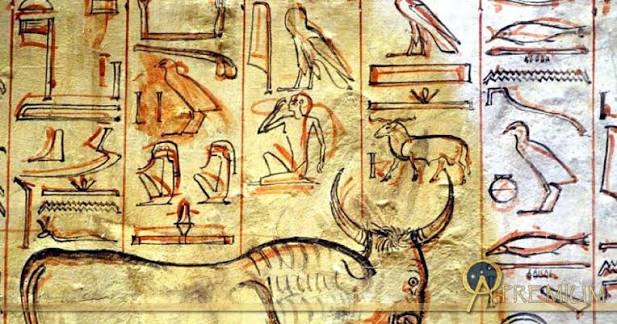
Archaeological discoveries continue to reveal new information about Egyptian society. Tomb inscriptions, legal documents, and worker records help historians understand the lives of different social groups.

The study of Ancient Egyptian social equality provides valuable lessons about how civilizations manage differences between people while creating systems of cooperation and stability.

The legacy of Ancient Egypt demonstrates that a successful society depends not only on powerful leaders but also on recognizing the importance and contributions of all members.

Frequently Asked Questions

No, Ancient Egypt was not completely equal. It had a clear social hierarchy, but it also provided legal rights, responsibilities, and opportunities for different groups.

Yes, women in Ancient Egypt had important rights. They could own property, inherit wealth, make contracts, manage businesses, and participate in legal activities.


Yes, some individuals could improve their position through education, becoming scribes, developing skilled professions, military service, or successful trade.


Ma’at represented balance, justice, and harmony. It influenced Egyptian ideas about fairness and encouraged everyone to contribute to maintaining social order.


Yes, workers were essential to Egyptian civilization. Skilled craftsmen, builders, and laborers contributed greatly to the economy and construction of monuments, and many received organized payments and support.