
1. The Origin and Discovery of Papyrus in Ancient Egypt
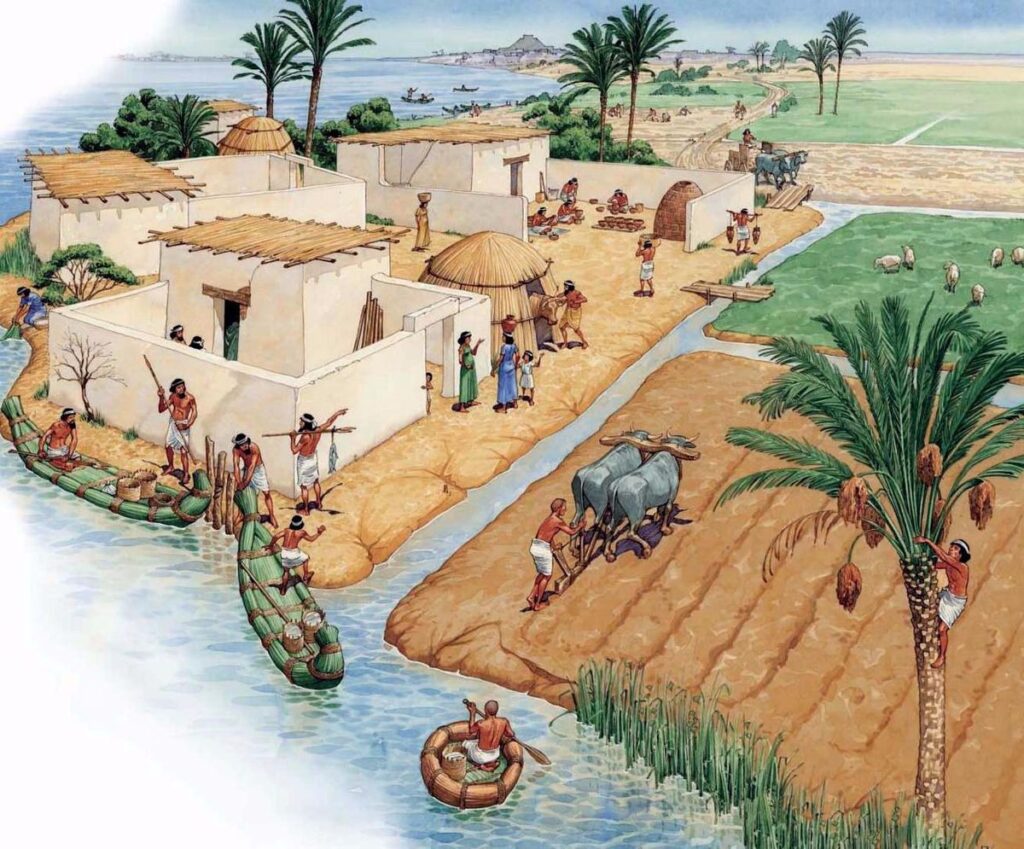
The history of papyrus in Ancient Egypt began thousands of years ago when Egyptians discovered the many uses of the papyrus plant that grew abundantly along the Nile River. The plant became one of the most valuable natural resources in ancient Egyptian society.
The papyrus plant, scientifically known as Cyperus papyrus, grew mainly in wet areas near rivers and marshes. The Nile provided the perfect environment for its growth, allowing Egyptians to harvest large quantities for different purposes.
At first, papyrus was used for practical household items. Egyptians created baskets, mats, ropes, sandals, and even small boats from papyrus fibers. Over time, they discovered that the inner part of the plant could be transformed into a useful writing surface.
The development of papyrus sheets revolutionized communication in Ancient Egypt. Before papyrus, Egyptians mainly recorded information on stone, clay, wood, and pottery. These materials were useful but often heavy and difficult to transport.
Papyrus provided a lightweight alternative that could be rolled into scrolls and carried easily. This made it ideal for scribes who needed to travel or manage large amounts of information.
The earliest known papyrus documents date back to the early periods of Egyptian history. As the Egyptian government became more organized, the need for written records increased, and papyrus became essential for administration.
The growth of the Egyptian state depended on accurate record keeping. Officials used papyrus to document taxes, agricultural production, trade activities, and government decisions.
The availability of papyrus contributed to the development of the powerful scribal profession. Scribes became experts in writing, copying documents, and preserving knowledge.
The importance of papyrus extended beyond practical use. Egyptians viewed writing as a way to preserve memory and maintain connections between the past, present, and future.
The discovery and development of papyrus technology allowed Ancient Egypt to create one of the most advanced documentation systems of the ancient world. It became a foundation for Egyptian administration, culture, and intellectual achievements.
2. How Ancient Egyptians Made Papyrus Sheets
The process of making Ancient Egyptian papyrus sheets required skill, patience, and specialized knowledge. Papyrus production became an important craft that supported writing, administration, and cultural preservation throughout Egyptian history.
The process began with harvesting the papyrus plant from the Nile River regions. Workers selected strong and healthy plants because high-quality fibers were needed to create durable writing sheets.
After harvesting, the outer green layer of the plant was removed. The inner white stem contained long fibers that were suitable for papyrus production.
Workers cut the inner stem into thin strips. These strips were arranged in layers, with one layer placed horizontally and another placed vertically. This structure created a strong surface for writing.
The layers were pressed together using pressure and moisture. The natural juices from the plant acted as an adhesive, helping the fibers bond together.
After pressing, the sheets were dried under the sun. Once dry, the surface was polished with a smooth tool, creating a flat area suitable for writing with ink.
Several sheets could be connected together to create long rolls called scrolls. These scrolls could contain large amounts of information, including religious texts, government records, and literary works.
The quality of papyrus varied depending on its purpose. Important documents, such as royal records and religious texts, were made from high-quality papyrus with a smooth surface. Everyday notes could be written on cheaper materials.
Professional papyrus makers developed techniques to create different sizes and qualities of sheets. This allowed papyrus to serve many different purposes.
The production of papyrus created employment opportunities for many workers, including farmers, harvesters, craftsmen, and merchants.
The skill involved in papyrus production reflects the advanced craftsmanship of Ancient Egypt. Through careful preparation and innovation, Egyptians transformed a simple plant into one of the most important writing materials in ancient history.
3. Papyrus as the Main Writing Material in Ancient Egypt
Papyrus became the primary writing material of Ancient Egyptian civilization because it was practical, durable, and widely available. Its importance was closely connected to the development of government, education, religion, and communication.
The lightweight nature of papyrus made it easier to use than stone or clay tablets. Scribes could carry scrolls from one location to another, allowing information to move throughout the kingdom.
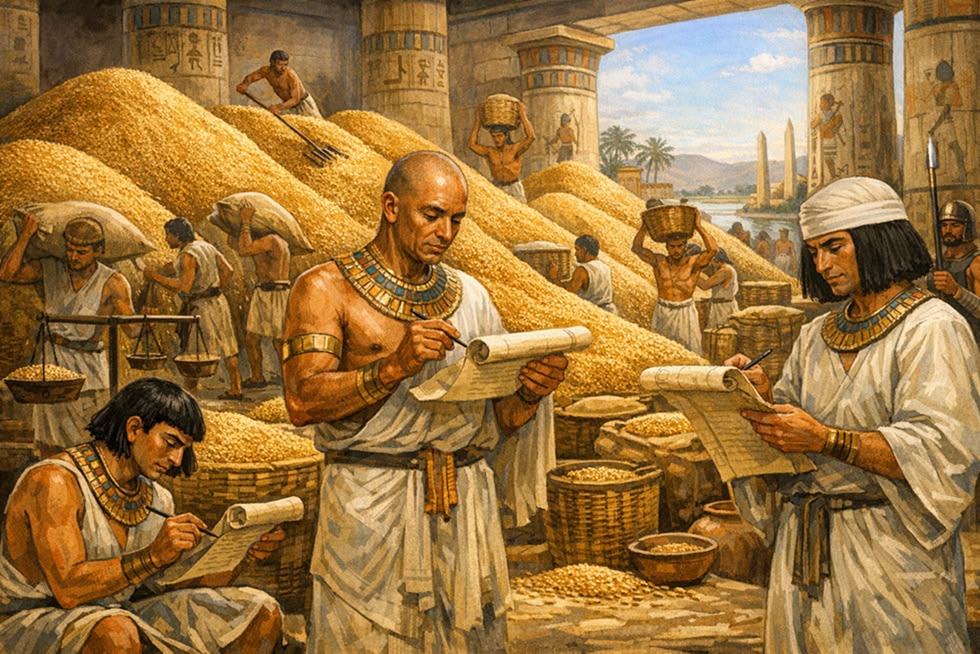
Government offices depended heavily on papyrus documents. Officials recorded taxes, land ownership, worker assignments, military activities, and economic transactions on papyrus scrolls.
The Egyptian economy required accurate records. Farmers’ production, storage supplies, and trade agreements were documented to help officials manage resources effectively.
Papyrus was also essential for education. Students learning to become scribes practiced writing on papyrus or less expensive materials. Through these exercises, they learned hieroglyphics, hieratic script, mathematics, and administration.
Religious institutions were among the largest users of papyrus. Priests recorded rituals, prayers, temple activities, and religious teachings on scrolls.
Literature also flourished because of papyrus. Stories, poems, wisdom texts, and historical accounts were preserved on papyrus documents, allowing Egyptian culture to survive for thousands of years.
Medical knowledge was another important area of papyrus usage. Ancient Egyptian doctors recorded treatments, diseases, and medical observations in documents that provide evidence of advanced healthcare practices.
Papyrus was also used for personal communication. Letters between individuals, legal agreements, and private records reveal details about everyday Egyptian life.
The widespread use of papyrus contributed to Egypt’s reputation as a center of knowledge and learning. It allowed information to be organized, preserved, and shared.
The importance of papyrus demonstrates how a natural resource could influence the development of an entire civilization. Without papyrus, much of Ancient Egypt’s history and knowledge would have been lost.