
Welcome to

Ancient Egypt Belief in Gods

The belief in gods was the foundation of Ancient Egyptian religion and one of the most important influences on every aspect of Egyptian civilization. For more than three thousand years, the ancient Egyptians worshipped a vast pantheon of gods and goddesses whom they believed controlled the forces of nature, protected humanity, maintained cosmic order, and guided souls into the afterlife. These religious beliefs shaped Egyptian culture, government, law, art, architecture, daily life, and spiritual practices, making religion an inseparable part of Ancient Egyptian society.

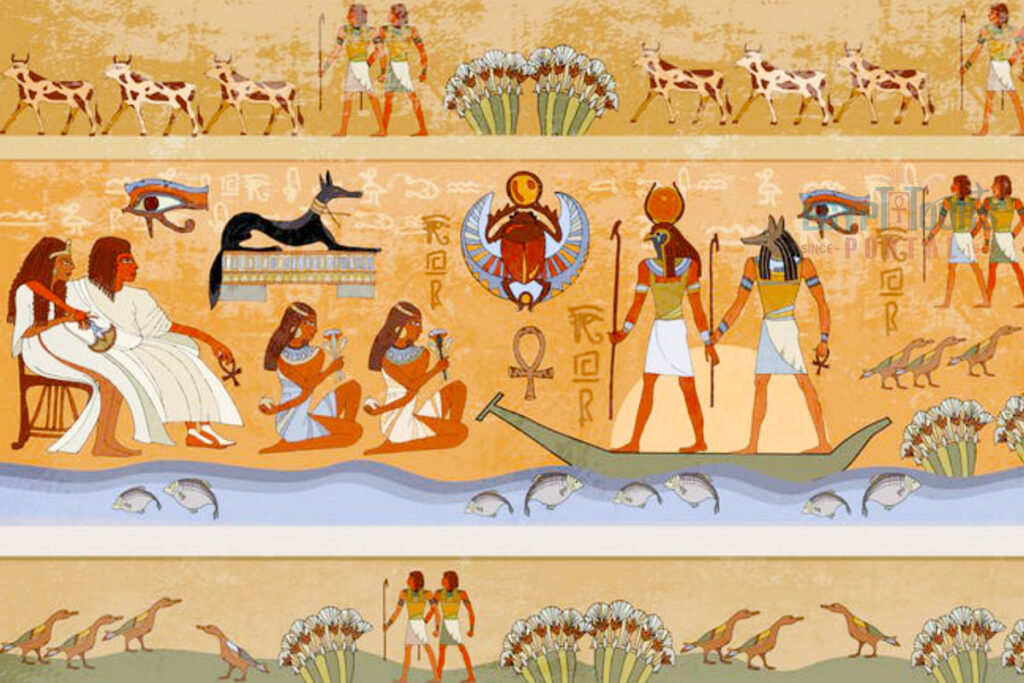
Ancient Egyptians believed that the universe was governed by powerful divine beings who influenced everything from the rising of the sun and the flooding of the Nile River to fertility, health, justice, and royal authority. Among the most important deities were Ra, the sun god and creator; Osiris, the god of the afterlife and resurrection; Isis, the goddess of magic and motherhood; Horus, the protector of kingship; Anubis, the guardian of mummification; and Thoth, the god of wisdom and writing. Each god had specific responsibilities and was worshipped through rituals, prayers, offerings, and festivals.

The concept of Ma’at, representing truth, balance, harmony, and order, was central to Egyptian religious beliefs. The gods were believed to uphold Ma’at, while the pharaoh acted as their earthly representative responsible for maintaining stability throughout the kingdom. Religious devotion was therefore closely linked to both personal morality and the well-being of society as a whole.

Temples served as sacred centers of worship where priests conducted daily ceremonies on behalf of the people. Ordinary Egyptians also practiced religion in their homes through household shrines, protective amulets, prayers, and offerings. Religious festivals brought communities together to honor the gods through processions, music, feasting, and public celebrations that reinforced social and spiritual bonds.

Belief in the gods was also closely connected to the afterlife. Egyptians believed that divine judgment awaited every individual after death and that the gods played a crucial role in determining a person’s eternal fate. This belief inspired the development of mummification, tomb construction, funerary rituals, and sacred texts such as the Book of the Dead.

In this guide, we explore Ancient Egypt’s belief in gods, including the major deities, religious practices, temple worship, mythology, the role of the pharaoh, the concept of Ma’at, and the lasting influence of Egyptian religion on one of history’s greatest civilizations.

1. The Origins of Belief in the Ancient Egyptian Gods

The belief in gods developed alongside the earliest Egyptian communities living near the Nile River. As people observed natural events such as the rising sun, annual flooding, storms, and changing seasons, they believed powerful supernatural beings controlled these forces.

Early Egyptians saw nature as alive with divine power. The dependable flooding of the Nile brought fertile soil and abundant harvests, encouraging people to view natural cycles as gifts from the gods.

Each region of Egypt developed its own local deities. Villages and cities honored different gods based on local traditions, geography, and historical events. Over time, as Egypt became unified under one kingdom, many local gods became part of a larger national religious system.

Egyptians believed the gods created the world from chaos and established order through Ma’at. This belief explained why maintaining balance and justice was essential for human survival.

The earliest religious symbols appeared during the Predynastic Period, long before the construction of pyramids. Archaeological discoveries reveal sacred objects, ceremonial burials, and symbolic artwork connected with early religious beliefs.

Many gods were represented through animals or combinations of human and animal forms. Egyptians believed certain animals displayed qualities associated with divine power, including strength, wisdom, protection, or fertility.

Religion continued to evolve throughout Egyptian history. Some gods became more important during particular dynasties, while others gained popularity through political or cultural changes.

The creation of temples allowed organized worship to expand. Priests developed rituals that honored the gods and preserved religious traditions.

Belief in the gods united Egyptian society. Although different regions favored different deities, Egyptians shared common ideas about creation, divine protection, and the importance of maintaining harmony.

These early religious beliefs formed the foundation of Egyptian civilization and influenced every generation for more than three thousand years.
2. Polytheism: Worshipping Many Gods in Ancient Egypt

One of the defining features of the Ancient Egypt belief in gods was polytheism, the worship of many deities rather than a single supreme god. Egyptians believed that each god had unique responsibilities and powers that helped maintain the universe.

Different gods governed different parts of life. Some controlled natural forces, while others protected families, ruled the afterlife, encouraged wisdom, or defended Egypt from enemies.

The sun god Ra represented creation and the daily cycle of life. Every sunrise symbolized renewal and hope, while sunset reflected the eternal journey through the underworld.

Osiris became the ruler of the afterlife and symbolized resurrection and eternal life. His story explained death, rebirth, and the promise of life beyond the grave.

Isis represented motherhood, healing, protection, and magical power. Families throughout Egypt honored her for safeguarding children and supporting family life.

Horus symbolized kingship and divine protection. Pharaohs associated themselves with Horus to strengthen their authority and demonstrate their sacred role.

Thoth became the god of wisdom, writing, and knowledge, while Anubis protected burial practices and guided souls through the afterlife.

Although hundreds of gods existed, Egyptians did not believe these deities competed with one another. Instead, they worked together to maintain cosmic order.

People often worshipped several gods depending on their personal needs. A farmer might pray for a successful harvest, while a mother asked for protection over her children and a traveler sought safety during journeys.

Religious beliefs remained flexible. Different regions emphasized different gods without creating conflict between religious traditions.

This rich system of polytheism allowed Egyptians to explain every aspect of existence while creating a deeply personal relationship between individuals and the divine.
3. The Most Important Gods and Goddesses of Ancient Egypt

Ancient Egyptian religion included hundreds of gods and goddesses, but some became especially important because of their influence on religion, government, and daily life.

The sun god Ra was one of the most powerful deities. Egyptians believed he sailed across the sky each day, bringing light and life before traveling through the underworld each night to defeat the forces of chaos.

Osiris became the ruler of the underworld and symbolized resurrection, justice, and eternal life. Egyptians hoped to join Osiris after a successful judgment in the afterlife.

Isis was among the most beloved goddesses. She represented healing, loyalty, motherhood, and protection, becoming one of the most widely worshipped deities throughout Egyptian history.

Horus represented kingship, divine authority, and protection. Pharaohs were considered earthly representatives of Horus.

Anubis protected the dead and supervised mummification. He guided souls toward judgment after death.

Thoth was associated with knowledge, learning, mathematics, science, and record keeping. Scribes considered him their divine protector.

Other important gods included Amun, Hathor, Sekhmet, Sobek, Bastet, Ptah, Khnum, and Hapi, each responsible for different aspects of life and nature.

Egyptians believed these gods worked together to preserve balance throughout creation. Their stories formed a rich mythology that explained the origins of the world and humanity.

The popularity of particular gods changed throughout history, but belief in divine protection remained constant across Egyptian civilization.

The worship of these gods demonstrates how Ancient Egyptians connected every part of life with the spiritual world.
4. Ancient Egyptian Creation Myths and the Role of the Gods

The Ancient Egypt belief in gods was closely connected with stories explaining how the universe was created. These creation myths helped Egyptians understand the origins of the world, the gods, humanity, and the natural forces that shaped everyday life.

Unlike a single universal story, Ancient Egypt had several creation traditions developed in different religious centers such as Heliopolis, Memphis, and Hermopolis. Although the details varied, they all shared the belief that the universe emerged from a vast, dark body of water known as Nun, representing the original chaos before creation.

In the Heliopolitan tradition, the creator god Atum emerged from Nun and began the process of creation. Through his divine power, he brought forth other gods who represented the sky, earth, air, moisture, and natural order.

According to Egyptian belief, the gods organized the universe by separating the sky from the earth, establishing time, and creating the cycles of day and night. These divine actions transformed chaos into a world governed by balance and harmony.

The sun god Ra became one of the most important creators in many traditions. His daily journey across the sky symbolized the continuous renewal of life. Every sunrise represented victory over darkness and the rebirth of creation.

The gods also created humanity. Egyptians believed people were meant to maintain Ma’at by respecting the gods, caring for the land, and living with honesty and justice.

Creation myths explained natural events such as the annual flooding of the Nile, the changing seasons, and the movement of celestial bodies. These stories gave spiritual meaning to everyday experiences.

Religious festivals often celebrated creation and renewal. Priests performed ceremonies that symbolically repeated the original act of creation, reinforcing the idea that divine order had to be maintained continuously.

The stories of the gods were passed from generation to generation through temple inscriptions, papyrus texts, and oral traditions, preserving Egyptian beliefs for thousands of years.

Creation myths were not viewed simply as legends but as sacred truths that explained humanity’s relationship with the universe and the responsibilities of every individual.

The Ancient Egyptian creation stories reveal a civilization that saw the universe as an ordered system sustained by divine power, where the gods remained actively involved in maintaining life and harmony.

5. How Egyptians Worshipped Their Gods Every Day

The worship of the gods was an essential part of Ancient Egyptian daily life. Egyptians believed that honoring the gods helped maintain harmony, ensure prosperity, and protect individuals, families, and the entire kingdom.

Daily worship occurred in both public and private settings. While priests carried out official temple rituals, ordinary Egyptians expressed their devotion through prayers, offerings, household shrines, and personal acts of faith.

Many families kept small statues or images of protective gods inside their homes. These household shrines provided a place for daily prayers and offerings of food, flowers, incense, or water.

Morning prayers often thanked the gods for the gift of a new day. People asked for health, successful work, protection during travel, and the well-being of their families.

Farmers prayed before planting and harvesting crops, believing that divine blessings would ensure fertile fields and abundant harvests. Fishermen, craftsmen, merchants, and soldiers also sought the protection of specific gods connected with their professions.

Offerings formed an important part of worship. Although the gods did not physically consume food, Egyptians believed the spiritual essence of offerings pleased the deities and demonstrated gratitude.

Incense played a significant role in religious ceremonies. Its pleasant fragrance symbolized purity and created a sacred atmosphere during worship.

Music and singing were also used to honor the gods. Hymns praised divine qualities and expressed devotion during both temple ceremonies and public festivals.

People frequently wore protective amulets bearing sacred symbols such as the Eye of Horus, the ankh, or the scarab. These objects reminded them of divine protection throughout daily activities.

Special prayers accompanied important life events including birth, marriage, illness, and funerals. Religion offered guidance and comfort during both joyful and difficult moments.

Through these everyday acts of worship, Egyptians believed they strengthened their relationship with the gods and helped preserve Ma’at, ensuring peace and stability throughout the land.

6. Temples, Priests, and Sacred Rituals in Honor of the Gods

Temples were the heart of Ancient Egyptian religious worship. Egyptians believed that each temple served as the earthly residence of a particular god or goddess, making these sacred buildings among the most important institutions in Egyptian society.

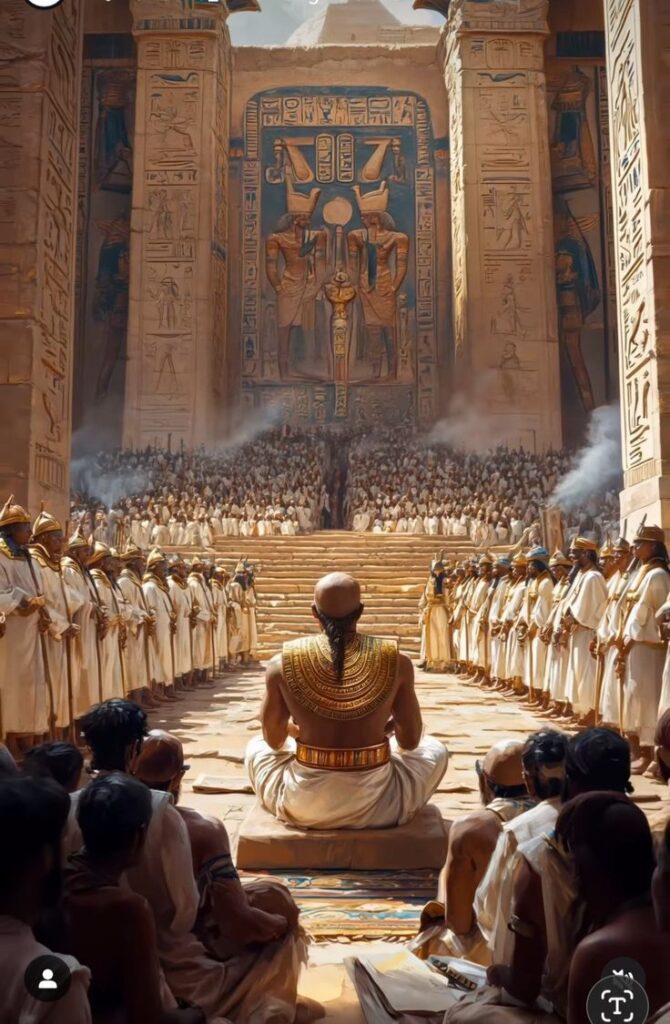
Unlike modern places of worship that are open for public gatherings, Egyptian temples were primarily centers where priests performed rituals on behalf of the entire population. Ordinary people usually worshipped outside the temple or during public festivals.

The most sacred area of every temple was the sanctuary, where a statue of the god was kept. Egyptians believed the divine spirit could inhabit this statue, making it a living representation of the deity.

Every morning, priests performed carefully organized rituals. They opened the sanctuary, purified themselves, washed and dressed the statue, offered food and drink, burned incense, and recited sacred prayers.

These ceremonies were not symbolic alone. Egyptians believed they were necessary to maintain the relationship between the gods and humanity. Proper rituals helped preserve the balance of the universe and ensured continued divine protection.

Priests underwent extensive training. They studied religious texts, learned ritual procedures, observed strict rules of cleanliness, and developed expertise in sacred traditions.

Large temples became powerful centers of learning and administration. They preserved religious writings, managed agricultural lands, employed thousands of workers, and organized major religious festivals.

Temple walls were covered with detailed carvings showing pharaohs making offerings to the gods. These scenes reinforced the belief that the ruler served as the chief representative of the gods on earth.

Annual festivals allowed ordinary Egyptians to participate more directly in temple worship. During these celebrations, sacred statues were carried outside the temples in magnificent processions so people could honor the gods and receive blessings.

The wealth and influence of many temples made them important economic institutions as well. They owned farmland, workshops, livestock, and storage facilities that supported both religious and community activities.

The organization of temples and priesthood demonstrates how deeply religion was woven into Ancient Egyptian civilization. Through sacred rituals performed every day, Egyptians believed they maintained harmony between heaven and earth.

7. The Relationship Between the Pharaoh and the Gods

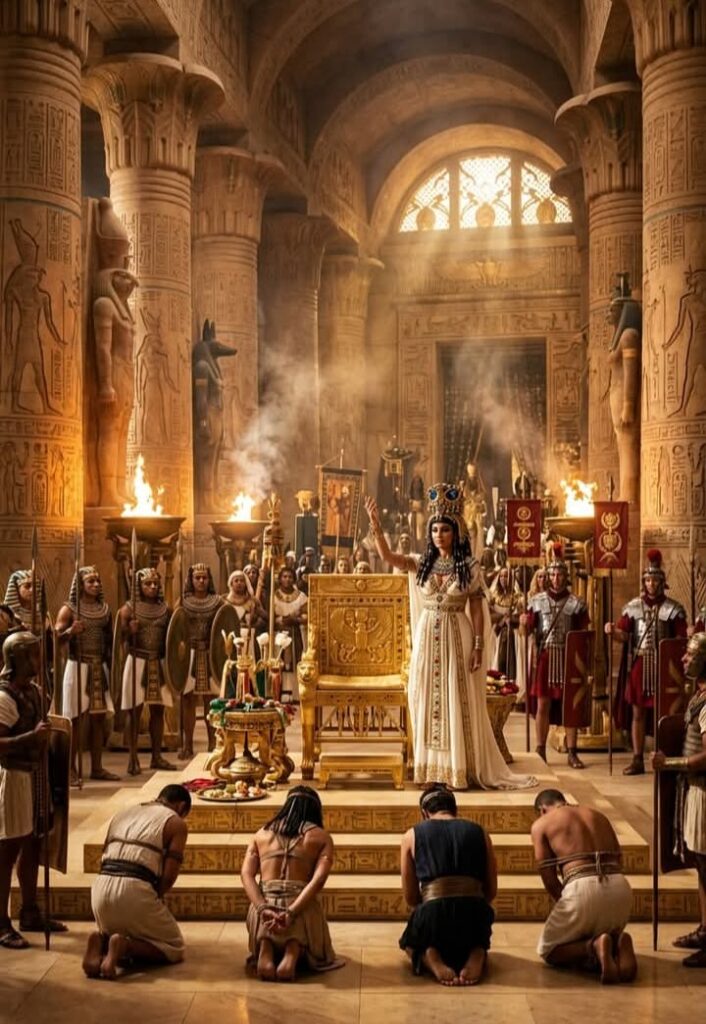
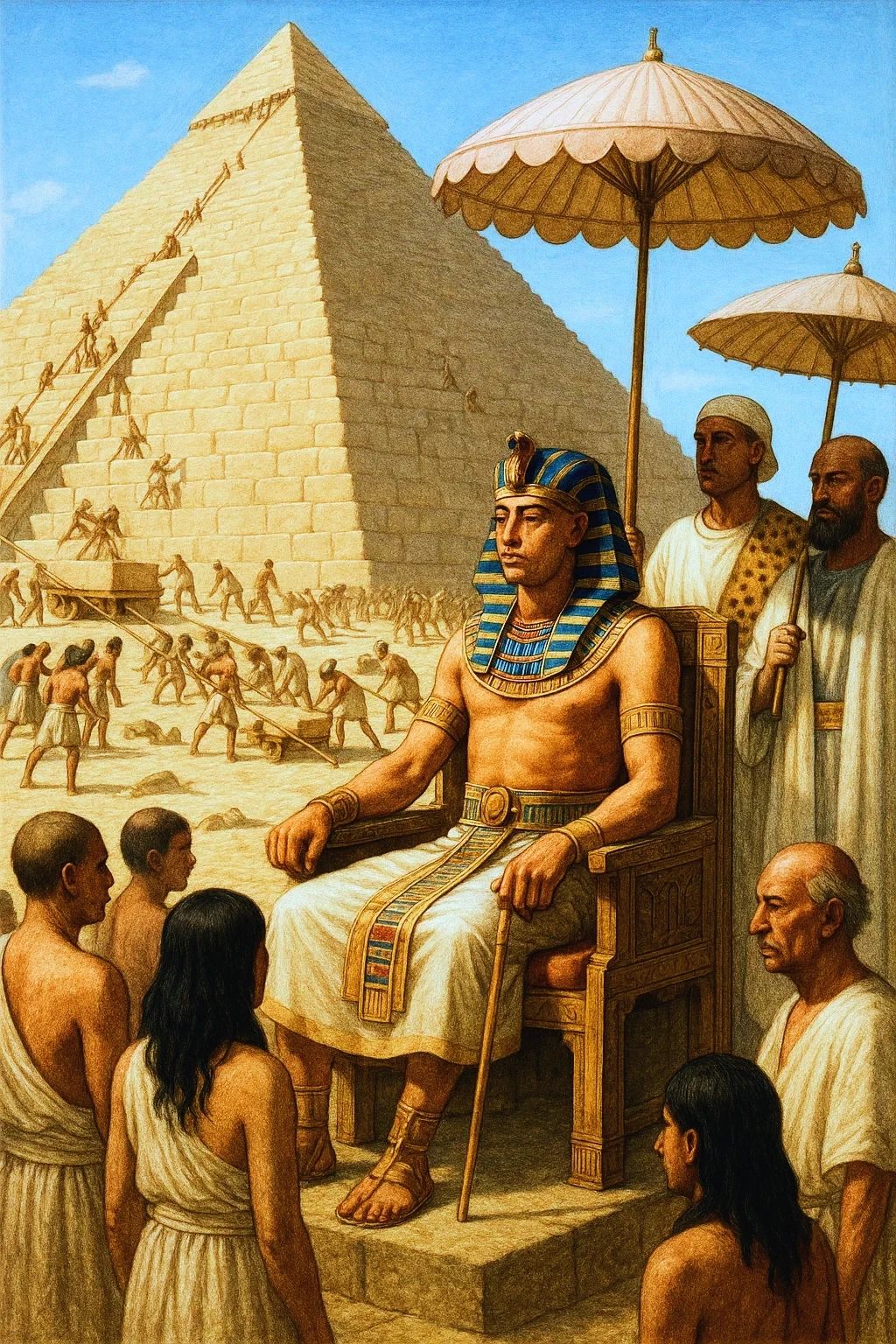
The relationship between the pharaoh and the gods was one of the foundations of the Ancient Egypt belief in gods. Egyptians believed that the pharaoh was chosen by the gods to rule the country and maintain the divine order known as Ma’at. This belief gave the king both political authority and sacred responsibility.

Rather than being viewed as an ordinary ruler, the pharaoh was considered the earthly representative of the gods. During life, he was closely associated with the god Horus, who symbolized kingship, protection, and victory. After death, the pharaoh was believed to join Osiris, the ruler of the afterlife.

One of the king’s primary religious duties was maintaining harmony between humanity and the gods. Egyptians believed that if the pharaoh performed his responsibilities correctly, the Nile would flood regularly, crops would grow, enemies would be defeated, and the kingdom would prosper.

Pharaohs built magnificent temples dedicated to the gods as acts of devotion. These monuments demonstrated gratitude to the deities while reinforcing the king’s role as protector of religion.

The king also participated in important religious festivals and ceremonies. During these events, he presented offerings, led rituals, and honored the gods on behalf of the entire nation.

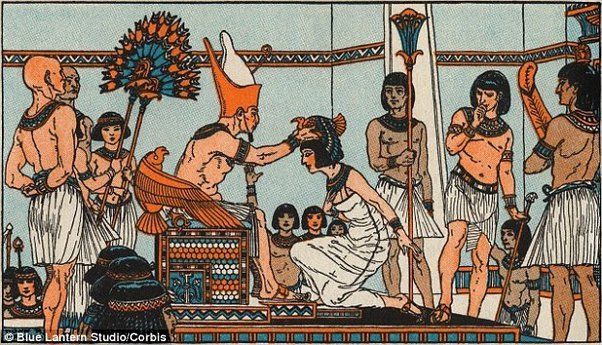
Temple inscriptions often portrayed the pharaoh receiving blessings from the gods or presenting gifts to them. These artistic scenes symbolized the close relationship between divine power and royal authority.

Although priests performed daily temple rituals, they did so in the name of the pharaoh, emphasizing that the king remained the highest religious leader in Egypt.

Royal building projects, military victories, and successful harvests were often described as evidence of divine support for the pharaoh’s rule.

This sacred relationship strengthened political stability by encouraging people to view obedience to the king as part of their religious duty.

The connection between pharaohs and the gods illustrates how religion and government worked together to shape Ancient Egyptian civilization.

8. The Role of the Gods in Death and the Afterlife

Belief in the afterlife was one of the most important aspects of Ancient Egyptian religion. Egyptians believed that the gods guided and protected individuals after death, making divine assistance essential for achieving eternal life.

Death was viewed as a transition rather than an ending. Egyptians believed that the soul continued its journey into another world where it would face judgment before entering eternal existence.

Osiris became the central god of the afterlife. According to mythology, he died and was resurrected, making him a symbol of rebirth and eternal life. Egyptians hoped to follow his example and achieve immortality.

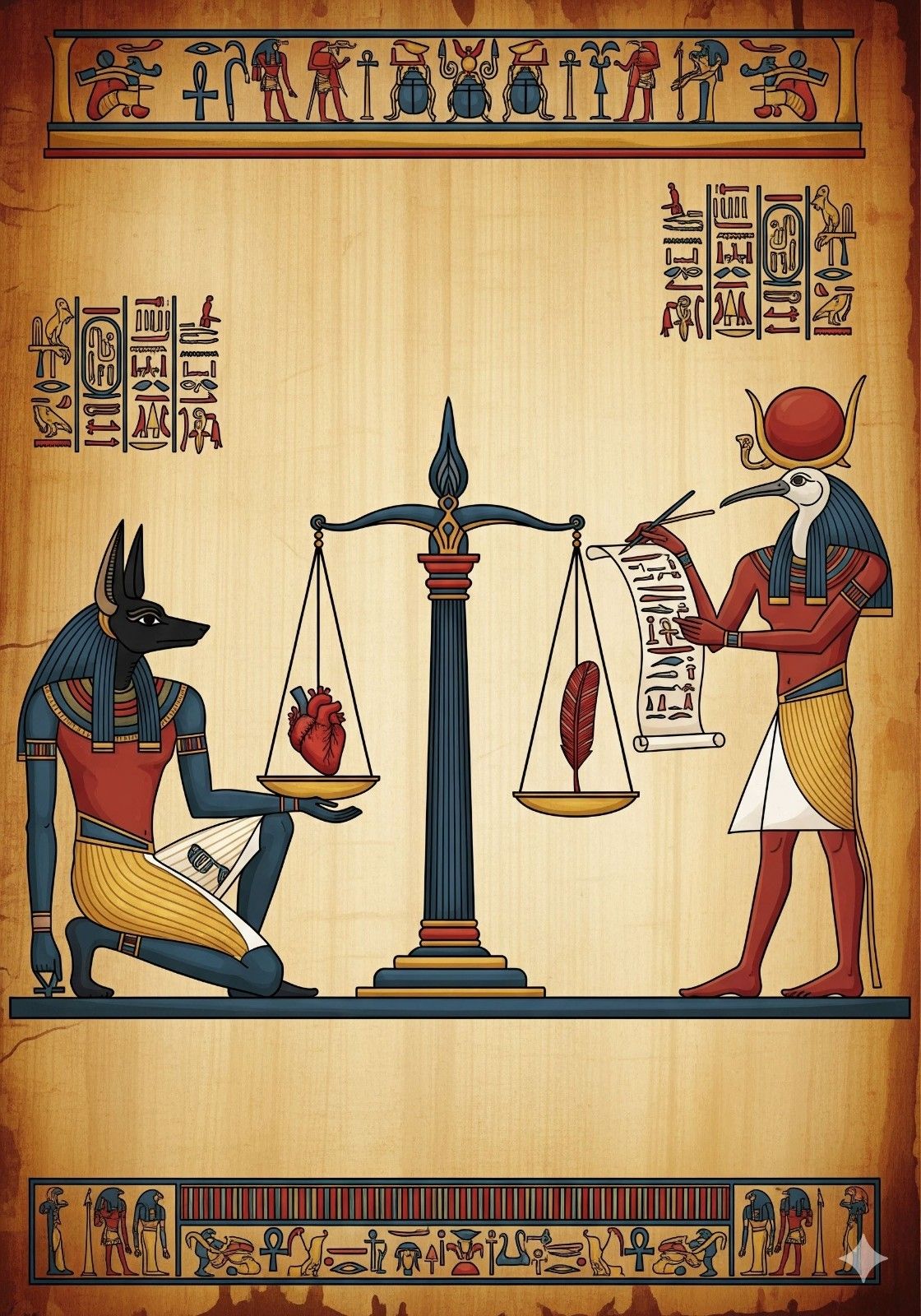
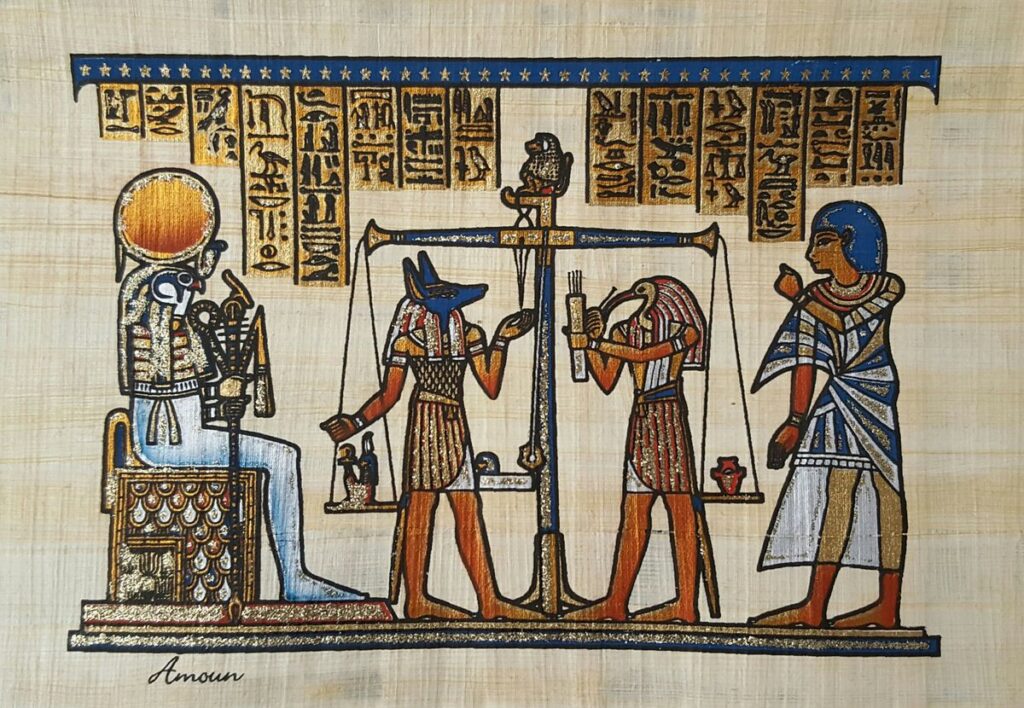
Anubis played a vital role in funerary traditions. He protected the dead, supervised mummification, and guided souls toward the judgment hall.

During judgment, the heart of the deceased was weighed against the feather of Ma’at. This ceremony determined whether a person had lived honestly and deserved eternal life.

Thoth recorded the results of the judgment, ensuring fairness throughout the process. His role emphasized wisdom, truth, and justice.

Religious texts such as the Pyramid Texts, Coffin Texts, and the Book of the Dead contained prayers and instructions that helped the deceased safely navigate the afterlife.

Families prepared tombs with food, furniture, jewelry, clothing, and everyday objects because they believed these items would be needed in eternity.

Protective amulets were placed within mummy wrappings to provide spiritual safety during the journey after death. Sacred symbols such as the Eye of Horus and the scarab beetle were especially common.

The gods were believed to continue caring for righteous individuals after judgment, allowing them to live forever in a peaceful paradise often described as the Field of Reeds.

These beliefs gave Egyptians hope and influenced many aspects of daily life, encouraging people to follow Ma’at and prepare spiritually for eternity.

The role of the gods in the afterlife demonstrates the deep connection between morality, religion, and the Egyptian understanding of life beyond death.

9. Religious Festivals Celebrating the Egyptian Gods

Religious festivals were among the most joyful expressions of the Ancient Egypt belief in gods. These celebrations honored the gods, strengthened community unity, and allowed ordinary Egyptians to participate in important religious ceremonies.

Festivals were held throughout the year according to the religious calendar. Many celebrations were linked to agricultural seasons, the flooding of the Nile, or important events in Egyptian mythology.

One of the best-known festivals was the Opet Festival, during which sacred statues of the gods were carried in grand processions between temples. The festival celebrated renewal, divine power, and the close relationship between the gods and the pharaoh.

Another important celebration was the Beautiful Festival of the Valley. During this event, families visited the tombs of their ancestors, presented offerings, and honored deceased relatives.

Public processions were a central feature of many festivals. Priests carried sacred statues on ceremonial boats or decorated platforms while musicians, dancers, and worshippers accompanied them through the streets.

Music played an essential role in religious celebrations. Harps, flutes, drums, and sistra created joyful sounds believed to please the gods.

Offerings of bread, fruit, flowers, wine, incense, and perfumes were presented to temple statues as acts of gratitude and devotion.

Festivals also included communal feasts, entertainment, and social gatherings, giving people opportunities to celebrate together while expressing their religious beliefs.

The pharaoh often participated in major festivals, reinforcing his position as the intermediary between the gods and the Egyptian people.

These celebrations reminded Egyptians that the gods remained actively involved in human life. By honoring the deities through festivals, communities believed they were helping maintain Ma’at and ensuring continued prosperity.

Religious festivals also strengthened cultural identity by bringing together people from different regions to share common traditions and beliefs.

The popularity of these celebrations demonstrates that worship in Ancient Egypt was not limited to temples but extended into every part of community life.

10. Personal Devotion and Household Worship of the Gods

While temples were the official centers of religion, personal devotion was equally important in the Ancient Egypt belief in gods. Ordinary Egyptians maintained close relationships with their favorite deities through daily prayers, household shrines, offerings, and religious symbols.

Many homes contained small altars or shrines dedicated to protective gods and goddesses. These sacred spaces often displayed small statues, painted images, or symbolic objects representing divine power.

Families offered simple gifts such as bread, fruit, flowers, milk, water, or incense. These offerings expressed gratitude and asked for blessings, health, protection, and prosperity.

People often developed special devotion to particular gods depending on their needs. Mothers frequently prayed to goddesses associated with childbirth and family life, while craftsmen, merchants, and soldiers honored deities connected with their professions.

Personal prayers were usually spoken during important moments of the day. Egyptians thanked the gods for successful harvests, safe travel, healthy children, and protection from illness or danger.

Religious amulets were worn by men, women, and children as reminders of divine protection. Symbols such as the ankh, the Eye of Horus, and scarab beetles were believed to guard their owners from harm.

Household worship also included teaching children about the gods, religious festivals, and moral values. Parents passed religious traditions from one generation to the next, ensuring that beliefs remained strong throughout Egyptian society.

Even during difficult times such as illness or poor harvests, Egyptians trusted that the gods listened to sincere prayers. Personal faith provided comfort, hope, and confidence.

Although official temple rituals were performed by priests, ordinary people believed they could communicate directly with the gods through private worship.

This combination of public ceremonies and personal devotion made religion a constant presence in everyday Egyptian life.

The importance of household worship demonstrates that belief in the gods was not limited to rulers or priests but was shared by nearly every member of society.

11. Changes in Belief in the Gods Throughout Egyptian History

Although the Ancient Egypt belief in gods remained strong for thousands of years, religious beliefs gradually changed as Egyptian civilization developed. Political events, new dynasties, foreign influences, and cultural exchanges all affected the way people worshipped their gods.

During the Early Dynastic and Old Kingdom periods, local gods were especially important. Each city honored its own patron deity, while pharaohs supported temples throughout the country.

As Egypt became more unified, certain gods gained national importance. Ra, the sun god, became one of the most powerful deities during the Old Kingdom, reflecting the growing importance of solar worship.

During the Middle Kingdom, Osiris became increasingly popular because of his association with resurrection and eternal life. His mythology gave ordinary Egyptians hope that they could also enjoy life after death.

The New Kingdom witnessed the rise of Amun, who became one of the most influential gods in Egyptian religion. The combination of Amun and Ra into Amun-Ra reflected the development of powerful religious traditions centered in Thebes.

One of the most dramatic religious changes occurred during the reign of Pharaoh Akhenaten. He promoted the worship of the Aten, represented by the sun disk, and reduced the importance of many traditional gods.

Akhenaten’s religious reforms were short-lived. After his death, traditional worship of the many Egyptian gods quickly returned, and temples dedicated to older deities were restored.

Foreign rule during the Greek and Roman periods introduced new cultural influences, but Egyptian gods continued to be worshipped alongside foreign deities.

Eventually, the spread of Christianity and later Islam transformed Egypt’s religious landscape. Ancient temple worship gradually disappeared, although many monuments survived.

Despite these changes, Egyptian mythology, religious symbols, and sacred texts remained preserved through monuments and archaeological discoveries.

The evolution of Egyptian religion demonstrates its ability to adapt while maintaining its core belief in divine order, protection, and the relationship between humanity and the gods.

12. The Legacy of Ancient Egyptian Belief in Gods

The legacy of the Ancient Egypt belief in gods continues to influence modern understanding of history, religion, mythology, and archaeology. Although the ancient religion is no longer practiced in its original form, its impact remains visible around the world.

Ancient Egyptian mythology is one of the best-preserved religious traditions from the ancient world. Stories about Ra, Osiris, Isis, Horus, Anubis, and other gods continue to inspire books, films, documentaries, and educational programs.

The magnificent temples built to honor the gods remain among Egypt’s greatest historical treasures. Structures such as Karnak, Luxor, Edfu, Philae, and Abu Simbel demonstrate the importance of religion in Egyptian civilization.

Hieroglyphic inscriptions carved on temple walls preserve prayers, myths, and religious ceremonies that allow modern scholars to understand ancient beliefs in remarkable detail.

The discovery of the Rosetta Stone made it possible to translate these inscriptions, opening an entirely new field of historical research known as Egyptology.

Ancient Egyptian religious ideas also influenced art and architecture. Sacred symbols such as the ankh, scarab, lotus flower, and Eye of Horus remain widely recognized throughout the world.

Museums display thousands of Egyptian religious objects, including statues, papyri, jewelry, mummies, and temple reliefs that continue to educate millions of visitors each year.

Modern archaeologists continue discovering new temples, tombs, and inscriptions that deepen our understanding of Egyptian religious beliefs.

The study of Egyptian religion also helps historians compare the development of ancient civilizations and understand how religious ideas shaped governments, cultures, and societies.

The enduring fascination with Ancient Egyptian gods demonstrates the timeless appeal of their mythology and spiritual traditions.

The legacy of these beliefs reminds us that religion played a central role in creating one of history’s greatest civilizations and continues to connect modern people with Egypt’s remarkable past.

Frequently Asked

Ancient Egyptians practiced polytheism, meaning they worshipped many gods and goddesses, each associated with different aspects of nature, society, and human life.


The importance of gods changed over time, but Ra, the sun god, Osiris, the ruler of the afterlife, Isis, the goddess of magic and motherhood, and Amun-Ra were among the most influential deities.


Egyptians believed that different gods controlled different parts of the universe, such as the sun, the Nile, fertility, wisdom, protection, and the afterlife. Worshipping multiple gods helped maintain harmony and balance.


People prayed, made offerings, wore protective amulets, kept household shrines, participated in festivals, and visited temples during religious celebrations.


Belief in the gods influenced government, law, agriculture, family life, architecture, education, art, medicine, and beliefs about death and the afterlife, making religion central to every aspect of Egyptian civilization.