
1. The Importance of the Afterlife in Ancient Egyptian Religion
The belief in life after death was one of the central ideas of Ancient Egyptian religion. Egyptians believed that earthly life was temporary, while the afterlife offered the possibility of eternal existence for those who were properly prepared.
Death was viewed as a natural transition rather than a final ending. Egyptians believed that the soul continued living after the body died, entering a spiritual journey that required divine guidance and moral worthiness.
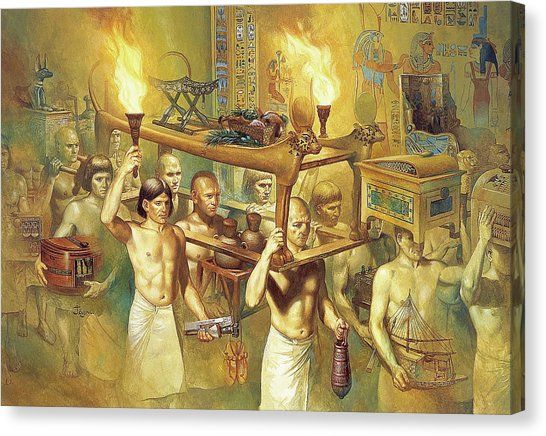
Preparing for the afterlife influenced nearly every stage of life. People invested significant time and resources in building tombs, arranging funerals, and preserving their bodies because they believed these preparations increased their chances of achieving eternal life.
Religion taught that every person possessed several spiritual elements, including the Ka, representing life force, and the Ba, representing personality and individuality. These spiritual components continued to exist after death and needed the preserved body as a home.
The hope of eternal life encouraged Egyptians to maintain good relationships with family members, respect religious traditions, and follow moral principles throughout their lives.
The afterlife was not reserved only for kings. Although early religious beliefs focused mainly on pharaohs, later periods extended the hope of eternal life to ordinary people as well.
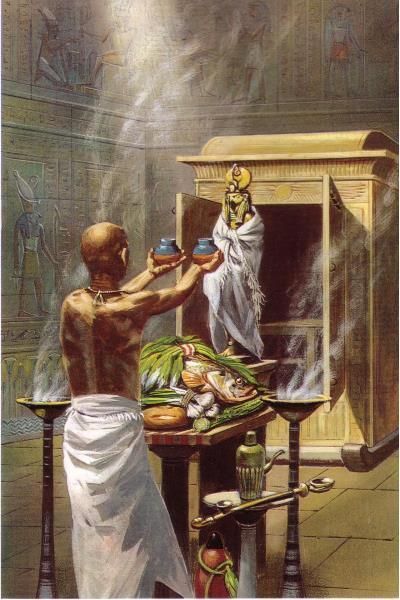
Temples and priests taught religious knowledge about death and the spiritual journey. Funeral ceremonies helped prepare individuals for entering the next world.
Belief in the afterlife also inspired the construction of pyramids, royal tombs, and elaborate burial chambers that remain among Egypt’s greatest historical monuments.
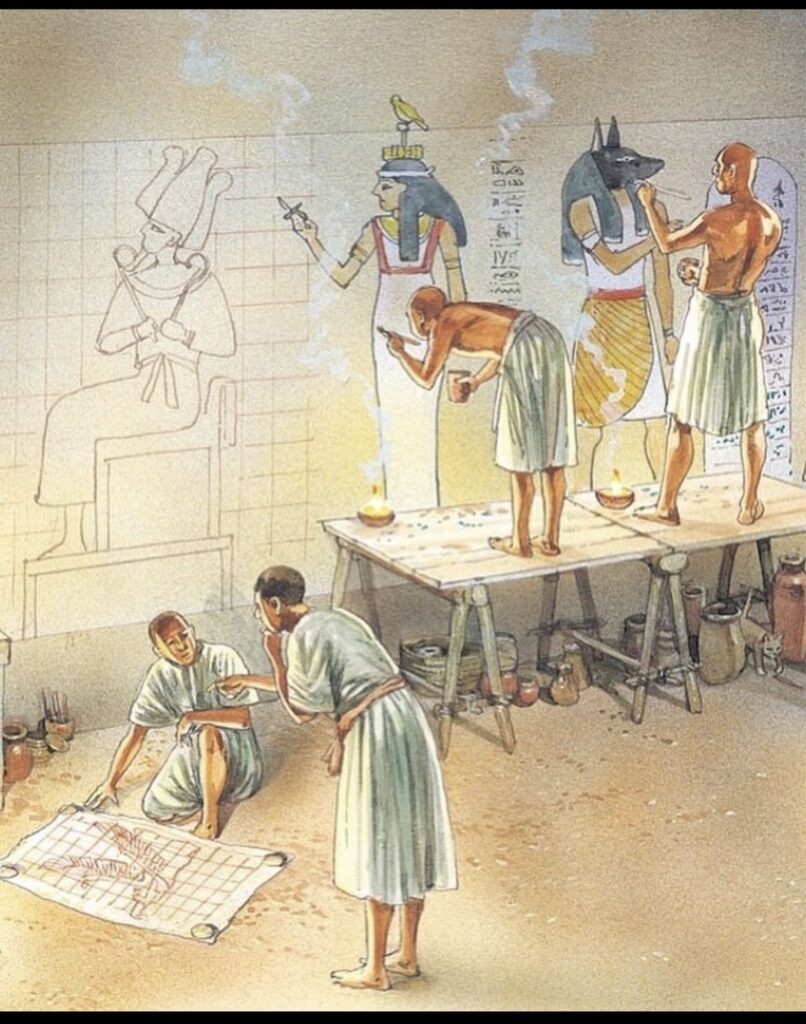
Artists decorated tomb walls with scenes of everyday life because Egyptians believed these images would become real in eternity.
The importance of the afterlife demonstrates that Ancient Egyptians viewed existence as a continuous journey connecting earthly life with eternal life.
The promise of everlasting existence gave comfort, purpose, and hope to generations of Egyptians throughout more than three thousand years of civilization.
2. Osiris: The God of the Afterlife
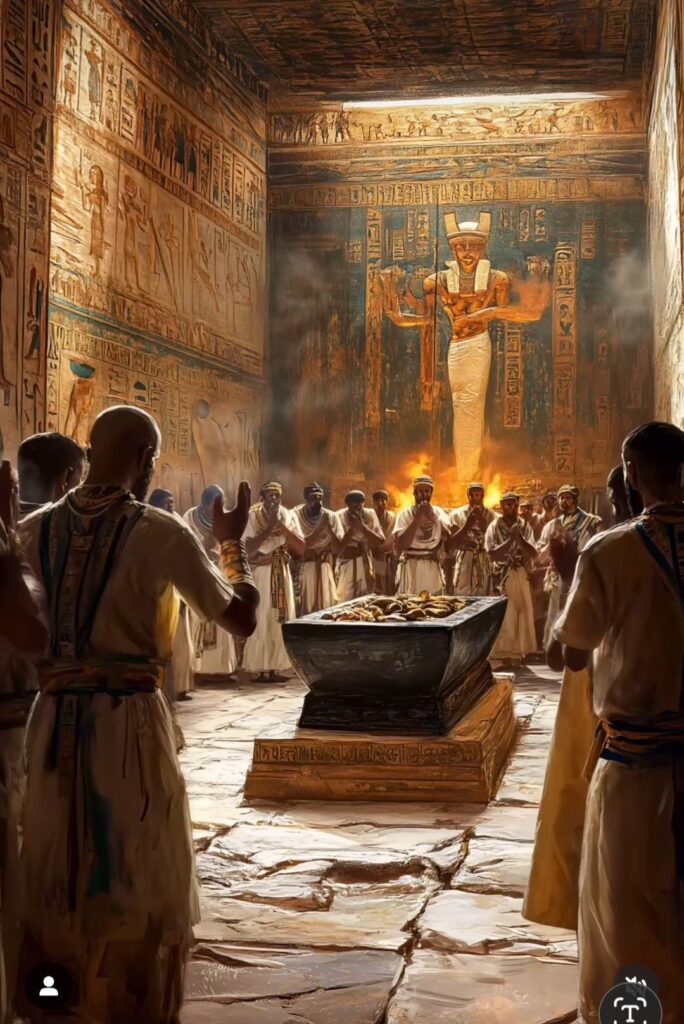
The story of Osiris formed the foundation of the Ancient Egypt belief in afterlife. Egyptians honored Osiris as the ruler of the underworld and believed he offered eternal life to those who lived according to Ma’at.
According to Egyptian mythology, Osiris was a wise king who brought civilization, agriculture, and justice to humanity. His brother Seth became jealous of his power and murdered him in an attempt to seize the throne.
Osiris’s wife, Isis, searched for his body and, with the help of powerful magic, restored him to life. Although Osiris did not return permanently to the world of the living, he became the ruler of the afterlife.
This story symbolized victory over death and gave Egyptians hope that they too could experience resurrection after dying.
Osiris welcomed the souls of the deceased into his kingdom after they successfully passed judgment. Those who lived honestly could enjoy eternal peace in his presence.
His son Horus later defeated Seth and restored order to Egypt, reinforcing the belief that justice ultimately triumphs over chaos.
Osiris became one of the most widely worshipped gods throughout Egyptian history. Temples dedicated to him attracted pilgrims seeking blessings and spiritual guidance.
Many funeral ceremonies honored Osiris because Egyptians hoped to identify with him after death. Mummification itself reflected the restoration of Osiris and symbolized rebirth.
Religious texts often referred to deceased individuals as becoming “an Osiris,” expressing the hope that they would share his eternal life.
Festivals celebrating Osiris reenacted his death and resurrection, reminding Egyptians that life could continue beyond the grave.
The story of Osiris remains one of the most famous myths from Ancient Egypt and continues to symbolize hope, renewal, justice, and eternal life.
3. The Journey of the Soul After Death
Ancient Egyptians believed that death marked the beginning of a remarkable spiritual journey rather than the end of existence. According to the Ancient Egypt belief in afterlife, the soul faced many challenges before reaching eternal happiness.
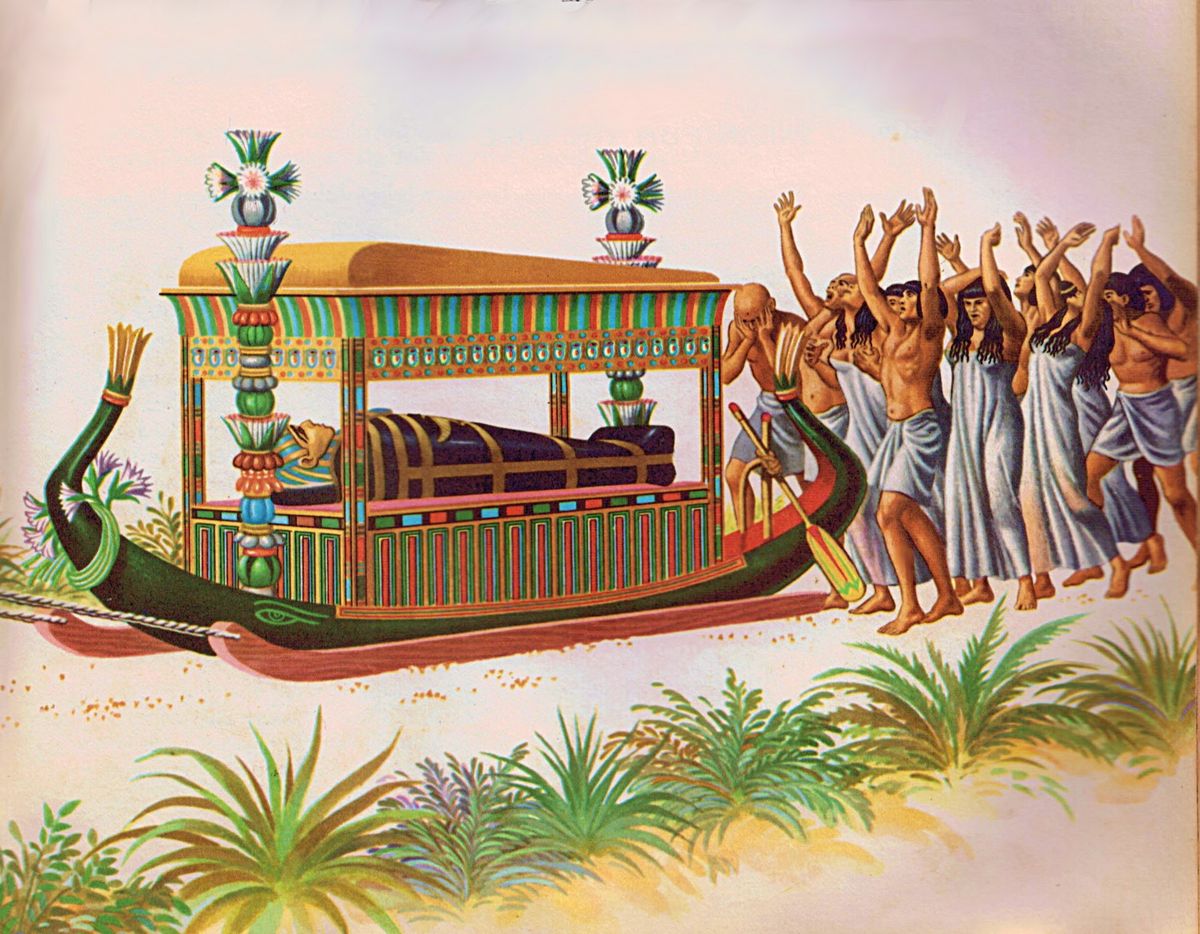
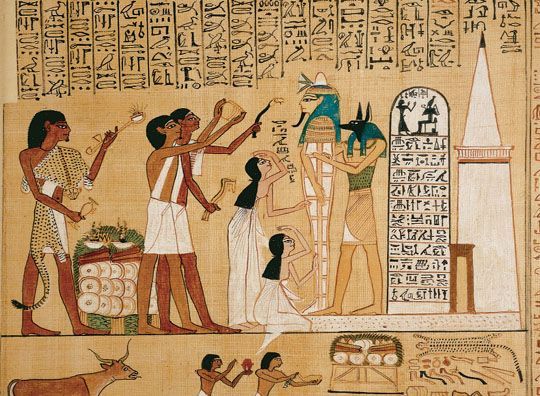
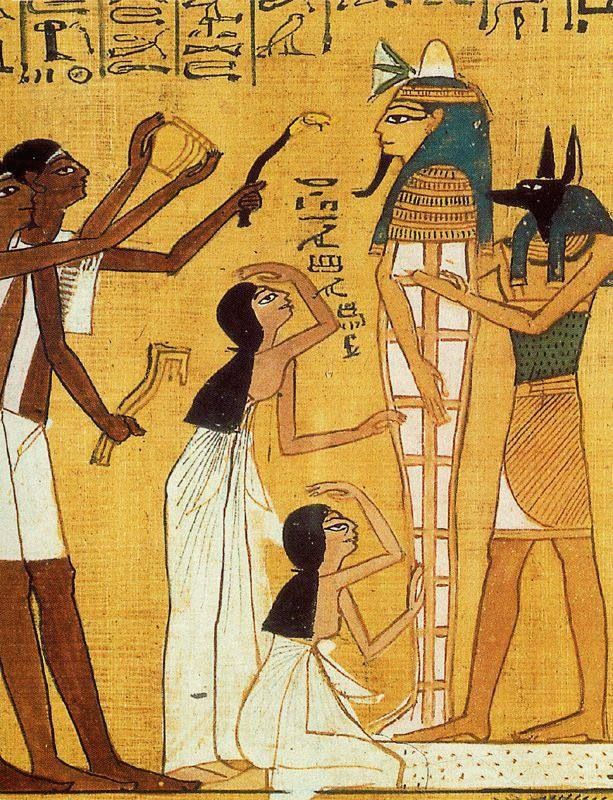
Immediately after death, priests performed religious ceremonies and mummification to prepare the body. These rituals helped ensure that the soul could recognize and return to its physical form when necessary.
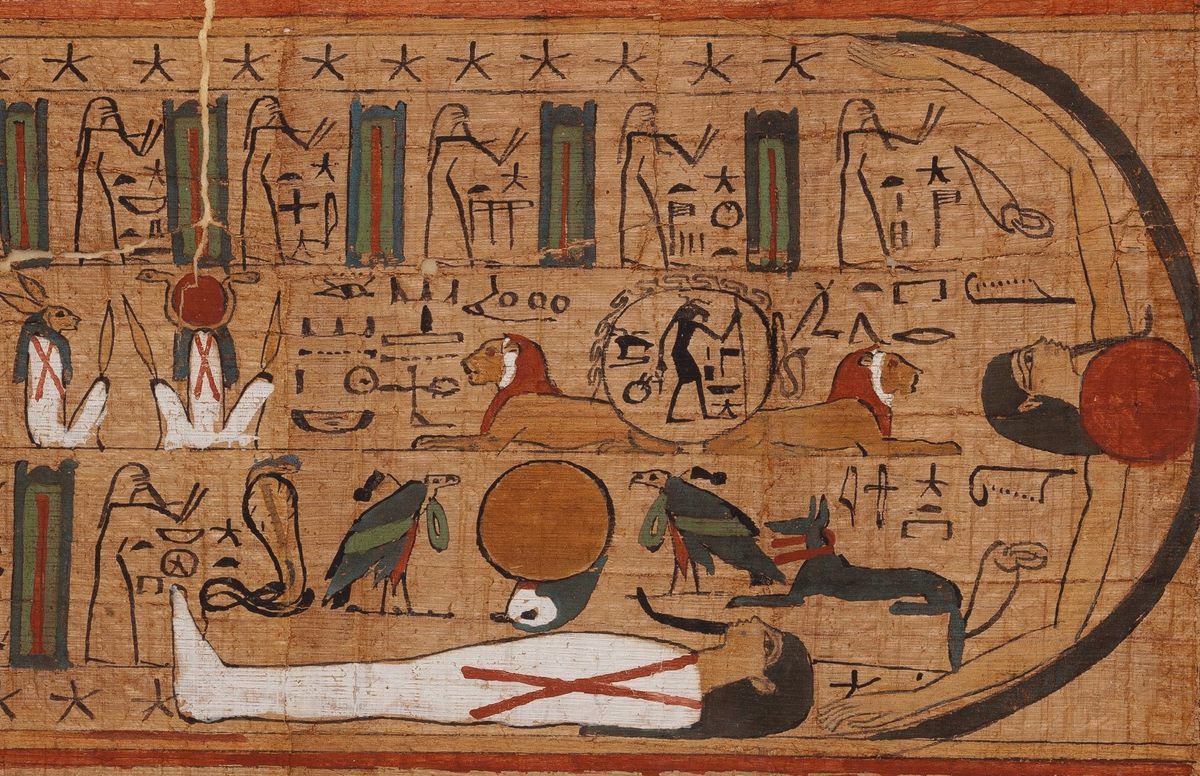
The deceased then entered the mysterious underworld, often called the Duat. This realm contained rivers, gates, guardians, monsters, and divine beings that the soul had to navigate successfully.
Religious texts such as the Book of the Dead provided instructions, prayers, and magical spells that helped the deceased overcome obstacles during this journey.
The soul relied on knowledge of sacred names and proper responses when encountering supernatural guardians. Correct answers demonstrated spiritual wisdom and preparation.
Protective amulets placed within the mummy’s wrappings offered additional defense against dangers in the underworld.
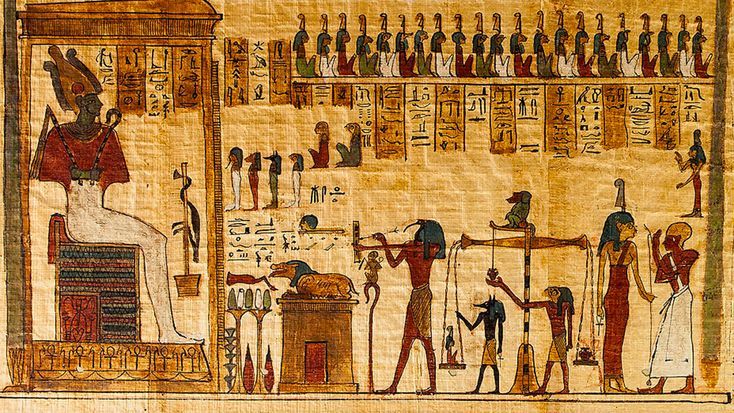
The journey eventually brought the deceased before Osiris and a divine court where judgment determined their eternal destiny.
Those who passed judgment entered the beautiful Field of Reeds, a paradise where life resembled the ideal version of Egypt, complete with fertile fields, peaceful communities, and joyful reunions with loved ones.
Those who failed the judgment faced the terrifying fate of having their hearts consumed by the monster Ammit, ending their existence forever.
These beliefs encouraged Egyptians to prepare carefully for death through religious devotion, moral behavior, and proper burial customs.
The journey of the soul illustrates the Egyptian conviction that eternal life required both divine assistance and personal responsibility.