
Welcome to

Ancient Egypt Moral Values

Moral values were a fundamental part of life in Ancient Egypt, shaping personal behavior, social relationships, religious beliefs, and government administration for thousands of years. The ancient Egyptians believed that a successful and harmonious society depended on individuals living according to principles of truth, justice, honesty, respect, responsibility, and compassion. These ethical ideals were closely connected to the concept of Ma’at, which represented cosmic order, balance, harmony, and righteousness. By following these moral values, Egyptians sought to maintain stability in both the human world and the divine realm.

The concept of Ma’at served as the moral foundation of Ancient Egyptian civilization. Egyptians believed that every person had a duty to uphold truth, fairness, and social order in their daily lives. Acts such as honesty, kindness, generosity, loyalty, self-discipline, and respect for others were considered essential virtues. Conversely, lying, theft, greed, corruption, violence, and injustice were viewed as threats to Ma’at and the well-being of society.

Moral values influenced relationships within families and communities. Respect for parents, care for children, loyalty to family members, and responsibility toward neighbors were highly valued. Ancient Egyptian wisdom texts, often written by scribes and officials, encouraged people to practice humility, patience, integrity, and moderation. These teachings provided guidance on how to live honorably and contribute positively to society.

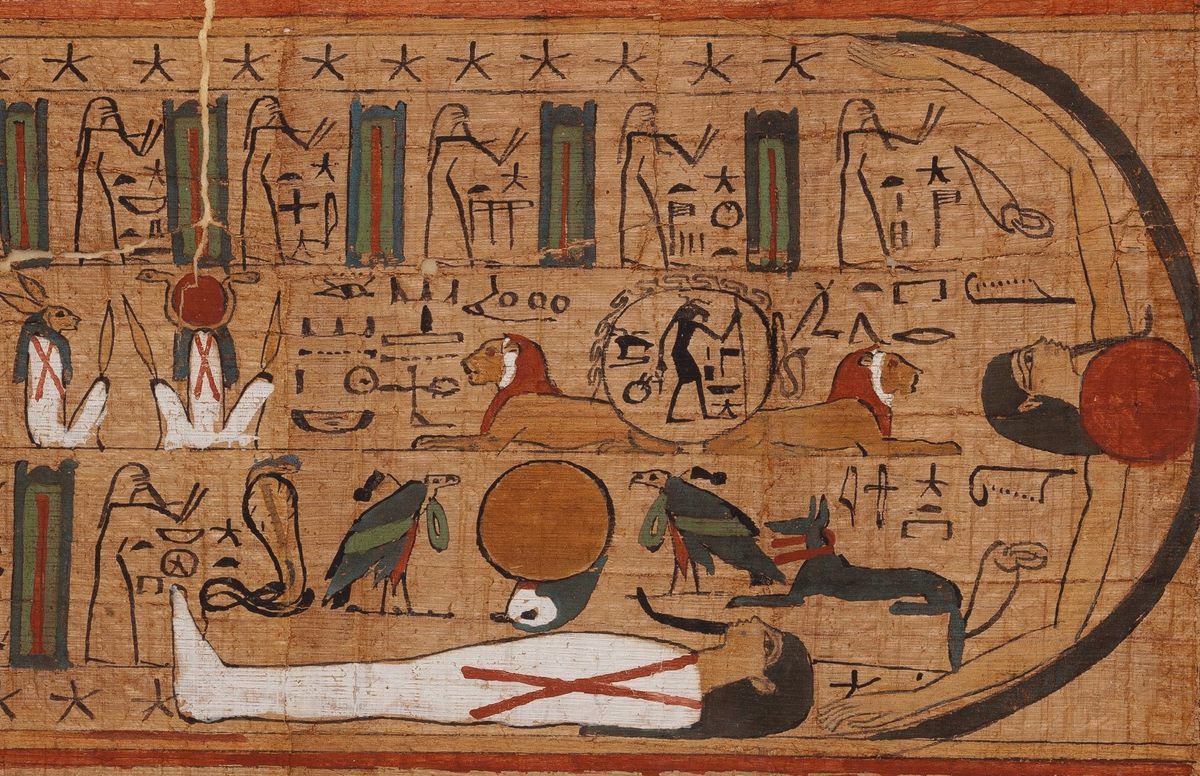
Religion also played a major role in promoting ethical behavior. Egyptians believed that the gods observed human actions and that moral conduct would be judged after death. During the famous Weighing of the Heart ceremony, the heart of the deceased was measured against the Feather of Ma’at. Those who had lived virtuous lives were rewarded with eternal life, while those who had committed serious wrongs faced spiritual punishment. This belief encouraged individuals to act responsibly throughout their lives.

The moral values of Ancient Egypt extended to leadership and governance as well. Pharaohs, judges, priests, and officials were expected to uphold justice, protect the vulnerable, maintain social order, and rule according to the principles of Ma’at. Good leadership was seen as essential for ensuring prosperity, peace, and stability throughout the kingdom.

In this guide, we explore the moral values of Ancient Egypt, including truth, justice, honesty, family responsibility, ethical behavior, Ma’at, religious teachings, wisdom literature, and the principles that helped sustain one of the world’s longest-lasting civilizations.

1. The Meaning of Ma'at in Ancient Egyptian Morality

The concept of Ma’at formed the foundation of Ancient Egypt moral values. Egyptians believed Ma’at represented the universal principles of truth, justice, harmony, balance, and order that governed both the human world and the universe itself.

According to Egyptian religion, Ma’at was established during creation by the gods. It transformed the original chaos into an orderly world where nature, society, and human relationships could flourish. Maintaining Ma’at became one of humanity’s greatest responsibilities.

The goddess Ma’at symbolized these ideals and was often depicted wearing an ostrich feather on her head. This feather later became the symbol used during the Weighing of the Heart in the afterlife.

Living according to Ma’at meant telling the truth, respecting others, keeping promises, avoiding violence, and acting fairly in all situations. Egyptians believed these behaviors maintained harmony within society.

The pharaoh had the highest responsibility for protecting Ma’at throughout Egypt. His duty was to preserve justice, defend the country, support religious traditions, and ensure peace among the people.

Ordinary Egyptians also contributed by performing their daily responsibilities honestly and respectfully. Farmers, craftsmen, merchants, officials, and priests all had roles in preserving social order.

Natural events such as the annual flooding of the Nile were believed to reflect the continued presence of Ma’at. A stable universe depended upon humans and gods working together to maintain balance.

Religious ceremonies, legal decisions, and community relationships were all expected to reflect the principles of Ma’at.

The importance of Ma’at demonstrates that morality in Ancient Egypt was much more than personal behavior. It was viewed as the foundation of civilization itself.

By following Ma’at, Egyptians believed they honored the gods, strengthened society, and prepared themselves for eternal life after death.
2. Honesty, Truth, and Personal Integrity

Among the most respected Ancient Egypt moral values were honesty, truthfulness, and personal integrity. Egyptians believed that speaking truthfully and acting honestly reflected the principles of Ma’at and pleased the gods.

Lying was considered a serious moral failure because it disrupted harmony and damaged trust within society. Whether dealing with family members, neighbors, business partners, or government officials, honesty was expected in everyday life.

Merchants were encouraged to use fair measurements and honest prices. Cheating customers or conducting dishonest business violated both legal and religious principles.

Government officials, judges, and scribes carried especially important ethical responsibilities. Because they managed public affairs and recorded official documents, they were expected to demonstrate complete honesty.

False accusations and dishonest testimony could harm innocent people, making truthful speech essential for maintaining justice.

Parents taught children the importance of honesty from an early age. Wisdom texts advised young people to speak carefully, avoid gossip, and keep their promises.

Egyptian literature praised individuals who acted with integrity even when facing difficult circumstances. A good reputation was considered one of the greatest achievements a person could earn.

The belief in the afterlife strengthened these moral expectations. Egyptians knew that their actions would eventually be judged before Osiris during the Weighing of the Heart.

The Negative Confession found in the Book of the Dead included statements such as “I have not lied” and “I have not deceived others,” demonstrating the importance of truthful living.

Personal integrity also involved fulfilling responsibilities, respecting agreements, and behaving consistently with one’s values.

The emphasis on honesty helped create trust between individuals and supported the stability of Egyptian society for thousands of years.
3. Justice and Fairness in Egyptian Society

Justice was one of the most important expressions of Ancient Egypt moral values. Egyptians believed that fairness protected society from chaos and reflected the divine order established through Ma’at.

The Egyptian legal system aimed to resolve disputes peacefully and fairly. Judges were expected to make decisions based on truth rather than wealth, social status, or personal relationships.

Officials who abused their authority violated both the law and religious principles. Fair leadership was considered essential for maintaining public confidence.

The pharaoh served as the highest guardian of justice. His responsibility included protecting the weak, punishing criminals, and ensuring that laws reflected the principles of Ma’at.

Ordinary citizens were also expected to practice fairness in their daily interactions. Respecting property, honoring agreements, and treating neighbors honestly helped maintain peaceful communities.

Many wisdom texts advised Egyptians not to exploit poor people, widows, or orphans. Compassion toward vulnerable members of society was viewed as an important moral responsibility.

Justice extended beyond human courts. Egyptians believed that every action would eventually be judged by the gods after death, making moral behavior a lifelong obligation.

The Weighing of the Heart emphasized that no one could escape divine justice. Every person, regardless of wealth or status, would answer for their actions.

This belief encouraged people to resolve conflicts honestly and avoid wrongdoing, even when they believed no one was watching.

The connection between justice, religion, and morality demonstrates how deeply ethical values influenced Egyptian civilization.

For Ancient Egyptians, true justice protected individuals, strengthened communities, honored the gods, and preserved the harmony of the entire universe.
4. Family Values and Respect for Parents

Family was the foundation of Egyptian society, and Ancient Egypt moral values placed great importance on respecting parents, caring for relatives, and maintaining strong family relationships. Egyptians believed that a peaceful and honorable family life reflected the principles of Ma’at and contributed to the stability of the entire community.

Children were expected to obey and honor their parents throughout their lives. Respect for fathers and mothers was considered both a social duty and a religious responsibility. Parents, in turn, were expected to provide guidance, education, protection, and moral instruction.

Wisdom texts encouraged young people to listen carefully to the advice of their elders. Experience and age were highly respected, and learning from older generations was viewed as the path to wisdom and success.

Marriage was regarded as a partnership based on mutual respect and cooperation. Husbands and wives shared responsibilities for raising children, managing the household, and supporting one another.

Parents taught their children honesty, kindness, self-control, and respect for the gods. These moral lessons prepared future generations to become responsible members of society.

Family members also cared for elderly relatives, believing that gratitude toward parents reflected good character. Neglecting one’s family was considered a serious moral failure.

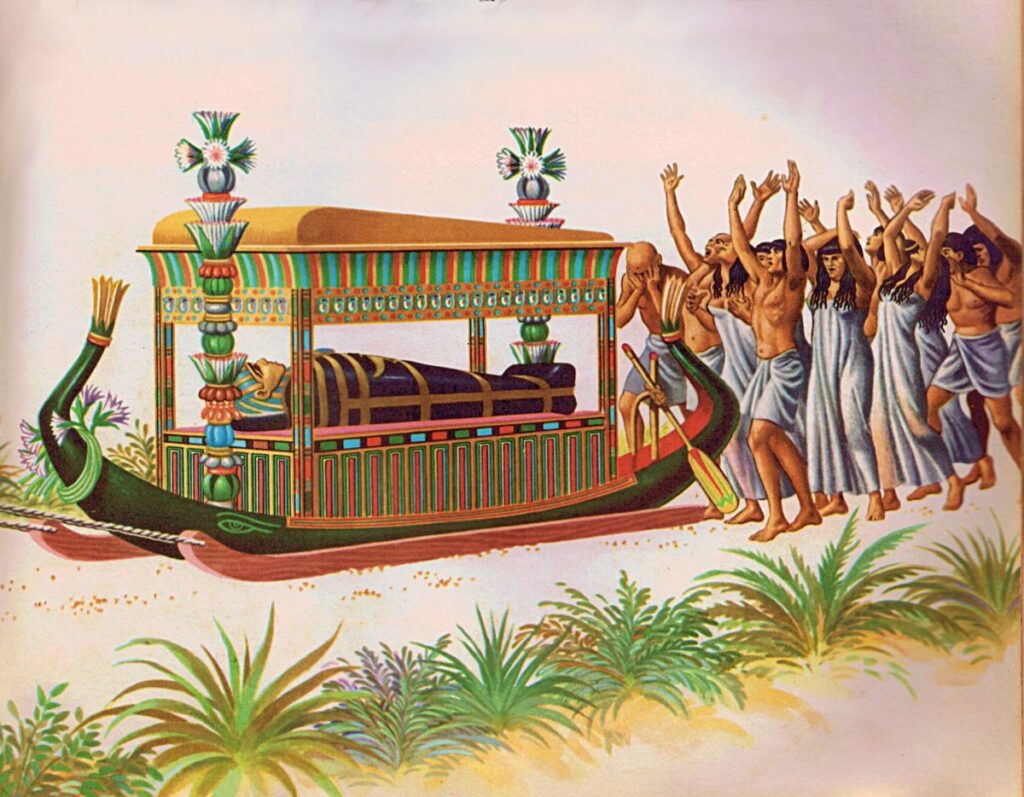
Respect continued even after death. Families regularly visited tombs, presented offerings, and remembered deceased relatives, believing that strong family bonds extended into the afterlife.

Love, loyalty, and cooperation within the household helped create stable communities and strengthened Egyptian civilization.

These family values ensured that moral traditions were passed from one generation to the next, preserving Egyptian culture for thousands of years.

The emphasis on family demonstrates that morality in Ancient Egypt began at home, where respect, responsibility, and compassion were first learned.

5. Kindness, Generosity, and Compassion

Kindness and generosity were among the most admired Ancient Egypt moral values. Egyptians believed that helping others demonstrated respect for Ma’at and strengthened harmony throughout society.

People were encouraged to show compassion toward neighbors, travelers, the poor, widows, orphans, and anyone facing hardship. Assisting those in need was viewed as both a moral responsibility and an act that pleased the gods.

Generosity often included sharing food, water, clothing, or shelter with others. During difficult times, communities depended on cooperation and mutual support.

Wisdom literature advised Egyptians not to take advantage of those who were weaker or less fortunate. Instead, people were encouraged to act with patience, understanding, and fairness.

Kind words were considered as valuable as material gifts. Speaking respectfully and avoiding insults helped maintain peaceful relationships.

Religious beliefs reinforced these values. Egyptians believed that acts of kindness would be remembered during the Judgment of the Dead, where moral behavior influenced the outcome of the Weighing of the Heart.

Officials and wealthy individuals were expected to use their positions responsibly by supporting public welfare and treating workers fairly.

Compassion also extended to family members, friends, and coworkers. Forgiveness, cooperation, and empathy helped reduce conflict and strengthen social bonds.

The gods themselves were often described as merciful protectors, encouraging people to imitate these qualities in their own lives.

Acts of generosity created trust within communities and promoted stability across Egyptian society.

By practicing kindness and compassion, Egyptians believed they honored both humanity and the divine order established by Ma’at.

6. Moral Education and Wisdom Literature

Education played a major role in preserving Ancient Egypt moral values. Egyptians believed that moral character could be developed through learning, discipline, and guidance from experienced teachers and parents.

Children first learned ethical principles within their families. Parents taught respect, honesty, responsibility, and proper behavior from an early age, preparing children for adult life.

As students entered schools, especially those training to become scribes, moral instruction became an important part of their education. Learning to read and write was closely connected with learning how to behave wisely.

Ancient Egyptian wisdom literature contained advice about everyday life, leadership, friendship, work, and family relationships. These writings emphasized practical ethics rather than abstract philosophy.

One of the most famous examples is the Instructions of Ptahhotep, a collection of teachings that encouraged humility, patience, honesty, self-control, and respectful speech. Such texts advised readers to avoid arrogance, listen carefully to others, and settle disagreements peacefully.

Other instructional writings encouraged people to work diligently, respect authority, avoid greed, and fulfill their responsibilities faithfully.

Teachers believed that discipline and self-control were essential qualities for successful citizens. Students were reminded that knowledge without good character had little value.

Scribes copied these wisdom texts for centuries, ensuring that moral teachings remained available to future generations. Their work helped preserve Egyptian ethical traditions across different dynasties.

The lessons found in wisdom literature applied to all members of society, regardless of profession or social class. Farmers, craftsmen, officials, and merchants could all benefit from these principles.

Moral education strengthened Egyptian society by encouraging honesty, cooperation, and responsible leadership.

The importance of wisdom literature demonstrates that Ancient Egyptians believed true education combined intellectual knowledge with ethical behavior, creating individuals capable of contributing positively to both society and the divine order.

weddings in ancient egypt

7. Respect for the Gods and Religious Duties

Respect for the gods was a central part of Ancient Egypt moral values. Egyptians believed that humans had a responsibility to honor the divine powers that created and maintained the universe. Worship, prayer, and religious duties were considered essential parts of living a moral life.

Ancient Egyptians believed that the gods protected the world and maintained the balance of Ma’at. In return, people were expected to show gratitude, respect sacred traditions, and participate in religious practices.

Religious duties included making offerings, attending festivals, supporting temples, and following rituals established by priests. These actions were not only acts of worship but also ways of maintaining harmony between humans and the divine world.

Respect for the gods also meant respecting sacred places, religious symbols, and temple traditions. Temples were considered the homes of the gods, and they were treated with great care and reverence.

The pharaoh had the greatest religious responsibility because Egyptians believed he acted as the connection between the gods and humanity. However, ordinary people also played important roles through personal prayers, household worship, and community celebrations.

Egyptians believed that disrespect toward the gods could create disorder and bring misfortune. Therefore, honoring divine powers was seen as both a spiritual and moral obligation.

Religious values influenced personal behavior. People were encouraged to avoid actions that harmed others because wrongdoing disturbed the balance created by the gods.

Funeral beliefs also reflected religious responsibility. Egyptians believed that those who honored the gods and lived according to Ma’at would receive divine approval after death.

Respecting the gods was therefore not limited to ceremonies or temples. It influenced daily choices, relationships, and the way people understood their purpose in life.

Through religious devotion, Egyptians believed they contributed to maintaining the order of the universe and ensuring prosperity for future generations.

8. Self-Control, Humility, and Good Character

Self-control and humility were highly respected Ancient Egypt moral values. Egyptians believed that a person’s character was revealed through their ability to control emotions, avoid excessive pride, and behave respectfully toward others.

Wisdom teachings often warned against arrogance and encouraged people to remain humble regardless of their wealth, education, or social position.

A person who was too proud was believed to create conflict and disturb harmony. In contrast, humility showed awareness of one’s responsibilities and respect for the people around them.

Self-control was especially important in speech and behavior. Egyptians were advised to think carefully before speaking, avoid unnecessary arguments, and control anger.

Patience was considered a sign of wisdom. People who remained calm during difficult situations demonstrated strength of character and the ability to maintain Ma’at.

Leaders and officials were expected to show exceptional self-control because their decisions affected many lives. A ruler who acted with anger or selfishness could bring disorder to the kingdom.

Humility also involved recognizing the importance of cooperation. Egyptians understood that society depended on many different roles working together, from farmers and craftsmen to priests and administrators.

Good character included kindness, honesty, loyalty, and responsibility. These qualities helped individuals gain respect during life and achieve a favorable judgment after death.

The afterlife beliefs of Ancient Egypt reinforced the importance of personal character. During the Weighing of the Heart, a person’s true nature was revealed before the gods.

A wealthy person without good morals could fail judgment, while a humble and honest person could achieve eternal life.

The emphasis on self-control and humility shows that Ancient Egyptians valued inner qualities as much as external success.

Ancient Egypt – Children Life

9. Moral Responsibility in Work and Public Life

Work and public service were closely connected with Ancient Egypt moral values. Egyptians believed that every person had a responsibility to perform their duties honestly and contribute to the stability of society.

Different occupations had different responsibilities, but all forms of work were considered important. Farmers produced food, craftsmen created essential goods, builders constructed monuments, and scribes maintained records.

A person who performed their work carefully and honestly was considered to be supporting Ma’at. Laziness, corruption, and neglect of responsibilities were viewed as harmful because they created disorder.

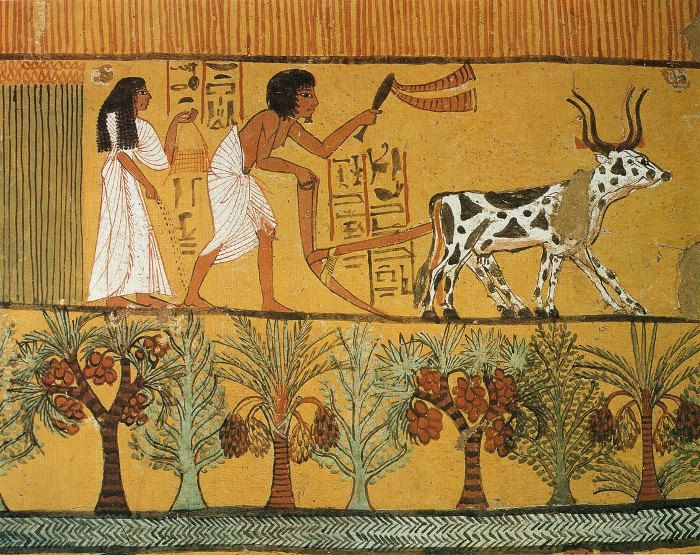
Farmers were expected to care for the land and respect the natural cycles of the Nile. Their success was connected with the prosperity of the entire kingdom.

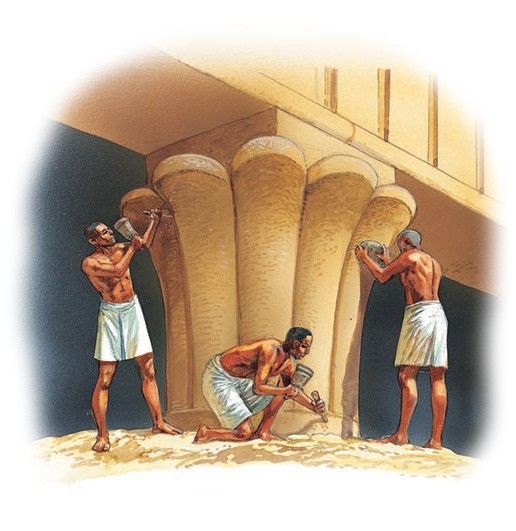
Craftsmen were expected to produce quality work. Artists and builders working on temples and tombs had religious responsibilities because their creations honored the gods and preserved traditions.

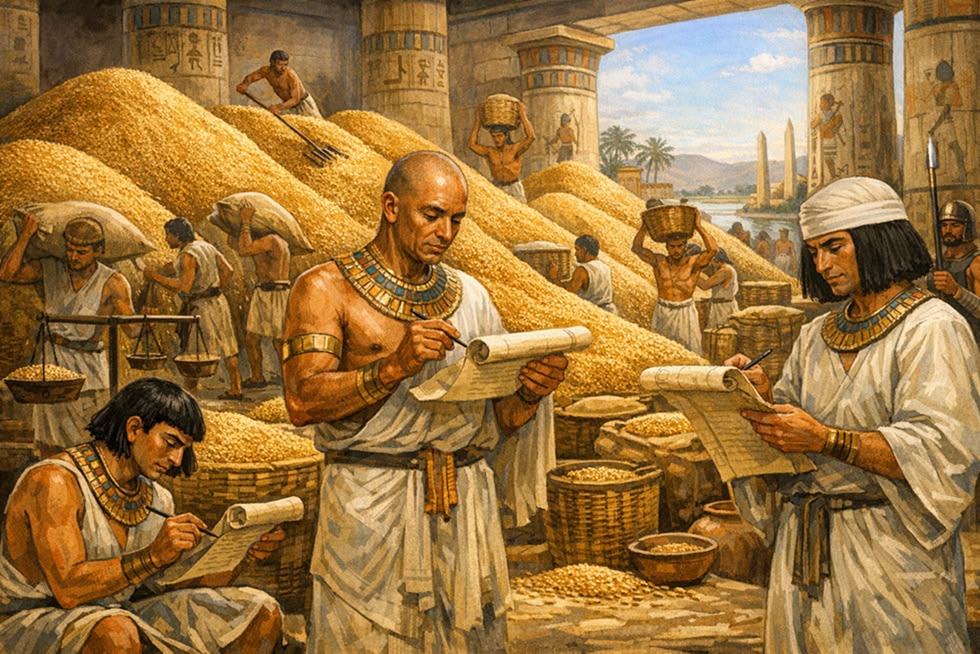
Scribes held especially important positions because they recorded laws, taxes, religious texts, and government information. Their honesty was essential for maintaining justice.

Government officials were expected to serve the people fairly. Abuse of power, accepting illegal payments, or ignoring the needs of citizens violated the principles of Ma’at.

Egyptian teachings often praised hardworking individuals who completed their duties with dedication and discipline.

Cooperation in the workplace was also valued. Large projects such as temples, pyramids, and irrigation systems required thousands of people working together toward a shared goal.

Work was not viewed only as a way to earn a living. It was considered a contribution to society and a responsibility toward the community.

By fulfilling their duties properly, Egyptians believed they helped maintain order in the world and demonstrated their commitment to Ma’at.

The connection between morality and work shows that Ancient Egyptians believed every individual had a meaningful role in building and protecting civilization.

10. Moral Values in Ancient Egyptian Law and Justice

The legal system of Ancient Egypt was deeply influenced by Ancient Egypt moral values, especially the principles of Ma’at, justice, truth, and fairness. Egyptians believed that laws existed to protect harmony and prevent chaos within society.

Justice was considered a divine responsibility. Judges and officials were expected to make decisions based on truth rather than personal interests, wealth, or social status. A fair legal system was necessary to maintain the balance established by the gods.

The pharaoh was considered the highest guardian of justice. His role was to protect the weak, punish wrongdoing, and ensure that laws reflected the principles of Ma’at.

Local officials and judges handled many disputes involving property, business agreements, family matters, and criminal actions. They were expected to listen carefully to both sides and reach fair decisions.

Honesty during legal proceedings was extremely important. False testimony, lying, and corruption were viewed as serious moral failures because they could harm innocent people and disturb social order.

Ancient Egyptian law emphasized personal responsibility. Individuals were expected to respect ownership, fulfill agreements, and avoid actions that harmed others.

Officials who abused their power could face punishment and public criticism. Egyptian texts often warned leaders against taking advantage of poor or vulnerable people.

The protection of vulnerable groups was an important moral concern. Widows, orphans, and the poor were often mentioned in wisdom literature as people who deserved fairness and support.

Legal decisions were not only practical matters but also spiritual responsibilities. Egyptians believed that unjust actions could affect a person’s future in the afterlife.

The connection between morality and law shows that Egyptians did not separate ethical behavior from social organization. Justice was considered a reflection of divine order.

Through laws based on fairness and responsibility, Ancient Egyptians created a society where moral principles guided both personal actions and public institutions.

11. The Connection Between Morality and the Afterlife

The connection between morality and the afterlife was one of the most important aspects of Ancient Egypt moral values. Egyptians believed that the way a person lived on earth directly affected their destiny after death.

According to Egyptian beliefs, every individual would eventually stand before Osiris and the divine court for judgment. The person’s heart would be weighed against the feather of Ma’at, representing truth and justice.

A heart that was light and free from wrongdoing showed that the individual had lived an honorable life. Such people were allowed to enter the eternal paradise known as the Field of Reeds.

A heavy heart represented dishonesty, cruelty, injustice, or failure to follow moral principles. Those who rejected Ma’at faced negative consequences after judgment.

Because of these beliefs, Egyptians tried to live according to ethical standards throughout their lives. They understood that wealth, social position, and power could not protect someone from divine judgment.

The famous Negative Confession from funerary texts listed many actions that the deceased claimed they had avoided, including stealing, lying, harming others, and disrespecting sacred traditions.

These teachings encouraged people to practice honesty, kindness, fairness, and self-control.

The belief in judgment after death also strengthened social responsibility. People were more likely to respect laws, fulfill obligations, and treat others properly because they believed their actions had eternal consequences.

Moral behavior was therefore not only about gaining respect from society but also about preparing for a successful journey into the afterlife.

The Egyptian view of morality connected everyday choices with eternal destiny, creating a powerful motivation for ethical living.

This relationship between morality and spirituality remains one of the most fascinating aspects of Ancient Egyptian civilization.

12. The Legacy of Ancient Egypt Moral Values Today

The legacy of Ancient Egypt moral values continues to influence modern understanding of ethics, justice, leadership, and social responsibility. Although Egyptian civilization existed thousands of years ago, many of its moral principles remain meaningful today.

The concept of Ma’at represents one of history’s earliest ideas of universal balance and justice. Its emphasis on truth, fairness, and harmony continues to interest historians and philosophers.

Ancient Egyptian teachings about honesty, respect, and responsibility demonstrate that ethical questions have been important to humanity since ancient times.

The idea that leaders must protect society and act fairly remains relevant in modern discussions about good governance and public service.

Egyptian wisdom literature provides valuable examples of early moral education. Teachings about patience, humility, kindness, and self-control continue to offer lessons for personal development.

The importance placed on family relationships, respect for elders, and caring for others reflects values that remain important in many cultures today.

Ancient Egyptian legal traditions also contributed to the historical development of ideas about justice and organized society.

Modern researchers continue studying Egyptian moral teachings because they reveal how an ancient civilization created systems based on responsibility and social cooperation.

Museums, books, and archaeological discoveries preserve these values and introduce them to new generations around the world.

The enduring interest in Ancient Egypt shows that moral questions about truth, fairness, and the meaning of a good life remain universal human concerns.

The legacy of Egyptian morality reminds us that civilizations are remembered not only for their monuments and achievements but also for the values that guided their people.

Frequently Asked Questions

The most important moral value was Ma’at, which represented truth, justice, balance, harmony, and order in both society and the universe.


A good person was someone who was honest, respectful, responsible, kind, humble, and lived according to Ma’at.


Ma’at was believed to maintain the balance of the universe. Following it helped create peace, justice, and stability among people and between humans and the gods.


Yes. Egyptians believed that a person’s actions were judged after death during the Weighing of the Heart ceremony. Living morally increased the chance of reaching eternal life.


Modern societies can learn the importance of honesty, fairness, responsibility, respect for others, ethical leadership, and maintaining harmony within communities.