
1. The Role of Ma'at in Ancient Egyptian Justice
The foundation of the Ancient Egypt justice system was the principle of Ma’at. Egyptians believed that Ma’at represented the natural and moral order established by the gods. It included truth, fairness, balance, justice, and harmony.
Maintaining Ma’at was considered the responsibility of every Egyptian, but it was especially important for rulers and officials. The pharaoh’s primary duty was to protect Ma’at and prevent disorder from spreading throughout the kingdom.
Justice was not viewed as a separate institution from religion. Egyptians believed that fair decisions reflected divine will, while injustice disturbed the balance of the universe.
Judges and officials often referred to Ma’at when making decisions. They were expected to examine facts carefully, listen to both sides, and choose solutions that restored harmony.
The idea of Ma’at influenced many areas of Egyptian law. Property disputes, criminal cases, family disagreements, and administrative decisions were all judged according to principles of fairness.
Egyptian wisdom texts frequently advised officials to avoid corruption and treat people equally. Leaders were warned that abusing power would create chaos and damage their reputation before both humans and gods.
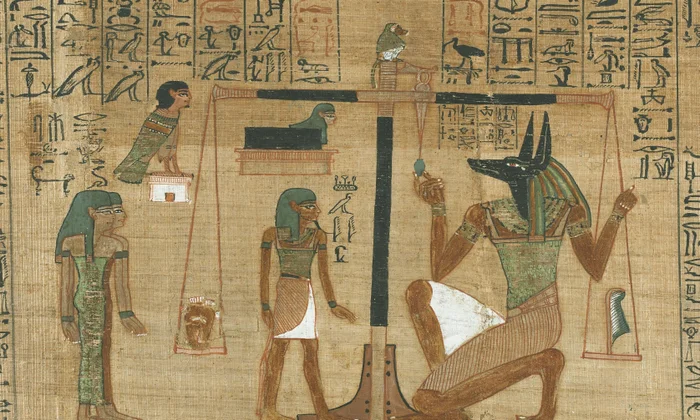
The connection between justice and morality was especially visible in beliefs about the afterlife. Egyptians believed that their own hearts would later be judged against the feather of Ma’at.
This belief encouraged people to follow ethical behavior during their lifetime. Honesty and fairness were not only social expectations but also requirements for eternal life.
Ma’at provided Ancient Egypt with a moral framework that guided laws, government decisions, and personal relationships.
Through this principle, Egyptians created a justice system that aimed to preserve stability and protect the harmony of society.
2. The Pharaoh as the Supreme Judge and Guardian of Justice
The pharaoh played the highest role in the Ancient Egypt justice system. Egyptians believed the king was chosen by the gods to rule the land and protect Ma’at.
As the supreme authority, the pharaoh had the power to create policies, approve major legal decisions, and ensure that justice was maintained throughout Egypt.
The king was considered responsible for protecting all citizens, especially vulnerable groups such as the poor, widows, and orphans. A successful ruler was expected to prevent corruption and defend people from injustice.
Royal inscriptions often described pharaohs as leaders who restored order, punished criminals, and protected truth. These messages reinforced the idea that good kingship depended on fair leadership.
Although the pharaoh had ultimate authority, he did not personally handle every legal case. Egypt was a large country, and thousands of disputes were managed by officials acting on the king’s behalf.
The vizier, one of the most powerful officials in Egypt, played a major role in administering justice. The vizier supervised courts, reviewed legal decisions, and ensured that government officials followed proper procedures.
The pharaoh’s connection to justice also had a religious meaning. Egyptians believed that the king’s actions affected the relationship between humans and the gods.
A ruler who maintained Ma’at would bring prosperity, successful harvests, and national stability. A ruler who allowed injustice to spread could bring disorder and suffering.
The role of the pharaoh demonstrates how closely government and religion were connected in Ancient Egypt.
Justice was not simply a legal process; it was considered a sacred responsibility necessary for protecting the entire civilization.
3. Courts, Judges, and Legal Officials in Ancient Egypt
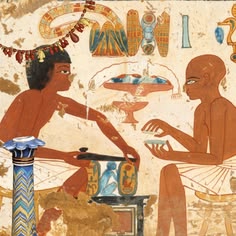
The Ancient Egypt justice system depended on a network of courts and officials who handled legal disputes throughout the kingdom. These institutions allowed Egyptians to resolve conflicts and maintain social order.
The highest administrative court was connected with the office of the vizier. The vizier supervised important legal matters and served as the chief judge after the pharaoh.
Local courts existed in towns and villages, allowing people to bring disputes closer to their communities. These courts were often managed by groups of respected officials known as councils of elders.
Judges were expected to be honest, wise, and experienced. Their role was not only to determine guilt or innocence but also to find solutions that restored balance between conflicting parties.
Scribes played an important role in legal proceedings. They recorded testimonies, agreements, court decisions, and official documents. Their ability to write made them essential members of the legal system.
Priests sometimes participated in legal matters, especially when cases involved temples, religious property, or sacred responsibilities.
Legal officials examined evidence, listened to witnesses, and considered written agreements when making decisions.
Many cases involved everyday issues such as land ownership, unpaid debts, inheritance disputes, marriage agreements, and business conflicts.
Egyptian courts focused heavily on finding the truth. False statements and dishonest evidence were considered serious offenses because they could lead to unfair judgments.
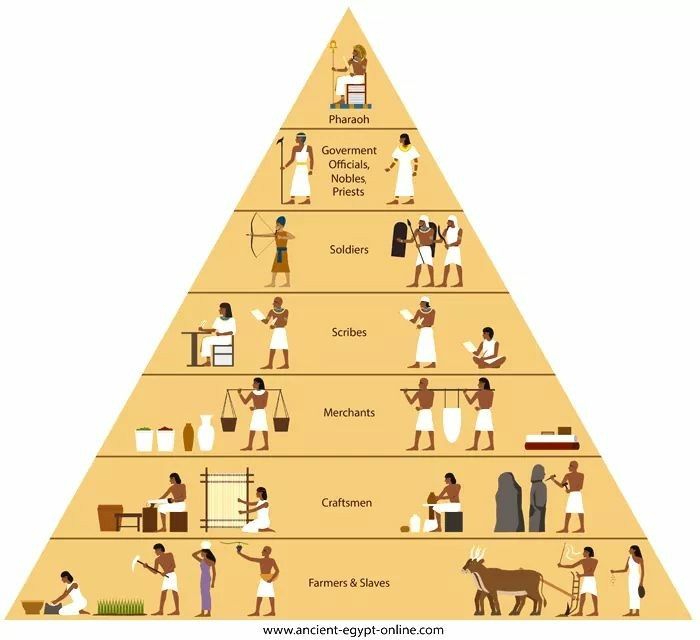
Although Egyptian law was influenced by social hierarchy, the system allowed ordinary people to bring complaints and seek justice.
The existence of organized courts and professional officials shows that Ancient Egypt developed a sophisticated approach to solving legal problems and maintaining public order.