
1. The Origins of Ancient Egyptian Medicine
The origins of Ancient Egypt medicine practice can be traced to the earliest periods of Egyptian civilization. Before medical knowledge was recorded in detailed texts, Egyptians relied on experience, observation, traditional remedies, and religious beliefs to deal with illness and injury.
The Nile environment influenced health in many ways. Access to water supported agriculture and daily life, but people also faced injuries, infections, parasites, nutritional problems, and diseases associated with living conditions.
Early Egyptian communities developed practical methods for treating wounds and other common conditions.
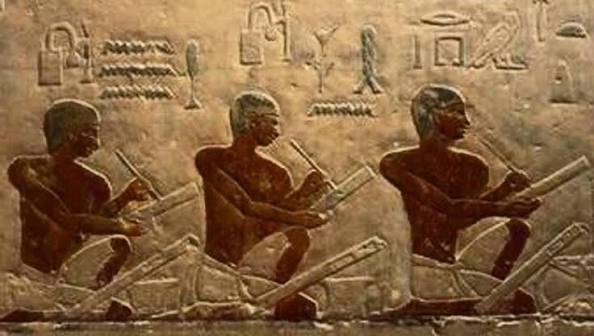
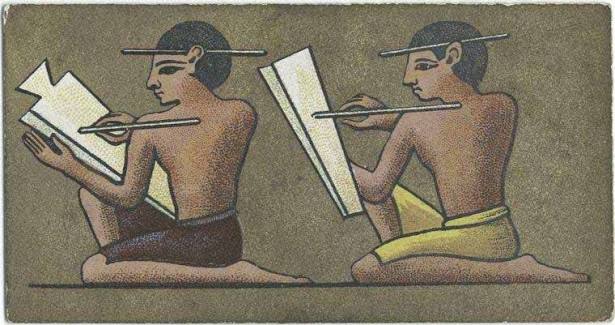
Knowledge was initially transmitted primarily through families and experienced practitioners. Over time, medical traditions became increasingly organized and were recorded by scribes.
Egyptian physicians observed symptoms and attempted to identify patterns. This practical approach allowed certain treatments to be repeated when they appeared effective.
Medical knowledge expanded as Egyptian civilization developed. Physicians gained experience treating injuries among farmers, craftsmen, construction workers, soldiers, and other workers.
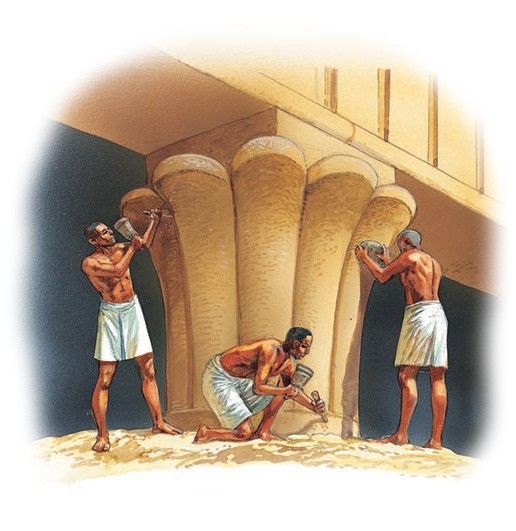
The construction of large monuments may also have exposed physicians to numerous injuries, including fractures, wounds, and musculoskeletal problems.
Military campaigns provided another environment where doctors could gain experience treating trauma.
Egyptians also developed knowledge through embalming and mummification. Although the primary purpose of mummification was religious, the process involved handling the human body and using substances for preservation.
By the Middle and New Kingdoms, Egyptian medical knowledge was sufficiently developed to appear in surviving papyri containing organized treatments.
These documents demonstrate that medicine was becoming a specialized body of knowledge.
Egyptian physicians did not rely exclusively on supernatural explanations. Many treatments involved physical substances and practical procedures.
However, religious beliefs remained an important part of healthcare.
The origins of Egyptian medicine therefore reflect a gradual combination of observation, experience, traditional knowledge, practical treatment, and religious belief.
This combination formed the foundation for one of the ancient world’s most influential medical traditions.
2. Ancient Egyptian Doctors and Medical Professionals
Doctors were important figures in Ancient Egypt medicine practice. Egyptian physicians were trained professionals who treated patients using accumulated medical knowledge, practical experience, and specialized remedies.
The Egyptian word commonly translated as “physician” was swnw. Medical professionals could hold respected positions within society.
Some doctors served the royal household and treated members of the ruling family. Others worked for temples, the military, or local communities.
Egyptian sources also indicate that medical practitioners could specialize. Records mention doctors associated with particular parts of the body or specific areas of treatment.
Specialization could include areas such as the eyes, teeth, stomach, or other parts of the body.
Dentistry was particularly important because dental problems were common. Egyptians experienced tooth wear and damage partly because food could contain small particles of stone or sand from grinding and processing grain.
Military physicians were also valuable because soldiers frequently suffered wounds and fractures during campaigns.
Doctors serving large construction projects may have treated workers injured while quarrying stone or building monuments.
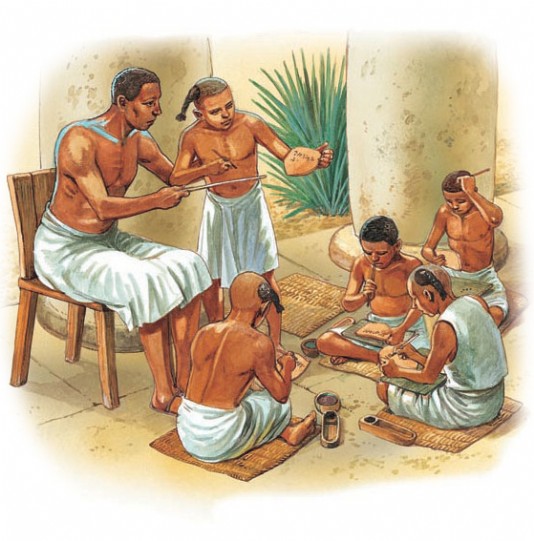
Medical professionals relied on written texts, practical experience, and traditional teaching. Younger practitioners could learn from experienced doctors and scribes.
Some medical knowledge was probably passed through families, with professional traditions continuing across generations.
The social position of physicians could be relatively high, particularly for doctors serving wealthy households, temples, or the royal court.
Women could also participate in healthcare. Egyptian evidence includes references to women involved in medical or childbirth-related roles, although the exact extent of female medical practice is difficult to determine.
Healthcare was not necessarily provided through a single centralized medical system. Different doctors and practitioners operated in different settings.
The existence of specialized physicians demonstrates that Egyptian healthcare was more organized than a simple collection of folk remedies.
Doctors combined observation with treatment and relied on established medical traditions.
Their work represents an important stage in the historical development of professional medicine.
3. Ancient Egyptian Medical Papyri and Written Knowledge
Medical papyri are among the most valuable sources for understanding Ancient Egypt medicine practice. These documents preserve information about diseases, symptoms, treatments, prescriptions, and medical procedures.
The Ebers Papyrus is one of the best-known Egyptian medical texts. It contains a large collection of remedies addressing numerous health problems.
The Edwin Smith Papyrus is particularly important for understanding Egyptian treatment of injuries. It presents cases involving wounds and trauma and includes observations about diagnosis and prognosis.
Other medical texts address subjects such as women’s health, childbirth, and veterinary medicine.
These papyri demonstrate that Egyptian physicians organized medical information rather than relying entirely on oral traditions.
A typical medical case could describe symptoms and then provide a treatment or recommendation.
Some texts show an interest in prognosis, meaning an attempt to predict whether a patient was likely to recover.
This is particularly noticeable in the Edwin Smith Papyrus, where injuries could be classified according to whether they were considered treatable, uncertain, or difficult to treat.
Medical prescriptions could contain specific ingredients and instructions for preparing and administering remedies.
Medicines might be taken orally, applied to wounds, placed on the skin, or used in other ways.
The preservation of these documents allowed medical knowledge to be transmitted across generations.
Scribes played an important role because physicians and medical practitioners depended on written records for preserving specialized knowledge.
The papyri also reveal the limitations of Egyptian medicine. Some treatments were based on beliefs that do not correspond with modern medical understanding.
Magical formulas could appear alongside practical remedies.
Nevertheless, the medical papyri are remarkable because they show systematic attempts to describe health problems and provide treatments.
They provide historians with direct evidence of ancient healthcare practices and demonstrate the importance Egyptians placed on recording professional knowledge.