
Welcome to

Ancient Egypt Surgery Knowledge

Ancient Egypt possessed some of the most advanced surgical knowledge in the ancient world, demonstrating a remarkable understanding of anatomy, trauma treatment, wound care, and medical procedures thousands of years before the development of modern medicine. Egyptian physicians combined careful observation, practical experience, and medical documentation to diagnose and treat a wide range of injuries and illnesses. Evidence from medical papyri, archaeological discoveries, surgical instruments, and mummified remains reveals that Ancient Egyptian doctors were performing sophisticated treatments that laid important foundations for the history of surgery and healthcare.

One of the most significant sources of information about Ancient Egyptian surgery is the Edwin Smith Papyrus, widely regarded as the world’s oldest known surgical textbook. Dating to around 1600 BC and likely based on even earlier knowledge, this remarkable document describes dozens of medical cases involving head injuries, fractures, wounds, spinal trauma, and other conditions. It demonstrates a logical, evidence-based approach to diagnosis and treatment, showing that Egyptian physicians carefully examined patients, assessed symptoms, and recommended appropriate medical procedures.

Ancient Egyptian surgeons treated broken bones using splints and bandages, stitched wounds, controlled bleeding, and managed infections with medicinal preparations derived from natural ingredients such as honey, resins, and herbs. Archaeological evidence suggests that they performed minor surgical procedures, treated dental problems, and successfully managed traumatic injuries sustained during construction work, military campaigns, and daily activities. Their practical medical knowledge contributed significantly to public health and patient care.

The process of mummification also expanded Egyptian understanding of the human body. Through the preservation of the dead, embalmers gained valuable insights into internal organs and anatomy, knowledge that likely influenced medical practice and surgical techniques. Although religious beliefs limited extensive anatomical dissection, Egyptian healers developed a surprisingly sophisticated awareness of bodily structures and functions.

In this guide, we explore Ancient Egypt surgery knowledge, including the Edwin Smith Papyrus, surgical instruments, trauma care, fracture treatment, wound management, anatomy, medical education, and the contributions of Egyptian physicians to the development of medicine. Discover how Ancient Egypt became one of the earliest civilizations to practice organized healthcare and surgical treatment.

Ancient Egypt – Education System

1. The Origins of Ancient Egyptian Surgery

The origins of Ancient Egypt surgery knowledge developed from the need to treat injuries and physical trauma. From the earliest periods of Egyptian civilization, people experienced wounds, fractures, burns, animal injuries, and accidents that required practical treatment.

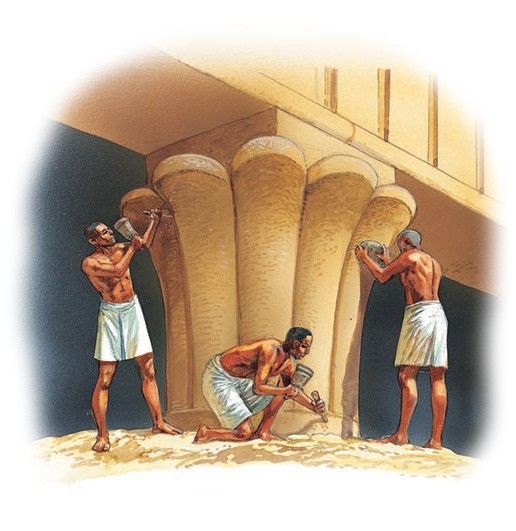
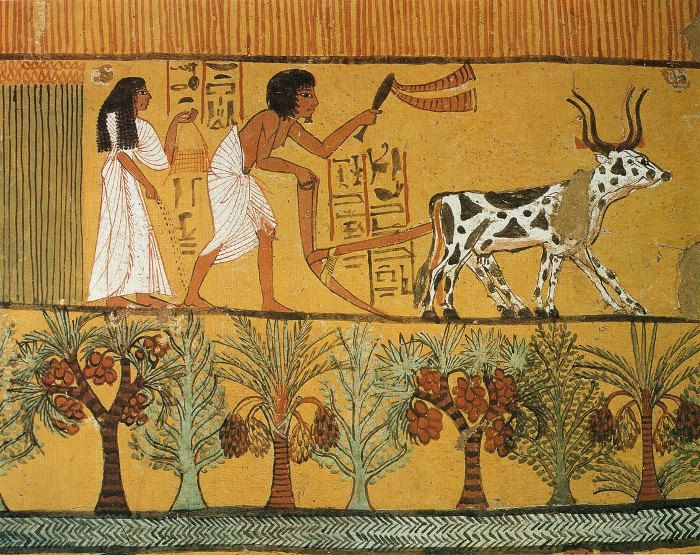
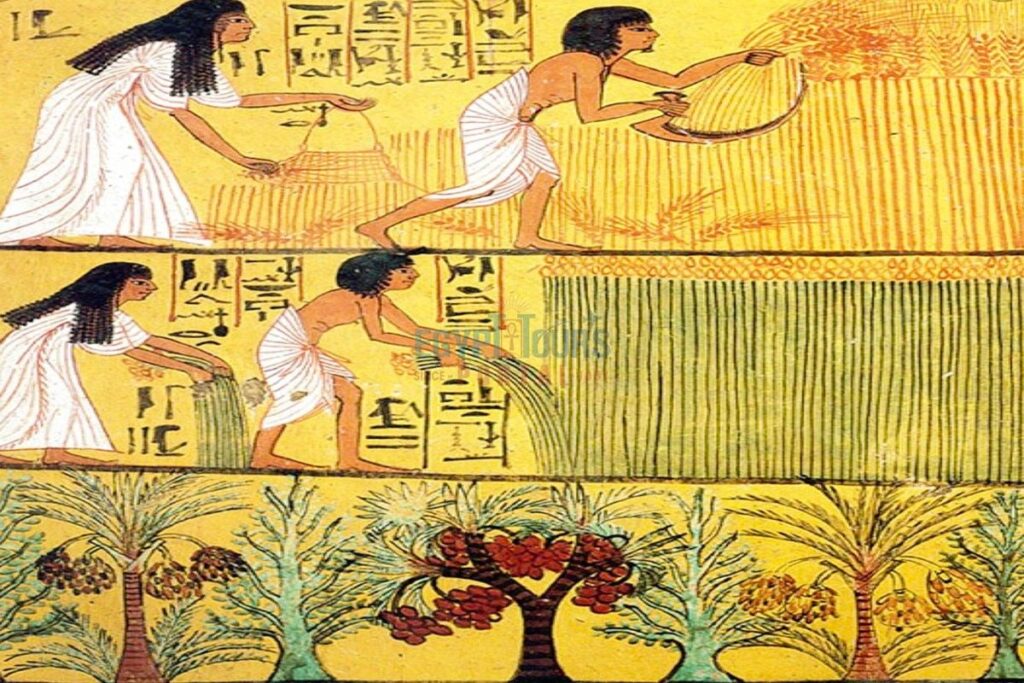
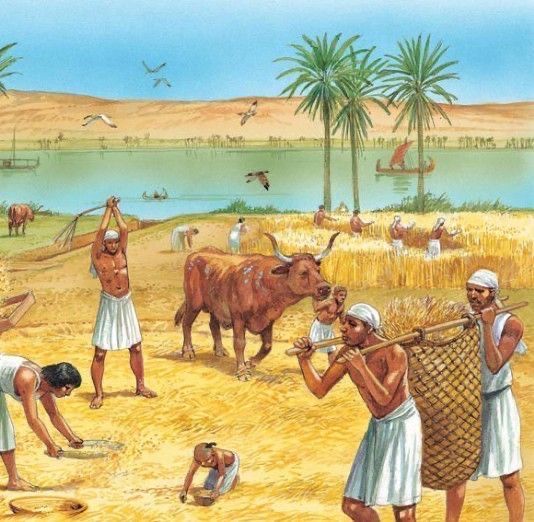
Farmers could be injured while working with animals and agricultural tools. Construction workers faced risks while quarrying stone and building monuments. Soldiers suffered wounds during military campaigns.

These experiences provided physicians with opportunities to observe different types of trauma and develop methods for treating them.

Early medical knowledge was probably transmitted through experience and oral teaching. Over time, successful treatments could become established traditions.

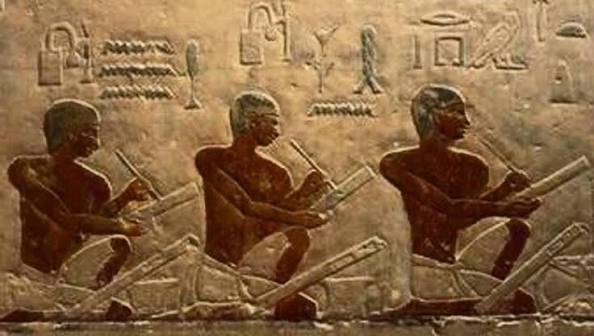
Egyptian physicians gradually recorded medical knowledge in written documents. These texts preserved information about symptoms, treatments, and expected outcomes.

The development of surgery was closely connected with general medicine. Doctors needed to understand the appearance of wounds, bleeding, swelling, infection, and damage to different parts of the body.

The Edwin Smith Papyrus provides the clearest surviving evidence of this approach. Its organization of trauma cases suggests that Egyptian physicians had developed a systematic method for examining injuries.

Some cases are described in considerable detail, with the physician instructed to examine the patient and determine the appropriate response.

The text also distinguishes between conditions that could be treated and those that were considered difficult or impossible to cure.

This emphasis on prognosis is particularly significant.

Egyptian surgery was not a modern surgical system, but it was more than simple folk medicine. It represented accumulated professional knowledge developed through repeated observation.

The origins of Egyptian surgical practice therefore demonstrate how practical medical knowledge can develop through experience.

Over generations, Egyptian physicians refined methods for managing injuries and preserved their knowledge through professional teaching and written records.
Ancient Egypt Education

2. The Edwin Smith Papyrus and Surgical Knowledge

The Edwin Smith Papyrus is the most important surviving source for understanding Ancient Egypt surgery knowledge. It is a medical text focused primarily on injuries and trauma.

The papyrus is organized into individual cases. Each case describes an injury and provides information about examination, diagnosis, prognosis, and treatment.

This structure is particularly valuable because it demonstrates an organized approach to medical observation.

The physician is instructed to examine the patient and identify physical signs. The location and severity of an injury were important factors in determining treatment.

The text includes injuries involving the head, neck, spine, chest, and other parts of the body.

Some cases involve wounds, fractures, dislocations, and other forms of trauma.

The physician could be instructed to clean, bandage, or otherwise treat the injury.

In more serious cases, the text discusses the expected outcome.

One of the most remarkable aspects of the papyrus is its attention to prognosis. Rather than assuming that every injury could be cured, Egyptian physicians recognized that some conditions were treatable while others could be fatal.

This suggests that doctors relied on accumulated clinical experience.

The papyrus also contains relatively little magical material compared with some other Egyptian medical texts. Its emphasis on physical examination and treatment makes it particularly important in the history of medicine.

The document does not prove that Egyptian surgery was equivalent to modern medicine. Many procedures were limited by the technology and anatomical knowledge available at the time.

Nevertheless, it provides strong evidence that Egyptian physicians developed a systematic approach to trauma.

The Edwin Smith Papyrus remains one of the most important documents for studying ancient medical knowledge.

It demonstrates that Egyptian doctors observed injuries carefully, recorded their findings, considered prognosis, and attempted practical treatment.
Ancient Egypt Education

3. Ancient Egyptian Wound Treatment

Wound treatment was a central part of Ancient Egypt surgery knowledge. Egyptians developed practical methods for cleaning, protecting, and treating injuries.

Wounds could result from warfare, agricultural accidents, construction work, animal attacks, and everyday activities.

The first concern was often to assess the severity of the injury. Physicians examined the wound and considered its location, depth, bleeding, and other symptoms.

Bandaging was an important treatment method. Egyptians produced linen from flax, creating a flexible material suitable for covering wounds.

Linen could help protect an injury from dirt and physical irritation.

Honey was another important substance in Egyptian wound treatment. Ancient Egyptian physicians used it in medical preparations, and modern research has shown that honey can have antimicrobial properties.

Oils and fats were also used in various treatments. They could help protect and soften damaged skin.

Resins and plant products appeared in some medical preparations.

Doctors could apply medicinal substances directly to wounds before covering them with bandages.

The treatment of wounds required regular observation because an injury could deteriorate over time.

Egyptian physicians recognized that some wounds were more dangerous than others. Injuries involving important organs or major blood vessels could have severe consequences.

The Edwin Smith Papyrus provides examples of physicians assessing traumatic injuries and deciding whether treatment was possible.

Egyptian wound care therefore involved several important principles: examination, cleaning or treatment, protection, and observation.

Although Egyptians did not understand bacteria and modern infection control, their practical methods sometimes offered useful protection.

Wound treatment represents one of the clearest areas where Egyptian medical practice combined observation and practical experience.

The techniques were limited compared with modern surgery, but they demonstrate a surprisingly organized approach to trauma care for the ancient world.
4. Ancient Egyptian Fracture and Bone Treatment

The treatment of fractures was an important part of Ancient Egypt surgery knowledge. Broken bones could result from falls, construction accidents, agricultural work, warfare, and other forms of physical trauma.

Egyptian physicians examined injured limbs carefully and attempted to determine the location and seriousness of a fracture. Swelling, pain, deformity, and limited movement could help identify an injury.

The Edwin Smith Papyrus provides evidence of Egyptian approaches to traumatic injuries, including cases involving bones and joints.

Treatment could involve keeping an injured limb stable. Splinting was an important principle in fracture care because movement could interfere with healing.

Linen and other materials could be used to support or wrap an injured area.

Egyptian physicians also understood that different injuries had different levels of severity. A simple fracture could have a much better prognosis than an injury involving serious damage to the skull, spine, or other vital areas.

Doctors could observe the patient over time and assess whether healing was progressing normally.

Immobilization and protection were particularly important because bones require stability while healing.

Ancient Egyptian doctors did not possess modern X-ray technology, so diagnosis depended primarily on physical examination and visible symptoms.

Despite this limitation, experienced physicians could identify many fractures through observation and touch.

The treatment of broken bones demonstrates the practical nature of Egyptian medicine. Doctors worked with materials that were readily available and relied on accumulated experience.

They could not perform modern orthopedic surgery or use modern metal fixation devices, but they understood the importance of stabilizing injured limbs.

Some fractures could heal successfully without complex intervention.

Egyptian knowledge of trauma therefore included an understanding of basic principles that remain relevant today: examine the injury, stabilize the damaged area, protect it, and monitor the patient’s recovery.

This practical approach made fracture treatment an important component of the broader development of Ancient Egyptian surgery.

Ancient Egypt Education

5. Surgical Instruments and Medical Tools in Ancient Egypt

Surgical instruments and medical tools provide additional evidence of Ancient Egypt surgery knowledge. Egyptian physicians required practical equipment to examine patients, treat wounds, prepare medicines, and perform certain procedures.

Archaeological discoveries have produced various knives, needles, forceps-like objects, probes, containers, and other tools that have sometimes been interpreted as medical instruments.

However, identifying the exact purpose of ancient objects can be difficult because many tools could have had multiple uses.

Sharp blades were useful for cutting materials and could also have been employed during medical procedures.

Needles and thread-like materials could potentially have been used for closing or treating wounds, although the evidence for specific surgical stitching techniques must be interpreted carefully.

Linen bandages were among the most important medical materials. Egyptian textile production provided physicians with flexible material for dressing injuries.

Small vessels were useful for storing oils, ointments, herbs, powders, and other medicinal ingredients.

Mortars and grinding tools allowed medical practitioners to crush and mix ingredients when preparing remedies.

Splints and supporting materials could be used for fractures.

The Edwin Smith Papyrus does not provide a modern surgical instrument catalog, but its descriptions of trauma demonstrate that physicians used practical methods to manage injuries.

Some Egyptian surgical procedures may have required simple cutting instruments, but there is limited evidence for highly invasive surgery.

This is understandable because surgery without anesthesia, antibiotics, modern sterilization, or advanced blood-loss management would have been extremely dangerous.

Medical tools therefore appear to have been focused largely on practical treatment rather than complex operations.

The combination of instruments, bandages, medicinal substances, and skilled observation allowed Egyptian physicians to provide meaningful care for many injuries.

Their tools may seem simple compared with modern surgical equipment, but they were adapted to the needs and limitations of their time.

Ancient Egyptian surgical technology demonstrates how effective medical practice can depend not only on advanced instruments but also on knowledge, experience, and careful observation.

6. Ancient Egyptian Knowledge of Anatomy and the Human Body

Knowledge of anatomy was an important foundation of Ancient Egypt surgery knowledge. Egyptian physicians needed some understanding of the human body to diagnose injuries and determine appropriate treatments.

Medical papyri mention different body parts, including the head, neck, spine, chest, abdomen, limbs, and other structures.

The Edwin Smith Papyrus is particularly valuable because it describes traumatic injuries according to their location on the body.

Physicians recognized that injuries to different areas could produce different symptoms and outcomes.

For example, damage to the head could be associated with serious neurological symptoms, while injuries to the chest or abdomen could threaten vital functions.

The papyrus contains descriptions that demonstrate an awareness of the relationship between certain injuries and bodily functions.

Egyptians also had knowledge of the heart and its importance. The heart occupied a central position in Egyptian medical and religious thinking.

However, Egyptian understanding of internal anatomy was not identical to modern anatomical science.

The practice of mummification exposed embalmers to the internal organs, but the purpose of embalming was religious preservation rather than scientific anatomical study.

Embalmers removed certain organs and treated the body using preservatives such as natron.

The knowledge gained through this work may have contributed to familiarity with the physical structure of the body, although the exact relationship between embalming and medical anatomy remains uncertain.

Egyptian medical texts also describe bodily fluids and channels. Some of these ideas were very different from modern physiology.

Nevertheless, physicians were clearly interested in how different parts of the body were connected.

Their descriptions of injuries show that they understood that damage to particular areas could have serious consequences.

Egyptian anatomical knowledge therefore combined direct observation with traditional concepts about how the body functioned.

Although it was incomplete and sometimes inaccurate by modern standards, it provided a useful foundation for diagnosing and treating physical injuries.

7. Ancient Egyptian Head Injuries and Brain Knowledge

Head injuries were an important subject in Ancient Egypt surgery knowledge. Egyptian physicians encountered head trauma caused by accidents, warfare, falls, and other forms of physical injury.

The Edwin Smith Papyrus contains several cases involving injuries to the head. These cases demonstrate that Egyptian doctors carefully examined wounds and observed changes in the patient’s condition.

Physicians paid attention to symptoms such as bleeding, swelling, unconsciousness, vomiting, and other signs that could indicate a serious injury.

The location of a wound was also important. Injuries to different parts of the skull could have different consequences.

Egyptian doctors understood that some head injuries were more dangerous than others. They could classify cases according to their likely outcome and determine whether treatment was possible.

The papyrus describes injuries involving the scalp and skull and provides practical recommendations for treatment.

Treatment could include cleaning the wound, applying dressings, and protecting the injured area.

Egyptian physicians did not possess modern knowledge of the brain or nervous system. They did not understand concepts such as neurons, intracranial pressure, or modern neurological diagnosis.

Nevertheless, their observations of head trauma were remarkably practical.

One particularly important feature of the Edwin Smith Papyrus is its attention to the relationship between physical injury and symptoms.

This suggests that Egyptian physicians learned through repeated clinical experience that damage to certain parts of the body could produce particular effects.

The brain itself was not understood in the same way as it is today. Egyptian religious and medical traditions placed enormous importance on the heart.

During mummification, the brain was treated differently from the heart and some other organs, reflecting its lower religious significance.

Despite these limitations, Egyptian doctors recognized the seriousness of head injuries.

Their written cases provide some of the earliest surviving evidence of systematic medical observation of trauma involving the head.

This makes Egyptian head-injury knowledge particularly important in the history of surgery and emergency medicine.

8. Ancient Egyptian Surgery for Burns and Other Injuries

Burns and other physical injuries formed another important area of Ancient Egypt surgery knowledge. People could suffer burns from cooking fires, industrial activities, metalworking, accidents, and other everyday hazards.

Egyptian physicians developed treatments for damaged skin using various natural substances and protective materials.

Medical papyri contain recipes for treating burns and skin injuries. Oils, fats, plant substances, and other ingredients could be applied to affected areas.

The purpose of these treatments was often to soothe the injury, protect the damaged skin, and support healing.

Egyptian physicians also treated wounds caused by cuts, punctures, animal bites, and other forms of trauma.

The severity and location of an injury influenced the treatment and expected outcome.

Doctors examined wounds carefully and could distinguish between injuries that were likely to heal and those that presented a serious threat to life.

Bandaging was an important part of treatment. Linen provided a practical material for covering damaged skin and wounds.

Some treatments may also have included honey, which was valued for its medicinal properties.

Egyptian doctors did not have modern burn classifications, antibiotics, intravenous fluids, or advanced surgical techniques. Severe burns could therefore be extremely dangerous.

Nevertheless, their treatments show that they understood the importance of protecting injured tissue.

Other injuries could involve dislocations or damage to muscles and joints. Physicians could use physical manipulation or immobilization depending on the condition.

Work-related injuries were probably common. Quarry workers, builders, farmers, craftsmen, and soldiers all faced different physical hazards.

The experience gained from treating these injuries contributed to the development of Egyptian trauma medicine.

Egyptian doctors relied heavily on practical observation. They learned which treatments appeared to improve wounds and which injuries were unlikely to recover.

This accumulated knowledge was recorded in medical texts and passed between generations.

The treatment of burns and other injuries therefore demonstrates the practical and experience-based character of Ancient Egyptian surgery.

9. Ancient Egyptian Dentistry and Oral Surgery

Dentistry was another specialized area connected with Ancient Egypt surgery knowledge. Egyptian people experienced toothaches, tooth wear, abscesses, infections, and other dental problems.

Dental problems were particularly common because food could contain tiny particles of sand and stone produced during grain grinding and processing.

These particles could gradually wear down teeth and expose deeper structures.

Egyptian medical texts contain remedies for toothache and other oral problems. Treatments could include plant-based preparations, oils, resins, and other substances.

Some evidence also suggests that Egyptian practitioners attempted to deal with damaged teeth and dental infections.

Archaeological discoveries have revealed teeth with evidence of treatment, although interpreting ancient dental procedures can sometimes be difficult.

Severe tooth infections could be extremely painful and potentially dangerous because there were no modern antibiotics.

Egyptians may have used various methods to relieve pain and manage infections.

Dental hygiene was also influenced by general Egyptian attention to cleanliness and personal care.

People used chewing sticks and other methods of cleaning the mouth, although practices varied across periods and social groups.

Dentists and physicians could hold specialized positions. Some Egyptian officials were described as doctors responsible for the teeth.

One famous example is Hesy-Ra, an official of the Old Kingdom who is often associated with dentistry. His titles have contributed to his reputation as one of the earliest known dental professionals.

Egyptian dental knowledge was nevertheless limited. There was no modern understanding of bacteria, dental anatomy, or advanced restorative dentistry.

However, recognizing dental problems and attempting to treat them represents an important stage in the history of oral healthcare.

The study of Egyptian teeth and skeletal remains also provides modern researchers with information about diet, health, disease, and living conditions.

Ancient Egyptian dentistry therefore contributes not only to the history of surgery but also to our understanding of everyday health in ancient society.

10. Ancient Egyptian Surgery, Infection, and Healing

Understanding infection and healing is an important part of Ancient Egypt surgery knowledge. Egyptian physicians did not know about bacteria or viruses, but they observed that some wounds healed while others became more serious.

Doctors therefore paid attention to the condition of wounds after an injury. Changes in swelling, pain, bleeding, or discharge could indicate that a wound was not progressing normally.

Keeping wounds covered was an important part of treatment. Linen bandages protected injured areas from further physical damage.

Egyptian physicians also used substances such as honey, oils, fats, and plant preparations on wounds. Honey is particularly interesting because modern medicine recognizes that certain types of honey can inhibit microbial growth.

However, Egyptians did not understand the scientific reason for this effect.

Cleaning and dressing wounds were important practical steps. Medical practitioners relied on experience to determine which treatments appeared to encourage healing.

Severe infections could be difficult or impossible to treat. Without antibiotics, advanced surgery, or modern intensive care, serious infections could become life-threatening.

The Egyptian climate could also create challenges for wound care. Dust and environmental exposure could complicate injuries.

Physicians attempted to protect wounds using coverings and medicinal substances.

Egyptians also recognized that the body needed time to recover. Some injuries were treated and monitored rather than immediately subjected to invasive procedures.

The concept of prognosis in Egyptian medical texts is particularly important. Physicians sometimes classified injuries according to whether they expected the patient to recover.

This indicates that doctors had accumulated enough experience to recognize patterns of healing.

Bone injuries were similarly monitored over time. Stabilization allowed the body to repair damaged bones naturally.

Egyptian medical knowledge therefore included practical ideas about the healing process even though its biological explanation was incomplete.

Their approach combined observation, traditional remedies, protective dressings, and patient monitoring.

The history of Egyptian surgery shows that effective medical care does not always require a complete theoretical understanding of disease. Practical experience can lead to useful treatments long before their scientific mechanisms are understood.

11. Surgery, Religion, and Medical Ethics in Ancient Egypt

Ancient Egypt surgery knowledge existed within a society where medicine, religion, morality, and professional responsibility were closely connected.

Egyptians believed that maintaining order and balance was essential to society. This principle was associated with Ma’at, the concept of truth, justice, balance, and cosmic order.

Medical practitioners operated within this cultural and religious framework.

Doctors were expected to use their knowledge responsibly. Although surviving sources do not provide a complete medical code of ethics comparable to modern professional standards, Egyptian society clearly valued skilled and trustworthy physicians.

Medical treatment could involve practical procedures and religious practices at the same time.

A doctor might examine an injury, apply medicine, and use a protective spell or amulet.

This combination reflected the Egyptian belief that physical and supernatural causes could coexist.

Healing gods were also important. Patients could seek divine assistance from deities associated with protection and health.

Religious institutions, particularly temples, were important centers of knowledge. Priests and other specialists could preserve medical and religious texts.

Egyptian physicians also had responsibilities toward patients with serious injuries. The Edwin Smith Papyrus demonstrates an awareness that not every condition could be successfully treated.

Recognizing when an injury was unlikely to be cured was an important part of medical judgment.

The concept of prognosis suggests that doctors did not simply promise recovery. They evaluated the severity of the condition and considered its likely outcome.

This represents an early form of professional clinical judgment.

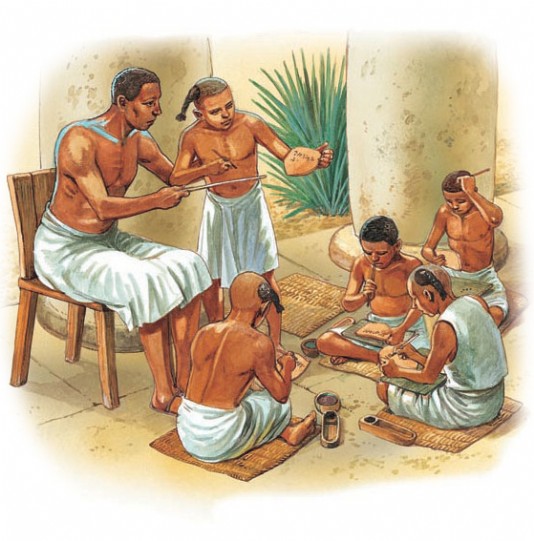
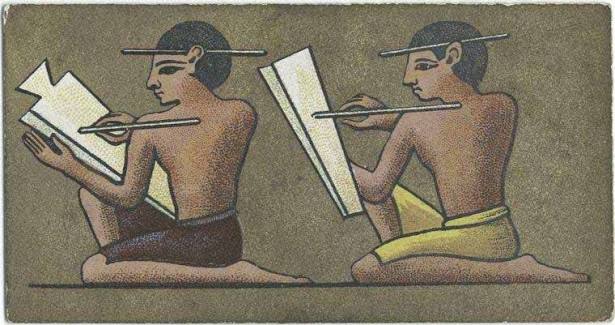
Medical knowledge was also transmitted carefully. Scribes recorded treatments, while experienced practitioners trained younger generations.

However, Egyptian medical practice was not governed by modern scientific ethics. Concepts such as informed consent, patient confidentiality, clinical trials, and evidence-based medicine did not exist in their modern forms.

It is therefore important to understand Egyptian medicine within its historical context.

The relationship between surgery, religion, and professional responsibility reveals how healthcare reflected broader Egyptian values.

Medicine was not an isolated profession. It was part of a larger cultural system involving knowledge, religion, morality, and social responsibility.

12. The Legacy of Ancient Egypt Surgery Knowledge

The legacy of Ancient Egypt surgery knowledge is especially important because Egyptian medical texts provide some of the earliest surviving descriptions of systematic trauma treatment.

The Edwin Smith Papyrus is the strongest example. Its detailed descriptions of injuries, examination methods, treatments, and prognosis provide valuable evidence of ancient clinical reasoning.

Egyptian doctors treated wounds, fractures, burns, head injuries, and other forms of trauma.

They used linen bandages, medicinal substances, splints, oils, honey, and other materials to support healing.

They also developed specialized knowledge in areas such as dentistry and eye care.

Egyptian medicine was not based entirely on surgery. Physicians used a broad range of treatments, including natural remedies, dietary practices, and religious or magical methods.

The combination of practical observation and traditional beliefs makes Egyptian medicine particularly interesting to historians.

Ancient Egyptian surgical knowledge also demonstrates the importance of experience. Physicians could recognize serious injuries because generations of practitioners had observed similar cases.

The written medical tradition allowed this knowledge to survive and be transmitted.

Modern researchers continue to examine Egyptian medical papyri, human remains, surgical tools, and archaeological evidence to reconstruct ancient healthcare.

Studies of Egyptian mummies can reveal evidence of fractures, dental disease, infections, and other medical conditions.

At the same time, researchers must be cautious when interpreting ancient evidence. Not every object identified as a surgical instrument was necessarily used for surgery, and not every medical recipe was effective.

Egyptian surgery should therefore be understood as an important historical stage rather than as an early version of modern surgery.

Its greatest contribution was the development of systematic observation and documentation of injuries.

The Egyptian approach shows that medical knowledge can grow through careful examination, practical experimentation, and accumulated experience.

For this reason, Ancient Egypt surgery knowledge remains an important subject in the history of medicine and demonstrates the remarkable intellectual and practical abilities of ancient Egyptian physicians.

Frequently Asked Questions

Yes. Egyptian physicians treated wounds, fractures, burns, head injuries, and other traumatic conditions. Evidence comes especially from the Edwin Smith Papyrus.


The Edwin Smith Papyrus is the most important surviving source for Egyptian trauma and surgical knowledge. It describes injuries, examinations, treatments, and prognosis.


They used linen bandages, honey, oils, resins, and other medicinal substances. Physicians examined wounds and monitored their healing.


They did not understand microorganisms or infection in the modern scientific sense. However, they observed wound deterioration and developed practical methods of cleaning, treating, and protecting injuries.


Yes, archaeological evidence includes various knives, probes, needles, containers, and other tools that may have had medical applications. However, the exact purpose of some ancient tools remains uncertain.