
Welcome to

What to Wear in Egypt as a Tourist

Choosing what to wear in Egypt as a tourist is an essential part of planning a successful and comfortable trip, especially for first-time visitors who may not be familiar with the country’s climate, culture, and daily lifestyle. Egypt is known for its warm, sunny weather throughout most of the year, with particularly high temperatures in cities such as Cairo, Luxor, and Aswan. At the same time, it is also a country with deep cultural traditions and generally modest public dress norms, which makes understanding appropriate clothing an important part of respecting local customs while staying comfortable during your journey.

Many travelers arriving in Egypt for the first time are often unsure about what is suitable to wear when visiting famous attractions such as the Pyramids of Giza, ancient temples, bustling local markets, or coastal resorts along the Red Sea. The challenge is not only about dealing with the heat but also about balancing comfort, practicality, and cultural awareness. Egypt is a destination where tourists move between very different environments in a single trip, from modern city streets to archaeological sites and religious landmarks, each requiring slightly different clothing choices.

Seasonal variation also plays a major role in what travelers should pack. Summers in Egypt can be extremely hot, especially in Upper Egypt, where temperatures may become intense during midday hours. Lightweight, breathable clothing becomes essential in these conditions. Winters, on the other hand, are generally mild and pleasant, making sightseeing more comfortable, although evenings can feel cooler, especially in desert regions or along the Nile. This means layering becomes important for travelers visiting during cooler months.

In addition to weather considerations, cultural expectations should also be taken into account. While Egypt is a very welcoming and tourist-friendly country, modest clothing is appreciated in many public areas, particularly in traditional neighborhoods and religious sites such as mosques. Dressing respectfully not only helps avoid unwanted attention but also allows travelers to connect more positively with local communities and enjoy a smoother travel experience.

This guide is designed to help you understand exactly what to wear in Egypt in different situations, whether you are exploring ancient monuments, walking through city streets, relaxing at beach resorts, or visiting religious landmarks. By the end of this guide, you will have a clear idea of how to dress appropriately, stay comfortable in the climate, and make the most of your Egypt vacation with confidence and ease.

The Best Time to Visit the Red Sea Islands

1. Understanding Egypt’s Climate Before Choosing Clothes

Egypt has a mostly hot desert climate, which plays a major role in deciding what clothing is suitable for tourists. In general, the country experiences long, hot summers and mild winters, especially in popular tourist destinations like Cairo, Luxor, and Aswan. During summer months, temperatures can rise significantly, often exceeding 35–40°C in Upper Egypt, making lightweight and breathable clothing essential for comfort.

In contrast, winter months are much more pleasant, especially for sightseeing. Daytime temperatures are usually warm and comfortable, but evenings can feel cooler, particularly in desert areas or near the Nile. This means travelers should always be prepared with a light jacket or sweater if visiting during winter.

Humidity levels also vary depending on the region. Coastal cities like Alexandria and Red Sea resorts tend to be more humid, while inland desert areas are much drier. This difference affects how clothing feels throughout the day, especially during long outdoor activities.

Because of these conditions, tourists are advised to prioritize natural fabrics such as cotton and linen, which allow the skin to breathe and help reduce heat discomfort. Dark, heavy clothing is generally not recommended during daytime sightseeing, as it can absorb heat and make walking outdoors more tiring.

Understanding Egypt’s climate is the first step in choosing the right wardrobe, ensuring a comfortable and enjoyable travel experience throughout your Egypt vacation.
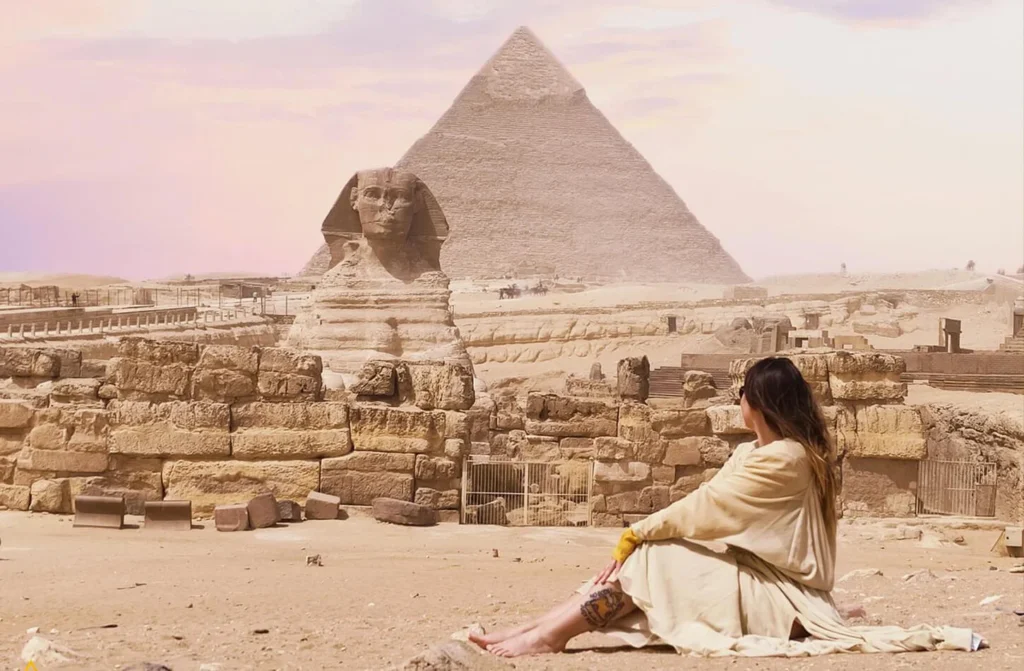
the Pyramids

2. What Women Should Wear in Egypt

For female travelers, dressing in Egypt is about balancing comfort, practicality, and cultural respect. While Egypt is a welcoming destination for tourists, it is still a conservative country in many public areas, so modest clothing is generally recommended, especially when visiting local neighborhoods, religious sites, or traditional markets.

Women are not required to wear specific clothing, but it is advisable to avoid very revealing outfits in public spaces. Clothing that covers the shoulders, chest, and knees is considered appropriate and helps avoid unwanted attention while exploring cities like Cairo or Luxor. Loose-fitting clothes are also more comfortable in the hot weather and allow better movement during sightseeing.

Maxi dresses, long skirts, lightweight trousers, and loose tops are excellent choices for daytime activities. In coastal resort areas like Sharm El Sheikh or Hurghada, the dress code is more relaxed, and swimwear is acceptable within hotel beaches and private resorts. However, it is still recommended to wear cover-ups when leaving beach areas.

When visiting mosques or religious sites, women should bring a scarf to cover their hair, shoulders, and arms as a sign of respect. Some mosques may also provide appropriate coverings at the entrance.

Overall, female travelers can feel comfortable and confident in Egypt as long as they choose breathable, modest, and practical clothing that suits both the weather and the cultural environment.
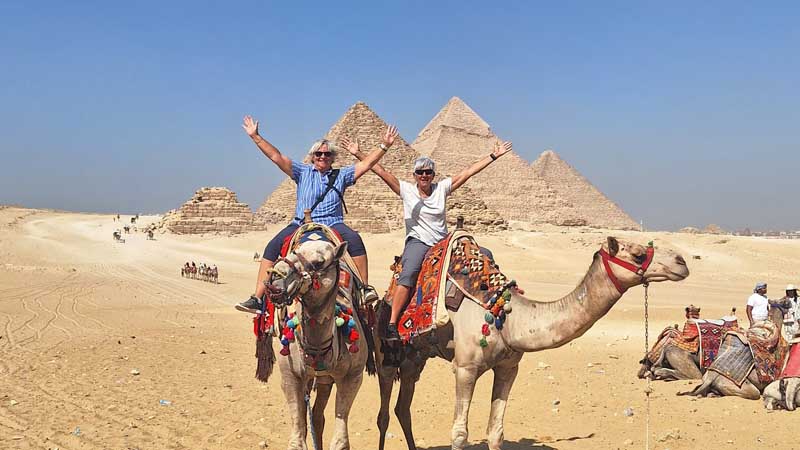
How Many Days Do You Need in Egypt?

3. What Men Should Wear in Egypt

Male travelers in Egypt also benefit from choosing clothing that is both comfortable and culturally appropriate. The country’s hot climate makes lightweight and breathable fabrics essential, especially during long days of sightseeing in places like Cairo, Luxor, and Aswan.

T-shirts, polo shirts, and light cotton shirts are ideal for everyday wear. Long shorts are acceptable in many tourist areas, but long trousers are often more appropriate when visiting religious sites or traditional neighborhoods. Loose-fitting clothing is recommended because it allows better airflow and helps reduce discomfort in high temperatures.

While Egypt is relatively relaxed in tourist zones, very revealing clothing such as sleeveless tank tops in non-beach areas may attract unnecessary attention. Dressing modestly is always appreciated and helps travelers blend more comfortably into local environments.

For beach destinations like Hurghada and Sharm El Sheikh, swimwear and casual beach clothing are completely acceptable within resort areas. However, when leaving these areas to visit towns or public streets, it is recommended to wear a shirt and cover up.

Footwear is also an important consideration. Comfortable walking shoes or sandals are essential for exploring archaeological sites, which often involve uneven terrain and long walking distances.

By choosing practical, breathable, and modest clothing, male travelers can enjoy a comfortable and hassle-free experience while exploring Egypt’s many attractions.
4. What to Wear When Visiting Religious Sites in Egypt

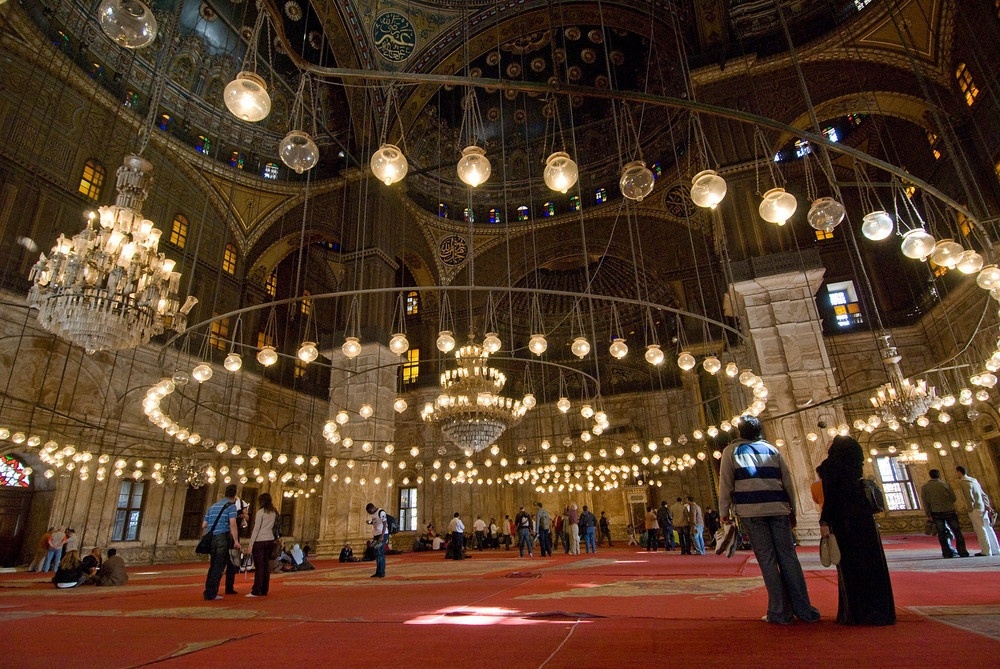
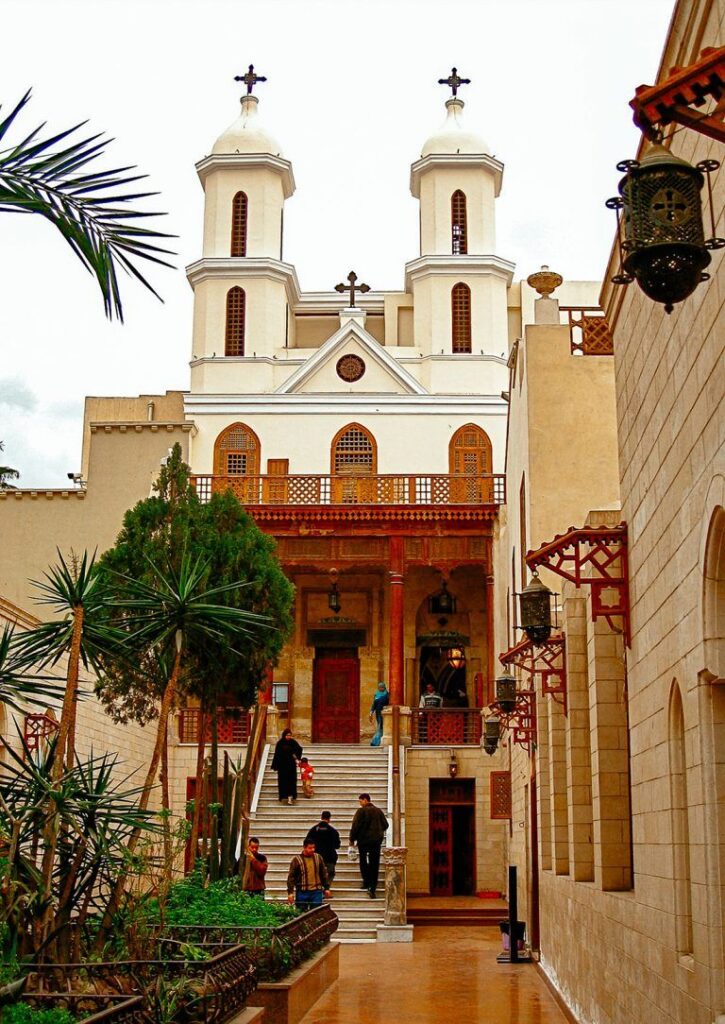
When visiting religious sites in Egypt such as mosques or churches, it is important for tourists to dress modestly and respectfully. These places are not only tourist attractions but also active places of worship, and appropriate clothing helps show respect for local traditions and religious practices.

For both men and women, the general rule is to avoid revealing clothing. Shoulders and knees should be covered, and tight or transparent clothing is not recommended. Loose-fitting outfits are preferred because they are more comfortable and culturally appropriate in these environments.

Women are usually expected to cover their hair when entering mosques. In many cases, they can bring a scarf with them, or sometimes mosques provide coverings at the entrance. Long skirts, maxi dresses, or loose trousers paired with modest tops are ideal choices for such visits.

Men should avoid sleeveless shirts when entering religious sites and opt for long trousers and simple shirts instead. This helps maintain a respectful appearance while also keeping comfortable in Egypt’s warm climate.

It is also important to remove shoes before entering prayer areas inside mosques. This is a common practice and part of the cultural etiquette that visitors should be aware of before arriving.

By dressing appropriately and following these simple guidelines, tourists can enjoy a more meaningful experience when visiting Egypt’s religious landmarks, while also showing respect for local customs and traditions.

5. What to Wear at Egypt’s Beaches and Resorts

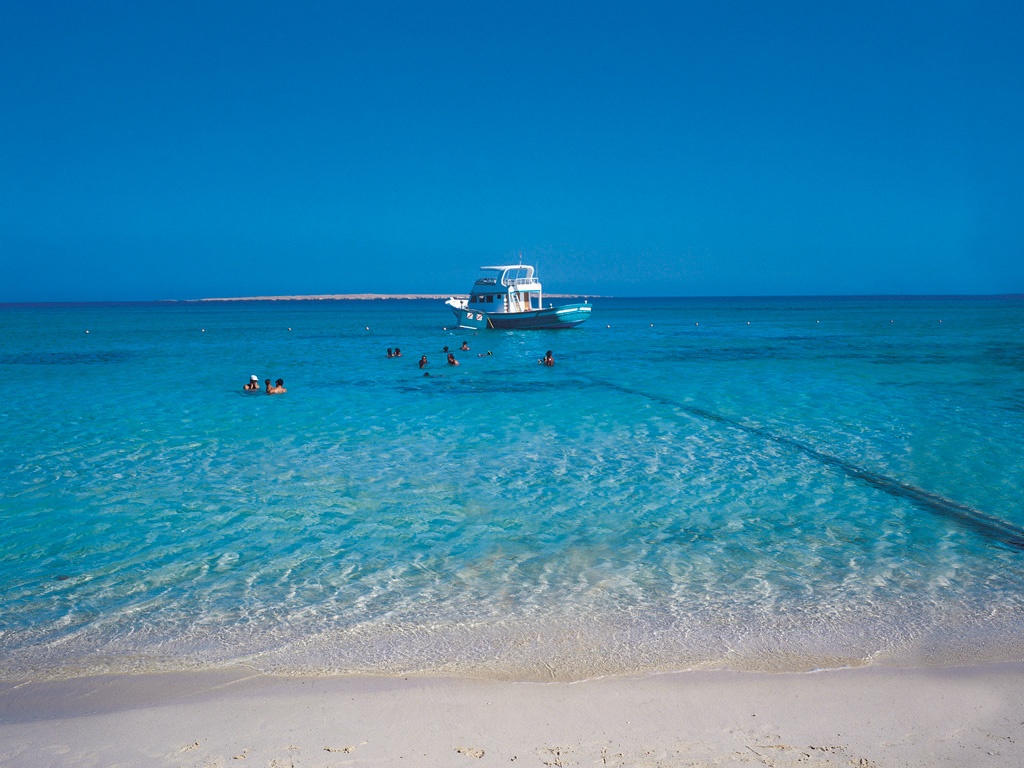
Egypt is home to some of the most beautiful beach destinations in the world, especially along the Red Sea in places like Hurghada, Sharm El Sheikh, and Marsa Alam. These resort areas have a more relaxed dress code compared to cities and cultural sites, but there are still a few important guidelines to keep in mind.

Within hotel resorts, private beaches, and swimming pools, swimwear is completely acceptable for both men and women. Bikinis, swimsuits, and beach shorts are commonly worn in these areas without any issues. The atmosphere in resorts is generally international and tourist-friendly, making it easy for visitors to feel comfortable.

However, when leaving the beach or resort areas and entering public streets or local towns, it is recommended to wear a cover-up or casual clothing. Walking around in swimwear outside designated beach areas is not considered appropriate in Egypt’s more conservative public spaces.

Light, breathable clothing such as shorts, t-shirts, sundresses, and sandals are perfect for beachside activities and daytime relaxation. Sun protection is also very important, so hats, sunglasses, and sunscreen should always be part of your beach outfit.

By following these simple dress guidelines, tourists can enjoy Egypt’s stunning coastal destinations comfortably while also respecting local cultural expectations outside resort environments.

6. Packing Essentials for a Trip to Egypt

Packing correctly for Egypt is essential for a comfortable and stress-free travel experience. Since the country has a hot climate for most of the year, lightweight and breathable clothing should be a priority when preparing your suitcase.

Clothing made from natural fabrics such as cotton and linen is highly recommended because it helps keep the body cool during long days of sightseeing. It is also important to pack a mix of casual outfits for daily exploration and slightly more modest clothing for visits to religious or traditional areas.

Comfortable walking shoes are one of the most important items to bring, as many attractions in Egypt involve walking on uneven surfaces such as ancient ruins, desert paths, or stone streets. Sandals or breathable shoes are also useful for warmer days and beach visits.

Other essential items include sunglasses, a wide-brim hat, and high-SPF sunscreen to protect against strong sunlight. A light jacket or sweater is also recommended for cooler evenings, especially in winter or desert regions.

Travelers should also consider packing a small scarf or shawl, which can be useful for women visiting mosques or for protecting against sun and dust during excursions.

By packing thoughtfully and preparing for different environments, visitors can enjoy a more comfortable and enjoyable Egypt vacation without unnecessary inconvenience.

7. Best Shoes to Wear in Egypt

Choosing the right shoes is one of the most important parts of dressing properly for a trip to Egypt. Since many of the country’s top attractions involve walking on uneven surfaces, sand, or ancient stone pathways, comfortable footwear is essential for a smooth travel experience.

For sightseeing in cities like Cairo, Luxor, and Aswan, closed-toe walking shoes are the best option. They provide support, protect your feet from dust, and make it easier to walk long distances during visits to historical sites such as the Pyramids of Giza or Karnak Temple. Lightweight sneakers with good cushioning are especially recommended for full-day tours.

In warmer weather or resort areas, breathable sandals can also be a good choice, especially for short walks or casual outings. However, it is important to ensure they are supportive enough for walking, as flimsy sandals may cause discomfort during long sightseeing days.

For desert trips or excursions, such as safari tours or visits to remote archaeological areas, sturdy shoes are strongly recommended. These environments often include sand, rocks, and uneven terrain, so proper footwear helps prevent injuries and improves overall comfort.

Avoid high heels or formal shoes for sightseeing, as they are not practical for Egypt’s outdoor attractions. Instead, focus on functionality, comfort, and durability when selecting footwear for your trip.

Good shoes can significantly improve your overall experience in Egypt, making long walking days easier and more enjoyable while exploring the country’s incredible historical and natural sites.

8. Seasonal Clothing Guide for Egypt

Understanding Egypt’s seasons is essential when deciding what to wear during your trip. The country has mainly two seasons: a hot summer and a mild winter, each requiring different clothing choices to stay comfortable while exploring.

During summer, which lasts from May to September, temperatures can become extremely high, especially in Upper Egypt. Lightweight clothing made from breathable fabrics like cotton and linen is essential. Loose-fitting outfits help improve airflow and reduce heat discomfort during long outdoor activities. It is also important to wear light colors, as they reflect sunlight and help keep the body cooler.

In winter, from October to April, the weather becomes much more comfortable for sightseeing. Daytime temperatures are generally pleasant, but evenings can feel cooler, especially in desert areas or near the Nile. During this time, layering is recommended. A light jacket or sweater can be useful for early mornings and nighttime activities.

Spring and autumn are transitional seasons with moderate weather, making them ideal for travel. Clothing during these periods should be flexible, combining light daytime outfits with slightly warmer layers for cooler moments.

No matter the season, sun protection remains important throughout the year. Hats, sunglasses, and sunscreen should always be included in your travel wardrobe.

By adjusting your clothing based on the season, you can enjoy a more comfortable and enjoyable Egypt vacation.

9. Cultural Dress Etiquette in Egypt

Understanding cultural dress etiquette is an important part of traveling in Egypt, as it helps visitors show respect for local traditions and interact more comfortably with residents. While Egypt is a tourist-friendly destination, it is still a country with strong cultural values, especially in public and traditional areas.

In general, modest clothing is appreciated in most non-resort environments. This does not mean strict rules, but rather a preference for outfits that are not overly revealing. Covering shoulders and knees is usually recommended when walking in cities, visiting markets, or exploring cultural sites.

Tourists will notice that locals often dress conservatively in everyday life, and adapting to this style can help travelers blend in more easily and avoid unwanted attention. It also contributes to a more respectful and positive travel experience.

In religious areas, such as mosques and churches, dress codes are more specific, requiring even more modest clothing and sometimes head coverings for women. Following these guidelines is not only respectful but also necessary for entry in many cases.

In contrast, resort areas like Sharm El Sheikh and Hurghada are more relaxed, and tourists can wear typical beachwear within hotel zones without issues. However, covering up when leaving resort areas is still recommended.

By being aware of cultural expectations, travelers can enjoy a smoother and more respectful experience throughout their journey in Egypt.

10. Accessories You Should Bring to Egypt

When packing for Egypt, accessories play an important role in making your trip more comfortable and enjoyable. Because of the country’s sunny climate and outdoor attractions, small items can make a big difference in your daily travel experience.

One of the most essential accessories is a good pair of sunglasses. The sun in Egypt can be very strong, especially when visiting open areas such as the Pyramids of Giza or desert landscapes. A wide-brim hat or cap is also highly recommended to protect your face and head from direct sunlight.

Sunscreen is another must-have item. Even during winter, UV exposure can be high, especially during long hours of sightseeing. Applying sunscreen regularly helps prevent sunburn and keeps your skin protected throughout the day.

A lightweight scarf can also be very useful. It can be used for sun protection, covering shoulders when needed, or even as a head covering when visiting religious sites. It is a simple item that adds a lot of flexibility to your outfits.

A small backpack is also practical for carrying water, snacks, and personal items during tours. Since many attractions involve walking and moving between sites, having everything in one place makes the experience much easier.

These simple accessories help travelers stay comfortable, protected, and well-prepared while exploring Egypt’s diverse attractions.

Aswan Excursions

11. Common Clothing Mistakes Tourists Make in Egypt

Many first-time visitors make simple clothing mistakes when traveling to Egypt, often because they underestimate the climate or are unfamiliar with local culture. One of the most common mistakes is wearing heavy or dark clothing during hot weather. This can quickly lead to discomfort, especially during outdoor sightseeing.

Another frequent issue is choosing outfits that are too revealing for public areas. While Egypt is welcoming to tourists, overly exposing clothing may attract unwanted attention and is generally not suitable for cultural or city environments.

Some travelers also forget to bring comfortable walking shoes and end up struggling during long visits to archaeological sites. Egypt’s attractions often require significant walking on uneven surfaces, so proper footwear is essential.

Overpacking formal or unnecessary outfits is another common mistake. Egypt is a casual travel destination in most areas, so practical clothing is more important than formal wear.

Avoiding these mistakes helps ensure a smoother and more enjoyable travel experience. Dressing appropriately allows visitors to feel comfortable, move easily between attractions, and fully enjoy their Egypt vacation without unnecessary stress.

12. Final Tips on What to Wear in Egypt

Choosing the right clothing for Egypt is all about balance between comfort, practicality, and cultural respect. The country offers a wide variety of experiences, from ancient historical sites and busy city streets to relaxing beach resorts and desert adventures, so your wardrobe should be flexible enough to match each environment.

Lightweight, breathable fabrics are always the best choice due to the warm climate. At the same time, modest clothing helps ensure a respectful and smooth experience in public and cultural areas. Comfortable shoes, sun protection, and simple accessories can greatly improve your daily comfort while traveling.

It is also important to remember that dressing in Egypt is not strict for tourists, but being mindful of local customs creates a more positive interaction with the culture and people. In resort areas, travelers can enjoy more relaxed clothing, while city and cultural visits require slightly more conservative choices.

With the right preparation, visitors can enjoy Egypt’s incredible attractions with ease and confidence. From walking through ancient temples to relaxing by the Red Sea, appropriate clothing ensures that every moment of your trip is comfortable and enjoyable.

Frequently Asked Questions

Light, breathable, and modest clothing is recommended for comfort and cultural respect.

Yes, shorts are acceptable in tourist areas, but longer shorts or trousers are better in cities.

Women should wear modest clothing covering shoulders and knees, especially in public and religious places.

Yes, modest clothing is required, and women may need to cover their hair in mosques.

Comfortable walking shoes or sneakers are best for sightseeing and historical sites.