
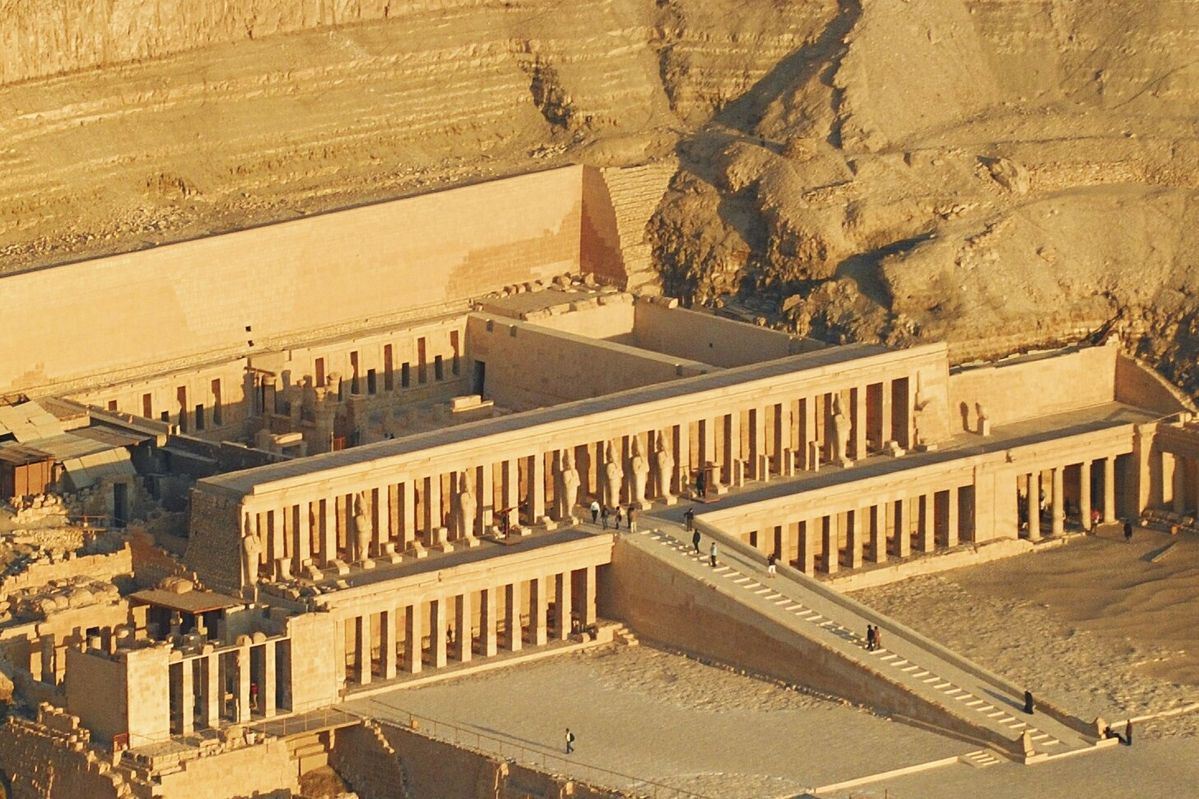
1. Understanding the Current Safety Landscape across Egyptian Tourism Hubs
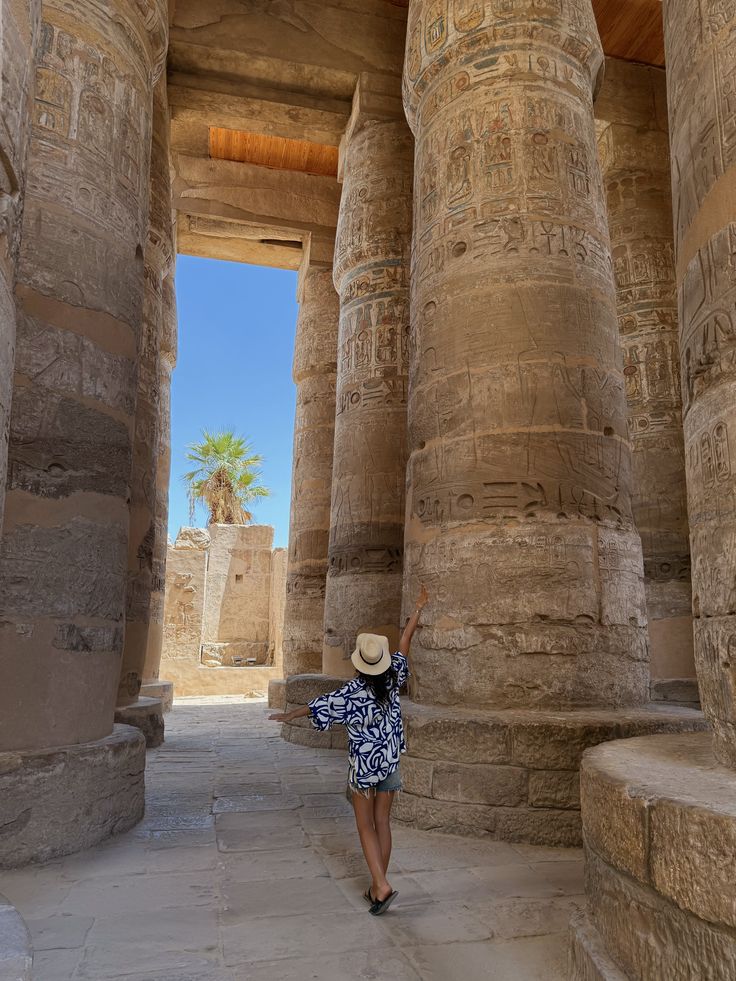
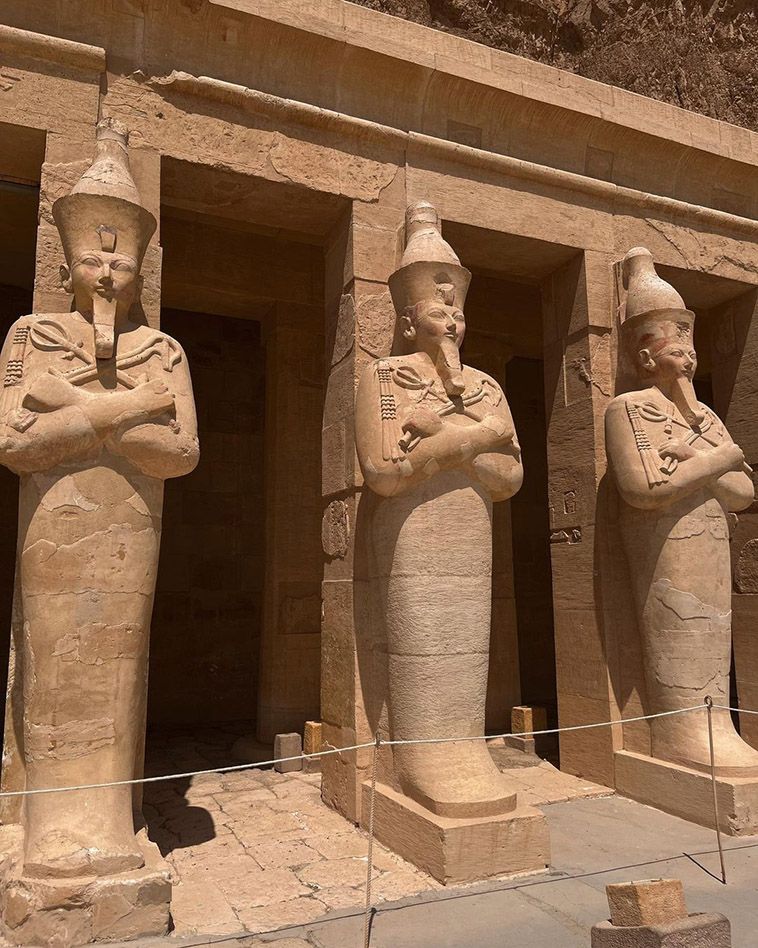
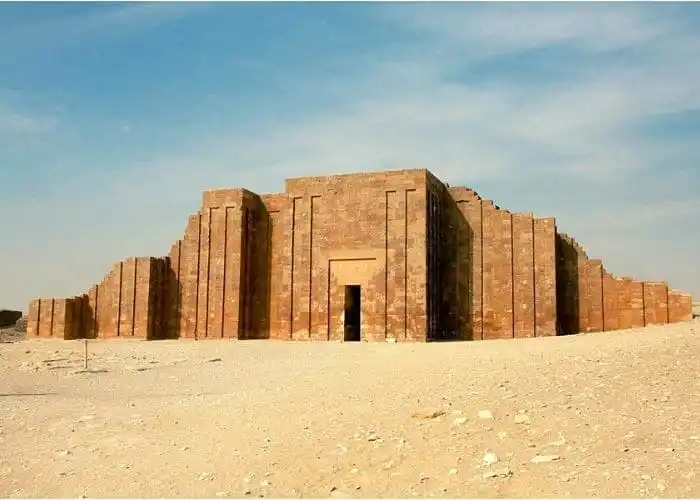
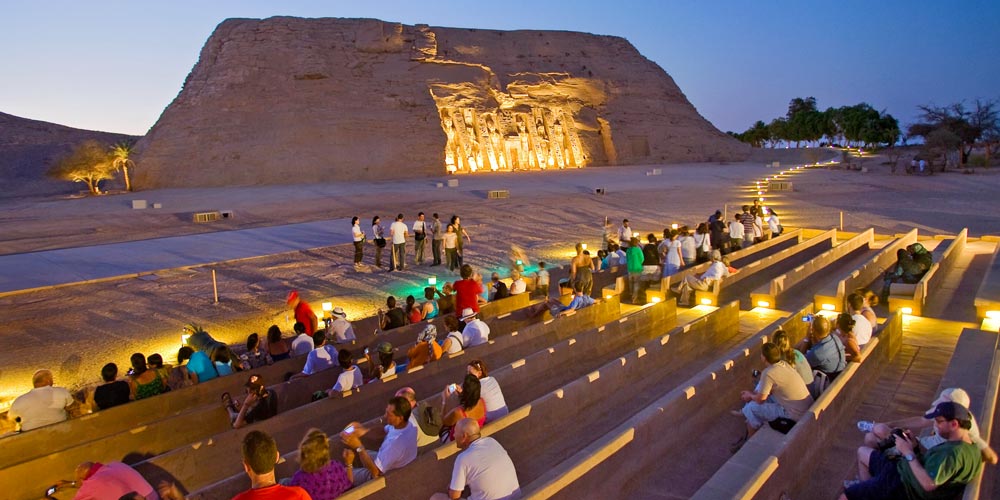
When assessing whether it is safe to travel to Egypt, first-time visitors must look beyond generalized regional headlines and examine the actual reality on the ground within the primary tourism corridors. The Egyptian government has implemented an incredibly robust, multi-layered security framework specifically engineered to protect international travelers. This protective infrastructure is highly visible, featuring dedicated Tourism Police checkpoints, modern airport screening facilities, and secure entry protocols at all major hotels, resorts, and historical sites in Egypt. These measures are taken very seriously, ensuring that legendary landmarks like the Giza Plateau, the Valley of the Kings, and the bustling city centers remain peaceful and secure spaces for global exploration.
The vast majority of tourist activity in the country is concentrated along a highly protected geographical spine that runs from Alexandria on the Mediterranean coast, down through the capital city of Cairo, and along the Nile River valley to Luxor and Aswan. Additionally, the entire Red Sea riviera—including popular coastal resorts like Sharm El Sheikh, Hurghada, and El Gouna—operates under specialized security zones that feel remarkably tranquil and detached from the frantic energy of the major metropolitan centers. Violent crime against foreign visitors in these primary tourist zones is statistically almost non-existent, making the day-to-day experience of exploring ancient ruins or relaxing on pristine beaches feel just as secure as visiting any major Western European capital.
To get the most out of your Egypt vacation, maintaining a healthy sense of situational awareness is all that is required. This means staying informed about local travel advisories, sticking to well-established tourist routes, and avoiding isolated or non-touristic border regions, particularly in parts of the North Sinai governorate or deep into the uninhabited Western Desert near the border. By focusing your Egypt itinerary on the incredible wealth of mainstream historical, cultural, and coastal destinations, you can immerse yourself fully in the wonders of the ancient world with complete peace of mind, knowing that your safety is backed by a highly coordinated national security system.
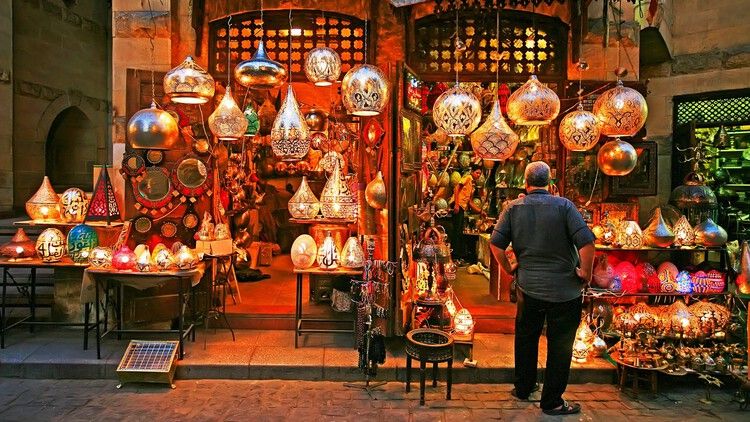
2. Navigating the Hustle: Handling Street Vendors, Haggling, and Scams
For many first-time travelers, the primary challenge to their sense of comfort in Egypt does not stem from actual security threats, but rather from the intense, high-energy nature of local commerce. At major Egyptian landmarks, you will encounter highly enthusiastic street vendors, camel drivers, and souvenir sellers who are fiercely determined to catch your attention. This intense sales pressure can initially feel overwhelming to visitors accustomed to more passive retail environments, but it is important to understand that this behavior is rooted in economic necessity rather than malice, and navigating it simply requires a specific cultural approach.
The absolute best way to handle persistent vendors at historical sites is to maintain a polite but firm demeanor. A simple, polite smile combined with the phrase La, Shukran, which translates to “No, thank you” in Arabic, delivered with direct eye contact, is usually highly effective. If a vendor continues to follow you, simply ignore the persistence and continue walking toward your destination without engaging further. When you do find an item you wish to purchase in a traditional souk, remember that haggling is an expected, deeply ingrained cultural art form. Approach the negotiation as a friendly, lighthearted game rather than a stressful confrontation, and never be afraid to politely walk away if the price does not align with your personal budget.
Additionally, first-time travelers should be aware of a few common, non-violent tourist scams that frequently occur near the pyramids or historic markets. These include unofficial guides offering free tours that later demand a heavy tip, horse-carriage drivers attempting to alter the agreed-upon price halfway through a journey, or vendors handing you a souvenir as a gift only to demand payment once you hold it. You can easily bypass these minor inconveniences by booking all excursions through reputable tour agencies, utilizing official pre-paid transportation apps, and clearly confirming final prices before stepping into a taxi, mounting a camel, or accepting any local service.

3. Transportation Safety: Taxis, Trains, and Domestic Flights
Getting around during your Egypt travel guide journey is an area where a little bit of advance planning pays massive dividends in terms of personal safety and comfort. In major metropolitan areas like Cairo and Alexandria, the traditional white taxis are everywhere, but they can sometimes present challenges for first-time visitors due to non-functioning meters or language barriers. To avoid any stressful price negotiations, the overwhelming majority of modern travelers prefer to use ride-sharing apps like Uber or Careem, which are widely available, highly affordable, and provide pre-determined pricing, GPS tracking, and driver accountability directly through your smartphone.
For long-distance travel between major tourist hubs like Cairo, Luxor, and Aswan, Egypt offers several highly reliable transit options. Domestic flights operated by the national carrier are fast, incredibly safe, and represent the most efficient way to maximize your time if you are operating on a tight Egypt itinerary. If you prefer a more scenic, classic travel experience, the dedicated overnight sleeper trains cater specifically to tourists, offering secure, private compartments and meals as you travel parallel to the Nile River. While standard daytime commuter trains are also available, the tourist sleeper train or a domestic flight provides a significantly higher level of security, comfort, and peace of mind for international visitors.
When it comes to exploring within the historic towns of Upper Egypt, walking or utilizing organized tour buses is generally the most practical approach. Avoid renting a car to drive yourself through the chaotic traffic of downtown Cairo, as local driving patterns are highly fluid, lanes are treated as suggestions, and navigating the intense congestion requires an advanced level of local driving experience. By relying on professional drivers, utilizing modern ride-sharing technology, and booking verified internal transit options, you can ensure that your journeys between Egypt’s greatest landmarks are entirely seamless, safe, and stress-free.