
1. Overview of Cairo (The City That Never Sleeps)
Cairo is not just a capital city—it is an entire universe of contrasts. As the political, cultural, and economic center of Egypt, Cairo stands as one of the most influential cities in Africa and the Arab world. For travelers exploring Egypt tourism, it is the gateway to Ancient Egypt and the starting point for nearly every major Egypt itinerary.
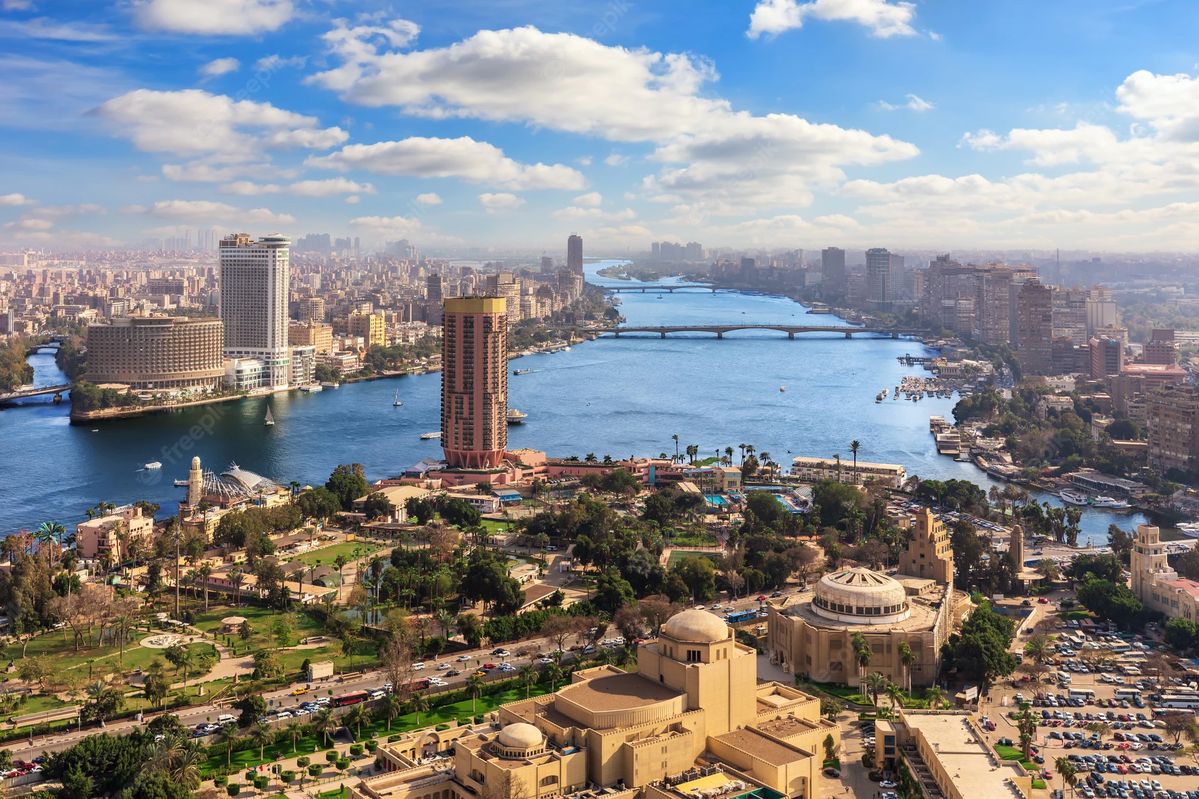
The city stretches along the banks of the Nile River, blending ancient civilizations with modern urban life. On one side, you’ll find timeless monuments that date back thousands of years; on the other, modern skyscrapers, luxury hotels, and busy commercial districts. This unique combination makes Cairo one of the best places to visit in Egypt for first-time travelers.
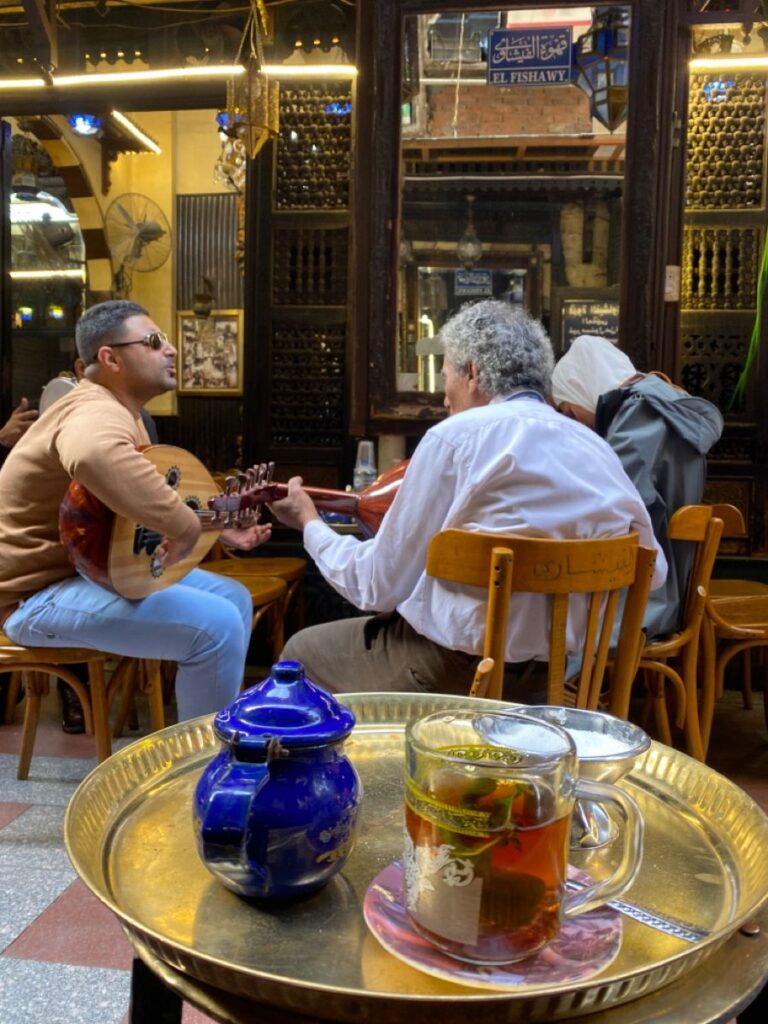
Cairo is often described as chaotic—but in a fascinating way. Streets are always alive with movement: cars honking, vendors selling traditional food, and locals going about their daily lives. Despite the intensity, there is a rhythm to the city that visitors gradually learn to appreciate.
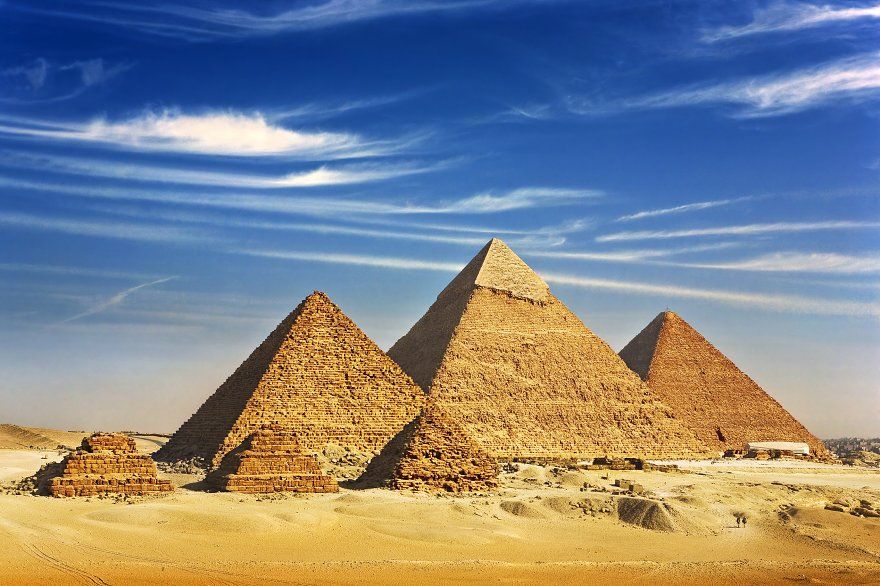
For many travelers, Cairo represents their first real encounter with Ancient Egypt. The city is home to some of the world’s most famous Egyptian landmarks, including the nearby Great Pyramids of Giza and the Sphinx. These monuments are part of the broader historical landscape that has shaped global civilization.
Why Cairo is Important for Egypt Tourism
It is the main entry point for international flights to Egypt
It connects travelers to major historical sites in Egypt
offers a mix of culture, history, and modern entertainment
It provides easy access to Nile cruises, desert trips, and Red Sea resorts
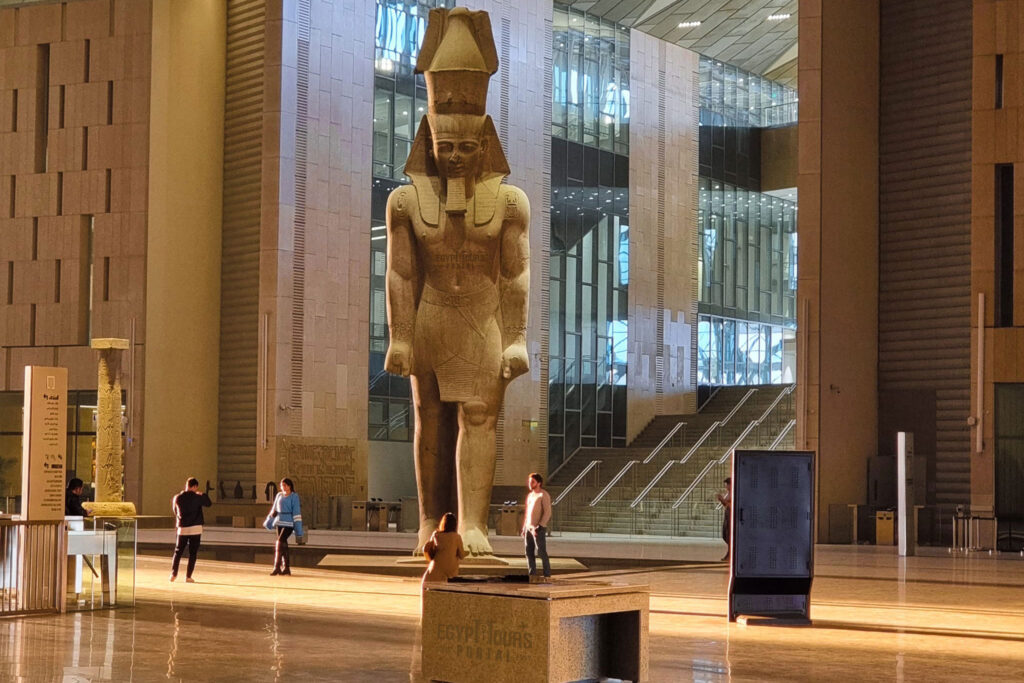
Cairo is also a cultural hub. Museums, theaters, and galleries showcase Egypt’s artistic evolution from Ancient Egypt to the modern era. The city is especially famous for its Islamic Cairo district, where centuries-old mosques and markets reflect the golden age of Islamic architecture.
Despite its fast pace, Cairo is extremely rewarding for travelers who take the time to explore it properly. Whether you are here for history, photography, food, or adventure, the city offers endless discoveries.
2. Historical Significance of Cairo
The history of Cairo is deeply intertwined with the story of Egypt itself. While modern Cairo was officially founded in the 10th century during the Fatimid dynasty, the surrounding region has been inhabited for thousands of years, making it one of the oldest continuously evolving urban areas in the world.
Long before Cairo became a capital, nearby areas such as Memphis served as powerful centers of Ancient Egypt. This proximity to ancient capitals is one reason why Cairo is so important for understanding Egyptian civilization.
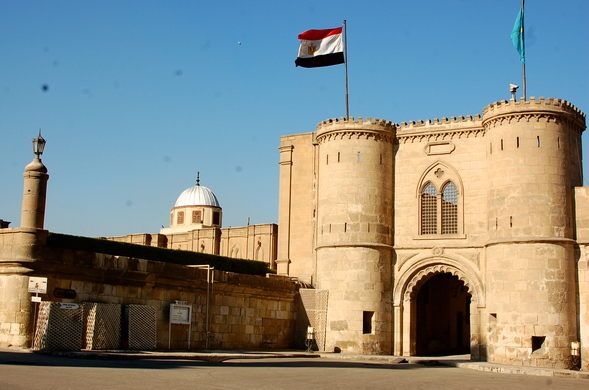
During the Islamic Golden Age, Cairo flourished as a center of learning, trade, and culture. The Fatimids established it as a planned city, and later dynasties expanded its influence across Africa and the Middle East. This legacy is still visible today in the form of mosques, madrasas, and historic gates that define Islamic Cairo.
One of the most significant historical transformations came during the Ottoman and Mamluk periods, when Cairo became one of the richest cities in the region. Many of the architectural masterpieces you see today—including intricate mosques and medieval streets—date back to this era.
In modern times, Cairo played a key role in Egypt’s political history, including the formation of the modern Egyptian state and major cultural movements in the 20th century.
Key Historical Highlights
Founding by the Fatimid dynasty in 969 AD
Expansion during the Mamluk and Ottoman periods
Close connection to Ancient Egypt capitals like Memphis
Role in modern Egyptian independence and culture
Today, Cairo stands as a living museum of history. Unlike many historical sites in Egypt that are preserved separately, Cairo integrates history into daily life. You can walk through centuries-old streets while modern life continues around you.
This deep historical layering is what makes Cairo unique among global cities. It is not just a destination—it is a timeline of human civilization.
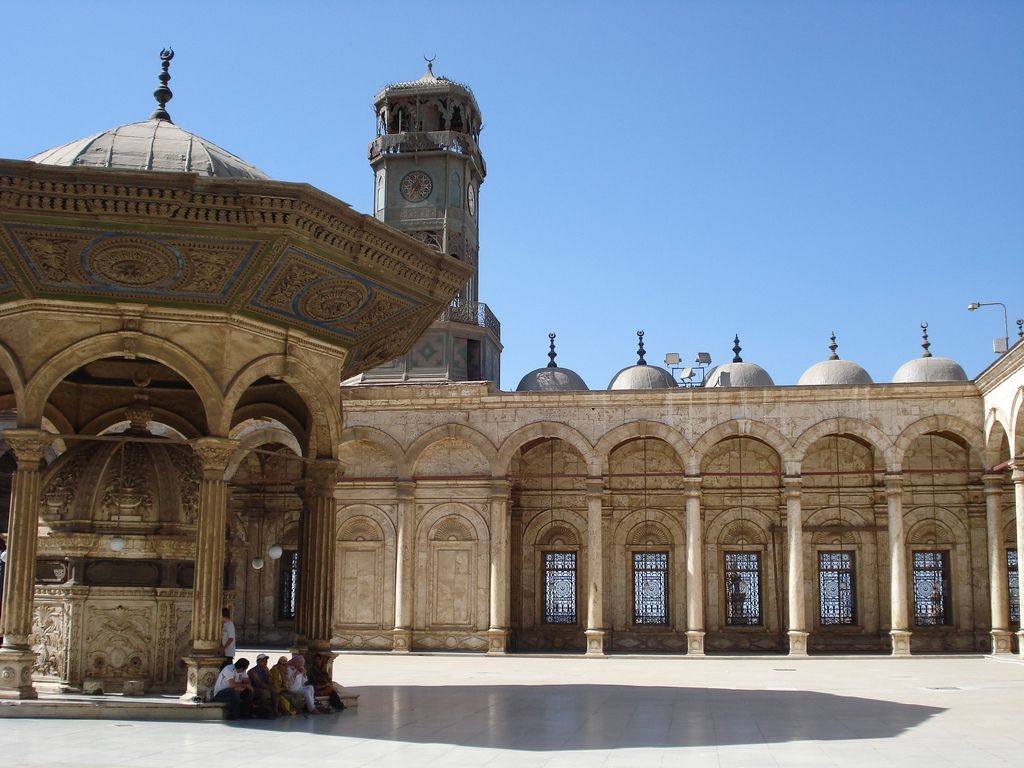
3.Architecture and Unique Features of Cairo
Cairo’s architecture is one of the most diverse in the world, reflecting thousands of years of cultural evolution. From Ancient Egypt influences to Islamic masterpieces and European-style buildings, the city is a visual journey through history.
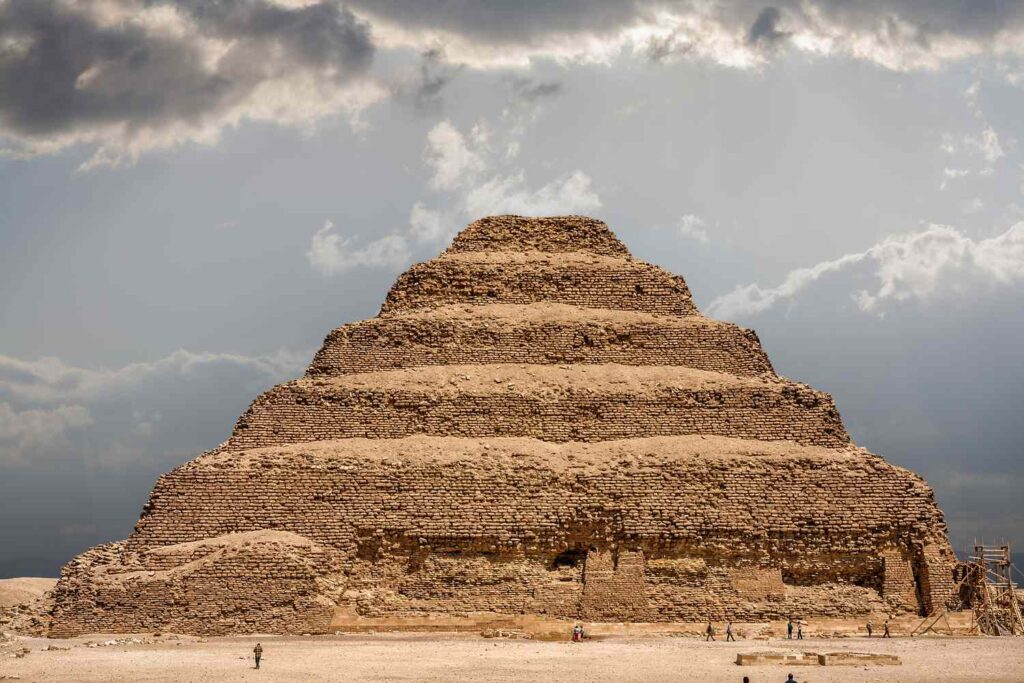
One of the most iconic architectural features near Cairo is the monumental design of the pyramids in Giza. These structures represent the pinnacle of Ancient Egypt engineering and remain unmatched in scale and precision even today.
Inside the city itself, Islamic Cairo showcases some of the most beautiful examples of medieval Islamic architecture. The area is filled with intricate mosques, towering minarets, carved stone facades, and geometric designs that reflect centuries of craftsmanship.
Architectural Styles in Cairo
Ancient Egyptian style: pyramids, temples, and monumental stone structures
Islamic architecture: mosques, domes, minarets, and decorative calligraphy
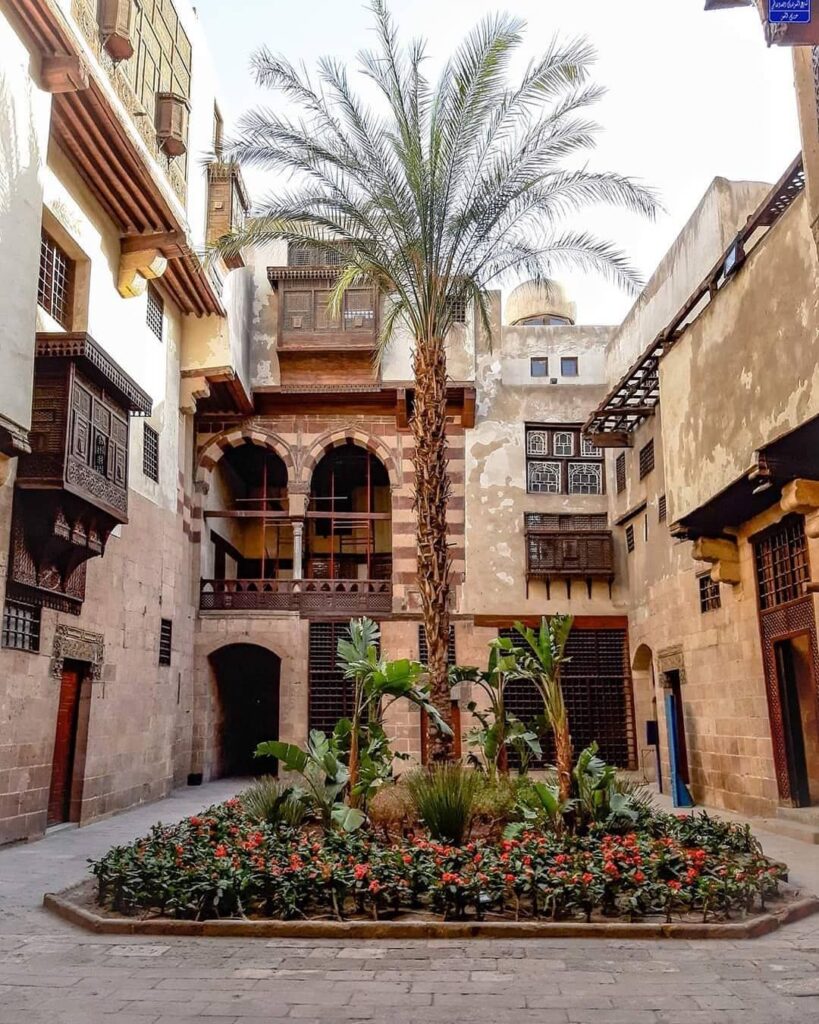
Ottoman influence: elegant courtyards and ornate interiors
Colonial European style: buildings in Downtown Cairo with French and British influences
Modern architecture: skyscrapers and contemporary developments along the Nile
One of Cairo’s unique features is its layered cityscape. It is common to see ancient structures standing near modern buildings, creating a contrast that is rare anywhere else in the world.
Hidden Architectural Gems
Historic gates of Islamic Cairo
Traditional wooden mashrabiya balconies
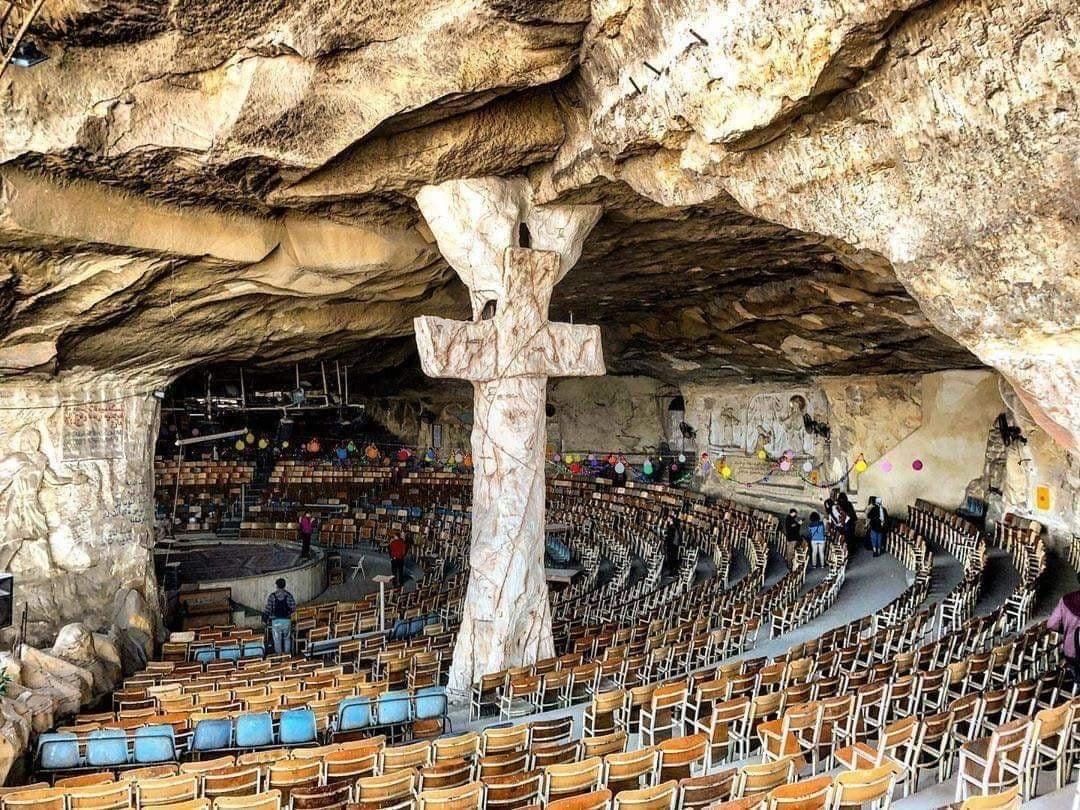
Old Cairo churches in Coptic Cairo
Restored Ottoman-era houses turned into museums or cafés
Photography enthusiasts find Cairo especially rewarding because every corner offers a different visual story. Golden-hour light on mosque domes, bustling street scenes, and Nile sunsets all create unforgettable images.
Cairo’s architecture is not just about beauty—it tells the story of civilizations, religions, and empires that shaped Egypt over thousands of years.