
Overview of the Pyramids of Giza
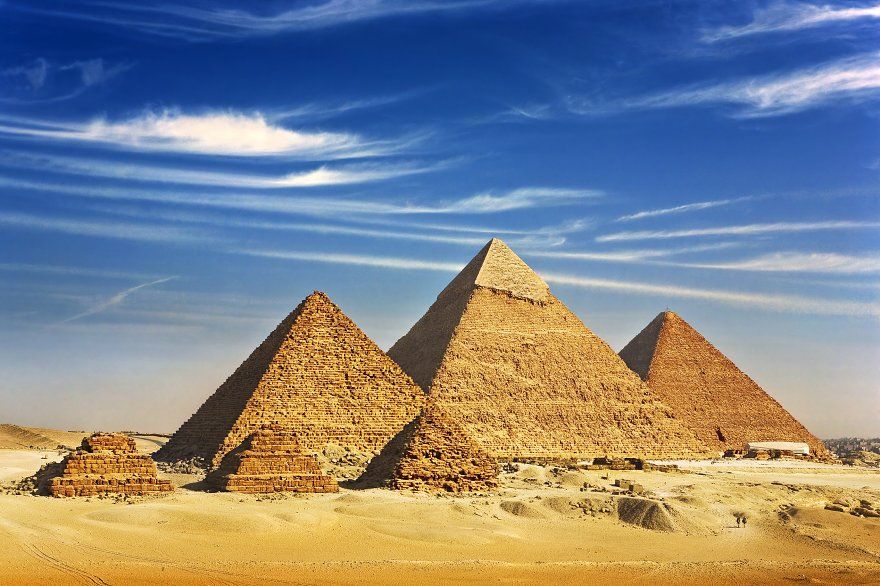
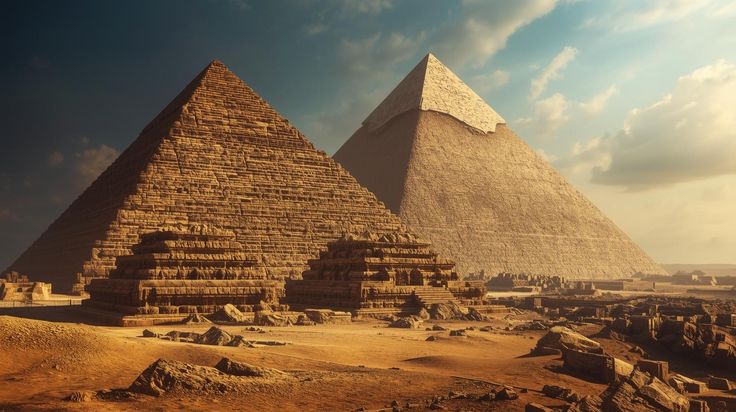
The Pyramids of Giza are the most famous ancient monuments in Egypt and one of the most iconic landmarks in the world. Located on the Giza Plateau on the western bank of the Nile River, just outside Cairo, the site consists of the Great Pyramid of Khufu, the Pyramid of Khafre, and the Pyramid of Menkaure, along with several smaller pyramids, temples, and the legendary Great Sphinx. Together, these remarkable structures represent one of the greatest achievements of Ancient Egypt and continue to attract millions of visitors each year.
As one of the top attractions in Egypt tourism, the Pyramids of Giza offer travelers a unique opportunity to step back in time and witness monuments that have stood for more than 4,500 years. The Great Pyramid of Khufu is particularly significant because it is the only remaining wonder of the Ancient Seven Wonders of the World. Its immense size and extraordinary precision continue to amaze engineers and historians alike, making it one of the most impressive historical sites in Egypt.
Visitors to the Giza Plateau can explore much more than the pyramids themselves. The site includes the Great Sphinx, ancient causeways, mortuary temples, and panoramic viewpoints that provide breathtaking views of the desert landscape. Whether you are interested in history, photography, or simply experiencing one of the best places to visit in Egypt, the Pyramids of Giza promise an unforgettable adventure. Their cultural importance and timeless beauty make them an essential stop on any Egypt itinerary and one of the most memorable experiences for anyone planning to travel to Egypt.
History and Historical Significance
The history of the Pyramids of Giza dates back to the Fourth Dynasty of the Old Kingdom, between approximately 2580 and 2510 BC. These magnificent monuments were built as royal tombs for Pharaoh Khufu, his son Khafre, and his grandson Menkaure. Ancient Egyptians believed that the pharaohs would continue their journey in the afterlife, and the pyramids were designed to protect their bodies and provide everything they would need in the world beyond.
The construction of these monuments required remarkable planning, engineering, and organization. Contrary to popular myths, historians believe that skilled laborers and craftsmen, rather than slaves, built the pyramids. Thousands of workers lived in nearby settlements and participated in one of the most ambitious building projects in human history. The precision with which massive limestone blocks were transported and assembled continues to fascinate archaeologists and researchers today.
Throughout history, the Pyramids of Giza have inspired countless travelers, scholars, and explorers. Ancient Greek historians wrote about them, medieval Arab travelers admired them, and modern archaeologists continue to uncover new secrets hidden beneath the sands of the Giza Plateau. Their historical significance extends far beyond Egypt, as they represent the ingenuity, religious beliefs, and artistic achievements of one of the world’s greatest civilizations.
Today, the Pyramids of Giza stand as enduring symbols of Ancient Egypt and are considered among the most important Egyptian landmarks. Their legacy continues to influence architecture, archaeology, and popular culture, making them one of the most visited and celebrated historical sites in Egypt.
Architecture and Unique Features
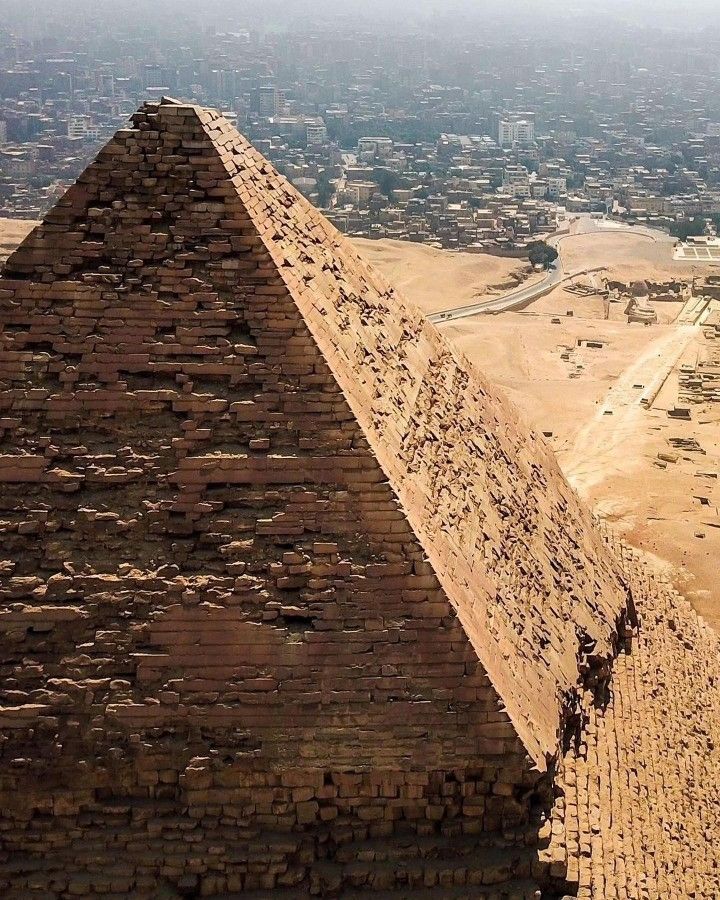
The architecture of the Pyramids of Giza remains one of the greatest engineering achievements in history. Built with millions of limestone blocks weighing several tons each, these monuments demonstrate the extraordinary skills and knowledge possessed by the ancient Egyptians. Despite being constructed more than four millennia ago, the pyramids continue to amaze experts with their precision and durability.
The Great Pyramid of Khufu is the largest and most impressive structure on the plateau. Originally standing at approximately 146 meters (481 feet), it was the tallest man-made structure in the world for nearly 4,000 years. Its sides are aligned almost perfectly with the cardinal directions, a remarkable feat that highlights the advanced understanding of astronomy and mathematics in Ancient Egypt.
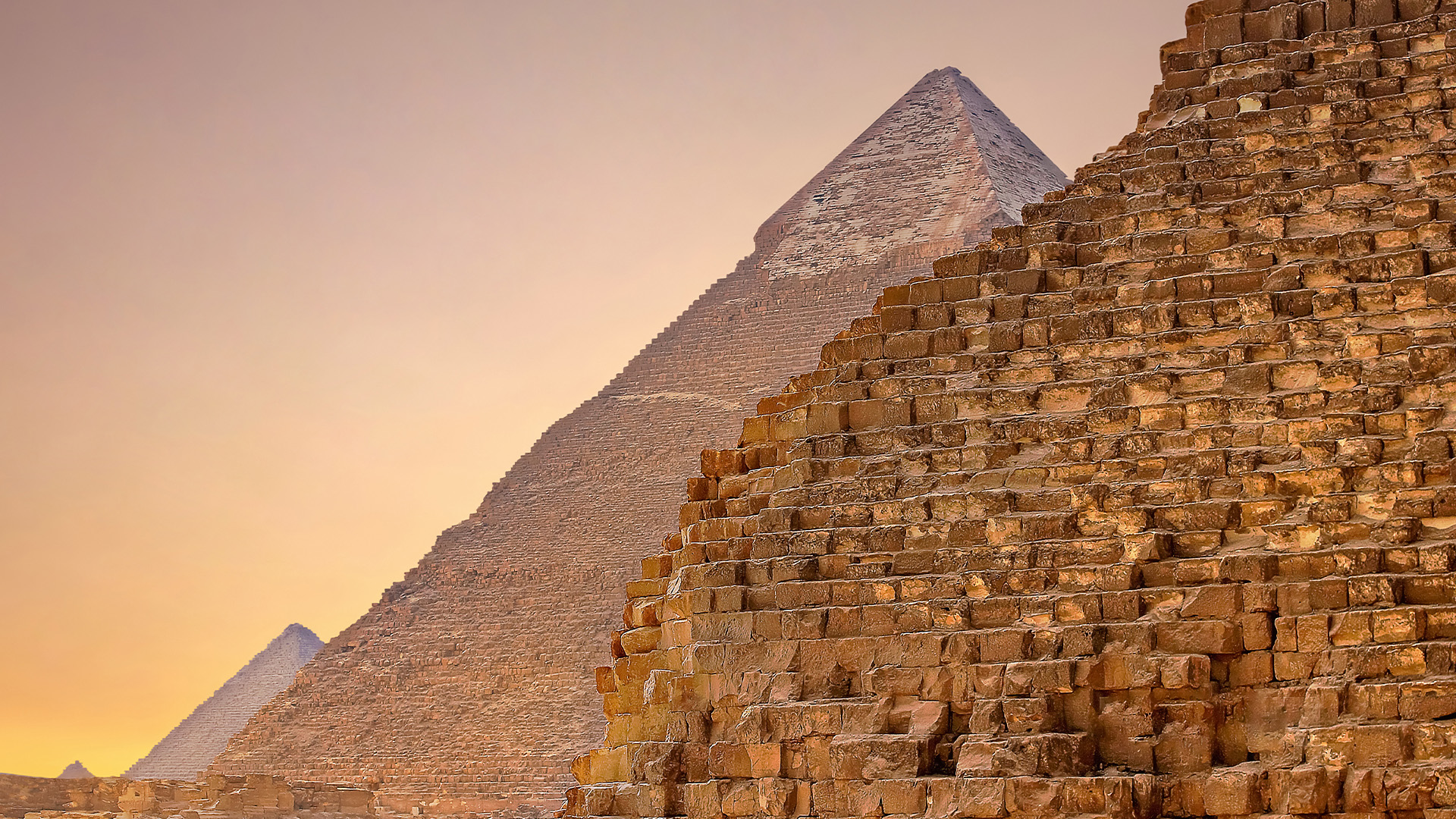
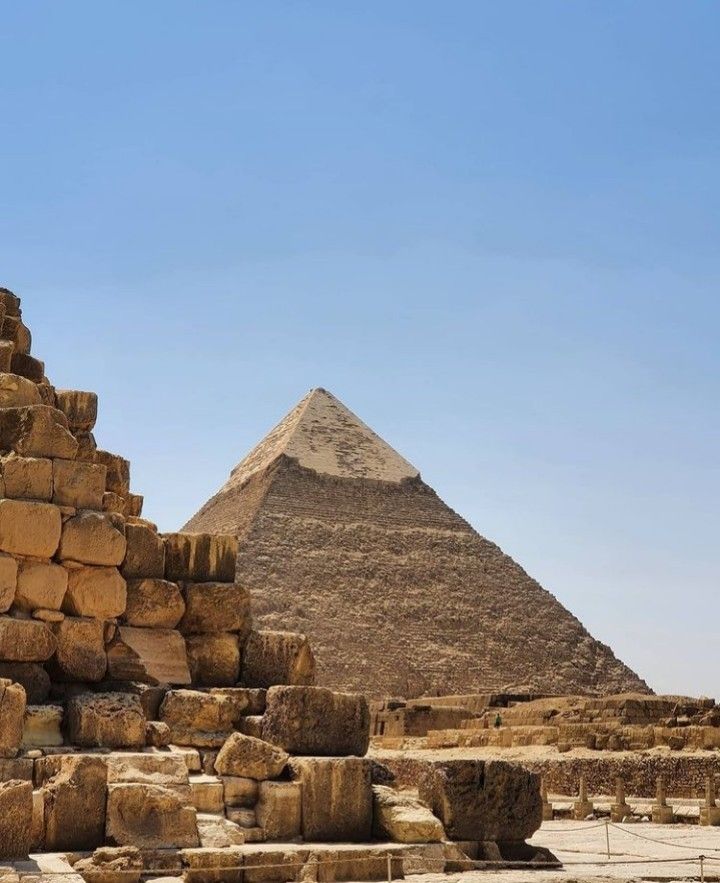
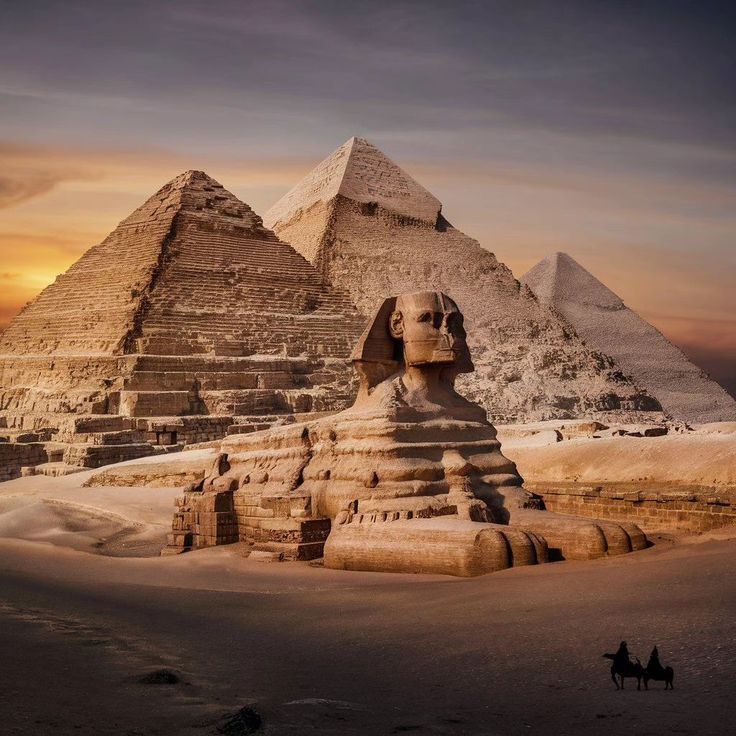
The Pyramid of Khafre appears taller than the Great Pyramid because it was built on higher ground, and it still retains some of its original polished limestone casing near the summit. Meanwhile, the smaller Pyramid of Menkaure is notable for its elegant design and distinctive granite blocks. Nearby, the Great Sphinx adds another layer of mystery to the complex with its lion’s body and human head believed to represent Pharaoh Khafre.
Inside the pyramids, visitors can find narrow passages, burial chambers, and ancient architectural features that reveal the sophistication of Egyptian builders. The entire complex, including the mortuary temples and ceremonial causeways, reflects the religious beliefs and funerary traditions of Ancient Egypt. These unique characteristics have made the Pyramids of Giza one of the most remarkable historical sites in Egypt and one of the most extraordinary destinations in the world.