
1. Why Choose a 10-Day Egypt Itinerary?
A 10-day itinerary is one of the most popular choices for first-time visitors to Egypt because it offers an excellent balance between sightseeing, comfort, and travel efficiency. Egypt is a country filled with extraordinary attractions, and while it would be impossible to see everything in a single trip, ten days provides enough time to experience many of the nation’s most iconic destinations without feeling overly rushed.
One of the biggest advantages of a 10-day trip is the ability to combine Cairo, Luxor, and Aswan into a single journey. These three destinations represent the heart of Egypt’s tourism experience and offer a comprehensive introduction to the country’s history, culture, and landscapes. Visitors can explore the world-famous Pyramids of Giza, discover magnificent temples and tombs along the Nile, and enjoy the unique atmosphere of southern Egypt.
Ten days also allows travelers to move at a comfortable pace. Rather than constantly changing hotels and spending excessive time in transit, visitors can dedicate meaningful time to each destination. This approach creates opportunities for deeper exploration while reducing travel fatigue.
Another benefit is flexibility. Travelers can customize portions of the itinerary according to their interests, whether they prefer museums, archaeology, photography, cultural experiences, or simply relaxing by the Nile. The schedule also leaves room for optional activities and spontaneous discoveries.
For many visitors, ten days represents the ideal introduction to Egypt. It provides enough time to experience the country’s most important highlights while still leaving reasons to return and explore more in the future.

2. Day 1: Arrive in Cairo
The first day of your Egyptian adventure is dedicated to arrival, settling in, and becoming familiar with Cairo, the largest city in the Arab world and the gateway to many of Egypt’s most famous attractions. After arriving at Cairo International Airport, travelers can transfer to their hotel and begin adjusting to the atmosphere of this energetic and historic city.
Depending on your arrival time, the first day is best kept relatively relaxed. International travel can be tiring, and allowing time to recover from the journey helps ensure that you are fully prepared for the sightseeing days ahead. Many visitors choose to spend the afternoon exploring the area surrounding their hotel, enjoying local cuisine, or taking a leisurely walk to gain a first impression of the city.
Cairo offers an exciting blend of ancient history and modern life. Even a short introduction to the city reveals its unique character, with bustling streets, historic mosques, traditional cafés, and views of the Nile River. Visitors often find the energy of Cairo both fascinating and unforgettable.
A relaxing dinner at a local restaurant can provide an excellent introduction to Egyptian cuisine. Popular dishes such as koshari, grilled meats, and traditional desserts offer a taste of the culinary experiences that await throughout the trip.
The first day is ultimately about preparation and orientation. Resting well, organizing plans for the following morning, and becoming comfortable with your surroundings will help ensure a smooth and enjoyable start to your Egyptian journey.
3. Day 2: Pyramids of Giza and the Great Sphinx
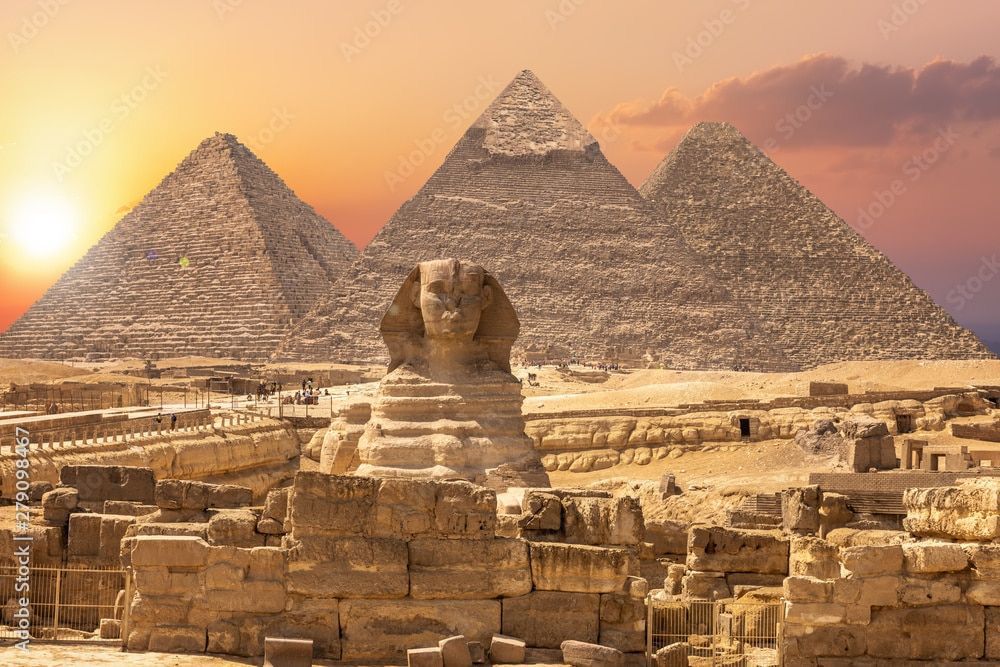
The second day is often the moment travelers have been anticipating for years—the opportunity to visit the legendary Pyramids of Giza and the Great Sphinx. As one of the most famous archaeological sites in the world, the Giza Plateau represents the ultimate introduction to Ancient Egypt and remains the highlight of many visitors’ trips.
Arriving early is highly recommended. Morning visits provide cooler temperatures, fewer crowds, and excellent lighting for photography. Visitors can spend several hours exploring the site while learning about the fascinating history of the pyramids and the pharaohs who commissioned them more than 4,500 years ago.
The Great Pyramid of Khufu is the largest and most impressive of the three pyramids, while the pyramids of Khafre and Menkaure contribute to one of the most recognizable landscapes on Earth. Many travelers also choose to enter one of the pyramids to experience its interior chambers and gain a deeper appreciation for the engineering achievements of Ancient Egyptian civilization.
No visit to the plateau is complete without seeing the Great Sphinx. This colossal limestone statue, featuring the body of a lion and the head of a pharaoh, remains one of Egypt’s most mysterious and iconic monuments.
After exploring the site, visitors may choose to enjoy lunch with pyramid views before returning to Cairo. The day provides an unforgettable introduction to Egypt’s ancient wonders and creates memories that will remain among the highlights of the entire journey.