
Welcome to

Best Egypt Itinerary for First-Time Visitors

Egypt is one of the most extraordinary destinations in the world, offering travelers an unforgettable combination of ancient history, cultural experiences, stunning landscapes, and iconic landmarks. For first-time visitors, deciding how to structure an itinerary can be one of the most challenging parts of trip planning. With so many remarkable attractions spread across the country, it is important to create a route that balances sightseeing, comfort, travel efficiency, and opportunities to experience local culture.

The ideal first-time itinerary should include Egypt’s most famous destinations while avoiding an overly rushed schedule. Many travelers make the mistake of trying to see everything in a single trip, only to spend more time traveling between locations than actually enjoying them. A well-designed itinerary focuses on the highlights while allowing enough time to appreciate each destination fully.

For most first-time visitors, the best itinerary includes Cairo, Luxor, and Aswan. Together, these destinations provide a comprehensive introduction to Egypt’s ancient civilization, modern culture, and natural beauty. Cairo offers the legendary Pyramids of Giza, world-class museums, historic neighborhoods, and vibrant city life. Luxor is home to some of the most important archaeological sites on Earth, including magnificent temples and royal tombs. Aswan provides a more relaxed atmosphere, beautiful Nile scenery, fascinating Nubian culture, and access to remarkable monuments such as Abu Simbel.

This itinerary is designed to provide the perfect balance between exploration and relaxation. It combines Egypt’s most iconic attractions with opportunities to experience traditional food, local markets, scenic Nile views, and authentic cultural encounters. Travelers can gain a deep appreciation for the country’s rich heritage while still enjoying a comfortable pace.

Whether you are traveling independently, as a couple, with family, or as part of a guided tour, this itinerary serves as an excellent foundation for a first visit. It highlights the attractions that consistently leave the strongest impressions on travelers while providing a practical route that minimizes unnecessary travel time.

By following a carefully planned itinerary, first-time visitors can maximize their experience and create unforgettable memories while exploring one of the world’s most fascinating destinations.

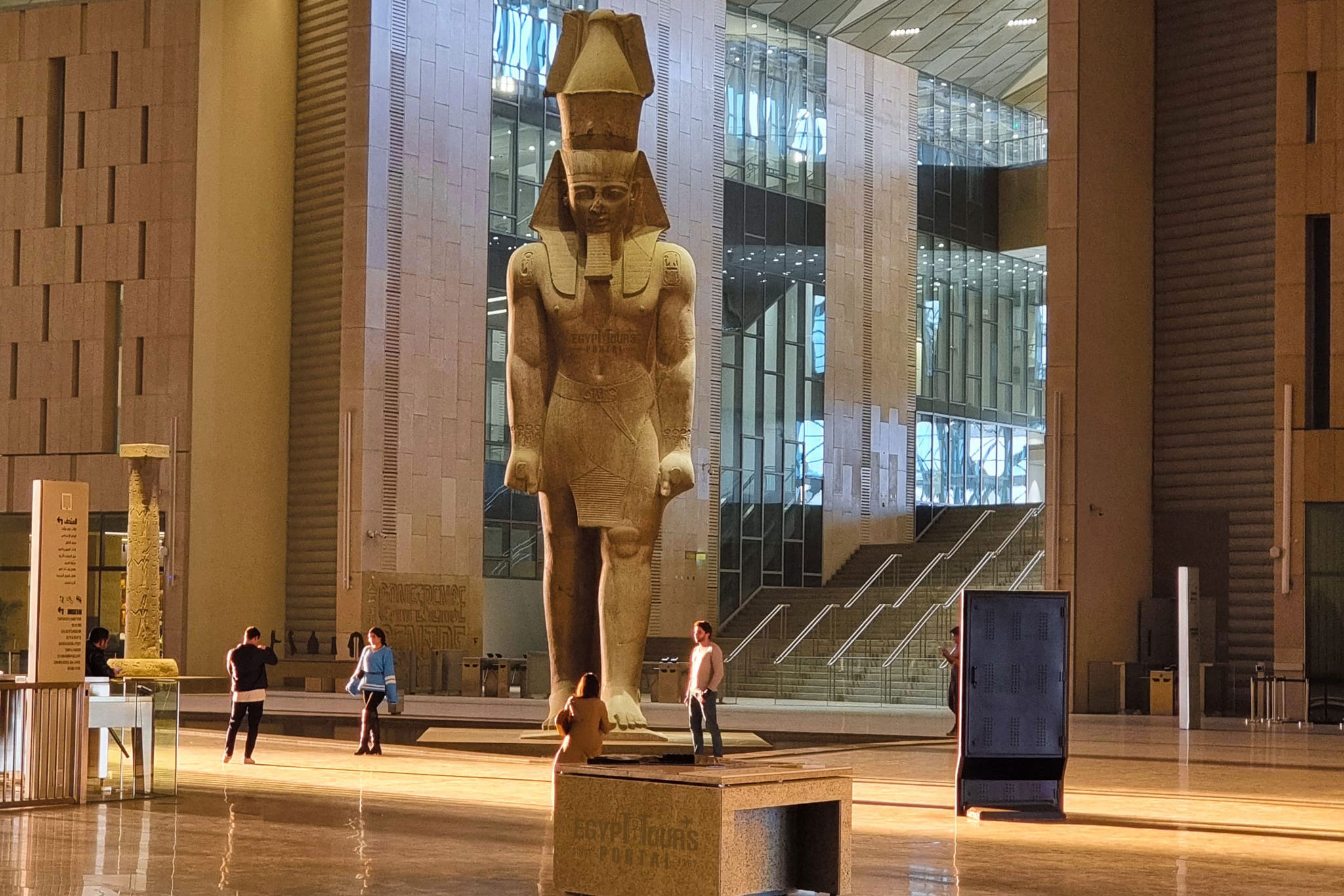
grand egyptian museum

1. Why This Is the Best Egypt Itinerary for First-Time Visitors

Choosing the right itinerary is one of the most important decisions when planning a first trip to Egypt. With thousands of years of history, countless archaeological sites, and destinations spread across the country, it can be difficult to know where to begin. This itinerary is designed specifically for first-time visitors who want to experience Egypt’s most famous attractions while maintaining a comfortable and enjoyable pace.

The itinerary focuses on three destinations that consistently rank among the highlights of any Egyptian journey: Cairo, Luxor, and Aswan. Together, these locations provide a complete introduction to Egypt’s ancient civilization, modern culture, and natural beauty. Visitors can explore world-famous monuments, discover fascinating museums, enjoy scenic Nile views, and experience local traditions without feeling overwhelmed by excessive travel.

One of the greatest strengths of this itinerary is its balance. It combines historical exploration with opportunities for relaxation and cultural immersion. Rather than rushing from one attraction to another, travelers have enough time to appreciate each destination and fully enjoy the experience.

The itinerary also prioritizes efficiency. By using domestic flights and logical travel routes, visitors can maximize sightseeing time while minimizing long transfers and unnecessary travel stress. This makes the trip particularly suitable for travelers with limited vacation time.

For first-time visitors, this itinerary offers the perfect combination of iconic attractions, authentic experiences, and practical travel planning. It covers the destinations that most travelers dream of seeing while creating a journey that is both memorable and manageable.
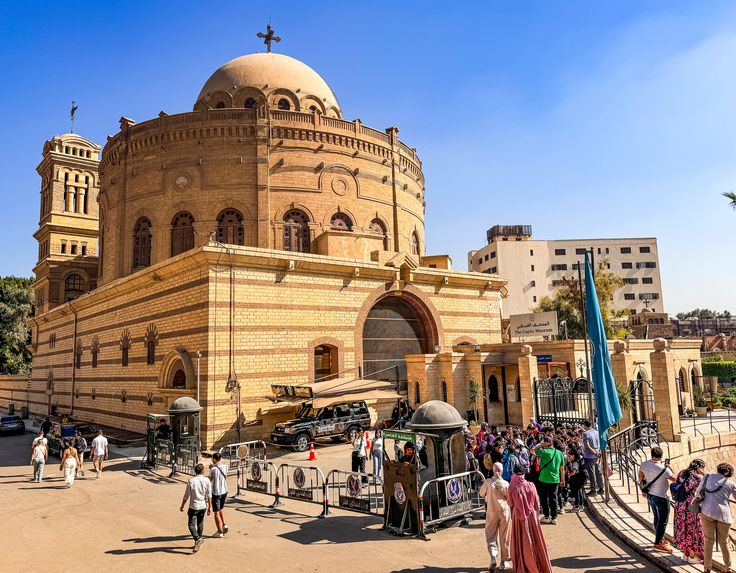
2. Days 1–3: Explore Cairo

The first three days of the itinerary are dedicated to Cairo, Egypt’s capital and largest city. Cairo serves as the perfect introduction to the country because it combines ancient wonders, modern urban life, world-class museums, and centuries of cultural heritage within a single destination.

The highlight of any visit to Cairo is the Giza Plateau, home to the Pyramids of Giza and the Great Sphinx. These legendary monuments represent one of humanity’s greatest achievements and provide an unforgettable introduction to Ancient Egypt. Many visitors spend several hours exploring the site, learning about the pharaohs, and admiring the remarkable engineering that allowed these structures to survive for more than four millennia.

Another essential attraction is the Grand Egyptian Museum. Housing one of the largest collections of Egyptian antiquities in the world, the museum helps visitors understand the civilization responsible for the monuments they will encounter throughout their journey. Its impressive exhibits and modern design make it one of Egypt’s most important cultural attractions.

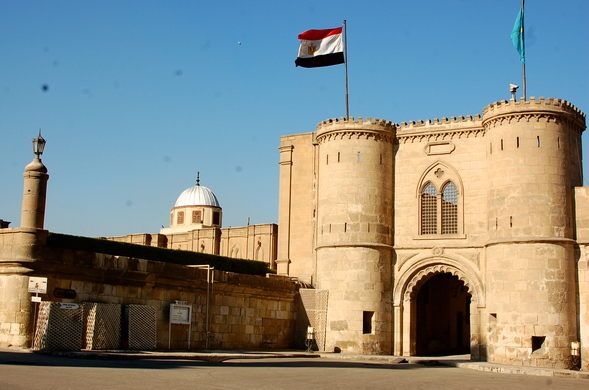
Beyond ancient history, Cairo also offers opportunities to explore Islamic architecture, traditional markets, local cuisine, and vibrant neighborhoods. Walking through historic districts and visiting places such as Khan El Khalili provides insight into the city’s cultural diversity and everyday life.

Three days in Cairo allows visitors to experience both the ancient and modern sides of Egypt while preparing for the archaeological treasures that await further south.
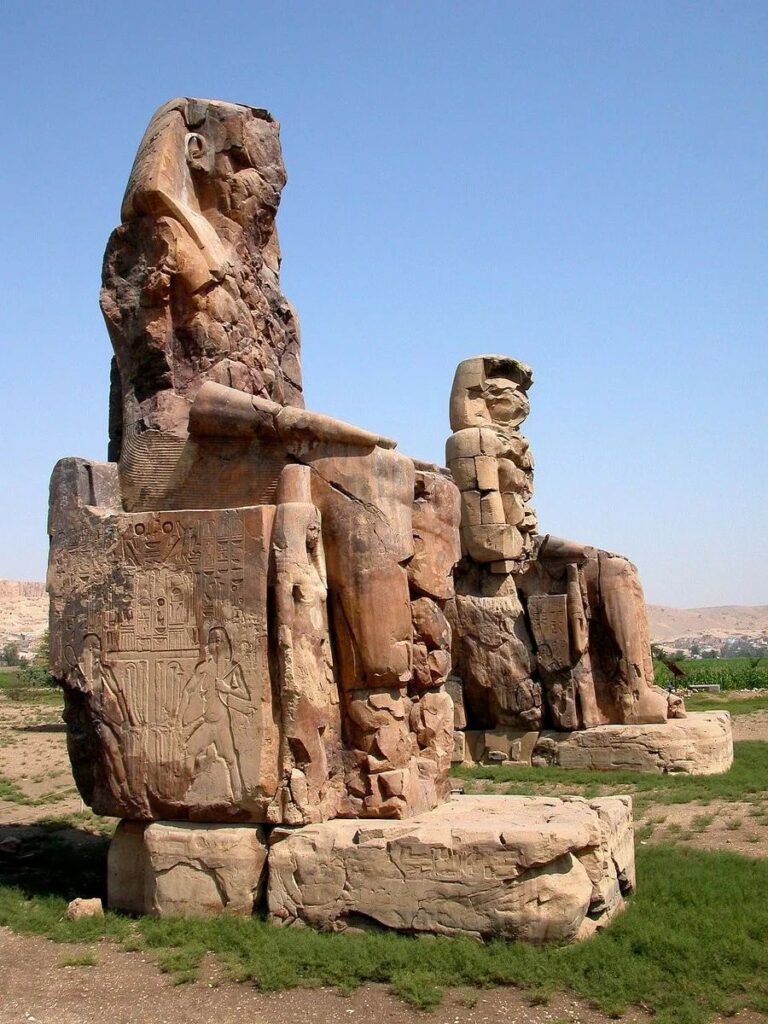
3. Days 4–6: Discover Luxor

After exploring Cairo, the itinerary continues with three days in Luxor, often described as the world’s greatest open-air museum. Few destinations offer such an extraordinary concentration of ancient monuments, making Luxor an essential stop for anyone interested in history, archaeology, and culture.

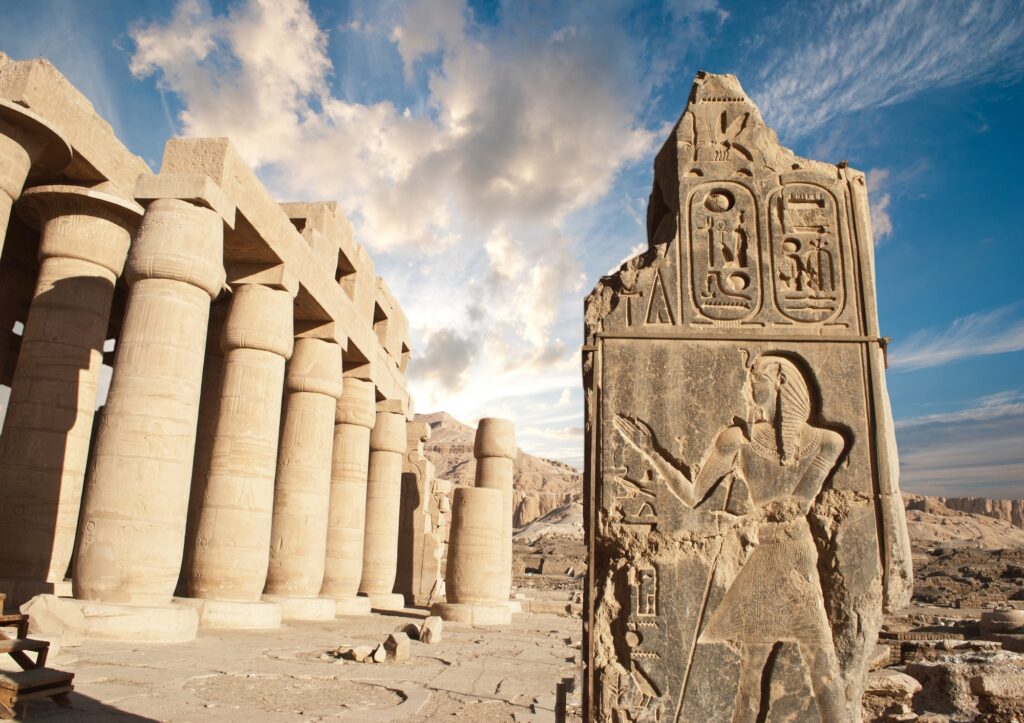
One of the most famous attractions is Karnak Temple, a vast religious complex that served as one of the most important centers of worship in Ancient Egypt. Massive columns, monumental gateways, and impressive carvings reveal the scale and ambition of the civilization that created it. Nearby, Luxor Temple offers another remarkable example of Egyptian architecture and becomes especially beautiful when illuminated after sunset.

The Valley of the Kings is another highlight of any visit to Luxor. This royal burial ground contains the tombs of numerous pharaohs, including King Tutankhamun. Visitors can explore beautifully decorated chambers filled with artwork that has survived for thousands of years and gain valuable insight into ancient beliefs about the afterlife.

Luxor also provides opportunities to visit temples, museums, and archaeological sites that reveal different aspects of Egyptian civilization. Whether exploring the East Bank or the West Bank, travelers encounter some of the most important monuments ever discovered.

Three days in Luxor allows visitors to appreciate these remarkable sites without rushing. The city offers an unforgettable immersion into the world of the pharaohs and remains one of the most rewarding destinations in all of Egypt.
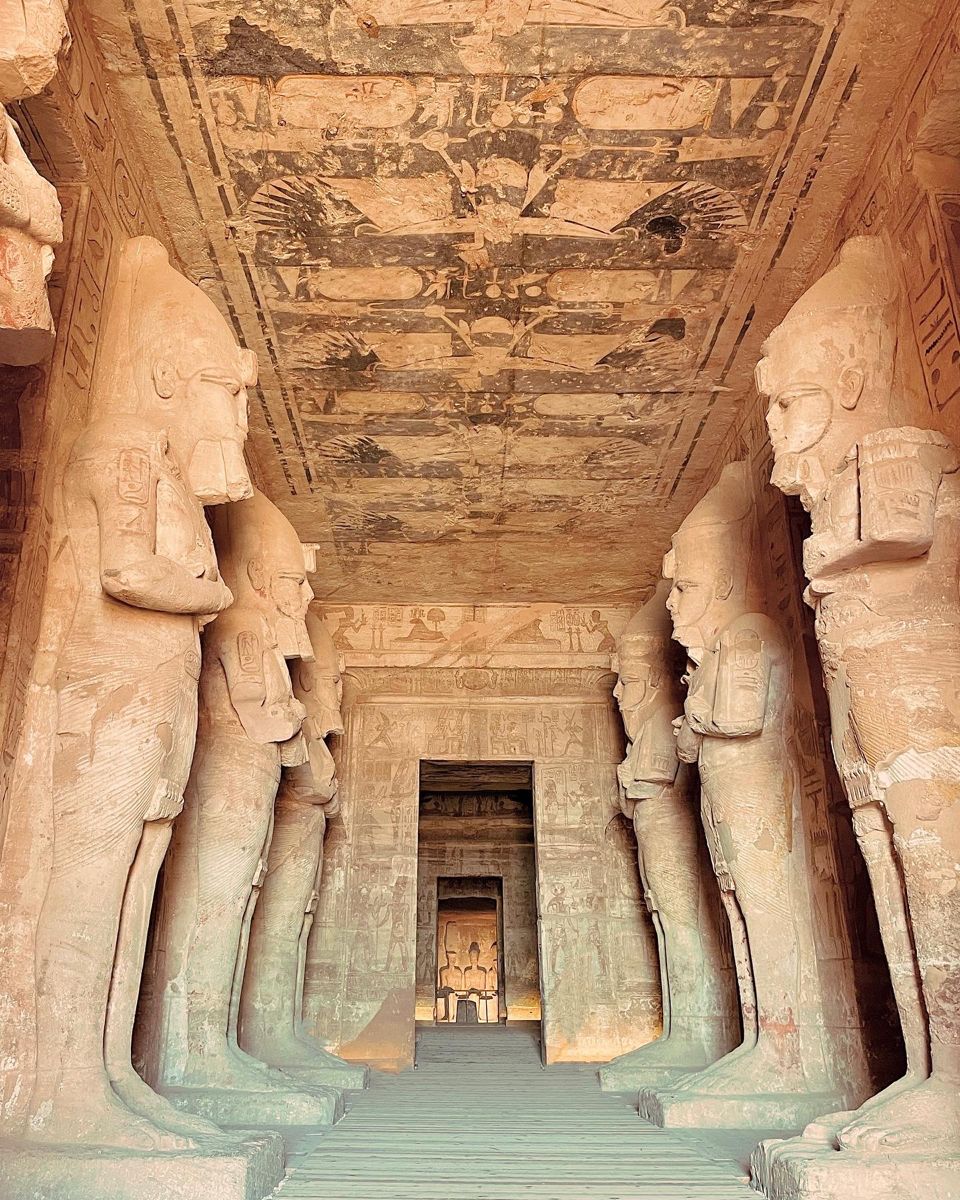
4. Days 7–8: Experience Aswan

After the intensive sightseeing of Cairo and Luxor, the itinerary continues with two days in Aswan, one of Egypt’s most charming and relaxing destinations. Located along the Nile in southern Egypt, Aswan offers a slower pace, beautiful river scenery, fascinating cultural experiences, and access to some of the country’s most remarkable historical sites.

One of the city’s most famous attractions is Philae Temple, a stunning island temple dedicated to the goddess Isis. Reached by boat, the temple combines impressive architecture with a picturesque setting that makes it one of the most photographed sites in Egypt. Visitors can explore beautifully preserved halls, columns, and reliefs while learning about the religious traditions of Ancient Egypt.

Aswan is also known for its connection to Nubian culture. Many travelers choose to visit a traditional Nubian village, where colorful homes, unique customs, and warm hospitality provide insight into one of Egypt’s most distinctive cultural communities. These experiences offer a welcome contrast to the archaeological focus of previous days and help visitors gain a broader understanding of Egyptian society.

The Nile itself is another major attraction in Aswan. Traditional felucca rides allow travelers to experience the river at a leisurely pace while enjoying views of islands, palm trees, and desert landscapes. The peaceful atmosphere often makes Aswan one of the most memorable stops on the entire journey.

Spending two days in Aswan provides the perfect balance between sightseeing and relaxation. The city’s unique combination of history, culture, and natural beauty creates an ideal conclusion to a first-time visit to Egypt before returning home or continuing to additional destinations.

5. Optional Abu Simbel Excursion

For travelers with additional time or a strong interest in Ancient Egyptian history, an excursion to Abu Simbel is one of the most rewarding additions to this itinerary. Located near Egypt’s southern border, Abu Simbel is home to two magnificent temples built by Pharaoh Ramses II and is widely considered one of the greatest archaeological treasures in the country.

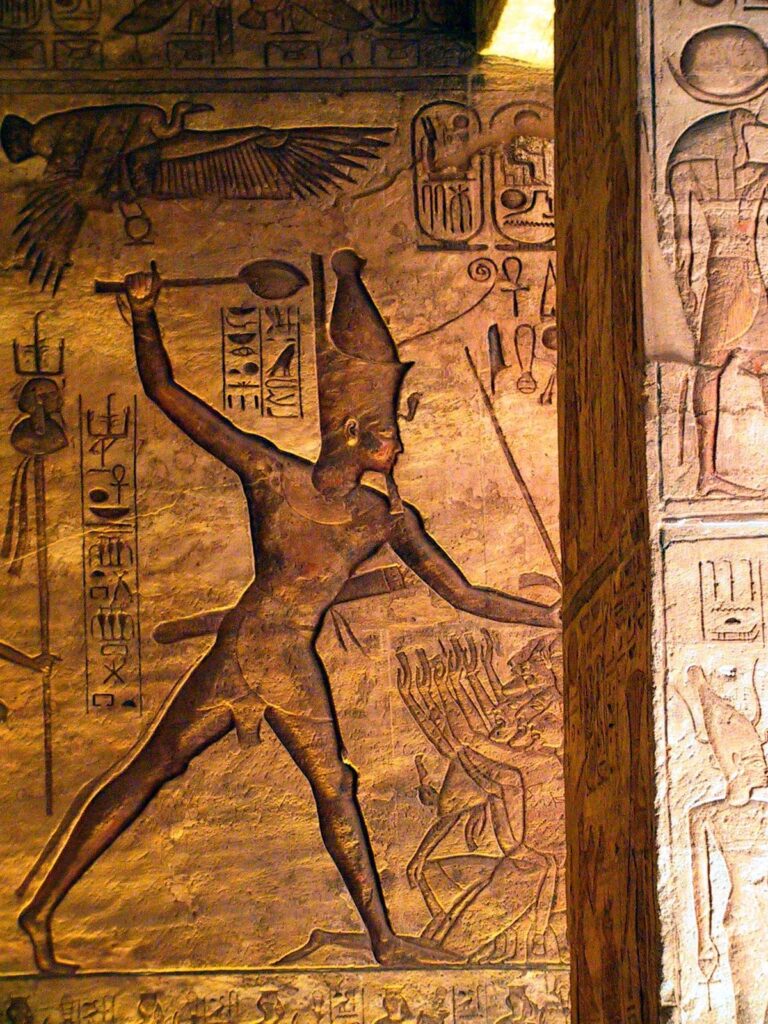
The larger temple is famous for its four colossal statues of Ramses II that dominate the entrance and create one of the most iconic scenes in Egypt. Inside, visitors can explore impressive halls decorated with detailed carvings that celebrate the achievements and military victories of one of Egypt’s most powerful rulers. Nearby stands the smaller temple dedicated to Queen Nefertari, one of the most remarkable monuments ever built in honor of a royal wife.

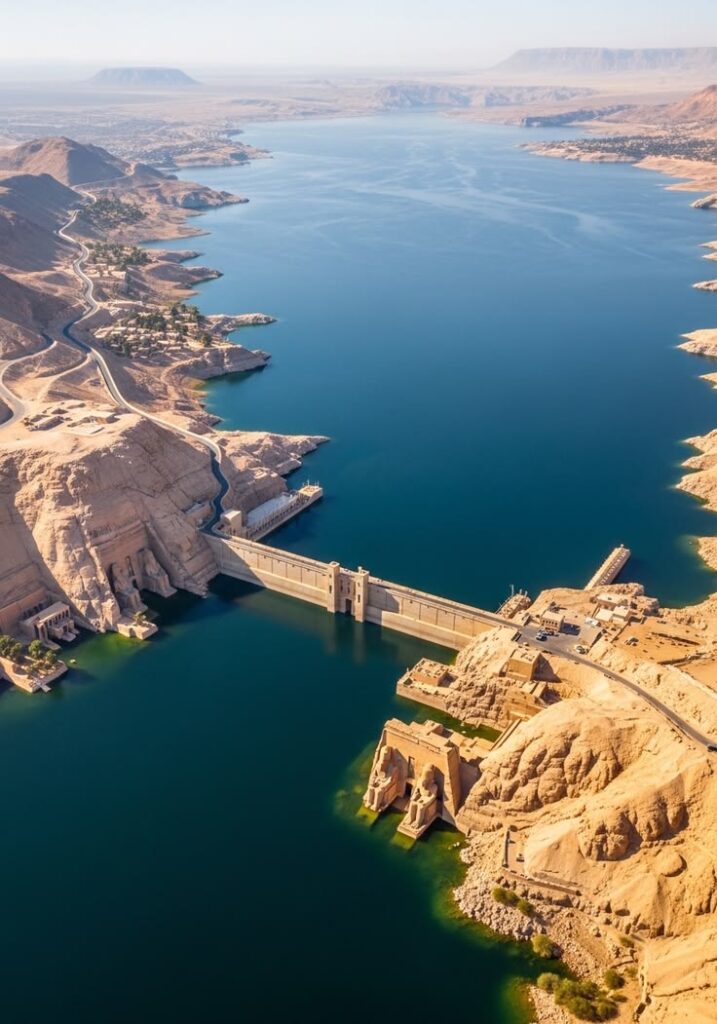
Beyond their historical importance, the temples are also renowned for their dramatic relocation during the twentieth century. To protect them from flooding caused by the creation of Lake Nasser, the entire complex was carefully dismantled and reconstructed on higher ground. This achievement remains one of the most impressive preservation projects in modern history.

Most travelers visit Abu Simbel as a day trip from Aswan, either by domestic flight or organized road excursion. Although the journey requires an early start, many visitors consider it one of the highlights of their trip to Egypt.

For those seeking a deeper exploration of Ancient Egypt, Abu Simbel is well worth the effort and provides an unforgettable experience that complements the rest of the itinerary perfectly.

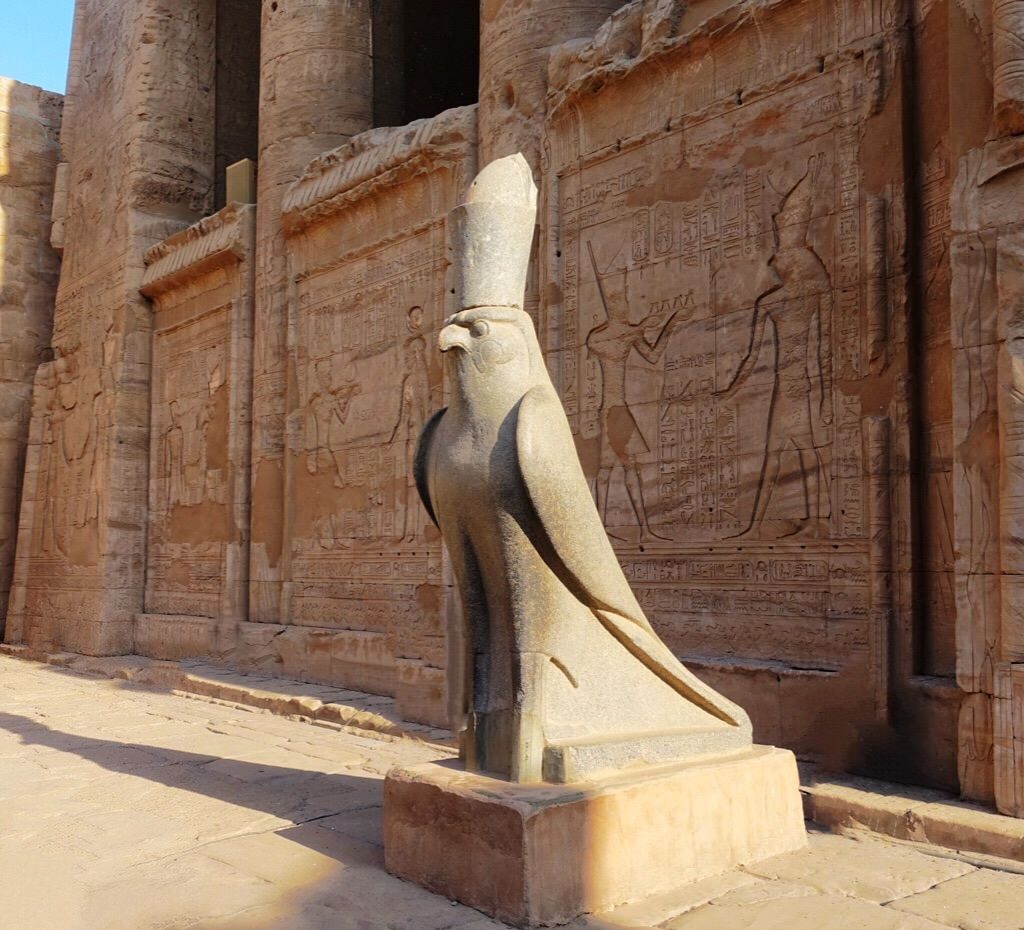
The Preservation and Rediscovery of Edfu Temple

6. Nile Cruise Option

A Nile cruise is one of the most popular ways to experience Egypt and can easily be incorporated into this itinerary. Rather than traveling between Luxor and Aswan by road, rail, or domestic flight, many visitors choose to spend several days cruising along the Nile while enjoying sightseeing, accommodation, dining, and transportation in a single package.

One of the greatest advantages of a Nile cruise is convenience. Travelers unpack only once while moving comfortably between some of Egypt’s most important archaeological sites. Most cruises include guided visits to attractions such as Karnak Temple, Luxor Temple, Edfu Temple, Kom Ombo Temple, and Philae Temple, allowing passengers to explore these remarkable locations with expert guidance.

The cruise itself becomes part of the experience. Passengers can relax on deck, enjoy views of traditional villages, agricultural landscapes, and desert scenery, and appreciate the beauty of the Nile Valley from a unique perspective. The slower pace provides a welcome contrast to the busy sightseeing schedules often associated with land-based itineraries.

Cruises are available in a variety of styles and price ranges, from comfortable standard vessels to luxury ships offering premium services and amenities. This flexibility makes Nile cruises suitable for many different travel preferences and budgets.

For first-time visitors, a Nile cruise is often considered one of the most memorable ways to experience Egypt and remains a highly recommended addition to any itinerary.

7. Transportation Between Destinations

Efficient transportation is one of the key reasons this itinerary works so well for first-time visitors. Egypt offers several transportation options, allowing travelers to move between destinations comfortably while maximizing sightseeing time and minimizing unnecessary travel stress.

Domestic flights are generally the fastest and most convenient way to travel between Cairo, Luxor, and Aswan. Short flight times allow visitors to spend more time exploring attractions and less time in transit. For travelers with limited vacation time, flying is often the most practical option.

Trains provide another popular method of transportation, particularly between Cairo, Luxor, and Aswan. Many visitors enjoy train travel because it offers a scenic journey through the Nile Valley while providing a comfortable alternative to flying. Overnight trains can also help save valuable daytime sightseeing hours.

Private transfers are commonly used for shorter journeys and sightseeing excursions. They offer flexibility, comfort, and the convenience of door-to-door transportation, making them especially popular among families and travelers seeking a more personalized experience.

As mentioned previously, Nile cruises combine transportation and sightseeing into a single experience and represent one of the most enjoyable ways to travel between Luxor and Aswan.

By choosing the transportation options that best match their schedule, budget, and travel style, visitors can move smoothly between destinations and make the most of their time in Egypt.

8. Where to Stay

Choosing the right accommodation can significantly enhance your experience in Egypt, especially during a first visit. Fortunately, Cairo, Luxor, and Aswan offer a wide range of accommodation options suitable for different budgets, travel styles, and personal preferences. From luxury hotels overlooking the Nile to comfortable boutique properties and budget-friendly guesthouses, travelers can find options that match their needs throughout the itinerary.

In Cairo, many first-time visitors prefer staying near the Giza Plateau or along the Nile River. Hotels near the pyramids provide convenient access to Egypt’s most famous attraction and often offer spectacular views of the monuments. Properties in central Cairo or along the Nile, on the other hand, provide easier access to museums, restaurants, historic districts, and other urban attractions.

In Luxor, accommodations are commonly located on either the East Bank or the West Bank of the Nile. The East Bank is generally the most popular choice because it offers convenient access to restaurants, shops, transportation services, Karnak Temple, and Luxor Temple. The West Bank provides a quieter atmosphere and is closer to attractions such as the Valley of the Kings and several important archaeological sites.

Aswan is known for its scenic riverside hotels and relaxed atmosphere. Many visitors choose accommodations overlooking the Nile, allowing them to enjoy beautiful views, peaceful surroundings, and easy access to local attractions. Boutique hotels, traditional guesthouses, and luxury resorts are all available depending on individual preferences.

Regardless of destination, booking accommodations in advance is highly recommended, particularly during peak travel seasons. Selecting well-located hotels can reduce travel time, improve convenience, and contribute significantly to the overall enjoyment of the itinerary.

For first-time visitors, comfort, location, and reliable service are often the most important factors when choosing where to stay. A carefully selected hotel can serve as the perfect base for exploring Egypt’s extraordinary historical and cultural treasures.

9. Best Time to Follow This Itinerary

One of the most common questions first-time visitors ask is when to visit Egypt. While the country can be explored throughout the year, certain seasons offer more comfortable conditions for sightseeing and outdoor activities. Choosing the right time can significantly enhance the overall travel experience, especially when visiting archaeological sites that involve extensive walking.

For most travelers, the best time to follow this itinerary is between October and April. During these months, temperatures are generally milder, making it more comfortable to explore outdoor attractions such as the Pyramids of Giza, Karnak Temple, the Valley of the Kings, and Abu Simbel. Pleasant weather also allows visitors to spend more time sightseeing without the intense heat often experienced during the summer months.

The winter season is particularly popular among international tourists, resulting in larger visitor numbers at major attractions. However, the comfortable climate often outweighs the increase in crowds. Travelers who prefer fewer tourists may find that the shoulder seasons provide an excellent balance between weather and visitor numbers.

While summer travel is certainly possible, temperatures in Upper Egypt, especially around Luxor and Aswan, can become extremely high during the middle of the day. Visitors traveling during this period should plan early morning sightseeing and remain well hydrated throughout their trip.

Regardless of the season, Egypt offers remarkable experiences year-round. Proper planning and realistic expectations help ensure a rewarding visit at any time of year.

10. Tips for First-Time Visitors

A few practical travel tips can make a significant difference for first-time visitors exploring Egypt. Understanding local customs, transportation options, and daily travel realities helps travelers avoid common frustrations and enjoy a smoother overall experience.

One of the most valuable recommendations is to begin sightseeing early whenever possible. Many of Egypt’s most famous attractions are outdoor sites, and visiting during the morning often means cooler temperatures, fewer crowds, and better lighting conditions for photography.

Carrying small cash notes is another useful habit. While cards are widely accepted in many hotels and larger establishments, cash remains important for local purchases, transportation, markets, and tipping. Understanding local tipping customs before arrival can also help visitors feel more comfortable throughout their trip.

Travelers should dress comfortably while remaining respectful of local traditions, particularly when visiting religious sites. Lightweight clothing, comfortable walking shoes, sunscreen, and sun protection are essential for most itineraries.

Flexibility is equally important. Traffic conditions, transportation schedules, and minor itinerary adjustments are part of travel in Egypt. Visitors who remain patient and adaptable often enjoy a far more relaxed and rewarding experience.

Finally, travelers should take time to enjoy local food, interact with residents, and embrace unexpected experiences. Some of the most memorable moments occur outside the major tourist attractions and provide valuable insight into everyday Egyptian life.

11. Suggested Budget

One of Egypt’s greatest advantages as a travel destination is its ability to accommodate a wide range of budgets. Whether travelers are seeking luxury experiences, mid-range comfort, or budget-friendly adventures, Egypt offers options suitable for nearly every travel style.

Budget-conscious travelers can often enjoy Egypt at a relatively affordable cost by choosing modest accommodations, local restaurants, public transportation, and independently arranged sightseeing. This approach allows visitors to experience many of the country’s highlights while keeping expenses manageable.

Mid-range travelers typically enjoy a balance of comfort and value. Well-located hotels, domestic flights, private transportation for certain excursions, and guided tours can significantly enhance convenience while remaining reasonably priced compared to many international destinations.

Luxury travelers have access to some of the finest hotels, Nile cruises, private guides, premium transportation services, and exclusive experiences available in the region. Egypt’s luxury travel sector provides exceptional value when compared with similar experiences in many other countries.

Additional costs to consider include entrance fees, domestic transportation, optional excursions, meals, tipping, and personal shopping. Travelers should also allocate funds for unique experiences such as a Nile cruise, Abu Simbel excursion, or special cultural activities if these are part of the itinerary.

By planning according to personal preferences and travel priorities, visitors can create an Egyptian journey that fits their budget while still enjoying the country’s remarkable historical and cultural treasures.

12. Conclusion: The Best Egypt Itinerary for First-Time Visitors

For first-time travelers, Egypt can feel overwhelming because of the sheer number of incredible attractions spread across the country. From the Pyramids of Giza and the treasures of Cairo to the magnificent temples of Luxor and the scenic beauty of Aswan, there is no shortage of places worth visiting. This is precisely why a carefully planned itinerary is so important. It allows visitors to experience Egypt’s most famous highlights while maintaining a comfortable pace and avoiding unnecessary travel stress.

The itinerary outlined in this guide focuses on Cairo, Luxor, and Aswan because these three destinations provide the most complete introduction to Egypt. Together, they showcase the country’s ancient civilization, cultural heritage, natural beauty, and modern identity. Travelers can stand before the last surviving Wonder of the Ancient World, explore royal tombs hidden beneath desert hills, cruise along the Nile, and experience traditions that continue to shape Egyptian life today.

One of the greatest advantages of this itinerary is its balance. It combines world-famous archaeological sites with opportunities to relax, enjoy local cuisine, interact with local communities, and appreciate the landscapes that have influenced Egyptian civilization for thousands of years. Rather than rushing from one destination to another, visitors have enough time to enjoy meaningful experiences and create lasting memories.

The itinerary is also flexible enough to suit different travel styles. Whether you prefer luxury hotels, budget-friendly accommodations, guided tours, independent exploration, or a Nile cruise, the route can be adjusted to match your interests and preferences. Optional experiences such as Abu Simbel and Nubian cultural visits allow travelers to personalize the journey even further.

Most importantly, this itinerary helps first-time visitors experience the essence of Egypt. While no single trip can cover everything the country has to offer, this route includes the attractions and experiences that consistently leave the strongest impressions on travelers from around the world.

Frequently Asked Questions

For most first-time visitors, the best itinerary includes Cairo, Luxor, and Aswan. These destinations combine Egypt’s most famous monuments, cultural experiences, and scenic landscapes.

Seven to ten days is generally considered ideal for a first visit. This allows enough time to explore Cairo, Luxor, and Aswan without feeling rushed.


Yes. Many travelers consider a Nile cruise one of the highlights of their trip because it combines transportation, accommodation, sightseeing, and beautiful scenery.

If time and budget allow, Abu Simbel is highly recommended. It is one of Egypt’s most impressive archaeological sites and is often a highlight of southern Egypt.

Absolutely. The itinerary works well for both independent travelers and those who prefer guided tours, and it can easily be customized based on personal interests and travel preferences.