
Welcome to

Top 25 Things to Do in Egypt for First-Time Visitors

Egypt is one of the world’s most remarkable travel destinations, offering visitors an extraordinary combination of ancient history, vibrant culture, breathtaking landscapes, and unforgettable experiences. For thousands of years, travelers have been drawn to Egypt by its legendary monuments, fascinating stories, and unique position as the home of one of the greatest civilizations in human history. Today, the country continues to inspire millions of visitors who arrive each year to explore its iconic attractions and discover the wonders that have captivated people for generations.

For first-time visitors, planning a trip to Egypt can be both exciting and overwhelming. The country is filled with world-famous landmarks, historical treasures, natural beauty, and cultural experiences that make it difficult to decide where to begin. From the towering Pyramids of Giza and the mysterious Great Sphinx to the magnificent temples of Luxor and the tranquil waters of the Nile River, Egypt offers an incredible variety of attractions that appeal to history lovers, adventure seekers, photographers, families, and cultural explorers alike.

One of the reasons Egypt remains such a popular destination is the diversity of experiences available within a single trip. Visitors can spend one day exploring ancient tombs that are thousands of years old and the next relaxing on the beaches of the Red Sea. They can wander through bustling traditional markets, cruise along the Nile aboard a luxury river ship, dive among colorful coral reefs, or discover remote desert landscapes unlike anywhere else on Earth. Few destinations offer such a wide range of activities while maintaining such a strong connection to their historical heritage.

The country’s archaeological sites are undoubtedly among its greatest attractions. Egypt is home to some of the world’s most significant monuments, including temples, pyramids, tombs, statues, and museums that preserve the legacy of pharaohs who ruled thousands of years ago. However, limiting Egypt to its ancient history alone would overlook much of what makes the country special. Modern Egypt is equally fascinating, with lively cities, welcoming people, delicious cuisine, and cultural traditions that continue to shape everyday life.

Because there is so much to see and do, many first-time visitors struggle to determine which experiences should receive priority. While it is impossible to see everything in a single trip, focusing on the most rewarding attractions helps travelers build a balanced itinerary that showcases the best of Egypt. Whether you are planning a short vacation or a longer adventure, certain destinations and activities consistently rank among the highlights of any Egyptian journey.

In this guide, we explore the Top 25 Things to Do in Egypt for First-Time Visitors. These experiences represent the perfect introduction to the country’s history, culture, natural beauty, and modern attractions. From ancient wonders and world-famous museums to Nile cruises, desert adventures, and Red Sea escapes, these are the experiences that should be at the top of every first-time visitor’s Egypt bucket list.

the Pyramids

1. Visit the Pyramids of Giza

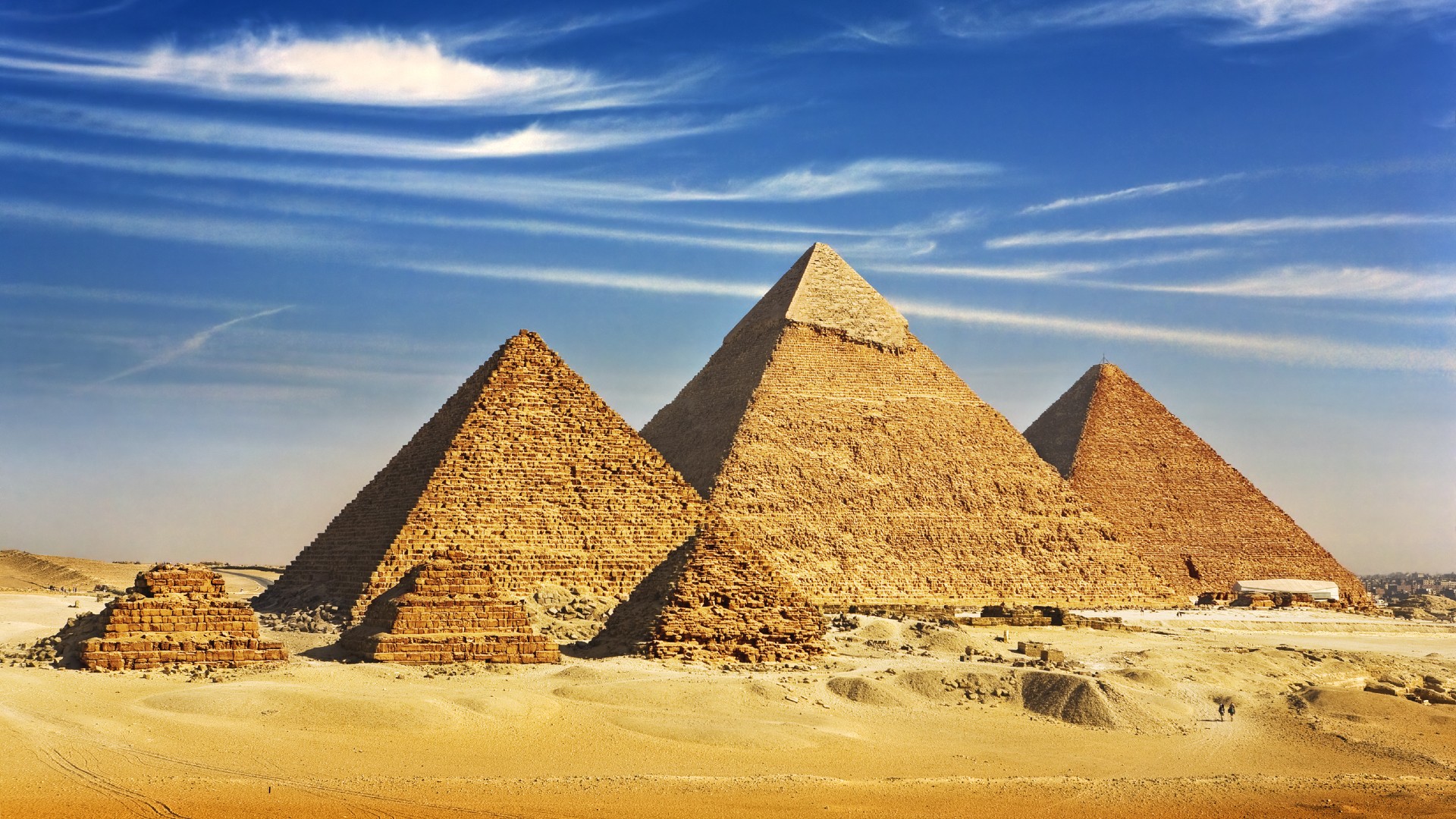
No first trip to Egypt is complete without visiting the Pyramids of Giza, one of the most famous archaeological sites in the world and home to the last surviving wonder of the Ancient World. Located just outside Cairo, the Giza Plateau attracts millions of visitors each year who come to witness these extraordinary monuments that have stood for more than 4,500 years.

The site is home to the Great Pyramid of Khufu, the Pyramid of Khafre, and the Pyramid of Menkaure. The Great Pyramid, the largest of the three, remains one of the most remarkable engineering achievements in human history. Despite centuries of research, many aspects of its construction continue to fascinate archaeologists and historians.

Visitors can walk around the pyramids, admire their massive scale, and explore the surrounding archaeological complex. Many travelers choose to enter one of the pyramids to experience its interior passageways and gain a deeper appreciation for the skills of the ancient builders.

The Giza Plateau also offers several panoramic viewpoints where visitors can enjoy breathtaking views of all three pyramids against the backdrop of the desert. These locations provide some of the most iconic photography opportunities in Egypt.

For first-time visitors, the Pyramids of Giza represent far more than a tourist attraction. They are a powerful symbol of Egypt’s ancient civilization and one of the most unforgettable experiences the country has to offer.
2. See the Great Sphinx

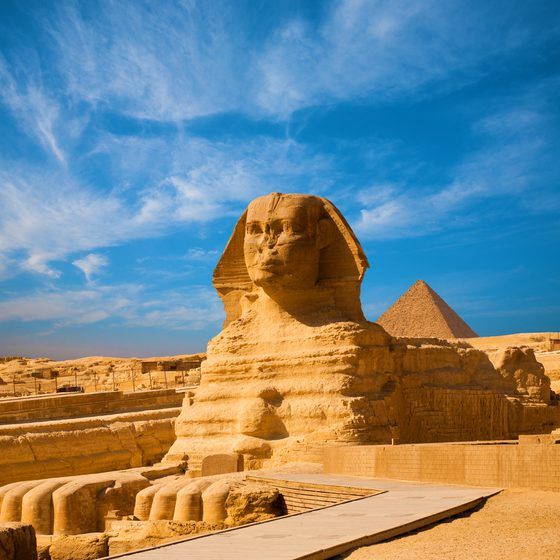
Standing guard beside the pyramids, the Great Sphinx is one of Egypt’s most recognizable and mysterious monuments. Carved from a single limestone outcrop, this colossal statue features the body of a lion and the head of a pharaoh, symbolizing strength, wisdom, and royal authority. For thousands of years, it has watched over the Giza Plateau and remained one of the most iconic symbols of Ancient Egypt.

Most historians believe the Sphinx was constructed during the reign of Pharaoh Khafre around 2500 BCE. Despite centuries of study, many questions about its purpose, construction, and symbolism remain unanswered. These mysteries continue to fascinate archaeologists and travelers alike, making the monument one of Egypt’s most intriguing historical landmarks.

Visitors are often surprised by the sheer scale of the Sphinx when viewed up close. Standing near the monument allows travelers to appreciate the craftsmanship and engineering skills required to create such an impressive structure from a single piece of limestone. The surrounding area also offers excellent viewpoints for photography and sightseeing.

Guided tours provide valuable insight into the history of the Sphinx, its connection to the nearby pyramids, and the various legends that have developed around it over the centuries. Many guides also explain the ongoing restoration and preservation efforts that help protect this ancient masterpiece.

For first-time visitors, seeing the Great Sphinx is an unforgettable experience. Its mysterious expression, remarkable history, and enduring presence make it one of the most important attractions on the Giza Plateau and a highlight of any trip to Egypt.
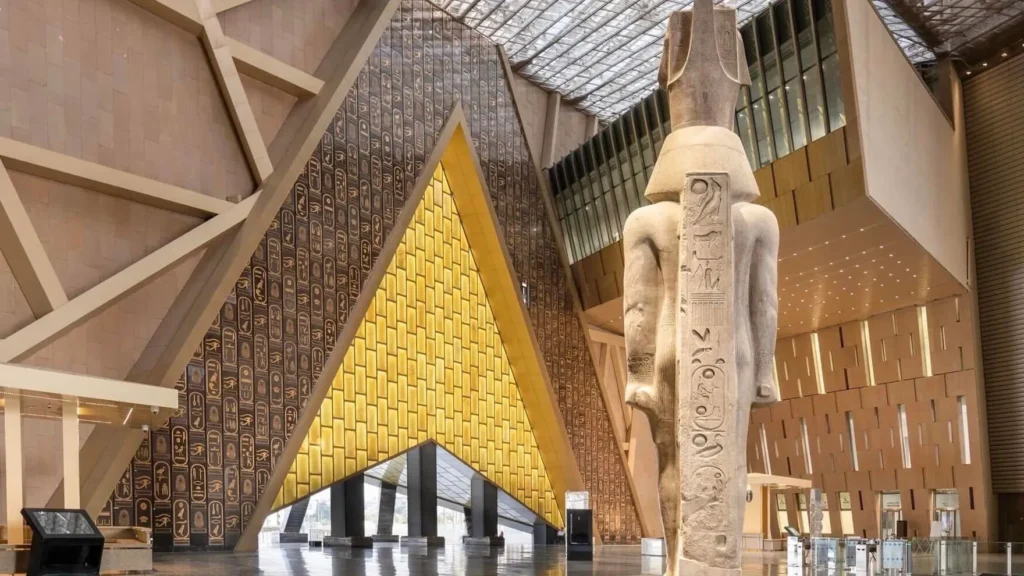
The Grand Egyptian Museum

3. Explore the Grand Egyptian Museum

The Grand Egyptian Museum is one of the most important cultural attractions in Egypt and a must-visit destination for first-time travelers. As the largest archaeological museum dedicated to a single civilization, it houses an extraordinary collection of artifacts that tell the story of Ancient Egypt across thousands of years.

Visitors can admire colossal statues, royal treasures, ancient tools, beautifully preserved artifacts, and countless objects that reveal how Egyptians lived, ruled, worshipped, and built one of history’s greatest civilizations. The museum provides a modern and immersive experience that complements visits to Egypt’s archaeological sites.

One of the museum’s most anticipated highlights is the extensive collection associated with King Tutankhamun. These treasures provide remarkable insight into the life and burial of the famous young pharaoh whose tomb became one of the greatest archaeological discoveries of all time.

Beyond the exhibits themselves, the museum’s impressive architecture and world-class facilities make it an attraction in its own right. Its location near the Pyramids of Giza allows visitors to combine two of Egypt’s most iconic experiences in a single day.

For anyone seeking a deeper understanding of Ancient Egypt, the Grand Egyptian Museum offers an unforgettable journey through one of the world’s most influential civilizations.
4. Take a Nile Cruise

A Nile Cruise is one of the most memorable experiences for first-time visitors to Egypt and is often considered one of the best ways to explore the country’s ancient heritage. For centuries, the Nile River has been the lifeblood of Egypt, shaping its civilization, agriculture, trade, and culture. Today, cruising along this legendary river allows travelers to experience many of Egypt’s greatest historical treasures while enjoying comfort, relaxation, and spectacular scenery.

Most Nile cruises operate between Luxor and Aswan, passing through some of the most important archaeological sites in the country. Along the journey, travelers can visit magnificent temples, ancient tombs, and historical monuments that reveal the story of Egypt’s powerful pharaohs and remarkable civilization. Popular stops often include Karnak Temple, Luxor Temple, the Temple of Horus at Edfu, Kom Ombo Temple, and the Temple of Philae in Aswan.

One of the greatest advantages of a Nile cruise is convenience. Instead of repeatedly packing and unpacking while traveling between destinations, visitors enjoy comfortable accommodations while the ship transports them from one attraction to another. Many cruises also include guided excursions led by professional Egyptologists who provide valuable historical insight throughout the journey.

Beyond the historical attractions, the cruise itself is a highlight. Passengers can relax on deck while watching traditional villages, palm groves, farmland, and desert landscapes pass by along the riverbanks. The peaceful atmosphere offers a unique perspective on modern Egyptian life that many travelers find just as fascinating as the ancient monuments.

For first-time visitors, a Nile cruise combines history, culture, relaxation, and scenic beauty into a single unforgettable experience. It remains one of the most popular activities in Egypt and is often considered a highlight of any journey through the country.

5. Visit the Valley of the Kings

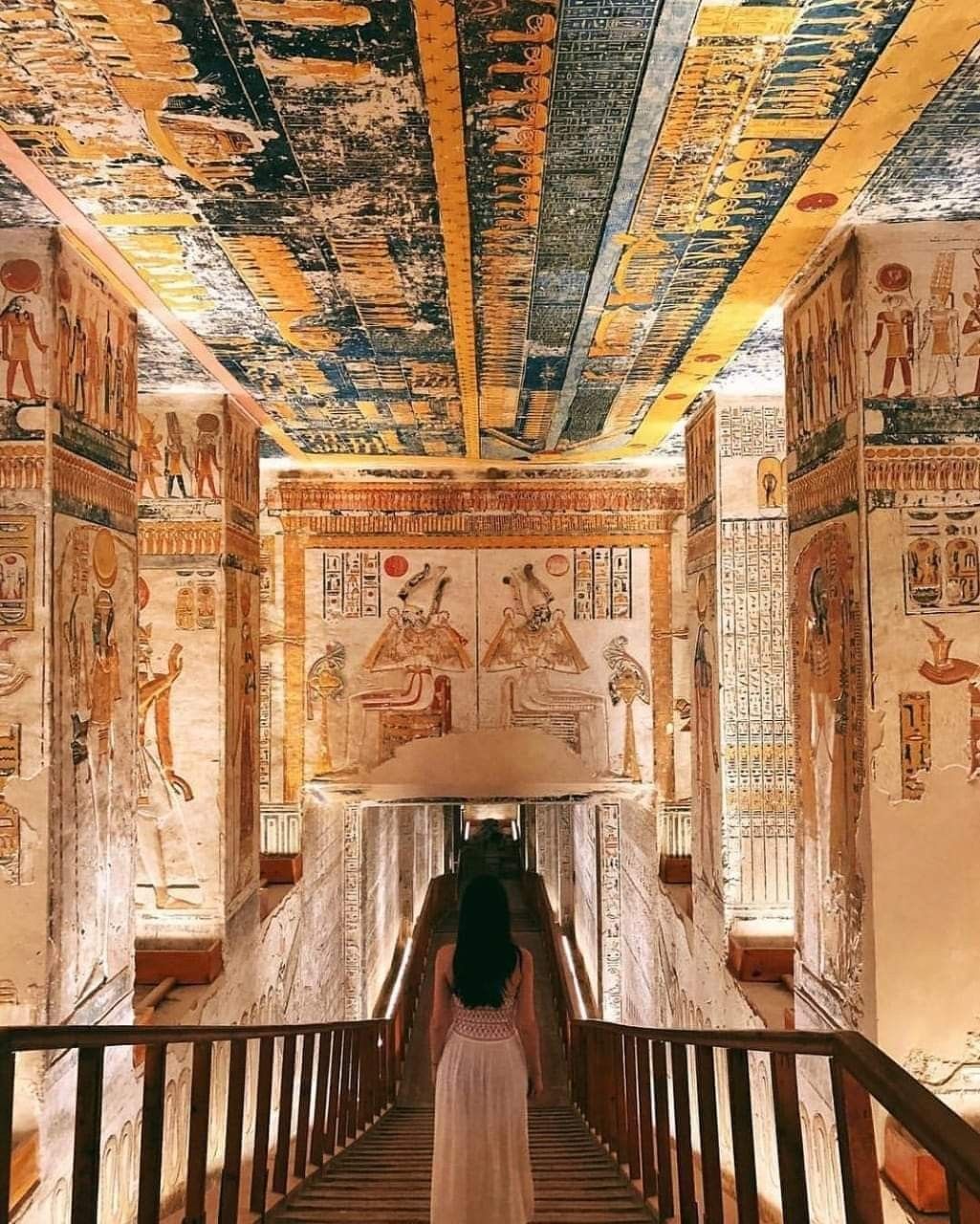
The Valley of the Kings is one of the most important archaeological sites in Egypt and a must-visit destination for first-time travelers. Located on the west bank of the Nile near Luxor, this ancient royal burial ground served as the final resting place for many of Egypt’s most powerful pharaohs during the New Kingdom period. Hidden among the desert hills, the valley contains dozens of tombs filled with remarkable artwork, religious texts, and fascinating historical treasures.

For centuries, Egypt’s rulers abandoned pyramid burials in favor of these hidden tombs, hoping to protect their treasures from grave robbers. Although many tombs were eventually discovered, the Valley of the Kings still provides extraordinary insight into Ancient Egyptian beliefs about the afterlife, death, and immortality.

The most famous tomb in the valley belongs to King Tutankhamun, whose nearly intact burial chamber became one of the greatest archaeological discoveries in history. Visitors can also explore several other beautifully decorated tombs featuring colorful wall paintings that remain remarkably well preserved after thousands of years.

Walking through the valley allows travelers to experience one of the most significant royal cemeteries ever created. Combined with expert guidance from Egyptologists, a visit to the Valley of the Kings offers a deeper understanding of Egypt’s royal history and remains one of the highlights of any trip to Luxor.

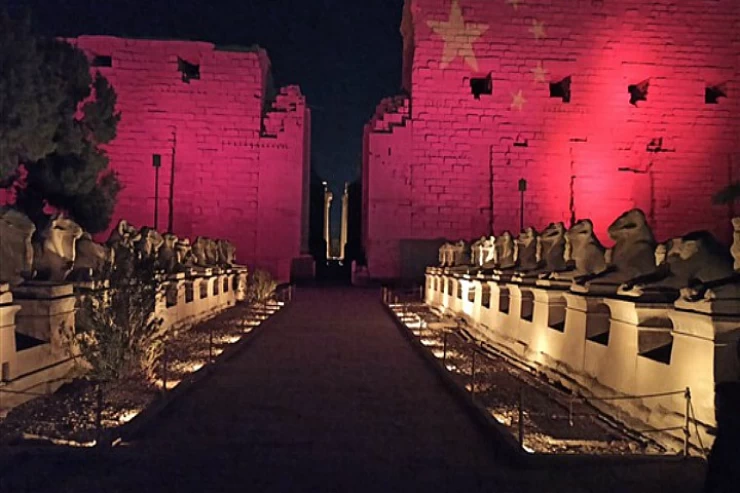
Karnak-Temple

6. Explore Karnak Temple

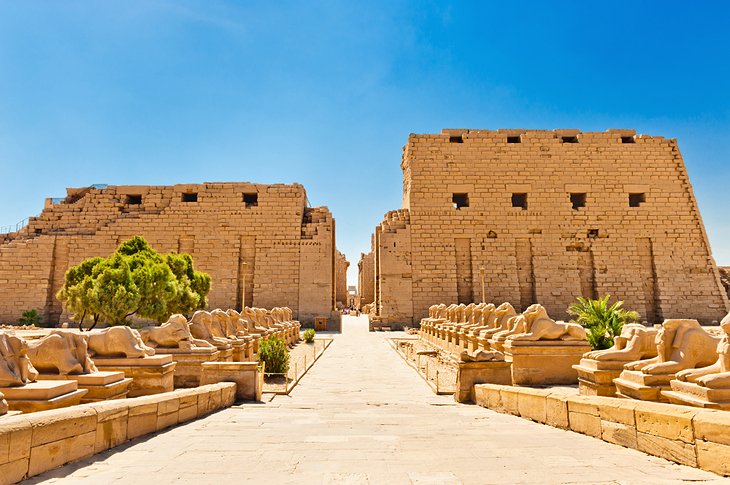
Karnak Temple is one of the largest and most impressive religious complexes ever constructed and stands among the greatest architectural achievements of Ancient Egypt. Located in Luxor, this vast temple complex was developed over a period of more than two thousand years and served as an important center of worship dedicated primarily to the god Amun.

Visitors entering Karnak are immediately struck by its immense scale. The complex features towering columns, massive statues, obelisks, sacred lakes, and beautifully carved walls that showcase the artistic and engineering skills of Ancient Egyptian builders. Every section of the temple reveals evidence of contributions made by successive generations of pharaohs.

One of the most famous areas is the Great Hypostyle Hall, a breathtaking forest of enormous stone columns that creates one of the most memorable scenes in Egypt. The sheer size and detail of these structures leave a lasting impression on visitors from around the world.

Exploring Karnak Temple provides a fascinating glimpse into the religious, political, and cultural life of Ancient Egypt. Professional guides help explain the symbolism behind the carvings and inscriptions while bringing the history of the temple to life.

For first-time visitors, Karnak Temple is an essential stop and one of the most extraordinary monuments in Egypt.

The Lake Nasser Abu Simbel

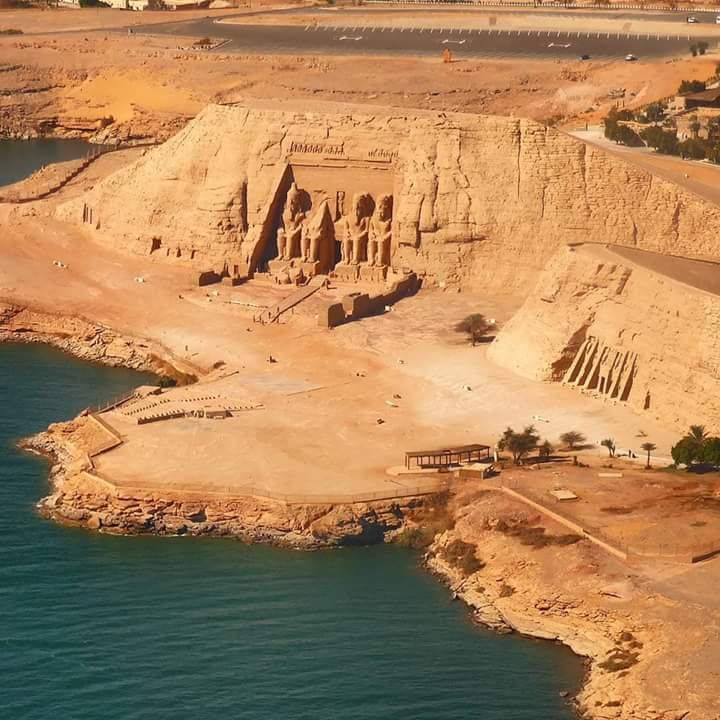
7. Visit Abu Simbel

Abu Simbel is one of Egypt’s most spectacular archaeological sites and a destination that many travelers consider the highlight of their journey. Located in southern Egypt near the border with Sudan, these magnificent temples were commissioned by Pharaoh Ramesses II and are among the most impressive monuments ever built during the pharaonic era.

The site consists of two rock-cut temples carved directly into a mountainside. The larger temple is dedicated to Ramesses II and is famous for its colossal statues that guard the entrance. The smaller temple was dedicated to Queen Nefertari and remains one of the most beautiful monuments honoring a royal wife in Ancient Egyptian history.

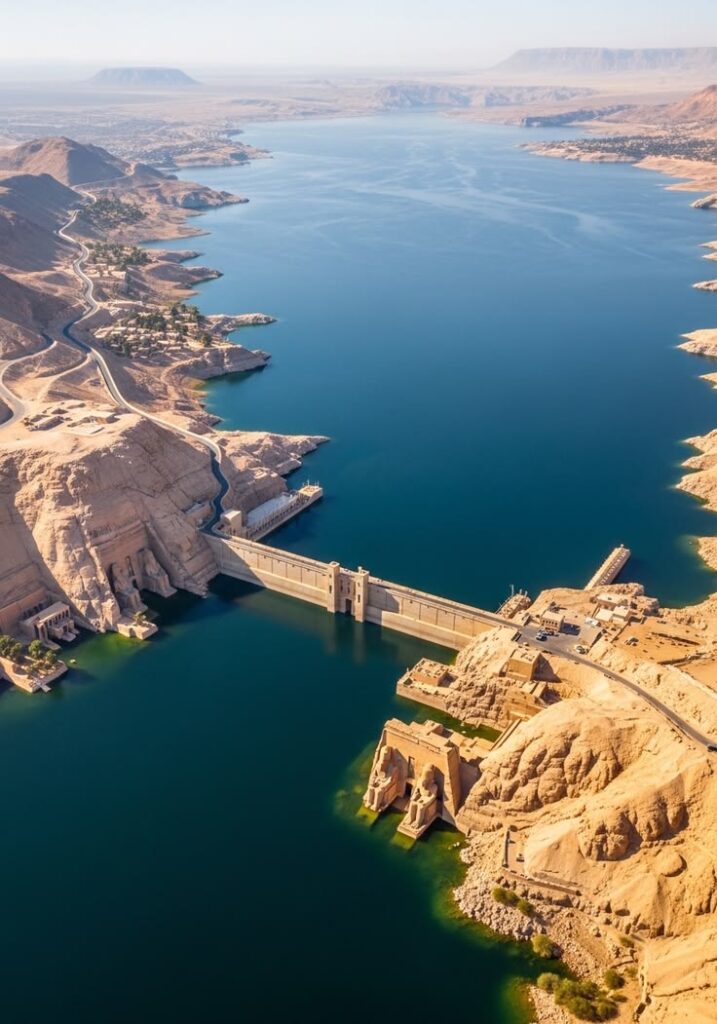
Abu Simbel is remarkable not only for its architecture but also for its dramatic rescue during the twentieth century. When the construction of the Aswan High Dam threatened to submerge the temples beneath Lake Nasser, an international effort successfully relocated the entire complex to higher ground.

Visitors are often amazed by the scale, craftsmanship, and historical significance of the site. The interior chambers contain impressive carvings and inscriptions that celebrate the achievements of Ramesses II and reveal important aspects of Ancient Egyptian religion and royal power.

For first-time visitors, Abu Simbel offers one of the most unforgettable experiences in Egypt and stands as a testament to both ancient ingenuity and modern preservation efforts.

8. Discover Saqqara

While the Pyramids of Giza attract most of the attention, Saqqara is one of Egypt’s most important archaeological sites and a destination that should not be missed by first-time visitors. Located south of Cairo, Saqqara served as the vast necropolis of the ancient city of Memphis for thousands of years and contains some of the earliest and most significant monuments in Egyptian history.

The highlight of the site is the Step Pyramid of Djoser, widely regarded as the world’s first large-scale stone building and the earliest true pyramid ever constructed. Designed by the legendary architect Imhotep during the Third Dynasty, this revolutionary structure marked a major turning point in the development of monumental architecture and paved the way for the later pyramids at Giza.

Beyond the Step Pyramid, Saqqara contains numerous tombs, temples, burial chambers, and archaeological discoveries that provide valuable insight into the evolution of Ancient Egyptian civilization. Many of the tombs feature remarkably preserved wall paintings and inscriptions that depict scenes of daily life, religious ceremonies, and funerary rituals from thousands of years ago.

One of the most fascinating attractions at Saqqara is the Serapeum, an underground complex that housed the sacred Apis bulls. Visitors can also explore recently discovered tombs and restoration projects that continue to reveal new information about Egypt’s ancient past.

Compared to Giza, Saqqara is often less crowded, allowing travelers to enjoy a more relaxed and immersive experience. For history enthusiasts and first-time visitors alike, Saqqara offers an extraordinary opportunity to witness the origins of pyramid construction and gain a deeper appreciation for Egypt’s remarkable archaeological heritage.

9. Explore Islamic Cairo

Islamic Cairo is one of the most fascinating districts in Egypt and offers visitors the opportunity to explore centuries of history, culture, and architectural achievement. Recognized as one of the largest collections of historic Islamic monuments in the world, this remarkable area showcases the legacy of the dynasties that shaped Cairo over hundreds of years.

Walking through the narrow streets of Islamic Cairo feels like stepping back in time. Visitors can admire magnificent mosques, ancient city gates, historic schools, traditional houses, and beautifully preserved buildings that reflect the artistic and cultural achievements of various Islamic periods. The district is particularly famous for its stunning architecture, intricate stonework, and towering minarets.

Many travelers choose to visit landmarks such as Al-Muizz Street, one of the oldest streets in Cairo, where some of the city’s most important monuments are located. Exploring the area with a knowledgeable guide helps visitors better understand the historical significance of these sites and the role they played in Cairo’s development.

Beyond its monuments, Islamic Cairo remains a vibrant living community where traditional markets, local cafés, and artisan workshops continue to thrive. This unique combination of history and everyday life creates an unforgettable cultural experience for visitors.

For first-time travelers, Islamic Cairo offers a fascinating contrast to Egypt’s ancient archaeological sites and provides valuable insight into another important chapter of the country’s rich heritage.

Coptic cairo

10. Visit Coptic Cairo

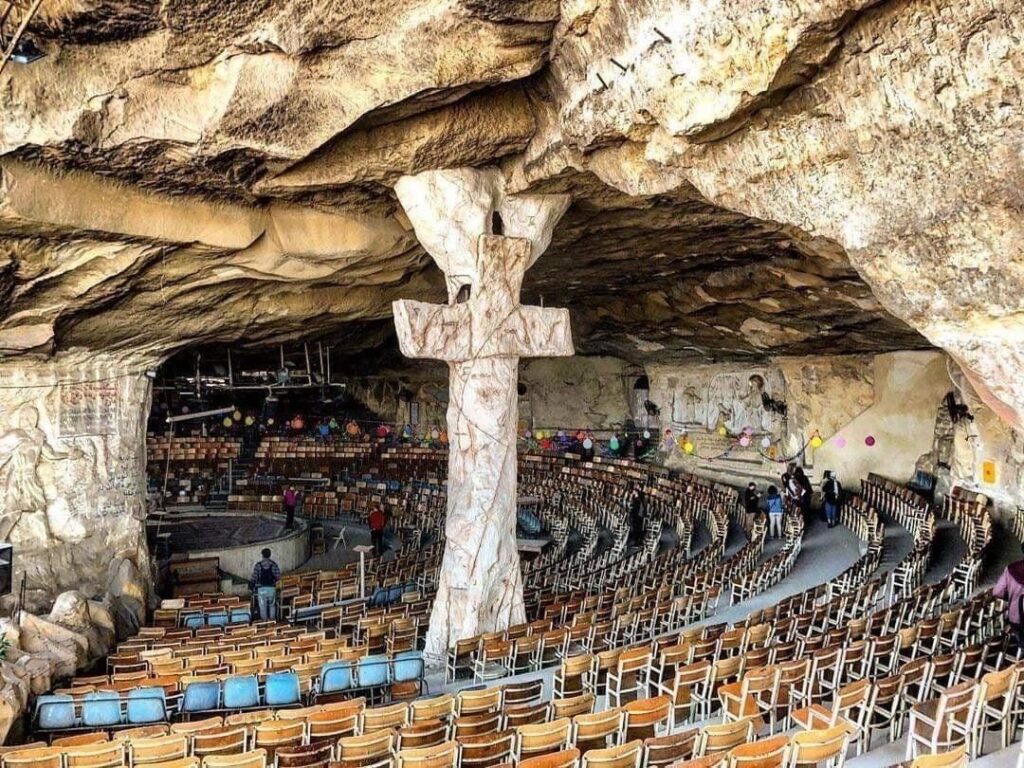
Coptic Cairo is one of the oldest parts of the city and an important destination for travelers interested in Egypt’s religious history. This historic district preserves a remarkable collection of churches, monasteries, and sacred sites that highlight the country’s long Christian heritage.

The area is best known for its ancient churches, including the famous Hanging Church, which is considered one of the most important Christian landmarks in Egypt. Built above the remains of a Roman fortress, the church is admired for its beautiful architecture, religious significance, and impressive collection of icons.

Visitors can also explore other historic churches and religious sites that have played important roles in the development of Christianity in Egypt. Many of these locations contain valuable artifacts, manuscripts, and artwork that offer insight into centuries of religious tradition.

The peaceful atmosphere of Coptic Cairo provides a welcome contrast to the busy streets of modern Cairo. Walking through its narrow lanes allows travelers to experience a quieter side of the city while learning about an important aspect of Egypt’s cultural and religious identity.

For first-time visitors seeking a broader understanding of Egypt beyond the pharaohs, Coptic Cairo offers a rewarding and educational experience that reveals another layer of the country’s fascinating history.

11. Shop at Khan El Khalili Bazaar

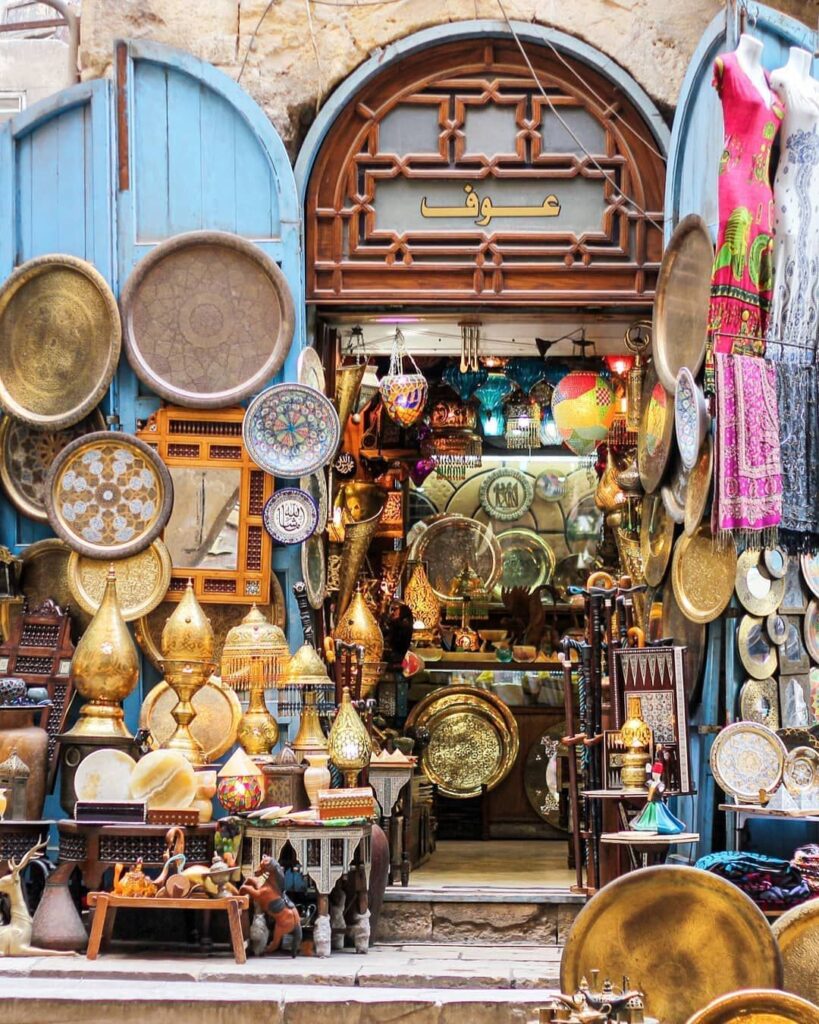
Khan El Khalili is one of the most famous markets in the Middle East and one of Cairo’s most popular attractions. For centuries, this historic bazaar has served as a center of commerce, culture, and social life, attracting merchants, travelers, and locals from across the region.

Walking through the market is an unforgettable experience. The narrow alleyways are filled with colorful shops selling jewelry, spices, perfumes, lanterns, textiles, handicrafts, souvenirs, and traditional artwork. The sights, sounds, and aromas create a vibrant atmosphere that reflects the energy of Cairo itself.

Many visitors come to Khan El Khalili not only for shopping but also for the opportunity to experience local culture. Traditional cafés, historic buildings, and bustling streets offer excellent opportunities to observe daily life and interact with local residents.

Bargaining is a common part of the shopping experience, and many travelers enjoy negotiating prices while searching for unique souvenirs to take home. Whether purchasing handmade crafts or simply exploring the lively surroundings, visitors are immersed in one of Cairo’s most authentic environments.

For first-time travelers, Khan El Khalili provides a memorable blend of history, culture, shopping, and entertainment. It remains one of the best places to experience the atmosphere of traditional Cairo and is an essential stop on any visit to Egypt.

12. Take a Hot Air Balloon Ride in Luxor

A hot air balloon ride over Luxor is widely considered one of the most spectacular experiences in Egypt and a highlight for many first-time visitors. Floating high above the Nile Valley at sunrise provides a unique perspective on some of the country’s most famous archaeological sites while offering breathtaking views that cannot be experienced from the ground.

Most balloon flights begin before sunrise, when passengers gather on the west bank of the Nile and prepare for takeoff. As the balloon gradually rises into the morning sky, travelers are rewarded with panoramic views of Luxor’s temples, villages, farmland, desert landscapes, and ancient monuments. The peaceful atmosphere and golden light of dawn create a truly unforgettable experience.

One of the most remarkable aspects of the flight is the opportunity to view the Valley of the Kings, the Valley of the Queens, and other important archaeological sites from above. The contrast between the fertile green fields of the Nile Valley and the surrounding desert landscape highlights the geography that shaped Ancient Egyptian civilization for thousands of years.

The ride itself is smooth and relaxing, making it suitable for a wide range of travelers. Professional operators prioritize safety while ensuring that passengers enjoy a comfortable and memorable journey. The experience typically lasts between forty-five minutes and one hour, depending on weather conditions.

Photography enthusiasts particularly appreciate the opportunity to capture stunning aerial views of Luxor during the early morning hours. The changing colors of the sunrise combined with the historic landscape create some of the most beautiful images possible in Egypt.

For first-time visitors, a hot air balloon ride offers a perfect combination of adventure, scenery, and history. It provides a unique way to appreciate the beauty of Luxor and is often remembered as one of the most magical experiences of an Egyptian journey.

Island Tours from

13. Relax in Hurghada

Hurghada is one of Egypt’s most popular resort destinations and an ideal place for first-time visitors looking to combine history with relaxation. Located along the Red Sea coast, the city is famous for its beautiful beaches, crystal-clear waters, year-round sunshine, and excellent tourism infrastructure.

Many travelers choose Hurghada as a break from sightseeing after exploring Cairo, Luxor, or Aswan. The city’s resorts offer a wide range of accommodations, from budget-friendly hotels to luxurious beachfront properties with world-class amenities. Visitors can spend their days relaxing by the sea, enjoying water sports, or simply soaking up the warm Egyptian sunshine.

Beyond its beaches, Hurghada is also known for its vibrant marine life and colorful coral reefs. Snorkeling, diving, boat trips, and island excursions are among the most popular activities. The calm waters and excellent visibility make it one of the best places in the world to explore the underwater environment of the Red Sea.

The city also offers restaurants, shopping areas, marinas, and entertainment venues that cater to international visitors. Whether you are seeking adventure or relaxation, Hurghada provides a refreshing contrast to Egypt’s archaeological sites.

For first-time visitors, spending a few days in Hurghada is an excellent way to experience another side of Egypt while enjoying one of the country’s most beautiful coastal destinations.

14. Visit Sharm El Sheikh

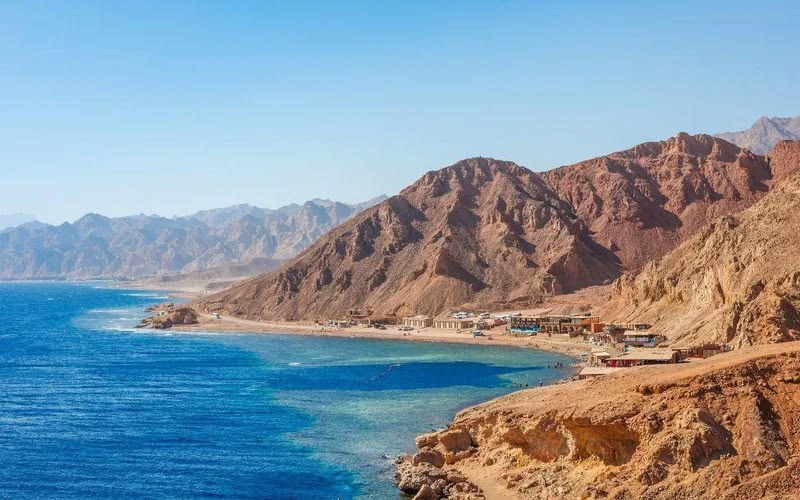
Sharm El Sheikh is one of Egypt’s premier beach destinations and a favorite among travelers seeking sun, sea, and outdoor adventure. Situated on the southern tip of the Sinai Peninsula, the resort city is internationally renowned for its spectacular coastline, luxury resorts, and exceptional diving opportunities.

The area offers stunning views of both the Red Sea and the surrounding desert mountains, creating a unique landscape unlike anywhere else in Egypt. Visitors can enjoy a variety of activities, including swimming, snorkeling, scuba diving, sailing, desert safaris, and boat excursions to nearby islands and marine parks.

One of Sharm El Sheikh’s greatest attractions is its remarkable underwater world. The coral reefs found throughout the region are considered among the most beautiful in the world and attract divers from across the globe. Even travelers with no diving experience can enjoy guided snorkeling trips and introductory diving programs.

The city is also known for its modern resorts, lively entertainment scene, international restaurants, and family-friendly atmosphere. Many visitors choose to spend several days here after touring Egypt’s historical attractions.

For first-time travelers, Sharm El Sheikh provides the perfect opportunity to relax, enjoy nature, and experience the beauty of the Red Sea while complementing the cultural and historical aspects of an Egyptian vacation.

15. Go Snorkeling in the Red Sea

Snorkeling in the Red Sea is one of the most unforgettable activities available in Egypt and a must-do experience for first-time visitors. The Red Sea is famous for its warm waters, exceptional visibility, and incredible biodiversity, making it one of the best snorkeling destinations in the world.

Whether departing from Hurghada, Sharm El Sheikh, Marsa Alam, or other coastal resorts, visitors can easily access spectacular coral reefs teeming with marine life. Colorful fish, sea turtles, coral gardens, and countless underwater species create an environment that feels almost otherworldly.

One of the reasons snorkeling is so popular is its accessibility. Unlike scuba diving, snorkeling requires minimal training and equipment, allowing travelers of all ages and experience levels to enjoy the underwater scenery. Many boat excursions provide equipment, guidance, and transportation to some of the region’s most impressive reef systems.

The crystal-clear water often allows visibility of several meters, making it easy to observe marine life in its natural habitat. Many visitors are amazed by the vibrant colors and diversity they encounter just below the surface.

For first-time visitors to Egypt, snorkeling in the Red Sea offers a completely different perspective on the country. It provides an exciting balance to the historical attractions and allows travelers to experience one of Egypt’s most beautiful natural treasures.

16. Explore Alexandria

Alexandria offers first-time visitors a completely different perspective on Egypt. Located along the Mediterranean coast, the city combines ancient history, cultural heritage, seaside charm, and a more relaxed atmosphere than Cairo. Founded by Alexander the Great in 331 BCE, Alexandria was once one of the most important cities in the ancient world and served as a center of learning, trade, and culture for centuries.

One of the city’s most famous historical associations is the legendary Library of Alexandria, which was considered the greatest center of knowledge in the ancient world. Today, visitors can explore the modern Bibliotheca Alexandrina, an impressive cultural institution that honors the legacy of the original library while serving as a major center for education, research, and international cooperation.

Alexandria is also home to several important historical attractions, including the Citadel of Qaitbay, which stands on the site where the ancient Lighthouse of Alexandria once existed. This famous lighthouse was one of the Seven Wonders of the Ancient World and played a vital role in guiding ships safely into the harbor.

Beyond its monuments, Alexandria is known for its beautiful waterfront promenade, Mediterranean views, seafood restaurants, historic cafés, and cosmopolitan atmosphere. Walking along the Corniche provides visitors with stunning coastal scenery and a chance to experience a different side of Egyptian life.

The city’s unique blend of Greek, Roman, Egyptian, and Mediterranean influences can be seen throughout its architecture, culture, and history. Visitors can also explore Roman catacombs, museums, palaces, and gardens that reveal Alexandria’s rich and diverse heritage.

For first-time travelers, Alexandria offers a refreshing contrast to Egypt’s desert landscapes and ancient temples. Its combination of history, culture, and seaside beauty makes it one of the most rewarding destinations to include in an Egyptian itinerary.

17. Visit the Citadel of Saladin

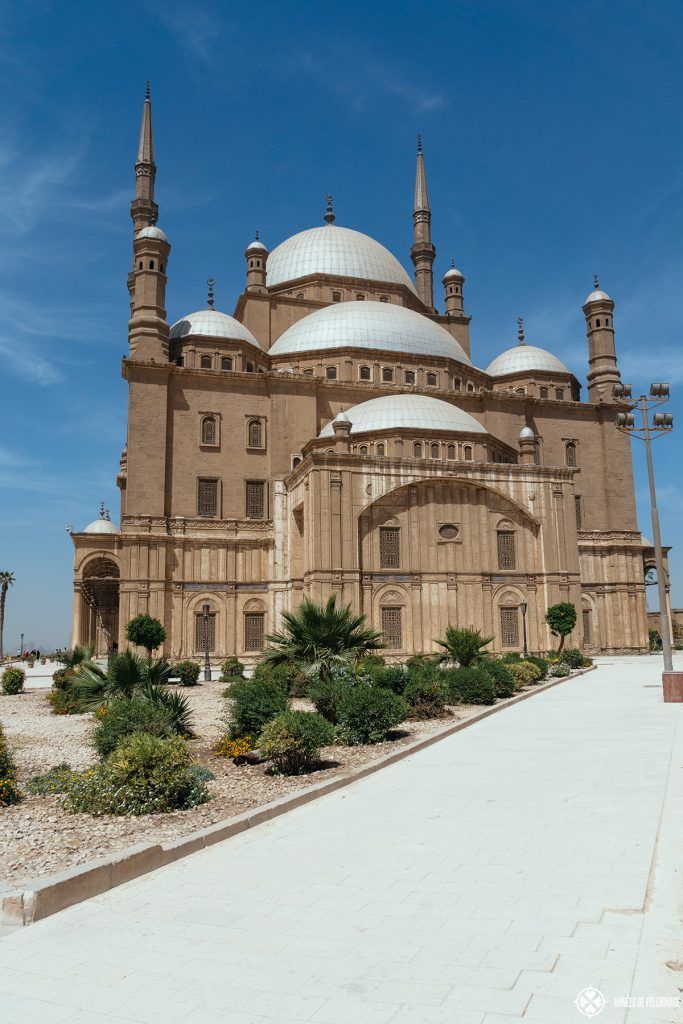
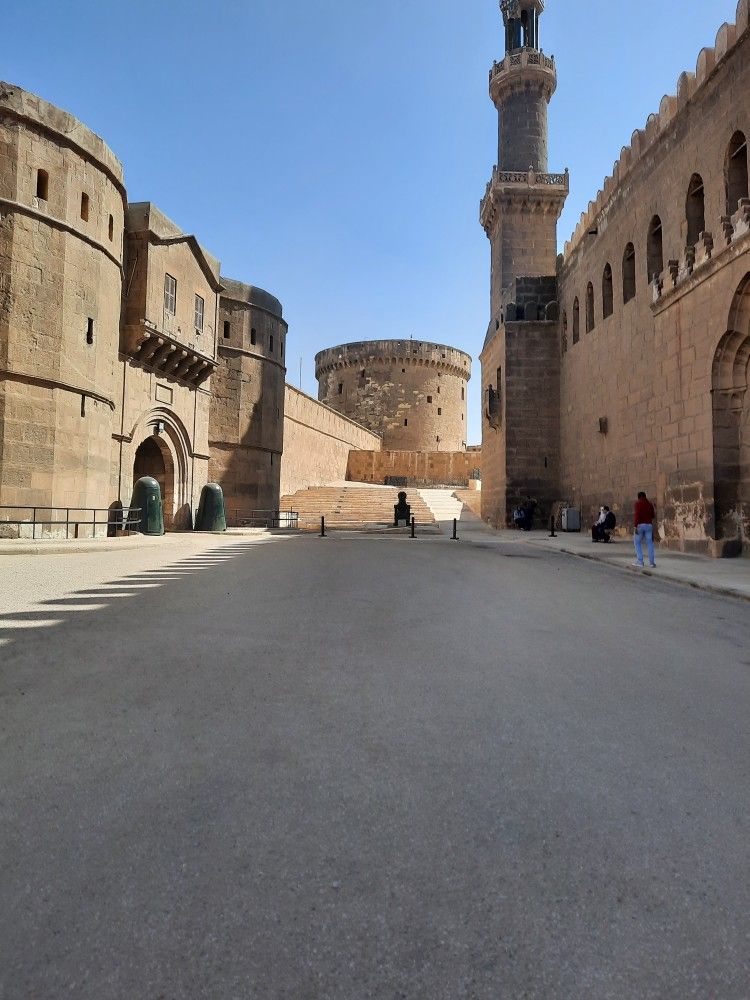
The Citadel of Saladin is one of Cairo’s most important historical landmarks and a must-visit destination for first-time travelers interested in Egypt’s medieval history. Perched on a hill overlooking the city, the fortress was constructed in the 12th century by the famous Muslim leader Saladin to protect Cairo from potential invasions.

For centuries, the citadel served as the seat of government and the residence of Egypt’s rulers. Today, it remains one of the best-preserved medieval fortifications in the Middle East and offers visitors a fascinating glimpse into Egypt’s Islamic history.

The highlight of the complex is the magnificent Mosque of Muhammad Ali, often referred to as the Alabaster Mosque. With its impressive domes, towering minarets, and elegant interior, the mosque has become one of Cairo’s most recognizable landmarks. Visitors can also enjoy panoramic views of the city from various points within the citadel, making it a favorite destination for photographers.

Exploring the Citadel of Saladin allows travelers to discover an important chapter of Egyptian history while admiring some of the finest examples of Islamic architecture in the country.

18. See the Temple of Philae

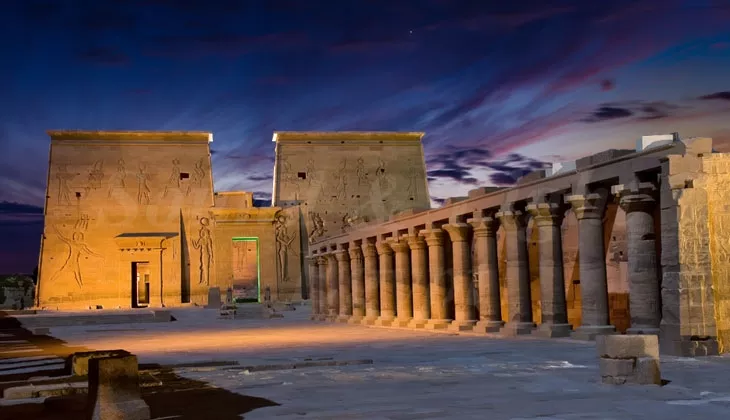
The Temple of Philae is one of Egypt’s most beautiful and romantic ancient monuments. Located on an island near Aswan, the temple was dedicated to the goddess Isis, one of the most important deities in Ancient Egyptian religion. Surrounded by the waters of the Nile, the setting alone makes this site one of the most picturesque attractions in Egypt.

Visitors reach the temple by boat, adding a sense of adventure and anticipation to the experience. As the temple gradually comes into view, travelers are often captivated by its elegant columns, detailed carvings, and peaceful surroundings.

Like Abu Simbel, the Temple of Philae faced the threat of flooding following the construction of the Aswan High Dam. An international preservation project successfully relocated the entire temple complex to higher ground, ensuring its survival for future generations.

The temple’s walls contain remarkable inscriptions and reliefs that tell stories about Isis, Osiris, and other important figures in Egyptian mythology. Exploring these beautifully preserved structures offers valuable insight into the religious beliefs and artistic achievements of Ancient Egypt.

For first-time visitors, the Temple of Philae provides a memorable combination of history, beauty, and cultural significance that makes it one of the highlights of any visit to Aswan.

19. Explore Aswan

Aswan is one of Egypt’s most charming destinations and a favorite among travelers seeking a more relaxed pace of exploration. Located along the Nile in southern Egypt, the city is known for its beautiful scenery, rich history, and distinctive Nubian culture.

Unlike the busy atmosphere of Cairo, Aswan offers a peaceful environment where visitors can enjoy stunning river views, traditional villages, and some of Egypt’s most important historical sites. The city serves as a gateway to attractions such as the Temple of Philae, Abu Simbel, the Unfinished Obelisk, and the Aswan High Dam.

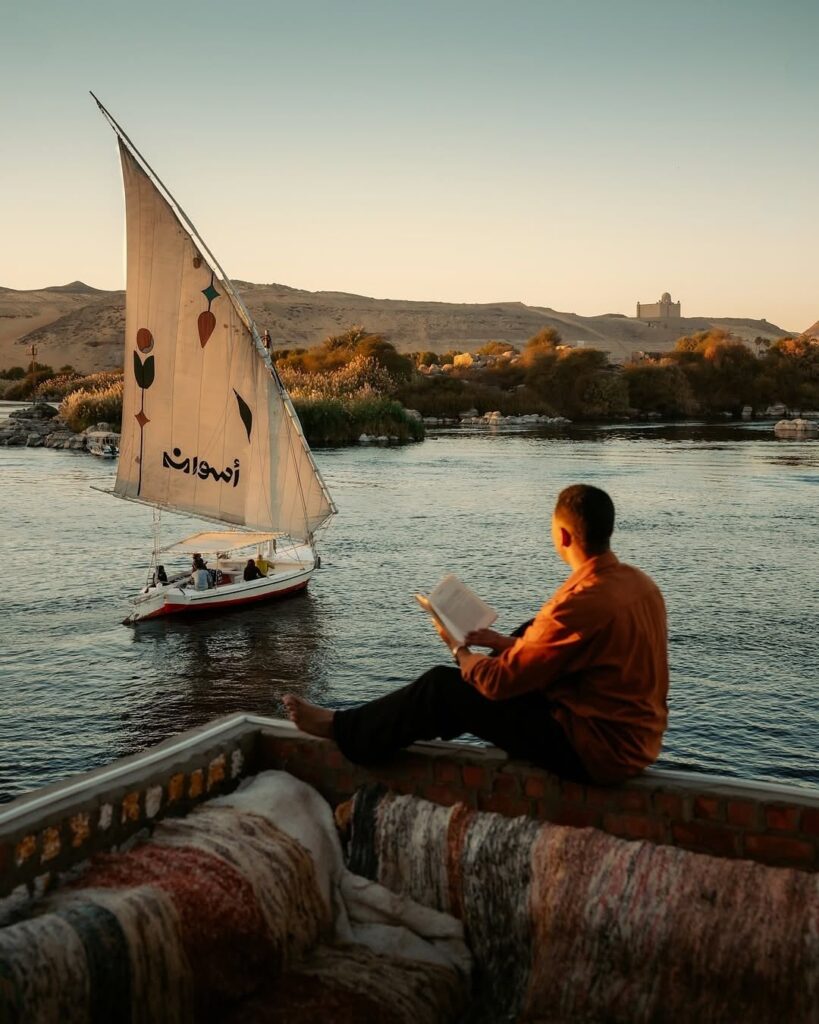
One of the highlights of visiting Aswan is experiencing the beauty of the Nile. Traditional felucca sailboats glide across the water, creating picturesque scenes that have inspired travelers for generations. Many visitors also enjoy exploring nearby islands and interacting with local Nubian communities.

Aswan’s warm hospitality, colorful culture, and scenic landscapes make it one of the most rewarding destinations in Egypt. The city provides an excellent opportunity to experience both ancient history and modern Egyptian life in a setting that feels more intimate and relaxed than many other tourist destinations.

For first-time visitors, Aswan offers a perfect balance of culture, history, and natural beauty, making it an essential stop on any Egyptian itinerary.

20. Visit the White Desert

The White Desert is one of Egypt’s most extraordinary natural attractions and offers first-time visitors a completely different experience from the country’s famous temples and pyramids. Located in Egypt’s Western Desert, this remarkable landscape is known for its surreal white rock formations that have been shaped by wind and sand over millions of years, creating a scenery that resembles another planet.

The desert gets its name from the brilliant white chalk formations scattered across the landscape. These unusual rock structures take on fascinating shapes that resemble animals, mushrooms, towers, and other natural sculptures. During sunrise and sunset, the changing light creates spectacular colors and dramatic shadows that make the area especially popular with photographers and nature enthusiasts.

Most visitors explore the White Desert as part of a guided desert safari. These excursions often include visits to other nearby attractions such as the Black Desert, Crystal Mountain, and natural desert springs. Traveling through these remote landscapes allows visitors to experience a side of Egypt that few people associate with the country.

One of the highlights of a White Desert adventure is spending a night under the stars. The lack of light pollution creates exceptional conditions for stargazing, and many travelers consider sleeping in the desert one of the most memorable experiences of their trip to Egypt.

The peaceful atmosphere, unique geological formations, and vast open spaces provide a striking contrast to Egypt’s bustling cities and ancient archaeological sites. Visitors often describe the White Desert as one of the country’s hidden gems and one of the most surprising destinations they encounter.

For first-time travelers, visiting the White Desert offers an unforgettable adventure and the opportunity to witness one of the most unusual and beautiful natural landscapes in the world.

Egyptian Food Guide What to Eat During Your First Trip

21. Experience Egyptian Food

One of the best ways to understand a country’s culture is through its cuisine, and Egypt offers a rich culinary tradition that first-time visitors should not miss. Egyptian food reflects centuries of history and cultural influences while maintaining its own distinctive flavors and cooking techniques.

Visitors can enjoy a wide variety of traditional dishes throughout the country. Popular specialties include koshari, a hearty combination of rice, pasta, lentils, and tomato sauce; ful medames, a classic breakfast dish made from fava beans; and taameya, the Egyptian version of falafel. Freshly baked bread, grilled meats, stuffed vegetables, and flavorful desserts are also important parts of Egyptian cuisine.

Food plays a central role in Egyptian hospitality, and many travelers find that sharing meals with locals becomes one of the highlights of their journey. Whether dining in traditional restaurants, exploring local markets, or sampling street food, visitors gain valuable insight into everyday Egyptian life.

For first-time travelers, experiencing authentic Egyptian cuisine is an essential part of any visit and offers a delicious introduction to the country’s culture and traditions.

22. Watch the Sound and Light Show

The Sound and Light Show is one of Egypt’s most popular evening attractions and provides a unique way to experience some of the country’s most famous monuments. These performances combine dramatic lighting, narration, music, and visual effects to bring ancient history to life after sunset.

The most famous show takes place at the Pyramids of Giza, where colorful lights illuminate the pyramids and the Great Sphinx while a narrated presentation tells the story of Ancient Egypt and its legendary rulers. Watching these monuments emerge from the darkness creates a memorable atmosphere that differs completely from a daytime visit.

Similar performances are also held at several other archaeological sites, including temples in Luxor and Aswan. Each show highlights the history and significance of the location while providing an entertaining and educational experience for visitors.

For many travelers, attending a Sound and Light Show offers a fascinating way to conclude a day of sightseeing and gain a deeper appreciation for Egypt’s extraordinary heritage.

23. Take a Felucca Ride on the Nile

A felucca ride on the Nile is one of the most relaxing and authentic experiences available in Egypt. Feluccas are traditional wooden sailboats that have been used on the Nile for centuries, and they continue to provide a peaceful way to explore the river today.

Unlike larger cruise ships, feluccas move quietly with the wind, creating a calm and intimate experience that allows travelers to fully appreciate the beauty of the Nile. Popular locations for felucca rides include Aswan, Luxor, and Cairo, although Aswan is particularly famous for this activity.

As the boat glides across the water, passengers can enjoy views of river islands, palm trees, traditional villages, and desert landscapes. The gentle pace provides an opportunity to relax and experience the same river that played such an important role in the development of Ancient Egyptian civilization.

Many visitors choose sunset felucca rides because of the spectacular colors reflected on the water as the sun disappears below the horizon. The combination of scenery, tranquility, and cultural authenticity makes this one of the most memorable activities in Egypt.

For first-time visitors, a felucca ride offers a simple yet unforgettable way to connect with the Nile and experience one of Egypt’s most enduring traditions.

24. Visit a Nubian Village

Visiting a Nubian village is one of the most rewarding cultural experiences available in Egypt and offers travelers the opportunity to discover a unique community with a rich history, vibrant traditions, and a distinctive way of life. Located primarily in the Aswan region, Nubian villages provide a fascinating contrast to Egypt’s ancient temples and bustling cities.

The Nubian people have lived along the Nile for thousands of years and possess a cultural heritage that is distinct from the rest of Egypt. Their traditions, language, music, architecture, and customs have been preserved through generations, creating a unique cultural identity that continues to thrive today.

One of the first things visitors notice is the colorful appearance of Nubian villages. Brightly painted houses decorated with artistic patterns create a cheerful and welcoming atmosphere. Walking through the narrow streets allows travelers to experience everyday life while learning about local customs and traditions.

Many guided visits include opportunities to meet local families, enjoy traditional Nubian hospitality, sample regional cuisine, and learn about the history of the Nubian people. Visitors may also have the chance to listen to traditional music, observe local crafts, and explore small community markets.

The experience provides valuable insight into a side of Egypt that many travelers might otherwise overlook. Rather than focusing solely on ancient monuments, a visit to a Nubian village highlights the living culture and diversity that continue to shape modern Egypt.

For first-time visitors, exploring a Nubian village offers a meaningful cultural connection and a deeper understanding of the people who have called the Nile Valley home for centuries. It is an experience that many travelers remember long after their journey through Egypt has ended.

25. Experience a Traditional Egyptian Café

One of the simplest yet most authentic ways to experience Egyptian culture is by spending time in a traditional Egyptian café. Found throughout the country in cities, towns, and villages, these cafés serve as important social gathering places where people meet friends, discuss daily life, play games, and relax throughout the day.

Traditional cafés offer visitors a chance to step away from major tourist attractions and observe everyday Egyptian life. Whether located in the historic streets of Cairo, along the Corniche in Alexandria, or beside the Nile in Aswan, these establishments provide a welcoming atmosphere where travelers can experience local culture firsthand.

Visitors can enjoy a variety of traditional beverages, including Egyptian tea, Turkish-style coffee, fresh juices, and herbal drinks. Many cafés also serve light snacks and desserts, making them excellent places to take a break after a day of sightseeing. The slower pace encourages conversation and allows travelers to appreciate the rhythm of daily life in Egypt.

Many traditional cafés feature distinctive décor, wooden furnishings, and outdoor seating areas where guests can watch the activity of the surrounding neighborhood. Some establishments have been operating for generations and have become important cultural landmarks in their communities.

Beyond the food and drinks, the true appeal of an Egyptian café lies in the atmosphere. Visitors often find themselves surrounded by lively conversations, local traditions, and a strong sense of community. These experiences provide valuable insight into modern Egyptian society and offer a perspective that cannot be found in museums or archaeological sites.

For first-time visitors, spending time in a traditional Egyptian café is a relaxing and memorable way to connect with local culture. It provides an authentic glimpse into everyday life and serves as a perfect conclusion to an unforgettable journey through Egypt.

Frequently Asked Questions

Visiting the Pyramids of Giza is widely considered the number one activity in Egypt. As the last surviving Wonder of the Ancient World, the pyramids are the country’s most iconic attraction and a must-see destination for first-time visitors.

Most travelers need between 7 and 14 days to experience Egypt’s main highlights, including Cairo, Luxor, Aswan, a Nile cruise, and either Hurghada or Sharm El Sheikh.

Yes. Egypt offers a unique combination of ancient history, cultural experiences, beautiful beaches, desert adventures, and world-famous landmarks, making it one of the most rewarding destinations for first-time international travelers.

The most popular cities for first-time visitors include Cairo, Luxor, Aswan, Alexandria, Hurghada, and Sharm El Sheikh. Each destination offers a different experience, from ancient monuments and museums to beaches and Red Sea activities.

First-time visitors should not miss the Pyramids of Giza, the Grand Egyptian Museum, the Valley of the Kings, Karnak Temple, a Nile cruise, Abu Simbel, and snorkeling in the Red Sea.