
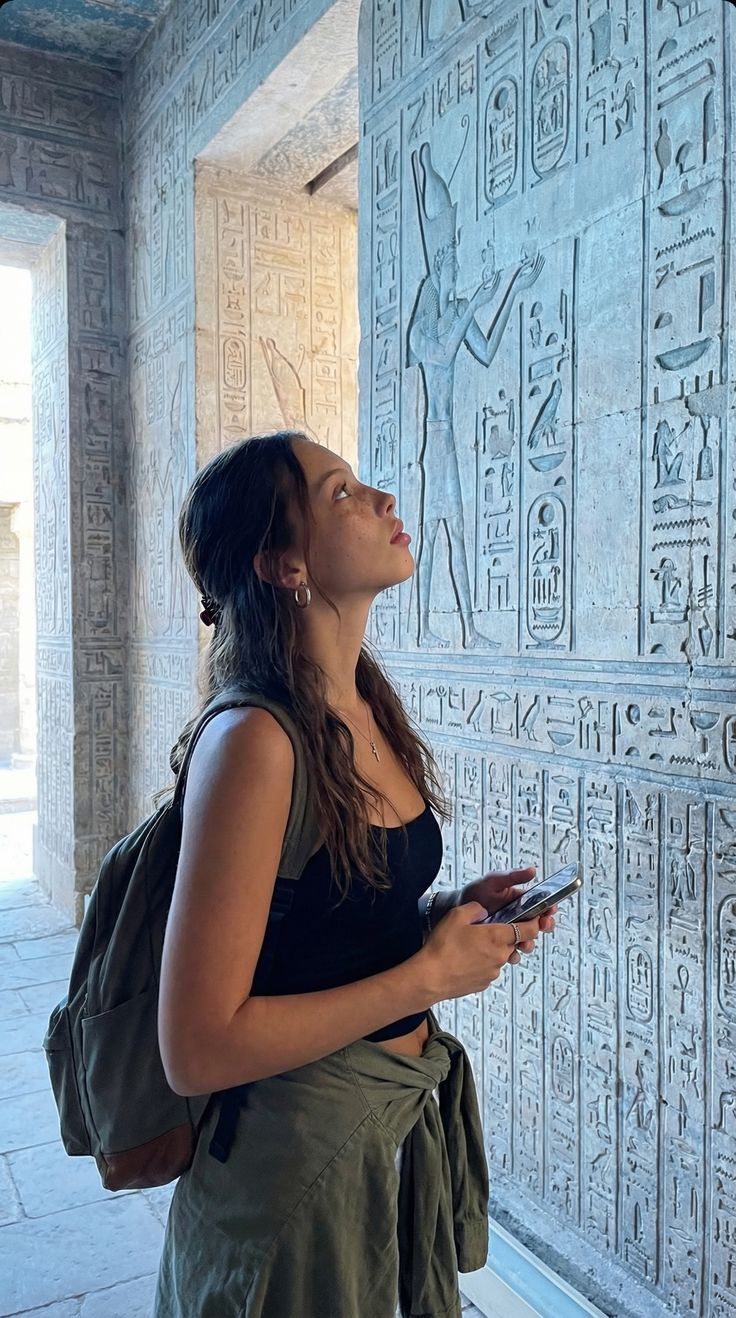
Welcome to

Can You Visit Egypt Independently or Should You Book a Tour?

Egypt is one of the world’s most fascinating travel destinations, attracting millions of visitors each year with its ancient monuments, rich culture, beautiful landscapes, and unforgettable experiences. However, one of the most common questions travelers ask while planning their trip is whether they should explore Egypt independently or book a guided tour. Both options are popular, and each offers unique advantages depending on a traveler’s preferences, budget, experience level, and expectations.

In recent years, independent travel in Egypt has become increasingly accessible. Modern booking platforms, ride-hailing applications, domestic flights, online travel resources, and improved tourism infrastructure have made it easier than ever for visitors to organize their own itineraries. Many travelers successfully explore destinations such as Cairo, Luxor, Aswan, Alexandria, Hurghada, and Sharm El Sheikh without joining organized tours.

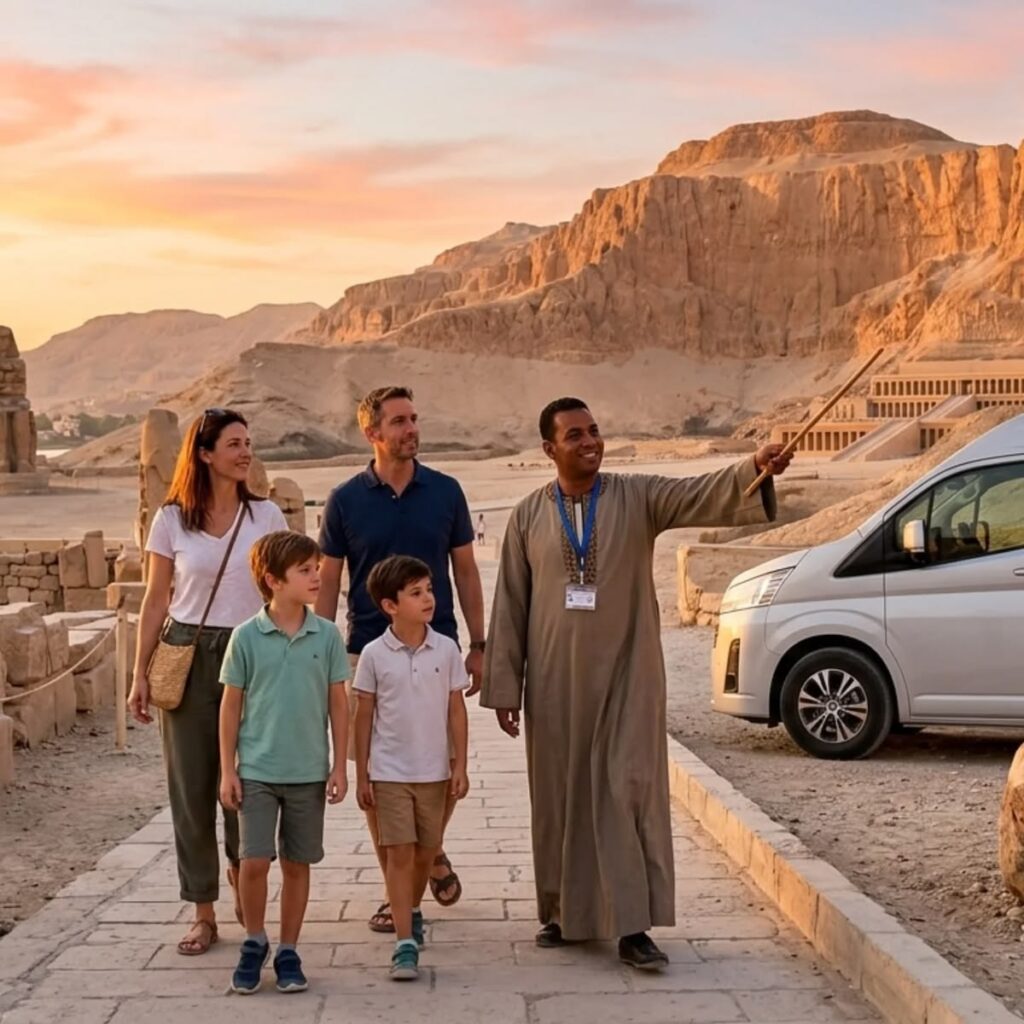
At the same time, guided tours remain one of the most popular ways to experience Egypt, particularly among first-time visitors. Egypt’s historical sites are filled with fascinating stories, complex symbolism, and thousands of years of history that can be difficult to fully appreciate without expert guidance. Professional Egyptologists help bring these ancient monuments to life while simplifying transportation, logistics, and daily planning.

Choosing between independent travel and guided tours is not always a simple decision. Independent travel offers greater flexibility, freedom, and opportunities for spontaneous exploration. Guided tours provide convenience, local expertise, time efficiency, and valuable cultural insight. Many travelers find that the ideal approach is a combination of both, exploring certain destinations independently while booking guided excursions for major archaeological sites.

There is no universally correct answer because every traveler has different goals and priorities. Some visitors enjoy planning every detail themselves, while others prefer the comfort and convenience of having professionals handle arrangements. Factors such as budget, travel experience, available time, and personal interests often influence the decision.

In this guide, we compare independent travel and guided tours in Egypt, exploring the advantages, challenges, costs, and practical considerations associated with each option. By understanding the strengths of both approaches, travelers can make an informed decision and create the Egyptian experience that best matches their travel style.

1. Can You Travel Independently in Egypt?

Yes, it is entirely possible to travel independently in Egypt, and many international visitors successfully do so every year. Egypt has a well-developed tourism industry and offers a wide range of transportation, accommodation, and travel services that make independent exploration increasingly accessible. Major destinations such as Cairo, Luxor, Aswan, Alexandria, Hurghada, and Sharm El Sheikh are connected by domestic flights, trains, buses, and private transportation options, allowing travelers to move between regions without joining organized tours.

Modern technology has also made independent travel much easier than in the past. Visitors can book hotels online, arrange airport transfers through mobile applications, purchase attraction tickets in advance, and use navigation tools to explore unfamiliar cities. Many tourism providers now offer online booking systems that simplify trip planning before arrival.

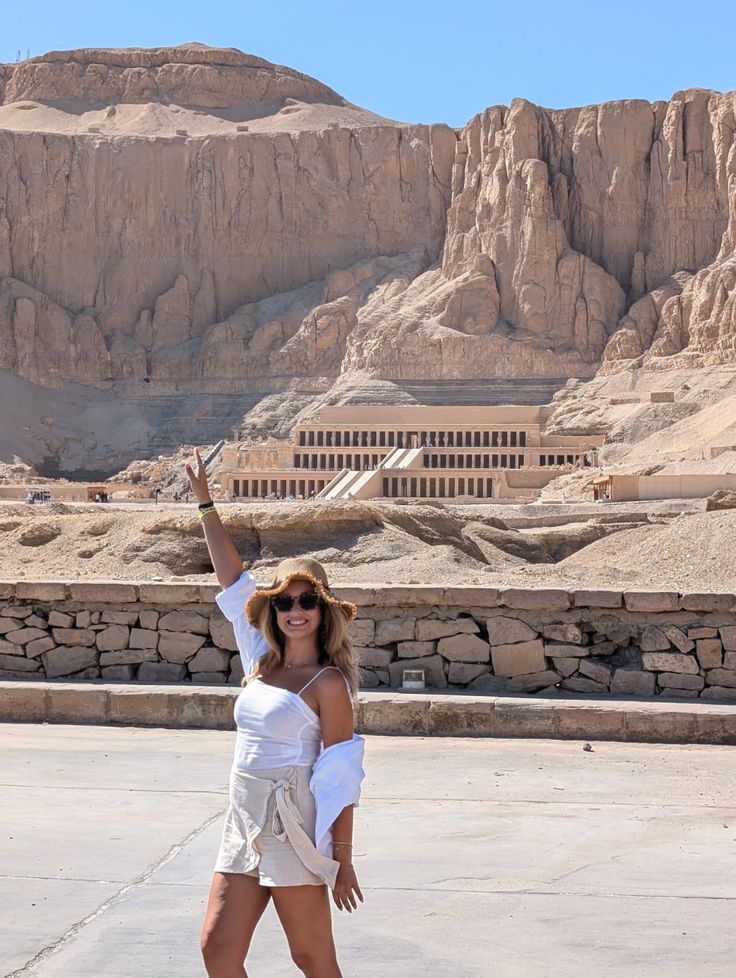
One of the greatest advantages of independent travel is the freedom to create a personalized itinerary. Travelers can choose where to stay, how long to remain at each destination, and which attractions deserve the most attention. This flexibility allows visitors to focus on their specific interests, whether they involve history, photography, culture, adventure, or relaxation.

Independent travel also provides opportunities for spontaneous experiences. Visitors can adjust plans based on local recommendations, spend extra time at favorite attractions, or discover lesser-known destinations that may not appear on standard tour itineraries. Many travelers appreciate the sense of adventure and independence that comes from organizing their own journey.

While self-guided travel requires more planning and responsibility, Egypt’s established tourism infrastructure makes it a realistic option for many visitors. With proper preparation, research, and flexibility, independent travelers can enjoy a rewarding and memorable experience while exploring one of the world’s most fascinating destinations.
2. Advantages of Independent Travel

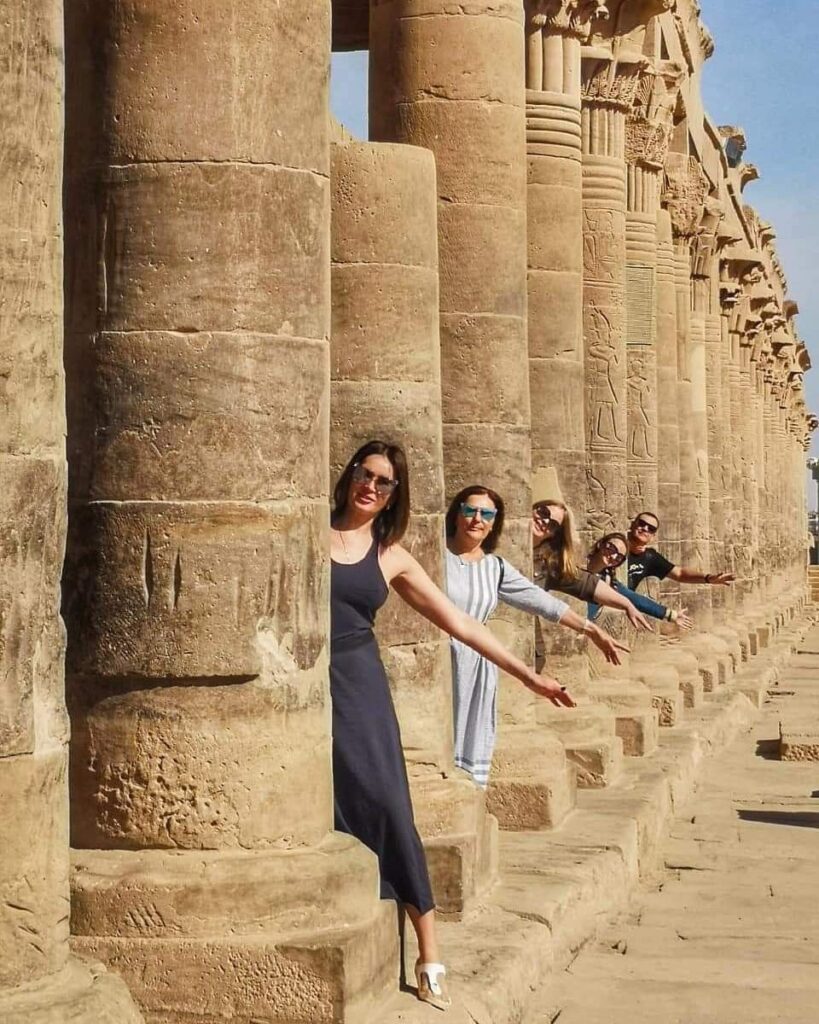
One of the primary reasons travelers choose independent travel is the freedom it provides. Unlike organized tours that follow fixed schedules, independent travelers have complete control over their itineraries. They can decide when to start the day, how much time to spend at attractions, and which destinations deserve additional attention.

This flexibility is particularly valuable in a country like Egypt, where travelers often discover unexpected interests during their journey. A visitor may choose to spend extra hours exploring the Grand Egyptian Museum, photographing the temples of Luxor, or wandering through the streets of Islamic Cairo without feeling pressured by a group schedule. Independent travel allows every itinerary to be tailored to personal preferences and travel goals.

Another major advantage is privacy. Couples, families, and solo travelers can enjoy experiences without sharing transportation or activities with larger groups. This often creates a more comfortable and personal atmosphere throughout the trip. Travelers can choose their preferred accommodations, dining experiences, transportation methods, and daily activities based entirely on their own preferences.

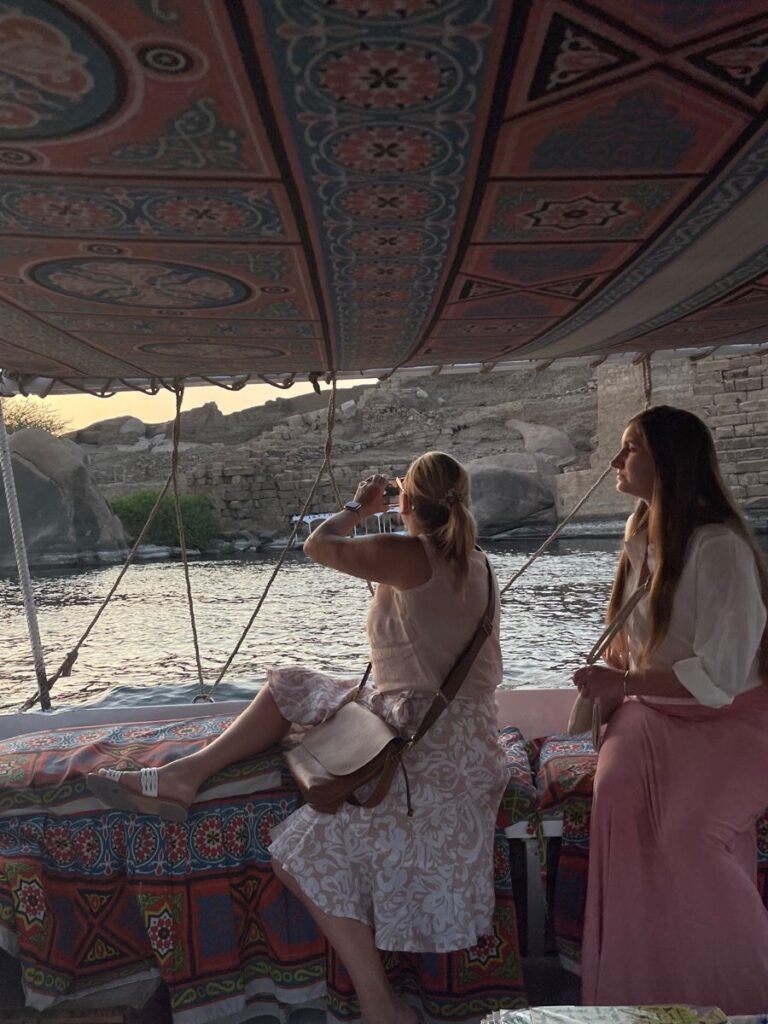
Independent travel can also create opportunities for more authentic interactions with local communities. Visitors may spend time in neighborhood cafés, local markets, and less-touristic areas where spontaneous cultural exchanges often occur. These experiences can provide valuable insight into everyday Egyptian life beyond the major attractions.

For experienced travelers who enjoy planning and self-guided exploration, independent travel offers a strong sense of accomplishment and adventure. The ability to shape every aspect of the journey makes the experience highly rewarding and often creates lasting memories that feel uniquely personal.
3. Challenges of Independent Travel in Egypt

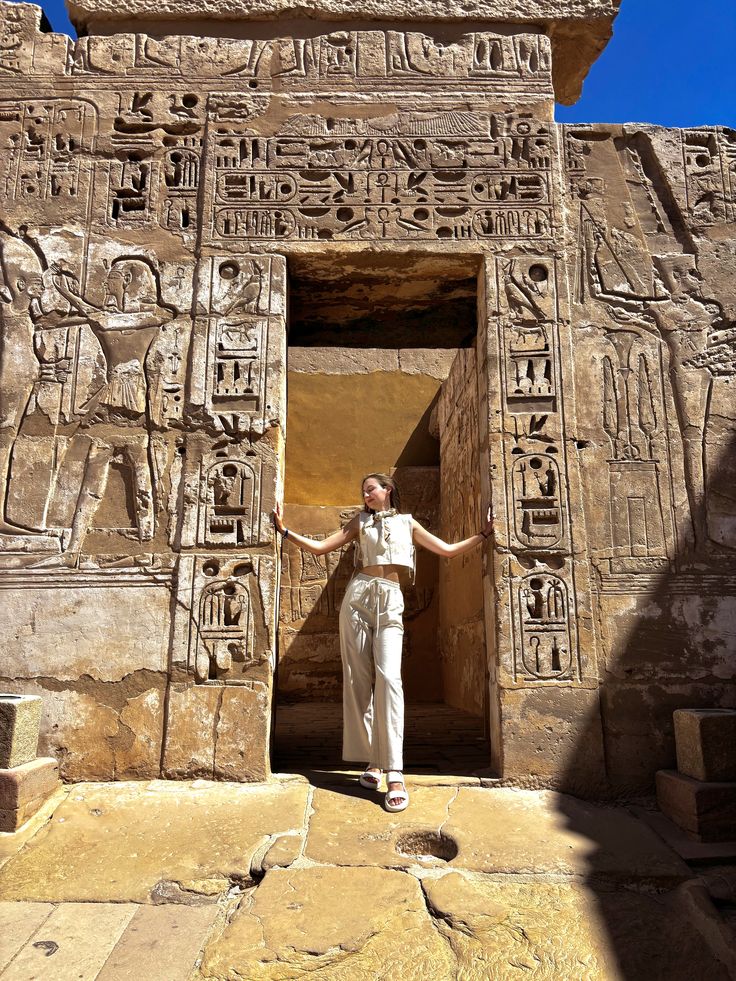
Although independent travel in Egypt can be extremely rewarding, it also comes with challenges that visitors should carefully consider before deciding whether a self-guided trip is the best option. Understanding these potential difficulties allows travelers to prepare effectively and avoid unnecessary stress during their journey.

One of the most significant challenges is managing logistics. Egypt is a large country with major attractions spread across multiple regions. Coordinating transportation, accommodations, domestic flights, train schedules, attraction tickets, and transfers requires time, research, and careful planning. Travelers must often handle these arrangements themselves while adapting to occasional schedule changes or unexpected delays.

Historical sites present another challenge. Egypt’s monuments contain thousands of years of history, symbolism, and cultural significance that may not be immediately obvious to visitors exploring on their own. While guidebooks and mobile applications can provide useful information, many travelers find that professional guides offer a much deeper understanding of the sites they visit.

Language differences can occasionally create minor communication difficulties, particularly outside major tourist areas. Although English is widely spoken within the tourism industry, communication may be more limited in certain local settings. Navigating transportation systems, negotiating services, and understanding local customs sometimes require additional patience and flexibility.

Independent travelers are also responsible for solving any problems that arise during the trip. Whether dealing with transportation issues, itinerary adjustments, or unexpected situations, visitors must manage these challenges without the assistance of a tour operator.

Despite these obstacles, many travelers successfully explore Egypt independently every year. With proper preparation, realistic expectations, and a willingness to adapt, independent travel can provide an enjoyable, enriching, and highly memorable experience.
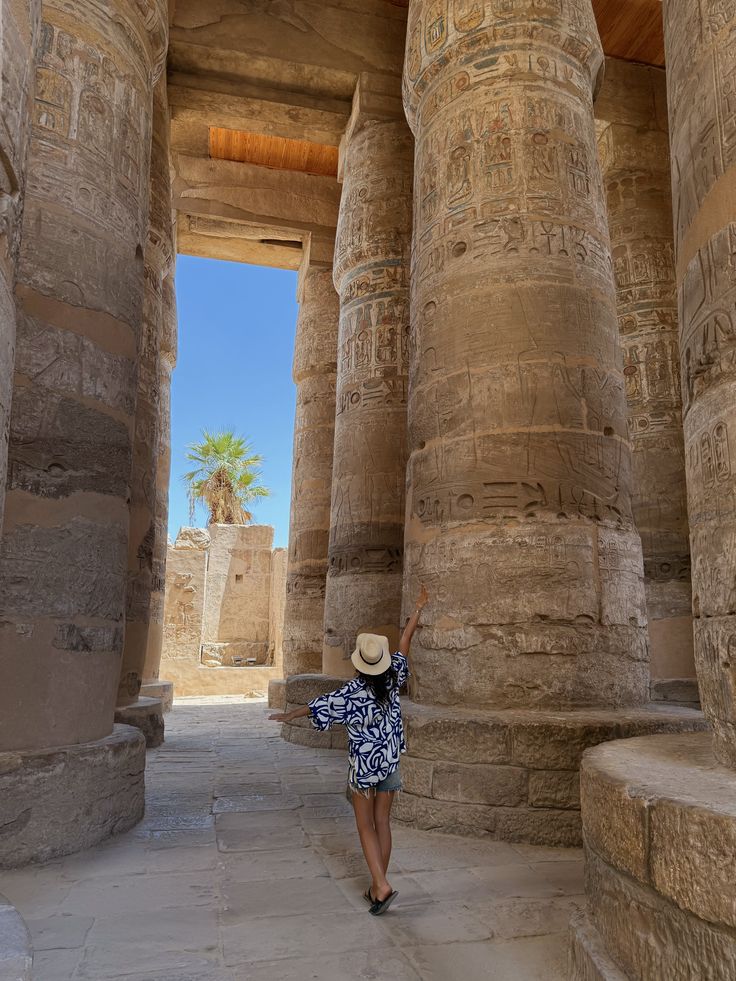
4. Benefits of Booking a Guided Tour

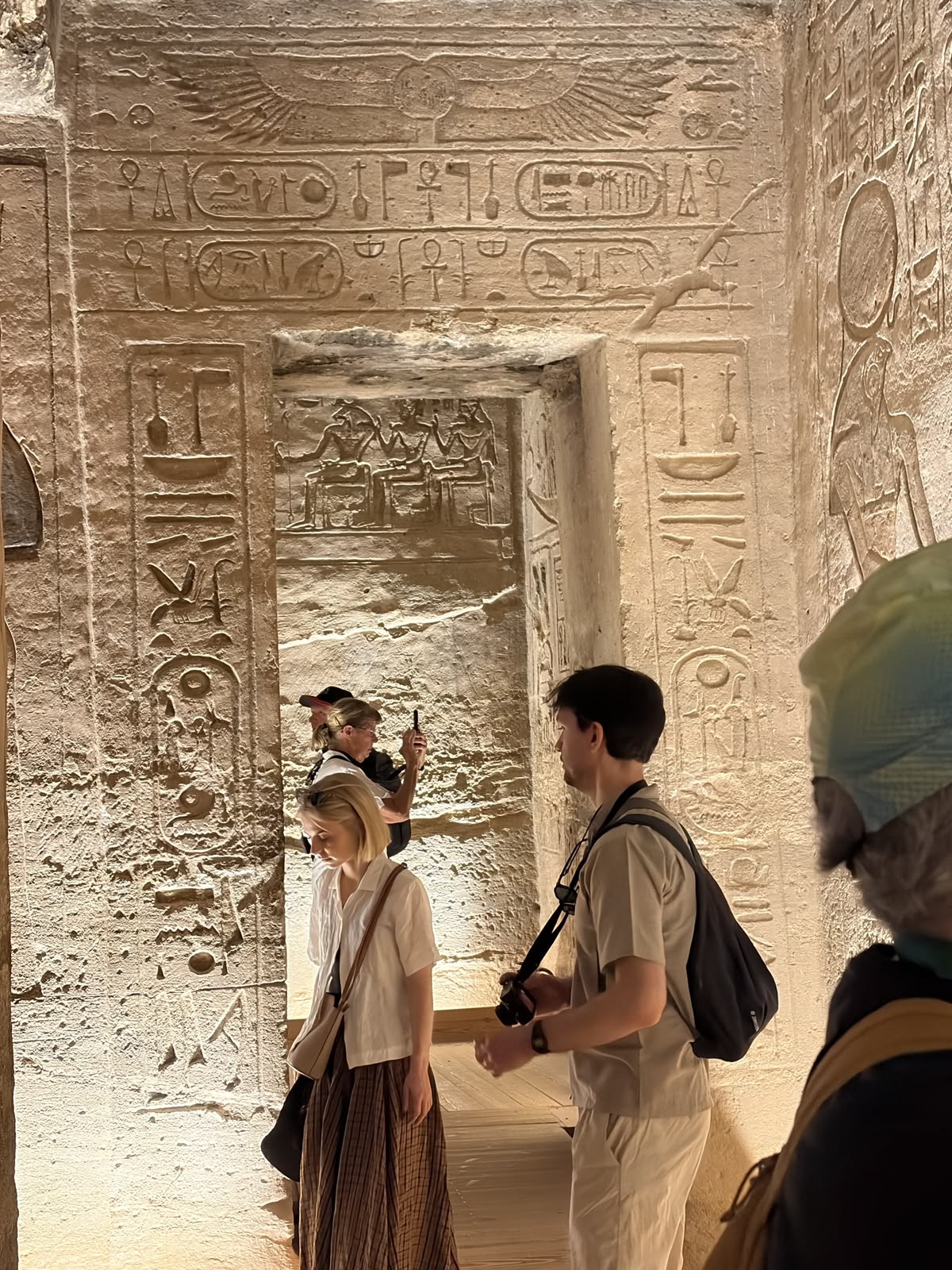
Booking a guided tour is one of the most popular ways to experience Egypt, particularly for first-time visitors who want to maximize their time and gain a deeper understanding of the country’s extraordinary history. While independent travel offers flexibility, guided tours provide convenience, expert knowledge, and logistical support that can significantly enhance the overall experience.

One of the greatest advantages of a guided tour is access to professional Egyptologists and local experts. Egypt’s archaeological sites are filled with fascinating stories, religious symbolism, and historical details that are not always obvious to visitors exploring on their own. A knowledgeable guide can explain the significance of temples, tombs, pyramids, and artifacts while bringing thousands of years of history to life in an engaging and memorable way.

Guided tours also simplify travel logistics. Transportation, attraction tickets, hotel transfers, scheduling, and route planning are typically handled by the tour provider, allowing travelers to focus entirely on enjoying the experience. This convenience is especially valuable when visiting destinations such as Cairo, Luxor, Aswan, and Abu Simbel, where multiple attractions may be included within a limited timeframe.

Another important benefit is efficiency. Experienced guides know how to navigate busy attractions, avoid unnecessary delays, and organize visits in a way that maximizes sightseeing opportunities. This can be particularly helpful for travelers with limited vacation time who want to see as much as possible.

Guided tours also provide a sense of comfort and support. Visitors have access to local assistance throughout the journey, making it easier to handle unfamiliar situations, ask questions, and gain confidence while exploring a new country.

For many travelers, the combination of historical insight, convenience, organization, and local expertise makes guided tours an excellent choice. Whether joining a private excursion or a larger group tour, visitors often find that professional guidance transforms a good trip into a truly unforgettable Egyptian experience.

5. Why Guided Tours Are Popular for First-Time Visitors

Guided tours are particularly popular among first-time visitors because they remove many of the uncertainties that can accompany travel to a new destination. Egypt offers an incredible variety of attractions spread across different regions, and many travelers appreciate having experienced professionals organize the details while they focus on enjoying the journey.

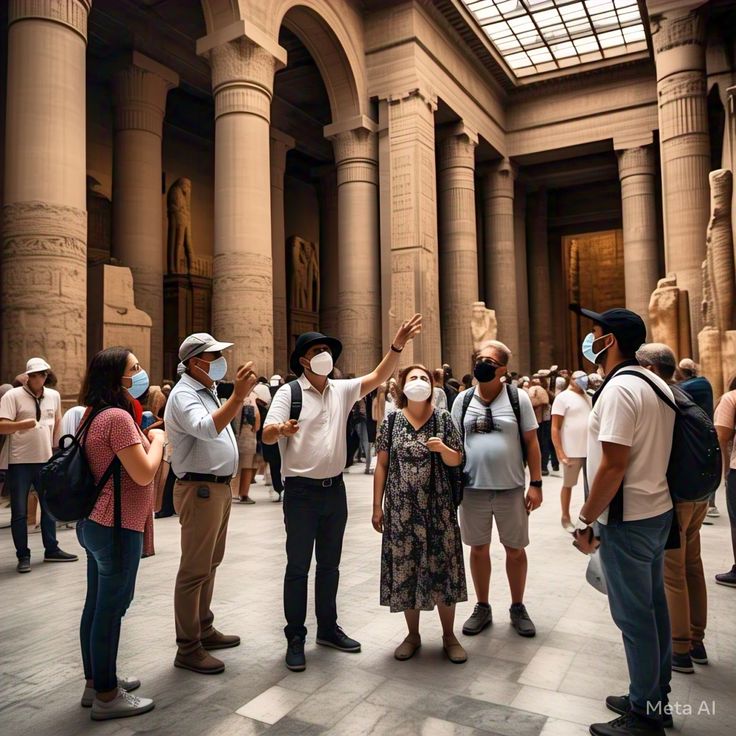
One of the primary reasons guided tours appeal to first-time visitors is the educational value they provide. Egypt’s monuments, temples, pyramids, and museums contain thousands of years of history that can be difficult to fully understand without expert interpretation. Professional Egyptologists help visitors appreciate the significance of what they are seeing by providing historical context, explaining symbolism, and sharing fascinating stories about ancient rulers and civilizations.

Guided tours also help travelers save time. Transportation, tickets, scheduling, and attraction logistics are carefully planned, reducing the need for visitors to spend time researching or making last-minute arrangements. This efficiency allows travelers to maximize sightseeing opportunities during their trip.

Another advantage is comfort and peace of mind. Visitors have access to local expertise throughout the journey and can ask questions whenever assistance is needed. This support is especially valuable for travelers who may feel less confident navigating an unfamiliar destination on their own.

For many first-time visitors, guided tours provide the ideal balance of convenience, education, and cultural immersion, helping create a smoother and more enjoyable travel experience throughout Egypt.

6. Private Tours vs Group Tours

Travelers considering a guided experience in Egypt often face an important decision: should they choose a private tour or join a group tour? Both options offer valuable benefits, and the best choice depends on personal preferences, travel style, and budget.

Private tours provide a highly personalized experience. Travelers enjoy the flexibility to customize their itinerary, spend more time at attractions that interest them, and move at a pace that suits their preferences. A dedicated guide can tailor explanations to individual interests, whether those involve archaeology, photography, architecture, or cultural history.

Private transportation is another major advantage. Visitors avoid waiting for large groups and can often enjoy a more comfortable and efficient travel experience. Couples, families, photographers, and travelers seeking a premium experience frequently prefer private tours for these reasons.

Group tours, on the other hand, are generally more affordable because costs are shared among participants. They can also provide opportunities to meet other travelers and enjoy a more social atmosphere. Many group tours are professionally organized and offer excellent value, especially for solo travelers.

While private tours emphasize flexibility and personalization, group tours focus on affordability and convenience. Both options can provide memorable experiences, and choosing between them largely depends on the type of travel experience a visitor wishes to have.

7. Cost Comparison: Independent Travel vs Tours

Cost is often one of the most important factors travelers consider when deciding between independent travel and guided tours in Egypt. The reality is that both options can fit a variety of budgets, depending on the level of comfort, services, and experiences a traveler prefers.

Independent travel is often perceived as the more affordable option because travelers can select budget accommodations, use public transportation, and choose only the attractions they wish to visit. This flexibility allows visitors to control expenses and prioritize spending according to their interests.

However, independent travel also requires travelers to arrange every aspect of the journey themselves. Transportation costs, attraction tickets, transfers, and logistical planning can sometimes add up, particularly when visiting multiple destinations across the country. Unexpected expenses may also arise when plans change or additional services become necessary.

Guided tours generally combine multiple services into a single package. Transportation, guides, attraction visits, transfers, and sometimes meals are included, making costs easier to predict. While the initial price may appear higher, many travelers find that the convenience and time savings justify the additional expense.

Private tours typically cost more than group tours because they provide dedicated guides and transportation. Group tours usually offer the most budget-friendly guided option while still providing professional organization and expert guidance.

Ultimately, the better value depends on a traveler’s priorities. Some visitors prioritize flexibility and lower costs, while others prefer the convenience, efficiency, and educational benefits that guided tours provide.

8. Transportation Considerations

Transportation is one of the most important factors to consider when deciding whether to travel independently in Egypt or book a guided tour. Because the country’s major attractions are spread across several regions, travelers often need to combine different forms of transportation throughout their journey. Understanding the available options can help visitors choose the approach that best suits their travel style and comfort level.

Independent travelers have access to a wide range of transportation choices. Domestic flights connect major destinations such as Cairo, Luxor, Aswan, Hurghada, Sharm El Sheikh, and Alexandria, making long-distance travel relatively convenient. Egypt also has an extensive rail network, with trains providing connections between several popular tourist destinations. Private drivers, taxis, ride-hailing applications, and local transportation services offer additional flexibility for shorter journeys.

While these options make independent travel possible, they also require planning and coordination. Travelers are responsible for booking tickets, arranging transfers, managing schedules, and adapting to any delays or changes that may occur. For experienced travelers, this level of independence can be enjoyable, but others may find it time-consuming or occasionally stressful.

Guided tours simplify transportation considerably. Most tour operators arrange airport transfers, daily transportation, attraction visits, and intercity travel as part of the overall package. Visitors do not need to worry about navigation, scheduling, or coordinating connections between destinations. This convenience allows travelers to focus entirely on sightseeing and enjoying the experience.

Transportation considerations often play a significant role in determining whether independent travel or guided tours are the better choice. Visitors who value flexibility may prefer organizing their own transportation, while those seeking convenience and efficiency frequently appreciate the support provided by organized tours. Both approaches can work well, depending on individual preferences and travel goals.

9. Historical Sites: Independent or Guided?

One of the biggest questions travelers face when visiting Egypt is whether historical sites are best explored independently or with a guide. Egypt is home to some of the world’s most important archaeological monuments, including the Pyramids of Giza, Karnak Temple, the Valley of the Kings, Abu Simbel, and countless museums and ancient ruins. While it is certainly possible to visit these attractions independently, the experience can be very different depending on the approach chosen.

Independent exploration allows visitors to move at their own pace and spend as much time as they wish at specific sites. Travelers can focus on photography, architecture, or simply enjoying the atmosphere without following a structured schedule. Guidebooks, audio guides, and mobile applications can provide useful background information and help visitors understand the significance of the monuments they are exploring.

However, many travelers discover that Egypt’s historical sites become far more meaningful when accompanied by a professional Egyptologist. Expert guides explain historical events, religious symbolism, architectural features, and fascinating stories that are often impossible to fully appreciate through signs and guidebooks alone. Their knowledge helps transform ancient stones and ruins into a vivid narrative of one of history’s greatest civilizations.

For visitors whose primary interest is understanding Ancient Egypt, guided visits often provide a richer and more educational experience. Those who prefer flexibility and independent discovery may enjoy exploring on their own. Many travelers ultimately choose a combination of both approaches to achieve the best balance.

10. Combining Independent Travel with Guided Excursions

For many visitors, the ideal solution is not choosing between independent travel and guided tours but combining both approaches. This hybrid travel style allows travelers to enjoy the freedom and flexibility of independent exploration while still benefiting from expert guidance at key attractions.

Many travelers organize their own hotels, transportation, and overall itinerary while booking guided day tours for major archaeological sites. This approach works particularly well in destinations such as Cairo, Luxor, and Aswan, where historical monuments contain complex stories and cultural significance that are easier to appreciate with professional explanations.

For example, a traveler may independently explore restaurants, markets, museums, and city neighborhoods while reserving guided visits to the Pyramids of Giza, the Grand Egyptian Museum, Karnak Temple, or the Valley of the Kings. This provides the educational benefits of a guide without sacrificing the flexibility of self-directed travel.

The hybrid approach can also be cost-effective. Visitors only pay for guides when they believe expert interpretation adds significant value, while maintaining control over other aspects of their journey. This balance often appeals to travelers who enjoy planning their own adventures but still want access to local expertise when exploring Egypt’s most important sites.

For many first-time visitors, combining independent travel with guided excursions provides the best of both worlds and creates a flexible, enriching, and highly rewarding travel experience.

11. Which Option Is Best for You?

The decision between independent travel and guided tours ultimately depends on your personal preferences, travel experience, interests, and comfort level. There is no universally correct answer because different travelers prioritize different aspects of their journey.

Independent travel is often ideal for experienced travelers who enjoy planning itineraries, making spontaneous decisions, and exploring destinations at their own pace. It offers maximum flexibility, greater privacy, and the opportunity to customize every aspect of the trip according to personal interests. Travelers who enjoy researching destinations and organizing logistics may find independent travel particularly satisfying.

Guided tours are often best suited for visitors who value convenience, expert knowledge, and structured travel experiences. First-time travelers, history enthusiasts, and those with limited vacation time frequently appreciate the efficiency and educational benefits that professional guides provide. Having transportation, scheduling, and attraction logistics organized by experts can significantly reduce stress and simplify the overall experience.

Travelers should also consider practical factors such as budget, available time, confidence in navigating unfamiliar destinations, and interest in learning about history and culture. Some visitors prioritize flexibility, while others place greater value on comfort and local expertise.

Ultimately, both independent travel and guided tours can provide unforgettable experiences in Egypt. The best choice is the one that aligns most closely with your travel goals and helps you enjoy the country in the way that feels most rewarding to you.

12. Conclusion: Can You Visit Egypt Independently or Should You Book a Tour?

The good news for travelers planning a trip to Egypt is that both independent travel and guided tours can provide rewarding and unforgettable experiences. Egypt has a well-established tourism industry, extensive transportation networks, and a wide range of accommodations and travel services that make both approaches entirely possible. The best choice ultimately depends on your travel style, interests, budget, and comfort level.

Independent travel offers flexibility, freedom, and the opportunity to create a personalized itinerary. Travelers can explore at their own pace, make spontaneous decisions, and focus on the destinations and experiences that interest them most. For experienced travelers who enjoy planning and self-guided exploration, this approach can be highly satisfying and often creates a strong sense of adventure.

Guided tours, on the other hand, provide convenience, organization, and expert knowledge. Professional Egyptologists help bring Egypt’s ancient monuments to life by explaining their historical significance, symbolism, and cultural context. Guided tours also simplify transportation, logistics, and scheduling, allowing visitors to focus entirely on enjoying their journey. These advantages make guided tours particularly appealing to first-time visitors and travelers with limited time.

Many travelers discover that a combination of both approaches offers the ideal balance. Exploring cities independently while booking guided excursions for major archaeological sites can provide flexibility without sacrificing educational value. This hybrid approach allows visitors to enjoy the best aspects of each travel style.

Ultimately, there is no single right way to experience Egypt. Whether you choose to travel independently, join a guided tour, or combine both methods, the country offers extraordinary opportunities for discovery. From the Pyramids of Giza and the temples of Luxor to the Nile River and the Red Sea coast, Egypt delivers unforgettable experiences that can be enjoyed through a variety of travel styles.

Frequently Asked Questions

Yes. Many visitors travel independently throughout Egypt every year. With proper planning, common-sense precautions, and awareness of local customs, independent travel can be a safe and enjoyable experience.

For many travelers, yes. Guided tours provide expert historical insight, convenient transportation, organized logistics, and local support that can significantly enhance the overall experience.

Many first-time visitors prefer guided tours because they simplify travel arrangements and provide valuable explanations at historical sites. However, independent travel is also possible for those who enjoy planning their own journeys.

Absolutely. Many travelers organize their own accommodations and transportation while booking guided excursions for major attractions such as the Pyramids of Giza, Luxor, and Abu Simbel.

Independent travel can often be less expensive because travelers control their own budget and itinerary. However, guided tours may offer excellent value by combining transportation, guides, and attractions into a single package.