
1. Start Sightseeing Early
One of the most valuable travel tips for visitors to Egypt is to begin sightseeing as early as possible. Many of the country’s most famous attractions are outdoor sites, and temperatures can become quite warm as the day progresses, particularly during the spring and summer months. Starting early allows travelers to enjoy a more comfortable experience while avoiding some of the busiest periods at major attractions.
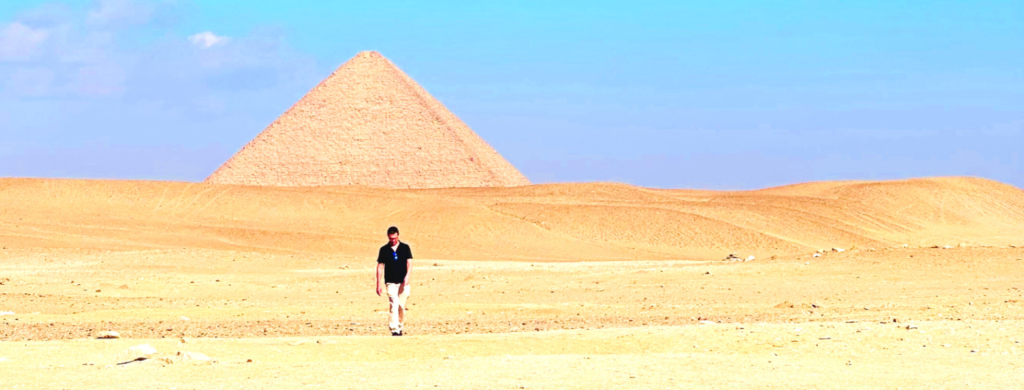
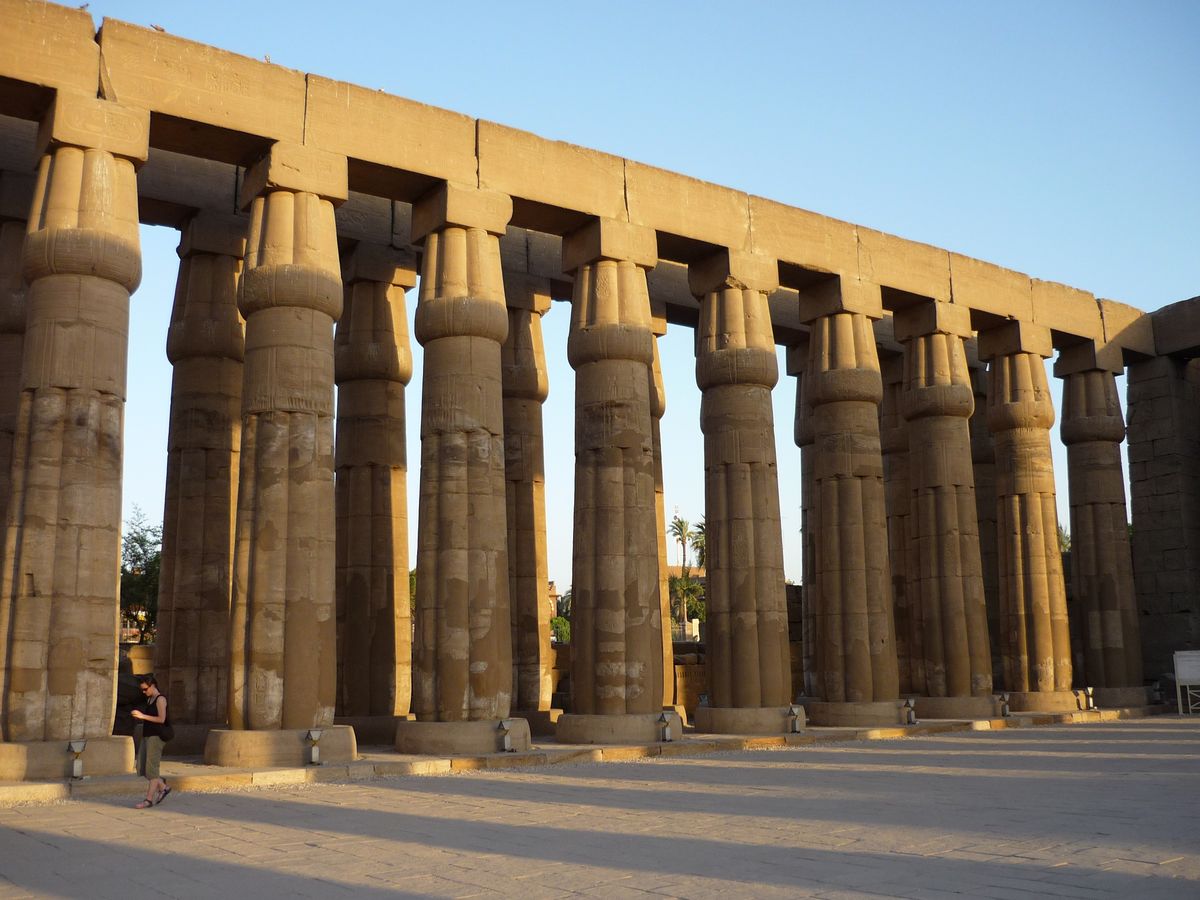
Popular destinations such as the Pyramids of Giza, the Valley of the Kings, Karnak Temple, Abu Simbel, and other archaeological sites are often at their best during the early morning hours. Cooler temperatures make walking and exploring more enjoyable, while softer lighting creates excellent conditions for photography.
Arriving early can also help visitors avoid larger crowds. Tour groups frequently arrive later in the morning, meaning early visitors often enjoy a more relaxed atmosphere and shorter waiting times. This additional space and quiet can significantly enhance the experience at some of Egypt’s most iconic landmarks.
Another advantage of early starts is increased flexibility. Travelers who complete major sightseeing activities during the morning often have more time later in the day to relax, enjoy local restaurants, visit museums, or explore neighborhoods at a slower pace.
Many experienced travelers consider this simple adjustment one of the easiest ways to improve a trip to Egypt. By taking advantage of the cooler temperatures and quieter conditions of the morning, visitors can make the most of their time while enjoying a more comfortable and rewarding sightseeing experience.
2. Always Carry Small Cash Notes
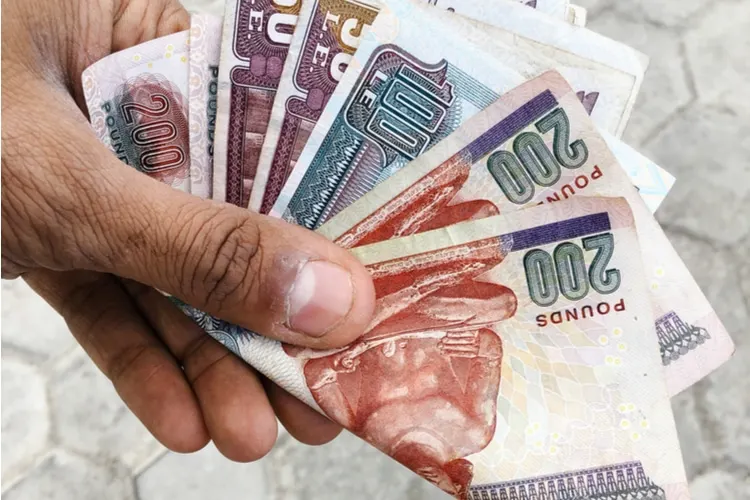
Although credit cards and digital payments are becoming increasingly common in Egypt, carrying small cash notes remains one of the most practical habits travelers can develop. Many everyday situations still require cash, particularly when visiting local markets, using small transportation services, purchasing snacks, or providing tips.
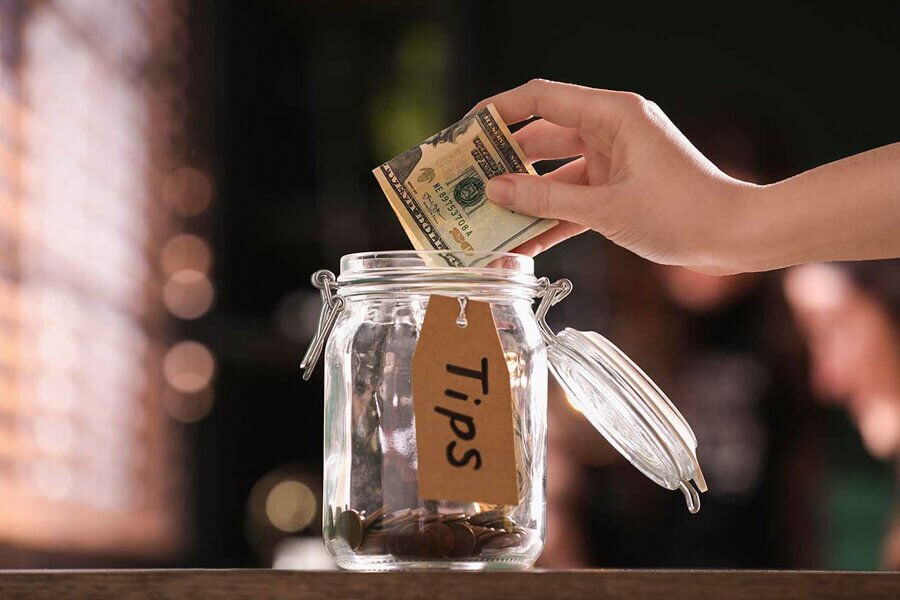
One of the main reasons small denominations are useful is the widespread practice of tipping. Visitors may wish to tip hotel staff, drivers, guides, restaurant employees, or other service providers during their trip. Having smaller notes available makes these interactions more convenient and helps avoid situations where exact change is difficult to obtain.
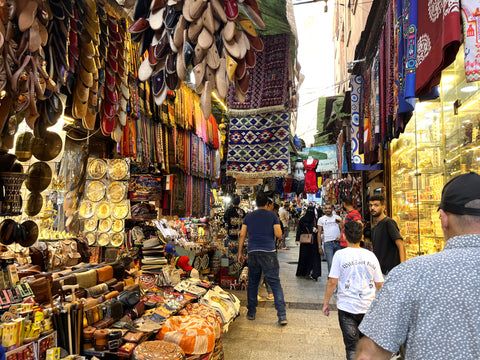
Cash is also useful when shopping in traditional markets, purchasing street food, or visiting smaller businesses that may not accept cards. While larger hotels, restaurants, and tourist facilities often accept electronic payments, local establishments frequently prefer cash transactions.
Another benefit of carrying smaller notes is flexibility. Travelers can make quick purchases without needing large bills and are less likely to encounter difficulties related to change. This is particularly helpful in busy environments where transactions often occur quickly.
Keeping a modest amount of small denomination Egyptian Pounds readily available can significantly improve day-to-day convenience. Most experienced visitors find that combining cash with cards provides the best balance of flexibility, security, and practicality while traveling throughout Egypt.
3. Tipping Is Part of Daily Life
One aspect of Egyptian culture that often surprises first-time visitors is the role tipping plays in everyday interactions. Known locally as “baksheesh,” tipping is a common and widely accepted practice that extends beyond restaurants and hotels into many areas of daily life.
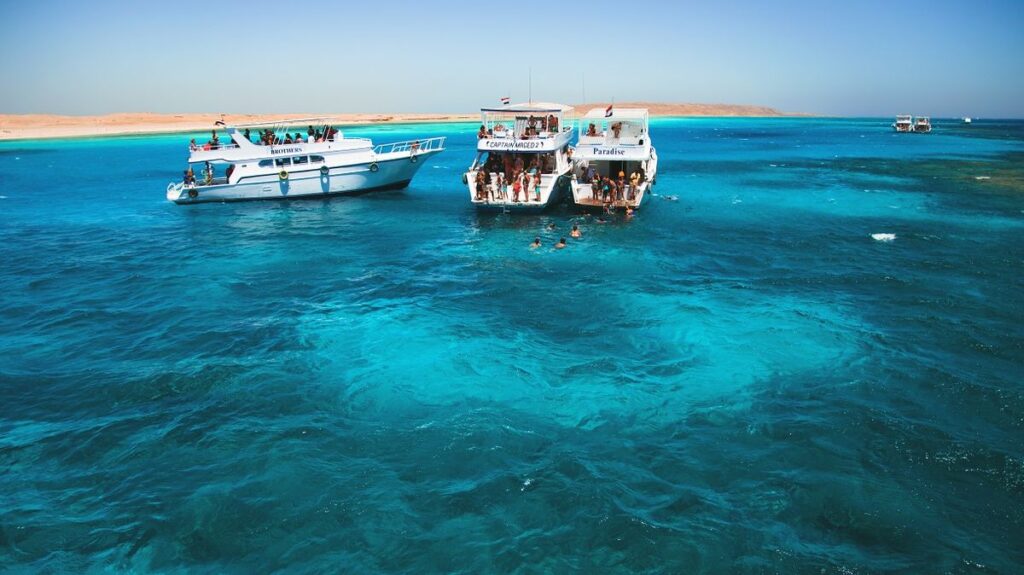
Travelers may encounter tipping opportunities when receiving assistance from hotel staff, porters, drivers, guides, housekeeping personnel, restaurant servers, boat crews, and various other service providers. In many cases, tips are viewed as a gesture of appreciation for good service and form an important part of local service culture.
Understanding this custom before arriving helps visitors avoid confusion and feel more comfortable during their trip. While tipping is common, it does not mean travelers should feel pressured in every situation. The amount generally depends on the service provided and the visitor’s personal judgment.
Having small cash notes available makes tipping easier and helps travelers respond appropriately when they wish to show appreciation. Many visitors quickly adapt to the practice and find that it becomes a natural part of their experience in Egypt.
Rather than viewing tipping as an inconvenience, it can be helpful to see it as part of the local culture and a way to acknowledge the efforts of the people who contribute to a positive travel experience. Understanding this custom in advance helps create smoother and more comfortable interactions throughout a visit to Egypt.