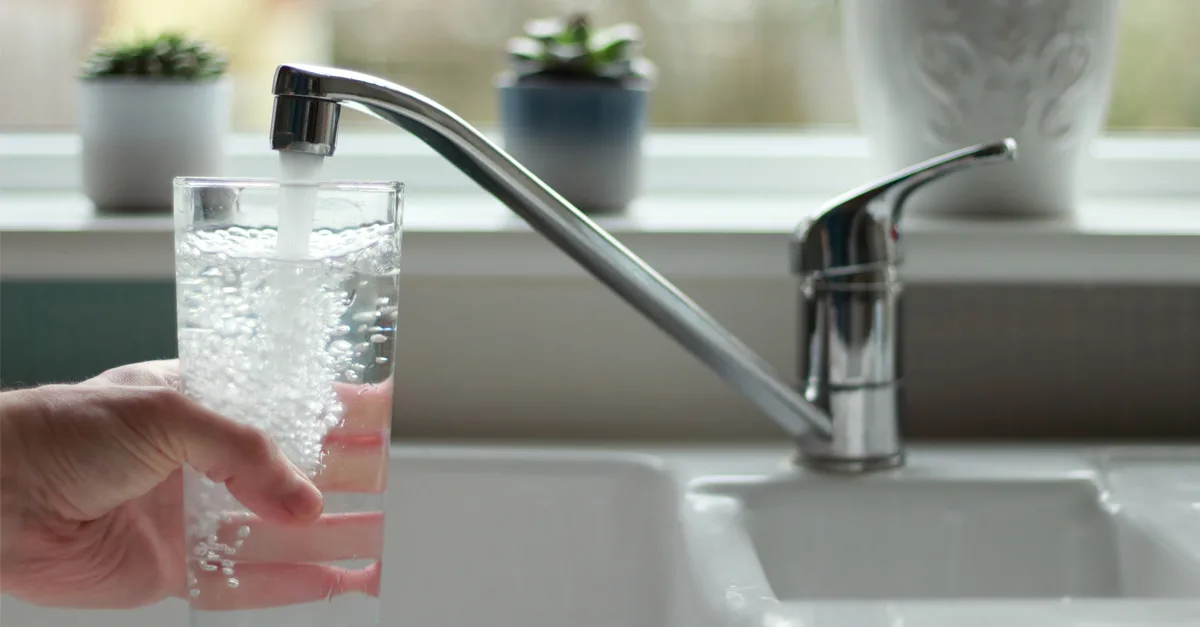
1. Is Tap Water Safe in Egypt?
One of the first concerns many travelers have when planning a trip to Egypt is whether tap water is safe to drink. The answer is somewhat nuanced. In many cities and urban areas, Egypt’s tap water is treated and regulated, and local residents commonly use it for daily household needs. However, most international travelers are still advised to avoid drinking tap water directly and instead rely on bottled or properly filtered water.
The primary reason for this recommendation is not necessarily the presence of harmful contaminants, but rather differences in water treatment processes, mineral content, and local microorganisms. Visitors who are unfamiliar with these differences may experience stomach discomfort or mild digestive issues, even when the water meets local safety standards.
Water quality can also vary depending on location, building infrastructure, storage systems, and plumbing conditions. While modern hotels and resorts often maintain high standards, older buildings may have pipes or storage tanks that affect water quality before it reaches the tap.
For most tourists, choosing bottled water is a simple precaution that helps reduce the risk of gastrointestinal problems during their vacation. Considering the relatively low cost and widespread availability of bottled water in Egypt, many travelers find this to be the most practical approach.
Ultimately, while tap water may be suitable for many local residents, visitors are generally encouraged to drink bottled or filtered water throughout their stay for maximum comfort and peace of mind.
2. Why Tourists Are Advised to Drink Bottled Water
Even though Egypt’s municipal water systems treat and distribute water to millions of residents, bottled water remains the preferred choice for most international visitors. This recommendation is based largely on preventing avoidable digestive issues rather than concerns about widespread water contamination.
Travelers often react differently to unfamiliar water sources. Changes in mineral composition, local bacteria, and water treatment methods can affect people whose digestive systems are not accustomed to the local environment. As a result, even water that local residents consume daily may occasionally cause mild stomach discomfort for tourists.
Bottled water offers a consistent and convenient solution. It is sealed, widely available, inexpensive, and easy to purchase almost everywhere in Egypt. Hotels, restaurants, supermarkets, convenience stores, tourist attractions, airports, and transportation hubs all typically sell bottled drinking water.
Many tour operators and hotels automatically provide bottled water to guests, particularly during sightseeing excursions in destinations such as Cairo, Luxor, Aswan, and the Red Sea resorts. This reflects common tourism industry practices designed to help visitors stay comfortable and hydrated.
Choosing bottled water can also eliminate uncertainty when traveling between different regions of Egypt. Visitors do not need to evaluate local water conditions or worry about variations in infrastructure from one destination to another.
For most travelers, drinking bottled water is a simple, affordable precaution that contributes to a healthier and more enjoyable trip.
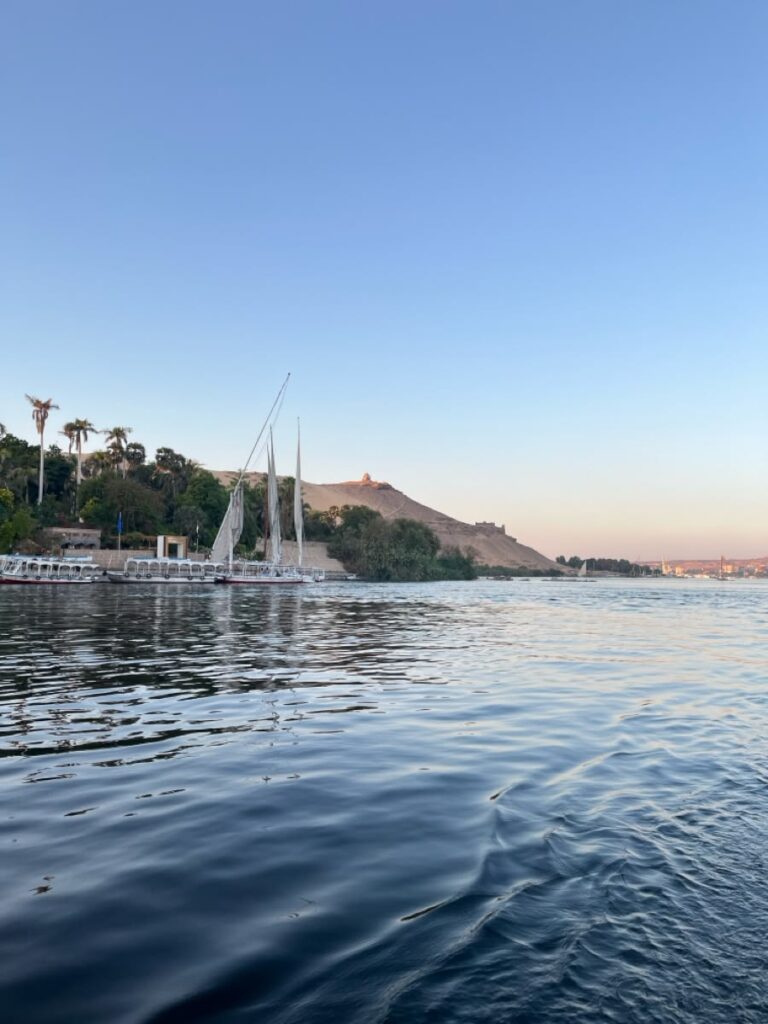
3. Can You Brush Your Teeth with Tap Water?
Another question frequently asked by travelers is whether it is safe to brush their teeth using tap water while visiting Egypt. In most tourist destinations, many visitors do brush their teeth with tap water without experiencing any problems. However, opinions and practices vary depending on individual comfort levels and travel habits.
For travelers with particularly sensitive stomachs or those who prefer to minimize any potential risk, using bottled water for brushing teeth can provide additional peace of mind. Because only a small amount of water is typically used during brushing, many visitors find this precaution easy to follow throughout their stay.
In major hotels and resorts, tap water used for brushing is generally considered low risk for most travelers. However, visitors who are especially cautious—such as those with sensitive digestive systems, young children, or certain medical conditions—may choose bottled water as an extra safeguard.
The decision ultimately comes down to personal preference and risk tolerance. Many tourists brush their teeth with tap water without issue, while others prefer bottled water simply because it eliminates uncertainty.
Regardless of the method chosen, maintaining good hydration and following sensible food and water safety practices remain far more important factors in preventing travel-related digestive problems during a trip to Egypt.