
1. Is Cash Still Important in Egypt?
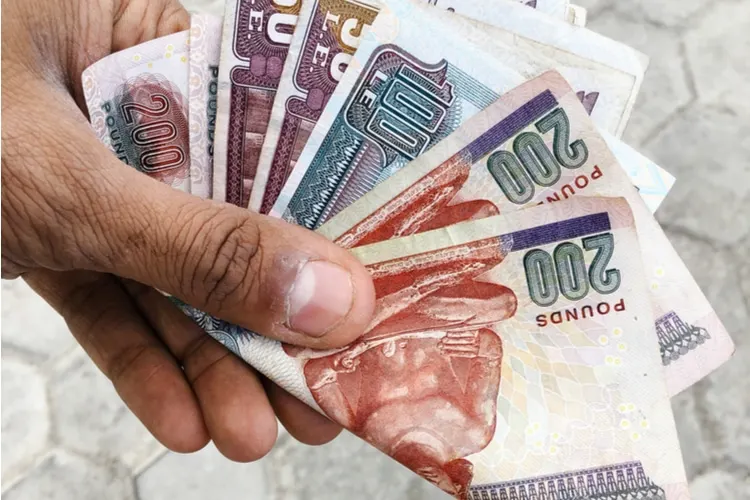
Despite the growing popularity of digital payments and card transactions, cash remains an essential part of daily life in Egypt. While many modern businesses now accept credit and debit cards, travelers will quickly discover that cash is still widely used across the country, particularly outside large hotels, shopping malls, and international establishments.
One reason cash remains important is the diversity of Egypt’s economy. Visitors often encounter a mix of modern and traditional businesses during their trip. Luxury hotels, major restaurants, and tourism companies typically accept electronic payments, but smaller shops, local cafés, family-run businesses, and market vendors often prefer cash transactions.
Tourists frequently use cash for everyday purchases such as bottled water, snacks, souvenirs, transportation, and tipping. In many cases, cash provides a faster and more convenient payment method, especially when making small purchases. Travelers who rely exclusively on cards may occasionally find themselves unable to complete transactions in certain situations.
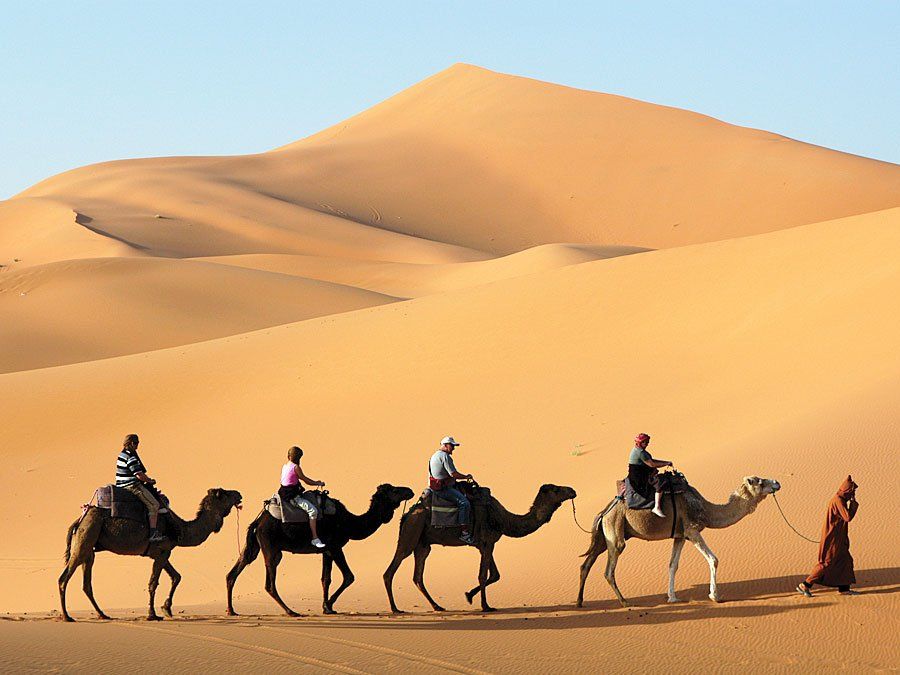
Cash also offers flexibility when visiting remote destinations, rural communities, or smaller towns where electronic payment infrastructure may be less common. Locations such as desert oases, local markets, and independent vendors often operate primarily with cash.
The key is balance. Most travelers find that carrying a reasonable amount of cash while keeping cards available for larger purchases creates the most convenient travel experience. This combination provides flexibility while reducing the need to carry excessive amounts of money.
For visitors to Egypt, cash remains an important financial tool that complements modern payment methods rather than replacing them entirely.
2. Where Credit and Debit Cards Are Commonly Accepted
Egypt has made significant progress in expanding electronic payment options, particularly in major cities and tourist destinations. As a result, travelers can comfortably use credit and debit cards in many situations, especially when dealing with larger businesses and tourism-related services.
Most international hotels accept major credit cards and debit cards for accommodations, dining, and additional services. Luxury resorts, Nile cruise operators, and established tourism companies generally provide convenient card payment facilities that make transactions simple for international visitors.
Restaurants in major cities such as Cairo, Alexandria, Luxor, Aswan, Hurghada, and Sharm El Sheikh frequently accept cards, particularly those catering to tourists. Shopping malls, large retail stores, supermarkets, and international brands also typically support electronic payments.
Travelers can often use cards for domestic flights, train tickets, museum bookings, attraction tickets, and online reservations. Many tour operators and transportation providers also offer card payment options, making it easier to manage larger travel expenses without carrying large amounts of cash.
However, visitors should remember that card acceptance may vary between businesses. Some establishments may have minimum purchase requirements, while others may occasionally experience technical issues affecting payment terminals. Having a backup payment method is therefore advisable.
Overall, card usage in Egypt is increasingly common and continues to expand. For many larger transactions, electronic payments provide convenience, security, and ease of use throughout the travel experience.
3. Situations Where You Will Definitely Need Cash
Although cards are widely accepted in many places, there are numerous situations where cash remains essential during a trip to Egypt. Understanding these situations helps travelers avoid inconvenience and ensures they are prepared for everyday expenses throughout their journey.
One of the most common uses for cash is tipping. Egypt has a strong tipping culture, often referred to as “baksheesh,” and travelers frequently provide small gratuities to hotel staff, drivers, guides, restaurant employees, restroom attendants, and various service providers. Small denomination notes are particularly useful for this purpose.
Local markets and traditional bazaars often operate primarily with cash. Famous shopping areas such as Khan El Khalili in Cairo feature many vendors who prefer cash transactions, especially when negotiating prices for souvenirs, handicrafts, jewelry, textiles, and local products.
Street food vendors, small cafés, independent shops, and family-owned businesses may not accept cards at all. Cash is usually the simplest and most practical payment method in these situations.
Transportation can also require cash. While ride-hailing services often support electronic payments, some taxis, local transportation providers, and independent drivers may prefer cash transactions. Having local currency available helps ensure flexibility when moving around.
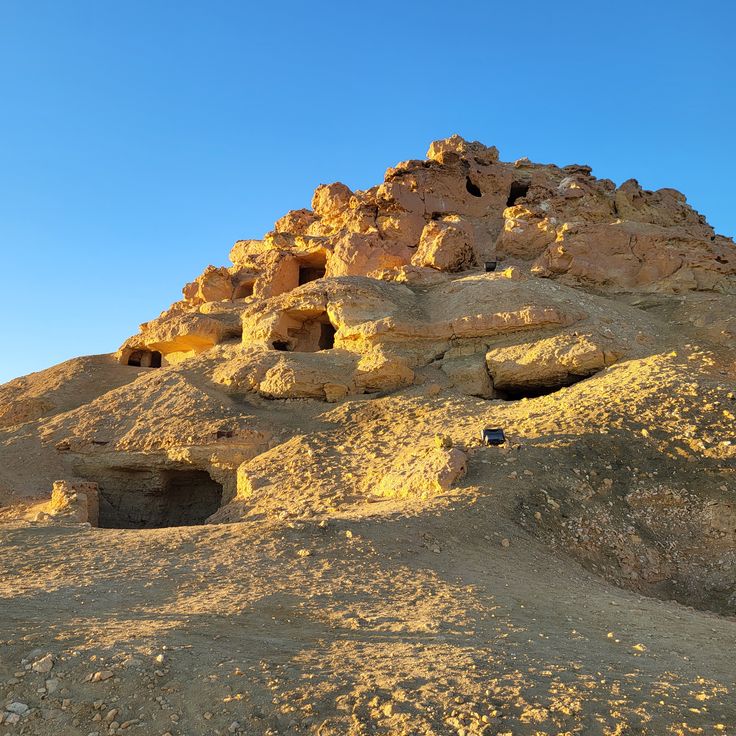
Travelers visiting remote destinations, rural villages, desert oases, and smaller communities should be particularly prepared to use cash. Electronic payment infrastructure may be limited or unavailable in certain areas.
For these reasons, carrying a supply of Egyptian Pounds is highly recommended. Cash remains a vital part of everyday travel in Egypt and helps visitors handle many common situations with ease and convenience.