

1. Major International Airports in Egypt
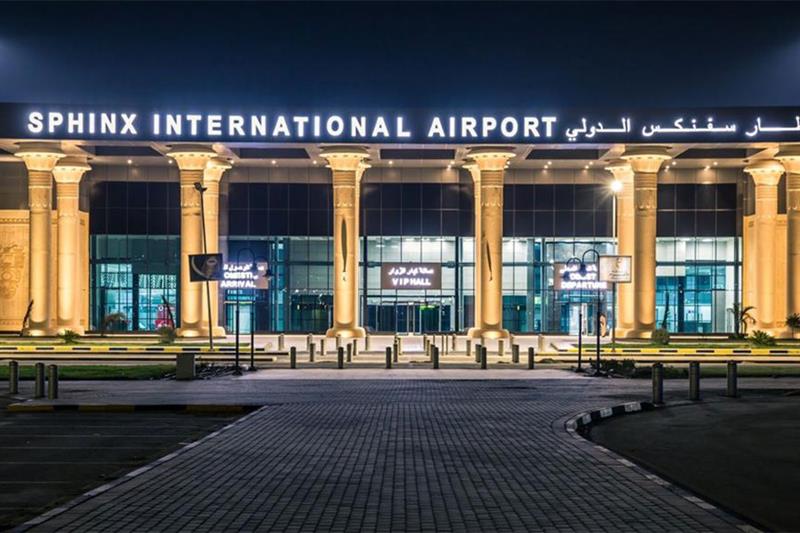
Egypt is served by several international airports that connect the country to destinations across Europe, Asia, Africa, the Middle East, and the Americas. Choosing the right airport can save time and make your travel experience more convenient, especially if you plan to visit specific regions of the country. Understanding the role of each major airport is an important first step when planning a trip to Egypt.
Cairo International Airport is the country’s largest and busiest airport, serving as the primary gateway for most international travelers. Located near the capital city, it offers easy access to the Pyramids of Giza, the Grand Egyptian Museum, historic Cairo, and numerous domestic flight connections to other Egyptian destinations.
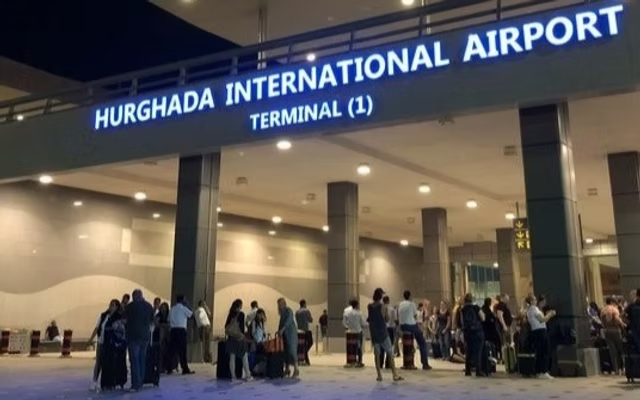
Hurghada International Airport is one of the most popular airports for visitors heading to the Red Sea coast. Travelers arriving here can quickly reach the region’s famous resorts, beaches, diving centers, and marine attractions. The airport serves a large number of charter and scheduled international flights, particularly from Europe.
Sharm El Sheikh International Airport provides direct access to one of Egypt’s most famous beach destinations. It is a major hub for snorkeling, diving, luxury resorts, and Red Sea vacations, attracting visitors from around the world.
Luxor International Airport and Aswan International Airport are ideal entry points for travelers interested in Ancient Egyptian history. These airports provide convenient access to temples, tombs, Nile cruises, and archaeological sites throughout Upper Egypt.
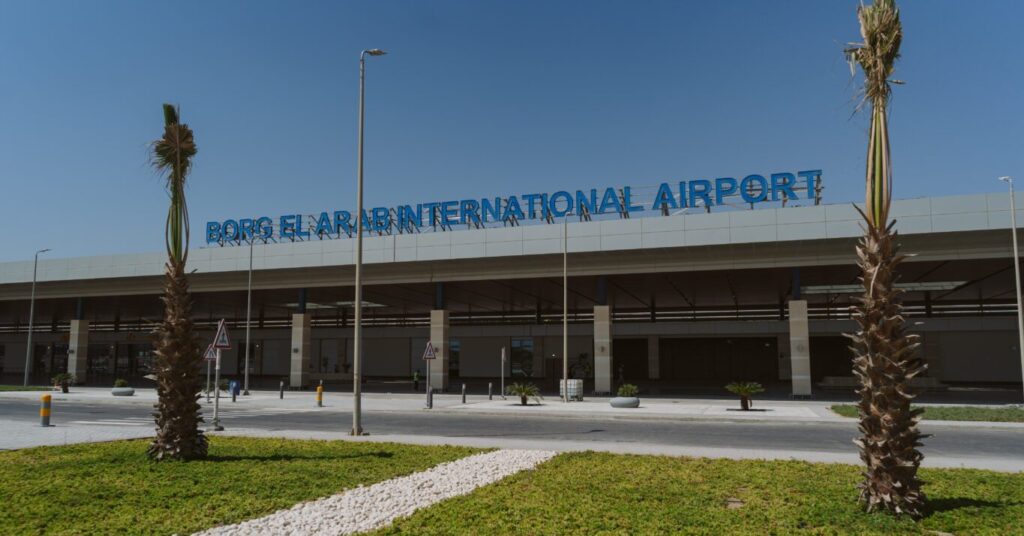
Other international airports, including Alexandria, Marsa Alam, and Sohag, also serve specific tourism and business markets. Together, Egypt’s airports create a comprehensive transportation network that makes it easy for travelers to explore the country’s diverse attractions.
2. Arrival Procedures and Immigration Process
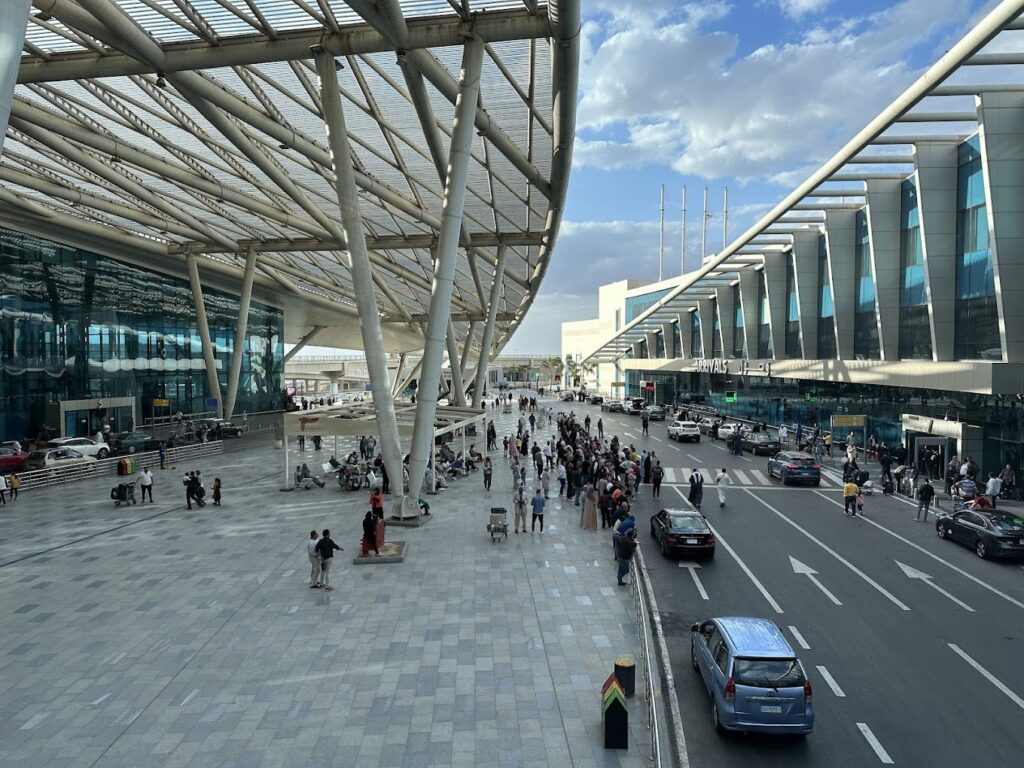
Understanding the arrival process before landing in Egypt can help international travelers enjoy a smoother and more stress-free experience. Although procedures may vary slightly between airports, the overall arrival process is generally straightforward and designed to accommodate visitors from around the world.
After disembarking from the aircraft, passengers proceed to immigration control. Travelers should ensure that they have a valid passport, visa if required, and any supporting travel documents readily available. Immigration officers may ask basic questions regarding the purpose of the visit, length of stay, and accommodation details.
Depending on nationality, visitors may obtain a visa before travel, apply for an electronic visa, or purchase a visa on arrival. It is advisable to verify the latest visa requirements before departure to avoid delays upon arrival.
Following immigration clearance, travelers proceed to baggage claim areas to collect their luggage. Airport information screens clearly indicate baggage carousel assignments, helping passengers locate their belongings efficiently. After collecting luggage, visitors pass through customs inspection before entering the arrivals hall.
Most Egyptian airports provide multilingual signage, information desks, and airport staff who can assist travelers with directions and general inquiries. Currency exchange counters, ATMs, transportation services, and SIM card providers are typically available within the arrivals area.
By understanding these procedures in advance, first-time visitors can navigate Egypt’s airports with confidence and begin their journey smoothly.

3. Visa Requirements for International Travelers
One of the most important aspects of planning a trip to Egypt is understanding the visa requirements that apply to your nationality. While Egypt welcomes visitors from around the world, entry requirements can vary depending on citizenship, travel purpose, and duration of stay. Taking time to verify visa regulations before departure can help prevent complications upon arrival.
Many travelers are eligible to apply for an electronic visa, commonly known as an e-Visa. This option allows visitors to complete the application process online before traveling, reducing paperwork and simplifying arrival procedures. The e-Visa system has become increasingly popular because of its convenience and efficiency.
Certain nationalities may also qualify for a visa on arrival at designated international airports. Travelers using this option typically purchase the visa before proceeding to immigration control. It is important to carry the appropriate payment method and verify eligibility before departure.
Visitors who are not eligible for either an e-Visa or visa on arrival may need to obtain a visa through an Egyptian embassy or consulate before traveling. This process may require additional documentation and should be completed well in advance of the planned travel date.
In addition to visa requirements, travelers should ensure that their passport remains valid for at least six months beyond their arrival date. This is a common entry requirement and is routinely checked by immigration authorities.
Understanding visa regulations before departure helps travelers avoid unnecessary delays and ensures a smoother entry process upon arrival in Egypt. Proper preparation allows visitors to focus on enjoying their journey and exploring the country’s remarkable attractions.