
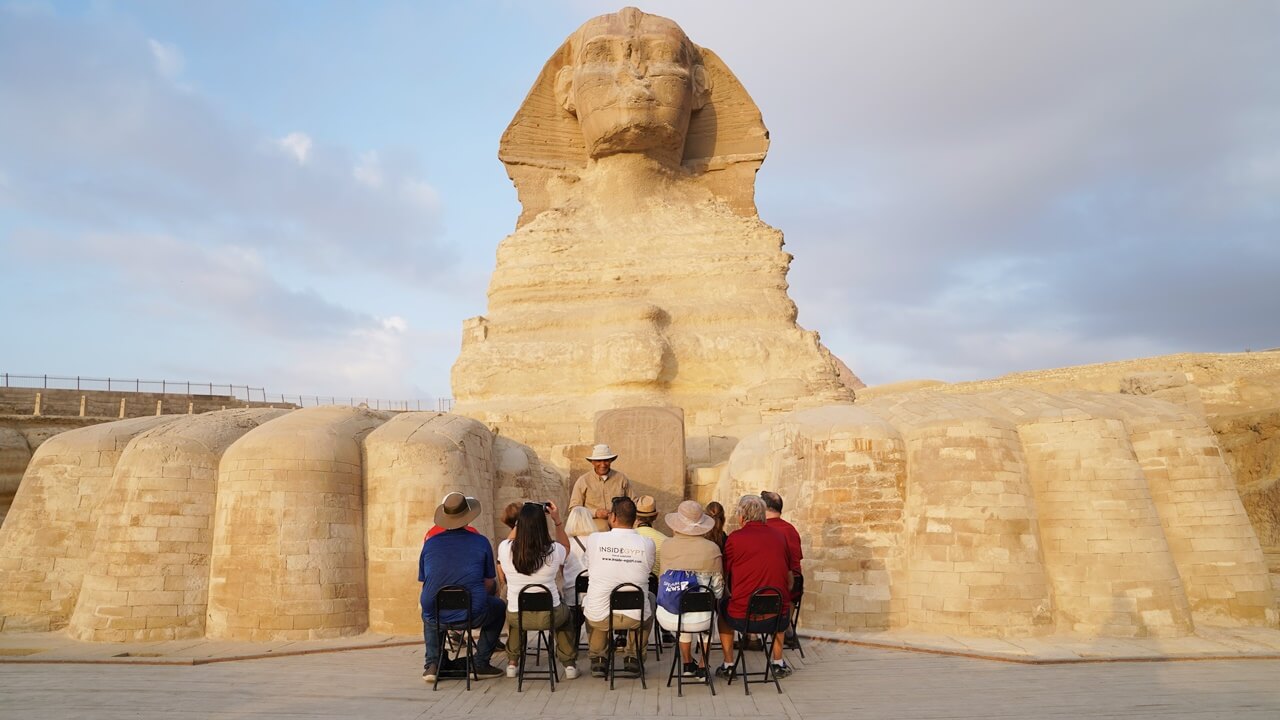
Welcome to

Egypt Packing List: What to Bring for Your Trip

Packing for a trip to Egypt requires more than simply filling a suitcase with clothes and travel essentials. As one of the world’s most diverse travel destinations, Egypt offers experiences that range from exploring ancient pyramids and temples to relaxing on Red Sea beaches, cruising along the Nile, and venturing into vast desert landscapes. Preparing appropriately for these different environments can help ensure a comfortable, enjoyable, and stress-free journey.

One of the first factors to consider is Egypt’s climate. The country enjoys sunshine throughout most of the year, with temperatures varying depending on the season and destination. While coastal areas may be relatively mild, cities such as Cairo, Luxor, and Aswan can become very warm, particularly during the summer months. Desert destinations often experience hot days and surprisingly cool evenings. Understanding these conditions is essential when selecting clothing and travel gear.

In addition to weather considerations, travelers should think about the activities included in their itinerary. Sightseeing at archaeological sites often involves long periods of walking under the sun, while Red Sea vacations require beachwear and water-related equipment. Travelers planning desert safaris, Nile cruises, or cultural visits may also need specific items to enhance comfort and convenience.

Packing appropriately can help visitors avoid common travel inconveniences and focus on enjoying Egypt’s extraordinary attractions. Comfortable clothing, proper footwear, sun protection, travel documents, electronic accessories, health essentials, and practical travel items all contribute to a smoother experience.

Whether you are visiting Egypt for the first time or returning for another adventure, having a well-prepared packing list can make a significant difference. This comprehensive guide covers everything you should consider bringing, helping you travel confidently while making the most of your time in one of the world’s most fascinating destinations.

How Much Does a Trip to Egypt Cost?

1. Essential Travel Documents and Money

Before packing clothes, electronics, or travel accessories, the most important items to prepare for your trip to Egypt are your travel documents and financial essentials. Having these items organized and easily accessible can help ensure a smooth journey from departure to arrival.

Your passport is the most important document you will carry. Travelers should ensure that their passport remains valid for at least six months beyond their planned arrival date in Egypt. It is also wise to make both digital and printed copies of your passport and store them separately in case of loss or theft.

Depending on your nationality, you may need a visa to enter Egypt. Some travelers obtain an e-Visa before departure, while others may qualify for a visa on arrival. Confirming visa requirements well in advance helps avoid unnecessary delays or complications at the airport.

Additional important documents include flight confirmations, hotel reservations, travel insurance information, tour vouchers, and emergency contact details. Keeping digital backups on your phone or cloud storage can provide extra security during your trip.

Financial preparation is equally important. Travelers should bring at least one major credit or debit card, along with some cash for immediate expenses. While cards are widely accepted in many hotels and tourist establishments, local currency is useful for transportation, tipping, local markets, and smaller purchases.

A secure travel wallet or document organizer can help keep passports, money, cards, and important paperwork organized throughout the journey. Proper preparation of travel documents and finances provides peace of mind and helps ensure a stress-free start to your Egyptian adventure.
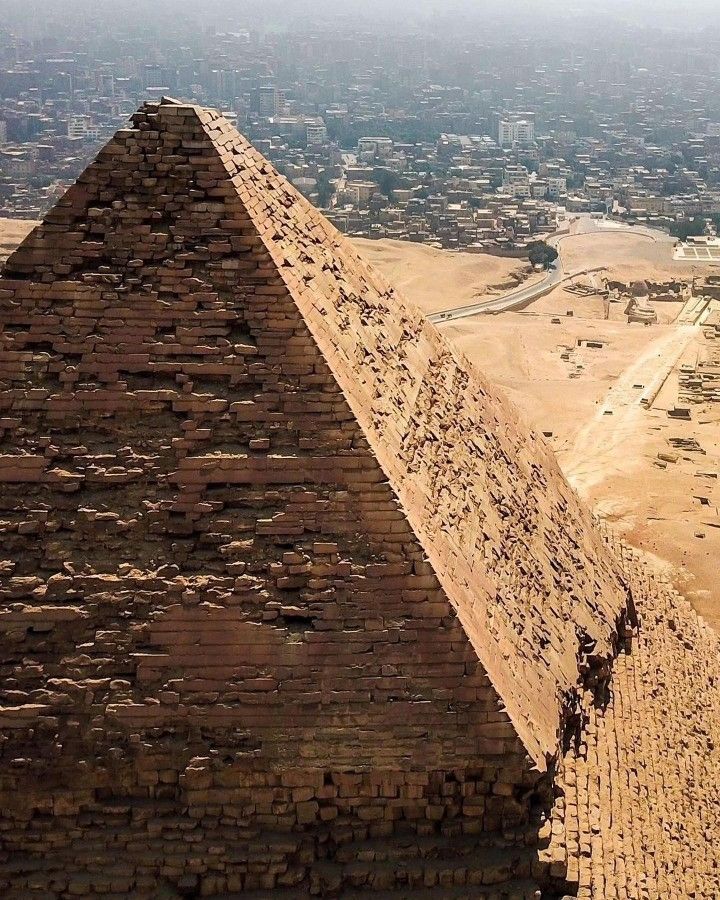
2. Clothing for Egypt’s Climate

Choosing the right clothing is one of the most important parts of preparing for a trip to Egypt. The country’s climate is generally warm and sunny throughout much of the year, but temperatures can vary depending on the season and destination. Packing appropriate clothing helps ensure comfort while exploring Egypt’s many attractions.

Lightweight, breathable fabrics such as cotton and linen are ideal for most visitors. These materials help keep travelers cool while walking through archaeological sites, exploring cities, or participating in outdoor activities. Loose-fitting clothing is often more comfortable in warm conditions and provides additional protection from the sun.

For sightseeing, comfortable shirts, lightweight trousers, shorts, and casual tops are practical choices. However, travelers should also consider cultural norms, especially when visiting religious sites, traditional communities, or rural areas. Modest clothing is generally appreciated and can help visitors feel more comfortable in various settings.

Even though Egypt is known for its warm weather, a light jacket or sweater can be useful during winter evenings, particularly in desert regions where temperatures may drop after sunset. Travelers visiting between November and February should be prepared for cooler mornings and evenings.

Those planning to visit the Red Sea coast should pack swimwear, beach clothing, and lightweight cover-ups for resort areas. Travelers participating in desert safaris may benefit from long-sleeved clothing that provides additional protection against sun exposure and sand.

By selecting practical and weather-appropriate clothing, visitors can remain comfortable while fully enjoying Egypt’s historical, cultural, and natural attractions.
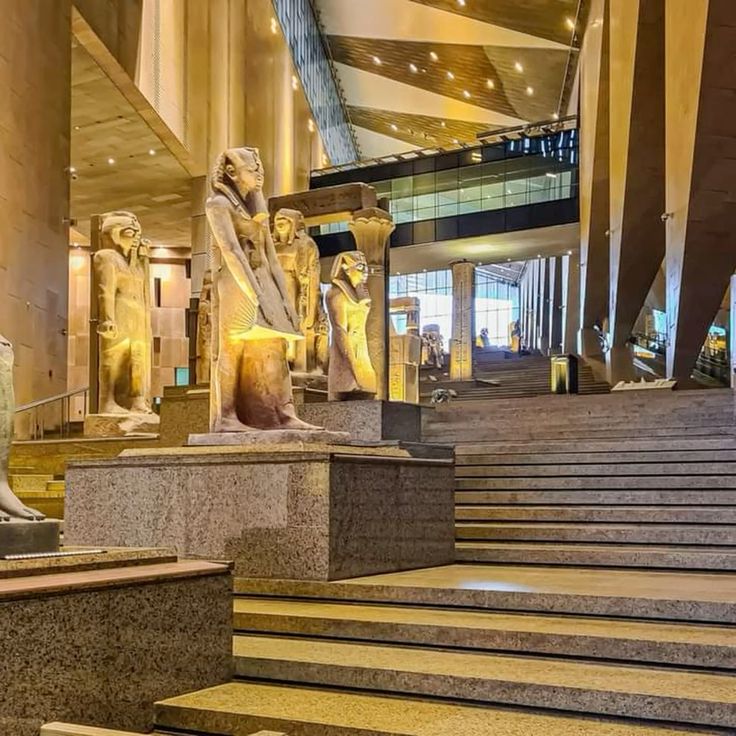
Grand Egyptian Museum

3. Comfortable Footwear for Sightseeing

One of the most frequently overlooked items on any Egypt packing list is proper footwear. Because many of the country’s most famous attractions involve extensive walking, comfortable shoes can make a significant difference in the overall travel experience.

Ancient sites such as the Pyramids of Giza, Saqqara, Karnak Temple, Luxor Temple, Abu Simbel, and the Valley of the Kings often require visitors to walk across uneven surfaces, sandy terrain, stone pathways, and large archaeological complexes. Comfortable walking shoes help reduce fatigue and make long sightseeing days much more enjoyable.

Athletic shoes, lightweight hiking shoes, or supportive walking shoes are generally the best options for most travelers. Footwear should be broken in before departure to avoid discomfort or blisters during the trip. Breathable materials can also help improve comfort during warm weather conditions.

Travelers planning desert excursions should consider closed-toe shoes that provide protection from sand, rocks, and uneven terrain. For Nile cruises, city exploration, and general sightseeing, comfortable casual footwear is usually sufficient.

Sandals can be useful for hotel stays, beach destinations, swimming pools, and Red Sea vacations. However, they may not provide adequate support for extended periods of walking at archaeological sites.

Many first-time visitors underestimate the amount of walking involved during an Egypt trip. Packing high-quality footwear is one of the simplest ways to improve comfort and ensure that you can fully enjoy the country’s incredible historical landmarks and cultural attractions without unnecessary physical strain.
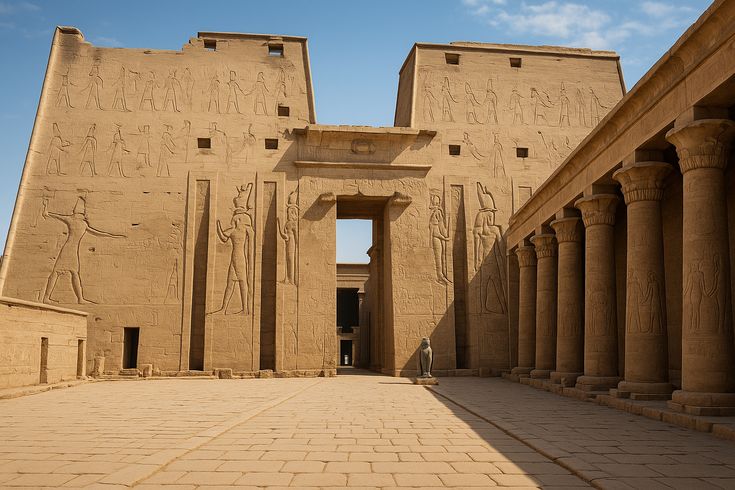
4. Sun Protection and Weather Essentials

Egypt is known for its abundant sunshine and generally dry climate, making sun protection one of the most important considerations when packing for your trip. Whether you are exploring the Pyramids of Giza, visiting the temples of Luxor and Aswan, cruising along the Nile, or enjoying the beaches of the Red Sea, prolonged exposure to the sun is almost unavoidable. Bringing the right weather-related essentials can greatly improve your comfort and help protect your health throughout your journey.

A high-quality sunscreen with a strong SPF rating should be at the top of every traveler’s packing list. Frequent application is particularly important during long sightseeing days, especially when visiting open-air archaeological sites where shade may be limited. Protecting your skin from intense sunlight can help prevent sunburn and dehydration.

A wide-brimmed hat or cap is another highly recommended item. It provides additional protection for the face, neck, and head while reducing direct sun exposure during outdoor activities. Many experienced travelers consider a hat essential when visiting Egypt’s desert regions and historical attractions.

Sunglasses with UV protection are equally important. The bright Egyptian sun can be intense, particularly during midday hours and in sandy environments where sunlight reflects off surfaces. Quality sunglasses help protect your eyes while improving overall comfort.

A reusable water bottle is another valuable travel item. Staying hydrated is essential, especially during warm weather and extended periods of walking. Many travelers carry water throughout the day to maintain energy levels and reduce the effects of heat.

Lightweight scarves can also be useful for additional sun protection and may help shield against dust during desert excursions. Combined with breathable clothing and appropriate footwear, these weather essentials help travelers remain comfortable while exploring Egypt’s remarkable attractions under its famous sunshine.

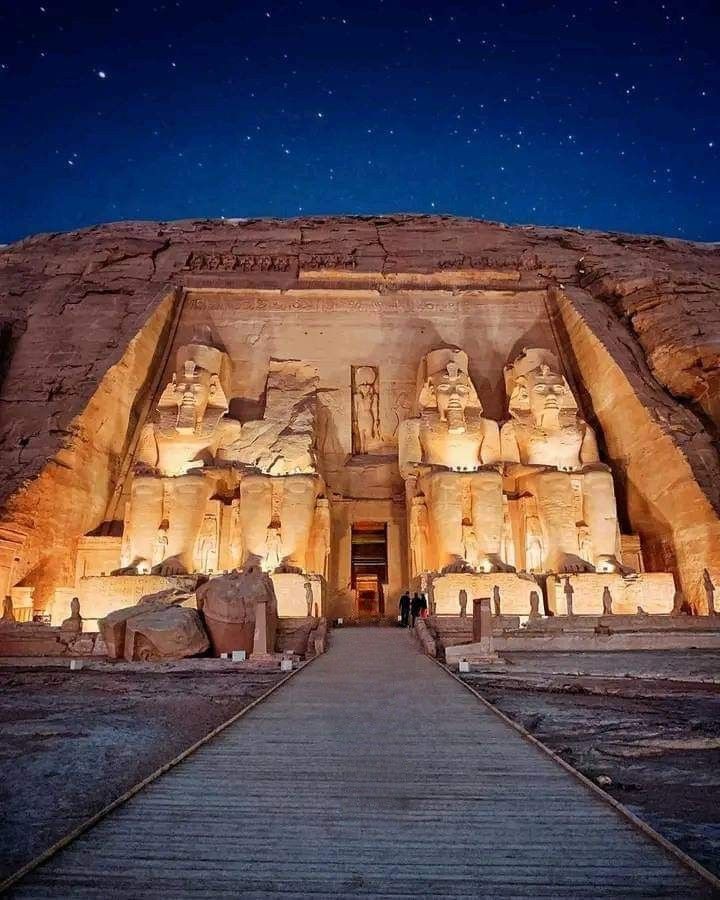
Abu Simbel

5. Electronics and Travel Gadgets

Modern travelers often rely heavily on electronic devices, and packing the right technology can make a trip to Egypt more convenient, comfortable, and enjoyable. Whether you are navigating unfamiliar cities, capturing unforgettable memories, or staying connected with family and friends, a few essential gadgets can greatly enhance your travel experience.

A smartphone is arguably the most important electronic item to bring. It serves multiple purposes, including communication, navigation, photography, online bookings, and access to travel information. Downloading offline maps before departure can be particularly helpful when visiting remote areas or locations with limited internet connectivity.

Chargers for all electronic devices should be packed carefully, along with any necessary cables. Travelers should also consider bringing a power bank to keep phones and other devices charged during long sightseeing days. This can be especially useful when exploring archaeological sites or participating in full-day excursions.

Egypt uses specific electrical outlets and voltage standards, so a universal travel adapter is highly recommended. Having the correct adapter ensures that phones, cameras, laptops, and other electronics can be charged without difficulty.

Photography enthusiasts may wish to bring a dedicated camera in addition to their smartphone. Egypt offers countless opportunities for spectacular photographs, from the Pyramids and temples to Nile landscapes and desert sunsets. Extra memory cards and spare batteries can help avoid interruptions during photography sessions.

Laptops, tablets, e-readers, and noise-canceling headphones can also be useful, particularly for long flights, Nile cruises, or extended stays. Packing the right electronics helps travelers remain connected, organized, and prepared throughout their Egyptian adventure.

6. Health, Medications, and Personal Care Items

Maintaining good health while traveling is essential, and bringing the right medical and personal care items can help ensure a comfortable and worry-free trip to Egypt. Although pharmacies and medical facilities are available throughout major cities and tourist destinations, it is always advisable to travel with your most important health-related essentials.

Travelers who take prescription medications should bring an adequate supply for the entire trip, along with copies of prescriptions if necessary. Keeping medications in their original packaging can help avoid confusion during airport security checks and customs inspections.

A basic travel first-aid kit can be extremely useful. Common items include adhesive bandages, antiseptic wipes, pain relievers, motion sickness medication, antihistamines, and treatments for minor digestive discomfort. While many of these items can be purchased locally, having them readily available provides additional convenience.

Personal hygiene products are equally important. Essentials such as toothbrushes, toothpaste, deodorant, skincare products, and personal grooming items should be packed according to individual preferences. Travelers with specific skincare needs may wish to bring familiar products rather than relying on local availability.

Hand sanitizer and disinfectant wipes are practical additions to any packing list. These items can be useful during transportation, sightseeing, and meals when access to handwashing facilities may be limited.

Travel insurance is another important health-related consideration. While not a physical item, having appropriate insurance coverage can provide valuable protection in the event of illness, injury, or unexpected travel disruptions.

Proper preparation helps travelers stay healthy, comfortable, and focused on enjoying Egypt’s incredible attractions.

History of The Red Sea

7. What to Pack for Nile Cruises and Boat Trips

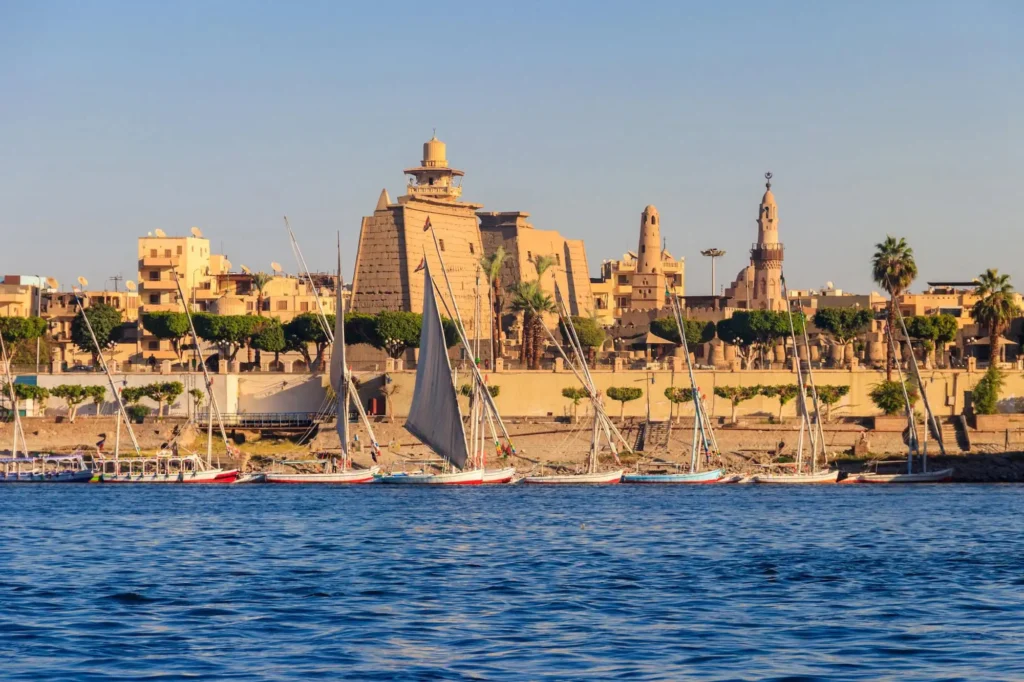
A Nile Cruise is one of the most popular travel experiences in Egypt, offering a unique combination of relaxation, sightseeing, and cultural discovery. Travelers planning to spend time on the Nile should consider packing a few additional items specifically suited to river travel and boat-based excursions.

Comfortable daytime clothing remains essential because many cruise itineraries include guided visits to archaeological sites such as Karnak Temple, Luxor Temple, Edfu Temple, Kom Ombo Temple, and Philae Temple. Lightweight outfits suitable for warm weather help ensure comfort during these excursions.

Evenings on the Nile can be cooler, particularly during the winter months. A light jacket, sweater, or shawl can provide additional warmth while relaxing on deck or attending evening activities onboard. Many travelers appreciate having an extra layer available after sunset.

Swimwear is highly recommended because most Nile cruise ships feature swimming pools and sun decks. Sunglasses, sunscreen, and hats remain equally important due to extended exposure to the sun while enjoying panoramic river views.

A small day bag is useful for carrying water, cameras, sunscreen, and personal belongings during shore excursions. Comfortable walking shoes are also essential because many sightseeing stops involve significant amounts of walking.

Photography equipment can be particularly valuable during a Nile Cruise. The river offers countless opportunities to capture beautiful landscapes, traditional villages, palm groves, temples, and stunning sunsets. Spare batteries and memory cards are highly recommended.

Packing thoughtfully for a Nile Cruise helps travelers enjoy both the sightseeing and relaxation aspects of one of Egypt’s most memorable travel experiences.

8. What to Pack for Red Sea Vacations

Egypt’s Red Sea coast is famous for its crystal-clear waters, beautiful beaches, luxury resorts, and world-class diving and snorkeling opportunities. Destinations such as Hurghada, Sharm El Sheikh, Marsa Alam, and El Gouna attract visitors from around the globe who come to enjoy relaxation, water sports, and marine adventures. If your itinerary includes a Red Sea holiday, packing the right items can help you make the most of your experience.

Swimwear is naturally one of the most important items to bring. Most visitors spend considerable time at beaches, swimming pools, snorkeling sites, and boat excursions. Bringing more than one swimsuit can be particularly useful for longer stays.

Lightweight beachwear, cover-ups, shorts, t-shirts, and breathable clothing are ideal for the warm coastal climate. Sandals or comfortable flip-flops are also practical for walking around resorts, beaches, and pool areas.

For travelers planning snorkeling or diving excursions, personal equipment such as masks, snorkels, or reef-safe water shoes may be useful, although many tour operators provide rental equipment. Waterproof phone cases can also be valuable for protecting electronics during boat trips and water activities.

Sun protection remains essential along the Red Sea coast. High-SPF sunscreen, sunglasses, hats, and reusable water bottles help visitors stay comfortable during long hours outdoors. The combination of strong sunlight and reflected light from the water can increase sun exposure significantly.

A lightweight beach bag can help organize personal belongings during daily excursions, while a waterproof pouch is useful for protecting valuables. Travelers may also wish to pack casual evening attire for resort restaurants and entertainment venues.

With the right preparation, visitors can fully enjoy the Red Sea’s spectacular beaches, marine life, and outdoor activities while remaining comfortable throughout their coastal adventure.

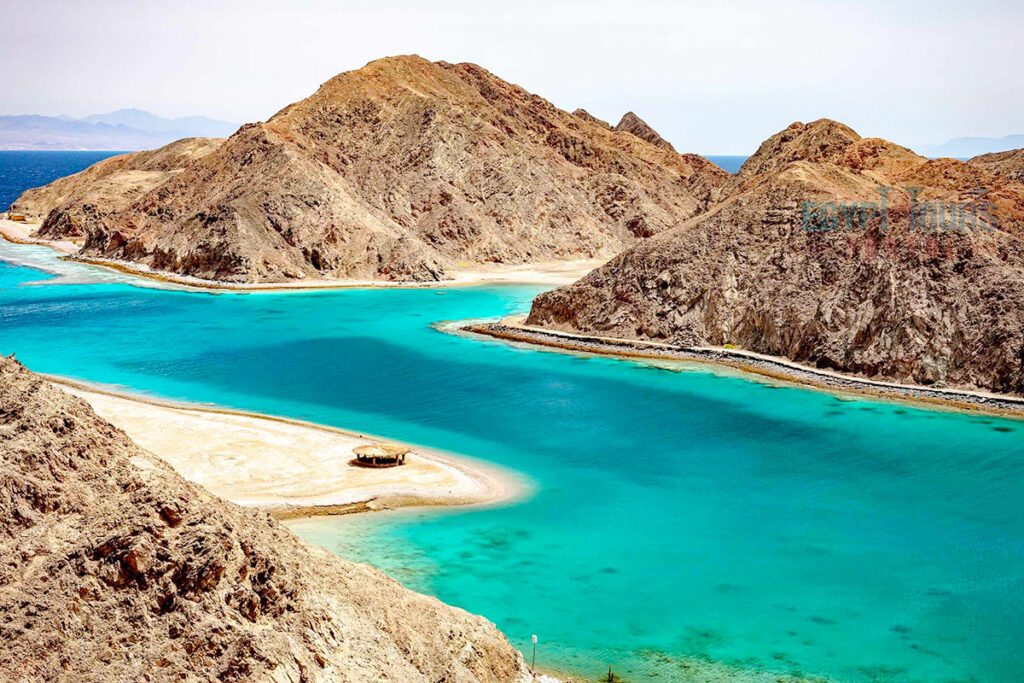
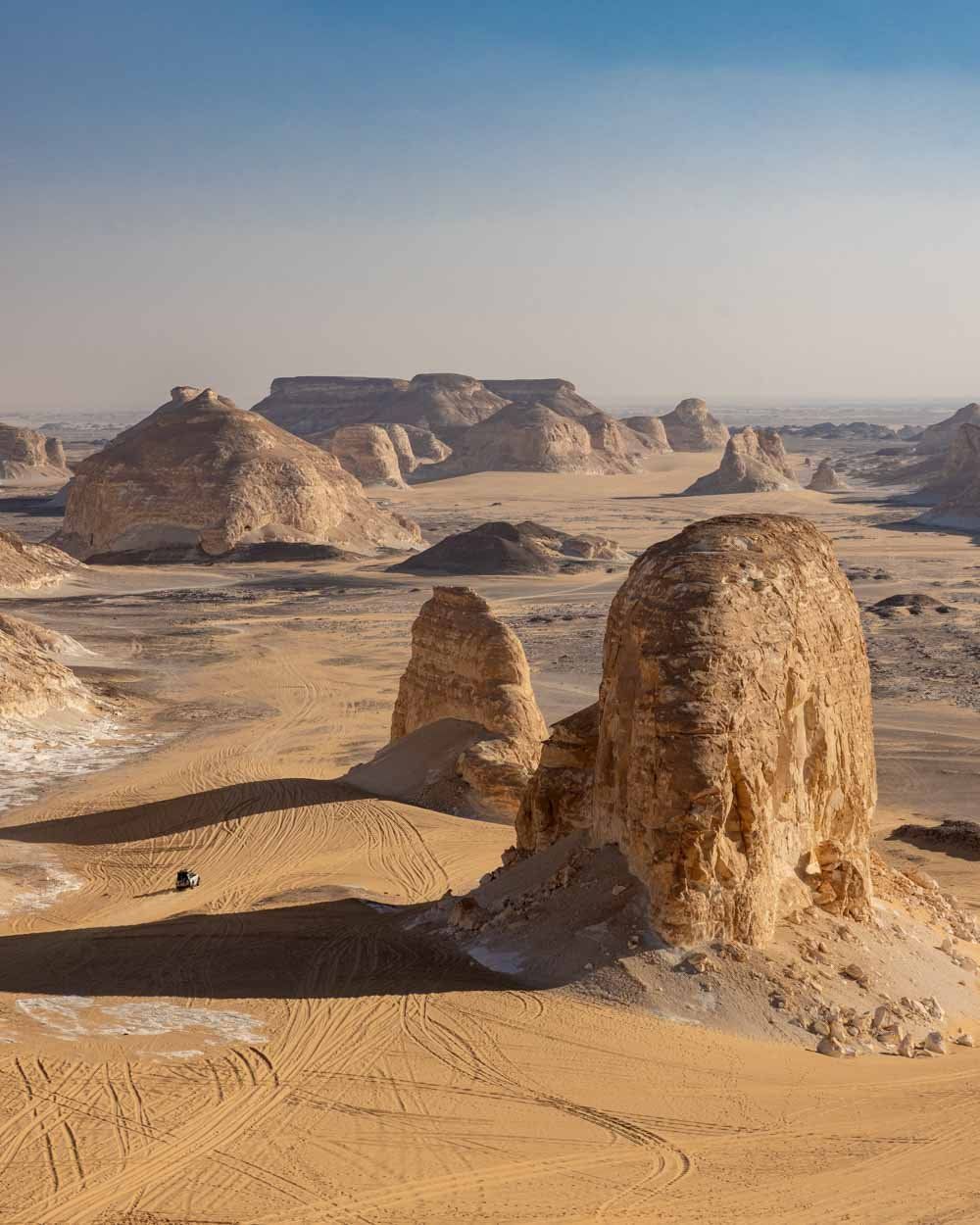
The White Desert The Agabat Valley

9. What to Pack for Desert Adventures

Egypt’s deserts offer some of the most spectacular landscapes in the world, from the Great Sand Sea and Siwa Oasis to the White Desert and the vast dunes of the Western Desert. Travelers planning desert safaris, camping experiences, or off-road adventures should prepare carefully by packing items specifically suited to these unique environments.

Lightweight but long-sleeved clothing is highly recommended. While desert temperatures can be extremely hot during the day, long sleeves provide valuable protection from direct sunlight and blowing sand. Breathable fabrics such as cotton or moisture-wicking materials help maintain comfort throughout outdoor activities.

A scarf or buff can be particularly useful for protecting the face and neck from dust and sand during desert excursions. Many experienced desert travelers consider this an essential item, especially during windy conditions.

Comfortable closed-toe shoes are also important. Desert terrain often includes soft sand, rocky surfaces, and uneven ground, making supportive footwear far more practical than sandals. Travelers planning activities such as sandboarding or dune bashing may also appreciate lightweight athletic shoes.

Because temperatures can drop significantly after sunset, especially during winter months, packing a light jacket or fleece is advisable. Even in warm seasons, desert evenings can feel surprisingly cool compared to daytime conditions.

Additional useful items include sunglasses, sunscreen, a reusable water bottle, a flashlight or headlamp for overnight camping, and a portable power bank for charging electronic devices. Proper preparation ensures that travelers can safely and comfortably enjoy Egypt’s extraordinary desert landscapes.

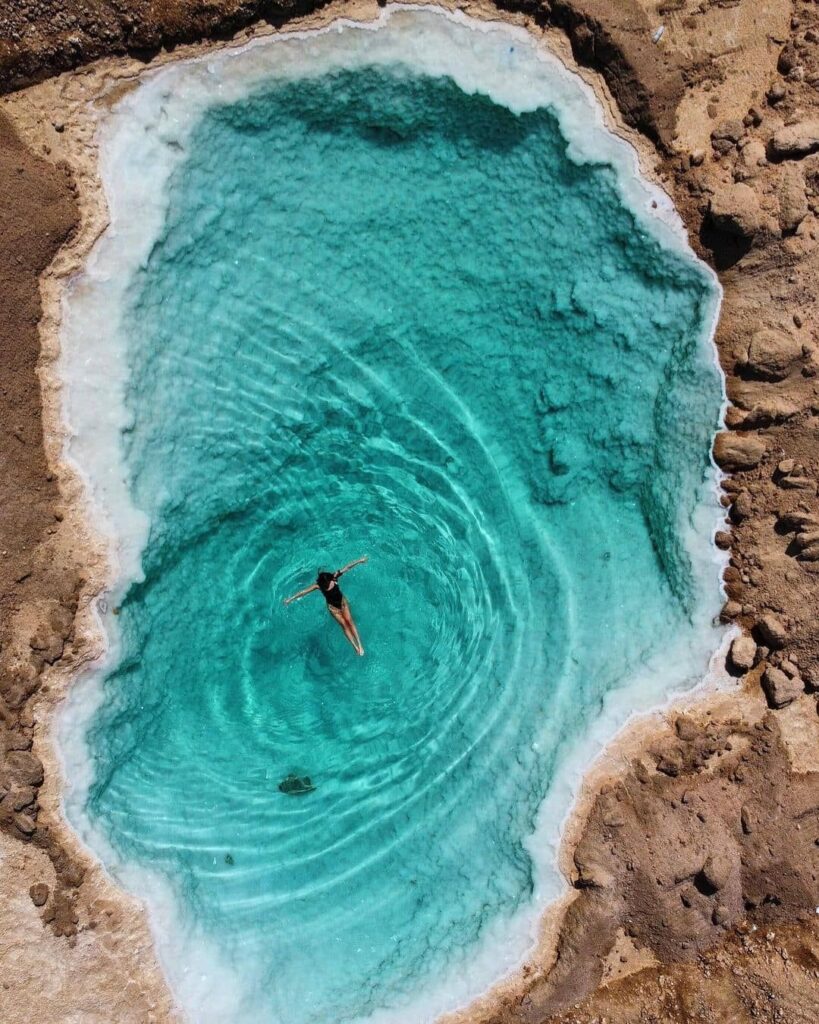
Siwa Oasis

10. Cultural Considerations: What Not to Forget

When packing for Egypt, it is important to consider not only the climate and activities but also the country’s cultural traditions. Egypt is a welcoming and diverse destination, and respecting local customs can help visitors feel more comfortable while enhancing interactions with local communities.

Modest clothing is recommended, particularly when visiting mosques, religious sites, traditional neighborhoods, and rural areas. While tourist destinations and beach resorts are generally more relaxed, carrying a lightweight scarf or shawl can be useful when additional coverage is needed. Women may find a scarf particularly practical when entering religious sites that require more conservative attire.

Visitors planning to enter mosques should wear clothing that covers shoulders and knees. Comfortable, respectful attire helps demonstrate cultural awareness and can contribute to a more positive travel experience.

Small amounts of cash are also useful for tipping, which is a common practice throughout Egypt. While many hotels and tourist facilities accept cards, cash remains helpful for local markets, transportation, and smaller purchases.

Learning a few basic Arabic greetings and expressions can also enhance interactions with local people. Although many tourism professionals speak English, simple phrases often create positive impressions and demonstrate respect for local culture.

By considering cultural norms when packing, travelers can enjoy smoother interactions, greater comfort, and a more rewarding experience throughout their journey.

11. Packing Tips for Different Seasons

Egypt is a year-round destination, but packing requirements can vary depending on the season of travel. Understanding seasonal conditions helps travelers bring the most appropriate clothing and equipment while avoiding unnecessary items.

During the summer months, particularly from May through September, temperatures can become extremely high in destinations such as Cairo, Luxor, Aswan, and the Western Desert. Lightweight clothing, strong sun protection, and adequate hydration become especially important during this period. Travelers should focus on breathable fabrics and clothing designed for warm weather.

Winter, generally from November through February, offers milder daytime temperatures that many visitors find ideal for sightseeing. However, evenings can become surprisingly cool, especially in desert regions and on Nile cruises. A light jacket, sweater, or fleece is recommended for added comfort after sunset.

Spring and autumn are often considered the most comfortable seasons for travel because temperatures are moderate throughout much of the country. Packing layers can be useful during these transitional periods, allowing travelers to adapt to changing conditions throughout the day.

Red Sea destinations typically remain warm throughout the year, though winter evenings may still require a light layer. Desert travelers should always prepare for significant temperature differences between day and night regardless of season.

Checking weather forecasts before departure and tailoring your packing list accordingly can help maximize comfort and ensure that you are fully prepared for every stage of your Egyptian adventure.

12. Conclusion: Pack Smart and Enjoy Your Egypt Adventure

Packing properly for a trip to Egypt can make a significant difference in the overall travel experience. From exploring the ancient wonders of the Pyramids of Giza and the temples of Luxor to relaxing on the beaches of the Red Sea and discovering the beauty of the Western Desert, having the right items with you ensures greater comfort, convenience, and peace of mind throughout your journey.

A well-prepared packing list should include essential travel documents, appropriate clothing for Egypt’s climate, comfortable footwear, sun protection, personal medications, electronic devices, and destination-specific items for activities such as Nile cruises, desert safaris, and beach vacations. Thoughtful preparation allows travelers to focus on enjoying their experiences rather than dealing with avoidable inconveniences.

It is also important to consider Egypt’s cultural traditions and seasonal weather conditions when deciding what to bring. Lightweight clothing, modest attire for religious sites, and layers for cooler evenings can help travelers adapt comfortably to different situations. Packing smartly means bringing what you truly need while avoiding unnecessary items that add weight and take up valuable luggage space.

The good news is that most everyday necessities are available in Egypt’s major cities and tourist destinations. However, carrying your preferred travel essentials ensures greater convenience and familiarity throughout your trip. Proper planning before departure often results in a smoother, more enjoyable travel experience.

Whether you are visiting Egypt for a few days or several weeks, thoughtful packing helps you make the most of your adventure. With the right preparation, you can confidently explore one of the world’s most extraordinary destinations and focus on creating unforgettable memories.

Frequently Asked Questions

Lightweight, breathable clothing made from cotton or linen is ideal for most of the year. It is also advisable to bring modest clothing for religious sites and a light jacket for cooler evenings.

Comfortable walking shoes are highly recommended because many attractions involve extensive walking on uneven surfaces, stone pathways, and archaeological sites.

Yes. Egypt receives strong sunshine throughout much of the year, making sunscreen, sunglasses, and a hat essential for protecting yourself during outdoor activities.

In addition to regular travel clothing, pack swimwear, comfortable walking shoes, sun protection, a light jacket for evenings, and a small day bag for excursions.

Yes. Most major cities and tourist destinations have pharmacies, supermarkets, shopping centers, and convenience stores where travelers can purchase many everyday necessities.