
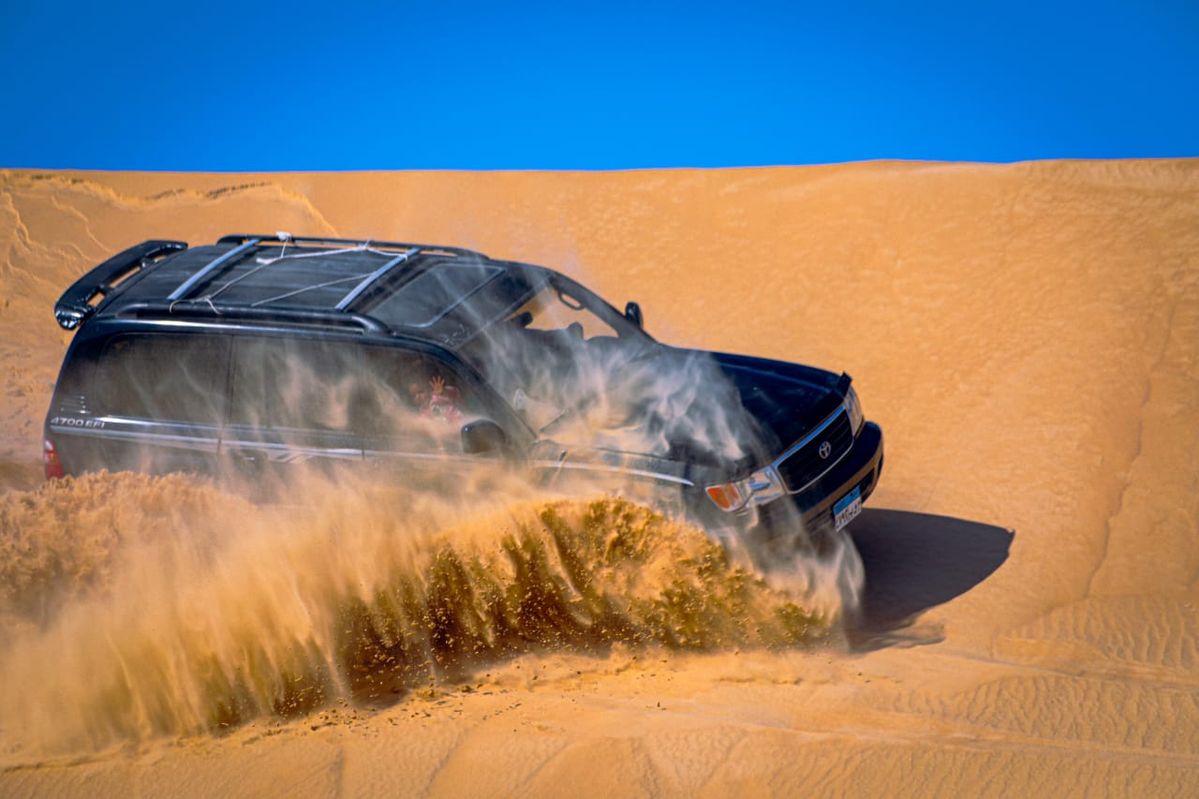
Welcome to

The Great Sand Sea: Egypt’s Endless Ocean of Golden Dunes

Stretching across the vast landscapes of Egypt’s Western Desert, the Great Sand Sea is one of the most spectacular and awe-inspiring natural wonders in North Africa. Covering an area of approximately 72,000 square kilometers and extending across the borders of Egypt and Libya, this immense desert expanse is characterized by endless waves of golden sand dunes that create a breathtaking landscape unlike any other on Earth. For travelers seeking adventure, solitude, and the raw beauty of nature, the Great Sand Sea offers an unforgettable journey into the heart of the Sahara Desert.

Located west of Siwa Oasis, the Great Sand Sea is famous for its towering dunes, some of which rise more than 100 meters above the surrounding desert floor. These massive formations have been shaped by powerful winds over thousands of years, creating an ever-changing landscape that appears like a frozen ocean of sand. The remarkable beauty of the dunes attracts photographers, explorers, geologists, and adventure enthusiasts from around the world.

Beyond its stunning scenery, the Great Sand Sea is one of Egypt’s premier destinations for desert adventures. Visitors can enjoy thrilling activities such as dune bashing in 4×4 vehicles, sandboarding down steep slopes, and exploring remote desert landscapes that remain largely untouched by modern development. The vastness of the area creates a sense of freedom and isolation that is difficult to find anywhere else.

The region is also rich in natural and cultural significance. Hidden among the dunes are natural springs, fossil deposits, and historical routes once used by traders and explorers crossing the Sahara. Nearby attractions such as Ain Wahid and Siwa Oasis further enhance the appeal of visiting this extraordinary desert environment.

Whether experienced during a daytime safari or beneath a sky filled with countless stars, the Great Sand Sea offers a unique opportunity to witness the grandeur and mystery of the Sahara. Its endless dunes, dramatic landscapes, and adventurous spirit make it one of the most remarkable destinations in Egypt’s Western Desert.

1. What Is the Great Sand Sea?

The Great Sand Sea is one of the largest and most impressive sand dune fields in the world, stretching across the remote landscapes of Egypt’s Western Desert and extending into neighboring Libya. Covering approximately 72,000 square kilometers, this vast desert region is characterized by endless dunes that create a spectacular sea-like appearance, which inspired its name. The immense scale and natural beauty of the Great Sand Sea make it one of the most extraordinary geographical features in the Sahara Desert.

Located west of Siwa Oasis, the Great Sand Sea forms part of the larger Sahara Desert, the largest hot desert on Earth. The region consists primarily of massive sand dunes that vary in shape and size, including crescent-shaped dunes, linear dunes, and towering ridges sculpted by the wind over thousands of years. These formations create a constantly changing landscape that remains one of the most fascinating natural environments in North Africa.

The Great Sand Sea is not only remarkable for its size but also for its isolation. Large portions of the area remain untouched by modern development, preserving the wilderness and pristine beauty of the desert. Visitors often describe the experience of standing among the dunes as both humbling and inspiring due to the overwhelming scale of the landscape.

Today, the Great Sand Sea has become a popular destination for adventure tourism. Travelers visit to experience desert safaris, sandboarding, photography, and the unique atmosphere of the Sahara. Its proximity to Siwa Oasis makes it one of the region’s most sought-after attractions.

Whether viewed from a towering dune or explored during an off-road adventure, the Great Sand Sea offers a remarkable glimpse into the power and beauty of nature, making it one of Egypt’s most unforgettable destinations.
2. The Geography and Formation of the Great Sand Sea

The Great Sand Sea is one of the most significant geological formations in the Sahara Desert and represents a fascinating example of how natural forces can shape landscapes over vast periods of time. The region consists primarily of enormous sand dunes that stretch across the Egypt-Libya border, forming one of the largest continuous dune systems in the world.

The formation of the Great Sand Sea began thousands of years ago as wind transported vast quantities of sand across the desert. Over time, these sands accumulated into massive dune fields, gradually creating the remarkable landscape visible today. Constant wind activity continues to shape and reshape the dunes, causing subtle changes in their size, orientation, and appearance. This dynamic process means that the desert is constantly evolving, even though the changes often occur slowly.

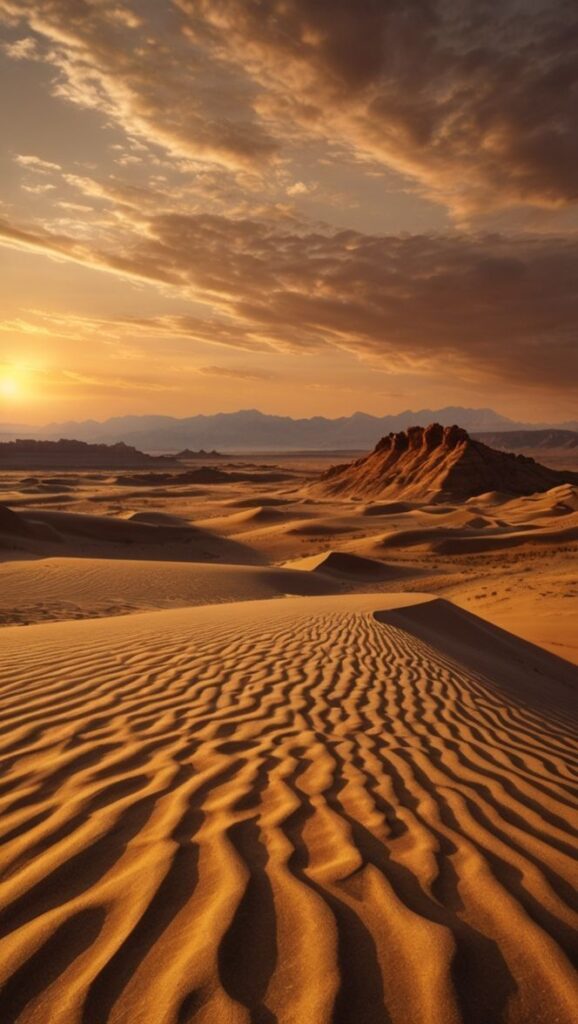
The dunes themselves vary significantly in height and structure. Some reach heights of more than 100 meters, creating dramatic natural formations that dominate the horizon. Depending on wind conditions and local geography, the dunes can form long ridges, crescent-shaped patterns, or vast rolling waves that resemble an ocean frozen in time.

The region experiences an extremely arid climate, with very little rainfall throughout the year. These dry conditions contribute to the preservation of the dunes and help maintain the distinctive desert environment. Despite the harsh climate, the area contains pockets of life, particularly around natural springs and oases located near the desert’s edge.

The unique geography of the Great Sand Sea has attracted scientists, geologists, and explorers for generations. Its vast dune systems provide valuable insights into desert formation processes and environmental change, while its breathtaking landscapes continue to inspire visitors from around the world.
3. Why the Great Sand Sea Is Famous

The Great Sand Sea is famous for its extraordinary size, stunning landscapes, and thrilling desert adventures. As one of the largest dune fields on Earth, it represents one of the most iconic natural attractions in Egypt’s Western Desert. The combination of endless golden dunes, dramatic scenery, and remote wilderness has made it a favorite destination for explorers, photographers, and adventure seekers alike.

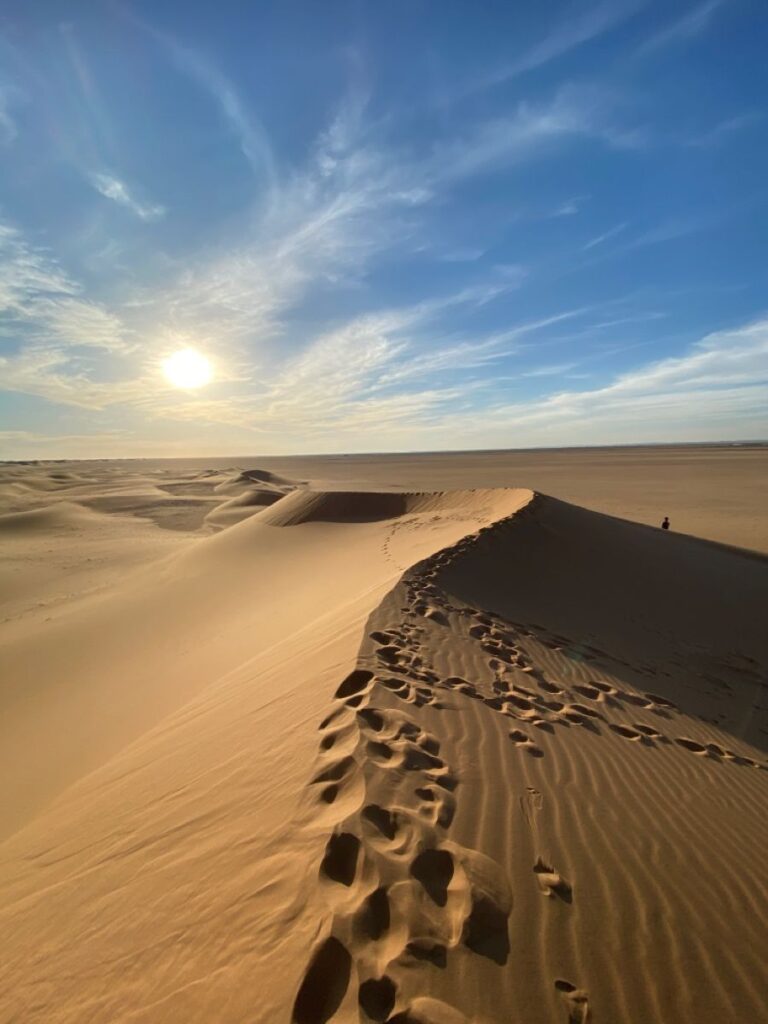
One of the main reasons for the area’s fame is the sheer scale of its sand dunes. Visitors often find themselves surrounded by an endless horizon of golden waves that stretch as far as the eye can see. The vastness of the landscape creates a sense of wonder and isolation that is rarely experienced in other destinations.

The Great Sand Sea is also renowned for its adventure tourism opportunities. Desert safaris conducted in powerful four-wheel-drive vehicles allow visitors to navigate steep dunes and experience the excitement of off-road exploration. Sandboarding has become another popular activity, offering travelers the chance to slide down massive dunes while enjoying breathtaking desert views.

Photography enthusiasts are particularly attracted to the region because of its spectacular natural beauty. The changing light during sunrise and sunset transforms the dunes into a stunning display of colors, creating some of the most dramatic landscapes in Egypt. These unique conditions make the Great Sand Sea one of the country’s premier photography destinations.

Another reason for its popularity is its proximity to Siwa Oasis. Many travelers combine visits to the Great Sand Sea with excursions to nearby attractions such as Ain Wahid, Cleopatra’s Spring, the Temple of the Oracle, and the Salt Lakes. Together, these sites create one of the most rewarding travel experiences in Egypt’s Western Desert.

Today, the Great Sand Sea remains one of Egypt’s most extraordinary natural treasures, attracting visitors who wish to experience the beauty, adventure, and timeless mystery of the Sahara Desert.
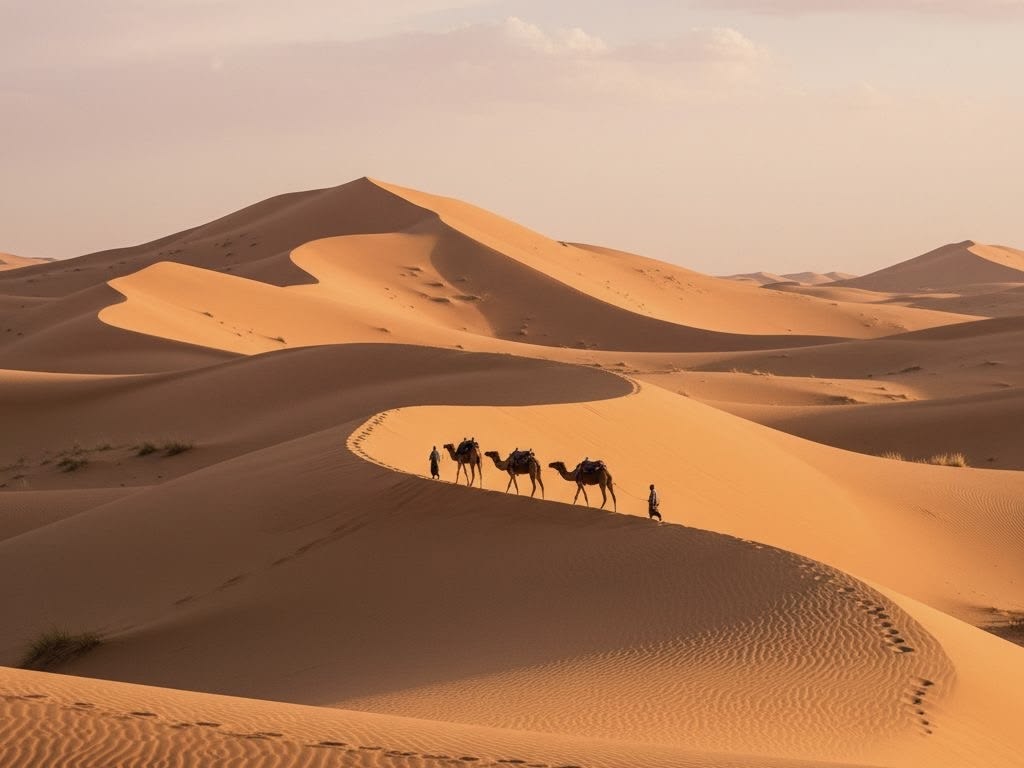
4. Adventure Activities in the Great Sand Sea

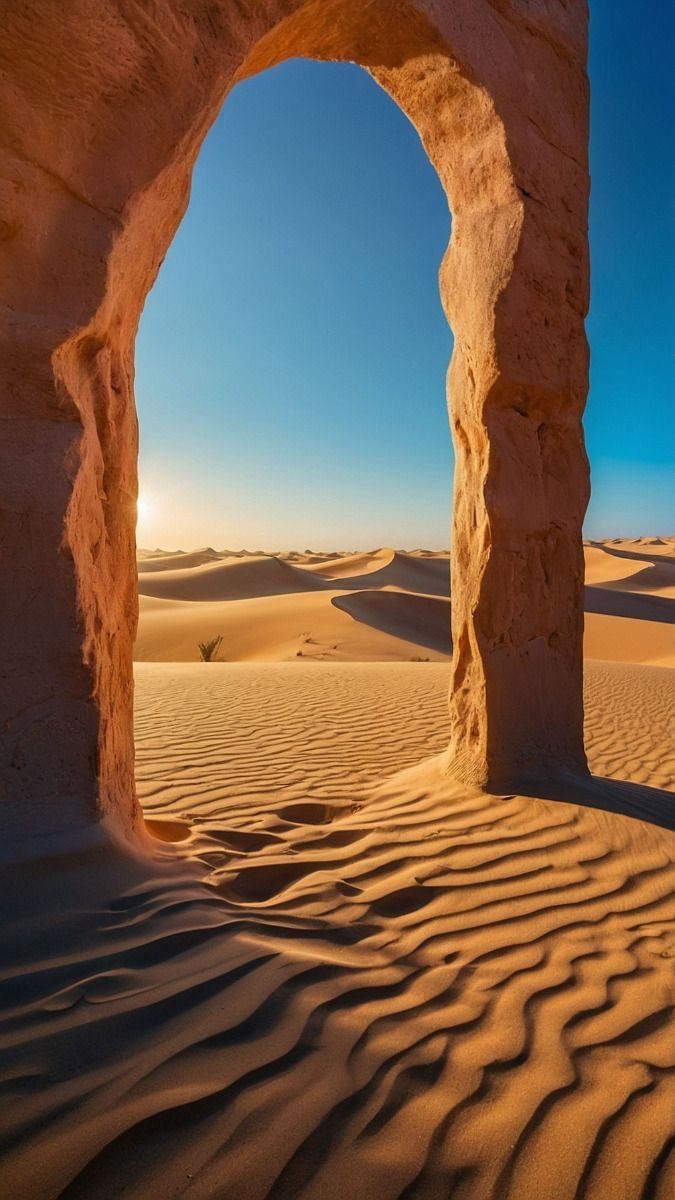
The Great Sand Sea is widely regarded as one of the best adventure destinations in Egypt, offering visitors an exciting range of outdoor activities set against the breathtaking backdrop of the Sahara Desert. Its endless dunes, remote landscapes, and dramatic scenery provide the perfect environment for travelers seeking excitement, exploration, and unforgettable experiences. Whether you are an adrenaline enthusiast or simply looking to discover the beauty of the desert, the Great Sand Sea offers adventures unlike anywhere else in the country.

One of the most popular activities is dune bashing, an exhilarating off-road experience conducted in powerful four-wheel-drive vehicles. Skilled desert drivers navigate steep dunes, sharp descents, and rolling sand hills, creating an adventure that combines excitement with spectacular views of the surrounding landscape. For many visitors, dune bashing is the highlight of their journey into the Great Sand Sea.

Sandboarding is another favorite activity among travelers. Similar to snowboarding, this adventure involves sliding down the towering sand dunes on specially designed boards. The soft desert sand makes the activity suitable for beginners while still providing plenty of excitement. The Great Sand Sea’s massive dunes offer ideal conditions for sandboarding and attract adventure lovers from around the world.

Photography expeditions are also extremely popular. The endless waves of golden sand create extraordinary opportunities for capturing unique desert landscapes. Sunrise and sunset are particularly magical times when the changing colors of the sky cast dramatic shadows across the dunes, transforming the desert into a natural work of art.

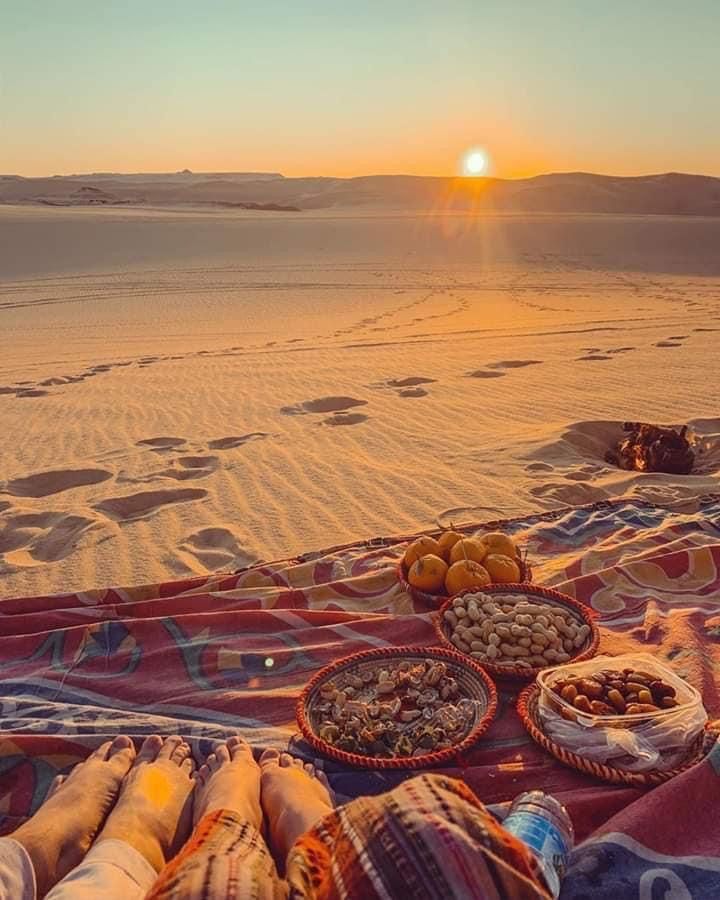
Many visitors also enjoy camping in the desert. Spending a night beneath a sky filled with countless stars allows travelers to experience the tranquility and beauty of the Sahara in its purest form. Traditional Bedouin-style camps often provide authentic meals, cultural experiences, and unforgettable evenings around a campfire.

Whether exploring by vehicle, sliding down dunes, photographing the scenery, or camping beneath the stars, the Great Sand Sea offers a remarkable adventure that showcases the raw beauty and excitement of Egypt’s Western Desert.

5. The Stunning Landscapes of the Great Sand Sea

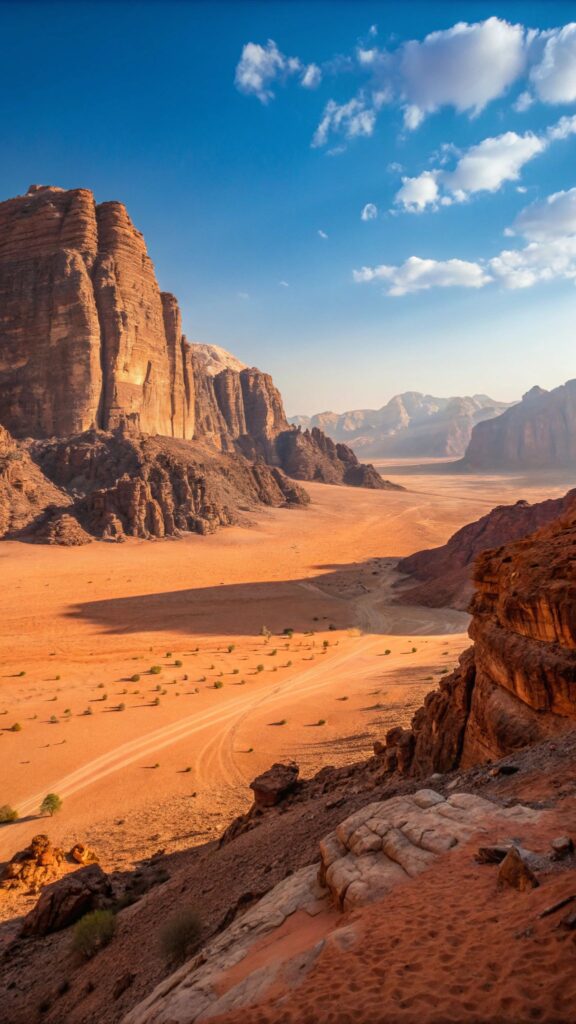
One of the most remarkable aspects of the Great Sand Sea is its breathtaking landscape. Stretching across thousands of square kilometers, this vast desert region presents an endless panorama of golden dunes, rolling sand hills, and dramatic natural formations that appear almost untouched by time. The sheer scale of the landscape creates a sense of wonder that leaves a lasting impression on every visitor.

The dunes of the Great Sand Sea vary greatly in size and shape. Some rise more than 100 meters above the surrounding terrain, creating towering walls of sand that dominate the horizon. Wind continuously shapes these dunes, producing elegant curves, sharp ridges, and flowing patterns that resemble waves on a vast ocean. This ever-changing scenery ensures that no two visits are exactly the same.

The beauty of the desert becomes especially striking during sunrise and sunset. As the sunlight changes throughout the day, the dunes shift through shades of gold, orange, red, and amber. Long shadows stretch across the sand, creating dramatic contrasts that highlight the natural contours of the landscape. These magical moments attract photographers from around the world who seek to capture the extraordinary beauty of the Sahara.

Beyond the dunes themselves, the region offers stunning views of remote desert plains, hidden valleys, and occasional natural springs. The vast open spaces create an atmosphere of tranquility and freedom that is difficult to find elsewhere. For many travelers, simply standing atop a dune and gazing across the endless desert becomes one of the most memorable experiences of their journey.

The stunning landscapes of the Great Sand Sea represent the raw beauty of nature at its finest, making the region one of the most visually impressive destinations in Egypt.

6. Wildlife and Natural Wonders of the Great Sand Sea

Although the Great Sand Sea may appear barren at first glance, it is home to a surprising variety of natural wonders and desert-adapted wildlife. The harsh environment has shaped unique ecosystems where plants and animals have developed remarkable adaptations that allow them to survive in one of the most extreme climates on Earth.

Several species of desert wildlife can be found throughout the region, particularly in areas near natural springs and oases. Visitors may encounter desert foxes, small rodents, reptiles, and various bird species that migrate through the Sahara. While wildlife sightings are not guaranteed, they add an exciting element to desert exploration and demonstrate the resilience of life in this challenging environment.

The Great Sand Sea is also known for its fascinating geological features. Massive dunes dominate the landscape, but hidden among them are ancient fossil deposits, unique rock formations, and natural springs that provide valuable insights into the region’s geological history. These features reveal that the Sahara was once a much wetter environment thousands of years ago.

One of the most famous natural wonders near the Great Sand Sea is Ain Wahid, a hot spring located deep within the desert. This natural water source offers a striking contrast to the surrounding dunes and serves as a popular stop during desert safari excursions.

The clear desert skies provide another natural attraction. Far from cities and artificial light, the Great Sand Sea offers exceptional stargazing opportunities. On clear nights, visitors can observe countless stars, planets, and even the Milky Way stretching across the sky.

Together, these natural wonders make the Great Sand Sea much more than a sea of sand. It is a living desert environment filled with fascinating discoveries and hidden treasures waiting to be explored

7. Desert Safaris in the Great Sand Sea

Desert safaris are among the most popular and exciting ways to experience the Great Sand Sea. These guided adventures allow visitors to explore the vast dune fields, discover hidden desert attractions, and experience the incredible beauty of the Sahara in a safe and enjoyable manner. For many travelers, a desert safari becomes the highlight of their visit to Siwa Oasis and Egypt’s Western Desert.

Most safaris are conducted using specially equipped four-wheel-drive vehicles designed to handle the challenging desert terrain. Experienced drivers navigate the towering dunes with remarkable skill, creating an exhilarating journey that combines adventure with breathtaking scenery. The thrill of climbing steep dunes and descending dramatic slopes makes dune driving one of the most memorable aspects of the experience.

Many safari tours include stops at important attractions within the desert. Visitors often explore Ain Wahid, enjoy sandboarding on the massive dunes, and visit scenic viewpoints that offer panoramic views of the Great Sand Sea. These stops provide opportunities to appreciate the beauty and diversity of the desert landscape while learning about its history and geology.

Sunset safaris are particularly popular because they allow travelers to witness the desert at its most beautiful. As the sun sinks below the horizon, the dunes are transformed by warm golden light, creating spectacular photographic opportunities and unforgettable memories.

Some excursions also include overnight camping experiences. Spending a night in the desert allows visitors to enjoy traditional meals, gather around campfires, and admire the brilliant stars that illuminate the night sky. The peaceful atmosphere and natural beauty create a truly unique adventure.

Whether lasting a few hours or several days, a desert safari offers an extraordinary opportunity to experience the Great Sand Sea and discover one of Egypt’s most magnificent natural wonders.

8. Best Time to Visit the Great Sand Sea

Choosing the right time to visit the Great Sand Sea can greatly enhance the overall experience and allow travelers to fully enjoy the beauty and adventure of Egypt’s Western Desert. Due to its location within the Sahara, the region experiences an arid desert climate characterized by hot summers, mild winters, and very little rainfall throughout the year. Understanding these seasonal conditions is essential for planning a comfortable and enjoyable visit.

The best time to visit the Great Sand Sea is between October and April, when temperatures are significantly cooler and more suitable for outdoor activities. During these months, visitors can comfortably enjoy desert safaris, sandboarding, photography, and sightseeing without the intense heat that dominates the summer season. The pleasant weather also makes camping and overnight desert excursions much more enjoyable.

Winter months, particularly from November to February, are considered the peak season for tourism in Siwa Oasis and the surrounding desert. Daytime temperatures are mild, while evenings can be cool and refreshing. These conditions create an ideal environment for exploring the dunes and participating in adventure activities throughout the day.

During the summer months from May to September, temperatures can exceed 40°C (104°F), making daytime exploration more challenging. Travelers visiting during this period are encouraged to schedule activities early in the morning or later in the afternoon when temperatures are lower. Despite the heat, the desert remains spectacular, especially during sunrise and sunset.

Sunset is widely regarded as one of the most magical times to experience the Great Sand Sea. As the sun descends behind the dunes, the landscape is transformed by golden, orange, and red hues that create breathtaking scenery. Sunrise offers a similarly spectacular experience, with soft light illuminating the untouched desert landscape.

Regardless of when you visit, the Great Sand Sea offers unforgettable experiences. However, traveling during the cooler months ensures the most comfortable conditions for discovering the immense beauty, adventure, and tranquility of one of the world’s most extraordinary desert environments.

9. Visitor Experience in the Great Sand Sea

A visit to the Great Sand Sea is an experience unlike any other in Egypt. The moment travelers enter this vast desert landscape, they are surrounded by endless waves of golden sand stretching to the horizon. The immense scale of the dunes creates a powerful sense of freedom, adventure, and wonder that is difficult to find elsewhere. Whether exploring by four-wheel-drive vehicle, climbing a dune, or simply admiring the scenery, visitors quickly discover why the Great Sand Sea is one of the most unforgettable destinations in the Sahara.

Many travelers describe the experience as both thrilling and peaceful. During the day, adventure activities such as dune bashing and sandboarding provide excitement and adrenaline, while the quiet atmosphere of the desert offers moments of reflection and relaxation. The combination of action and tranquility makes the Great Sand Sea appealing to a wide range of visitors.

Photography enthusiasts find endless opportunities to capture stunning images. The constantly changing patterns of the dunes, combined with dramatic lighting conditions, create extraordinary landscapes that seem almost surreal. Every viewpoint offers a new perspective on the beauty of the desert.

For many visitors, the highlight of the experience comes during sunset when the dunes are illuminated by warm golden light. Watching the colors shift across the sand while surrounded by complete silence creates memories that last a lifetime.

Whether travelers are seeking adventure, natural beauty, or a deeper connection with the desert, the Great Sand Sea provides an extraordinary experience that showcases the raw power and beauty of the Sahara.

10. Travel Tips for Exploring the Great Sand Sea

Proper preparation is essential for making the most of a trip to the Great Sand Sea. Due to the remote nature of the desert, visitors should plan carefully and follow practical guidelines to ensure a safe and enjoyable adventure.

One of the most important recommendations is to travel with an experienced local guide or organized safari operator. The vast dune fields can be difficult to navigate, and professional guides possess the knowledge and equipment necessary for safe desert exploration. They can also provide valuable information about the region’s geography, history, and attractions.

Visitors should wear lightweight, comfortable clothing suitable for desert conditions. Long sleeves, hats, sunglasses, and sunscreen are highly recommended to protect against strong sunlight. Comfortable footwear is also important, particularly for those planning to climb dunes or participate in outdoor activities.

Carrying sufficient water is essential. The desert environment can be extremely dry, and staying hydrated is critical throughout the journey. Travelers should also bring snacks, a camera, and any personal items they may need during their excursion.

Photography enthusiasts should consider bringing extra batteries and memory cards, as the stunning landscapes often inspire countless photographs. Sunrise and sunset offer the best lighting conditions and should not be missed.

Finally, visitors should respect the natural environment by avoiding littering and following the guidance of local tour operators. Responsible tourism helps preserve the beauty of the Great Sand Sea for future generations and ensures that this remarkable natural wonder remains protected.

11. Nearby Attractions Around the Great Sand Sea

While the Great Sand Sea is a destination in its own right, the surrounding region is home to several remarkable attractions that complement any desert adventure. Exploring these nearby sites allows visitors to experience the rich blend of history, culture, and natural beauty that makes Egypt’s Western Desert so unique.

One of the most popular nearby attractions is Ain Wahid, a natural hot spring located deep within the desert. Surrounded by towering dunes, this spring provides a refreshing place to relax after a day of exploring the Great Sand Sea. Its warm mineral-rich waters and scenic location make it a favorite stop on many desert safari itineraries.

Siwa Oasis itself is another essential destination. Known for its palm groves, olive orchards, natural springs, and distinctive culture, Siwa offers visitors a completely different environment from the surrounding desert. The oasis serves as the primary gateway to the Great Sand Sea and provides comfortable accommodations, restaurants, and cultural experiences.

History enthusiasts can visit the Temple of the Oracle, one of Egypt’s most famous ancient religious sites. The temple gained international recognition through its association with Alexander the Great and remains one of the most important archaeological attractions in the region.

The Siwa Salt Lakes are also located nearby and have become increasingly popular among travelers. Their crystal-clear turquoise waters and unique floating experience provide a fascinating contrast to the surrounding desert landscapes.

Other notable attractions include Cleopatra’s Spring, Shali Fortress, and the Mountain of the Dead. Together, these sites create a diverse and rewarding travel experience that combines adventure, history, relaxation, and cultural discovery. Exploring these attractions alongside the Great Sand Sea allows visitors to fully appreciate the extraordinary beauty and heritage of Egypt’s Western Desert.

12. Conclusion: Discover the Timeless Beauty of the Great Sand Sea

The Great Sand Sea stands as one of the most extraordinary natural wonders in Egypt and one of the most impressive desert landscapes in the world. With its endless stretches of golden dunes, breathtaking scenery, and remarkable sense of isolation, it offers visitors a rare opportunity to experience the true beauty and power of the Sahara Desert. Every journey into this vast wilderness reveals a landscape shaped by nature over thousands of years, creating an unforgettable destination for travelers seeking adventure and discovery.

Beyond its spectacular appearance, the Great Sand Sea provides a wide range of experiences that appeal to all types of visitors. From thrilling dune bashing and sandboarding adventures to peaceful moments spent watching the sunset over the dunes, the desert offers countless opportunities to create lasting memories. Its combination of excitement, tranquility, and natural beauty makes it one of the most rewarding destinations in Egypt’s Western Desert.

The region’s proximity to Siwa Oasis further enhances its appeal. Visitors can combine their desert adventures with explorations of ancient temples, natural springs, salt lakes, and traditional Siwan culture. This unique blend of attractions creates a travel experience that goes far beyond a typical desert excursion and allows travelers to discover one of Egypt’s most fascinating regions.

For photographers, nature lovers, and adventure enthusiasts, the Great Sand Sea offers some of the most stunning landscapes found anywhere in North Africa. The changing colors of the dunes, the silence of the desert, and the endless horizon create an atmosphere that is both inspiring and unforgettable.

Whether experienced during a day safari, an overnight camping expedition, or a multi-day desert adventure, the Great Sand Sea leaves a lasting impression on everyone who visits. Its timeless beauty, immense scale, and spirit of exploration ensure that it remains one of Egypt’s greatest natural treasures and a must-visit destination for anyone seeking to experience the magic of the Sahara Desert.

The Great Sand Sea : Frequently Asked Questions

The Great Sand Sea is one of the largest sand dune regions in the world, covering approximately 72,000 square kilometers across Egypt and Libya. Located west of Siwa Oasis in Egypt’s Western Desert, it is famous for its massive golden dunes, breathtaking landscapes, and exciting desert adventures.

The most common way to visit the Great Sand Sea is through a guided desert safari from Siwa Oasis. Visitors typically travel in specially equipped 4×4 vehicles with experienced local guides who navigate the vast dune fields and lead excursions to the region’s most famous attractions.

Visitors can enjoy a wide variety of activities including dune bashing, sandboarding, desert camping, photography, stargazing, and exploring natural attractions such as Ain Wahid. These activities make the Great Sand Sea one of Egypt’s top destinations for adventure tourism.

The best time to visit is between October and April when temperatures are cooler and more comfortable for outdoor activities. Sunrise and sunset are particularly popular times because of the spectacular views and beautiful colors that transform the desert landscape.

Yes, the Great Sand Sea can be enjoyed by families, especially through organized safari tours. Many activities, such as sightseeing, photography, and visiting natural springs, are suitable for visitors of all ages. Families should choose experienced tour operators to ensure a safe and enjoyable desert adventure.