
1. What Is Siwa Sand Therapy?
Siwa Sand Therapy is one of the most unique forms of natural therapeutic tourism in Egypt and has gained international recognition for its traditional healing methods. Practiced for generations by the local people of Siwa Oasis, this therapy involves burying the body in the hot desert sand during specific months of the year, particularly in the peak summer season when the sand reaches its highest temperatures. The treatment is deeply rooted in local traditions and remains one of the oasis’s most famous wellness experiences.
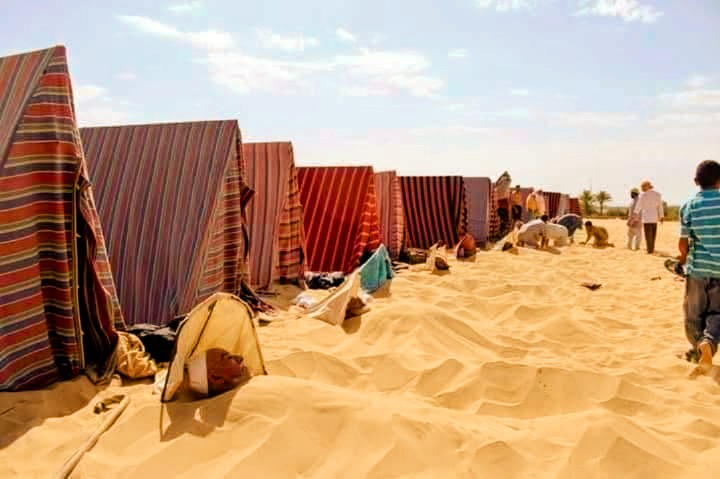
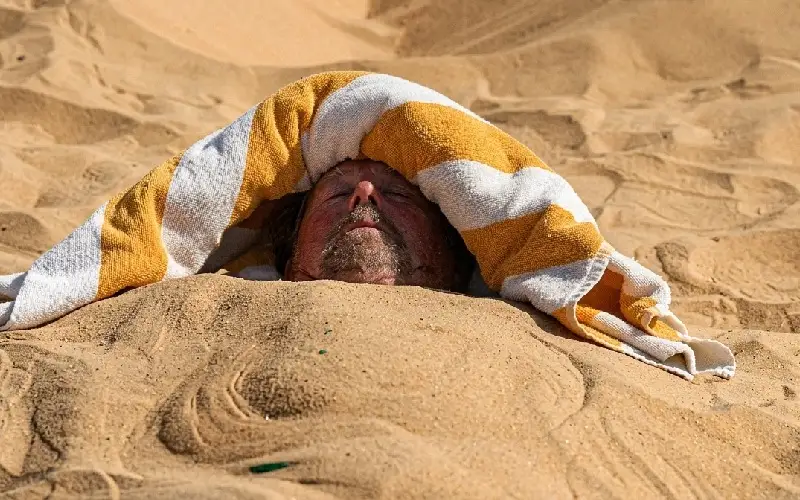
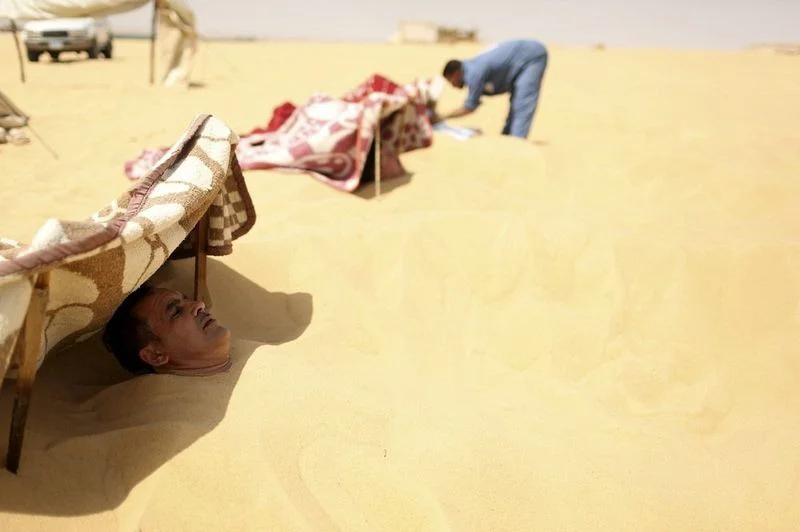
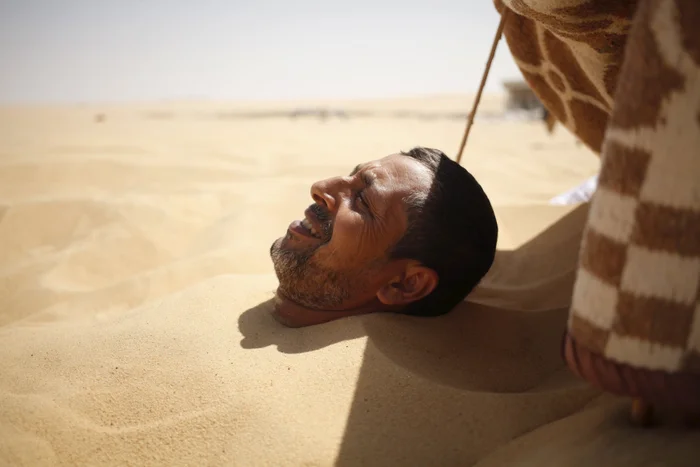
The therapy is usually conducted in designated areas near Dakrour Mountain, one of Siwa’s most important natural landmarks. During a typical session, participants are buried in warm sand up to their necks for a limited period under the supervision of experienced local therapists. The intense heat generated by the sand is believed to stimulate circulation, promote relaxation, and help relieve various physical discomforts.
Many visitors travel to Siwa specifically to experience this traditional therapy, particularly those seeking natural wellness treatments and alternative healing methods. The practice has become a major attraction within the growing field of wellness tourism, drawing travelers from different countries who are interested in combining health-focused experiences with cultural exploration.
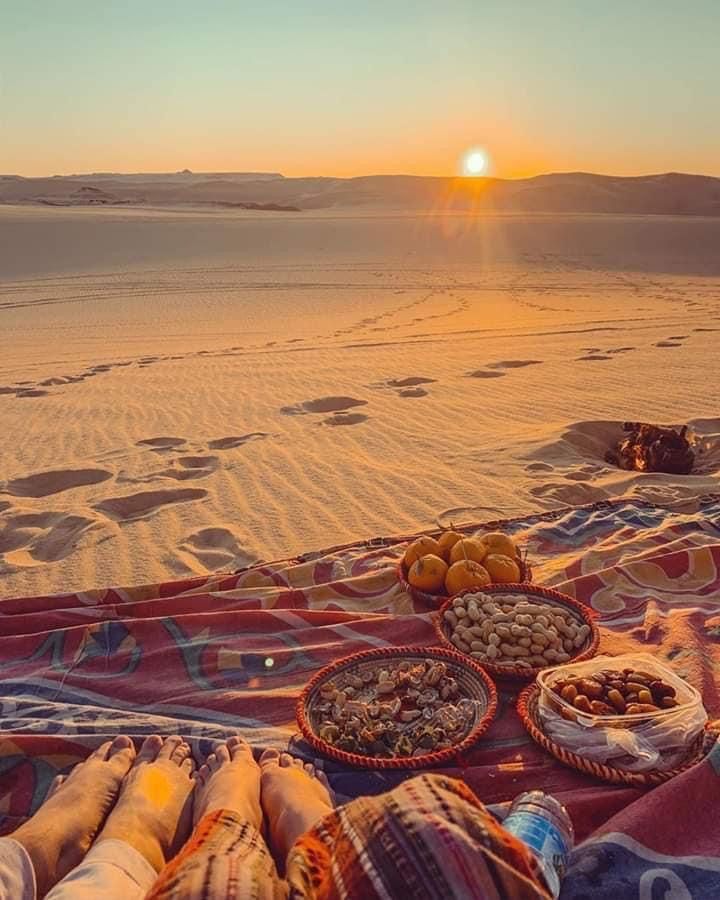
In addition to the physical treatment, the experience often includes traditional post-therapy care such as herbal drinks, rest periods, and relaxation in specially prepared desert camps. These additional elements contribute to the overall wellness experience and help visitors fully immerse themselves in Siwa’s therapeutic traditions.
Today, Siwa Sand Therapy continues to be one of the most distinctive attractions in the oasis, offering travelers a rare opportunity to experience a centuries-old healing practice in one of Egypt’s most beautiful natural environments.
2. The History of Sand Therapy in Siwa Oasis
The tradition of sand therapy in Siwa Oasis dates back hundreds of years and forms an important part of the region’s cultural heritage. Long before modern wellness tourism became popular, local communities relied on the natural resources of the desert for healing and relaxation. Through generations of observation and experience, Siwan residents developed therapeutic practices based on the unique characteristics of their environment, including the use of hot desert sand as a natural treatment method.
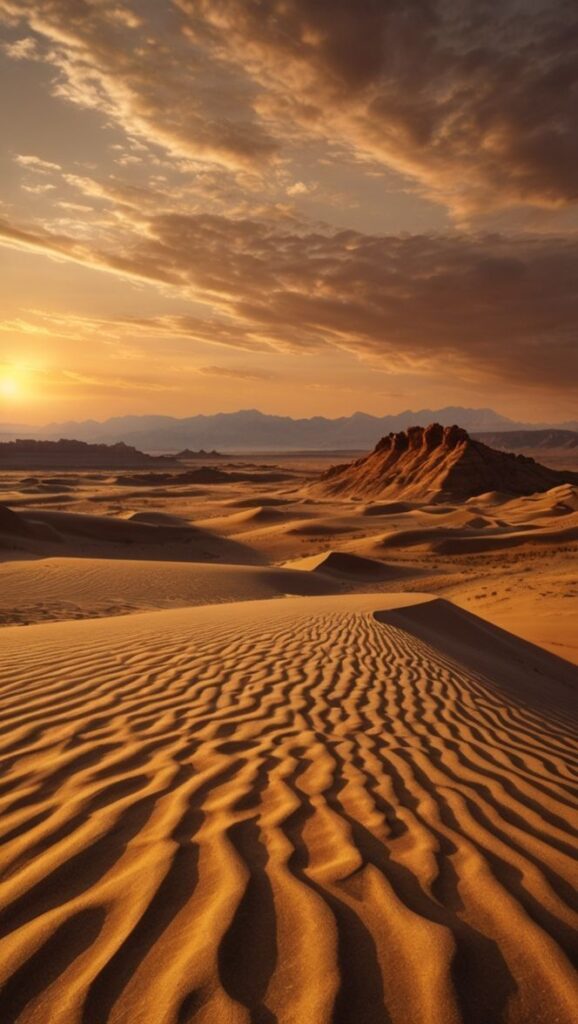
The origins of sand therapy are closely linked to the oasis’s geographical location and climate. Siwa experiences extremely hot temperatures during the summer months, causing the desert sand to absorb and retain significant amounts of heat. Local inhabitants noticed that exposure to this heated sand appeared to provide relief for certain physical ailments, leading to the development of organized therapeutic sessions.
Over time, the practice became widely known beyond the boundaries of the oasis. Visitors from other parts of Egypt and neighboring countries began traveling to Siwa to experience the treatment for themselves. The growing reputation of the therapy transformed it into an important aspect of local tourism and contributed to the oasis’s identity as a center for natural healing.
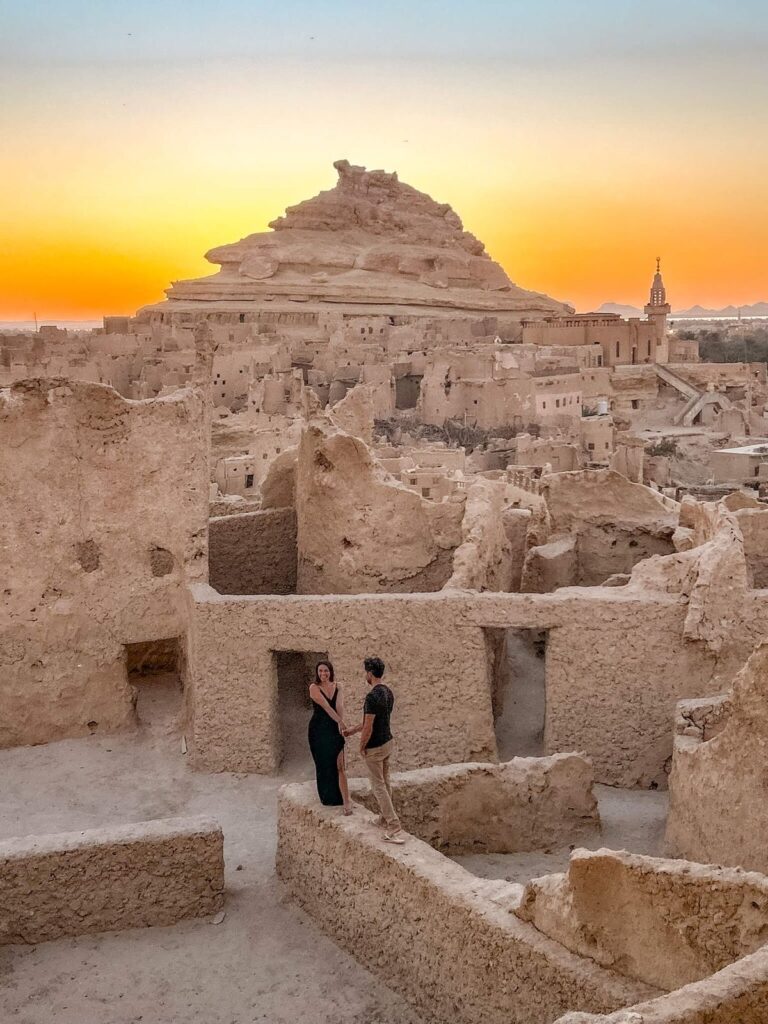
Dakrour Mountain eventually became the primary location for these treatments. The mountain and surrounding desert areas remain closely associated with therapeutic tourism, attracting visitors each year during the summer therapy season. Local families and therapists continue to preserve the traditions passed down through generations, ensuring that the practice remains authentic and deeply connected to Siwan culture.
Today, the history of sand therapy reflects the enduring relationship between the people of Siwa and their natural environment. It serves as a powerful example of how traditional knowledge can evolve into a globally recognized wellness experience while maintaining its cultural roots.
3. Why Siwa Is Famous for Therapeutic Tourism
Siwa Oasis has become one of Egypt’s leading destinations for therapeutic tourism due to its unique combination of natural resources, traditional healing practices, and peaceful desert environment. Unlike conventional wellness destinations that rely primarily on modern spa facilities, Siwa offers visitors authentic experiences rooted in centuries of local tradition and the healing qualities of nature.
One of the main reasons for Siwa’s reputation is its famous sand therapy treatments. The mineral-rich desert sands and intense summer heat have made the oasis a popular destination for travelers seeking natural wellness experiences. The opportunity to participate in traditional sand therapy sessions distinguishes Siwa from other tourist destinations and has attracted visitors from around the world.
The oasis is also renowned for its abundance of natural springs and mineral-rich water sources. These springs provide additional opportunities for relaxation and wellness, complementing the benefits of sand therapy. Many visitors combine multiple therapeutic experiences during their stay, creating a comprehensive wellness journey.
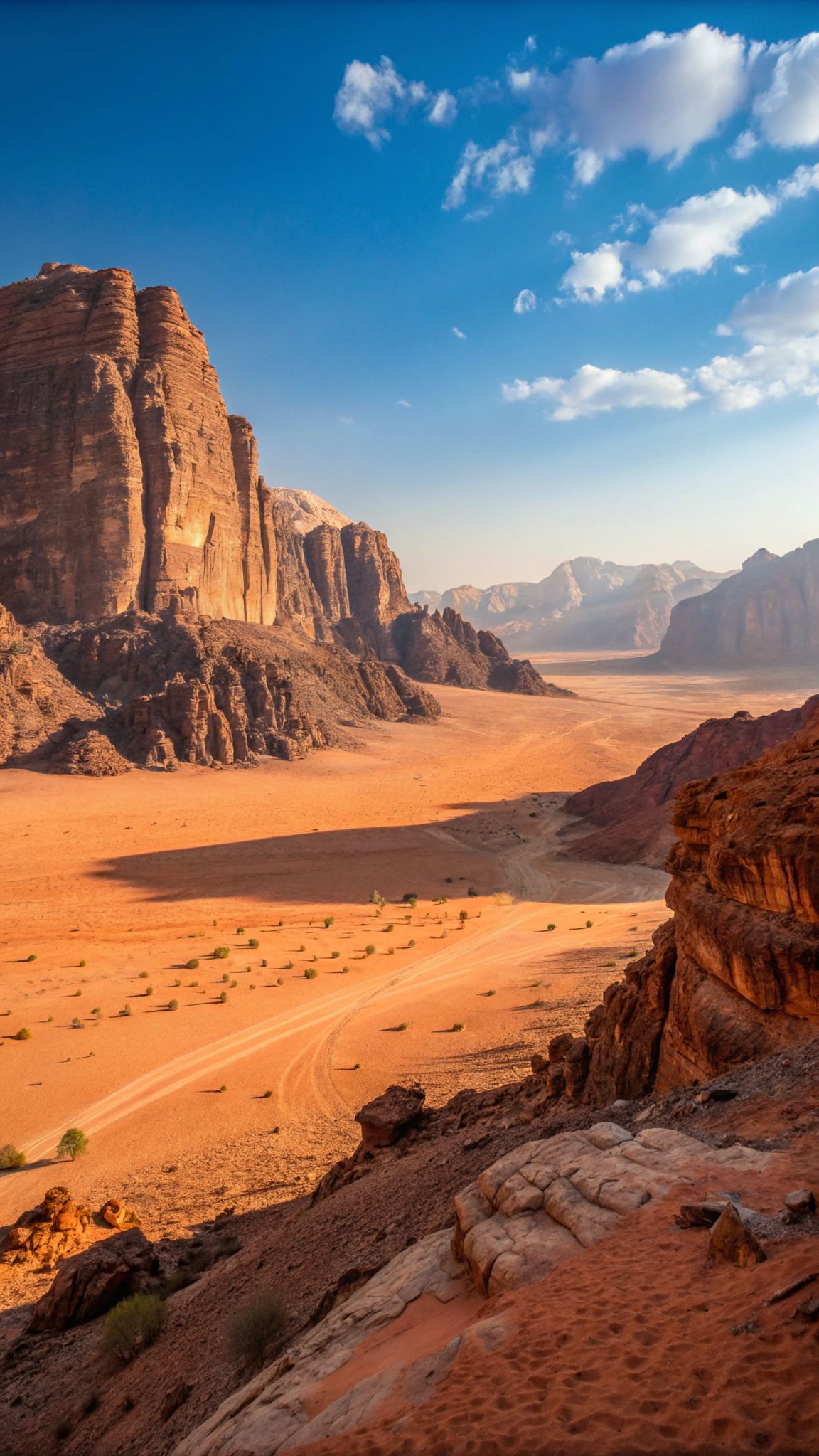
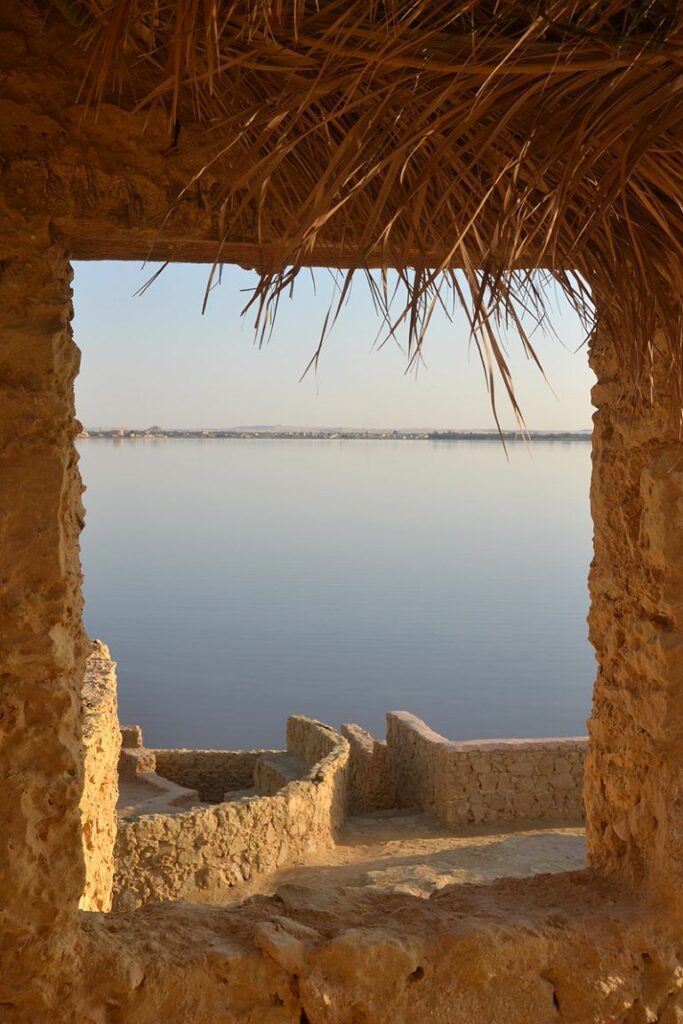
Another factor contributing to Siwa’s popularity is its tranquil atmosphere. Surrounded by palm groves, salt lakes, and vast desert landscapes, the oasis offers a peaceful setting that promotes relaxation and mental well-being. The absence of large crowds and urban distractions allows visitors to disconnect from everyday stress and focus on recovery and rejuvenation.
In addition, Siwa’s rich cultural heritage enhances the therapeutic experience. Visitors can explore ancient temples, traditional villages, and local customs while enjoying the benefits of wellness tourism. This unique blend of healing, culture, and natural beauty makes Siwa one of the most distinctive therapeutic tourism destinations in the Middle East and North Africa.