

Welcome to

Bibliotheca Alexandrina: Egypt’s Modern Wonder of Knowledge

The Bibliotheca Alexandrina is one of the most remarkable cultural and intellectual landmarks in modern Egypt. Located on the Mediterranean coast in Alexandria, the library stands as a symbol of knowledge, learning, and cultural exchange. Inspired by the legendary Ancient Library of Alexandria, which was once considered the greatest center of knowledge in the ancient world, the modern Bibliotheca Alexandrina aims to revive that legacy and serve as a global hub for education, research, and cultural dialogue.

Officially inaugurated in 2002, the Bibliotheca Alexandrina quickly became one of the most important attractions in Alexandria. It is much more than a traditional library. The complex includes museums, art galleries, specialized research centers, conference halls, and millions of books covering a wide range of subjects and languages. Visitors from around the world come to explore its collections, admire its unique architecture, and participate in its educational and cultural programs.

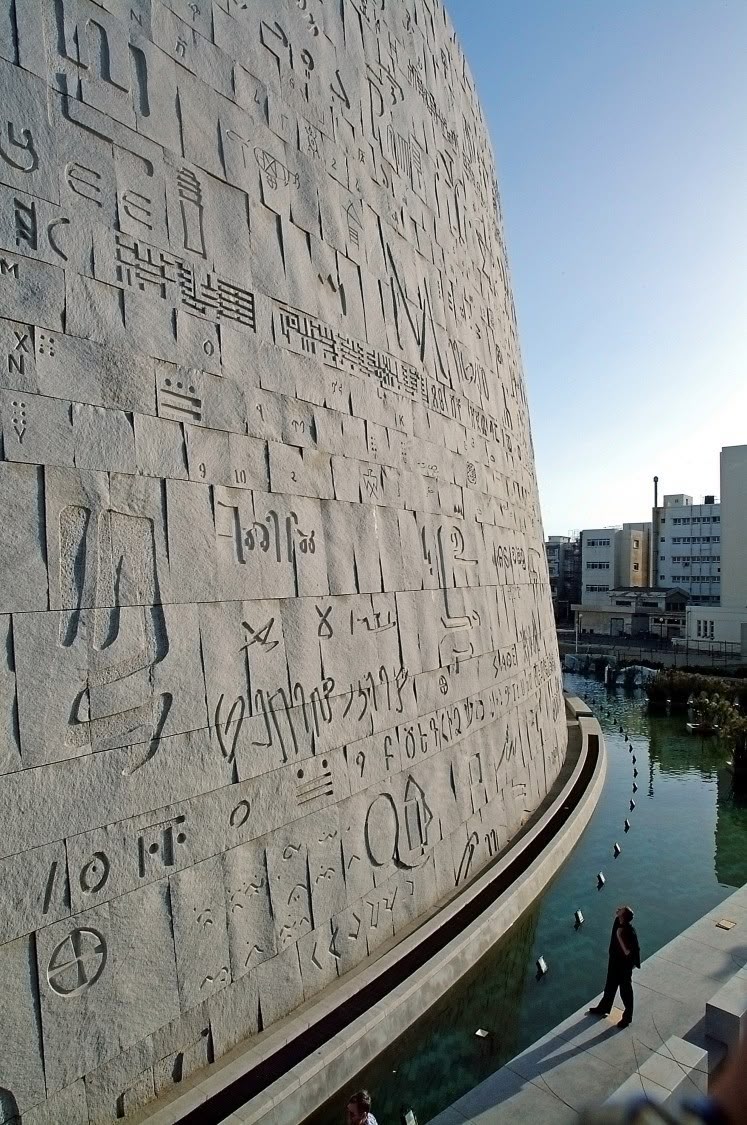
The building itself is a masterpiece of modern design. Its distinctive circular structure resembles a rising sun emerging from the Mediterranean Sea, symbolizing the dawn of knowledge. The exterior walls are covered with inscriptions representing numerous writing systems and languages from throughout human history, reflecting the library’s mission of promoting understanding between cultures.

Today, the Bibliotheca Alexandrina serves as one of the leading intellectual institutions in the Middle East and Africa. It attracts scholars, students, researchers, and tourists alike, offering a unique opportunity to connect with both Egypt’s ancient heritage and its modern cultural achievements.

Whether you are interested in history, architecture, literature, science, or education, a visit to the Bibliotheca Alexandrina provides an inspiring and unforgettable experience. In this guide, we will explore its history, attractions, visitor information, and the many reasons why it remains one of Alexandria’s most important landmarks.

Bibliotheca Alexandrina (New Library of Alexandria)

1. History of the Bibliotheca Alexandrina

The Bibliotheca Alexandrina was created as a tribute to the legendary Ancient Library of Alexandria, one of the most famous centers of learning in human history. The original library was founded during the reign of the Ptolemaic dynasty in the third century BCE and became a symbol of knowledge, attracting scholars, scientists, philosophers, and writers from across the ancient world. Although the ancient library was eventually lost, its legacy continued to inspire generations.

The idea of rebuilding the Library of Alexandria emerged during the twentieth century as part of an international effort to revive Alexandria’s historical role as a center of culture and education. In 1974, Alexandria University proposed the concept of creating a modern library near the site of the ancient institution. The project gained significant international support, particularly from the United Nations Educational, Scientific and Cultural Organization (UNESCO).

Construction officially began in the 1990s following years of planning, fundraising, and architectural design competitions. The project attracted contributions from numerous countries and organizations that shared a vision of creating a world-class cultural institution dedicated to learning and dialogue. After years of development, the Bibliotheca Alexandrina was officially inaugurated in October 2002.

Today, the library serves as a bridge between the past and the future. While honoring the memory of the ancient library, it also embraces modern technology, research, and global cooperation. Its mission extends beyond preserving books and documents; it seeks to promote cultural understanding, scientific progress, and intellectual exchange among people from different backgrounds.

The Bibliotheca Alexandrina stands as one of the most successful cultural projects in modern Egypt and remains a symbol of humanity’s enduring commitment to knowledge.
Bibliotheca Alexandrina (New Library of Alexandria) 2

2. Architecture and Design

The architecture of the Bibliotheca Alexandrina is one of its most striking features and a major reason why it has become one of Alexandria’s most recognizable landmarks. Designed by the Norwegian architectural firm Snøhetta, the building combines modern innovation with symbolic references to Egypt’s rich cultural heritage.

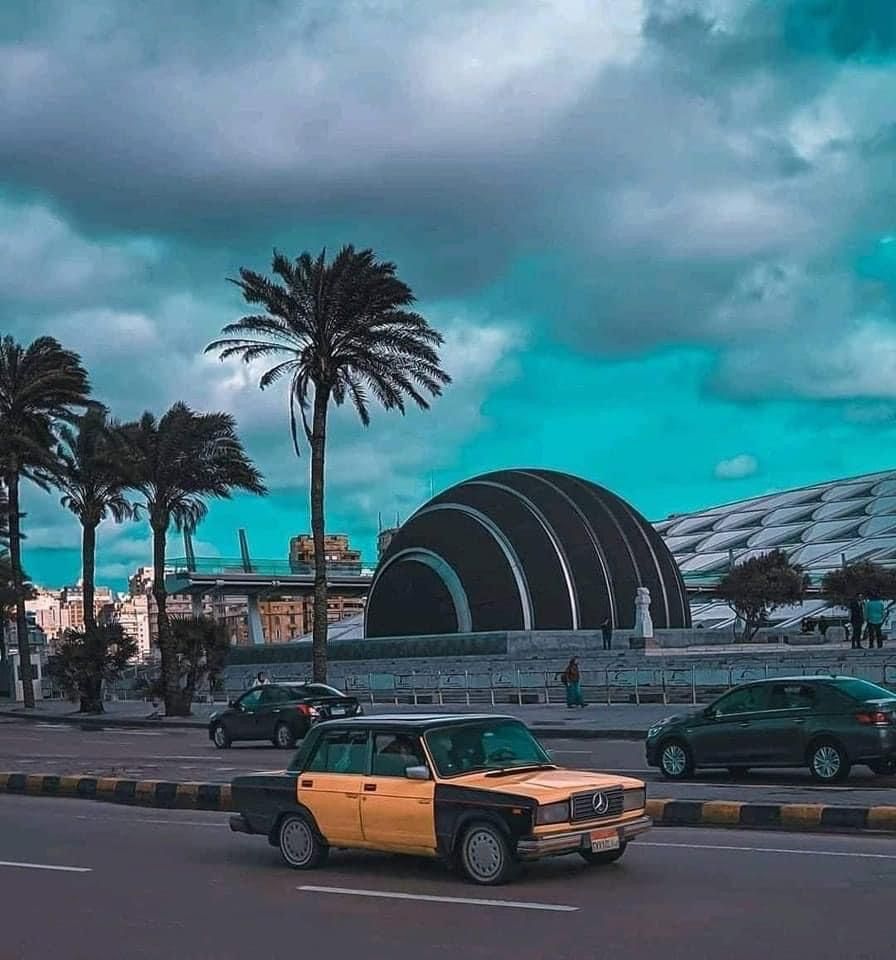
The library’s most distinctive element is its massive circular shape, which resembles a rising sun emerging from the Mediterranean Sea. This design symbolizes enlightenment, learning, and the continuous growth of human knowledge. The tilted roof allows natural light to enter the reading areas while creating a visually impressive structure that stands out along Alexandria’s waterfront.

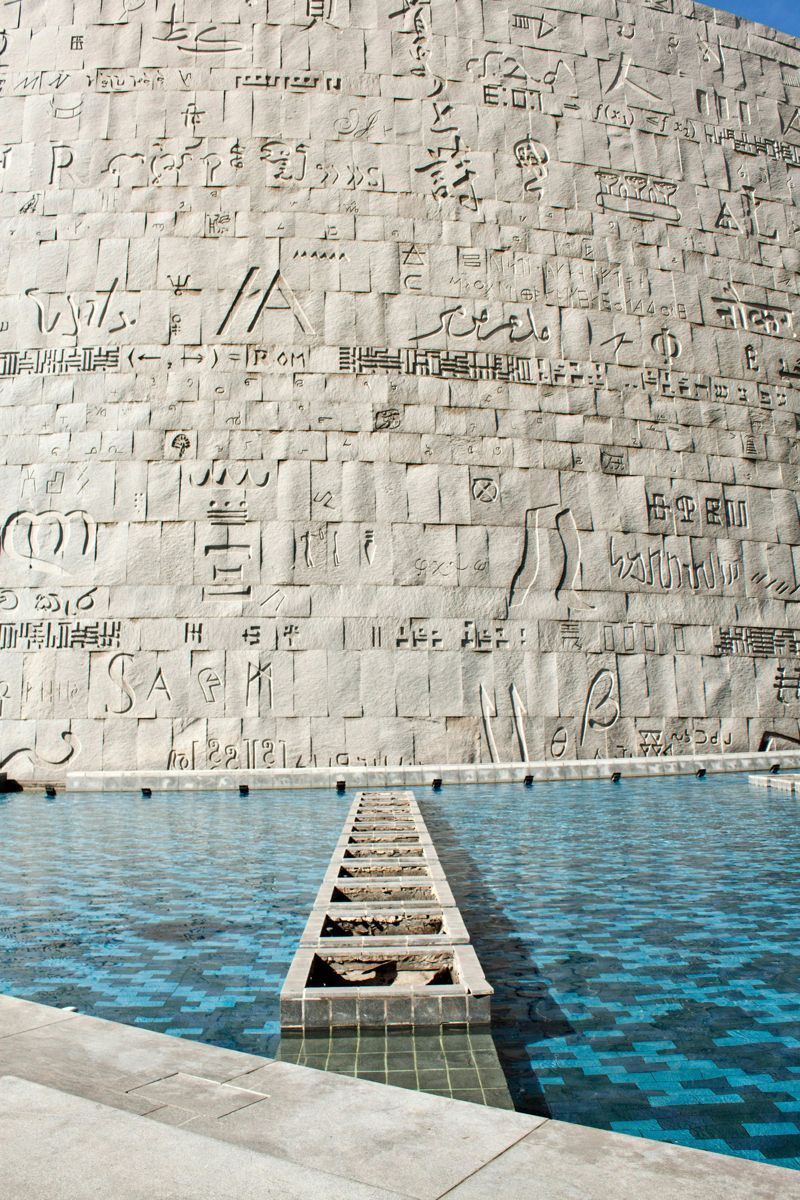
The exterior walls are covered with granite panels engraved with letters, symbols, and scripts from hundreds of languages and writing systems. These inscriptions represent humanity’s shared intellectual heritage and reflect the library’s mission of encouraging communication and understanding among cultures.

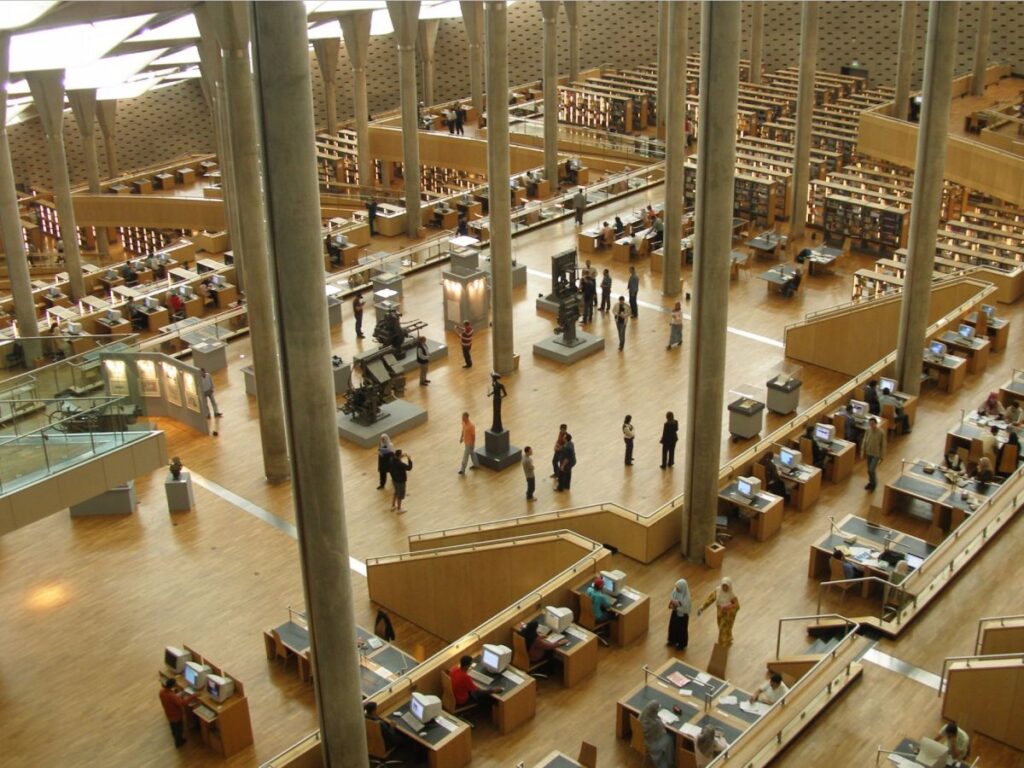
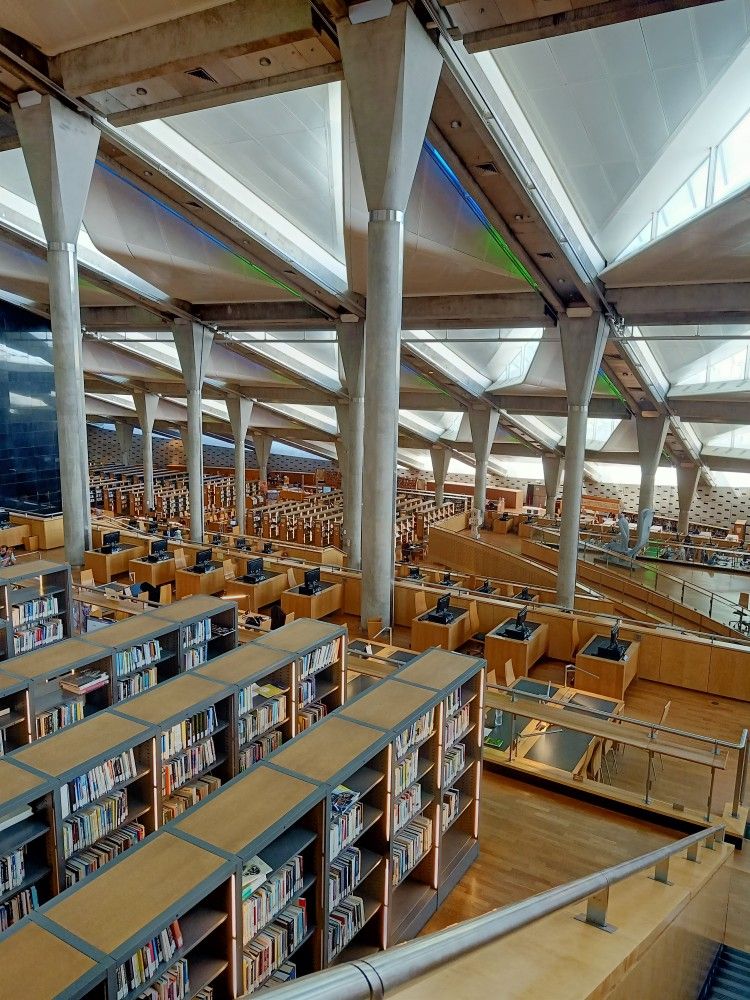
Inside, the library contains a vast open reading hall spread across several levels. The design creates a spacious and inspiring environment for students, researchers, and visitors. Large windows provide natural lighting, while carefully planned architectural elements ensure comfort and functionality.

The complex extends beyond the main library building and includes museums, exhibition spaces, research centers, conference halls, and educational facilities. Together, these structures form one of the largest cultural complexes in the Middle East.

The unique design of the Bibliotheca Alexandrina has received international recognition and numerous architectural awards. It successfully combines beauty, symbolism, and practicality, making the building itself one of Alexandria’s most important attractions.
3. What to See Inside the Bibliotheca Alexandrina

The Bibliotheca Alexandrina offers far more than a traditional library experience. Visitors can spend hours exploring its diverse attractions, which include museums, exhibitions, specialized collections, and cultural centers that appeal to people of all ages and interests.

The Main Reading Hall is the heart of the complex and one of the largest reading spaces in the world. It houses millions of books and provides a quiet environment for research, study, and learning. Even visitors who are not researchers are often impressed by the hall’s scale and architectural beauty.

The library complex also contains several museums. Among the most popular are the Antiquities Museum, which displays artifacts from ancient Egypt, Greece, and Rome, and the Manuscript Museum, which preserves rare historical documents and manuscripts. These collections offer valuable insights into the region’s cultural and intellectual history.

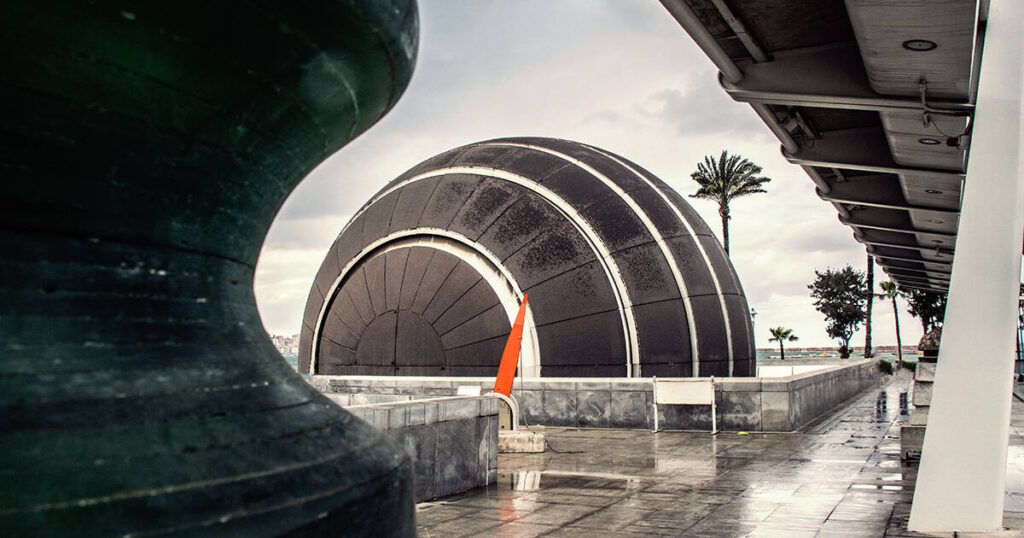
Art lovers can explore the library’s galleries and temporary exhibitions, which regularly showcase works by Egyptian and international artists. The Planetarium Science Center is another major attraction, particularly for families and students interested in astronomy and science.

Visitors can also discover specialized libraries dedicated to children, young adults, visually impaired readers, and multimedia resources. These facilities reflect the institution’s commitment to making knowledge accessible to everyone.

Whether you are interested in history, literature, science, architecture, or art, the Bibliotheca Alexandrina offers a rich and rewarding experience. Its wide range of attractions makes it one of the most fascinating cultural destinations in Egypt.
4. Museums and Cultural Centers

One of the most impressive aspects of the Bibliotheca Alexandrina is the variety of museums and cultural centers located within the complex. These institutions transform the library into a comprehensive cultural destination rather than simply a place for books and research. Visitors can explore history, science, art, and technology through a wide range of permanent and temporary exhibitions.

The Antiquities Museum is among the most popular attractions inside the library. It features a remarkable collection of artifacts from Ancient Egypt, the Greco-Roman period, and the Byzantine era. Many of the displayed objects were discovered during archaeological excavations in Alexandria and provide valuable insight into the city’s rich multicultural past.

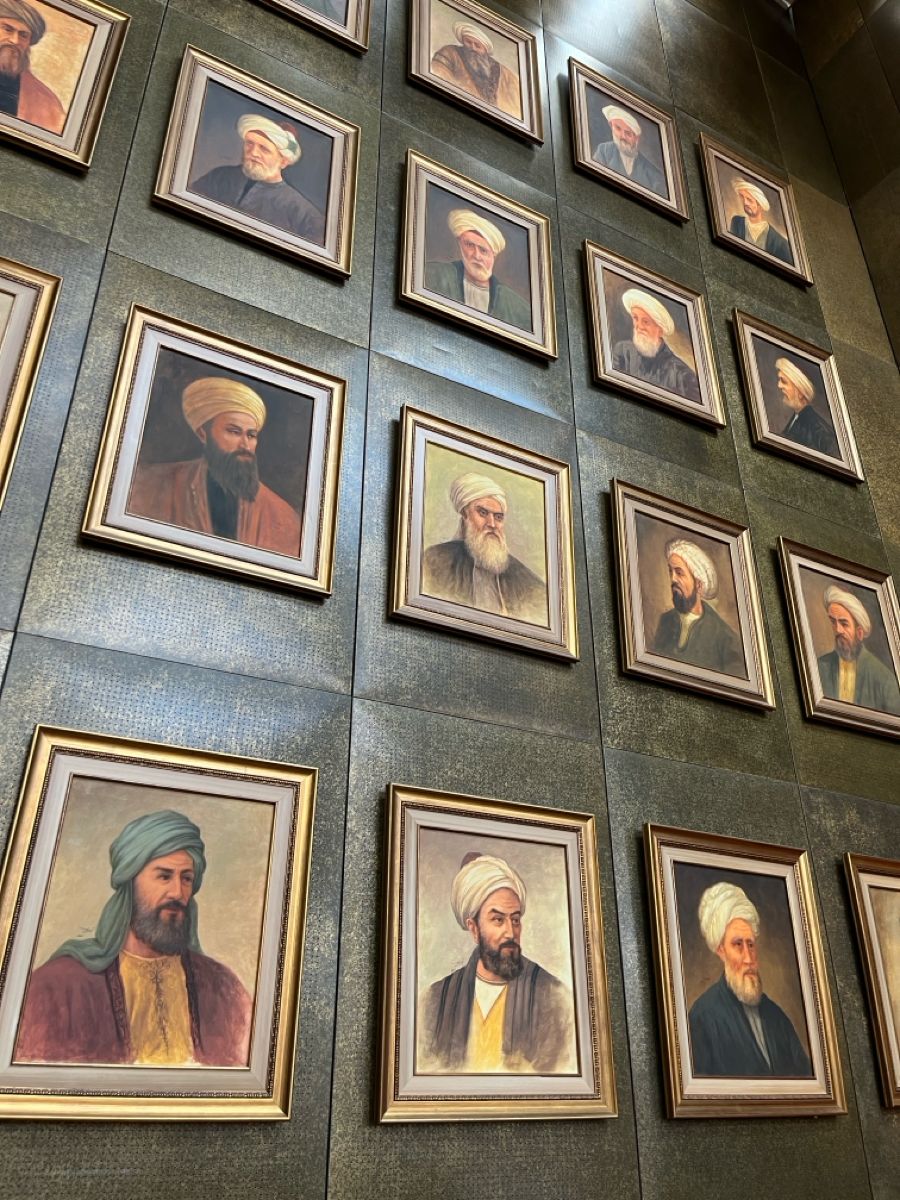
Another important attraction is the Manuscript Museum, which preserves rare manuscripts, historical maps, and scientific documents. The museum highlights the development of knowledge and writing throughout history while showcasing some of the region’s most valuable intellectual treasures.

The Planetarium Science Center attracts visitors interested in astronomy, technology, and scientific discovery. Through interactive exhibits and educational programs, the center helps make science accessible and engaging for both children and adults.

The library also hosts several specialized cultural centers dedicated to dialogue, heritage preservation, and academic research. Throughout the year, conferences, lectures, workshops, and exhibitions bring together scholars, artists, and cultural leaders from around the world.

These museums and cultural institutions play a key role in fulfilling the library’s mission of promoting education, creativity, and intercultural understanding, making the Bibliotheca Alexandrina one of the most important cultural complexes in the Middle East.

5. Bibliotheca Alexandrina for Tourists

The Bibliotheca Alexandrina has become one of the most visited attractions in Alexandria, drawing tourists from across the globe who are interested in culture, history, architecture, and education. While many visitors come to Alexandria to see its ancient sites and Mediterranean coastline, the library offers a unique modern attraction that complements the city’s historical heritage.

For tourists, the library provides an opportunity to experience one of Egypt’s most ambitious cultural projects. Guided tours are available and help visitors understand the history, architecture, and significance of the institution. These tours often include access to the main reading hall, museums, exhibitions, and selected cultural facilities.

Photography enthusiasts are particularly drawn to the building’s remarkable architecture. The circular structure, granite walls covered with inscriptions, and stunning waterfront location create excellent opportunities for memorable photographs both inside and outside the complex.

The library is also an ideal destination for families. Children can explore interactive exhibits, educational programs, and specialized sections designed specifically for younger visitors. Meanwhile, adults can enjoy museums, art galleries, and cultural events that take place throughout the year.

Because of its central location, the Bibliotheca Alexandrina can easily be combined with other popular Alexandria attractions such as the Citadel of Qaitbay, the Alexandria Corniche, and the Catacombs of Kom El Shoqafa. This makes it an essential stop on any Alexandria sightseeing itinerary.

For travelers seeking a deeper understanding of Egypt’s cultural and intellectual achievements, the Bibliotheca Alexandrina offers an inspiring and unforgettable experience.

6. Opening Hours, Tickets, and Visitor Information

Before visiting the Bibliotheca Alexandrina, it is useful to understand the practical details that can help make the experience smooth and enjoyable. As one of Alexandria’s most important cultural attractions, the library welcomes thousands of visitors each year and provides a variety of services for tourists, students, and researchers.

Opening hours may vary depending on the season, public holidays, and special events. In general, the library operates during daytime hours, while some museums and facilities may follow separate schedules. Visitors are encouraged to check the official timetable before planning their visit to ensure access to all desired attractions.

The Bibliotheca Alexandrina offers different ticket categories depending on the areas visitors wish to explore. Separate admission fees may apply for museums, the planetarium, guided tours, and special exhibitions. Students and children may benefit from discounted rates, while some educational programs are offered free of charge.

Guided tours are highly recommended for first-time visitors. These tours provide valuable information about the library’s history, architecture, and collections while helping guests navigate the large complex more efficiently. Tours are often available in multiple languages to accommodate international visitors.

The library is conveniently located along Alexandria’s Mediterranean waterfront and can be reached by taxi, private car, or organized tour. Nearby cafés, restaurants, and public facilities make it easy to spend several hours exploring the site.

With proper planning, a visit to the Bibliotheca Alexandrina can become one of the highlights of any trip to Alexandria, offering a fascinating blend of history, culture, education, and modern architecture.

7. Best Time to Visit the Bibliotheca Alexandrina

The Bibliotheca Alexandrina can be visited throughout the year, but choosing the right time can significantly enhance the overall experience. Alexandria enjoys a Mediterranean climate that is generally milder than many other Egyptian cities, making it a comfortable destination for cultural sightseeing during most seasons.

The best time to visit is between October and April, when temperatures are pleasant and ideal for exploring both indoor and outdoor attractions. During these months, visitors can comfortably walk along the Alexandria Corniche, enjoy the library’s waterfront location, and combine their visit with other nearby landmarks without dealing with extreme heat.

Spring is particularly attractive because of the moderate weather and vibrant atmosphere throughout the city. Autumn also offers comfortable conditions and tends to be less crowded than the peak winter tourism season. These periods are excellent for travelers who prefer a more relaxed sightseeing experience.

Summer remains a popular time to visit Alexandria due to its coastal location. While temperatures are warmer, the sea breeze often helps create more comfortable conditions compared to inland cities such as Cairo and Luxor. Since much of the Bibliotheca Alexandrina experience takes place indoors, summer visits can still be enjoyable.

Morning visits are often recommended because they allow visitors to explore the library before larger groups arrive. Arriving early also provides more time to discover museums, exhibitions, and cultural facilities without feeling rushed.

Regardless of the season, the Bibliotheca Alexandrina remains one of Alexandria’s most rewarding attractions and can easily be included in any cultural itinerary.

8. Why the Library Is Important to Modern Egypt

The Bibliotheca Alexandrina represents far more than a collection of books. It serves as one of Egypt’s leading cultural, educational, and intellectual institutions, reflecting the country’s commitment to knowledge, innovation, and international cooperation. Since its inauguration in 2002, the library has become a symbol of Egypt’s efforts to connect its ancient heritage with modern progress.

One of the library’s most important roles is promoting education and research. It provides access to millions of books, digital resources, academic publications, and specialized collections that support students, scholars, and researchers from around the world. Through conferences, workshops, and educational programs, the institution encourages lifelong learning and intellectual development.

The library also plays a significant role in preserving cultural heritage. Its museums, archives, and manuscript collections help safeguard important historical documents and artifacts for future generations. These efforts contribute to the protection of both Egyptian and global cultural history.

Beyond education and preservation, the Bibliotheca Alexandrina serves as a center for dialogue and cultural exchange. International events, exhibitions, and collaborative projects bring together people from different backgrounds and disciplines, fostering understanding and cooperation across cultures.

For modern Egypt, the library symbolizes the enduring value of knowledge and the country’s historic contribution to civilization. By reviving the spirit of the ancient Library of Alexandria, it continues to inspire new generations while strengthening Egypt’s position as a regional and global center of culture and learning.

9. Nearby Attractions to Visit After the Bibliotheca Alexandrina

The Bibliotheca Alexandrina is located in one of the most attractive areas of Alexandria, making it easy for visitors to explore several other important landmarks nearby. Combining the library with additional attractions allows travelers to enjoy a more complete experience of Egypt’s second-largest city.

One of the most popular nearby sites is the Citadel of Qaitbay, a historic fortress built in the fifteenth century on the Mediterranean coast. The citadel stands on the site traditionally associated with the ancient Lighthouse of Alexandria, one of the Seven Wonders of the Ancient World. Visitors can explore the fortress while enjoying spectacular sea views.

The Alexandria Corniche is another favorite destination. This scenic waterfront promenade stretches along the Mediterranean shoreline and offers beautiful walking opportunities, cafés, restaurants, and panoramic views of the sea. Many visitors choose to relax here after exploring the library.

History enthusiasts may also visit the Catacombs of Kom El Shoqafa, one of Alexandria’s most fascinating archaeological sites. The underground tomb complex combines Egyptian, Greek, and Roman artistic influences, reflecting the city’s multicultural heritage.

Other nearby attractions include the Roman Amphitheatre, Pompey’s Pillar, and the Royal Jewelry Museum. Each site provides unique insights into Alexandria’s long and diverse history.

Because many of these landmarks are located within a relatively short distance of one another, visitors can easily combine them into a full-day sightseeing itinerary. Together, they create an unforgettable journey through the cultural, historical, and architectural treasures of Alexandria.

10. Guided Tours of the Bibliotheca Alexandrina

Guided tours are one of the best ways to experience the Bibliotheca Alexandrina and fully appreciate its history, architecture, and cultural significance. While visitors can explore certain areas independently, a guided tour provides valuable insights that help bring the library’s story to life and ensure that important attractions are not overlooked.

Most guided tours begin with an introduction to the history of the ancient Library of Alexandria and the vision behind the creation of the modern Bibliotheca Alexandrina. Visitors learn how the institution was developed as a global center for knowledge and cultural exchange, inspired by one of the most famous libraries in history.

During the tour, guests typically visit the Main Reading Hall, which is considered one of the largest reading spaces in the world. Guides explain the building’s unique architectural design, the symbolism behind its circular shape, and the significance of the inscriptions engraved on its exterior walls.

Many tours also include access to selected museums, exhibitions, and cultural facilities within the complex. Visitors can gain a deeper understanding of the library’s collections and its role in education, research, and heritage preservation.

Guided tours are often available in multiple languages, making them suitable for international visitors. Whether you are interested in history, architecture, literature, or culture, a guided tour provides a richer and more informative experience than a self-guided visit.

11. Travel Tips for First-Time Visitors

A visit to the Bibliotheca Alexandrina can be one of the highlights of a trip to Alexandria, especially for travelers interested in culture, history, and architecture. To make the most of the experience, first-time visitors should consider a few practical tips before arriving.

One of the best recommendations is to allocate several hours for the visit. The library complex includes museums, exhibitions, cultural centers, and the main reading hall, all of which deserve time and attention. Rushing through the site may cause visitors to miss some of its most interesting features.

Comfortable clothing and walking shoes are advisable, particularly for travelers planning to combine the library with nearby attractions along the Alexandria Corniche. Since photography opportunities are plentiful, visitors should also ensure their cameras or mobile devices are fully charged.

Booking a guided tour is highly recommended, as it provides valuable background information and allows visitors to better understand the library’s history and significance. Checking opening hours and ticket policies before arrival can also help avoid unnecessary delays.

Visitors should remember that the Bibliotheca Alexandrina is an active cultural and academic institution. Respecting library rules and maintaining appropriate behavior helps preserve the quiet atmosphere enjoyed by students and researchers.

With proper planning, first-time visitors can enjoy a rewarding experience and gain a deeper appreciation for one of Egypt’s most important modern cultural landmarks.

12. Why the Bibliotheca Alexandrina Should Be on Your Egypt Itinerary

The Bibliotheca Alexandrina is much more than a library; it is a symbol of Egypt’s intellectual heritage and one of the country’s most important cultural attractions. While many visitors travel to Egypt to see the pyramids, temples, and ancient monuments, the library offers a unique opportunity to experience a different side of the country—one focused on knowledge, education, and cultural exchange.

Its connection to the legendary Ancient Library of Alexandria gives the institution immense historical significance. At the same time, its modern architecture, advanced facilities, and diverse cultural programs demonstrate Egypt’s commitment to innovation and learning in the twenty-first century.

The library appeals to a wide range of visitors. History enthusiasts appreciate its connection to the ancient world, architecture lovers admire its award-winning design, and families enjoy its museums, exhibitions, and educational activities. Few attractions in Egypt successfully combine so many different interests in a single destination.

Its location in Alexandria also makes it easy to include within a broader city tour. Visitors can combine the library with attractions such as the Citadel of Qaitbay, the Corniche, and the Catacombs of Kom El Shoqafa to create a memorable full-day itinerary.

For travelers seeking a deeper understanding of Egypt beyond its ancient monuments, the Bibliotheca Alexandrina is an essential destination. It stands as a powerful reminder that knowledge, culture, and learning have always been at the heart of civilization.

Bibliotheca Alexandrina : Frequently Asked Questions

The Bibliotheca Alexandrina is a modern library and cultural complex in Alexandria, Egypt, created to revive the spirit of the ancient Library of Alexandria.

Yes. The library is open to visitors and offers guided tours, museums, exhibitions, and cultural attractions.

Most visitors spend between two and four hours exploring the library, museums, and exhibitions.

Photography policies may vary depending on the area being visited. Visitors should follow the library’s current regulations during their tour.

Nearby attractions include the Citadel of Qaitbay, Alexandria Corniche, Catacombs of Kom El Shoqafa, Pompey’s Pillar, and the Roman Amphitheatre.