
Overview of the Citadel of Qaitbay
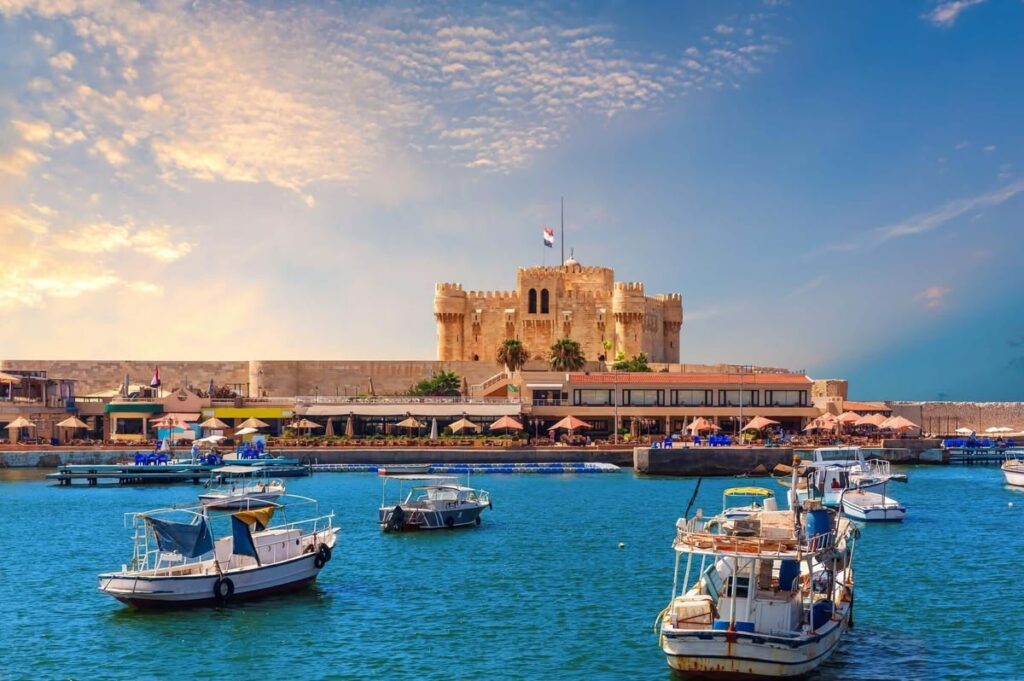
The Citadel of Qaitbay is one of the most iconic landmarks in Alexandria and a must-visit destination for anyone interested in Egypt tourism. Perched on the Mediterranean coast at the entrance of Alexandria’s Eastern Harbor, this magnificent fortress combines centuries of history with breathtaking sea views, creating one of the most memorable experiences in any Egypt travel guide.
Constructed during the late fifteenth century by Sultan Al-Ashraf Qaitbay, the fortress was designed to protect Alexandria from maritime attacks and to strengthen Egypt’s northern defenses. Its strategic location made it one of the most important military installations of the Mamluk era. Today, the citadel stands as a symbol of Alexandria’s rich heritage and remains one of the most visited historical sites in Egypt.
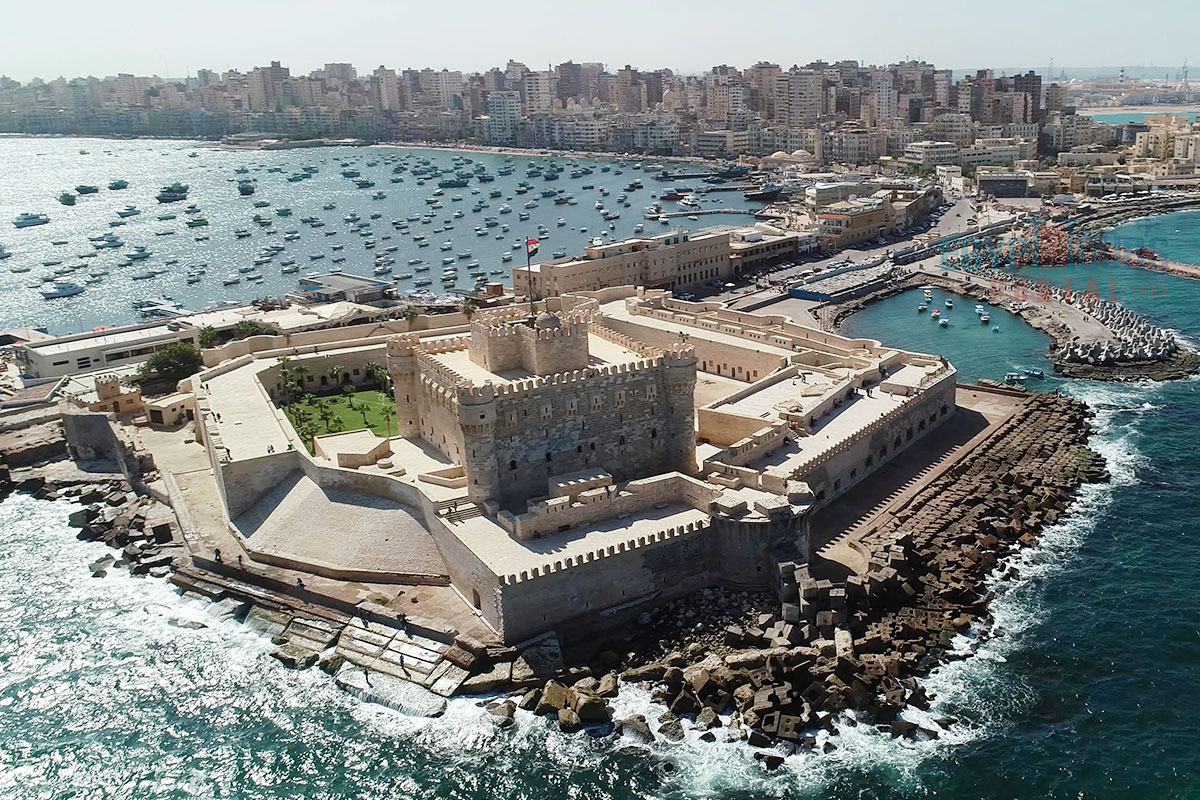
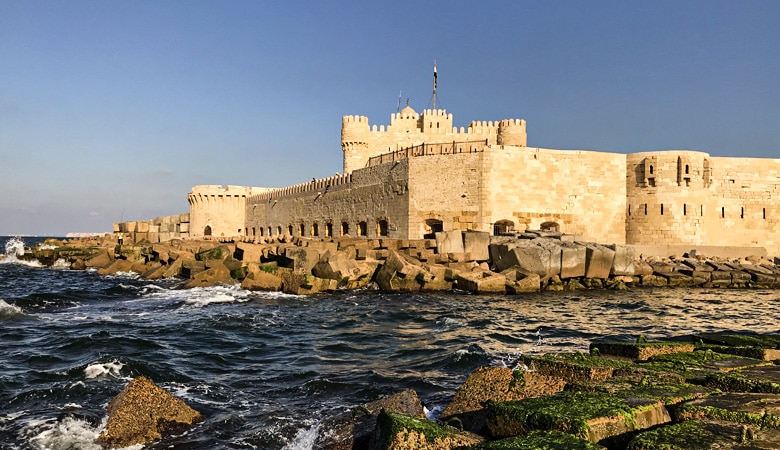
Visitors are immediately captivated by the fortress’s imposing appearance. Surrounded by the Mediterranean Sea on three sides, the structure offers spectacular panoramic views that attract photographers, history enthusiasts, and travelers from around the world. The combination of ancient stones, coastal scenery, and historical significance creates a unique atmosphere unlike any other Egyptian landmark.
The Citadel of Qaitbay is also closely connected to one of the greatest achievements of the ancient world. It was built on the exact site where the legendary Lighthouse of Alexandria once stood. This remarkable connection allows visitors to experience two different eras of history in a single location. As a result, the fortress has become one of the best places to visit in Egypt for travelers seeking both cultural enrichment and unforgettable views.
Whether included as part of a day trip in Alexandria or a broader Egypt itinerary, the Citadel of Qaitbay offers a fascinating glimpse into Egypt’s medieval past while showcasing the enduring importance of Alexandria as one of the Mediterranean’s most historic cities.
History and Historical Significance
The history of the Citadel of Qaitbay is deeply intertwined with the history of Alexandria itself. Long before the fortress existed, the site was occupied by the famous Lighthouse of Alexandria, also known as the Pharos. Built during the Ptolemaic period in the third century BC, the lighthouse guided ships into Alexandria’s harbor and became one of the Seven Wonders of the Ancient World. For centuries it served as a symbol of innovation, engineering excellence, and the city’s global importance.
Over time, a series of powerful earthquakes damaged the lighthouse. By the fourteenth century, much of the structure had collapsed, leaving behind massive stone blocks scattered across the site. Recognizing the strategic value of the location, Sultan Al-Ashraf Qaitbay ordered the construction of a defensive fortress in 1477 AD. Builders incorporated many stones from the ruined lighthouse into the new structure, creating a direct physical link between the ancient and medieval worlds.
The citadel quickly became a vital component of Egypt’s coastal defense network. During the Mamluk period, Alexandria remained a major commercial center, making protection against naval threats essential. The fortress served as a military stronghold and observation point, helping safeguard Egypt’s Mediterranean coastline from potential invasions.
Throughout the Ottoman era and later during the rule of Muhammad Ali Pasha, the fortress underwent several renovations and improvements. These restoration efforts helped preserve its military capabilities while ensuring its continued importance within Egypt’s defense system. Today, the citadel stands as one of the most significant historical sites in Egypt, representing centuries of political, military, and architectural development.
For travelers interested in Ancient Egypt, Islamic history, and the evolution of Alexandria, the Citadel of Qaitbay offers a remarkable opportunity to explore a site where multiple layers of history converge in one extraordinary location.
Architecture and Unique Design Features
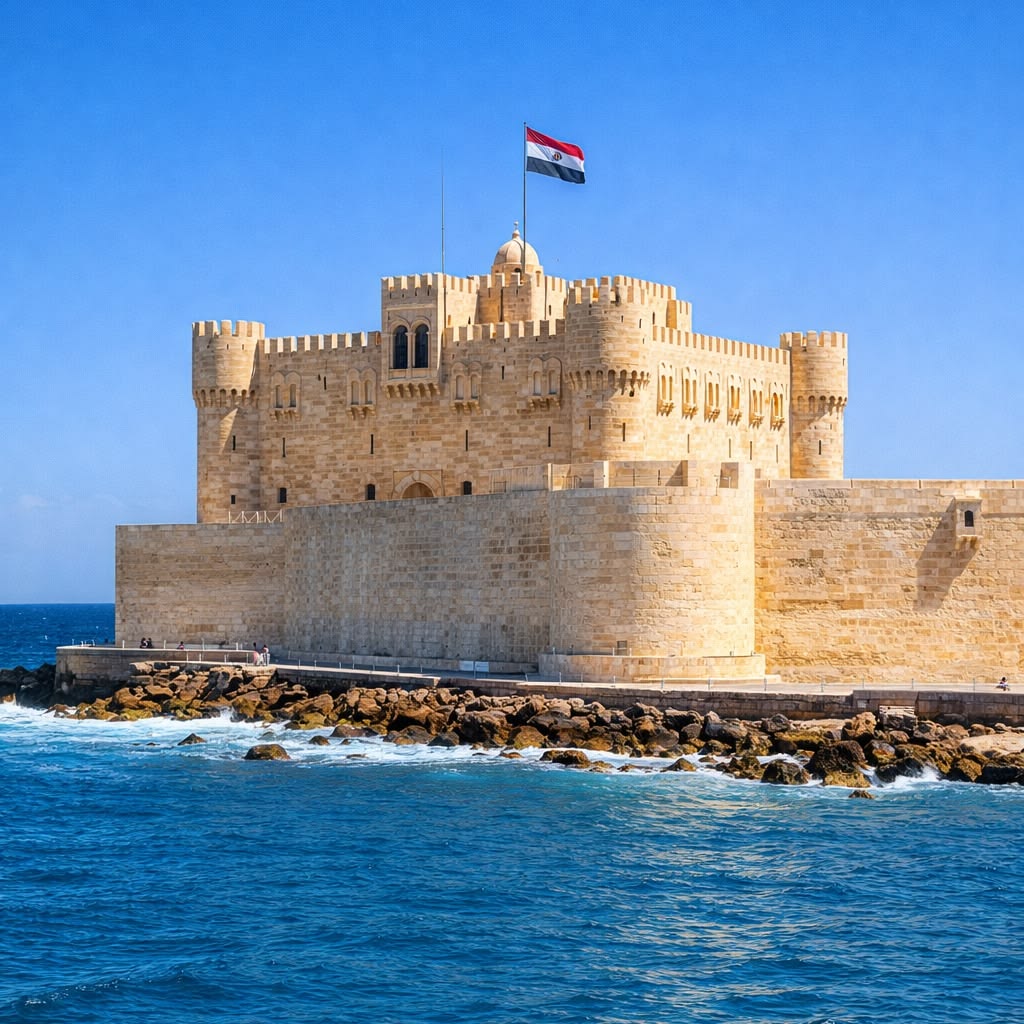
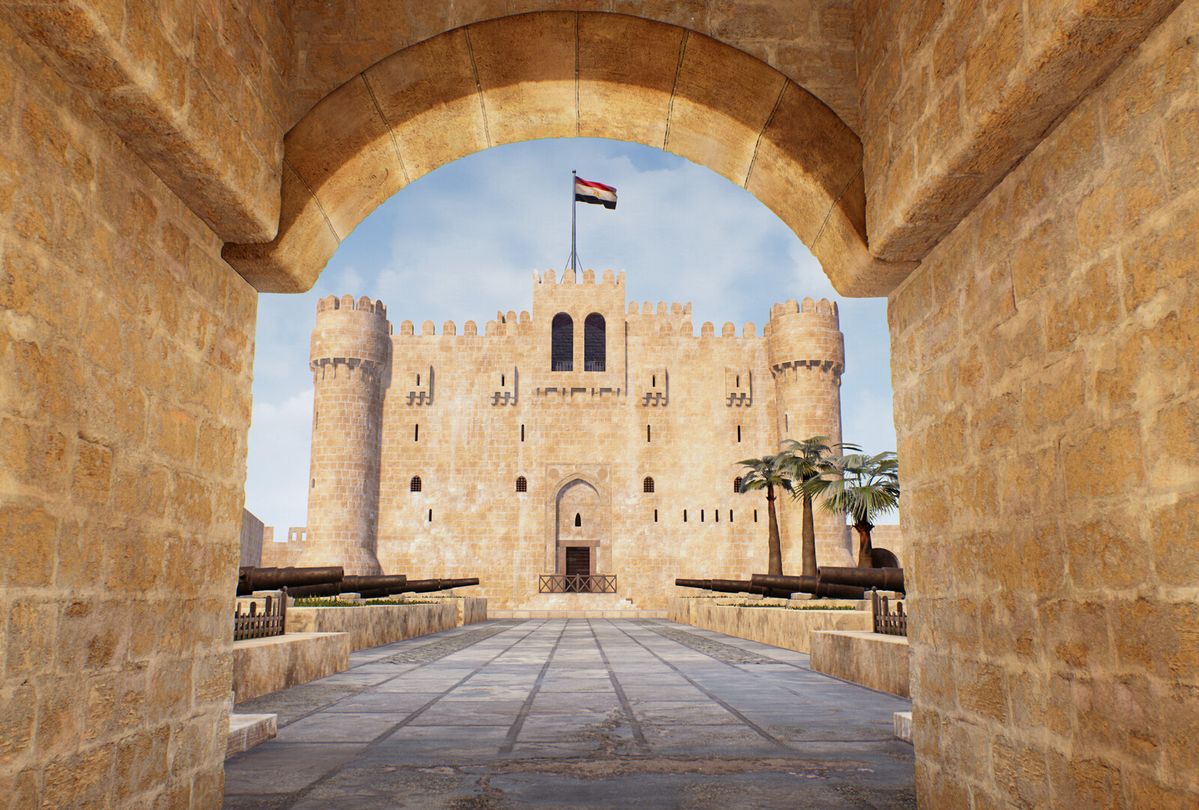
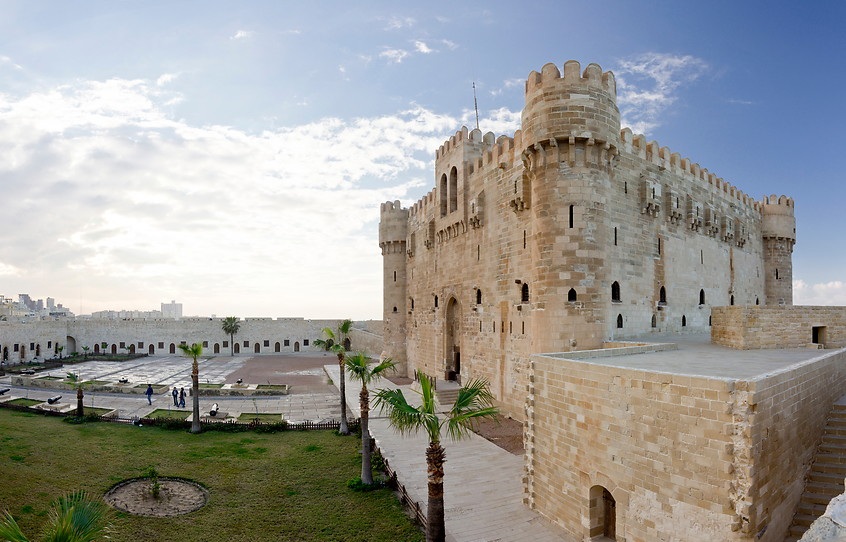
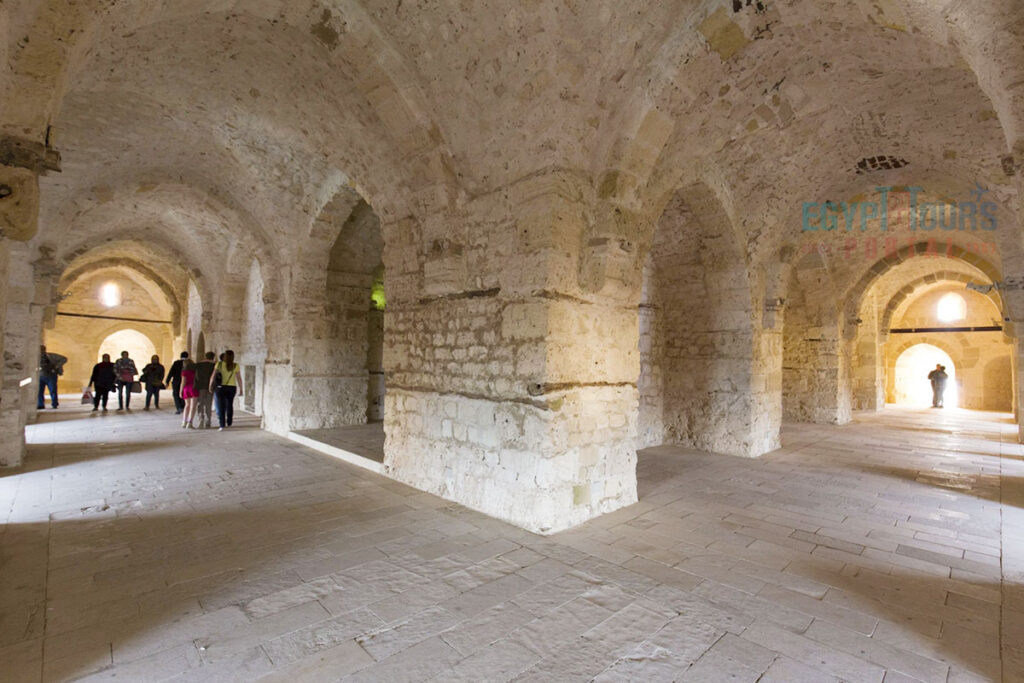
The Citadel of Qaitbay is widely regarded as one of the finest surviving examples of Mamluk military architecture. Built primarily from limestone, the fortress was designed to withstand attacks from both land and sea while maintaining a commanding presence over Alexandria’s harbor. Its robust construction and strategic layout demonstrate the advanced military engineering techniques of the fifteenth century.
At the heart of the complex stands the massive central keep, a square-shaped structure that served as the fortress’s primary defensive and administrative center. Thick walls, fortified towers, and elevated observation points allowed soldiers to monitor approaching ships and respond quickly to potential threats. The design reflects a careful balance between military efficiency and architectural elegance.
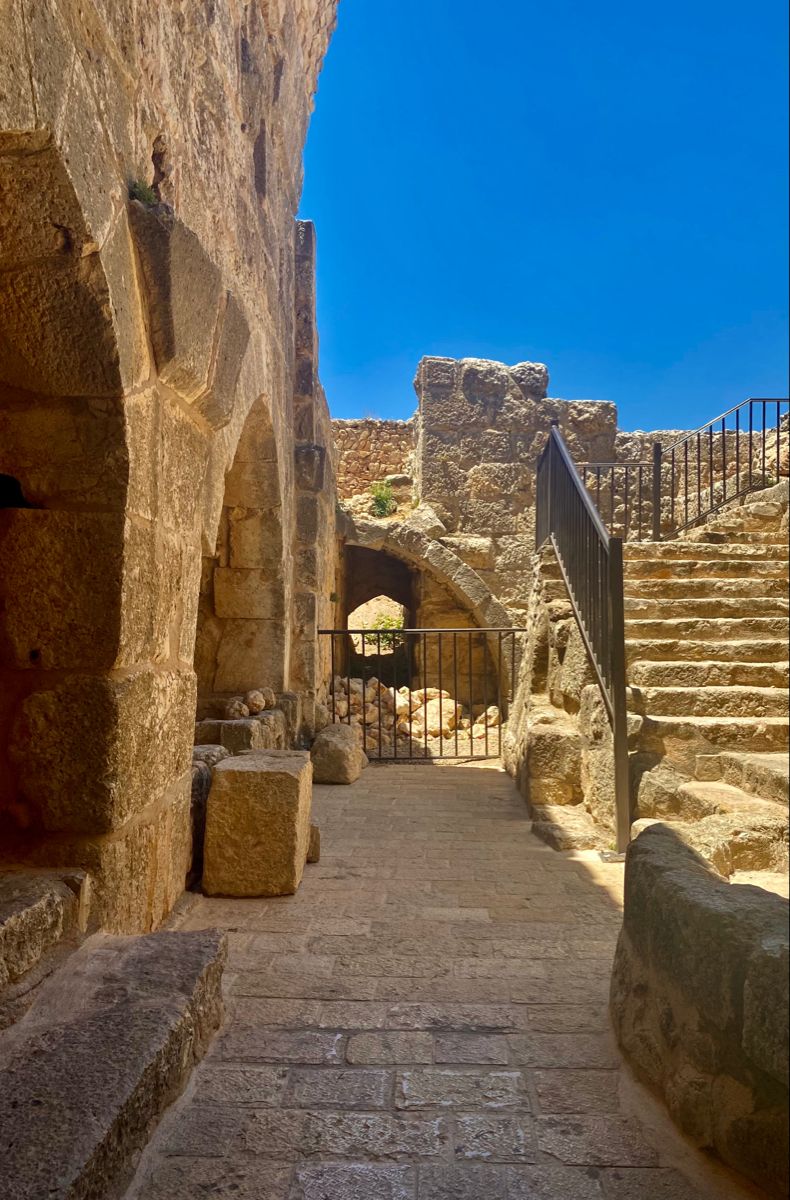
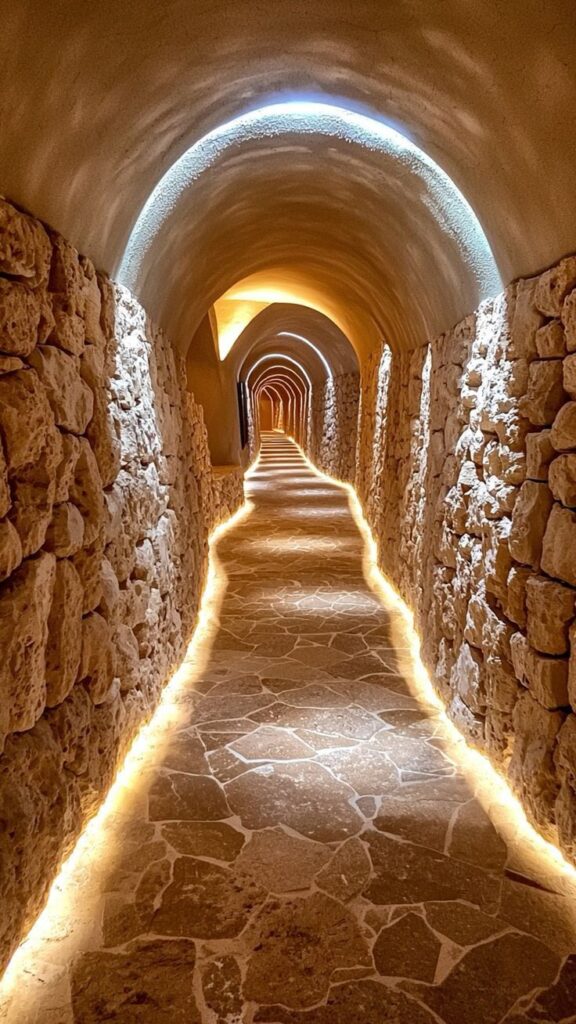
As visitors explore the fortress, they encounter a series of stone corridors, staircases, chambers, and defensive positions that reveal how the citadel functioned during its operational years. Many rooms feature vaulted ceilings and traditional Mamluk decorative elements that add artistic beauty to an otherwise military structure. The intricate details found throughout the fortress highlight the craftsmanship of the period and demonstrate that functionality did not come at the expense of aesthetics.
One of the most impressive aspects of the citadel is its relationship with the surrounding sea. Large windows and observation platforms provide stunning views of the Mediterranean, creating countless photography opportunities. On clear days, visitors can enjoy sweeping vistas of Alexandria’s coastline, fishing boats, and the city’s modern skyline.
The fortress’s architectural significance extends beyond its military role. Because portions of the structure were built using stones from the ancient Lighthouse of Alexandria, the citadel serves as a tangible connection between two of the most important monuments in the city’s history. This unique combination of ancient heritage and medieval engineering makes the Citadel of Qaitbay one of the most fascinating Egyptian landmarks and a highlight of any journey to Egypt.