
Welcome to

Best Diving Spots in the Red Sea, Egypt

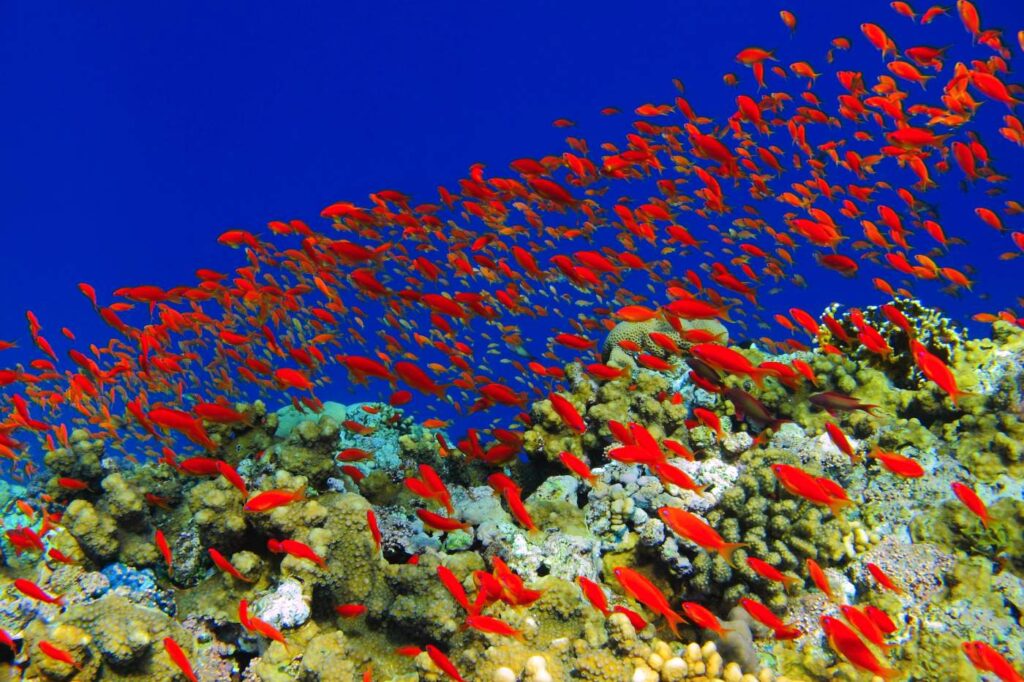
The Red Sea in Egypt is one of the world’s most spectacular destinations for scuba diving, offering crystal-clear water, colorful coral reefs, dramatic underwater walls, historic shipwrecks, and an incredible variety of marine life. From the accessible reefs of Hurghada and the famous dive sites of Sharm El Sheikh to the remote offshore reefs of Marsa Alam, Egypt offers diving experiences for beginners, experienced divers, underwater photographers, and adventure seekers. Popular destinations include Ras Mohammed National Park, the Straits of Tiran, Giftun Islands, SS Thistlegorm, Elphinstone Reef, Abu Dabbab, the Brothers Islands, and Daedalus Reef.

One of the biggest advantages of Red Sea diving in Egypt is the variety of underwater environments available. Beginners can enjoy shallow coral gardens and calm reef areas, while experienced divers can explore deep walls, strong-current sites, historic wrecks, and remote offshore reefs. The warm waters and excellent visibility found in many parts of the Red Sea make scuba diving in Egypt an unforgettable experience throughout much of the year.

Whether you are planning a diving trip from Hurghada, looking for the best Sharm El Sheikh dive sites, or want to discover the spectacular reefs around Marsa Alam, the Egyptian Red Sea offers something for every type of diver. In this guide, we explore the best diving spots in the Red Sea, Egypt, what makes each destination special, the marine life you may encounter, and which sites are most suitable for different levels of diving experience .

Ras Mohammed National Park – Sharm El Sheikh

1. Ras Mohammed National Park – Sharm El Sheikh

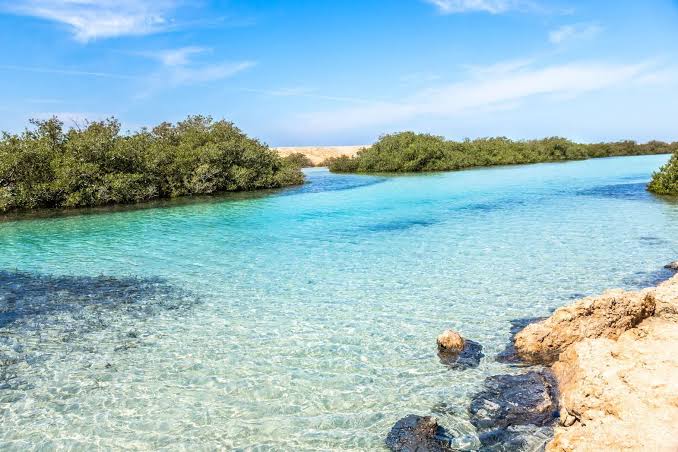
Ras Mohammed National Park is widely regarded as one of the most spectacular diving spots in the Red Sea, Egypt, offering dramatic coral walls, clear water, colorful reef systems, and an impressive variety of marine life. Located at the southern tip of the Sinai Peninsula near Sharm El Sheikh, the national park sits where the Gulf of Suez meets the Gulf of Aqaba, creating a unique marine environment with strong currents and nutrient-rich waters. Divers visiting Ras Mohammed can explore famous sites such as Shark Reef and Yolanda Reef, where steep underwater walls drop into the deep blue and large schools of fish gather around the reef. Depending on conditions and season, divers may encounter barracuda, tuna, jackfish, turtles, Napoleon wrasse, reef sharks, and many species of colorful tropical fish. The combination of dramatic underwater scenery and abundant marine life makes Ras Mohammed diving a highlight for both experienced recreational divers and underwater photographers. The area can be reached by day boat from Sharm El Sheikh, while some liveaboard itineraries also include it as part of a northern Red Sea route. Different dive sites within the park offer different levels of difficulty, so divers should select locations appropriate for their certification and experience. Current strength and sea conditions can change, particularly around exposed reef areas. Travelers searching for the best dive sites in Egypt should place Ras Mohammed near the top of their list because it combines exceptional coral reefs with spectacular wall diving and easy access from one of Egypt’s leading diving resorts. For anyone planning a Red Sea diving holiday, Ras Mohammed provides an unforgettable introduction to the underwater landscapes that have made Egyptian diving famous around the world.
SS Thistlegorm – Best Wreck Diving in Egypt

2. SS Thistlegorm – Best Wreck Diving in Egypt

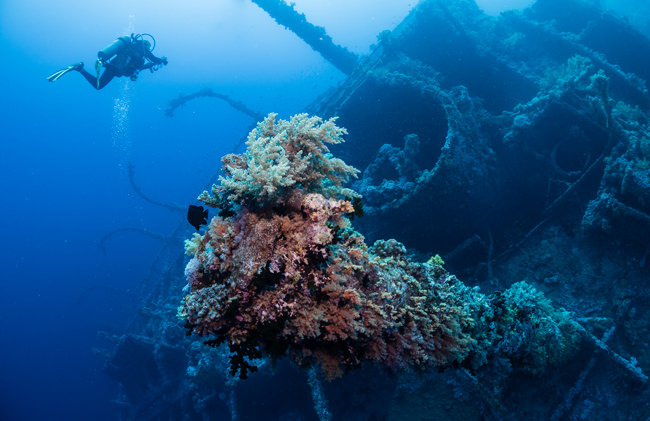
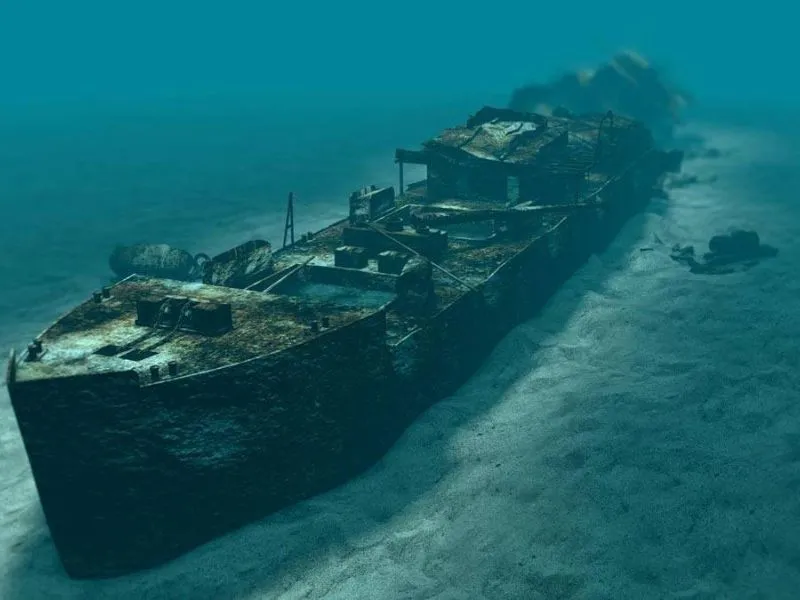
The SS Thistlegorm is one of the most famous wreck diving sites in the Red Sea and is considered a must-visit destination for divers interested in maritime and World War II history. Located in the northern Red Sea near the Sinai Peninsula, this British cargo ship was sunk during World War II in 1941 while carrying military supplies. Today, the wreck rests underwater and has become an artificial reef supporting a wide variety of marine life. Divers can explore sections of the ship and observe historical cargo, including motorcycles, trucks, railway equipment, and other military supplies that have remained associated with the wreck. The combination of history, underwater exploration, and marine life makes SS Thistlegorm diving very different from a typical coral reef dive. The wreck is generally considered more suitable for experienced divers because depth, current, navigation, and penetration considerations can make the dive more demanding than shallow reef sites. Proper certification, experience, and an experienced dive operator are important when planning a visit. The surrounding waters can also experience currents and changing conditions, so divers should always follow their guide and dive plan. The SS Thistlegorm is commonly accessed from Sharm El Sheikh through day trips or liveaboard itineraries. For underwater photographers and wreck enthusiasts, the combination of historical artifacts and marine growth creates exceptional photographic opportunities. Travelers searching for best diving spots in Egypt, Red Sea wreck diving, or scuba diving in Sharm El Sheikh should strongly consider this legendary wreck. The SS Thistlegorm is not simply a dive site; it is an underwater historical experience that allows visitors to discover a remarkable piece of World War II history while exploring one of the Red Sea’s most famous wrecks.
Straits of Tiran – Sharm El Sheikh

3. Straits of Tiran – Sharm El Sheikh

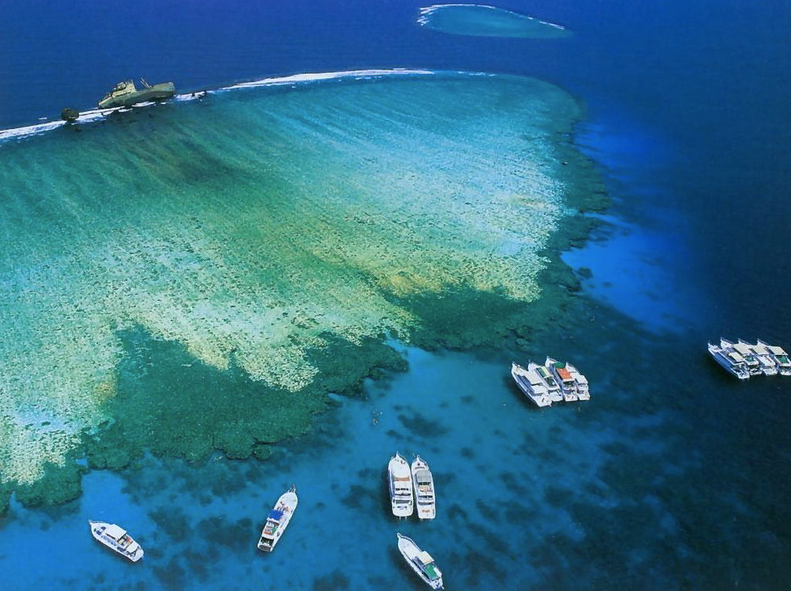
The Straits of Tiran are among the most exciting dive sites near Sharm El Sheikh, offering dramatic coral reefs, clear blue water, impressive walls, and opportunities to encounter larger marine species. Located between the Sinai Peninsula and Tiran Island, the straits are influenced by strong water movement, which helps bring nutrients into the area and supports rich marine ecosystems. Several famous reefs, including Jackson Reef, Gordon Reef, Thomas Reef, and Woodhouse Reef, are associated with the area and provide different underwater environments for divers. Depending on the site and conditions, divers can encounter colorful reef fish, barracuda, turtles, reef sharks, and large schools of pelagic fish. The underwater visibility can be excellent, allowing divers to appreciate the dramatic coral formations and steep reef walls. Because some areas of the Straits of Tiran can experience strong currents, divers should have appropriate experience and carefully follow the instructions of local dive guides. The region is accessible by boat from Sharm El Sheikh, making it convenient for travelers staying at the resort. Day trips can often include multiple dives, allowing visitors to experience different reefs within the straits. Tiran diving is particularly attractive to experienced recreational divers who enjoy drift diving and underwater photography. However, beginners may also have suitable options depending on the exact reef, weather, and operator. When planning a Red Sea diving trip, travelers should consider their certification level and current experience before selecting specific sites. The combination of coral walls, clear water, abundant marine life, and the spectacular location between Sinai and Tiran Island makes the Straits of Tiran one of the most memorable diving destinations in Egypt and an excellent addition to any Sharm El Sheikh diving holiday.
4. Giftun Islands – Best Diving Near Hurghada

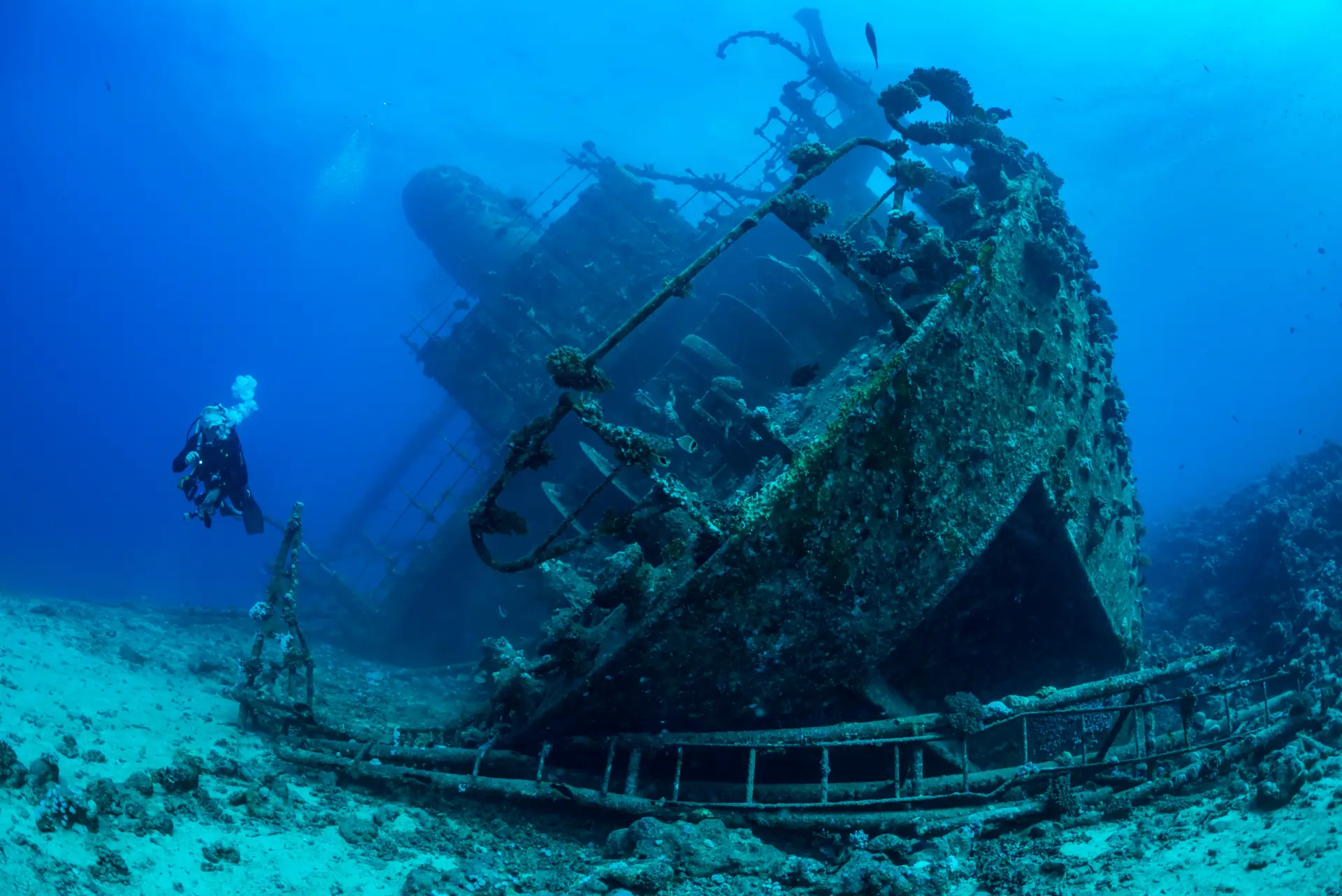
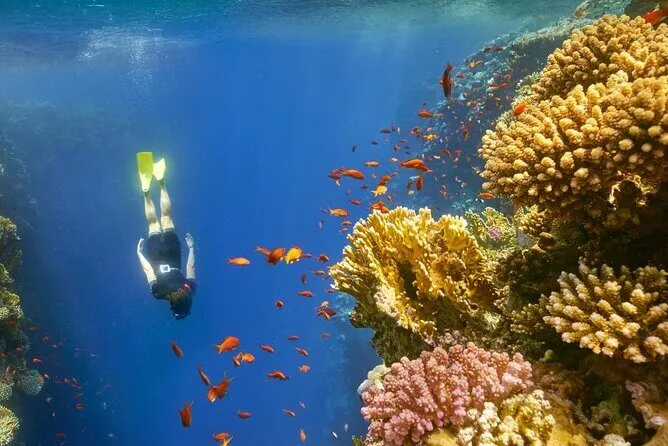
The Giftun Islands are one of the most popular destinations for diving in Hurghada, offering accessible coral reefs, colorful marine life, clear water, and a variety of dive sites suitable for different experience levels. Located offshore from Hurghada, the islands are surrounded by the spectacular waters of the Red Sea and are easily reached by boat from local marinas. The area is particularly suitable for beginners because several reefs provide relatively shallow and manageable diving conditions when the weather and sea state are favorable. Experienced divers can also enjoy the area’s coral formations and marine biodiversity. Depending on the specific site, divers may encounter clownfish, parrotfish, angelfish, moray eels, butterflyfish, turtles, rays, and other Red Sea species. The colorful coral gardens make the Giftun Islands diving experience especially attractive to underwater photographers and travelers who want to combine diving with snorkeling or swimming. Many excursions from Hurghada allow visitors to spend the day on the Red Sea, with multiple stops for diving and other marine activities. The exact itinerary depends on the dive center, weather, sea conditions, and the diver’s certification. Travelers who are staying in Hurghada, El Gouna, Makadi Bay, Sahl Hasheesh, or Soma Bay can often arrange convenient diving excursions to the surrounding reefs. Giftun is an excellent option for travelers who want to experience Red Sea scuba diving without committing to a remote liveaboard journey. The area also provides a relaxed introduction to Egypt’s underwater world for newly certified divers. With beautiful coral reefs, accessible boat trips, warm water, and diverse marine life, the Giftun Islands deserve a place among the best diving spots near Hurghada and are particularly suitable for travelers seeking a combination of easy access and spectacular underwater scenery.

Abu Nuhas – The Red Sea Wreck Graveyard

5. Abu Nuhas – The Red Sea Wreck Graveyard

Abu Nuhas is one of the most fascinating destinations for wreck diving in the Red Sea, Egypt, particularly for divers who want to explore multiple historic shipwrecks in one area. Located in the northern Egyptian Red Sea, Abu Nuhas became known as a dangerous reef because several ships were wrecked in the area over the years. Today, the site attracts divers from around the world who want to explore underwater wrecks that have become covered with marine growth and inhabited by reef fish. Several famous wrecks are associated with Abu Nuhas, including the Giannis D, Carnatic, Chrisoula K, and Kimon M, offering different diving experiences depending on depth, condition, and accessibility. The combination of historical ship structures, coral growth, and marine life makes Abu Nuhas particularly appealing to underwater photographers and wreck-diving enthusiasts. Some wrecks are accessible to recreational divers, while others may require greater experience because of depth, current, or penetration considerations. Travelers should always choose a dive center that understands the site and can match the dive plan to their certification and experience. Abu Nuhas can be included in northern Red Sea liveaboard itineraries and selected boat trips from the Hurghada region. The remote offshore location means that conditions can affect access and dive schedules. For divers searching for the best wreck diving in Egypt, Abu Nuhas provides a unique opportunity to combine maritime history with underwater exploration. Unlike a single wreck site, the area offers several wrecks in one location, making it particularly rewarding for experienced wreck divers. With its dramatic ship structures, coral-covered surfaces, and abundant marine life, Abu Nuhas diving is an unforgettable part of the northern Red Sea diving experience.

Blue Hole – Dahab

6. Blue Hole – Dahab

The Blue Hole in Dahab is one of the most recognizable dive sites in Egypt and a legendary destination for divers and underwater enthusiasts. Located near Dahab on the Sinai Peninsula, the Blue Hole is a large marine sinkhole connected to the open Red Sea. Its dramatic underwater landscape and deep blue water have made it one of the most photographed diving locations in Egypt. The site offers recreational diving opportunities around the Blue Hole itself, while more demanding sections require advanced experience and, in some cases, technical diving training. Nearby sites such as the Canyon and Lighthouse area provide additional opportunities for divers who want to experience Dahab’s spectacular underwater environment without attempting the most challenging sections of the Blue Hole. The reef contains colorful coral formations and a variety of Red Sea marine life, making the region attractive to underwater photographers and experienced divers. Because of the depth and unique underwater topography, the Blue Hole should be approached with caution. Divers must stay within the limits of their certification and experience and should never attempt deep or technical routes without the appropriate training and equipment. A professional dive center and qualified guide are particularly important when planning dives in this area. Dahab diving is also known for its shore-diving format, which provides convenient access to several famous sites without requiring a daily boat trip. For travelers searching for diving in Dahab, Blue Hole Egypt, or the best dive sites in the Red Sea, this destination offers a completely different experience from the boat-based reefs of Hurghada and Sharm El Sheikh. The combination of dramatic underwater geology, colorful coral, and Dahab’s relaxed atmosphere makes the region one of Egypt’s most distinctive diving destinations.

Elphinstone Reef – Marsa Alam

7. Elphinstone Reef – Marsa Alam

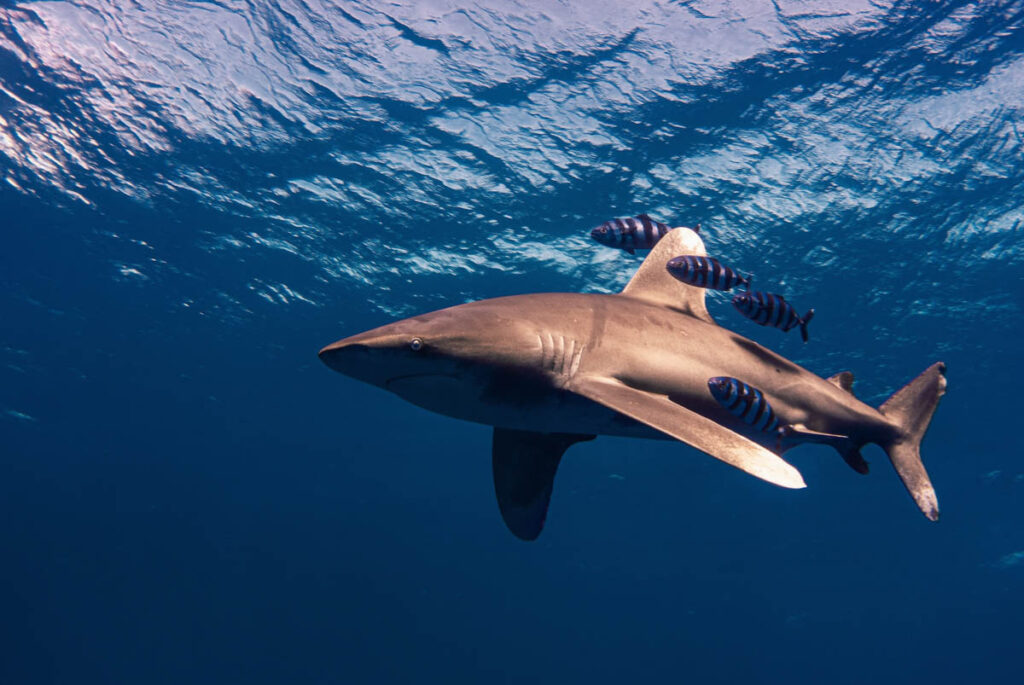
Elphinstone Reef is one of the most famous diving spots near Marsa Alam and a major attraction for experienced divers visiting the southern Egyptian Red Sea. Located offshore from Marsa Alam, the reef is known for steep walls, coral-covered plateaus, strong currents in some areas, and the possibility of encountering large pelagic species. One of the biggest attractions is the chance to see oceanic whitetip sharks, particularly during favorable seasonal conditions. Divers may also encounter barracuda, trevally, reef sharks, turtles, and large schools of fish. The underwater walls drop dramatically into deep blue water, creating spectacular scenery for experienced divers and underwater photographers. Because Elphinstone is an exposed offshore reef, conditions can be more demanding than at shallow coastal sites. Currents and waves can change, and divers should have appropriate experience, buoyancy control, and preparation before attempting challenging sections. Many excursions operate from Marsa Alam and Port Ghalib, while Elphinstone is also included in southern Red Sea liveaboard routes. The reef is especially attractive to divers who want a combination of dramatic wall diving and encounters with larger marine animals. Travelers planning an Elphinstone Reef diving trip should choose a reputable operator and follow local guidance regarding entry points, current conditions, and appropriate dive profiles. The reef’s remote offshore position contributes to its wild character and makes it one of the signature experiences of southern Egypt. For travelers searching for the best diving in Marsa Alam, Red Sea shark diving, or advanced reef diving in Egypt, Elphinstone Reef is an outstanding choice. Its spectacular walls, coral formations, marine biodiversity, and potential pelagic encounters make it one of the most exciting dive sites on the Egyptian Red Sea coast.

8. Abu Dabbab – Diving and Dugong Encounters

Abu Dabbab Bay near Marsa Alam is one of the best-known locations for travelers interested in diving in Marsa Alam and observing marine life in relatively shallow coastal waters. The bay is especially famous for the possibility of encountering dugongs, large marine mammals sometimes known as sea cows, as well as green sea turtles and colorful reef fish. The relatively sheltered environment can provide suitable conditions for beginners when weather and sea conditions are favorable, making Abu Dabbab an attractive option for families and newly certified divers. The underwater environment includes seagrass areas and coral formations that support a variety of marine species. Divers and snorkelers can explore the bay while looking for turtles, fish, rays, and, with some luck, a dugong feeding in the seagrass. Wildlife sightings are never guaranteed because these are wild animals, and visitors should maintain a respectful distance. The area is also convenient for travelers staying at resorts around Marsa Alam, with access often possible through local dive centers and organized excursions. Abu Dabbab diving provides a more relaxed alternative to the challenging offshore reefs of the southern Red Sea. Travelers who are not experienced with strong currents can enjoy a calmer introduction to the marine environment while still seeing fascinating wildlife. Responsible tourism is essential, particularly around dugongs and turtles. Visitors should avoid touching, chasing, feeding, or blocking marine animals and should never damage seagrass or coral habitats. For anyone researching the best diving spots in Egypt, Abu Dabbab offers a special combination of shallow diving, marine life, and wildlife photography. Its accessibility, beautiful underwater environment, and possibility of seeing dugongs make it one of the most popular Marsa Alam diving sites for travelers who want a memorable and relatively accessible Red Sea experience.

Brothers Islands – Advanced Red Sea Diving

9. Brothers Islands – Advanced Red Sea Diving

The Brothers Islands, also known as El Akhawein, are among the most famous destinations for advanced diving in the Red Sea. Located far offshore in the central Egyptian Red Sea, Big Brother and Little Brother are two remote islands surrounded by deep blue water and dramatic underwater walls. The sites are particularly famous for encounters with large pelagic species, including oceanic whitetip sharks, hammerhead sharks, and other large fish, depending on season and conditions. The islands also feature spectacular coral-covered walls and, on Big Brother, historic wrecks such as the Numidia and Aida, adding a fascinating wreck-diving element to the itinerary. Because of their remote offshore location, the Brothers are normally visited as part of Red Sea liveaboard diving trips rather than ordinary day trips from coastal resorts. Strong currents, deep walls, open-water conditions, and potentially challenging entries make the area more appropriate for experienced divers. Before booking a Brothers Islands trip, divers should check the minimum experience and certification requirements of the operator. Good buoyancy control and comfort in currents are particularly important. The reward for experienced divers is the opportunity to explore some of the most pristine and dramatic underwater scenery in the Egyptian Red Sea. The remote nature of the islands also contributes to a sense of adventure that is difficult to find at busy coastal dive sites. For serious divers searching for the best advanced diving in Egypt, the Brothers Islands are often considered a bucket-list destination. A liveaboard itinerary combining the Brothers with other offshore sites can provide an extraordinary week of diving focused on sharks, walls, wrecks, and large pelagic marine life. The combination of remoteness, dramatic topography, and impressive wildlife makes Brothers Islands diving one of the ultimate experiences for experienced Red Sea divers.

Daedalus Reef – Sharks and Pelagic Marine Life

10. Daedalus Reef – Sharks and Pelagic Marine Life

Daedalus Reef is a remote offshore diving destination in the southern Red Sea and is famous for dramatic walls, pristine coral, strong currents, and encounters with large pelagic species. The reef is located far from the mainland and is typically accessed through Red Sea liveaboard diving trips departing from areas such as Marsa Alam or Port Ghalib. Its isolated position helps create a wild underwater environment where divers may encounter hammerhead sharks, tuna, trevally, barracuda, and other pelagic species. The reef is also known for its striking underwater topography, with steep walls dropping into deep blue water and coral formations covering the reef’s shallower areas. Because Daedalus is exposed to open-ocean conditions, currents can be strong and weather can influence diving schedules. For this reason, the site is generally recommended for experienced divers who are comfortable with current and offshore diving. A qualified liveaboard crew can assess conditions and choose suitable dive sites according to the experience level of passengers. Daedalus Reef diving is particularly attractive to underwater photographers and divers who want to encounter larger marine animals in a remote environment. The long journey to the reef becomes part of the adventure, with multiple days of diving often combined with other southern Red Sea destinations. Travelers searching for shark diving in Egypt, best liveaboard diving in the Red Sea, or advanced marine-life experiences should consider Daedalus. The combination of isolation, healthy coral, deep walls, and pelagic encounters creates a completely different atmosphere from the accessible reefs around Hurghada and Sharm El Sheikh. For experienced divers, Daedalus Reef Egypt is one of the most rewarding offshore diving destinations in the country and an important stop on many southern Red Sea liveaboard itineraries.

St. John’s Reefs – Deep South Red Sea Diving

11. St. John’s Reefs – Deep South Red Sea Diving

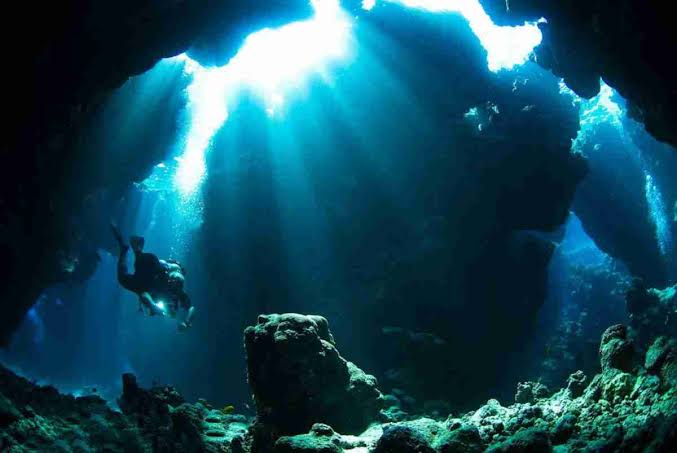
St. John’s Reefs are located in the far southern Egyptian Red Sea and represent some of the most remote and rewarding diving sites in Egypt. The region is known for colorful coral reefs, caves, tunnels, swim-throughs, walls, and a relatively wild underwater environment. Because St. John’s is far from the main resort centers, diving here generally requires a liveaboard trip from southern Red Sea ports rather than a conventional day excursion. The remote location means fewer boats compared with popular coastal sites, allowing divers to experience a quieter underwater environment. Depending on the specific reef and conditions, divers may encounter large schools of fish, barracuda, turtles, reef sharks, and other Red Sea marine life. The reef structures are particularly attractive to underwater photographers because they combine colorful coral with dramatic geological formations. Some sites include caves and swim-throughs that require appropriate experience and good buoyancy control. Travelers planning a St. John’s diving trip should select an itinerary suitable for their certification and experience, especially because the southern Red Sea can involve currents, offshore conditions, and long periods at sea. Liveaboard trips may combine St. John’s with Fury Shoals, Rocky Island, and Zabargad, creating a comprehensive southern Red Sea diving adventure. The region is particularly appealing to experienced divers who have already explored the more accessible reefs around Hurghada and Sharm El Sheikh and want to discover the quieter southern frontier. For travelers searching for deep south Red Sea diving, St. John’s provides spectacular coral landscapes and a sense of remoteness that is difficult to find elsewhere. Its combination of caves, tunnels, colorful reefs, and abundant marine life makes St. John’s Reefs Egypt an excellent destination for a serious Red Sea diving adventure.

12. Rocky Island and Zabargad – Remote Red Sea Diving

Rocky Island and Zabargad are among the most remote and spectacular dive sites in the southern Red Sea, Egypt, offering experienced divers dramatic walls, pristine coral, deep blue water, and opportunities to encounter pelagic marine life. Located far offshore from the southern Egyptian coast, these destinations are normally visited through specialized liveaboard itineraries. Their remote location means fewer daily visitors than popular coastal reefs, helping preserve a sense of wilderness and adventure. Rocky Island diving is particularly known for steep walls and open-water encounters, while nearby Zabargad provides additional reef and marine-life opportunities. Depending on season and conditions, divers may encounter sharks, barracuda, tuna, trevally, turtles, and large schools of reef fish. The sites can be exposed to currents and changing sea conditions, so they are better suited to divers with appropriate experience. A liveaboard crew can assess weather and current conditions and determine whether individual dives are safe and suitable. The long journey to the southern reefs is part of the attraction for experienced divers who want to explore areas far away from the more crowded tourist centers. Rocky Island and Zabargad diving can often be combined with other southern Red Sea destinations such as St. John’s and Fury Shoals, creating an extensive liveaboard adventure. Travelers searching for remote diving in Egypt, best southern Red Sea dive sites, or advanced marine-life encounters will find these locations particularly appealing. The combination of dramatic underwater walls, colorful coral, deep blue water, and remote surroundings creates an unforgettable diving experience. For divers who want to explore beyond the famous sites around Hurghada and Sharm El Sheikh, Rocky Island and Zabargad provide an opportunity to discover the wilder side of the Egyptian Red Sea and experience some of its most spectacular offshore environments.

FAQs About Diving in the Red Sea, Egypt

Some of the best diving spots in Egypt include Ras Mohammed, SS Thistlegorm, Straits of Tiran, Giftun Islands, Elphinstone Reef, Abu Dabbab, Brothers Islands, and Daedalus Reef. The best choice depends on your diving experience and the type of underwater adventure you want.

Yes. The Red Sea is excellent for beginner scuba divers, with many shallow coral reefs and relatively accessible dive sites around Hurghada, Sharm El Sheikh, and Marsa Alam. Certified instructors can also provide introductory diving experiences for people without previous certification.

Depending on the location and season, divers may encounter colorful tropical fish, sea turtles, moray eels, rays, barracuda, dolphins, reef sharks, hammerhead sharks, oceanic whitetip sharks, tuna, and dugongs. Wildlife sightings are naturally unpredictable.

Each destination offers a different experience. Hurghada is excellent for accessible reef diving and beginners, Sharm El Sheikh is famous for Ras Mohammed, the Straits of Tiran, and wreck diving, while Marsa Alam is particularly attractive for marine life, offshore reefs, and advanced diving at locations such as Elphinstone.

Diving in the Red Sea is possible throughout much of the year. The best time depends on your preferred water temperature, weather conditions, and the marine life you hope to see. Always check local sea conditions and dive-site requirements before booking an excursion .