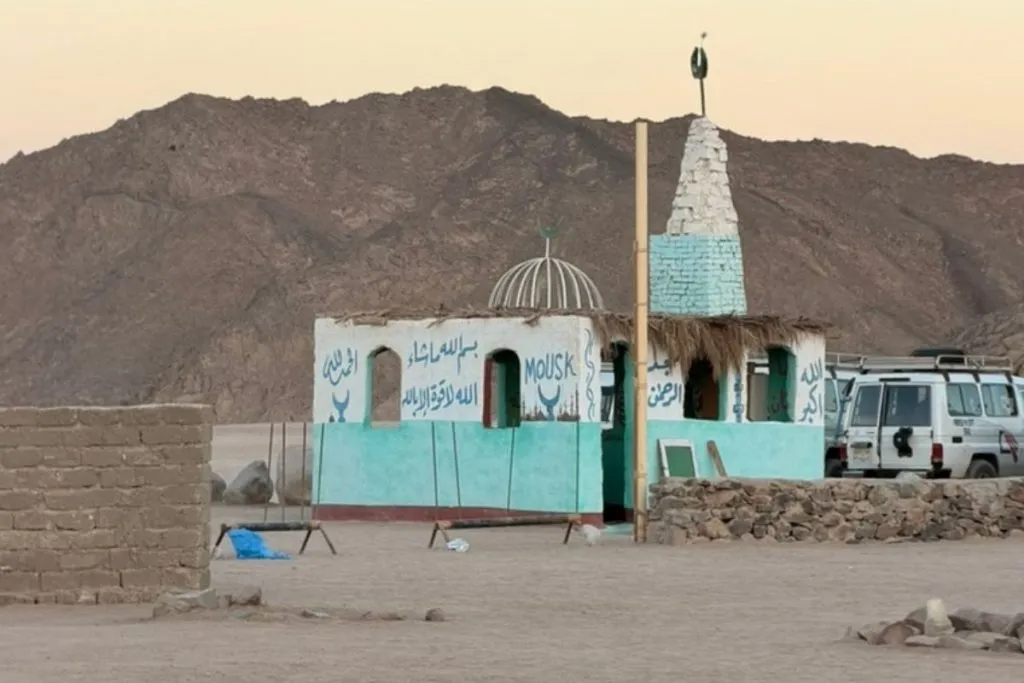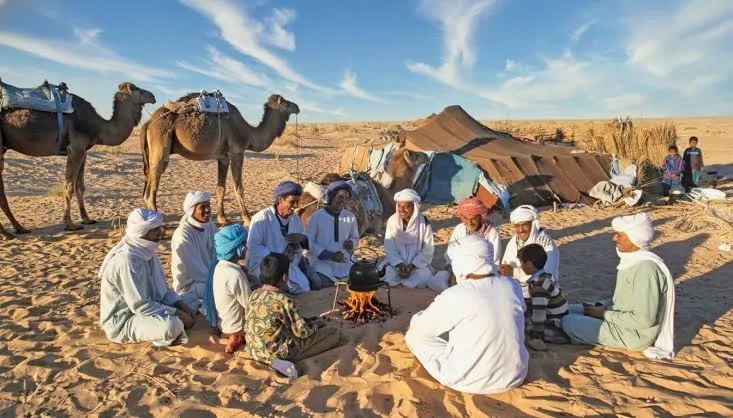

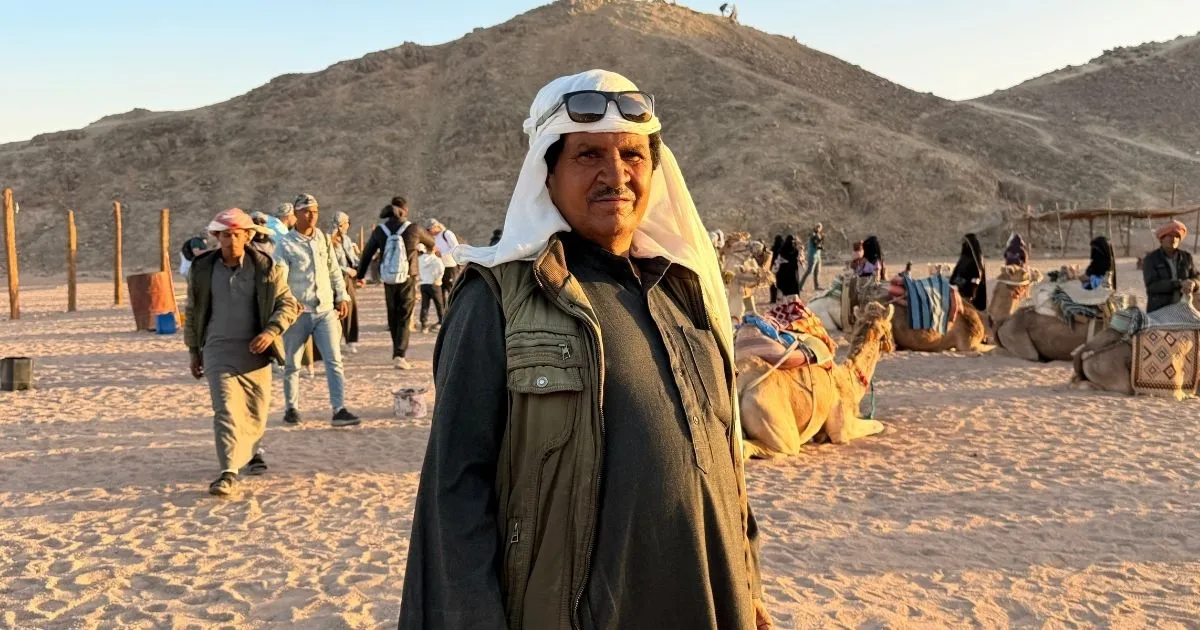
1. Where Are the Bedouin Villages in the Egyptian Desert?
The Bedouin villages in Egypt are found across several desert regions, with particularly strong cultural connections in Sinai and the Eastern Desert along the Red Sea. Sinai is one of the most important areas for experiencing Bedouin heritage, especially around Saint Catherine, Dahab, Nuweiba, and the mountain regions of South Sinai. The geography of the peninsula, with its dramatic mountains, narrow valleys, rocky landscapes, and remote settlements, has helped preserve distinctive traditions and knowledge connected to desert life. South Sinai’s official tourism information also identifies desert safari and adventure tourism as important activities, with routes extending through mountains, valleys, and natural areas.
One of the best-known areas for experiencing Bedouin culture in Sinai is Nuweiba, where many coastal camps are operated by Bedouin communities. Visitors can combine a relaxing Red Sea stay with cultural activities, traditional meals, storytelling, music, tea, and guided walks into surrounding desert landscapes. The mountain communities around Saint Catherine also offer opportunities to learn about traditional desert knowledge and local mountain life.
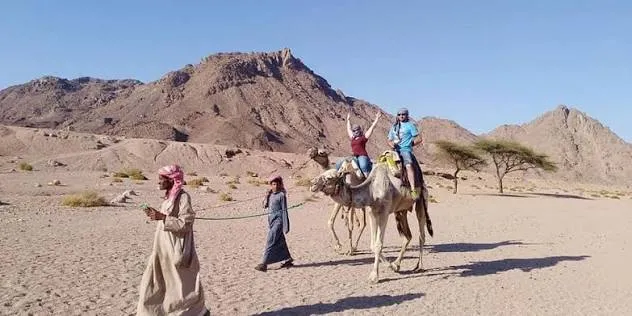
The Red Sea Desert provides another important setting for Bedouin experiences. Around destinations such as Hurghada and Marsa Alam, travelers can leave the coastal resorts and travel inland toward the mountains and valleys of the Eastern Desert. Here, desert safari programs may include visits to Bedouin communities, camel riding, traditional meals, tea, and demonstrations of local customs. Egypt’s State Information Service describes the Red Sea desert as an area suitable for safari tourism, with mountains and valleys offering opportunities for adventure activities and camel or horse riding.
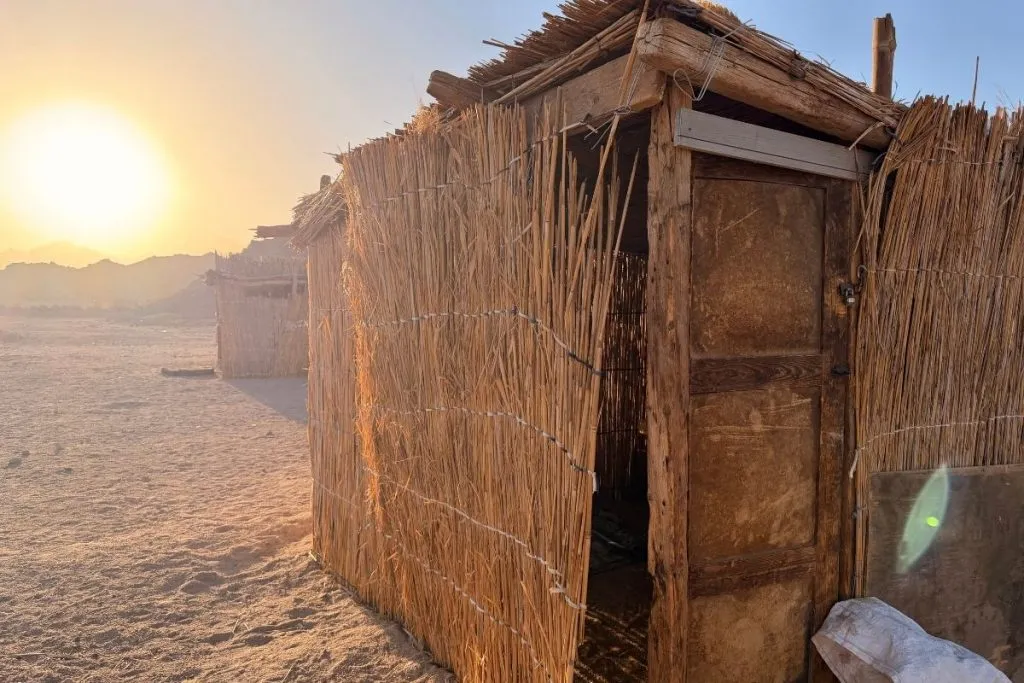
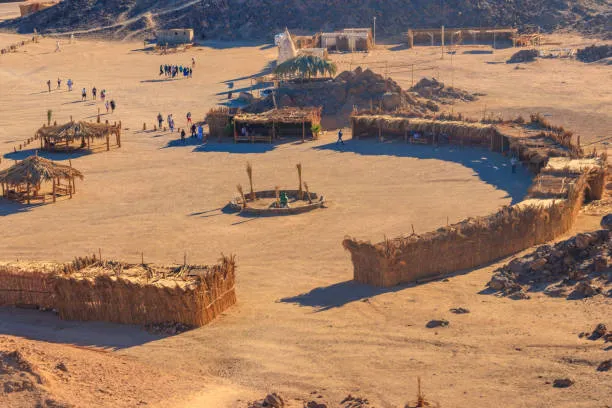
Travelers should understand that not every so-called Bedouin village tour in Egypt represents a permanent traditional settlement. Some are purpose-built cultural tourism sites or safari camps designed to introduce visitors to selected elements of Bedouin life. Others are community-based experiences connected more directly with local residents.
For tourists, the best approach is to choose experiences that clearly explain their relationship with the local community and avoid treating Bedouin culture simply as entertainment. A well-organized Egypt Bedouin village tour can combine cultural learning, desert adventure, and responsible tourism while helping visitors understand the people and landscapes that make Egypt’s deserts so distinctive.
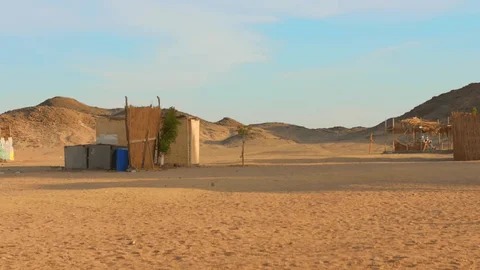
2. Bedouin Culture and Traditional Life in Egypt
Bedouin culture in Egypt has developed through generations of adaptation to some of the country’s most demanding environments. The word “Bedouin” is associated with desert-dwelling communities, and different Bedouin groups across Egypt have their own histories, traditions, dialects, customs, and relationships with particular territories. In Sinai, Bedouin communities remain closely connected to their ancestral landscapes, while communities in the Eastern Desert have developed traditions linked to the mountains, valleys, wildlife, and routes of the Red Sea region.
Traditional Bedouin life in the Egyptian desert has historically depended on knowledge of water sources, seasonal movement, animals, plants, weather, and desert routes. This knowledge is particularly valuable in environments where finding water and navigating between settlements can be challenging. Visitors participating in a Bedouin desert experience may learn about local plants, traditional foods, animal husbandry, mountain routes, and the practical skills required to live in an arid environment.
Hospitality is one of the most recognizable elements of Egyptian Bedouin culture. Welcoming guests with tea, food, conversation, and stories is an important part of many cultural experiences. In Nuweiba, for example, official tourism information describes evenings involving campfires, storytelling, poetry, traditional music, singing, and aromatic herbal tea. These simple gatherings can offer travelers a more personal understanding of desert communities than a conventional sightseeing stop.
Traditional food is another important part of a Bedouin village experience in Egypt. Depending on the location and tour, visitors may be served dishes prepared using chicken, lamb, potatoes, bread, herbs, rice, or other locally available ingredients. Traditional flatbread and tea are often part of the experience, while some desert camps prepare meals over charcoal or open fires. These meals are not simply attractions for tourists; they can demonstrate how food preparation, hospitality, and social gatherings are connected within desert communities.
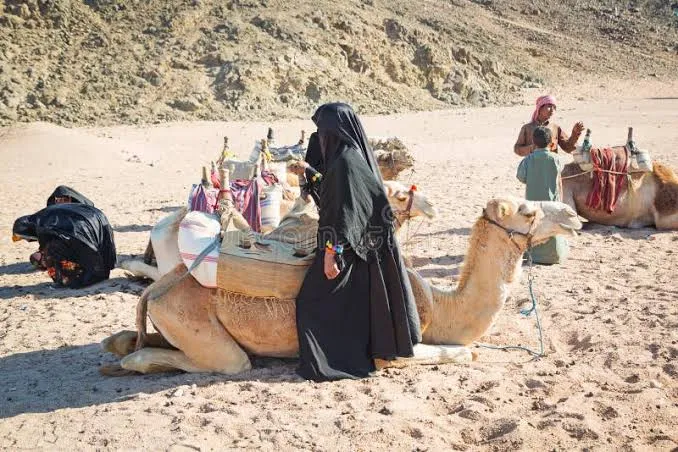
Music, poetry, storytelling, traditional clothing, handicrafts, and family gatherings can also form part of Bedouin cultural experiences. Travelers should remember that Bedouin communities are living communities, not historical exhibits. Respectful photography, appropriate behavior, and genuine interest in local traditions are important when visiting.
For anyone interested in authentic cultural tourism in Egypt, spending time with Bedouin communities can provide a valuable perspective on the country’s diverse heritage beyond the famous archaeological sites and coastal resorts.
3. Bedouin Villages in Sinai: A Unique Desert Culture
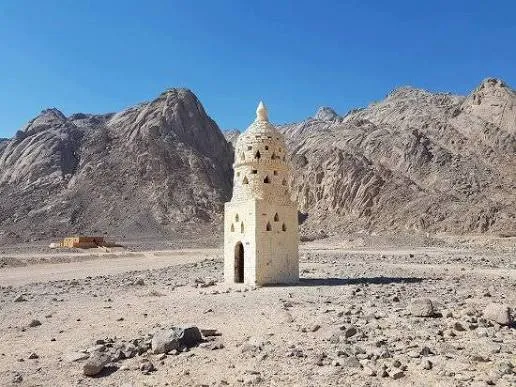
The Bedouin villages of Sinai offer one of the most fascinating opportunities to discover traditional desert culture in Egypt. The Sinai Peninsula is famous for its dramatic mountains, deep valleys, colorful canyons, sandy plains, and coastal landscapes, but its cultural heritage is equally important. For centuries, Bedouin communities have developed lifestyles closely connected to the desert environment, creating traditions that remain an important part of Sinai’s identity. Travelers visiting Bedouin villages in Sinai can experience a completely different side of Egypt, away from the busy streets of Cairo and the large resorts along the Red Sea coast.
South Sinai is particularly well known for its Bedouin communities, including areas surrounding Saint Catherine, Dahab, Nuweiba, and the Sinai Mountains. Each area offers different landscapes and cultural experiences. In some locations, visitors can travel through narrow mountain valleys before reaching a Bedouin settlement, while other experiences take place in traditional-style camps surrounded by desert mountains. These journeys are often combined with a Sinai desert safari, camel riding, traditional meals, and evening cultural activities.
One of the most memorable aspects of visiting a Bedouin village in Sinai is the opportunity to see how people have adapted to an extremely dry environment. Traditional knowledge of water sources, plants, animals, weather conditions, and mountain routes has historically been essential for survival in the desert. A local guide can explain how certain plants are used, how Bedouins navigate the mountains, and how communities traditionally travel between remote areas.
Bedouin hospitality in Sinai is another highlight. Visitors may be welcomed with traditional tea and invited to sit together in a tent or outdoor gathering area. Depending on the experience, there may be storytelling, poetry, traditional music, dancing, or a freshly prepared dinner. These moments create an atmosphere that feels very different from conventional sightseeing.
For travelers staying in Sharm El Sheikh, Dahab, or Nuweiba, a Bedouin village visit can be an excellent addition to a Red Sea vacation. It combines cultural tourism with desert adventure while allowing visitors to explore the landscapes beyond the coastline. A well-organized Sinai Bedouin experience can therefore become one of the most memorable activities for travelers interested in local culture, photography, history, and authentic desert landscapes.