
Welcome to

Coptic Cairo: Egypt’s Sacred Heart of Christian Heritage

Coptic Cairo is one of Egypt’s most extraordinary historical and spiritual destinations, offering travelers a remarkable journey into the heart of the country’s Christian heritage. Hidden within the ancient district of Old Cairo, this sacred area is home to some of the oldest and most important Christian landmarks in the world, where centuries of faith, history, and architectural beauty come together in an unforgettable cultural experience. Far from the fast pace of modern Cairo, Coptic Cairo welcomes visitors into a peaceful world of ancient churches, narrow stone pathways, sacred relics, and timeless stories that have shaped Egypt’s religious identity for generations.

For travelers seeking meaningful cultural tourism in Egypt, Coptic Cairo offers far more than a traditional sightseeing experience. From the iconic Hanging Church and the historic Church of Saints Sergius and Bacchus to the remarkable Coptic Museum and ancient Roman remains, every corner reveals a fascinating chapter of Egypt’s diverse history. Deeply connected to the journey of the Holy Family through Egypt, this remarkable district carries immense spiritual significance while also showcasing Egypt’s extraordinary multicultural legacy. Whether you are passionate about religious history, architecture, or authentic heritage experiences, Coptic Cairo promises a deeply enriching journey through one of Cairo’s most treasured historic gems.

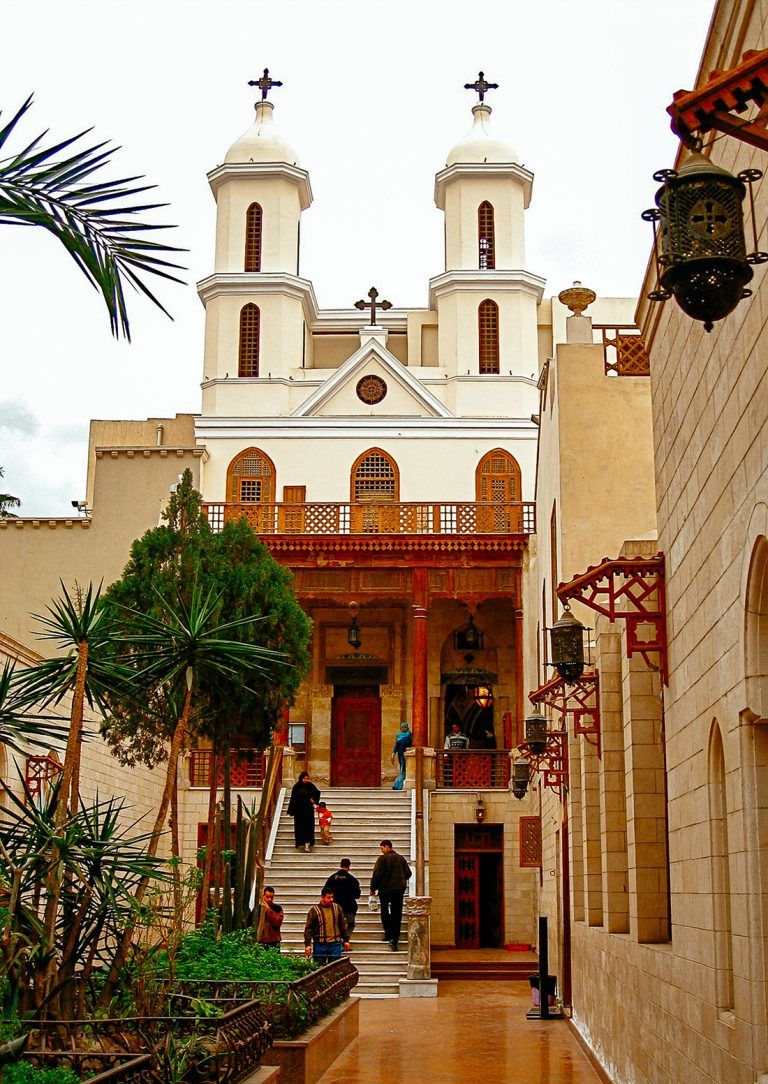
1. The Hanging Church: Coptic Cairo’s Most Iconic Spiritual Landmark

Among the most famous attractions in Coptic Cairo, the Hanging Church stands as one of Egypt’s most treasured Christian landmarks and a masterpiece of Coptic architecture. Officially known as Saint Virgin Mary’s Coptic Orthodox Church, this remarkable monument earned its famous name because it was built above the gatehouse of the ancient Roman Babylon Fortress, creating the impression that it is suspended above the ground. As visitors step inside, they are welcomed by a peaceful spiritual atmosphere, elegant wooden ceilings, beautiful marble details, and an extraordinary collection of ancient religious icons that reflect centuries of Christian devotion in Egypt. For travelers exploring religious sites in Cairo, the Hanging Church remains an unforgettable highlight.

Beyond its architectural beauty, the Hanging Church carries immense historical and spiritual significance, having served for centuries as one of the most important centers of Coptic Christianity. It witnessed major moments in Egypt’s religious history and continues to stand as a symbol of resilience, faith, and cultural continuity. Visiting this sacred site offers more than simple sightseeing—it provides a meaningful connection to Egypt’s enduring Christian heritage and one of the most remarkable chapters of Cairo’s identity.
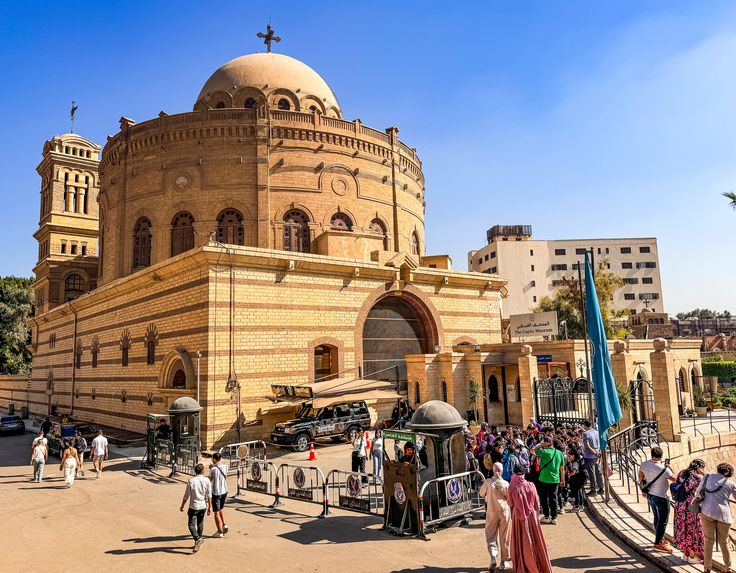
2. The Church of Saints Sergius and Bacchus: A Sacred Connection to the Holy Family

One of the most spiritually significant landmarks in Coptic Cairo, the Church of Saints Sergius and Bacchus—commonly known as Abu Serga—holds a special place in Christian tradition and Egyptian heritage. According to long-held belief, this ancient church was built above the site where the Holy Family found refuge during their journey through Egypt, making it one of the most revered pilgrimage destinations in the country. Its peaceful atmosphere, ancient stone architecture, and sacred underground crypt create a deeply moving experience for visitors seeking meaningful religious and cultural exploration in Cairo.

Beyond its spiritual importance, Abu Serga is also a remarkable example of early Coptic architecture and historical preservation. The church reflects centuries of devotion and remains one of the oldest Christian sites in Egypt, offering visitors a rare opportunity to connect with both faith and history in an intimate setting. Whether you visit for religious significance, architectural appreciation, or cultural curiosity, this sacred landmark remains one of the defining highlights of Coptic Cairo.
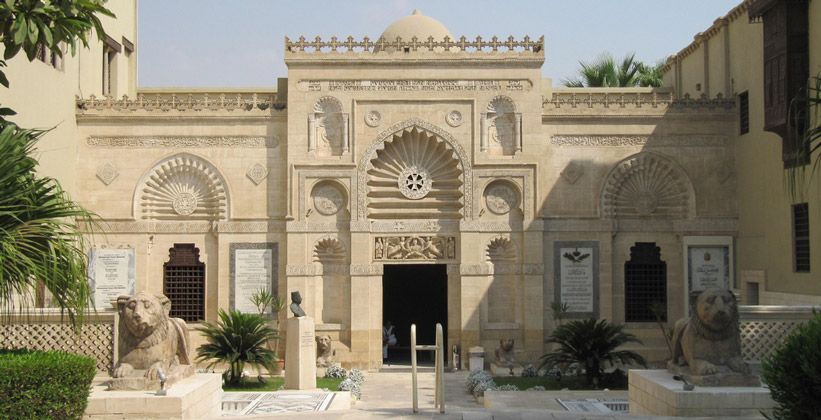
3. The Coptic Museum: Preserving Egypt’s Christian Artistic Legacy

For travelers eager to understand the full depth of Egypt’s Christian history, the Coptic Museum is one of the most enriching attractions in Coptic Cairo. Home to the largest collection of Coptic Christian artifacts in the world, this exceptional museum showcases centuries of religious art, manuscripts, textiles, sculptures, and historical objects that tell the story of Christian life in Egypt across generations. Located in the heart of the district, the museum provides valuable context that transforms a visit to Coptic Cairo from simple sightseeing into a truly immersive cultural experience.

Beyond its extraordinary collection, the museum itself offers a peaceful and beautifully designed environment where visitors can appreciate the artistic and spiritual evolution of Coptic civilization. Every gallery reveals stories of faith, resilience, creativity, and cultural adaptation through changing eras of Egyptian history. For history enthusiasts, religious travelers, and anyone interested in Egypt’s diverse heritage, the Coptic Museum is an essential stop that adds remarkable depth to any exploration of Cairo’s sacred landmarks.
4. Babylon Fortress: The Ancient Roman Foundation of Coptic Cairo

Long before Coptic Cairo became one of Egypt’s most important Christian centers, the area was anchored by the mighty Babylon Fortress, a significant Roman military stronghold that played a crucial role in the region’s history. Built to defend a strategic route along the Nile, this ancient fortress became one of the most important defensive and administrative centers in Roman Egypt. Today, surviving sections of its massive stone walls, towers, and gateways offer visitors a fascinating glimpse into a chapter of Egyptian history that predates many of the district’s famous Christian landmarks. For travelers exploring Coptic Cairo, Babylon Fortress provides essential historical context and reveals the deep layers of civilization that shaped this extraordinary district.

What makes Babylon Fortress especially compelling is how seamlessly it connects Roman military history with Egypt’s Christian heritage. Several of Coptic Cairo’s most iconic religious landmarks, including the Hanging Church, were later built within or above parts of the fortress structure, creating a remarkable fusion of architectural eras. Walking through this historic site allows visitors to imagine centuries of transformation, from Roman occupation to the rise of Christianity in Egypt. It remains one of the most fascinating and historically significant stops for anyone seeking a deeper understanding of Coptic Cairo’s remarkable past.

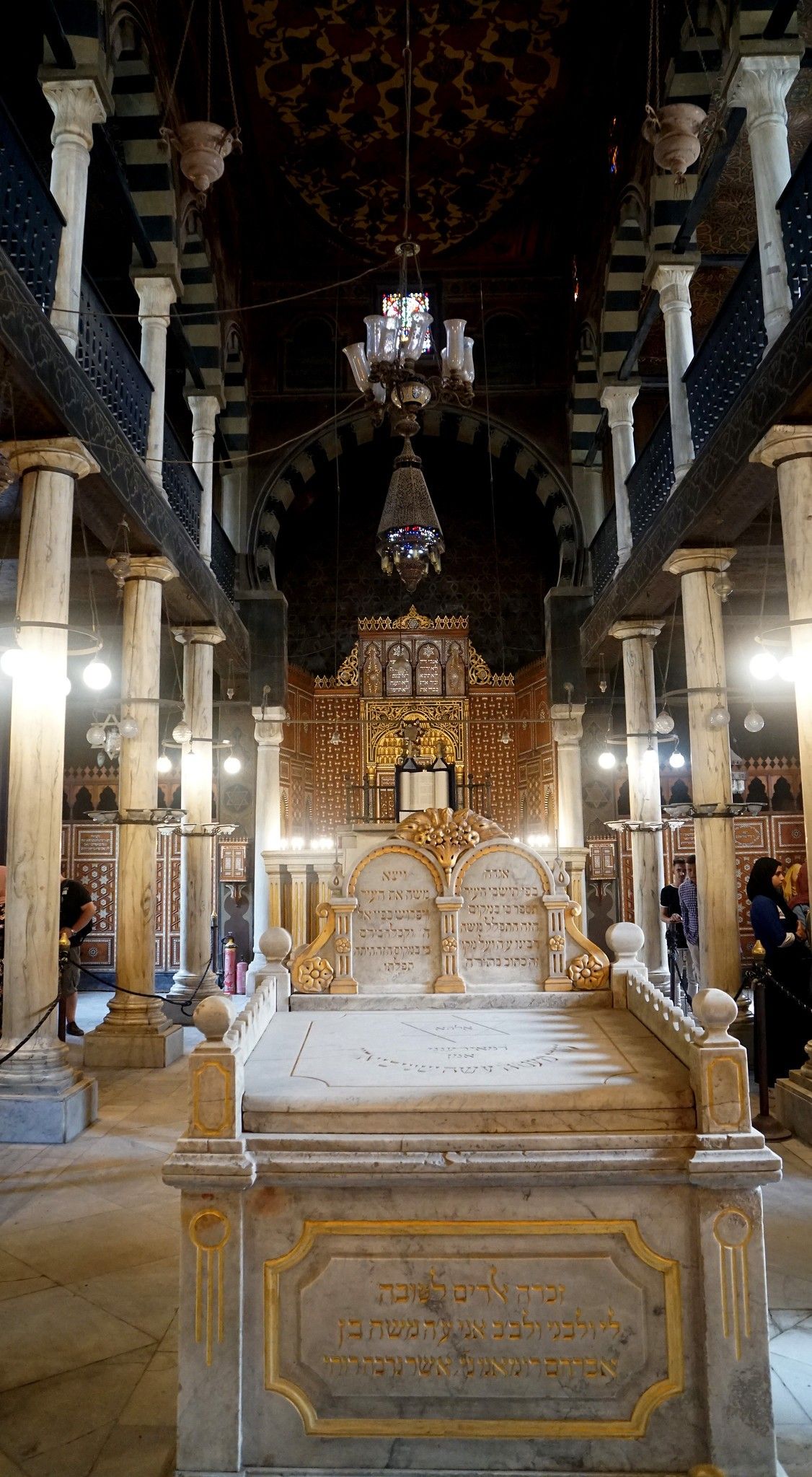
5. Ben Ezra Synagogue: A Testament to Egypt’s Jewish Heritage

Hidden within the historic heart of Coptic Cairo, the Ben Ezra Synagogue stands as one of Egypt’s most fascinating symbols of religious diversity and multicultural history. Although Coptic Cairo is best known for its Christian landmarks, this beautifully preserved synagogue reflects the important role Egypt’s Jewish community once played in shaping the cultural fabric of the country. According to local tradition, the site is associated with the biblical story of baby Moses being found near the Nile, adding a layer of spiritual significance to its already rich history. For travelers interested in religious heritage and cultural exploration in Cairo, Ben Ezra offers a uniquely meaningful experience.

Beyond its spiritual associations, the synagogue is internationally recognized for its connection to the famous Cairo Geniza, a priceless collection of ancient Jewish manuscripts that offered extraordinary insight into medieval Jewish life across the Middle East. Its elegant design and peaceful atmosphere create a memorable contrast to the surrounding churches and Christian landmarks. Visiting Ben Ezra enriches any exploration of Coptic Cairo by revealing the remarkable coexistence of faiths that has long defined this historic district.

6. The Convent of Saint George: A Hidden Spiritual Treasure

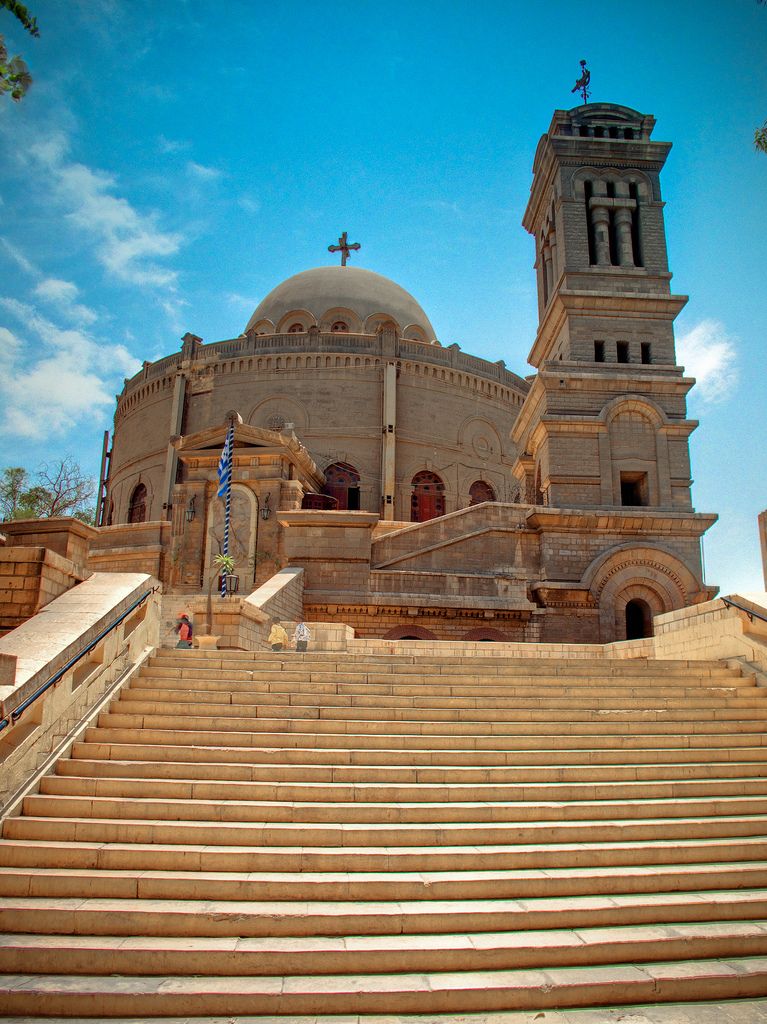
Among the lesser-known but deeply significant landmarks of Coptic Cairo, the Convent of Saint George offers visitors a peaceful and rewarding cultural experience. This historic religious site, dedicated to Saint George, is one of the district’s most important Christian landmarks and is closely connected to Egypt’s enduring Orthodox traditions. Known for its distinctive circular design and tranquil atmosphere, the complex offers a quieter, more intimate perspective compared to some of Coptic Cairo’s more frequently visited attractions.

Beyond its spiritual importance, the convent provides visitors with beautiful architecture, religious artwork, and a genuine sense of devotion that continues to shape daily life within the community. Exploring this hidden gem offers a meaningful opportunity to experience the quieter side of Coptic Cairo while gaining a deeper appreciation for the district’s living Christian heritage. For travelers seeking authentic and less crowded historical experiences in Cairo, the Convent of Saint George is a truly worthwhile stop.

7. The Holy Family Trail Connection: Walking Through Sacred History

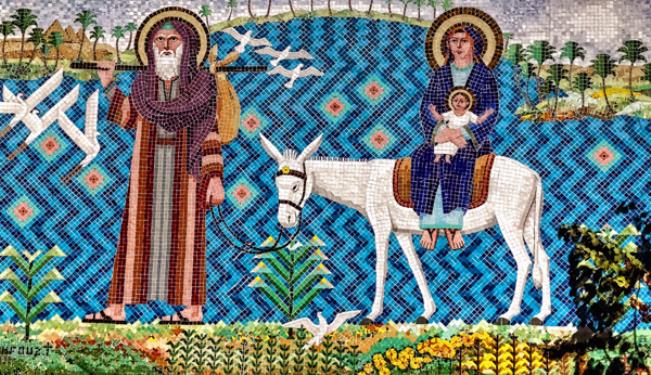
One of the most meaningful aspects of visiting Coptic Cairo is its profound connection to the Holy Family’s journey through Egypt, making the district one of the country’s most spiritually significant destinations. According to Christian tradition, Mary, Joseph, and the infant Jesus sought refuge in Egypt, and Coptic Cairo is believed to be one of the most important locations associated with that sacred journey. This connection transforms a visit from a simple historical excursion into a deeply symbolic experience for pilgrims and cultural travelers alike.

Beyond religious devotion, the Holy Family connection adds a unique storytelling dimension to the entire district, linking churches, sacred spaces, and historical landmarks into a broader spiritual narrative. For visitors interested in faith-based tourism, cultural heritage, or understanding Egypt’s role in Christian history, this connection makes Coptic Cairo one of the most remarkable destinations in the Middle East. It is a place where history, tradition, and spirituality remain powerfully intertwined.

8. The Religious Complex: A Rare Symbol of Faith and Coexistence

One of the most remarkable aspects of Coptic Cairo is the extraordinary Religious Complex, a historic area where Christianity, Judaism, and Islam exist side by side within a remarkably compact and walkable district. Few places in the world offer such a visible and meaningful representation of religious coexistence, making this area one of Cairo’s most fascinating cultural treasures. Within a short distance, visitors can explore ancient churches, the historic Ben Ezra Synagogue, and nearby Islamic landmarks, all while experiencing a peaceful atmosphere rich with centuries of shared heritage. For travelers interested in cultural tourism in Egypt, the Religious Complex offers a truly unique perspective on the country’s diverse spiritual identity.

Beyond its historical significance, the Religious Complex creates one of the most meaningful experiences in Coptic Cairo because it tells a broader story of connection, tolerance, and cultural continuity across generations. Walking through its stone pathways and sacred courtyards feels like stepping through different chapters of Egypt’s religious history, where every monument contributes to a larger narrative of faith and coexistence. Whether you arrive as a history enthusiast, spiritual traveler, or curious explorer, this extraordinary district remains one of the most unforgettable highlights of any Cairo journey.

9. Hidden Paths and Peaceful Atmosphere: The Quiet Soul of Coptic Cairo

Beyond its famous churches and historic landmarks, one of Coptic Cairo’s greatest charms lies in its peaceful atmosphere and timeless character. Unlike the fast-paced energy of modern Cairo, this sacred district offers visitors a quieter and more reflective experience, where narrow stone pathways, hidden courtyards, and ancient walls create a sense of calm that feels worlds away from the city outside. Simply walking through the area becomes an experience in itself, allowing travelers to absorb the spiritual ambiance and appreciate the beauty of a district shaped by centuries of devotion and history.

This authentic atmosphere is part of what makes Coptic Cairo so memorable. Between landmarks, visitors may discover small religious shops, local caretakers preserving sacred spaces, and quiet corners perfect for reflection or photography. Rather than rushing between attractions, the true magic of Coptic Cairo often comes from slowing down and experiencing the environment itself. For travelers seeking meaningful cultural experiences in Egypt, this peaceful side of Cairo offers something genuinely special.

10. Practical Tips for Visiting Coptic Cairo

A visit to Coptic Cairo is one of the most rewarding cultural experiences in Egypt, and a little preparation can help you enjoy it fully. Since many of the major landmarks are located close together, comfortable walking shoes are highly recommended, especially if you plan to spend several hours exploring churches, museums, and historic pathways. Morning visits are often the best choice, offering cooler temperatures, fewer crowds, and a more peaceful atmosphere inside the religious sites. For travelers planning a full cultural day in Cairo, Coptic Cairo pairs exceptionally well with nearby historic attractions.

Modest clothing is strongly advised, particularly when entering active religious sites where respectful dress is appreciated. Hiring a knowledgeable guide can also greatly enhance your experience by explaining the spiritual significance, hidden stories, and historical context behind each landmark. Transportation to Coptic Cairo is easy through private transfers, taxis, or ride-sharing services, making the district accessible from most areas of the city. With thoughtful planning, your visit can become one of the most enriching highlights of your Egypt journey.

11. Why Coptic Cairo Should Be on Every Egypt Travel Itinerary

While many travelers visit Egypt primarily for its pyramids and ancient temples, Coptic Cairo reveals a completely different and deeply meaningful side of the country’s heritage. It offers a rare opportunity to explore Egypt’s Christian history, spiritual traditions, and multicultural identity in one of the most historically significant districts in the nation. From sacred churches and Roman ruins to hidden courtyards and timeless stories connected to the Holy Family, Coptic Cairo delivers an experience that feels both educational and deeply personal.

What makes Coptic Cairo truly unforgettable is its atmosphere of peace, faith, and historical continuity. It is not simply a collection of landmarks, but a living heritage destination where centuries of devotion still shape the present. Whether you are passionate about religious history, architecture, cultural exploration, or meaningful travel experiences, Coptic Cairo offers one of the most distinctive and rewarding journeys in Egypt—and absolutely deserves a place on every well-planned itinerary.

12. An Unforgettable Farewell to Coptic Cairo

As your journey through Coptic Cairo comes to an end, you leave with far more than memories of ancient churches and historic landmarks—you leave with a deeper appreciation for one of Egypt’s most spiritually meaningful and culturally rich destinations. Few places offer such an intimate connection to centuries of Christian heritage, sacred traditions, and remarkable historical continuity, all within a peaceful district that feels untouched by the rush of modern city life. From iconic churches and Roman ruins to sacred stories linked to the Holy Family, every corner of Coptic Cairo reveals a profound chapter of Egypt’s extraordinary identity.

Coptic Cairo is not simply a place to visit; it is a place to reflect, connect, and experience a quieter yet deeply powerful side of Egypt. Whether you arrive as a pilgrim, history enthusiast, cultural traveler, or curious explorer, this remarkable district offers an unforgettable journey through faith, heritage, and timeless beauty. As you continue your Egyptian adventure, the serenity and stories of Coptic Cairo will remain with you as a lasting reminder that Egypt’s greatest treasures are not only found in its ancient monuments, but also in the sacred places where history still lives.

Coptic Cairo : Frequently Asked Questions

Most visitors can comfortably explore the main highlights of Coptic Cairo in half a day, but a full day is ideal if you want to visit the churches, museums, historic sites, and enjoy the peaceful atmosphere without rushing. Travelers interested in religious history or photography may wish to spend even longer.

Absolutely. While Coptic Cairo holds deep spiritual significance, it is equally fascinating for history lovers, architecture enthusiasts, and cultural travelers. Its ancient churches, Roman remains, museums, and rich storytelling make it rewarding for visitors of all interests.

Since many attractions in Coptic Cairo are active religious sites, modest clothing is recommended out of respect. Comfortable walking shoes are also highly advised, as exploring the district involves walking through historic stone pathways and multiple landmarks.

Yes, Coptic Cairo is traditionally believed to be one of the most significant locations connected to the Holy Family’s journey through Egypt. Several landmarks in the district, particularly the Church of Saints Sergius and Bacchus, are closely associated with this sacred tradition, making the area an important pilgrimage destination.

While you can certainly explore Coptic Cairo independently, hiring a knowledgeable guide can greatly enrich the experience. Many landmarks carry deep religious, historical, and cultural significance that are far more meaningful when explained by an expert, helping you uncover stories and details that might otherwise be missed.