
Welcome to

Ancient Egypt Belief in Afterlife

The Ancient Egyptian belief in the afterlife was one of the most important and defining aspects of Egyptian religion and culture. The ancient Egyptians believed that death was not the end of existence but rather the beginning of a new journey into an eternal world. This powerful belief influenced nearly every aspect of life in Ancient Egypt, including religion, morality, mummification, tomb construction, funerary rituals, and the worship of gods associated with death and resurrection. The desire to achieve eternal life inspired some of the most remarkable monuments, traditions, and religious practices in human history.

According to Ancient Egyptian beliefs, every individual possessed spiritual elements such as the Ka, Ba, and Akh, which needed to survive after physical death. In order for these spiritual components to continue their existence, the body had to be preserved through mummification. This process protected the deceased and ensured that the soul could recognize and reunite with the body in the afterlife. As a result, mummification became one of the most important religious practices in Ancient Egypt.

The journey to the afterlife involved a series of challenges and divine judgments. Egyptians believed that after death, the soul would enter the Hall of Judgment, where the heart of the deceased was weighed against the Feather of Ma’at, the symbol of truth, justice, and moral purity. This ceremony, overseen by Osiris, Anubis, Thoth, and other gods, determined whether an individual was worthy of entering the eternal paradise known as the Field of Reeds. Those who had lived righteous lives were rewarded with everlasting peace and abundance.

To help navigate this journey, the deceased were buried with funerary texts, amulets, food offerings, jewelry, furniture, and personal possessions. Sacred writings such as the Book of the Dead contained prayers, spells, and instructions designed to protect the soul and guide it safely through the afterlife. Tombs and pyramids were carefully decorated with scenes intended to ensure comfort and prosperity in eternity.

The Ancient Egyptian belief in the afterlife shaped the civilization’s understanding of life, morality, and the relationship between humans and the divine. It encouraged ethical behavior, devotion to the gods, and respect for religious traditions while inspiring the construction of some of the world’s most famous monuments, including the pyramids, royal tombs, and funerary temples.

In this guide, we explore the Ancient Egyptian belief in the afterlife, including mummification, the judgment of the soul, the Book of the Dead, Osiris, Anubis, tombs, pyramids, funerary rituals, and the quest for eternal life that defined one of history’s greatest civilizations.

1. The Importance of the Afterlife in Ancient Egyptian Religion

The belief in life after death was one of the central ideas of Ancient Egyptian religion. Egyptians believed that earthly life was temporary, while the afterlife offered the possibility of eternal existence for those who were properly prepared.

Death was viewed as a natural transition rather than a final ending. Egyptians believed that the soul continued living after the body died, entering a spiritual journey that required divine guidance and moral worthiness.

Preparing for the afterlife influenced nearly every stage of life. People invested significant time and resources in building tombs, arranging funerals, and preserving their bodies because they believed these preparations increased their chances of achieving eternal life.

Religion taught that every person possessed several spiritual elements, including the Ka, representing life force, and the Ba, representing personality and individuality. These spiritual components continued to exist after death and needed the preserved body as a home.

The hope of eternal life encouraged Egyptians to maintain good relationships with family members, respect religious traditions, and follow moral principles throughout their lives.

The afterlife was not reserved only for kings. Although early religious beliefs focused mainly on pharaohs, later periods extended the hope of eternal life to ordinary people as well.

Temples and priests taught religious knowledge about death and the spiritual journey. Funeral ceremonies helped prepare individuals for entering the next world.

Belief in the afterlife also inspired the construction of pyramids, royal tombs, and elaborate burial chambers that remain among Egypt’s greatest historical monuments.

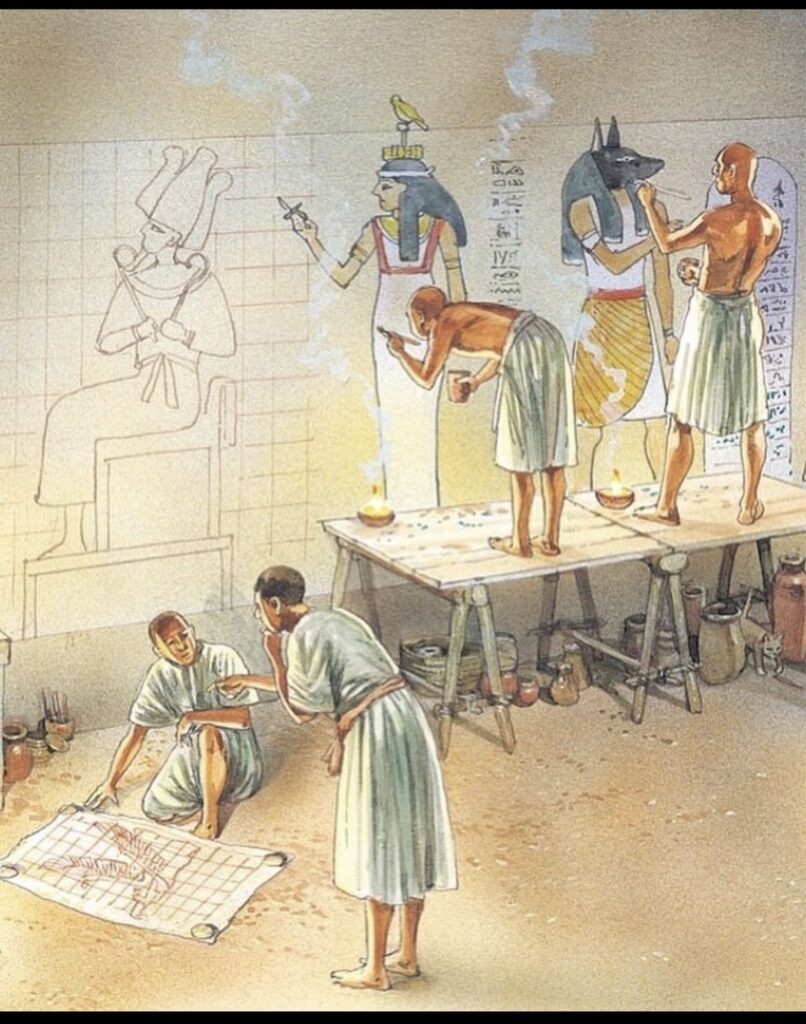
Artists decorated tomb walls with scenes of everyday life because Egyptians believed these images would become real in eternity.

The importance of the afterlife demonstrates that Ancient Egyptians viewed existence as a continuous journey connecting earthly life with eternal life.

The promise of everlasting existence gave comfort, purpose, and hope to generations of Egyptians throughout more than three thousand years of civilization.
2. Osiris: The God of the Afterlife

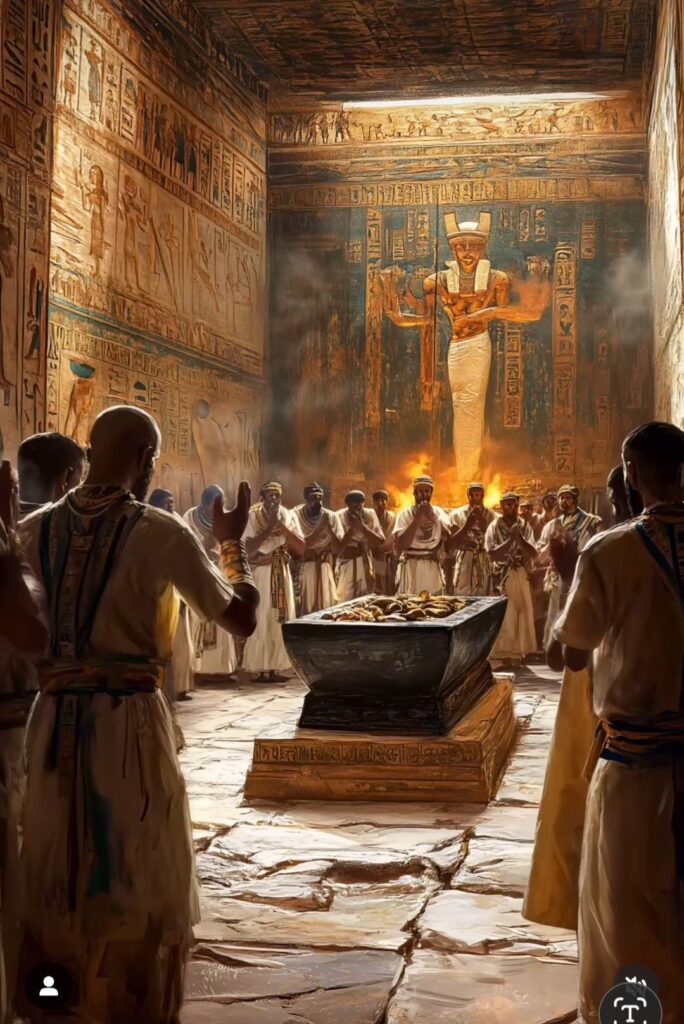
The story of Osiris formed the foundation of the Ancient Egypt belief in afterlife. Egyptians honored Osiris as the ruler of the underworld and believed he offered eternal life to those who lived according to Ma’at.

According to Egyptian mythology, Osiris was a wise king who brought civilization, agriculture, and justice to humanity. His brother Seth became jealous of his power and murdered him in an attempt to seize the throne.

Osiris’s wife, Isis, searched for his body and, with the help of powerful magic, restored him to life. Although Osiris did not return permanently to the world of the living, he became the ruler of the afterlife.

This story symbolized victory over death and gave Egyptians hope that they too could experience resurrection after dying.

Osiris welcomed the souls of the deceased into his kingdom after they successfully passed judgment. Those who lived honestly could enjoy eternal peace in his presence.

His son Horus later defeated Seth and restored order to Egypt, reinforcing the belief that justice ultimately triumphs over chaos.

Osiris became one of the most widely worshipped gods throughout Egyptian history. Temples dedicated to him attracted pilgrims seeking blessings and spiritual guidance.

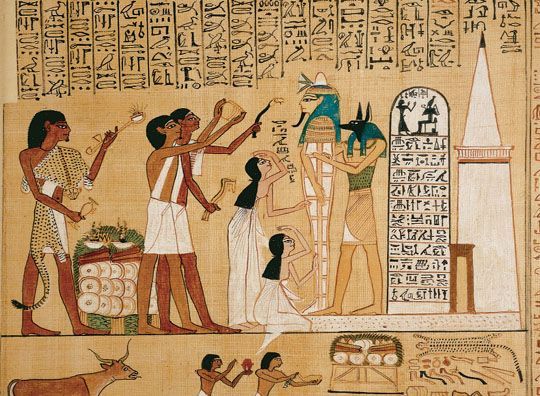
Many funeral ceremonies honored Osiris because Egyptians hoped to identify with him after death. Mummification itself reflected the restoration of Osiris and symbolized rebirth.

Religious texts often referred to deceased individuals as becoming “an Osiris,” expressing the hope that they would share his eternal life.

Festivals celebrating Osiris reenacted his death and resurrection, reminding Egyptians that life could continue beyond the grave.

The story of Osiris remains one of the most famous myths from Ancient Egypt and continues to symbolize hope, renewal, justice, and eternal life.
3. The Journey of the Soul After Death

Ancient Egyptians believed that death marked the beginning of a remarkable spiritual journey rather than the end of existence. According to the Ancient Egypt belief in afterlife, the soul faced many challenges before reaching eternal happiness.

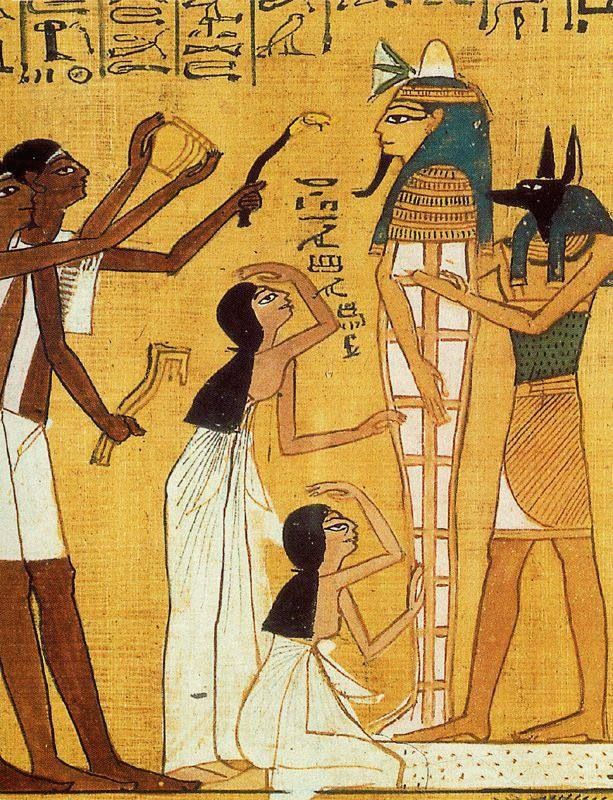
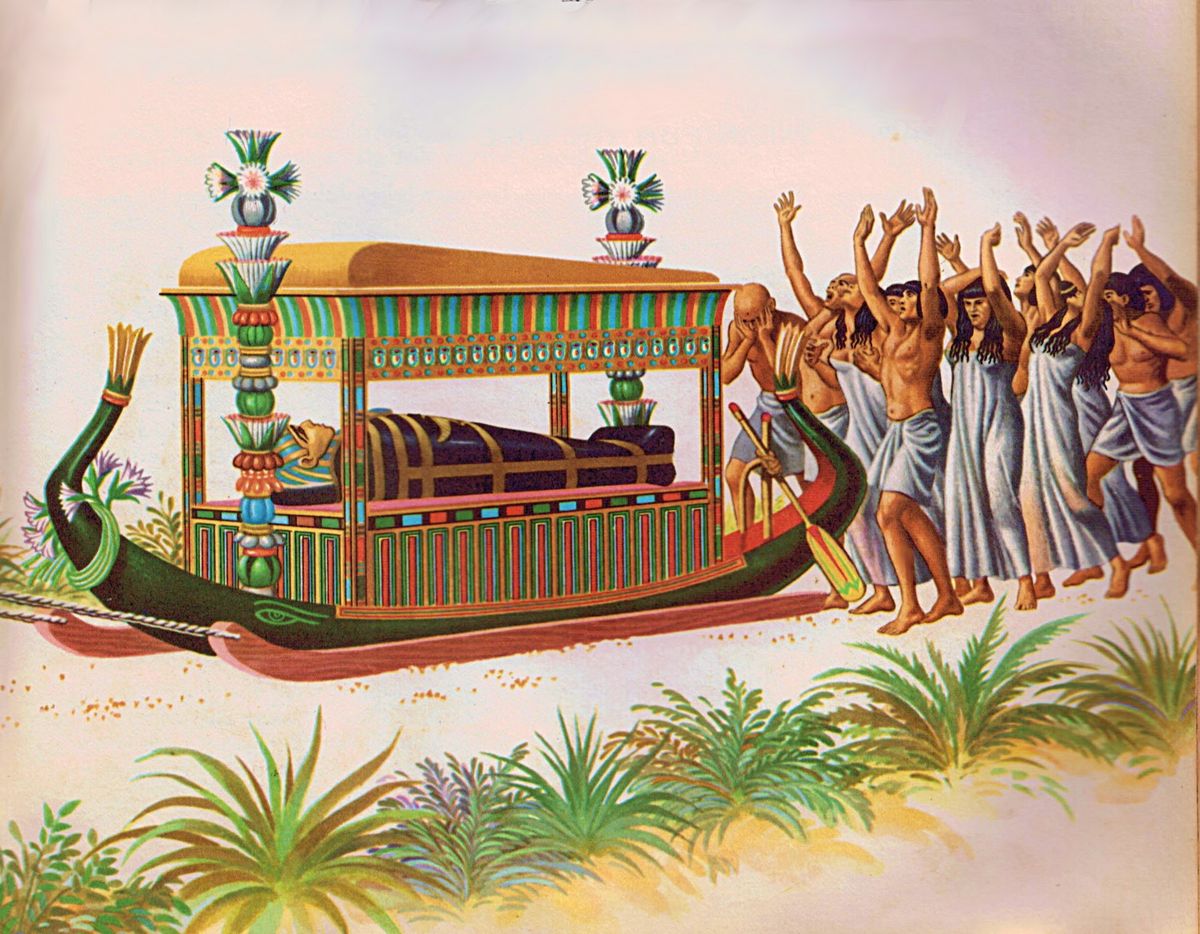
Immediately after death, priests performed religious ceremonies and mummification to prepare the body. These rituals helped ensure that the soul could recognize and return to its physical form when necessary.

The deceased then entered the mysterious underworld, often called the Duat. This realm contained rivers, gates, guardians, monsters, and divine beings that the soul had to navigate successfully.

Religious texts such as the Book of the Dead provided instructions, prayers, and magical spells that helped the deceased overcome obstacles during this journey.

The soul relied on knowledge of sacred names and proper responses when encountering supernatural guardians. Correct answers demonstrated spiritual wisdom and preparation.

Protective amulets placed within the mummy’s wrappings offered additional defense against dangers in the underworld.

The journey eventually brought the deceased before Osiris and a divine court where judgment determined their eternal destiny.

Those who passed judgment entered the beautiful Field of Reeds, a paradise where life resembled the ideal version of Egypt, complete with fertile fields, peaceful communities, and joyful reunions with loved ones.

Those who failed the judgment faced the terrifying fate of having their hearts consumed by the monster Ammit, ending their existence forever.

These beliefs encouraged Egyptians to prepare carefully for death through religious devotion, moral behavior, and proper burial customs.

The journey of the soul illustrates the Egyptian conviction that eternal life required both divine assistance and personal responsibility.
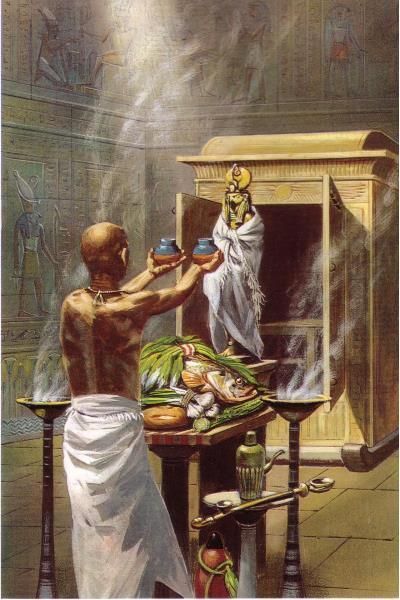
4. Mummification and Preparing the Body for Eternal Life

Mummification was one of the most important practices connected with the Ancient Egypt belief in afterlife. Egyptians believed that preserving the body was essential because the soul would need to recognize and reunite with it in the next world. If the body decayed beyond recognition, the journey to eternal life could be interrupted.

The mummification process developed over many centuries and became increasingly sophisticated. Skilled embalmers carefully prepared the deceased using both practical methods and religious rituals designed to protect the body and soul.

The process usually began by washing the body with water from the Nile and purifying it with sacred oils. Internal organs were removed because they decayed quickly, while the heart was generally left inside the body since Egyptians believed it was the center of intelligence, memory, and morality.

The removed organs were preserved separately in canopic jars, each protected by one of the Four Sons of Horus. These jars helped safeguard the organs until they would be needed in the afterlife.

The body was then covered with natron, a naturally occurring salt that removed moisture and prevented decay. After several weeks, the body was cleaned again, wrapped in fine linen bandages, and decorated with protective amulets.

Priests recited prayers and performed sacred rituals during every stage of mummification. These ceremonies asked the gods to protect the deceased throughout eternity.

A particularly important ceremony was the Opening of the Mouth Ritual, which symbolically restored the deceased’s ability to speak, eat, breathe, and see in the afterlife.

The completed mummy was placed inside decorated coffins or elaborate sarcophagi that often displayed religious texts and protective images.

Although elaborate mummification was expensive, simpler methods became available for many ordinary Egyptians, reflecting the widespread belief that eternal life was possible for everyone.

Mummification was therefore much more than body preservation. It represented hope, renewal, and the belief that death could be overcome through proper religious preparation.

The remarkable preservation of Egyptian mummies continues to provide historians with valuable information about ancient medicine, religion, and everyday life.

5. The Weighing of the Heart and the Judgment of the Dead

The Judgment of the Dead was one of the most significant events in the Ancient Egypt belief in afterlife. Egyptians believed that every person would stand before Osiris and a divine court to determine whether they deserved eternal life.

This judgment centered on the famous Weighing of the Heart ceremony. According to Egyptian belief, the heart contained a person’s thoughts, memories, intentions, and moral character. Unlike the brain, which was often removed during mummification, the heart remained inside the body because of its spiritual importance.

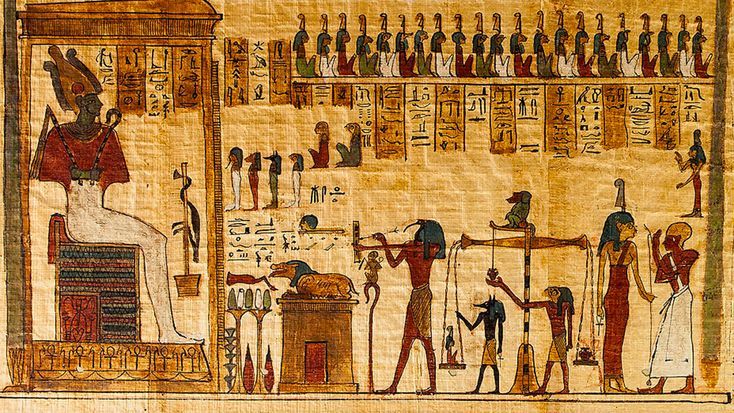
During judgment, the god Anubis placed the deceased’s heart on one side of a great balance scale. On the opposite side rested the feather of Ma’at, symbolizing truth, justice, and universal order.

If the heart balanced perfectly with the feather, it showed that the individual had lived an honest and righteous life. Such people were welcomed into the eternal paradise known as the Field of Reeds.

If the heart was heavier than the feather because of dishonesty, violence, or wrongdoing, the terrifying creature Ammit, part crocodile, lion, and hippopotamus, consumed it. This punishment resulted in the complete destruction of the soul rather than eternal suffering.

Osiris presided over the judgment while Thoth carefully recorded the outcome, ensuring that justice was fairly administered.

Before the judgment, the deceased often recited the Negative Confession, declaring innocence of numerous sins such as stealing, lying, murder, cheating, and disrespecting the gods.

The ceremony emphasized that eternal life depended not on wealth or social status but on moral behavior.

This belief encouraged Egyptians to follow ethical principles throughout their lives, treating others fairly and maintaining harmony according to Ma’at.

The Weighing of the Heart became one of the most powerful symbols of Egyptian religion, demonstrating the civilization’s strong commitment to justice and personal responsibility.

It remains one of the best-known scenes in Ancient Egyptian art and continues to fascinate historians and visitors alike.

6. The Book of the Dead and Sacred Funerary Texts

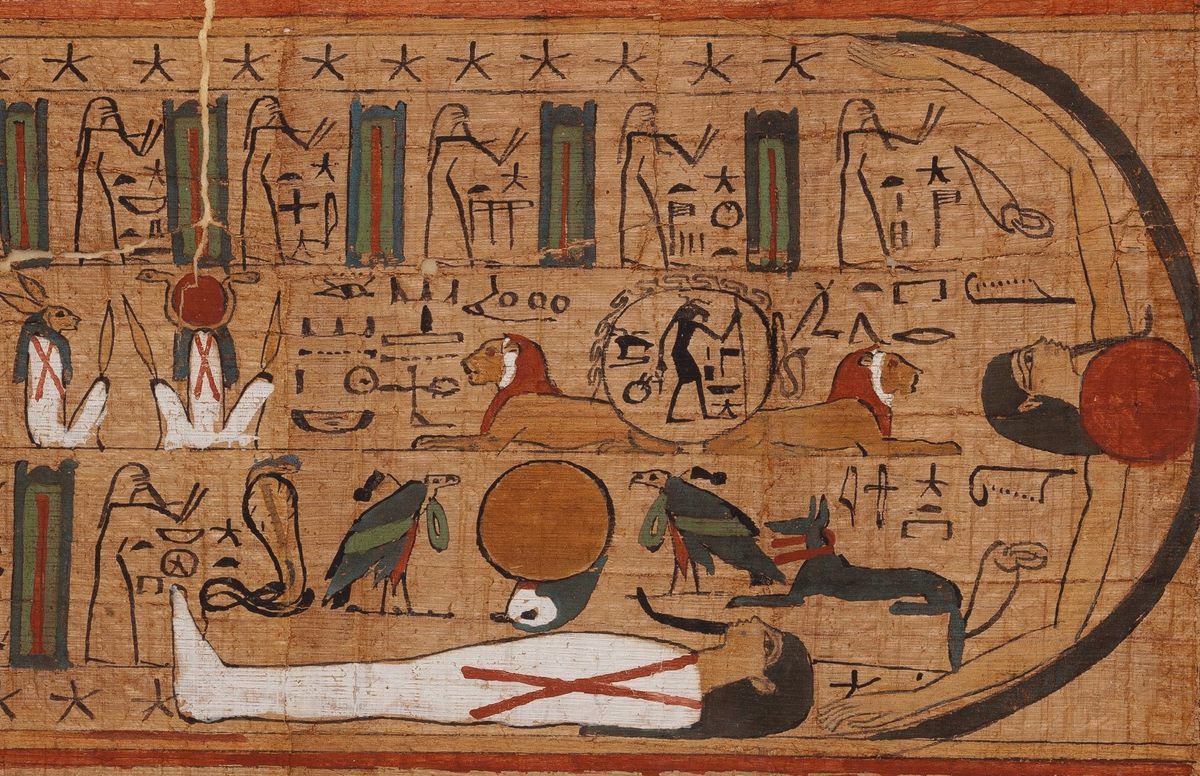
The Book of the Dead was one of the most famous religious texts associated with the Ancient Egypt belief in afterlife. Rather than being a single book, it was a collection of prayers, magical spells, hymns, and instructions intended to help the deceased successfully navigate the dangers of the next world.

The earliest funerary writings appeared as the Pyramid Texts during the Old Kingdom. These sacred inscriptions were carved inside royal pyramids and were originally reserved for pharaohs.

Later, during the Middle Kingdom, the Coffin Texts expanded these beliefs and became available to wealthy officials and other members of society. These writings were painted on coffins and burial equipment.

By the New Kingdom, the Book of the Dead became the most widely used funerary text. Individual copies were written on papyrus scrolls and placed inside tombs with the deceased.

Each copy of the Book of the Dead was unique. Families selected different chapters depending on personal beliefs, financial resources, and desired protection.

The spells helped the deceased overcome dangerous creatures, pass through guarded gates, answer divine questions, and safely reach Osiris for judgment.

One of the best-known sections describes the Weighing of the Heart ceremony, illustrating the importance of living according to Ma’at.

The texts also contained prayers asking for food, water, protection, and eternal peace. Many included beautiful illustrations that guided the soul visually through the afterlife.

Priests carefully prepared these papyri and often personalized them with the name of the deceased to ensure the prayers were directed correctly.

These funerary texts reflected the Egyptian belief that knowledge possessed sacred power. Understanding the correct prayers and rituals increased the soul’s chances of reaching paradise.

Today, surviving copies of the Book of the Dead are among the most valuable sources for understanding Ancient Egyptian religion. They provide remarkable insight into Egyptian ideas about morality, death, resurrection, and eternal life.

7. Tombs, Grave Goods, and Preparing for Eternity

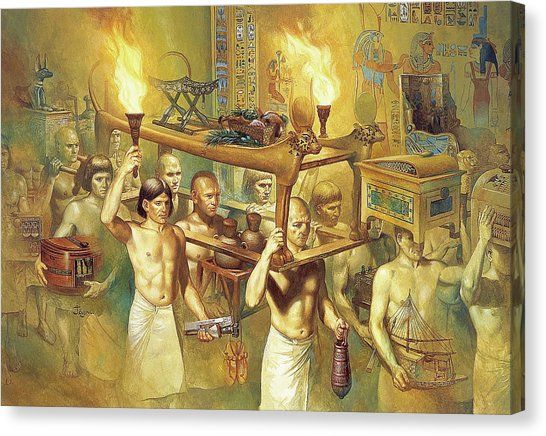
The Ancient Egypt belief in afterlife greatly influenced the design of tombs and the objects placed inside them. Egyptians believed that the tomb was not simply a burial place but an eternal home where the deceased would continue to exist after death. For this reason, great care was taken to prepare everything needed for the next life.

Tombs evolved over time, from simple desert graves to elaborate mastabas, pyramids, and rock-cut tombs in the Valley of the Kings. Regardless of their size, all tombs were designed to protect the body and provide a safe environment for eternity.

The walls of many tombs were decorated with colorful paintings and hieroglyphic inscriptions. These scenes showed daily activities such as farming, hunting, fishing, banquets, and family gatherings. Egyptians believed these images would become real in the afterlife, allowing the deceased to continue enjoying life’s pleasures.

Families placed a wide variety of grave goods inside tombs. These included food, water, wine, clothing, furniture, jewelry, cosmetics, tools, weapons, musical instruments, and household objects. Every item was intended to support the deceased during eternal life.

Statues of servants known as ushabti figures were also common. Egyptians believed these small figures would magically perform agricultural labor and other tasks on behalf of the deceased in the afterlife.

Religious amulets were carefully placed among the mummy’s wrappings or inside the coffin to provide protection during the soul’s journey. Scarab beetles, the Eye of Horus, and the ankh were among the most popular symbols.

Canopic jars containing preserved internal organs were often placed near the sarcophagus, protected by the Four Sons of Horus.

The tomb itself became a sacred place where family members returned to make offerings and honor their ancestors. These visits strengthened the relationship between the living and the dead.

The careful preparation of tombs demonstrates the Egyptians’ confidence that eternal life was real and that proper planning ensured a successful future beyond death.

Today, these tombs provide invaluable information about Ancient Egyptian religion, daily life, art, and culture.

8. The Field of Reeds: Ancient Egyptian Paradise

The ultimate goal of the Ancient Egypt belief in afterlife was reaching the Field of Reeds, a beautiful paradise where the righteous could enjoy eternal peace and happiness. Egyptians imagined this perfect world as an ideal version of Egypt itself, free from suffering, disease, and hardship.

After successfully passing the Weighing of the Heart ceremony, the deceased entered this peaceful realm under the protection of Osiris. Only those who lived according to Ma’at and completed the journey through the underworld could reach this eternal destination.

The Field of Reeds was described as a land filled with fertile fields, flowing canals, abundant crops, beautiful gardens, and clear waters. It reflected everything Egyptians valued in earthly life but without its difficulties.

People believed they would reunite with family members and loved ones who had also reached paradise. This reunion made the afterlife especially meaningful and comforting.

Although work still existed in the Field of Reeds, it was pleasant rather than exhausting. Ushabti figures placed inside tombs were expected to perform many necessary tasks, allowing the deceased to enjoy eternal comfort.

The paradise also included opportunities for hunting, fishing, farming, feasting, music, and celebrations. Egyptians believed these joyful activities continued forever.

Food and drink never ran out in the Field of Reeds. Offerings placed inside tombs and presented by family members symbolically supported the deceased throughout eternity.

The gods watched over this peaceful realm, ensuring that order and harmony continued forever.

Unlike some religious traditions that describe paradise as completely different from earthly existence, the Egyptian paradise reflected familiar surroundings. This belief made the hope of eternal life more personal and understandable.

The Field of Reeds represented the reward for living a righteous life, honoring the gods, and maintaining balance through Ma’at.

This vision of paradise gave Egyptians confidence that death was not something to fear but the beginning of an everlasting life filled with peace and abundance.

9. The Role of the Gods in the Afterlife Journey

The gods played an essential role throughout the Ancient Egypt belief in afterlife. Egyptians believed that the soul could not successfully complete its journey without divine guidance, protection, and judgment. Every stage of the afterlife involved different gods working together to help maintain cosmic order.

Osiris served as the ruler of the afterlife and welcomed the righteous into eternal life. As the symbol of resurrection and renewal, he represented hope that death could be overcome.

Anubis guided the deceased from the moment of burial until the Judgment of the Dead. He protected tombs, supervised mummification, and carefully weighed the heart during the final judgment.

Thoth, the god of wisdom and writing, recorded the outcome of the judgment. His presence guaranteed honesty and fairness throughout the process.

Horus also played an important role by helping protect the deceased and presenting worthy souls before Osiris. His victory over Seth symbolized the triumph of order over chaos.

The goddess Isis represented love, healing, and magical protection. Egyptians believed her powerful spells helped preserve the body and safeguard the soul throughout eternity.

Nephthys often appeared alongside Isis during funeral ceremonies, offering comfort and protection to both the deceased and grieving families.

The Four Sons of Horus protected the canopic jars containing the preserved internal organs. Each son guarded one specific organ and ensured its safety.

Many other gods and goddesses appeared throughout the underworld. Some acted as guardians of gates, while others protected sacred paths or helped defeat dangerous creatures.

Religious texts instructed the deceased to recognize the names and powers of these divine beings. Knowledge of the gods was considered essential for safely completing the journey.

The cooperation between many gods reflected the Egyptian belief that maintaining the universe required balance, teamwork, and divine order.

The important role of the gods in the afterlife demonstrates that Ancient Egyptians viewed eternal life as a partnership between human morality and divine protection.

10. The Evolution of Afterlife Beliefs Throughout Egyptian History

The Ancient Egypt belief in afterlife evolved over more than three thousand years while maintaining its central promise of eternal life. Although many core beliefs remained unchanged, religious ideas gradually expanded to include more people and adapted to political, cultural, and social developments.

During the Early Dynastic Period and the Old Kingdom, beliefs about eternal life focused mainly on the pharaoh. Kings were considered divine rulers, and elaborate pyramids, funerary rituals, and sacred texts were designed primarily to ensure their successful journey into the afterlife.

The earliest religious writings, known as the Pyramid Texts, were carved inside royal pyramids and were reserved almost exclusively for members of the royal family.

During the Middle Kingdom, afterlife beliefs became more accessible to nobles and wealthy officials through the Coffin Texts. These writings extended the hope of eternal life beyond the king and reflected a broader understanding of divine justice.

By the New Kingdom, the Book of the Dead allowed many Egyptians to prepare spiritually for the afterlife. Individual copies were customized with prayers and spells suited to the needs of the deceased.

Religious beliefs also emphasized personal responsibility rather than royal status alone. Moral behavior, respect for Ma’at, and successful judgment before Osiris became the keys to eternal life.

Foreign influences during the Late Period and the Greek and Roman eras introduced new religious ideas, but traditional Egyptian beliefs about the soul, judgment, and resurrection remained remarkably resilient.

Over time, burial customs became more elaborate for many social classes. Decorative coffins, funerary masks, and protective amulets became increasingly common.

Although Christianity and later Islam eventually replaced the ancient religion, Egyptian ideas about morality, judgment, and life after death continued to influence historical thought and religious studies.

The development of afterlife beliefs demonstrates the adaptability of Egyptian religion while preserving its central message of hope, renewal, and eternal existence.

11. The Legacy of Ancient Egyptian Beliefs About the Afterlife

The Ancient Egypt belief in afterlife has left one of the greatest cultural legacies in world history. Egyptian ideas about death, resurrection, judgment, and eternal life continue to fascinate historians, archaeologists, and millions of visitors each year.

The magnificent pyramids, royal tombs, and burial temples stand as lasting symbols of Egypt’s commitment to preparing for eternity. These monuments remain among the most recognizable structures ever built.

Mummies provide extraordinary evidence of ancient medical knowledge and religious beliefs. Their remarkable preservation allows scientists to study the health, lifestyles, and burial customs of people who lived thousands of years ago.

Religious texts such as the Book of the Dead have become some of the world’s most valuable historical documents. They reveal detailed information about Egyptian mythology, ethics, and beliefs regarding the soul.

Ancient Egyptian ideas about judgment after death continue to attract scholarly interest because they emphasize personal responsibility and moral conduct.

The symbolism of Osiris, Anubis, Isis, Horus, and other gods remains influential in literature, art, films, museums, and educational programs around the world.

Archaeological discoveries continue to uncover previously unknown tombs, funerary objects, and religious inscriptions that expand our understanding of Egyptian civilization.

Modern Egyptology depends heavily on the study of funerary monuments because they preserve some of the best surviving examples of Egyptian writing, painting, sculpture, and architecture.

Museums across the world display sarcophagi, mummies, papyri, jewelry, and burial objects that introduce visitors to the spiritual beliefs of Ancient Egypt.

The lasting influence of these discoveries demonstrates how the Egyptian vision of eternal life continues to inspire curiosity and respect.

The legacy of the Egyptian afterlife remains one of humanity’s greatest contributions to the study of religion, history, and civilization.

12. Why the Ancient Egypt Belief in Afterlife Still Fascinates the World Today

The Ancient Egypt belief in afterlife continues to capture the imagination of people around the world because it combines religion, history, art, architecture, and philosophy into one extraordinary cultural tradition.

Unlike many ancient civilizations whose beliefs have largely disappeared, Egypt left behind an exceptional number of monuments, tombs, inscriptions, and mummies that preserve its religious ideas in remarkable detail.

The construction of pyramids and elaborate tombs demonstrates the extraordinary commitment Egyptians made to preparing for eternal life. These monuments continue to attract millions of visitors every year.

The mysteries surrounding mummification, hidden tombs, royal treasures, and ancient burial rituals continue to inspire archaeological discoveries, documentaries, books, and scientific research.

Egyptian mythology also remains popular because of its memorable gods, dramatic stories, and powerful symbols of resurrection, justice, and divine protection.

The Weighing of the Heart ceremony continues to resonate with modern audiences because it emphasizes ethical behavior, fairness, and personal accountability.

Ancient Egyptian religious art and architecture continue to influence artists, designers, writers, and filmmakers across the world.

Modern technology has allowed researchers to examine mummies and tombs without causing damage, leading to new discoveries about Egyptian health, society, and religious practices.

The study of Egyptian beliefs also helps scholars compare different religions and understand how human ideas about death and eternity have developed over time.

Above all, the Egyptian belief in eternal life reflects a universal human desire to understand what happens after death. This timeless question continues to make Ancient Egypt one of the world’s most fascinating civilizations.

The enduring popularity of Egyptian history demonstrates that its spiritual traditions remain relevant, educational, and inspiring thousands of years after they first developed.

Frequently Asked Questions

Ancient Egyptians believed the soul traveled through the underworld, faced judgment before Osiris, and, if found worthy, entered the eternal paradise known as the Field of Reeds.


Mummification preserved the body so the soul could recognize it and continue its existence in the afterlife.


It was the judgment ceremony in which the deceased’s heart was compared with the feather of Ma’at to determine whether they deserved eternal life.


The Book of the Dead was a collection of funerary prayers, spells, and instructions designed to help the deceased safely navigate the afterlife.


Osiris was believed to be the ruler of the afterlife, welcoming righteous souls into eternal life after they passed the final judgment.